Museum
Satu Mare County Museum
Satu Mare County Museum is a museum.
About Satu Mare County Museum
Overview & Identity
The Satu Mare County Museum (Muzeul Județean Satu Mare) stands as the largest cultural institution in Satu Mare County, Romania. It operates as a complex network comprising 23 subordinate museums, memorial houses, peasant households, and archaeological sites distributed across the region. The institution manages a patrimony totaling approximately 400,000 objects, supported by a zonal restoration and conservation laboratory, three libraries, and its own publishing house established in 1995. Its administrative headquarters and main exhibition spaces are located at Bulevardul Vasile Lucaciu nr. 21 in Satu Mare.
History & Founding
The museum's origins trace back to the cultural activities of the Kölcsey Circle, which constituted the first local museum collections in 1891. The first formal institution, the Satu Mare Municipal Museum, was founded in 1905. Following World War I, scholar Darius Pop laid the foundations for a new municipal museum. In 1958, the renowned local artist Aurel Popp directed the organization of the Regional Museum. The institution received its current status as a County Museum in 1968, expanding its scope to include sections for archaeology, history, ethnography, and art. The museum was reorganized between 1950 and 1951 based on old collections and new research.
Collection Highlights & Notable Holdings
The archaeological collection is one of the museum's core strengths, formed from three primary historical nuclei: the antiquities of the Kölcsey Circle (founded 1890), the collection of the Piarist high school in Carei, and the Satu Mare County Museum established in Carei in 1901. The Kölcsey collection alone contained over 3,910 objects by 1909, including stone axes, Roman construction materials from Aquincum, Greek vases, and Egyptian statuettes. A particularly significant highlight is the Treasure of Sarasău, a hoard of gold weighing approximately 9 kilograms discovered in the region. The museum also holds extensive ethnographic materials, including peasant installations and German and Hungarian furniture.
Significance & Operations
As the primary cultural repository for the region, the museum plays a critical role in preserving the history and heritage of Satu Mare County, from prehistory and the Dacian era through the medieval period to modern times. The institution's significance is underscored by its extensive network of 23 sites, which allows for the preservation of local heritage across a wide geographic area. Since 1995, the museum has maintained a dedicated publishing house and a restoration laboratory, ensuring the conservation and dissemination of its vast collection of 400,000 artifacts. It serves as a central hub for museum pedagogy and cultural events in the region.
What to see at Satu Mare County Museum
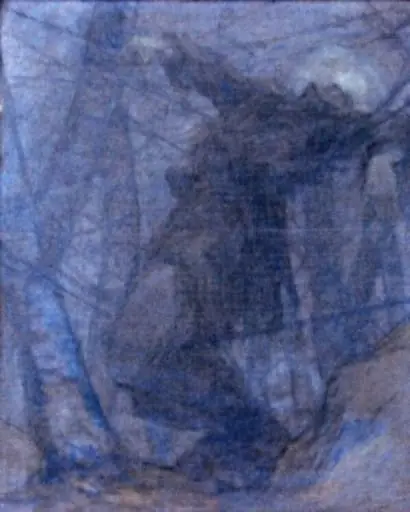
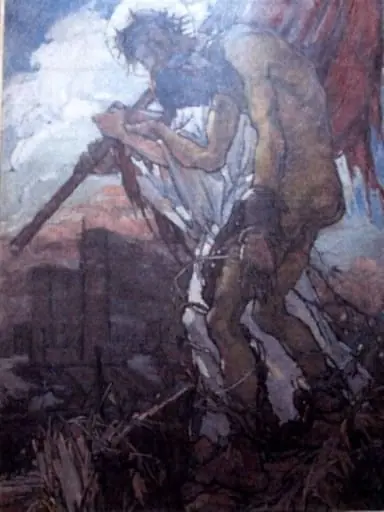
Start with Erou necunoscut (Noul Crist) by Aurel Popp.