Museum
Székely National Museum
Székely National Museum is a museum.
About Székely National Museum
Overview
The Székely National Museum is located in Sfântu Gheorghe (Sepsiszentgyörgy), Covasna County, Transylvania, Romania. Established in 1875, it is one of Central Europe's oldest museums and serves as the largest Hungarian public collection outside of Hungary. The institution functions as a scientific-cultural hub for the Székely people, maintaining extensive departments in natural science, archaeology, history, ethnography, and fine arts, alongside a research library. It is currently maintained by the Covasna County Council and supported by the Székely National Museum Foundation.
History & Founding
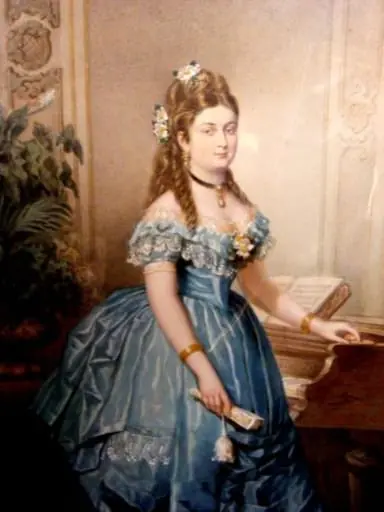
The concept of a Székely museum was first raised by Sámuel Fekete in 1868. The museum was formally founded in 1875 by Emília Zathureczky, the widow of János Cserey, in her manor at Imeni (Imecsfalva), with Gyula Vasady Nagy serving as the first keeper. By 1879, the collection, which had grown to over 9,000 items including the Apor Codex, was transferred to Sepsiszentgyörgy and officially became the common property of the Székely community. The institution was housed at the Székely Mikó College until the completion of its current main building in 1913. It faced significant challenges, including evacuation to Budapest during World War I and partial destruction of its collection during World War II, followed by nationalization in 1949 and a ban on its name until 1989.
Building & Architecture
The museum's main building, constructed between 1911 and 1913, was designed by the renowned architect Károly Kós. The structure is considered an architectural encyclopedia that synthesizes elements of medieval urban architecture, Transylvanian castles, and traditional Székely folk houses, reflecting the Arts and Crafts movement. Kós' design incorporates references to local fortifications and churches, creating a building that acts as a cultural focus similar to a village church. The construction was halted during World War I when the building was requisitioned as a military hospital in 1917, with interior work resuming in 1921. An extension based on Kós' plans was completed in 1981.
Collection Highlights
The museum houses hundreds of thousands of artifacts. Its library holds the Apor Codex (c. 1500), containing the oldest surviving Hungarian translation of the Book of Psalms from the Hussite Bible. The historical collection features unique symbols of Székely freedom, including a cannon cast by Gábor Áron during the 1848 revolution and József Bem's field printing press. The natural science department is internationally recognized for its Ice Age fauna collection and holds Romania's most significant collection of macrofungi. The ethnographic collection includes unique noble embroideries, ceramics, and furniture, while the open-air exhibition features an 18th-century house from Csík, established in 1937 as the second Hungarian open-air museum.
Significance & Legacy
The Székely National Museum is a pivotal institution for preserving the heritage of the Székely Land and the Hungarian language area in Romania. It has evolved from a private noble collection into a major public repository that survived political upheavals, including the removal of 350,000 archival items to form the State Archives in 1964. Today, it serves as an intellectual hub hosting scientific conferences, concerts, and exhibitions, such as the permanent exhibition 'Mrs. Cserey – 200 - We are reborn!' which commemorates its founder. The museum's resilience and extensive holdings make it a key cultural landmark in Transylvania.
What to see at Székely National Museum
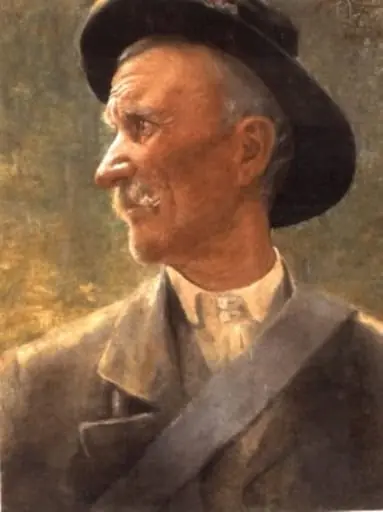
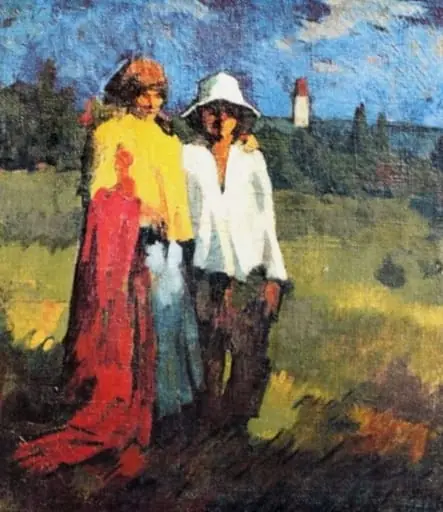
Start with Toboșarul by Jenő Gyárfás.
What's on
- Székelys Patterns of Heritage22 Oct 2025 – 31 Jan 2027
- On the Trail of Nature Birds and Trees Day at the Székely National Museum10 May 2026 – 30 Aug 2026