Artwork
Toboșarul
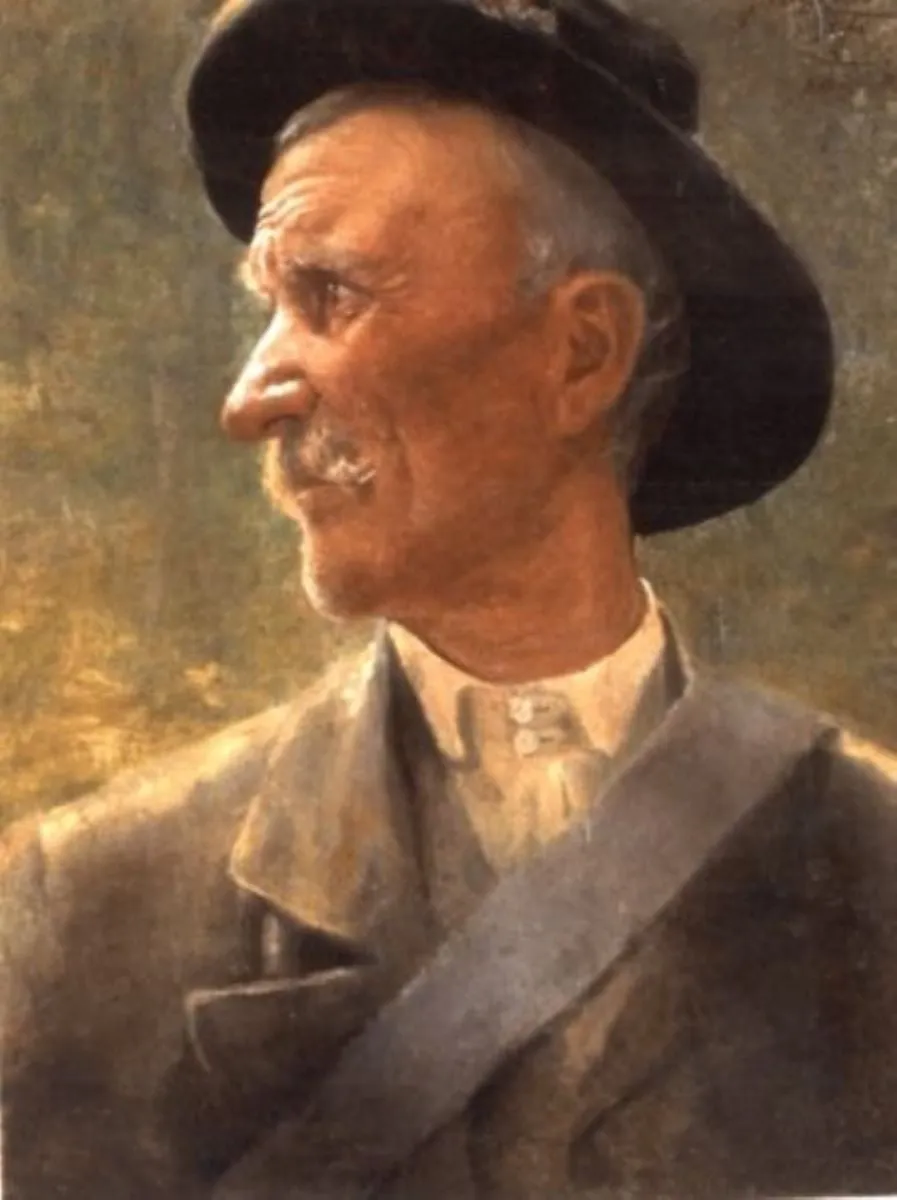
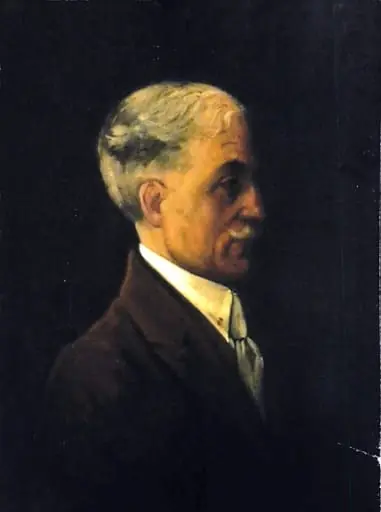
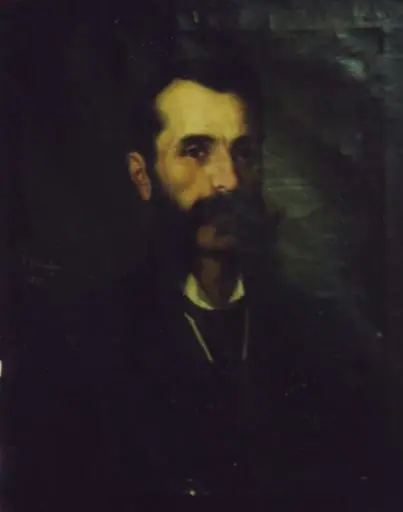
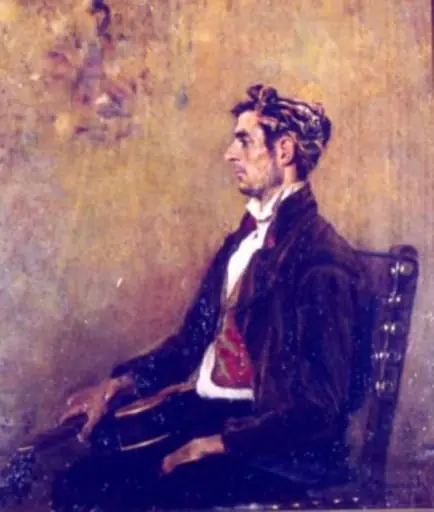
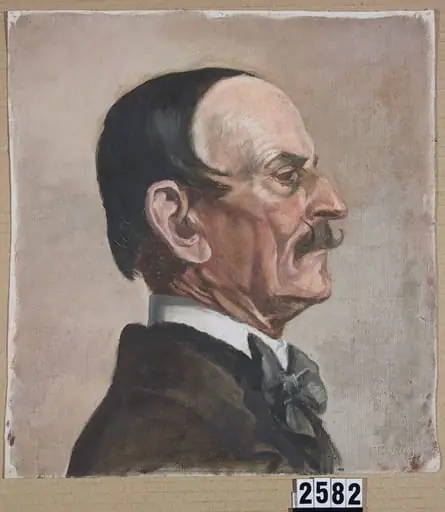
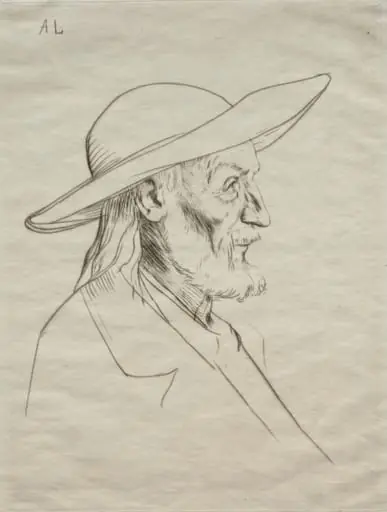
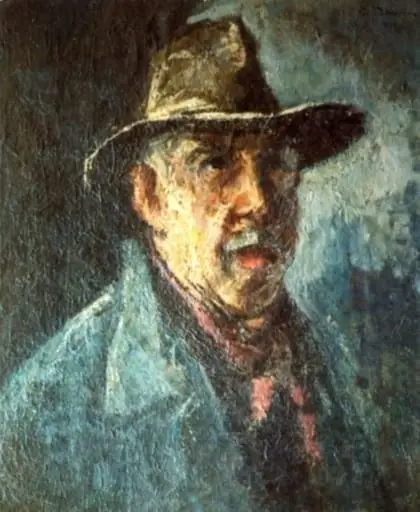
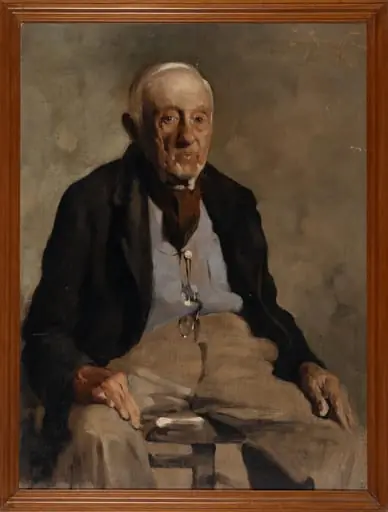
Toboșarul is an unspecified painting by the Art Nouveau artist Jenő Gyárfás. It dates from 1901 and is held in the collection of the Székely National Museum.
About this work
Overview
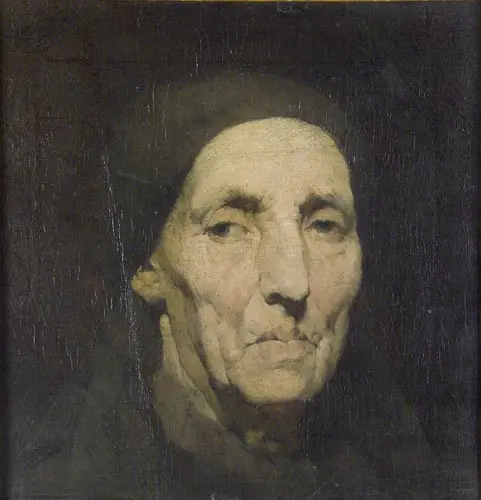
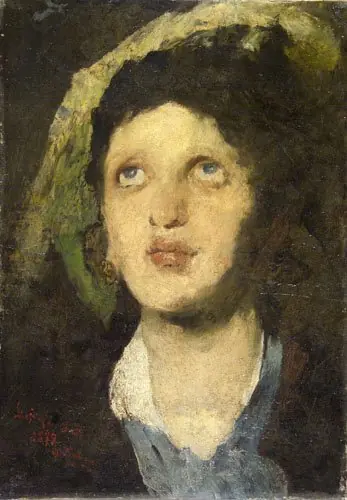
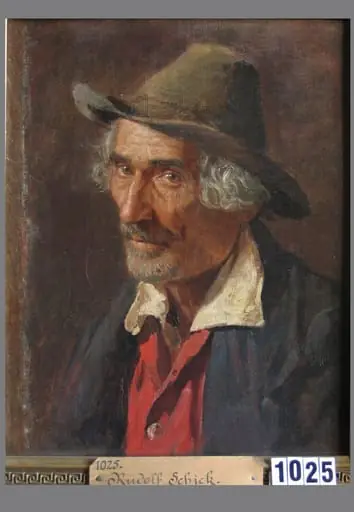
Jenő Gyárfás painted *Toboșarul* in 1901, capturing a Romanian folk musician in a tightly framed portrait. Executed in oil, the work reflects the stylistic concerns of Art Nouveau through its emphasis on line and texture rather than narrative. It resides in the Museum of Ethnography’s collection, where it serves as a record of regional musical culture at the turn of the century.
Subject & Meaning
The solemn expression conveys dignity rather than sentimentality, grounding the image in observation rather than idealization.
The subject is an elderly man, identified by his instrument, the *tobășar*, a traditional drum. His worn clothing and weathered face suggest a life shaped by labor and rural tradition. The absence of context or gesture directs focus to his presence as a bearer of cultural practice. The solemn expression conveys dignity rather than sentimentality, grounding the image in observation rather than idealization.
Technique & Style
Gyárfás employs subtle chiaroscuro to model the man’s face and jacket, emphasizing the texture of skin and fabric through layered brushwork. The blurred background isolates the figure, heightening the intimacy of the portrait. Fine details in wrinkles and fabric folds reveal close study of light’s interaction with surface, aligning with Art Nouveau’s interest in organic form and tactile realism.
History & Provenance
Created in 1901, the painting entered the Museum of Ethnography’s holdings shortly after its completion. Its preservation there reflects early 20th-century efforts to document folk traditions within the Austro-Hungarian Empire. No significant changes in ownership are recorded, and the work has remained in institutional care since its creation.
Context
At the time of its making, Hungary and Romania shared overlapping cultural landscapes, with growing interest in ethnographic documentation. Gyárfás, though Hungarian, engaged with Romanian rural life as part of a broader regional trend. The painting emerged amid academic and artistic movements seeking to preserve vernacular customs through visual representation.
Legacy
Though not widely exhibited beyond institutional settings, *Toboșarul* remains a quiet example of early 20th-century ethnographic portraiture. It contributes to the historical record of folk musicianship and demonstrates how Art Nouveau aesthetics were adapted to documentary subjects, bridging artistic refinement with cultural preservation.
Artist & collection
Artist
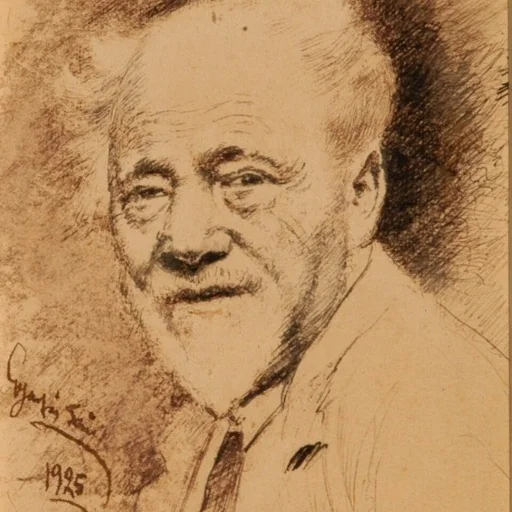
Jenő Gyárfás (6 April 1857, in Sepsiszentgyörgy – 3 December 1925, in Sepsiszentgyörgy, renamed Sfântu Gheorghe) was a Hungarian portrait painter, graphic artist and writer.