Art Museum
Vatican Museums

Image: Wikimedia Commons.
Vatican Museums is an art museum in Vatican City, Vatican City.
About Vatican Museums
Overview & Identity
The Vatican Museums constitute a complex of museums and galleries located within Vatican City, serving as the public art and sculpture museum of the Holy See. Established to display the immense art collection amassed by the Catholic Church over centuries, the museums are among the most visited in the world, recording 6.8 million visitors in 2024. The institution is not a single building but a series of 24 galleries and rooms, culminating in the Sistine Chapel, which houses Michelangelo's famous frescoes. The name 'Vatican Museums' reflects the collective nature of the various specialized museums, including the Gregorian Egyptian, Etruscan, and Pio-Clementino museums, all managed under a single directorate.
History & Founding
The origins of the museums trace back to the early 16th century when Pope Julius II acquired the marble sculpture group of Laocoön and His Sons in 1506, marking the beginning of the public display of the papal collection. The formal institutionalization of the museums occurred much later; Pope Clement XIV founded the Museo Pio-Clementino in 1771 to house classical sculptures. This was significantly expanded by Pope Pius VI, who added new wings and galleries to accommodate the growing collection. The name 'Pio-Clementino' honors both popes. In the 19th century, further museums were established, such as the Gregorian Egyptian Museum, founded in the early 1800s to house artifacts from Egypt, reflecting the Church's expanding archaeological interests.
Collection Highlights & Notable Holdings
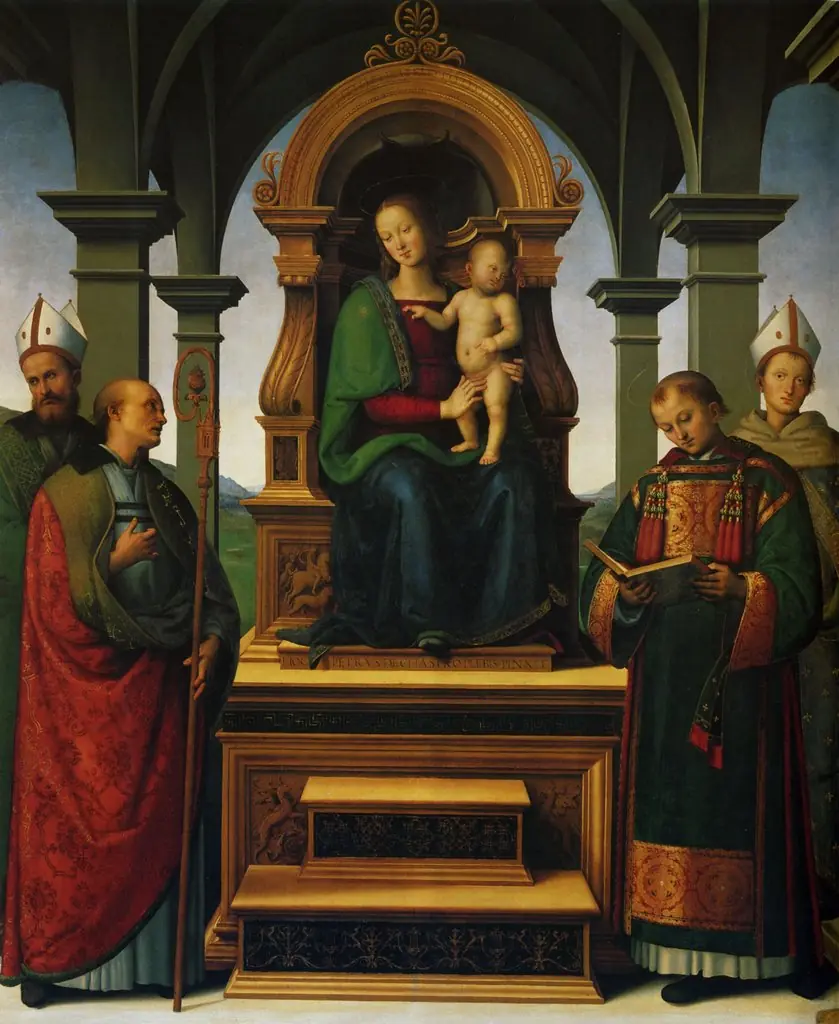
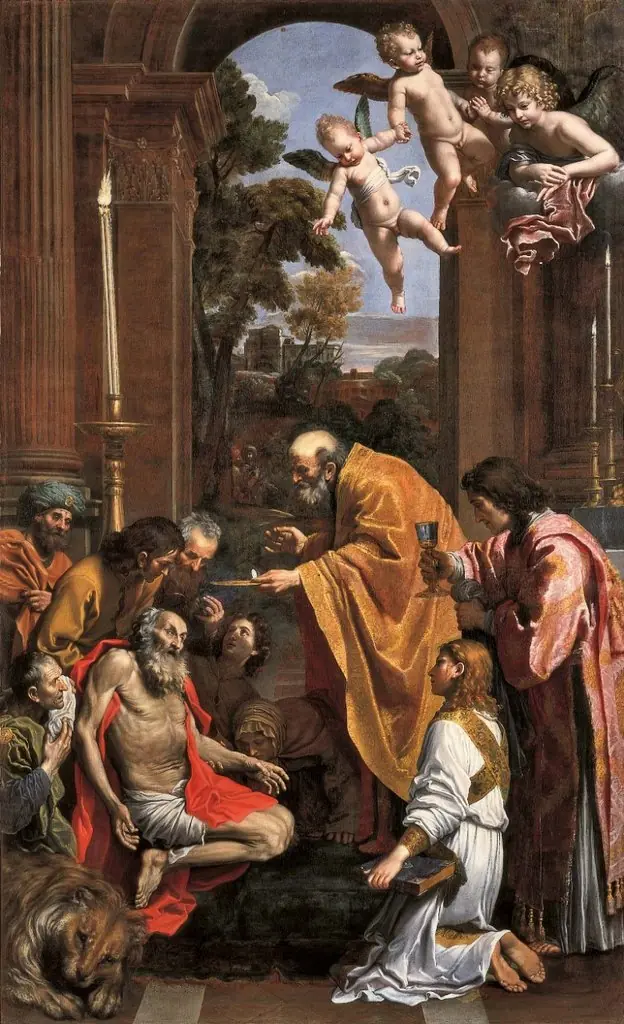
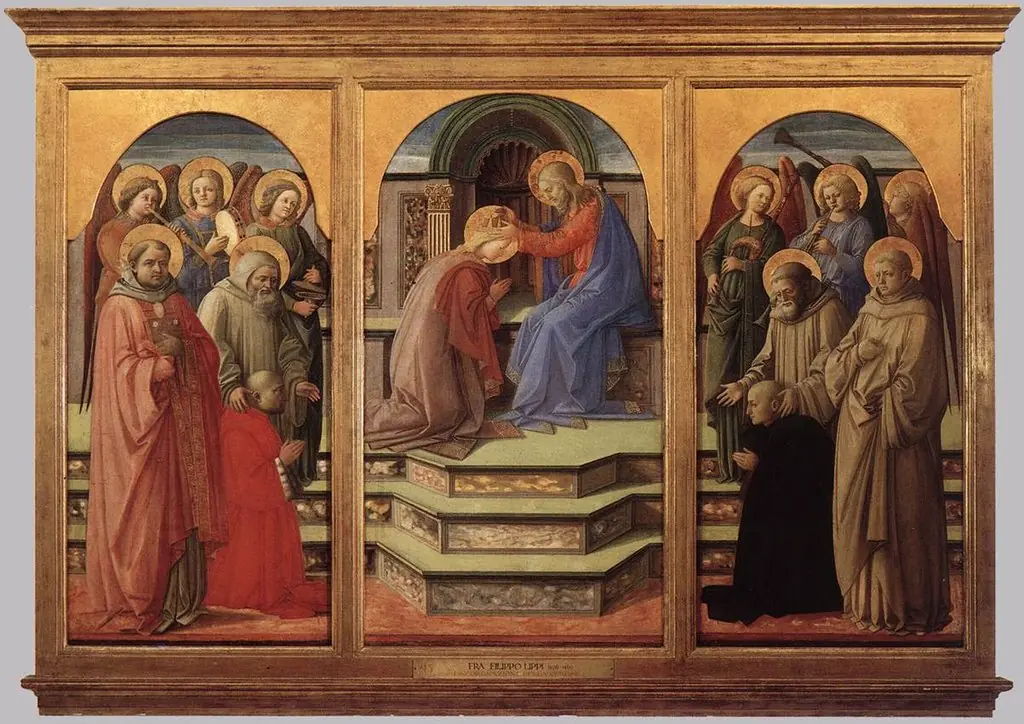
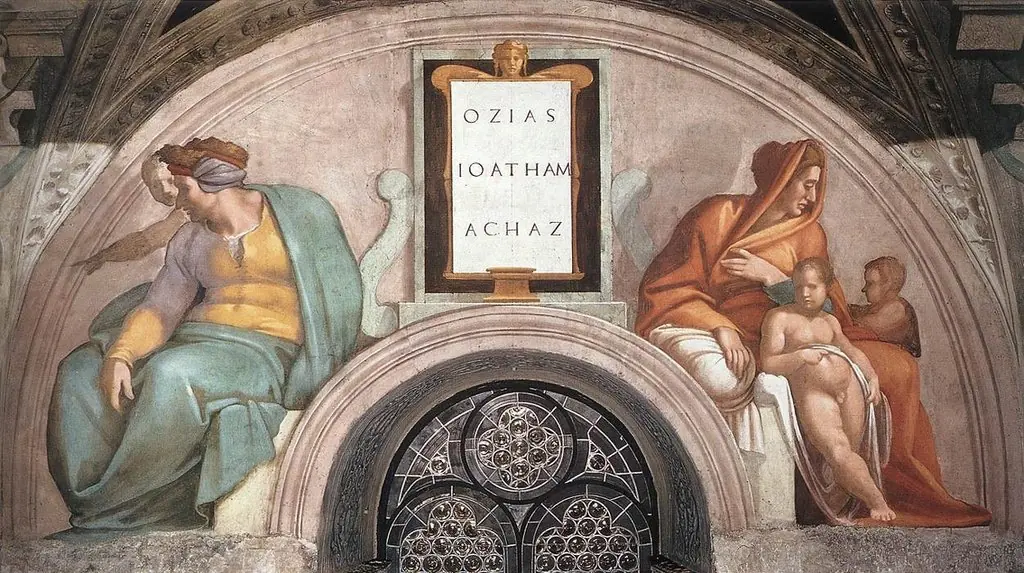
The museums house one of the world's greatest art collections, spanning from classical antiquity to modern times. Key highlights include the Laocoön and His Sons, the Apollo Belvedere, and the Belvedere Torso, all housed in the Pio-Clementino Museum. The Gregorian Egyptian Museum contains a vast array of artifacts from ancient Egypt, including mummies, sarcophagi, and statues. The Pinacoteca (Picture Gallery) features masterpieces by Raphael, Leonardo da Vinci, and Caravaggio. The Sistine Chapel is renowned for Michelangelo's ceiling frescoes and The Last Judgment. The Raphael Rooms, particularly The School of Athens, are celebrated for their depiction of philosophy and classical thought. The collection also includes the Gregorian Etruscan Museum, showcasing Etruscan art and artifacts.
Significance & Cultural Impact
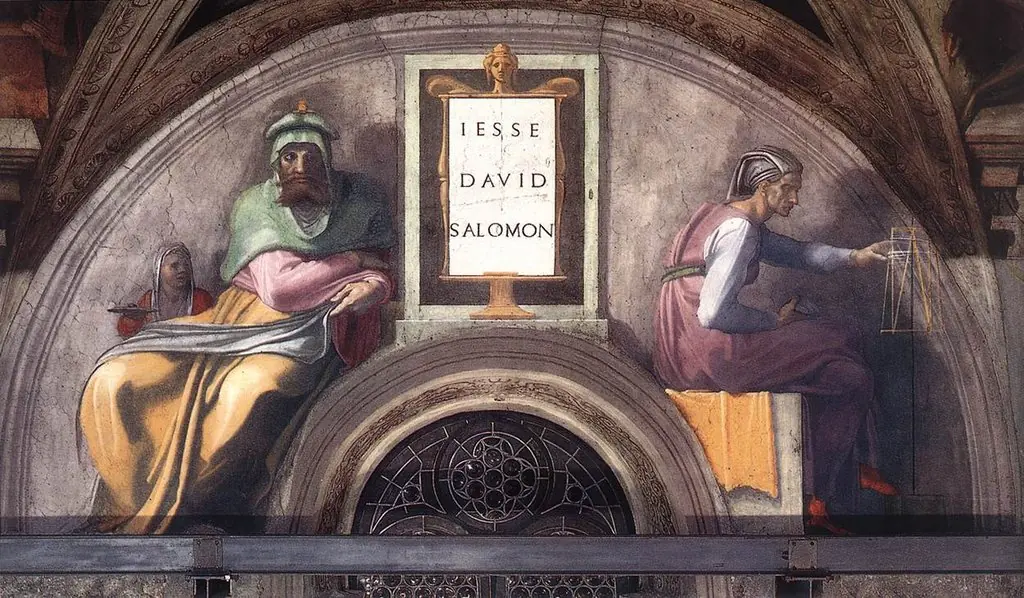
The Vatican Museums are of immense cultural and historical significance, serving as a repository of Western art and civilization. They play a crucial role in the preservation and study of classical antiquity, Renaissance art, and religious artifacts. The museums are a major pilgrimage site for art lovers and historians, attracting millions of visitors annually. They have been the subject of numerous scholarly studies and exhibitions, contributing to the understanding of art history and archaeology. The museums also serve as a symbol of the Catholic Church's patronage of the arts and its commitment to preserving cultural heritage. The Sistine Chapel, in particular, is an iconic site that has influenced art and culture for centuries.
What to see at Vatican Museums
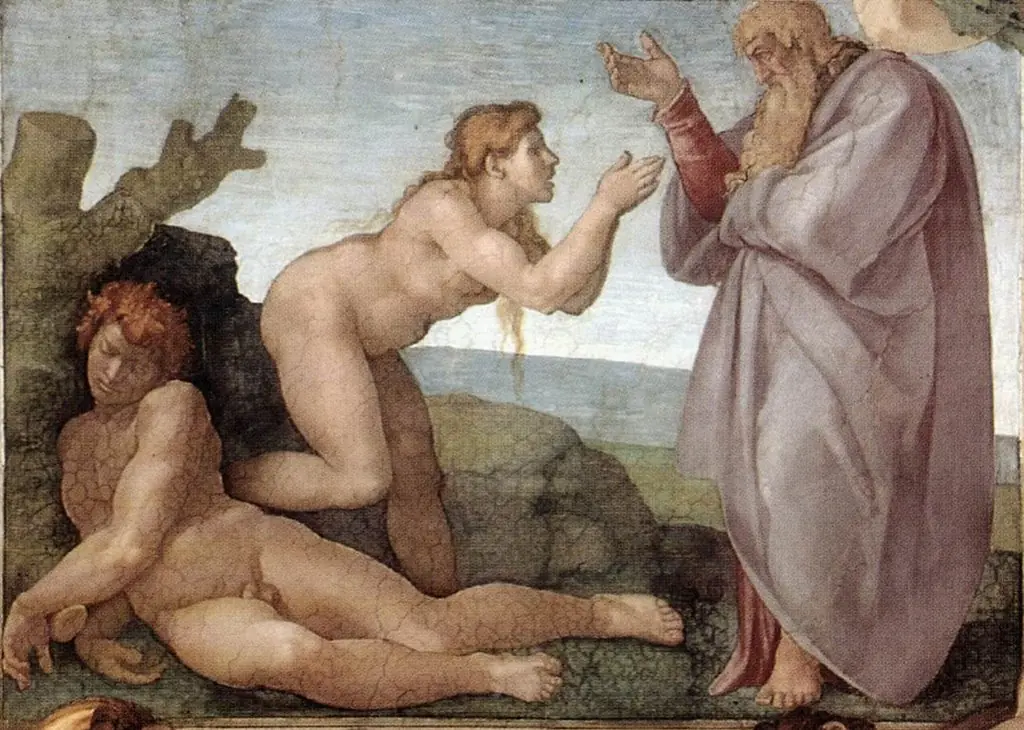
Start with The Creation of Eve by Michelangelo.
Plan your visit
Vatican Museums
- Website
- www.museivaticani.va
What's on
- El Greco in the mirror14 Mar 2026 – 30 Jun 2026