Artwork
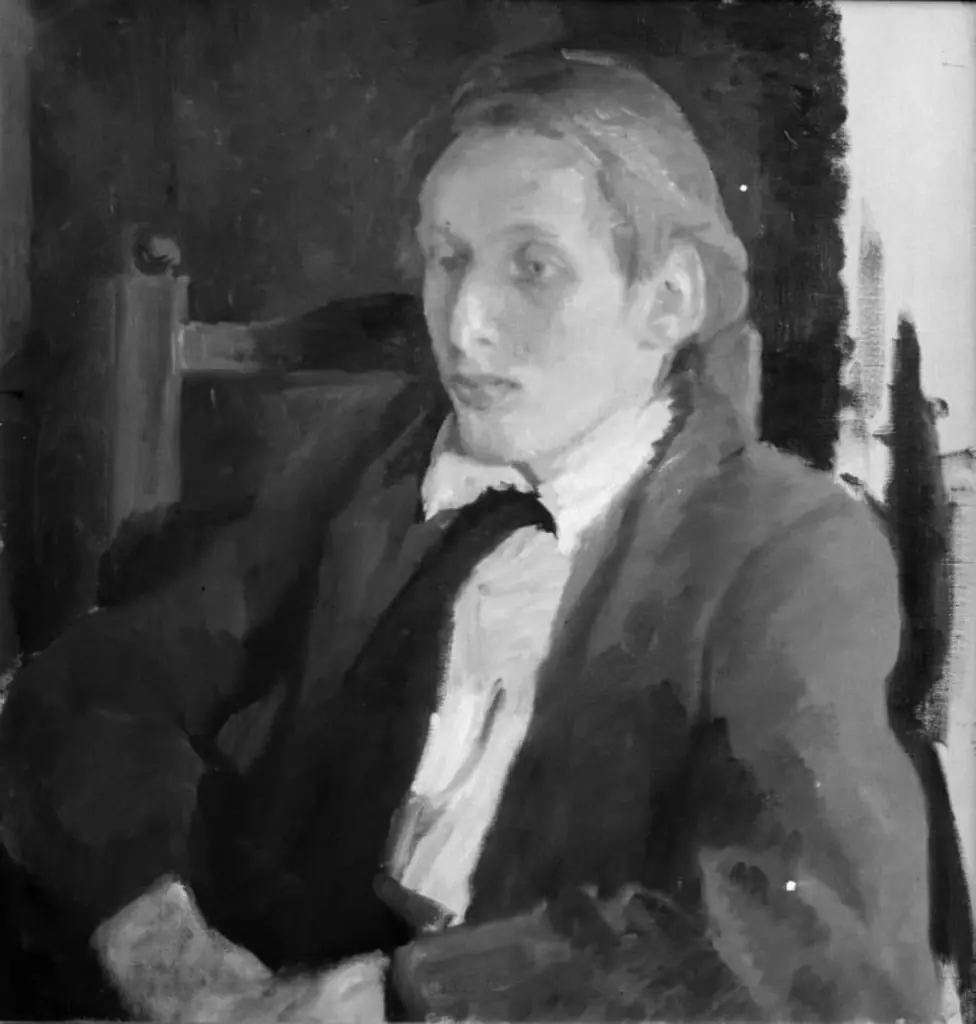
The Architect Hubert Paulsen, the Artist's Son
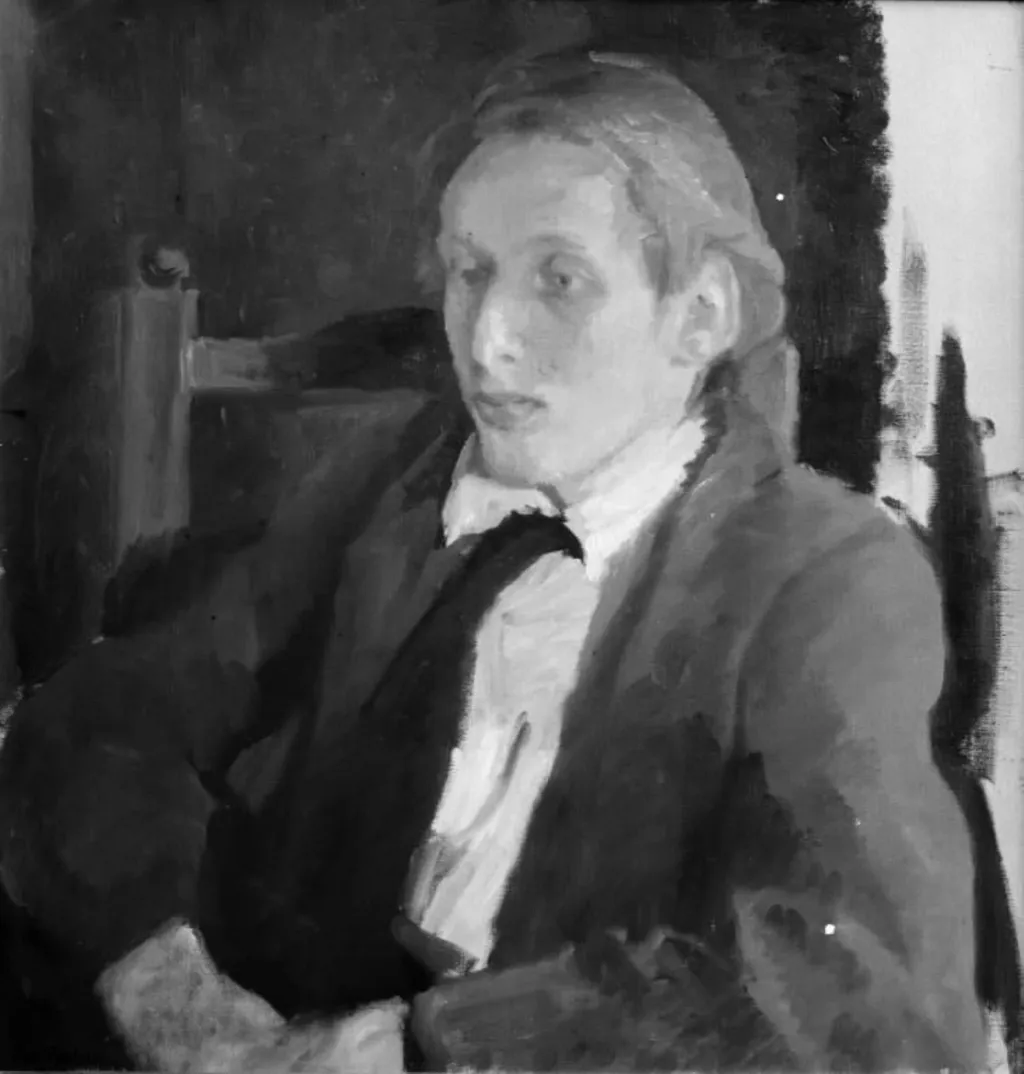
The Architect Hubert Paulsen, the Artist's Son is a photography by Unknown. It dates from 1923 and is held in the collection of the Statens Museum for Kunst. This 1923 photograph depicts Hubert Paulsen, the son of the artist who created it, seated indoors in formal attire.
About this work
Overview
The soft focus and subdued lighting suggest an informal, possibly spontaneous composition, contrasting with the rigidity of the subject’s dress.
This 1923 photograph depicts Hubert Paulsen, the son of the artist who created it, seated indoors in formal attire. Rendered in monochrome, the image captures a quiet, intimate moment with minimal studio setup. The soft focus and subdued lighting suggest an informal, possibly spontaneous composition, contrasting with the rigidity of the subject’s dress. It resides in the collection of the Museum of Ethnography, where it functions as a personal document rather than a formal portrait.
Subject & Meaning
Hubert Paulsen, shown in a suit and tie, is presented not as a public figure but as a private individual—son and heir to the artist’s domestic world. His forward lean and relaxed posture suggest attentiveness rather than pose. The image conveys familial connection rather than social status, offering a glimpse into the personal life of the artist’s household. The lack of symbolic props or elaborate setting reinforces its intimate, unadorned character.
Technique & Style
The photograph employs natural, directional lighting to isolate the subject’s face against a dark, indistinct background. A slight motion blur implies a handheld camera and short exposure, lending immediacy to the scene. The shallow depth of field draws attention to the sitter’s expression while softening details of the environment. This approach prioritizes emotional presence over technical precision, aligning with early 20th-century documentary tendencies.
History & Provenance
Created in 1923, the photograph remained within the artist’s family before entering the Museum of Ethnography’s collection. Its acquisition reflects a broader institutional interest in personal and domestic imagery as cultural artifacts. Unlike formal portraits of the era, this image was not commissioned for public display, suggesting its value emerged posthumously through its authenticity and connection to the artist’s private sphere.
Context
In the early 1920s, photography was increasingly used by artists to explore personal and domestic themes beyond traditional portraiture. This image aligns with a trend among photographers to capture family members with candid intimacy, rejecting theatricality. The Museum of Ethnography’s inclusion of such a work signals a shift toward valuing everyday visual records as ethnographic evidence of private life in modern Europe.
Legacy
The photograph endures not for its technical brilliance but for its quiet humanity. It exemplifies how personal imagery, once overlooked, gained recognition as a window into cultural and familial identity. Its presence in an ethnographic museum underscores the evolving understanding of photography as a medium for documenting lived experience, not just public achievement.
Artist & collection

 Domestic Scene
 Giacomo and Cardinal Marco, investing Andrea, Abbot of San Zeno, with his Benefice
 The Nymph of Fontainebleau
 Portrait of a Woman
 Madonna and Child with Saints in the Enclosed Garden
 Venus and Minerva
 Family Group of Four on Sofa
 Wall painting from Room H of the Villa of P. Fannius Synistor at Boscoreale
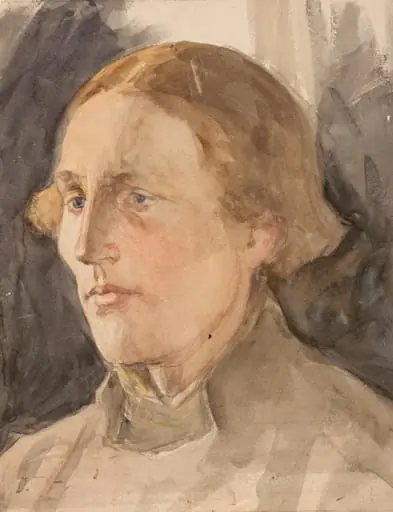 Körttimies Lapualta
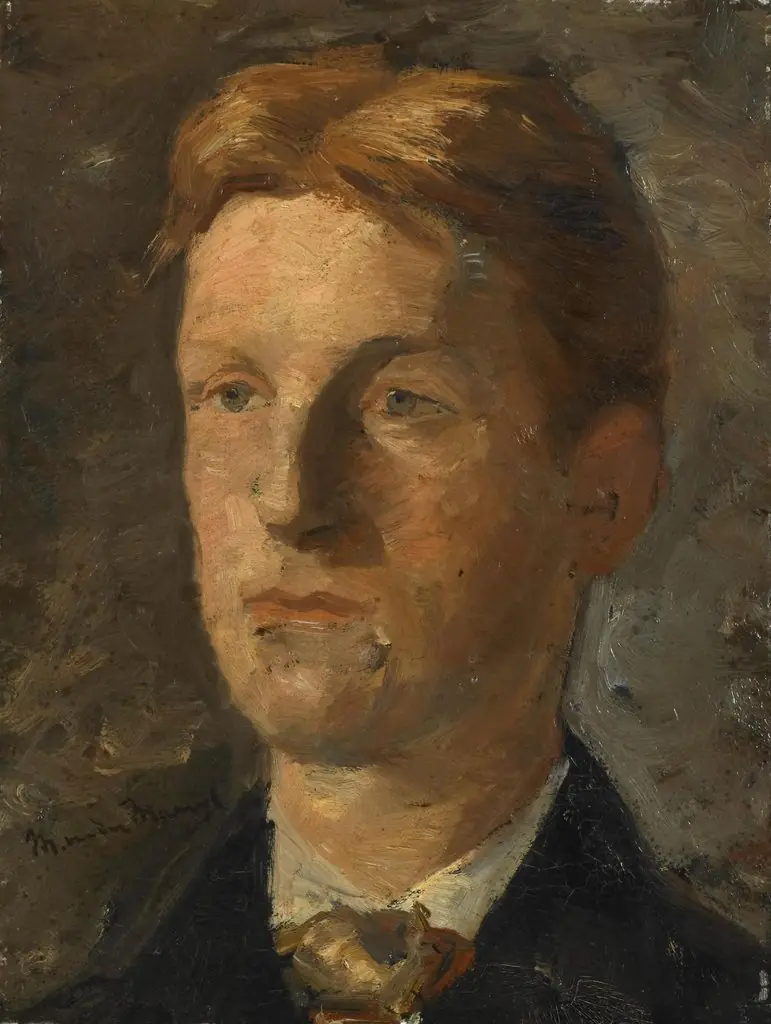 Adriaan Pit (1860-1944). Director of the Dutch Museum for Art and History in Amsterdam
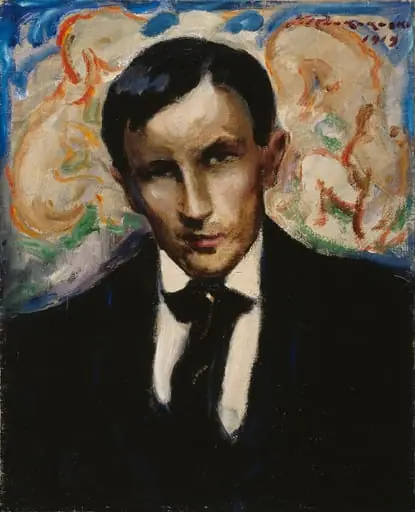 Tyko Sallisen muotokuva
 Autoportret
 Portret de bărbat
 Näyttelijän muotokuva (Lars Hanson)
 Cap de bărbat
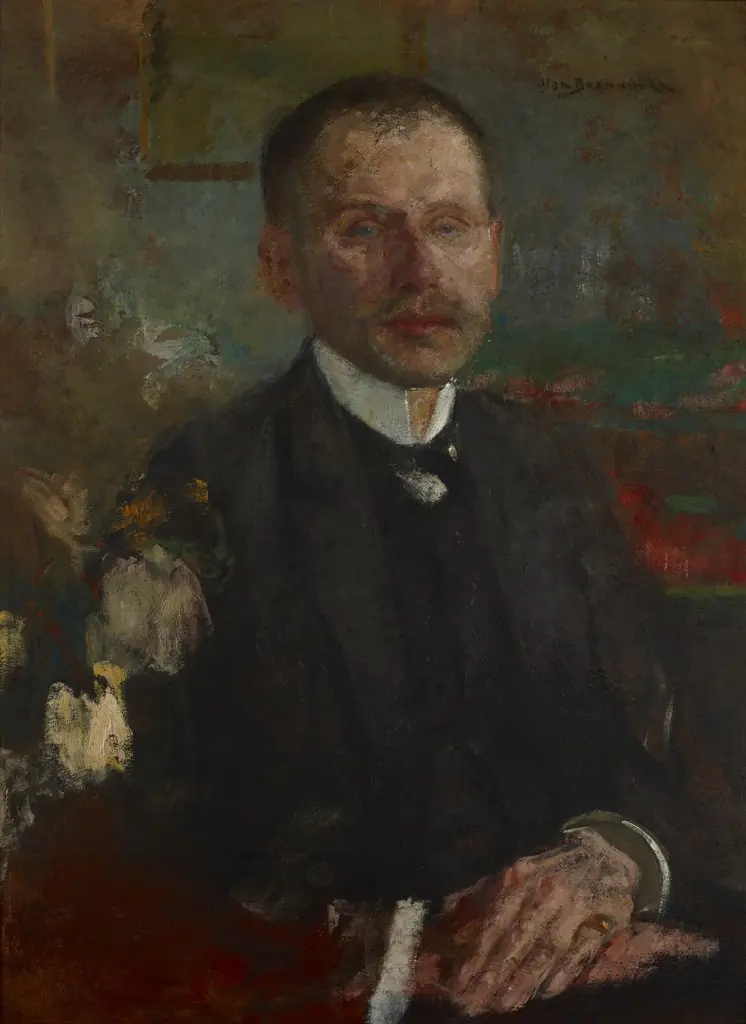 Portrait of Bogdan Faleński – two-sided painting
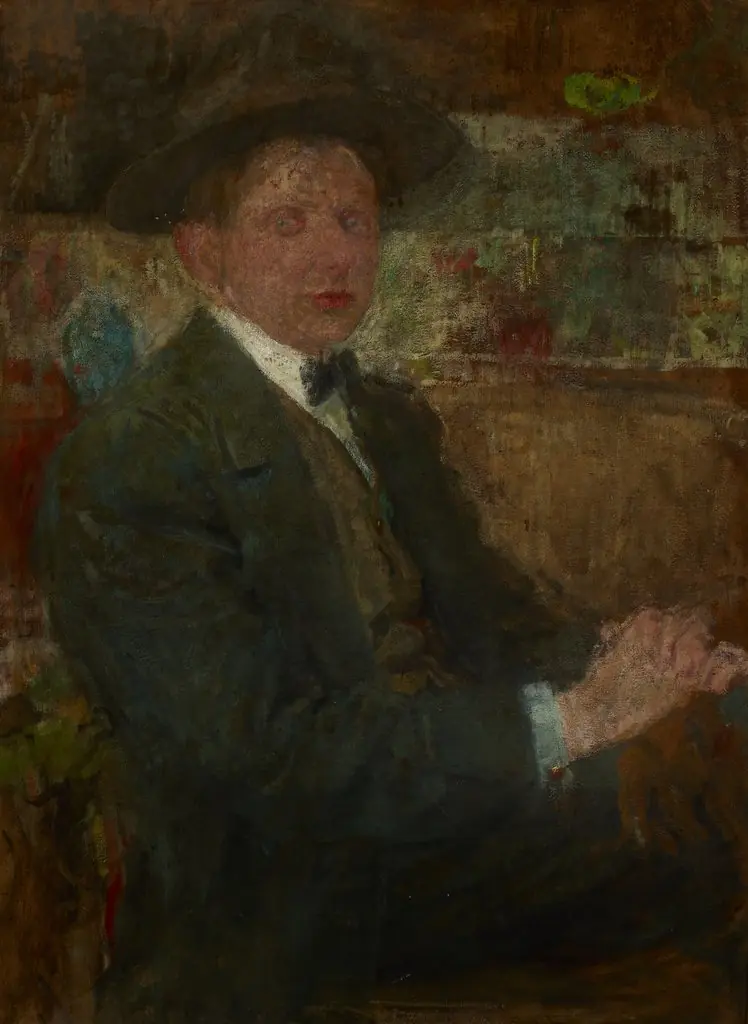 Portrait of a Man in a Hat
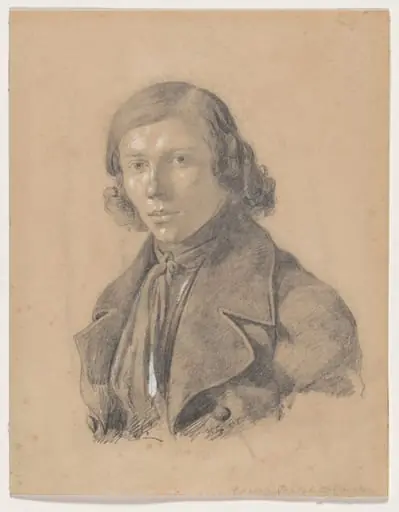 Adrien Perlet, Actor
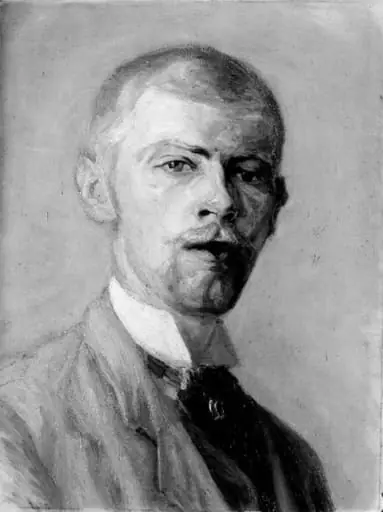 Selvportræt
 The Architect Hubert Paulsen, the Artist's Son