Artwork
Körttimies Lapualta
Körttimies Lapualta is a photography by Venny Soldan-Brofeldt. It dates from 1913 and is held in the collection of the Järvenpää Art Museum.
About this work
Overview
The image bears signs of age—faded tones, edge damage, and a soft, yellowed patina—suggesting its status as an early 20th-century ethnographic record.
Körttimies Lapualta is a photographic portrait created around 1913 by Finnish artist Venny Soldan-Brofeldt. It depicts a man from Lapland, captured in a head-and-shoulders composition. The image bears signs of age—faded tones, edge damage, and a soft, yellowed patina—suggesting its status as an early 20th-century ethnographic record. The background is uniformly dark, directing attention entirely to the subject’s face and bearing.
Subject & Meaning
The subject is a man from Lapland, identified by the title, though his name and specific role remain undocumented. His calm, slightly tilted gaze and neutral expression convey quiet dignity rather than performative stereotyping. The plain attire and minimal context suggest an intent to portray individual presence over cultural spectacle, aligning with early ethnographic efforts to document personal identity within indigenous communities.
Technique & Style
The photograph employs soft, directional lighting that models the face in gentle chiaroscuro, enhancing texture without harsh contrast. The shallow depth of field and plain backdrop eliminate distractions, focusing on facial features and the crisp white collar that contrasts with the skin tone. The image’s grain and tonal decay reflect the limitations and material qualities of early photographic processes, contributing to its archival character.
History & Provenance
Created circa 1913, the photograph entered the collection of the Museum of Ethnography in Finland, where it remains today. Its origin as part of a broader ethnographic project is implied by its title and format, though no record of its commission or the photographer’s direct interaction with the subject survives. The physical condition—fading, edge wear—indicates decades of handling and storage under period-appropriate conditions.
Context
In early 20th-century Finland, ethnographic photography was used to document Sámi and other northern communities amid rising national interest in cultural heritage. This image reflects a shift from exoticizing portrayals toward more restrained, individualized representation. Soldan-Brofeldt, primarily known as a painter, engaged with photography as a tool for anthropological observation, aligning with broader Nordic scholarly trends of the era.
Legacy
The photograph endures as a quiet testament to early ethnographic practice in Finland. Its restrained composition and lack of overt narrative distinguish it from more sensationalized depictions of Indigenous peoples. Today, it serves as a primary source for studies on representation, identity, and the evolving ethics of visual documentation in Nordic cultural history.
Artist & collection
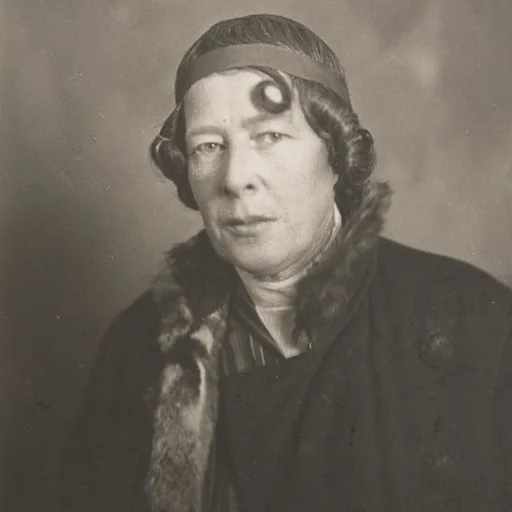
Artist
Wendla Irene Soldan-Brofeldt, known as Venny (2 November 1863, Helsinki – 10 October 1945, Lohja) was a Finnish painter, illustrator, graphic artist, wood sculptor and jewelry designer.

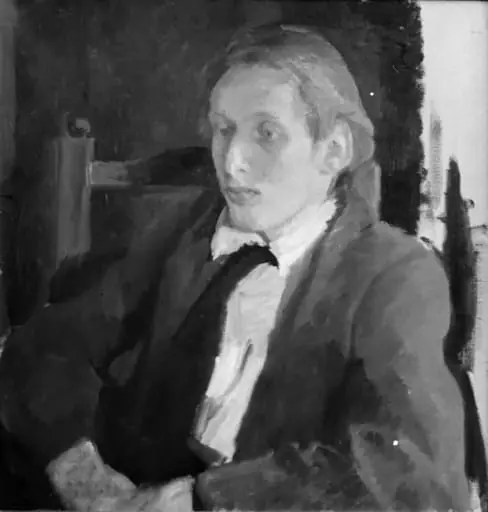 The Architect Hubert Paulsen, the Artist's Son
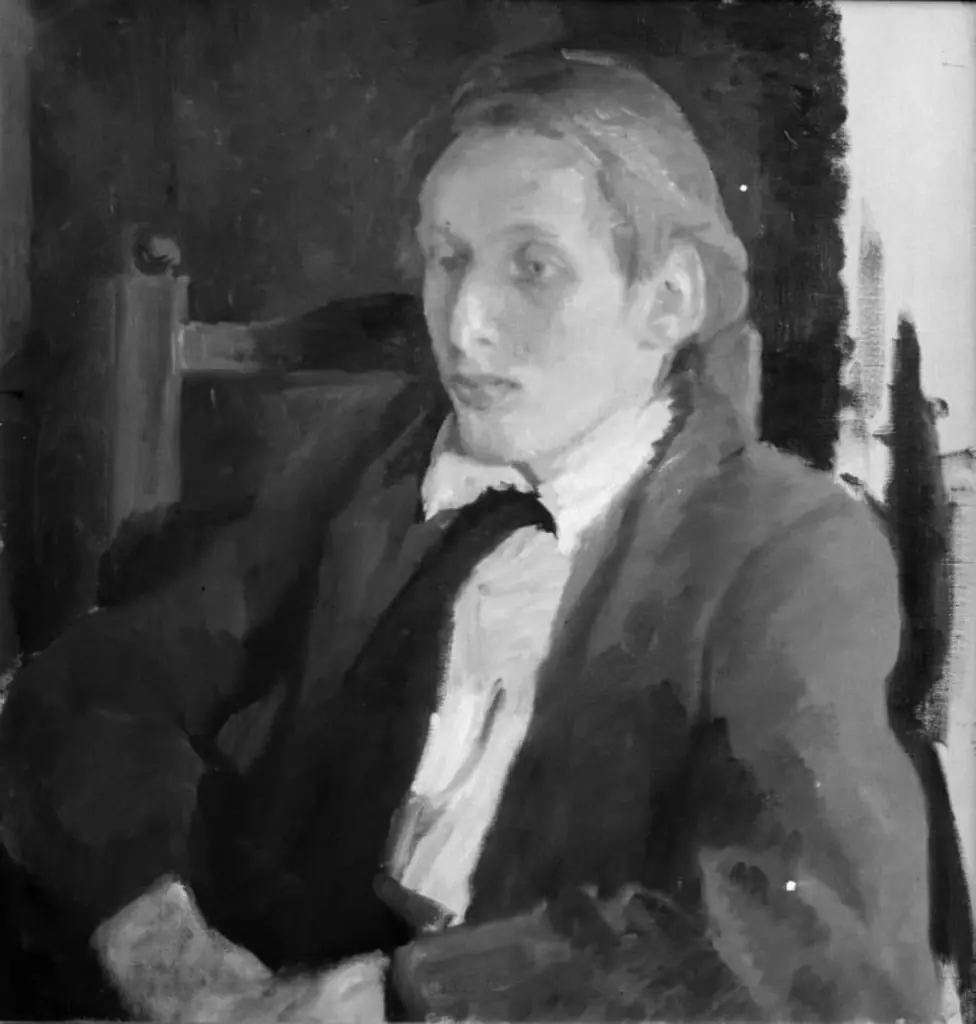 The Architect Hubert Paulsen, the Artist's Son
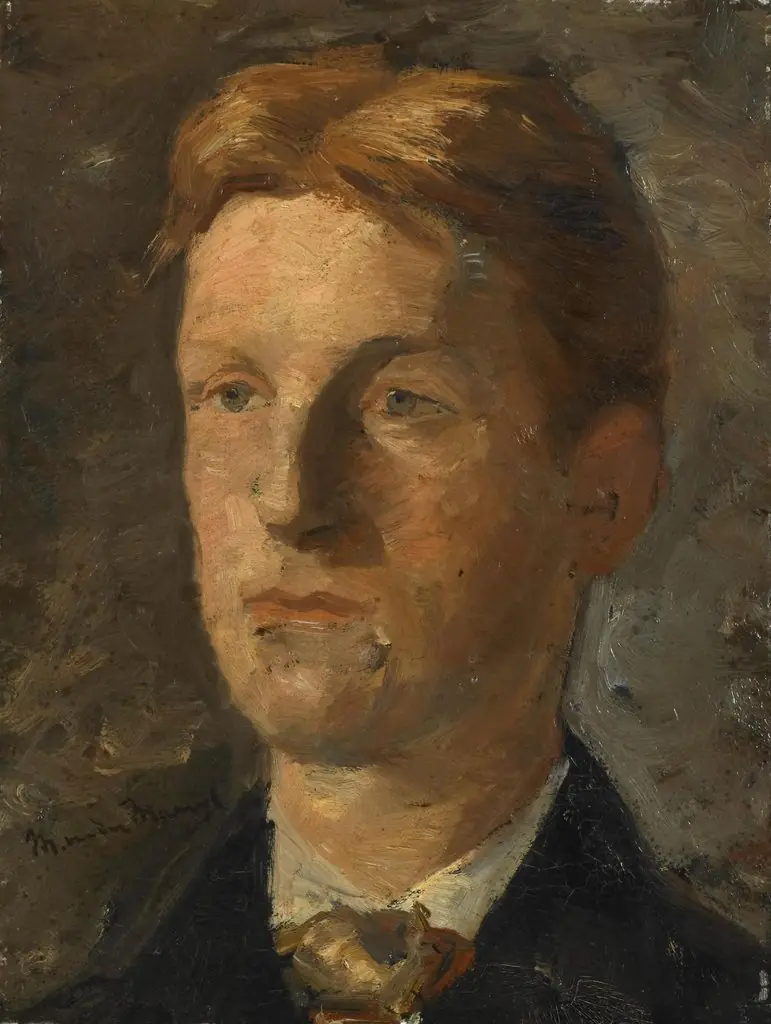 Adriaan Pit (1860-1944). Director of the Dutch Museum for Art and History in Amsterdam
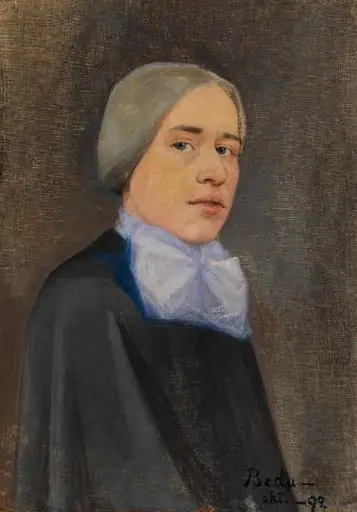 Omakuva
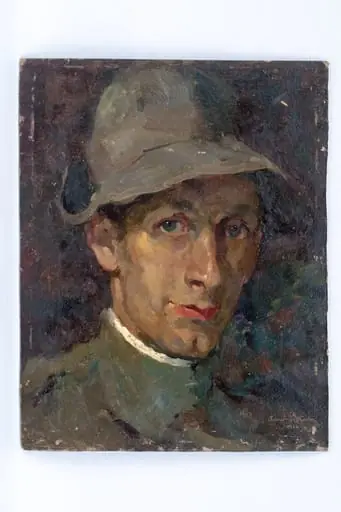 Portret de bărbat (Italia)
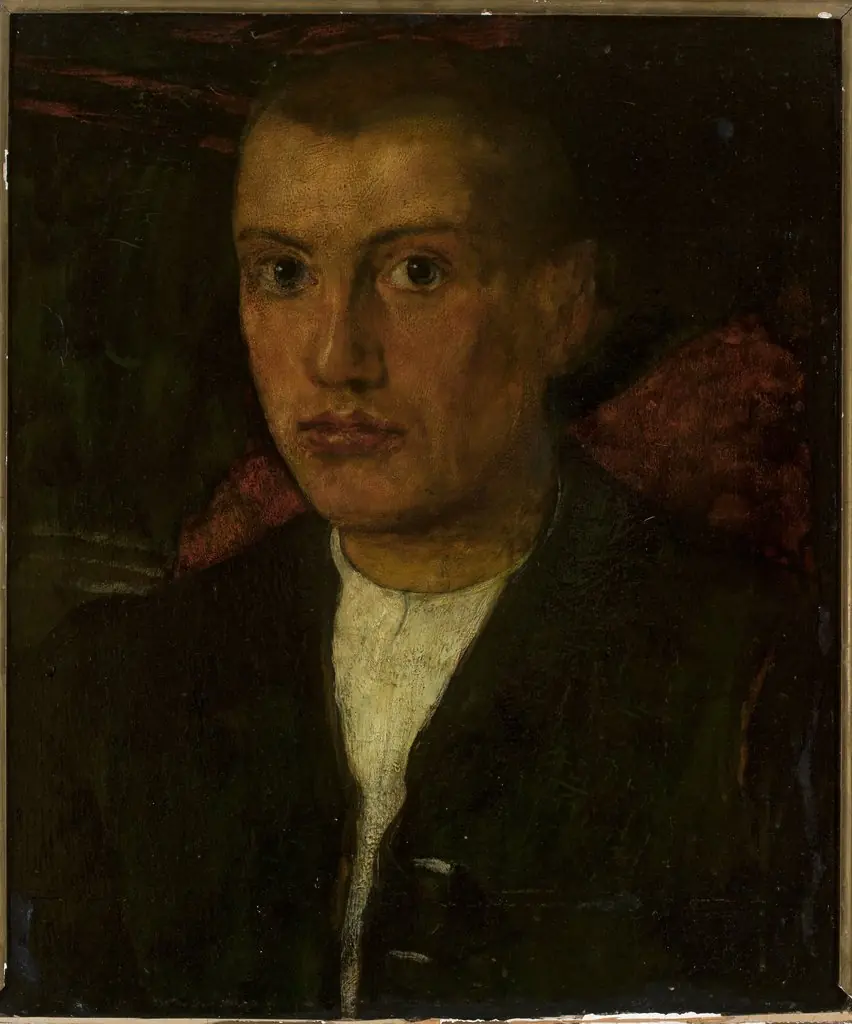 Self-portrait
 Adrien Perlet, Actor
 Untitled
 Portrait of Emeryk Hutten-Czapski
 Portrait of John Stewart Collis (1900-1984), Author
 Portrait of J. M. W. Turner
 Autoportret