Artwork
The Painter Agnes Paulsen, the Artist's Sister
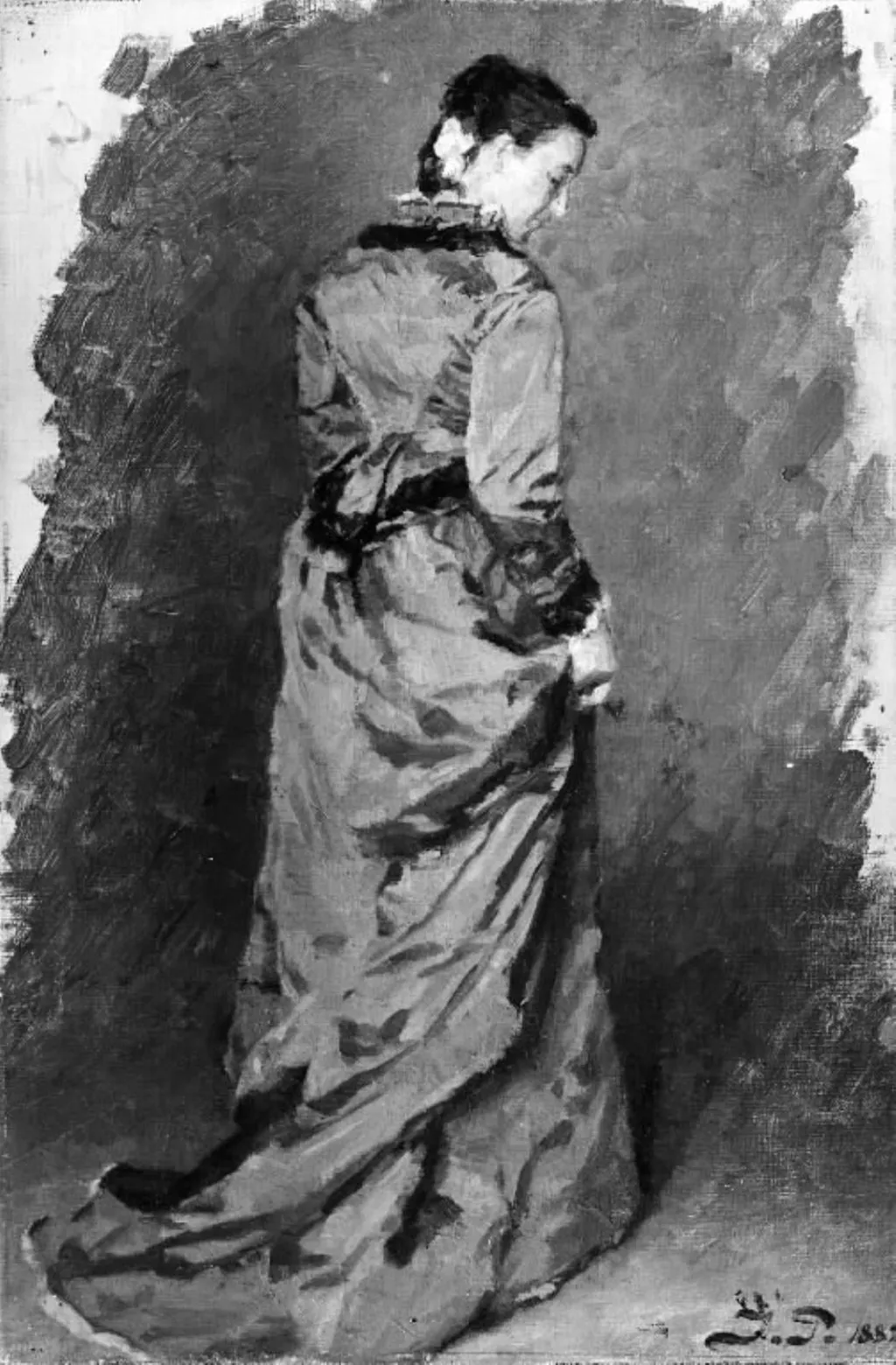
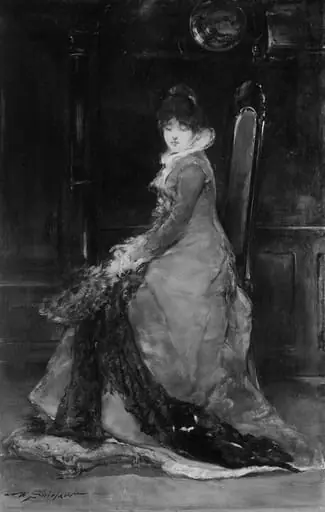
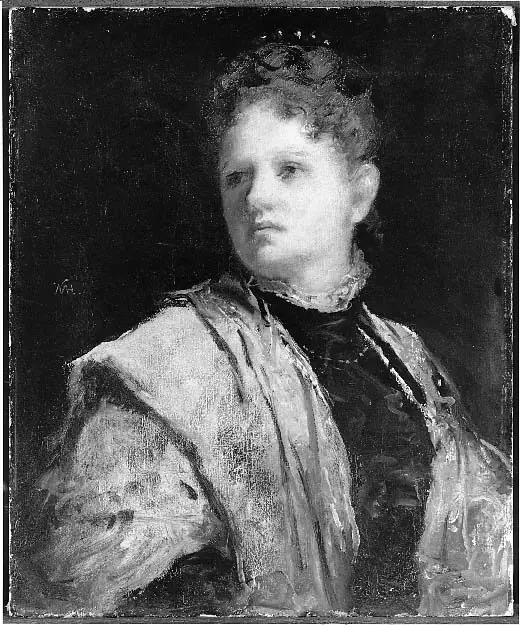
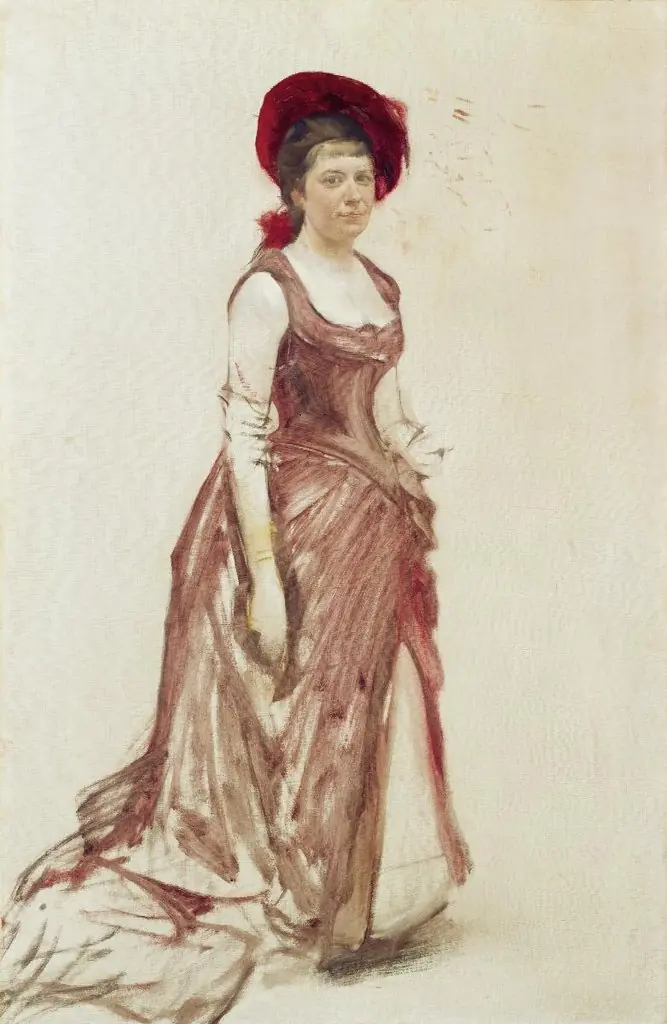
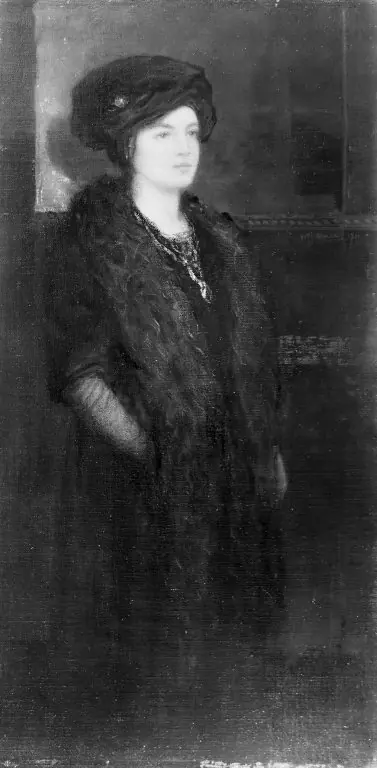
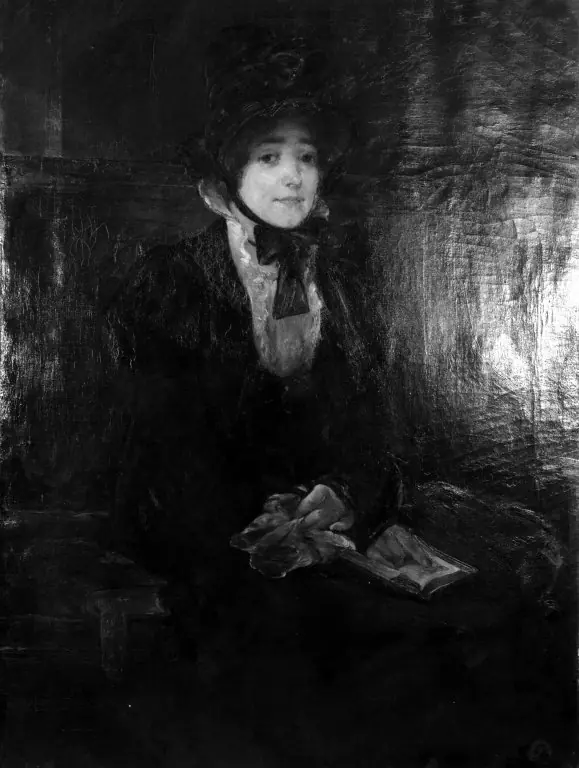
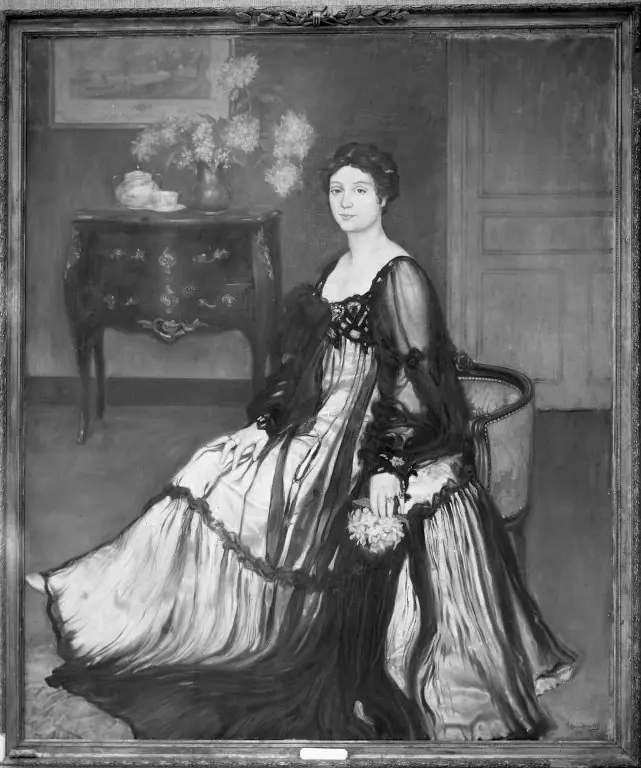
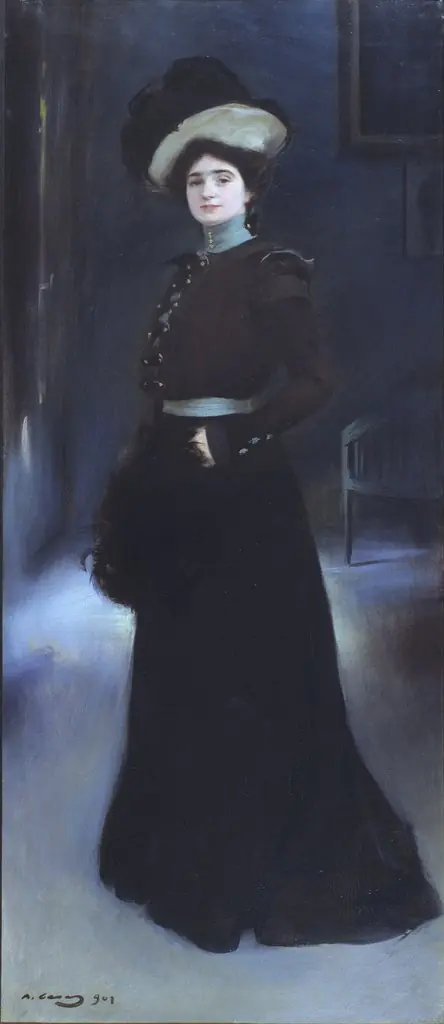
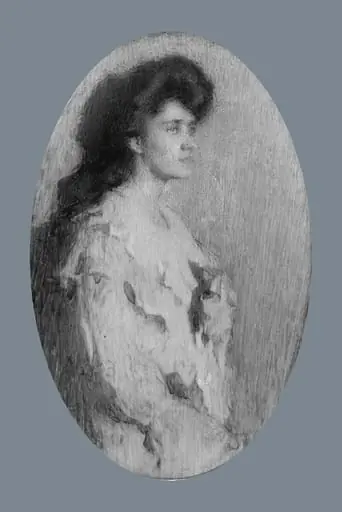
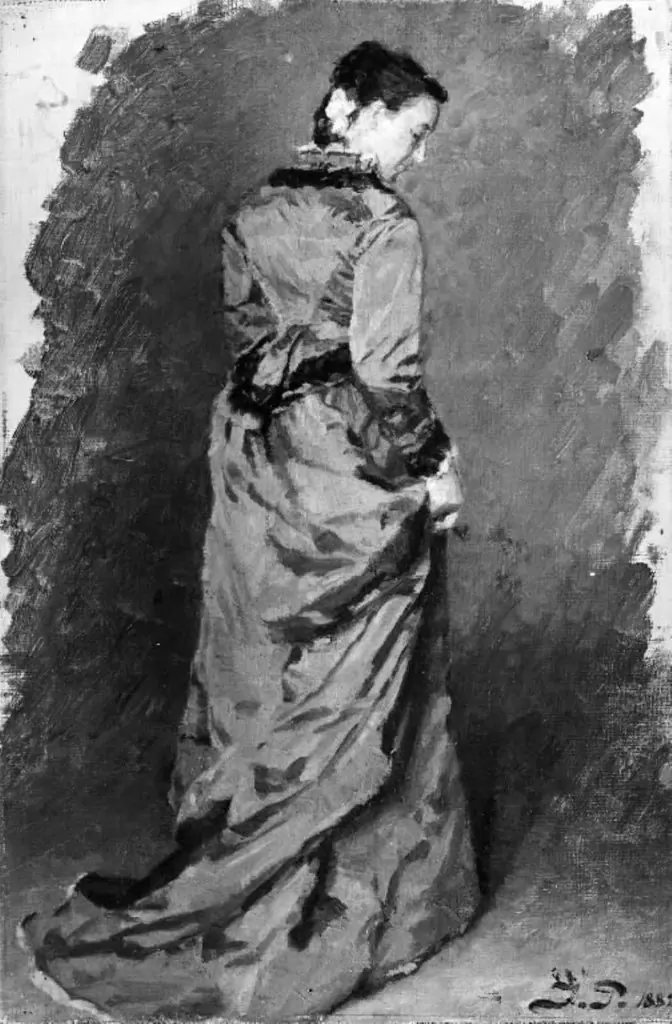
The Painter Agnes Paulsen, the Artist's Sister is a photography by Unknown. It dates from 1850 and is held in the collection of the Statens Museum for Kunst. This portrait, dated around 1850, depicts Agnes Paulsen, the sister of the artist who created it.
About this work
Overview
The painting’s surface is marked by visible, heavy brushwork, characteristic of impasto technique.
This portrait, dated around 1850, depicts Agnes Paulsen, the sister of the artist who created it. Rendered in oil on canvas, the work is held in the collection of the Museum of Ethnography. The composition emphasizes the subject’s quiet presence through a restrained pose and a limited palette, with the figure emerging from a dark, indistinct background. The painting’s surface is marked by visible, heavy brushwork, characteristic of impasto technique.
Subject & Meaning
Agnes Paulsen is shown in profile, hands clasped gently before her, conveying a sense of stillness and introspection. Her attire—a high-collared, long dress—suggests modesty and perhaps the domestic sphere associated with women of her time. The absence of props or symbolic elements directs focus to her demeanor, inviting contemplation rather than narrative. The work functions as a personal record, not a formal commission, reflecting familial intimacy.
Technique & Style
The artist applied paint thickly and with deliberate texture, using impasto to build form through physical layers rather than fine detail. Brushstrokes are coarse and directional, creating a tactile surface that catches light unevenly. This approach abandons smooth finish in favor of expressive energy, aligning with emerging 19th-century tendencies toward painterly immediacy. The dark, blurred background enhances the sculptural quality of the figure’s silhouette.
History & Provenance
The painting remained within the artist’s family until its acquisition by the Museum of Ethnography. Its journey into institutional collection suggests a later recognition of its artistic value beyond its original domestic context. Documentation is sparse, but its survival indicates it was preserved as a personal artifact before being reclassified as a work of art worthy of public display.
Context
Created in the mid-19th century, the portrait reflects a period when portraiture was shifting from aristocratic commissions to more intimate, personal representations. While academic standards favored polished finishes, this work’s rough handling aligns with informal, experimental practices among artists exploring emotional authenticity. Its preservation in an ethnographic museum, rather than a fine arts institution, hints at evolving categorizations of artistic value.
Legacy
Though not widely exhibited or reproduced, the painting offers insight into the artist’s private world and his approach to depicting kin. Its unpolished style challenges conventional notions of portraiture, revealing an alternative path in 19th-century painting—one that prioritizes emotional resonance over idealized form. It remains a quiet testament to familial observation and the quiet power of unadorned representation.
Artist & collection

 Domestic Scene
 Giacomo and Cardinal Marco, investing Andrea, Abbot of San Zeno, with his Benefice
 The Nymph of Fontainebleau
 Portrait of a Woman
 Madonna and Child with Saints in the Enclosed Garden
 Venus and Minerva
 Family Group of Four on Sofa
 Wall painting from Room H of the Villa of P. Fannius Synistor at Boscoreale