Artwork
Porträt der Praskovya Lanskaya
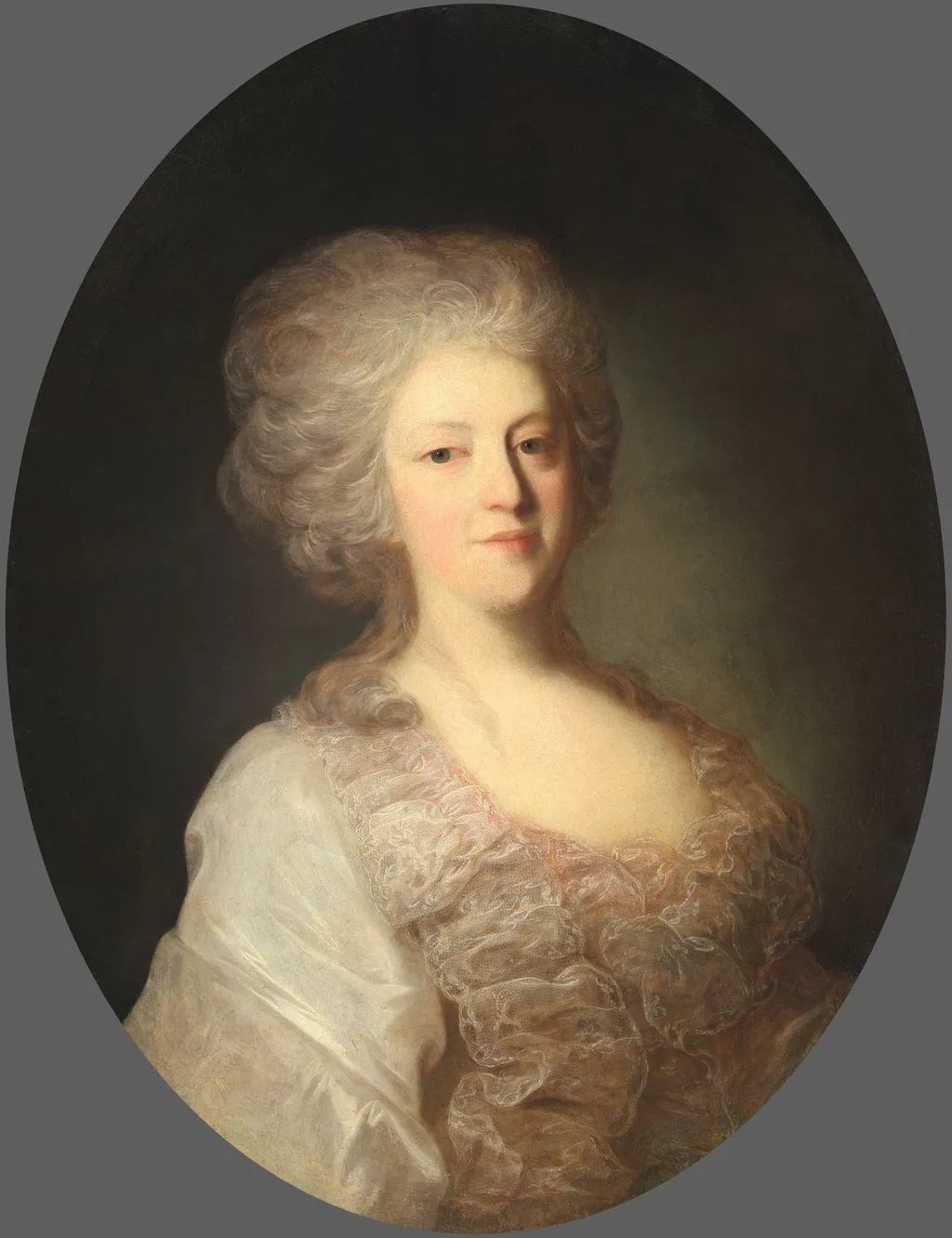
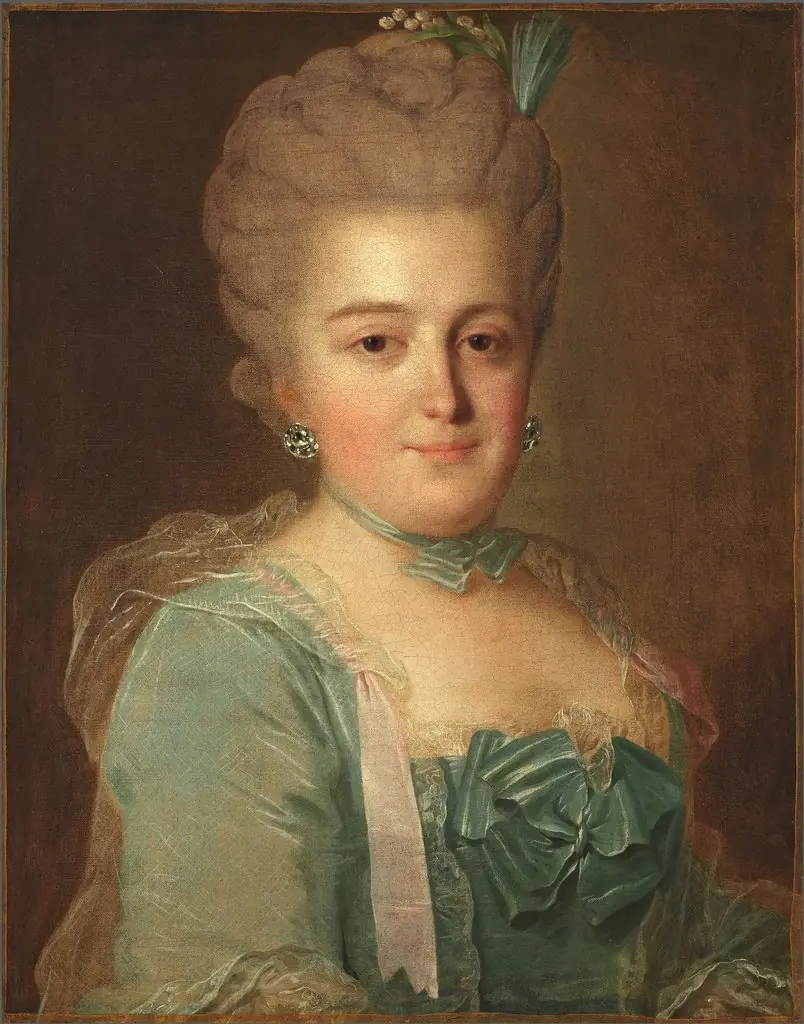
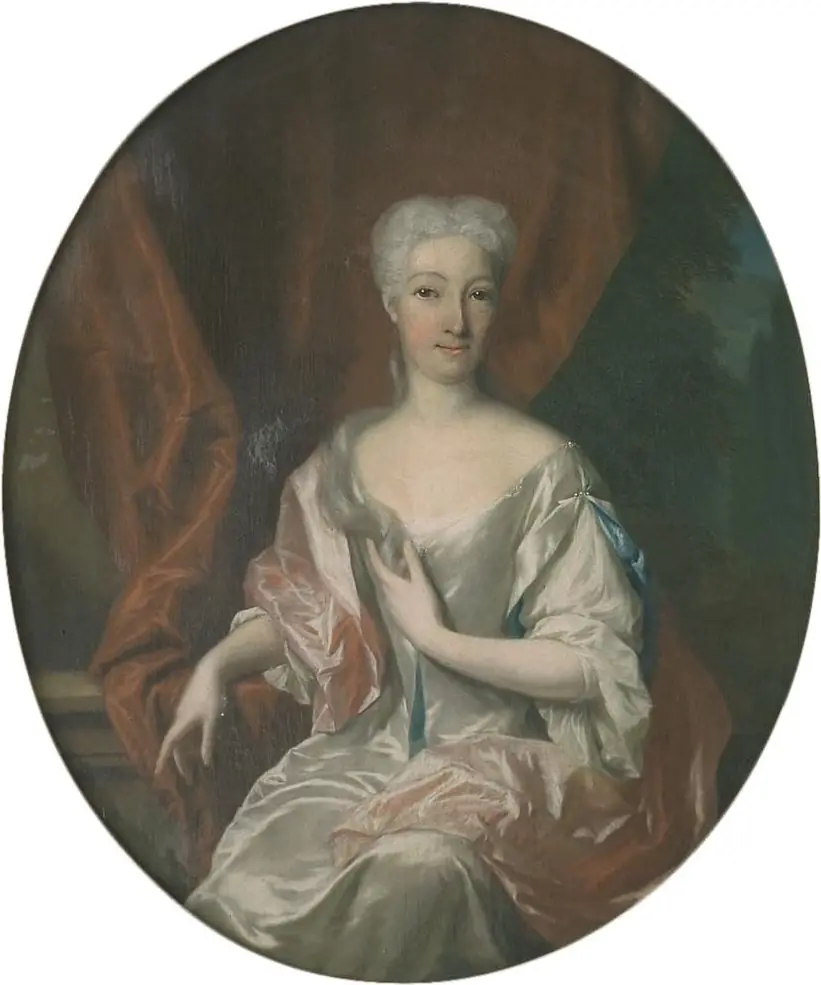
Porträt der Praskovya Lanskaya is an oil painting by the Rococo painting artist Fyodor Rokotov. It dates from 1781 and is held in the collection of the Tretyakov Gallery.
About this work
The use of chiaroscuro, a technique that uses strong contrasts between light and dark, adds to the overall sense of drama in the painting.
This painting is a portrait of a woman, possibly from the 18th century. She is depicted wearing a white dress with ruffles and a large hairstyle. The background is dark, which helps to highlight the subject's features.
The woman's expression is neutral, and her gaze is directed slightly to the side. Her hair is styled in an elaborate updo, with loose strands framing her face. The artist has used oil paint to create a sense of depth and texture in the subject's clothing and hair.
The use of chiaroscuro, a technique that uses strong contrasts between light and dark, adds to the overall sense of drama in the painting. If you're interested in learning more about this artist's work, you might want to look up Fyodor Rokotov.
Overview
Painted around 1781 by Fyodor Rokotov, this oil portrait captures Praskovya Lanskaya, a noblewoman of the Russian imperial court. Rokotov, who rose from serfdom to become a recognized Academician, specialized in intimate, psychologically nuanced portraits. The work reflects the elegance of late Rococo aesthetics while maintaining a restrained emotional tone, characteristic of his mature style. It resides today in the Tretyakov Gallery in Moscow.
Subject & Meaning
Praskovya Lanskaya, a lady-in-waiting to Empress Catherine the Great, is portrayed with quiet dignity. Her neutral expression and averted gaze suggest composure rather than theatricality, aligning with the era’s preference for understated nobility. The painting does not emphasize status through symbols or grandeur, but through the refinement of her bearing and attire, conveying social presence through subtlety rather than display.
Technique & Style
Rokotov employed delicate brushwork to render the textures of lace, silk, and hair with tactile precision. The dark, unmodeled background isolates the figure, enhancing the luminosity of her pale complexion and white gown. Subtle chiaroscuro models the face and shoulders, while soft transitions between light and shadow avoid dramatic contrast, reflecting a refined Rococo sensibility grounded in naturalism rather than ornament.
History & Provenance
Created during Rokotov’s peak years as a court painter, the portrait likely originated in St. Petersburg’s aristocratic circles. It entered the Tretyakov Gallery’s collection in the late 19th century as part of Pavel Tretyakov’s broader effort to document Russian artistic achievement. The painting’s survival and preservation reflect its recognition as a representative work of 18th-century Russian portraiture.
Context
In the 1780s, Russian elite portraiture was shifting from French-inspired Rococo flourish toward greater psychological depth. Rokotov, trained in Moscow and influenced by Western European models, bridged these tendencies. His portraits of court women, including Lanskaya’s, offered a quieter alternative to the grandeur of official imperial imagery, focusing instead on individual presence and refined intimacy.
Legacy
Rokotov’s portraits, including this one, helped define a distinctly Russian mode of psychological portraiture. His ability to convey inner life through subtle expression and texture influenced later 19th-century realists. While not widely known outside Russia, his work remains a touchstone for understanding the evolution of national artistic identity during the Enlightenment era.
Artist & collection
Artist
Fyodor Stepanovich Rokotov (Fedor Rokotov) (Russian: Фёдор Степа́нович Ро́котов; 1736 – December 24, 1808) was a Russian painter who specialized in portraits.

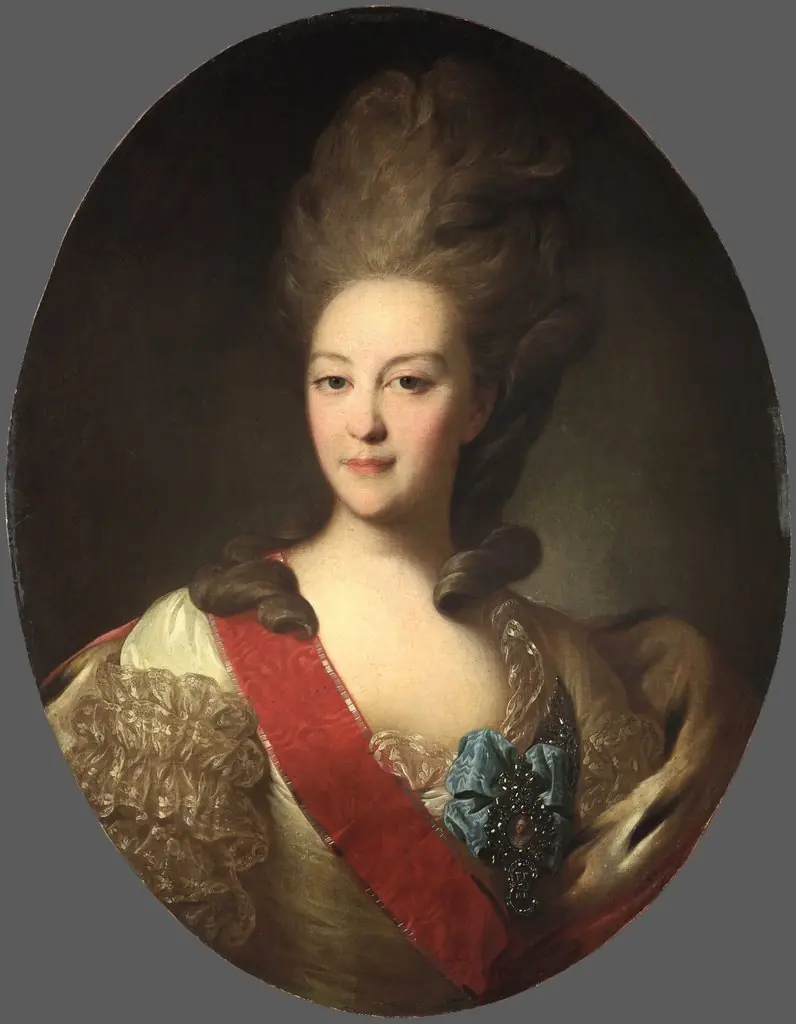
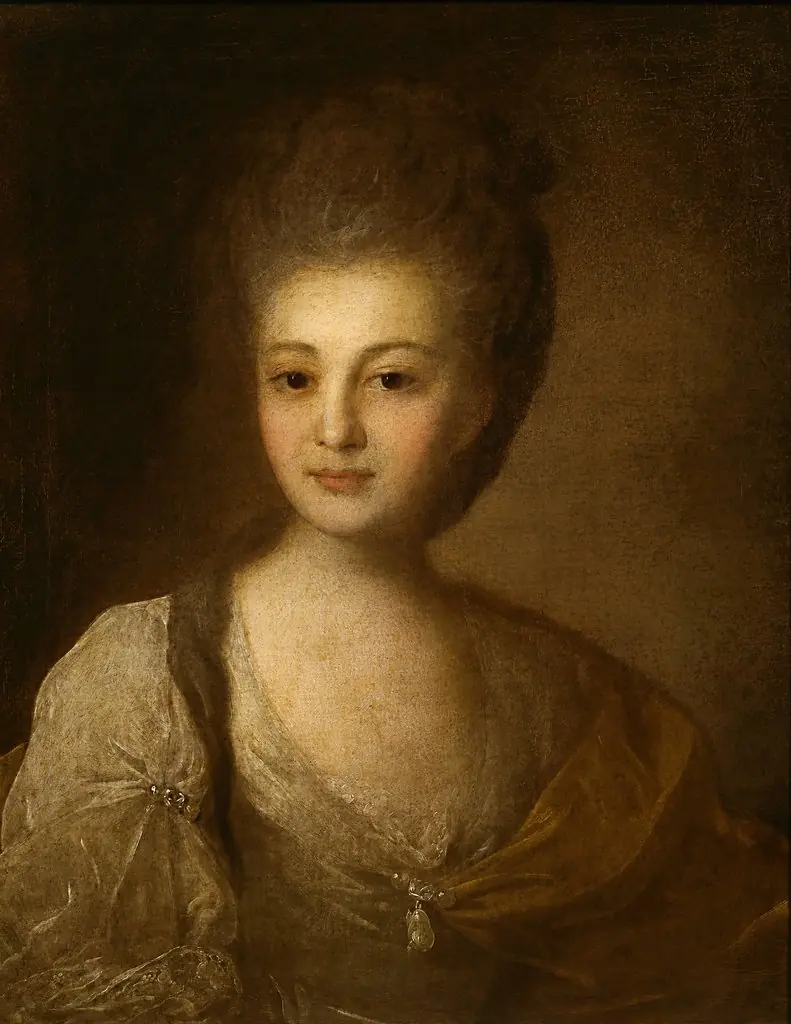
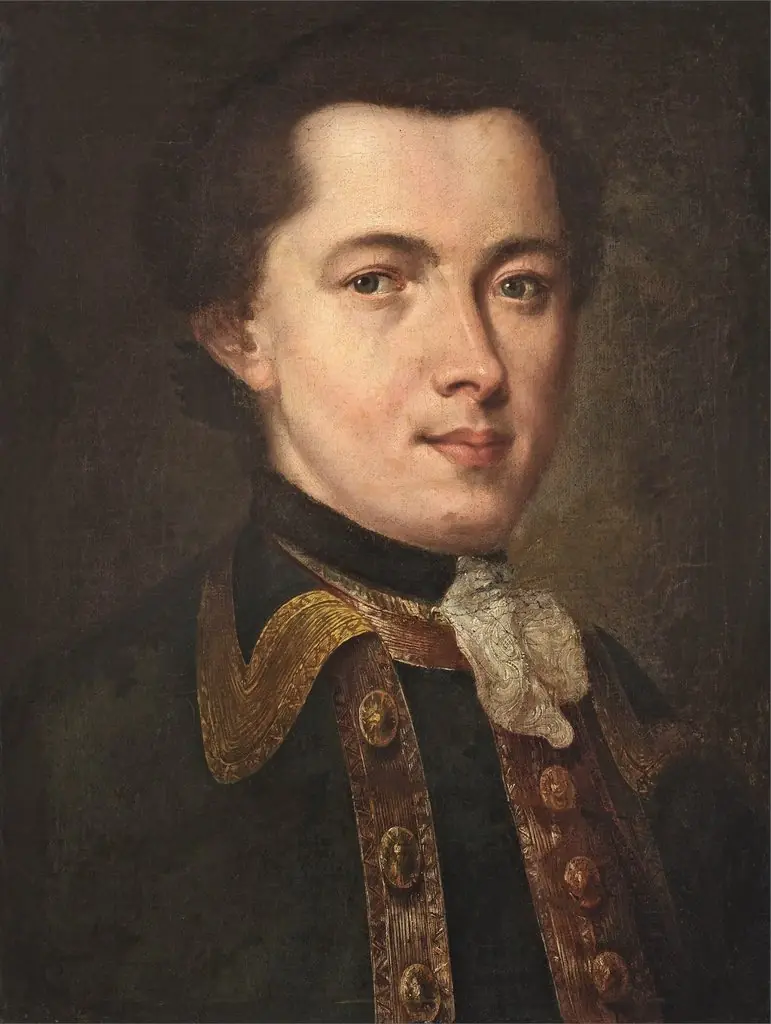
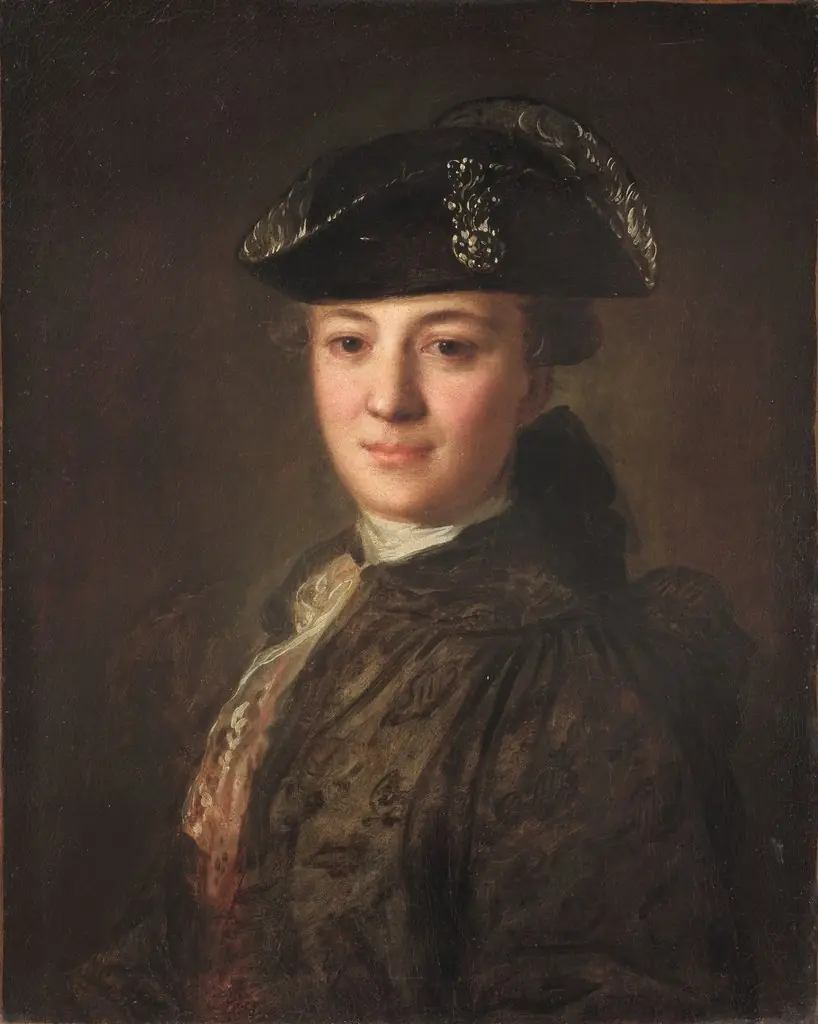
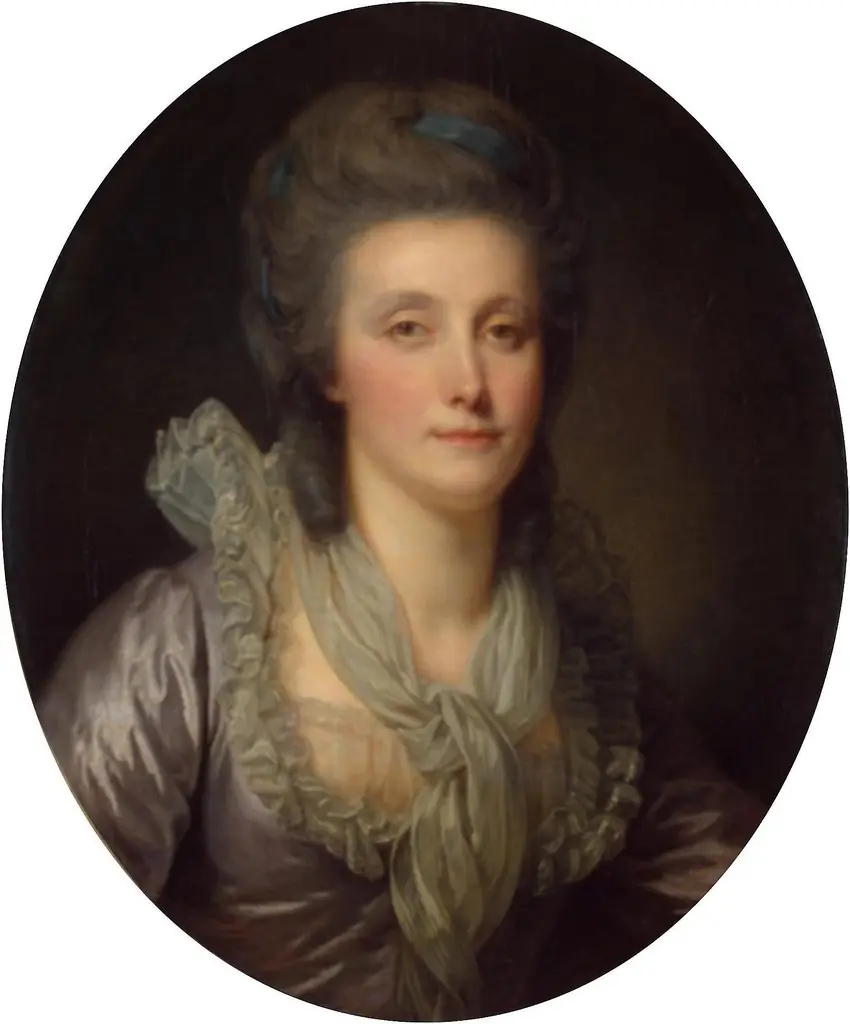 Portrait of Countess Ekaterina Shuvalova
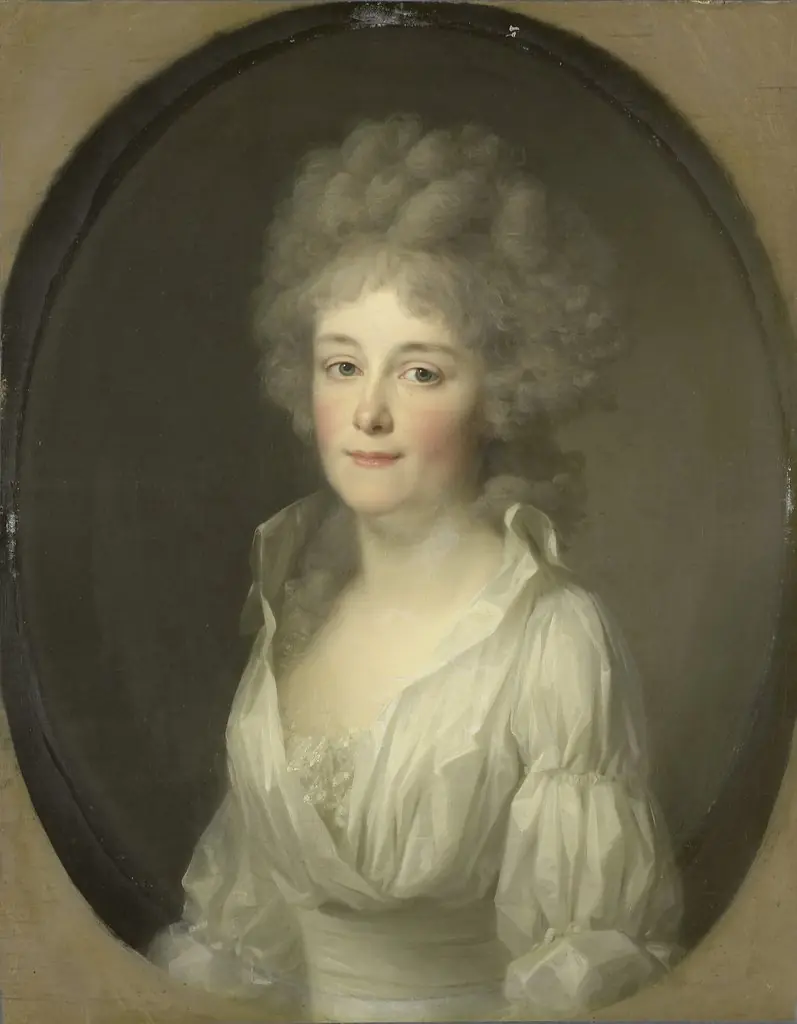 Portrait of Johanna Ferdinanda van Collen, Wife of Salomon Rendorp
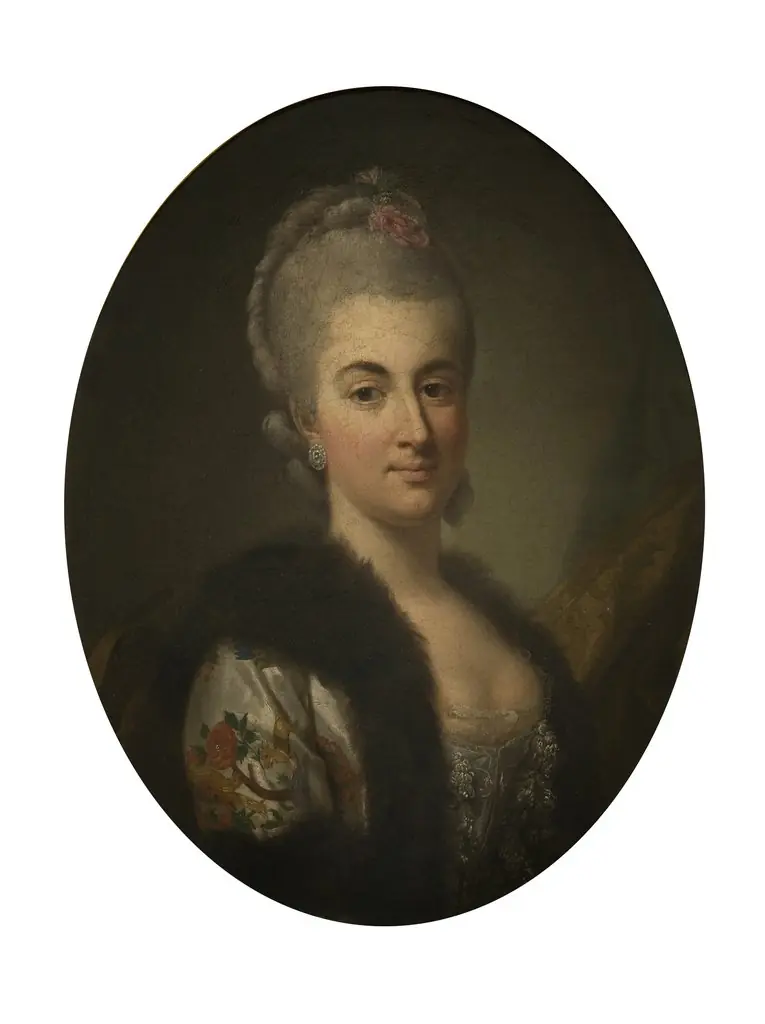 Portrait of Konstancja Poniatowska née Czartoryska
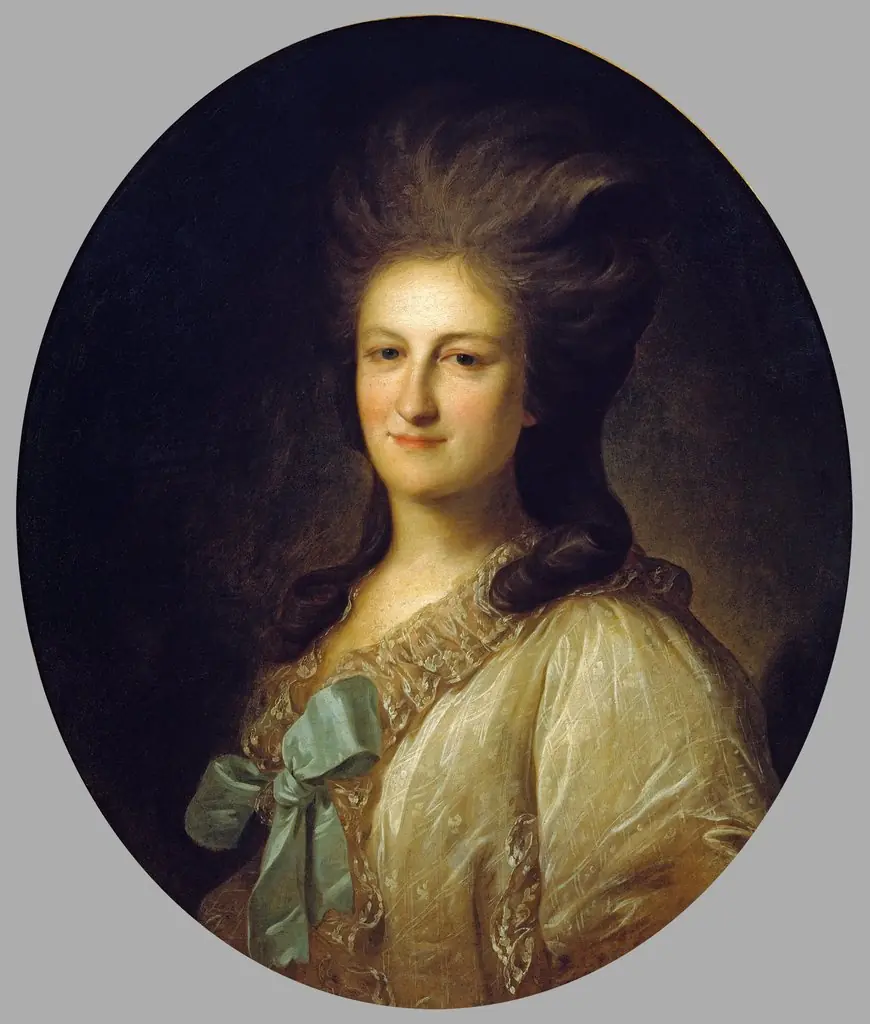 Portrait of V.E.Novosiltsova
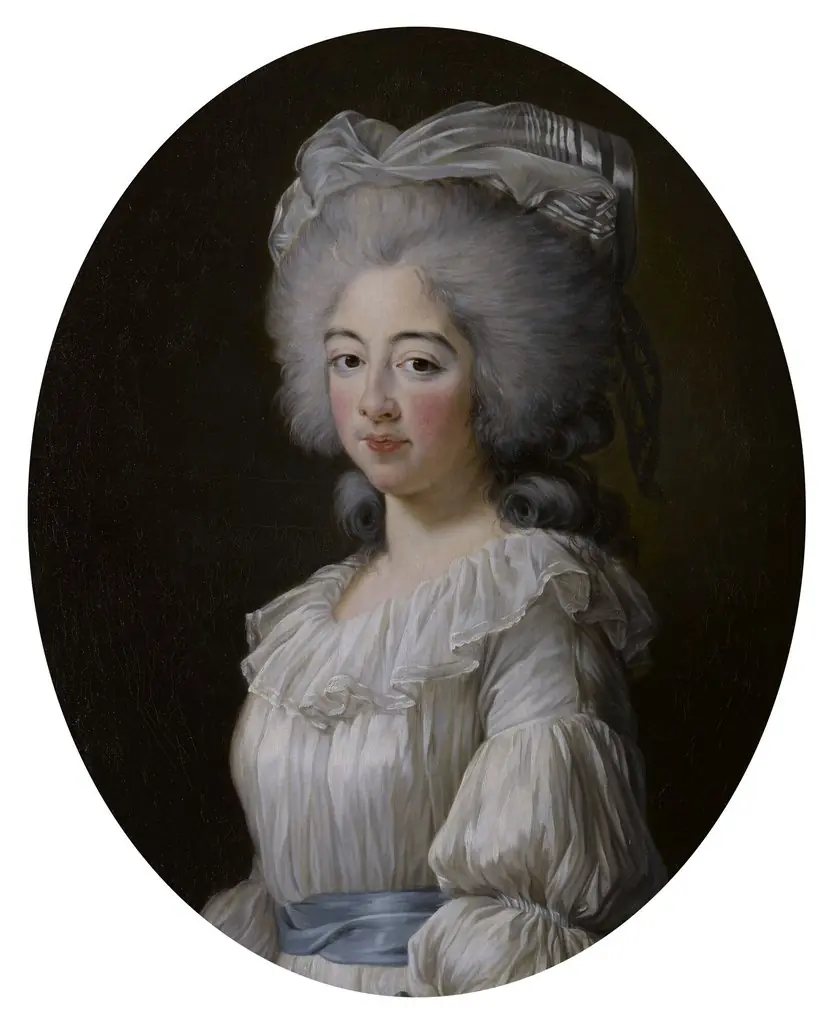 Portrait of Marie Joséphine of Savoy (1753-1810), Countess of Provence
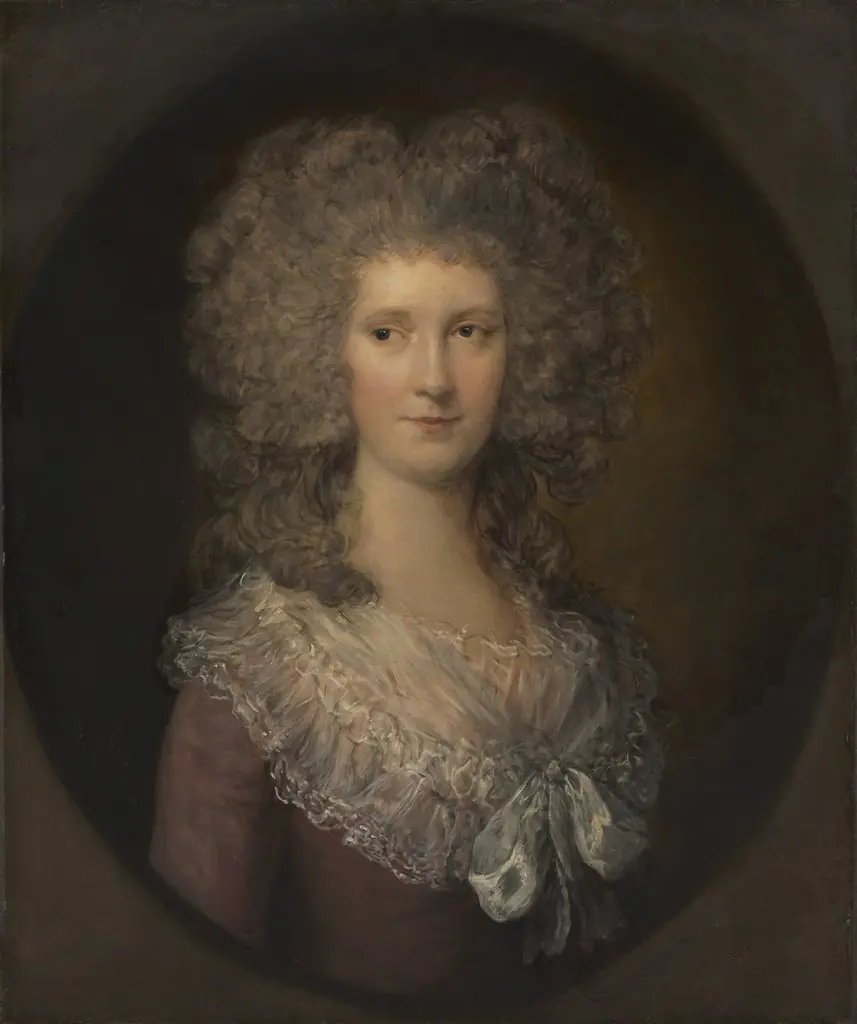 Portrait of Mary Anne Jolliffe
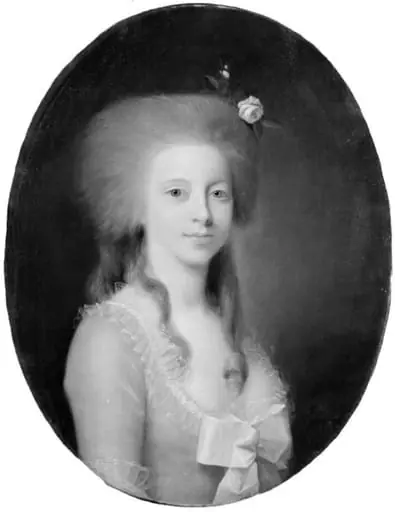 Grevinde Margarethe Moltke, f. Løvenskiold
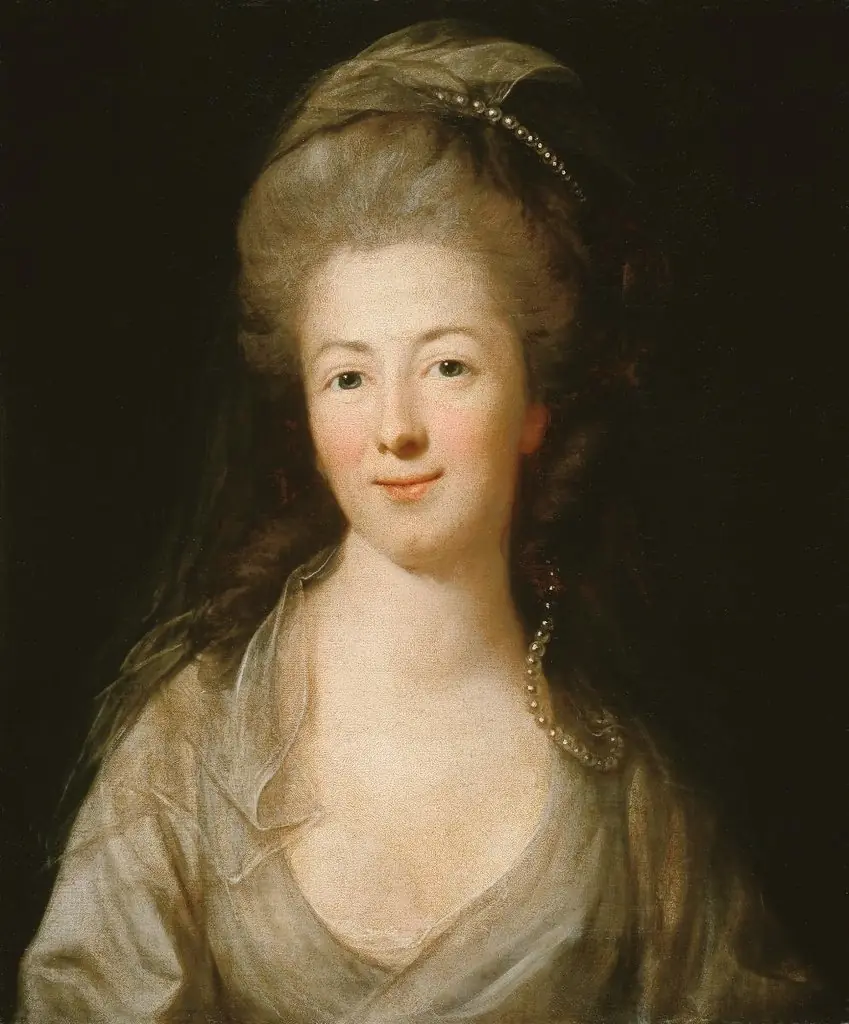 Bildnis Henriette von Crayen, geb. Leveaux
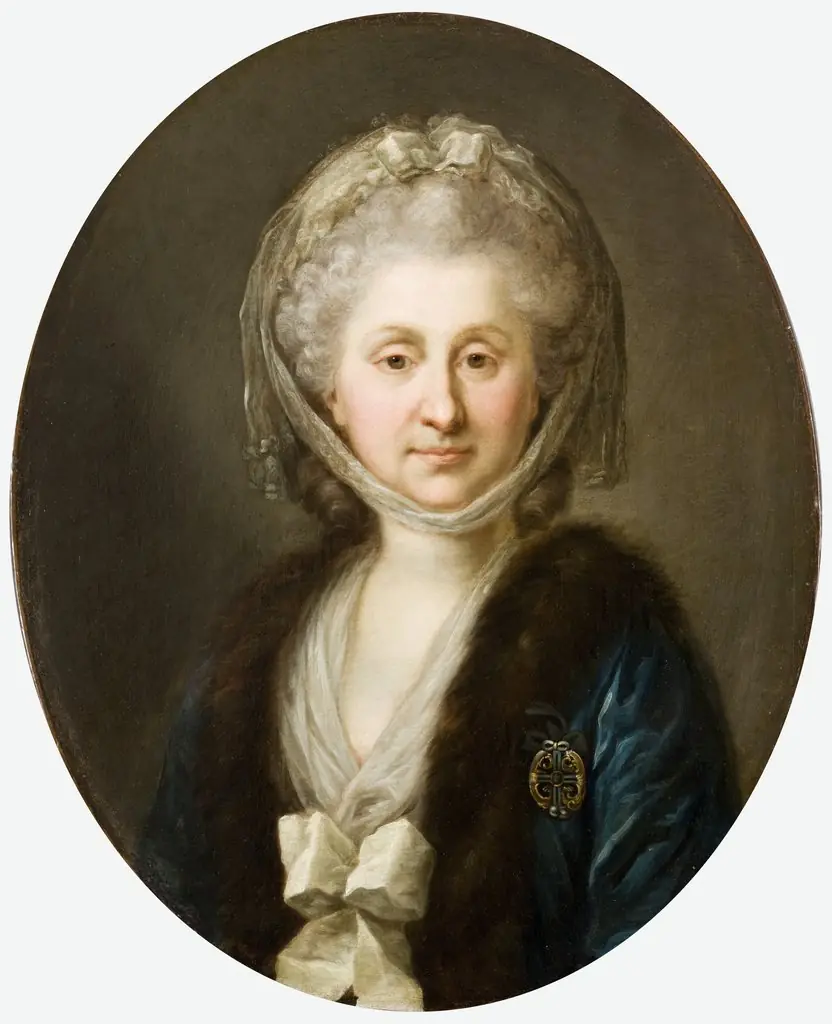 Portrait of Ludwika Zamoyska née Poniatowska
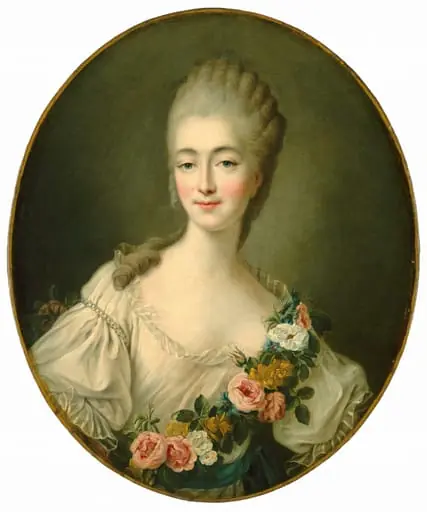 Jeanne Bécu, Comtesse du Barry
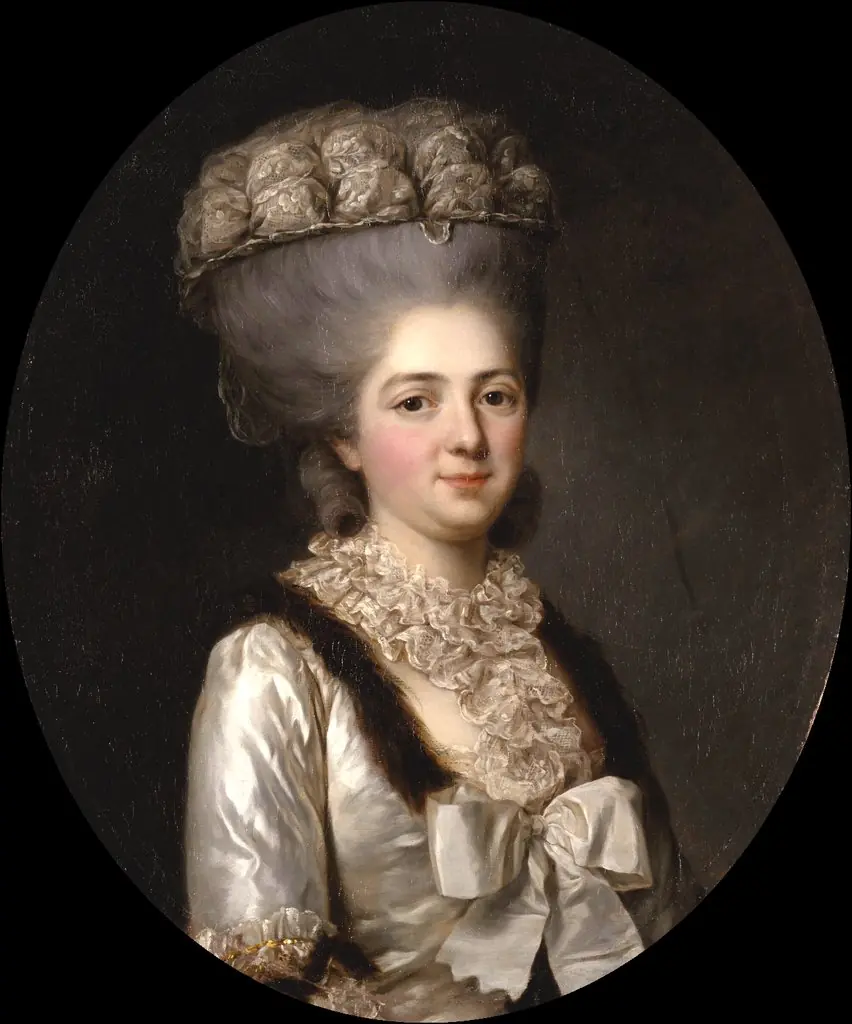 Marie-Louise-Thérèse-Victoire de France, dite Madame Victoire (1733-1799)
 Portrait of Agnes Catherina Hoeuft (1689-1758)