Artwork
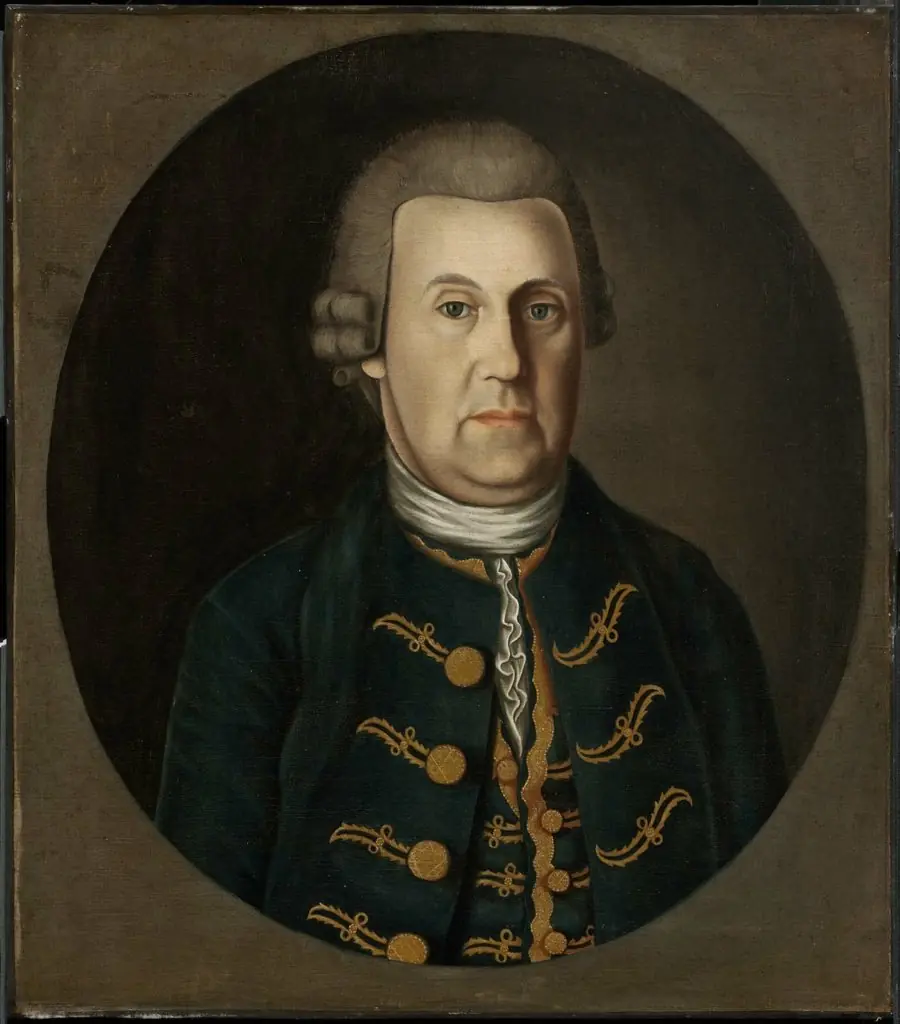
Portrait of a Man (possibly Captain Samuel Partridge)
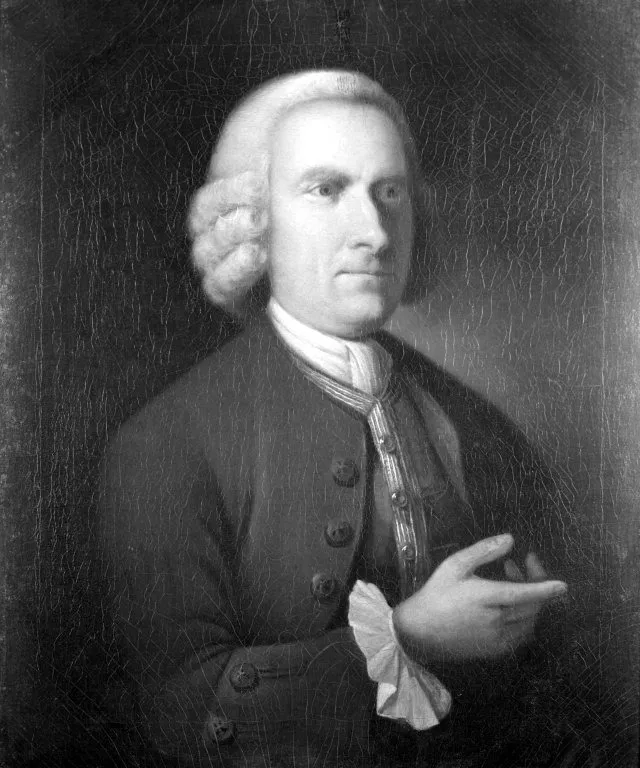
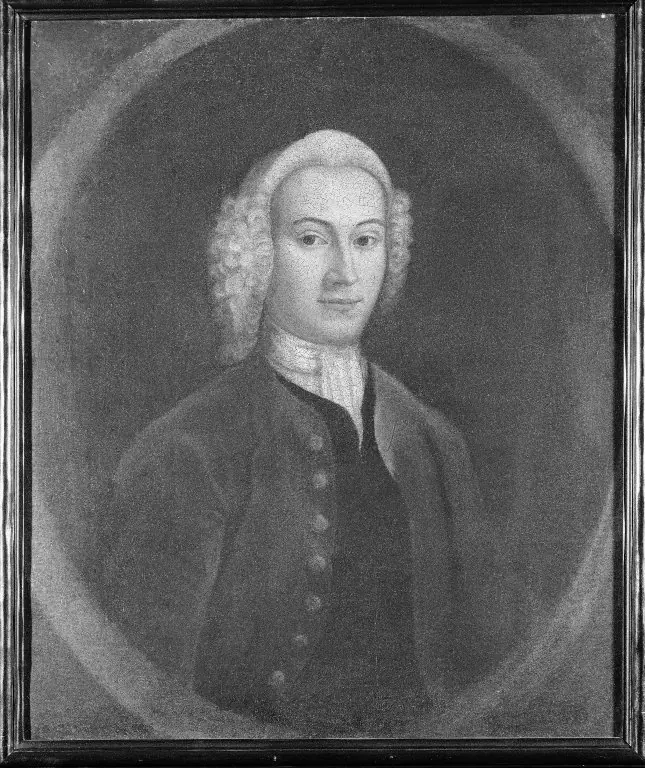
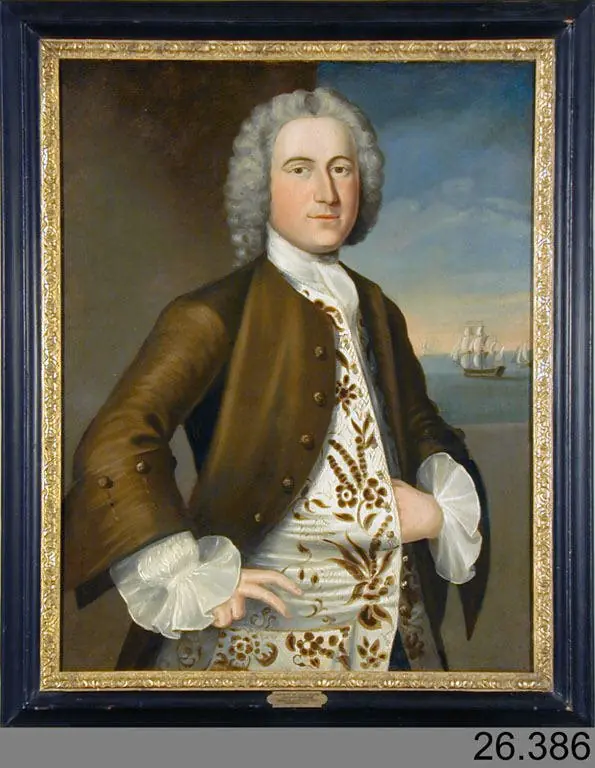
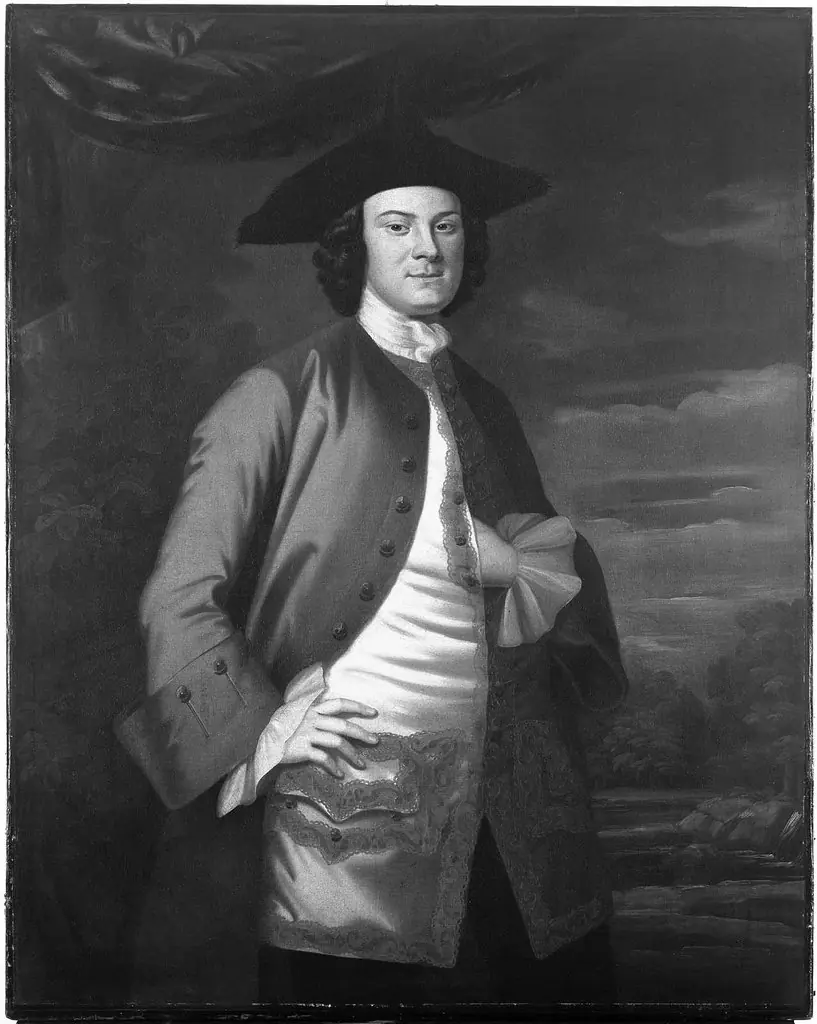
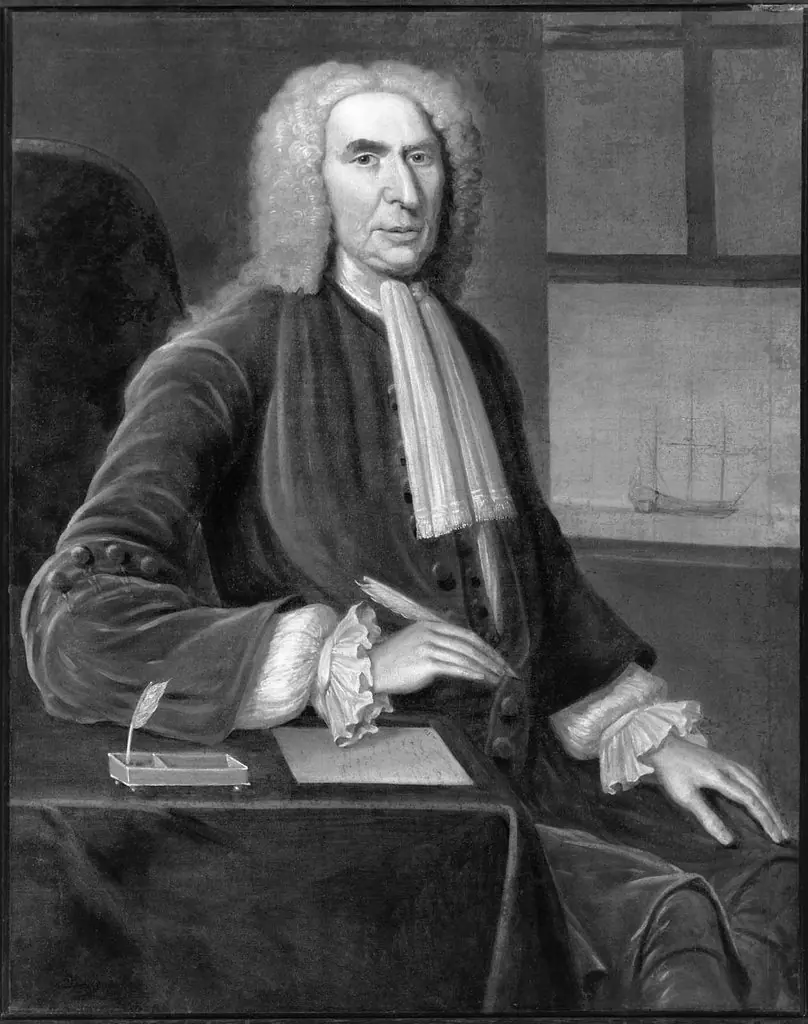
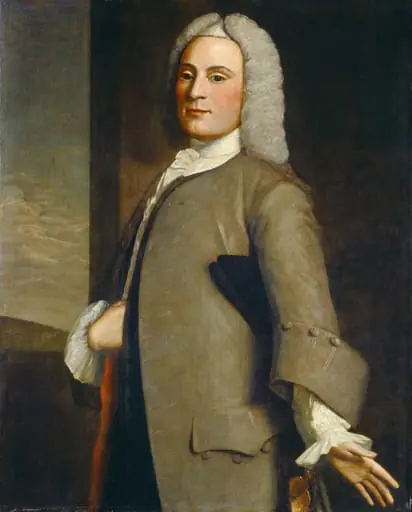
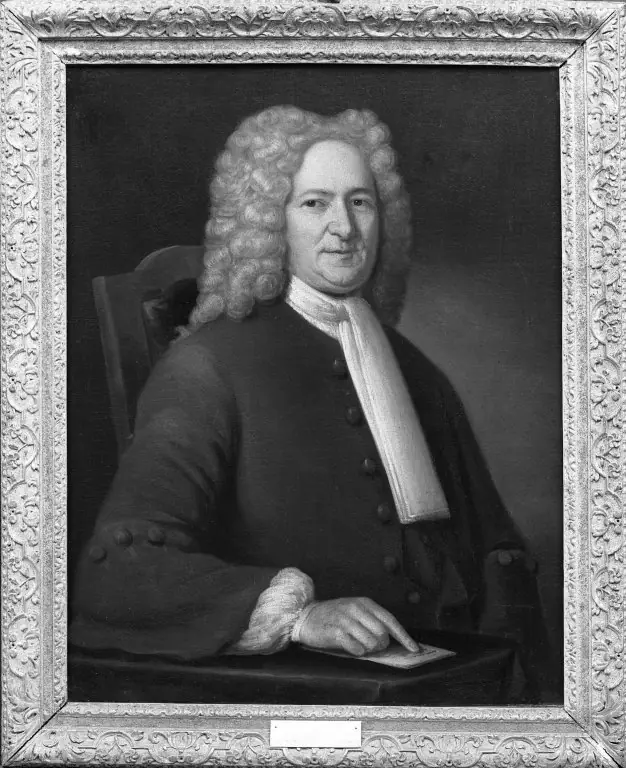
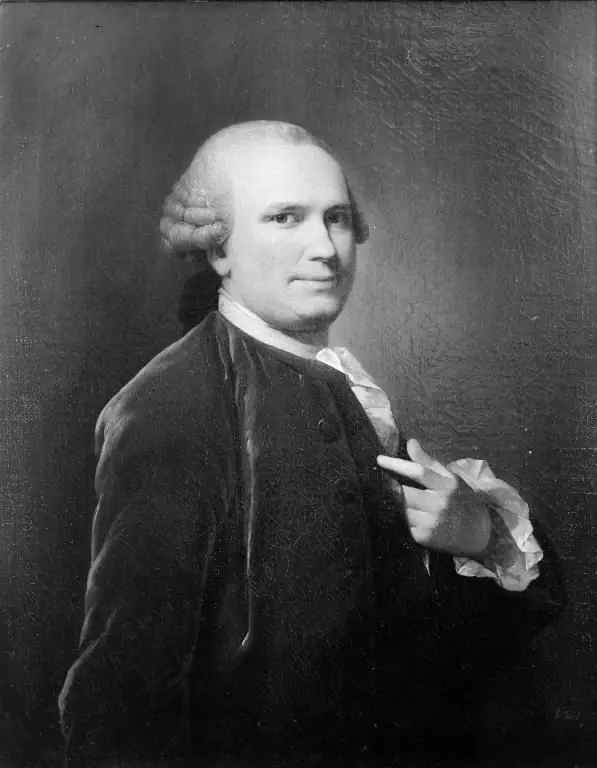
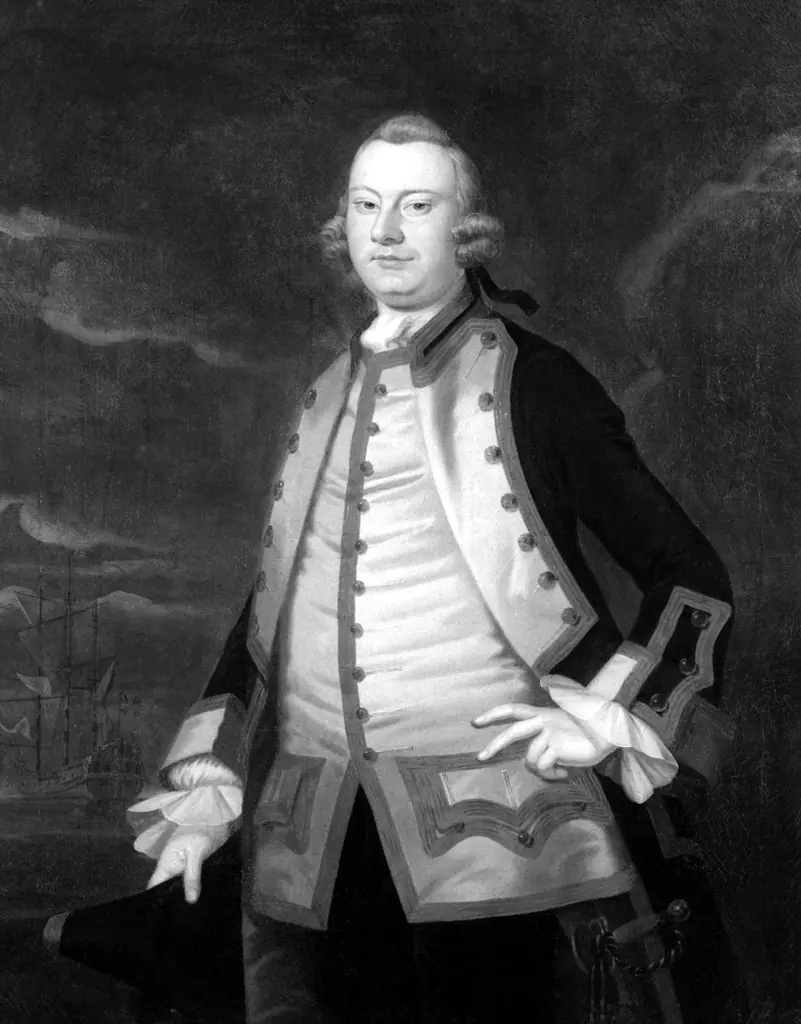
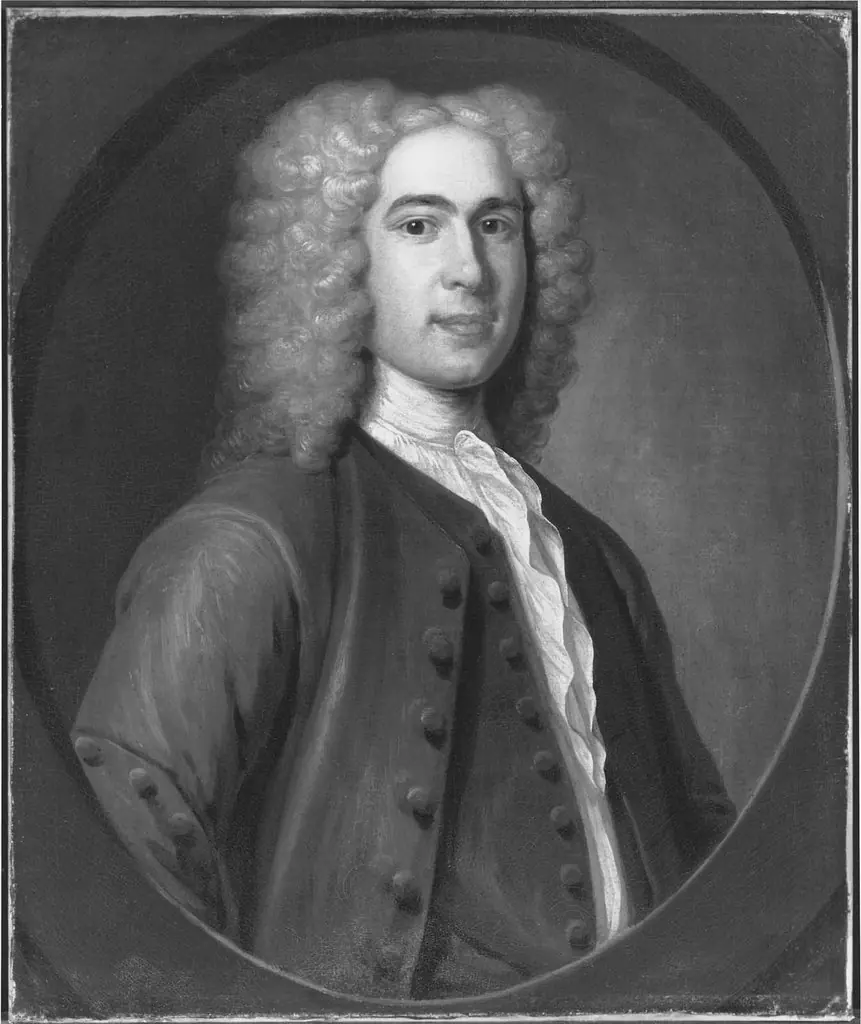
Portrait of a Man (possibly Captain Samuel Partridge) is an oil painting by the Rococo painting artist Unknown. It dates from 1765 and is held in the collection of the Brooklyn Museum. This oil painting portrays a middle-aged man with white hair, dressed in a dark jacket and crisp white shirt.
About this work
Overview
This oil painting portrays a middle-aged man with white hair, dressed in a dark jacket and crisp white shirt.
This oil painting portrays a middle-aged man with white hair, dressed in a dark jacket and crisp white shirt. His right hand is raised, index finger extended, suggesting a gesture of emphasis or address. The composition is tightly framed, focusing attention on the figure’s expression and posture. The lighting, rendered with careful contrast, enhances the three-dimensionality of the face and clothing.
Subject & Meaning
The identity of the sitter is uncertain, though some suggest he may be Captain Samuel Partridge, a figure from 18th-century New England. His formal attire and composed demeanor imply social standing, possibly military or civic. The extended finger may indicate authority, instruction, or a moment of deliberation, though its precise intent remains ambiguous, leaving room for interpretation.
Technique & Style
The artist employs chiaroscuro to model the figure with strong light and shadow, creating volume and a sense of presence. Brushwork is restrained, favoring smooth transitions over visible strokes. The dark background isolates the subject, heightening the focus on facial expression and hand gesture. This approach reflects a tradition of portraiture rooted in realism and psychological nuance.
History & Provenance
The painting’s early ownership is undocumented, but it has been associated with collections in New England since the 19th century. Its attribution to a specific artist remains unresolved, though stylistic elements align with regional portraitists working between 1750 and 1800. It entered public collection in the mid-20th century, where it has since been studied as an example of colonial American portraiture.
Context
Created during a period when portraiture served as a marker of personal and social identity in the American colonies, this work reflects the influence of British artistic conventions. Sitters often commissioned portraits to assert status, particularly among military officers and civic leaders. The restrained elegance and focus on individuality align with broader trends in pre-Revolutionary visual culture.
Legacy
Though not widely known outside regional collections, the painting contributes to the understanding of early American portraiture’s technical and social dimensions. Its use of chiaroscuro and psychological subtlety distinguishes it from more formulaic works of the era. It remains a quiet example of how individual identity was visually constructed in colonial society.
Artist & collection

 Domestic Scene
 Giacomo and Cardinal Marco, investing Andrea, Abbot of San Zeno, with his Benefice
 The Nymph of Fontainebleau
 Portrait of a Woman
 Madonna and Child with Saints in the Enclosed Garden
 Venus and Minerva
 Family Group of Four on Sofa
 Wall painting from Room H of the Villa of P. Fannius Synistor at Boscoreale