Artwork
Portrait of Gertrud Hage, née Heitmann
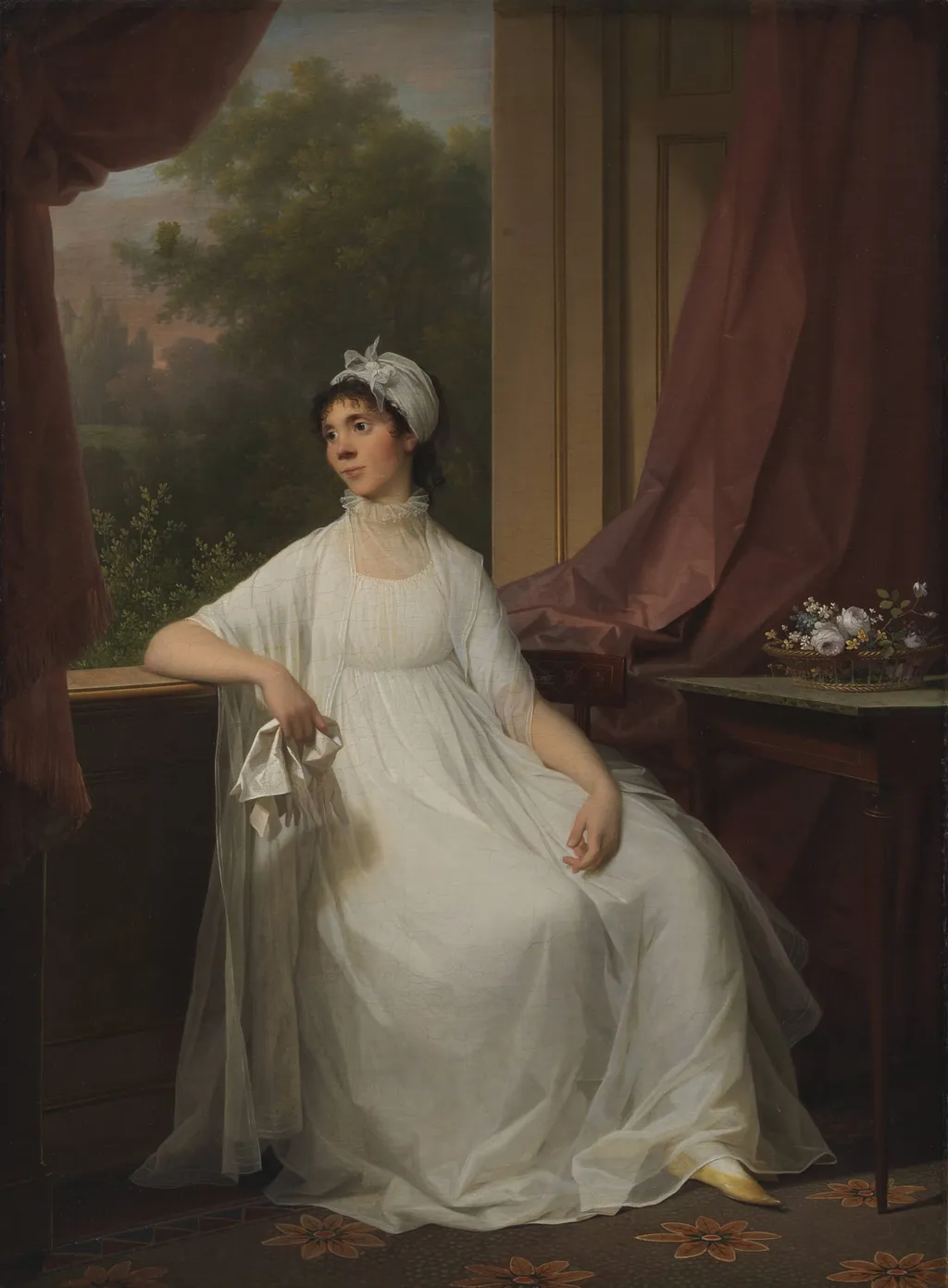
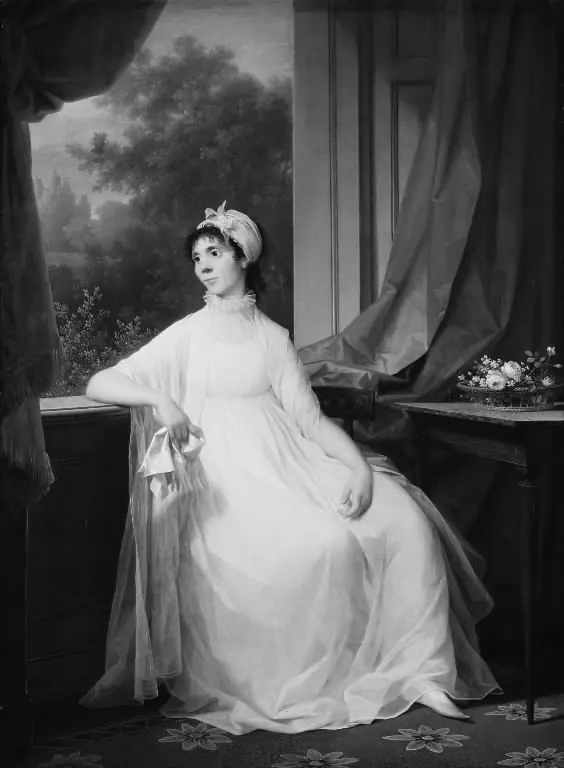
Portrait of Gertrud Hage, née Heitmann is an unspecified painting by Unknown. It dates from 1750 and is held in the collection of the Statens Museum for Kunst. Created around 1750, this portrait depicts Gertrud Hage, born Heitmann, and is part of the collection of the Museum of Ethnography.
About this work
Overview
Created around 1750, this portrait depicts Gertrud Hage, born Heitmann, and is part of the collection of the Museum of Ethnography. The work presents a seated woman in an interior setting, framed by a window that opens onto a pastoral landscape. The composition balances interior and exterior elements, drawing attention to the sitter’s presence within a modest yet thoughtfully arranged space.
Subject & Meaning
Gertrud Hage is shown in a simple white gown with short, puffed sleeves, her hair restrained beneath an unadorned cap. She holds a white cloth, a possible reference to domestic virtue or personal status, while her direct gaze engages the viewer. The relaxed posture suggests a moment of informal self‑presentation rather than formal courtly display.
Technique & Style
The painting employs a clear chiaroscuro effect: a luminous light falls on the sitter’s face and upper body, contrasting sharply with a darker, muted background. This handling of light creates depth and emphasizes the three‑dimensionality of the figure. The surrounding landscape, visible through the window, is rendered with softer tones, reinforcing the interior’s focus.
History & Provenance
Attributed to the artist catalogued as 1092_person, the portrait has been part of the Museum of Ethnography’s holdings for an unspecified period. Its dating to the mid‑18th century aligns with the period’s portrait conventions in Northern Europe, though detailed acquisition records are not publicly documented.
Context
Mid‑century portraiture often combined personal likeness with subtle symbols of domesticity, reflecting emerging middle‑class values. The inclusion of a window opening onto a natural scene mirrors contemporary interests in landscape as a backdrop for individual identity, linking the sitter’s private sphere with the broader world beyond.
Artist & collection

 Domestic Scene
 Giacomo and Cardinal Marco, investing Andrea, Abbot of San Zeno, with his Benefice
 The Nymph of Fontainebleau
 Portrait of a Woman
 Madonna and Child with Saints in the Enclosed Garden
 Venus and Minerva
 Family Group of Four on Sofa
 Wall painting from Room H of the Villa of P. Fannius Synistor at Boscoreale
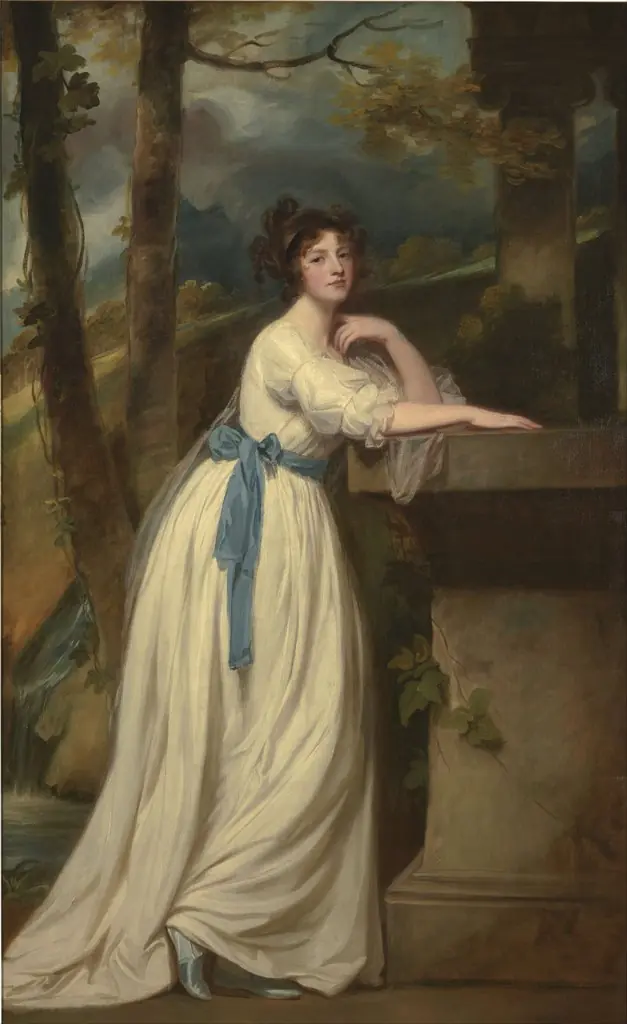 Portrait of Mrs. Andrew Reid
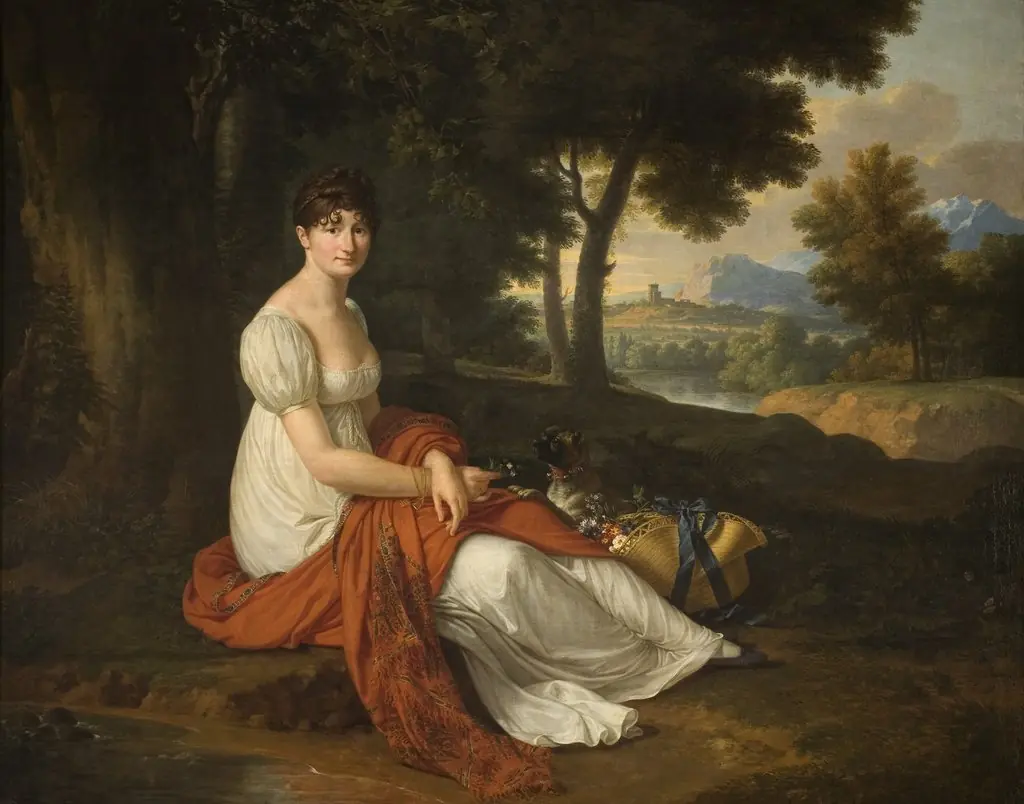 Portrait of Elżbieta Skotnicka née Laskiewicz (1781–1849), Wife of Michał Skotnicki
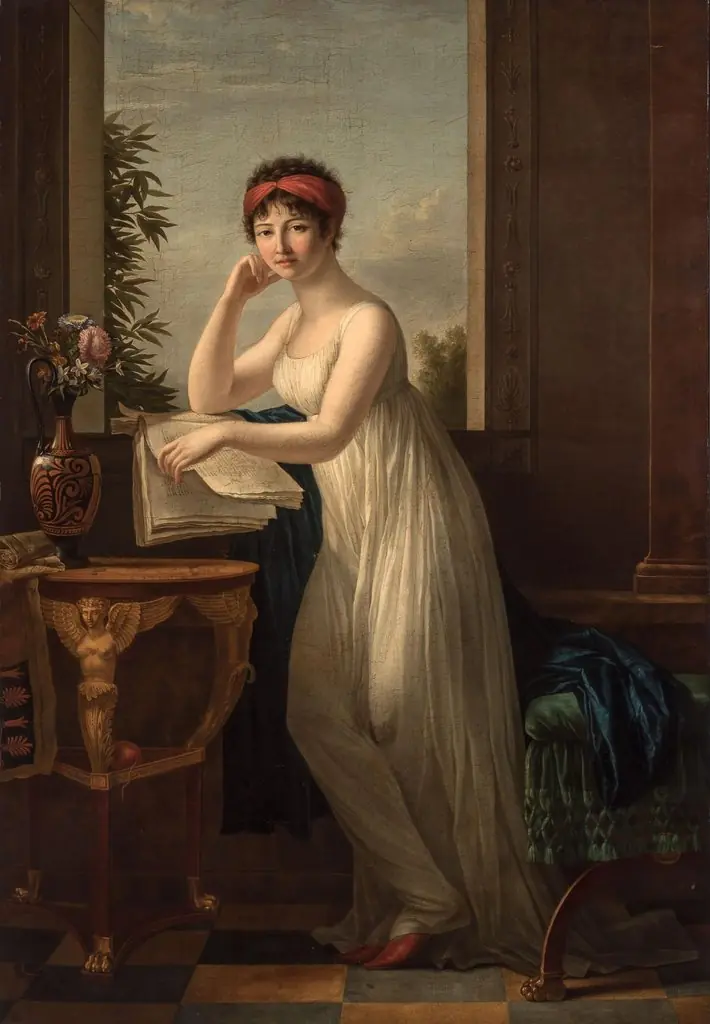 A Young Woman Leaning on the Edge of a Window
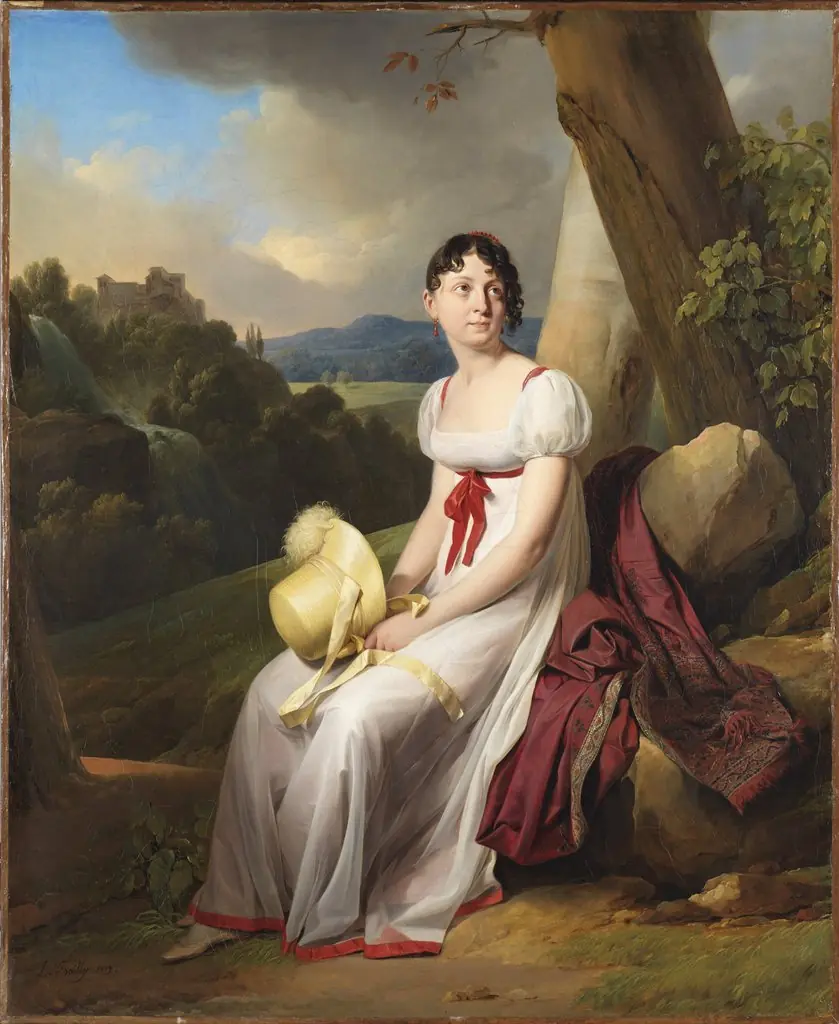 Madame Saint-Ange Chevrier
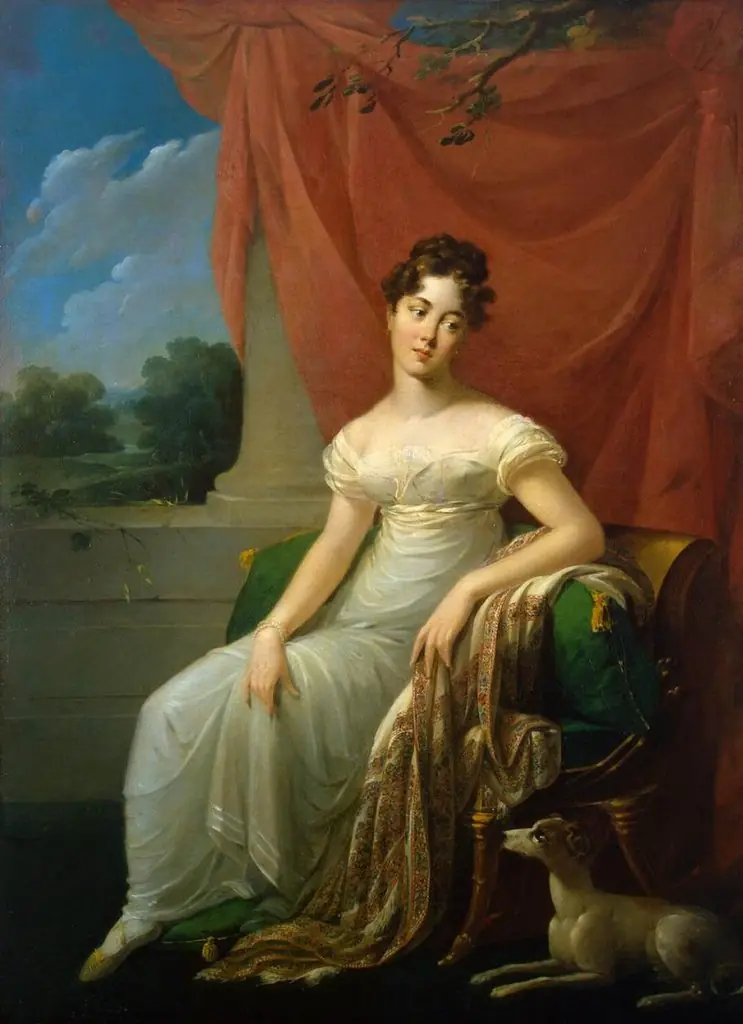 Portrait of Sofia Apraxina
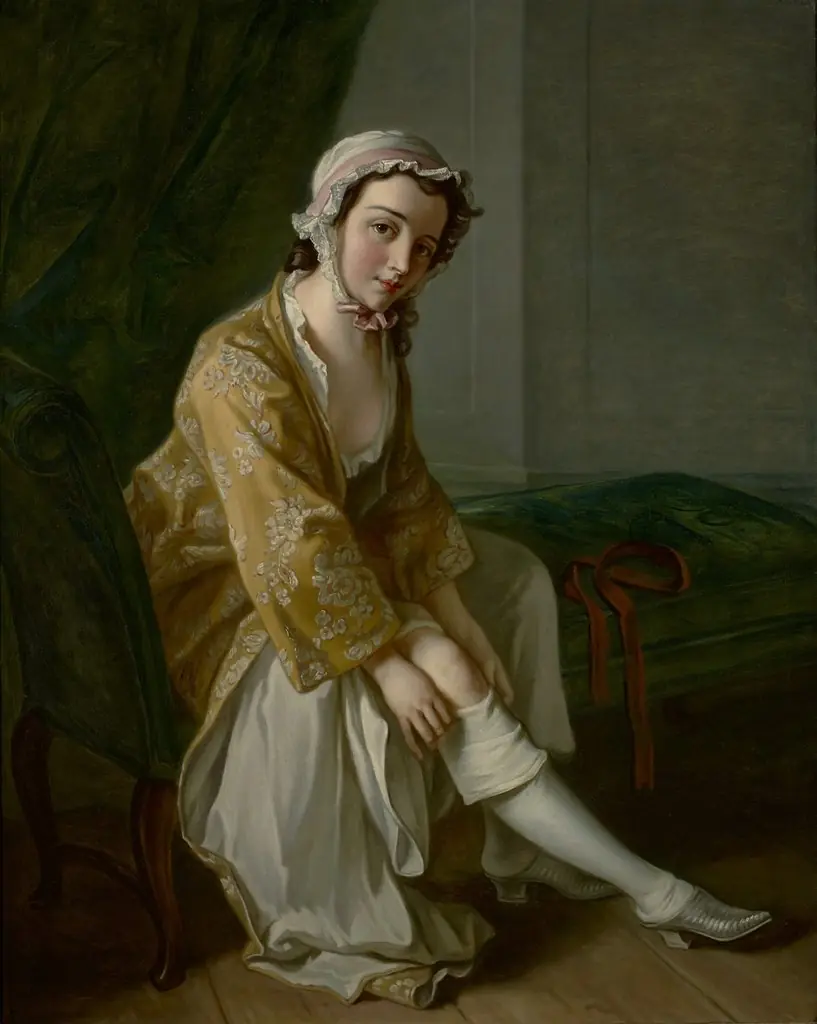 A Young Woman Pulling on Her Stocking
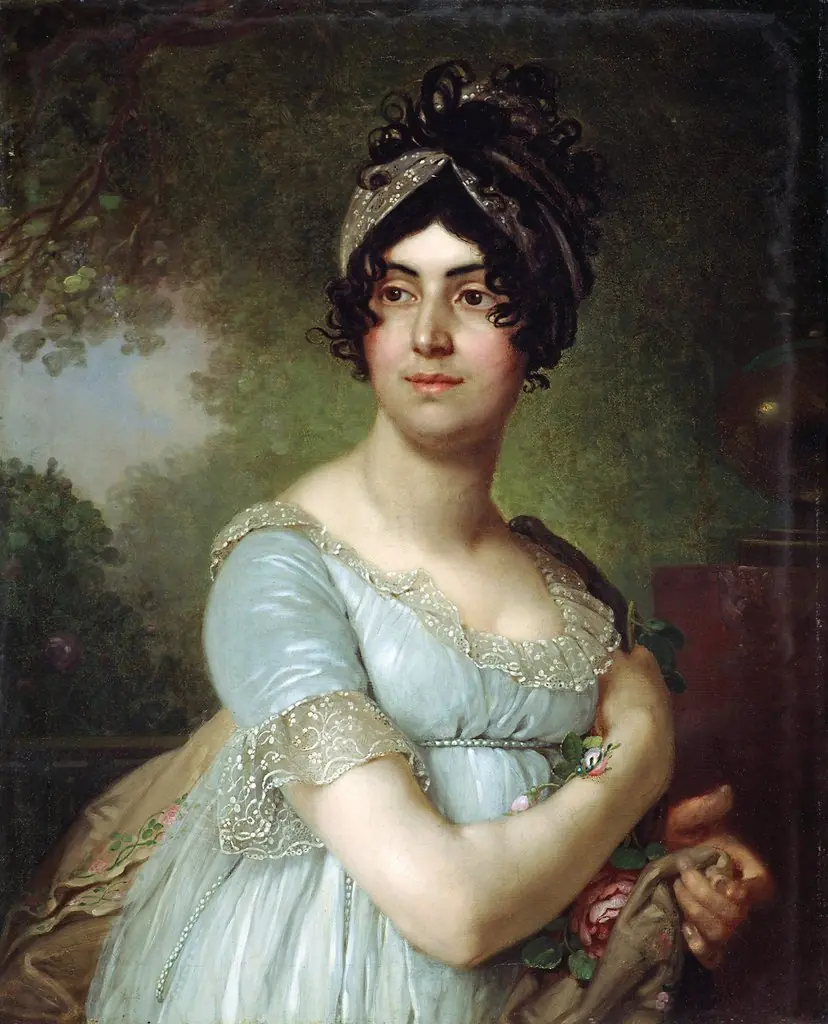 Портрет Д.С. Яковлевой
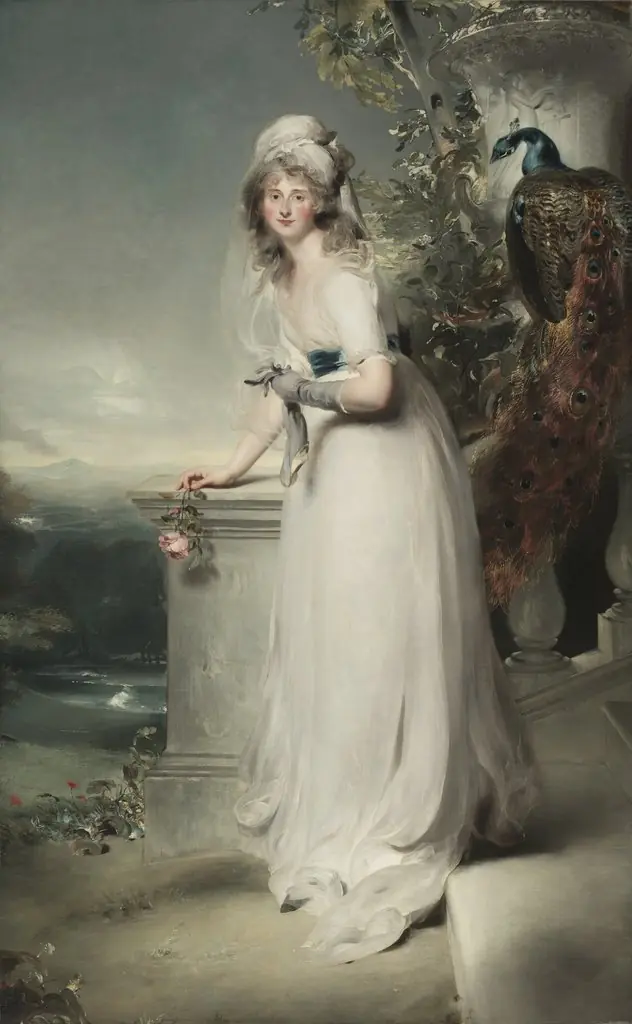 Portrait of Catherine Grey, Lady Manners
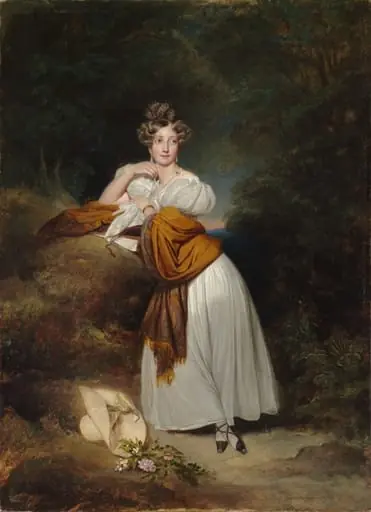 Sophie Guillemette, Grand Duchess of Baden (1801-1865)
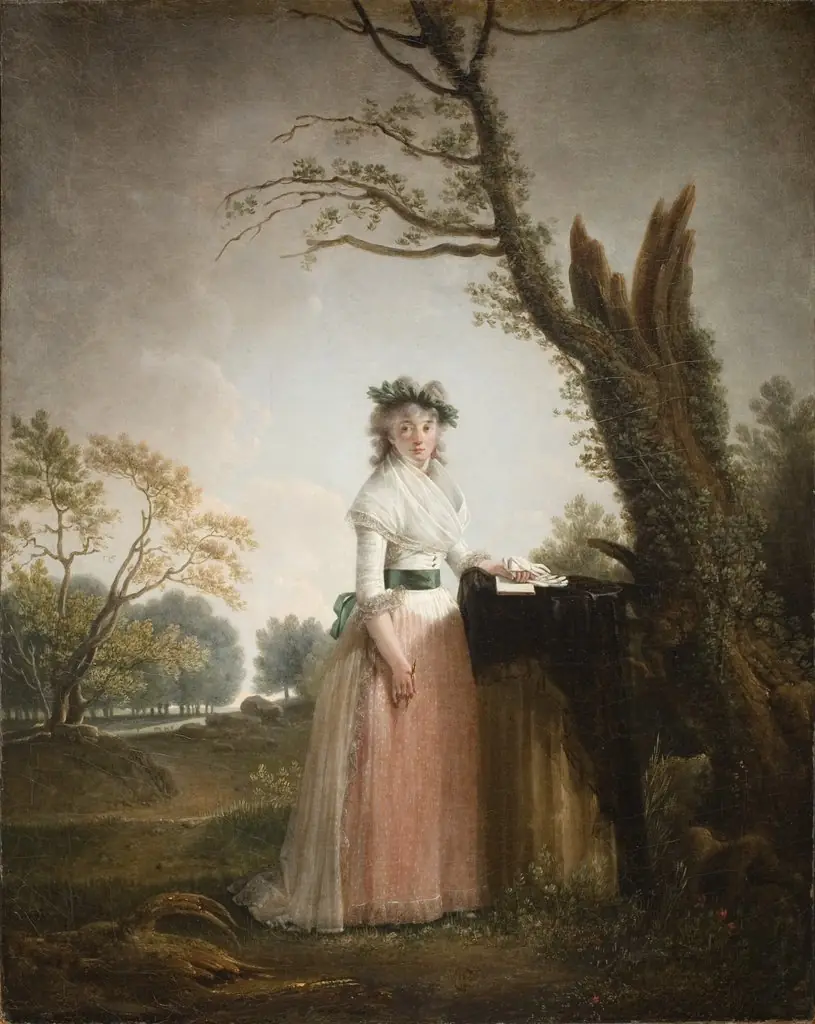 Portrait of Eleonora Chigi, Princess of Teano
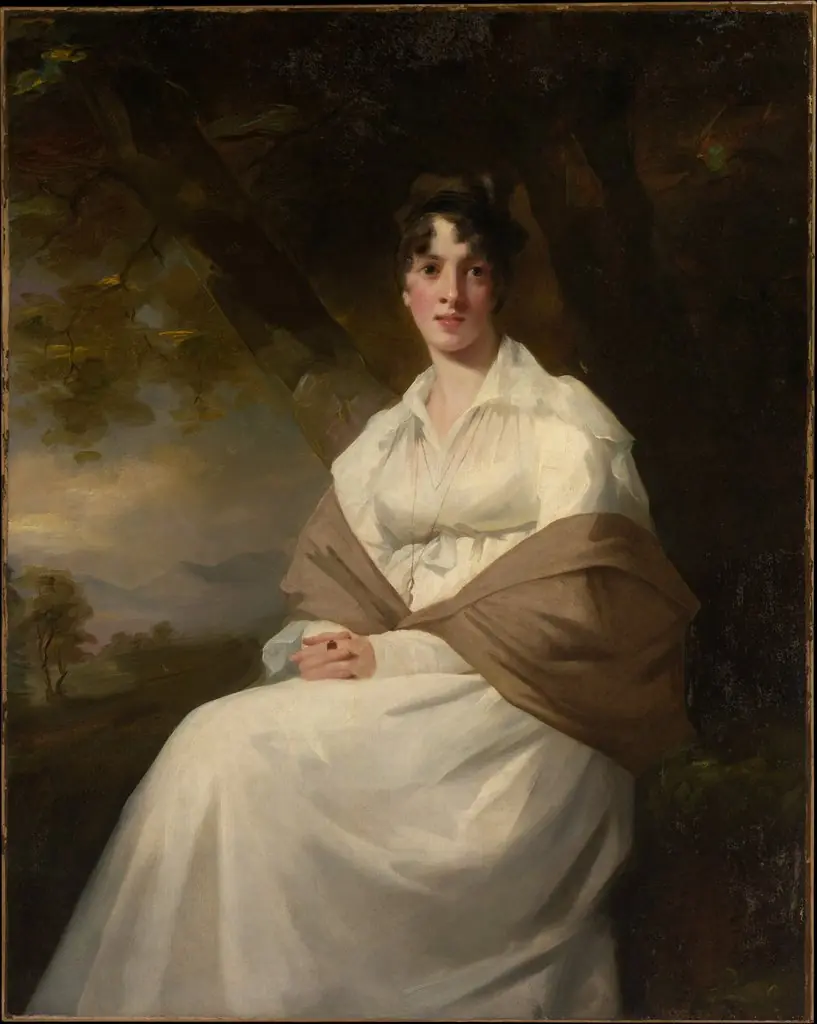 Lady Maitland (Catherine Connor, died 1865)
 Portrait of Gertrud Hage, née Heitmann