Artwork
Portrait of Eleonora Chigi, Princess of Teano
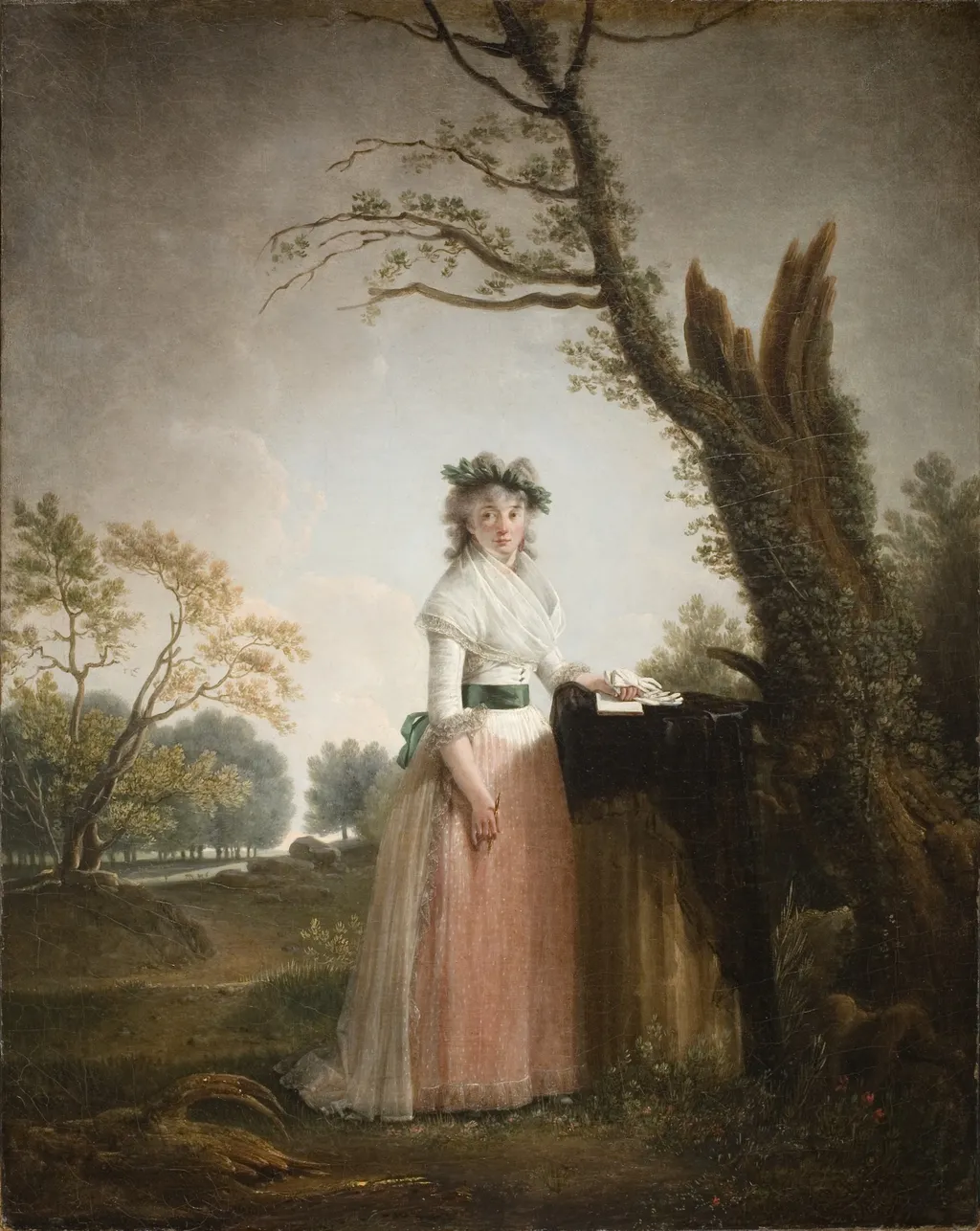
Portrait of Eleonora Chigi, Princess of Teano is an oil painting by the Neoclassicist artist Jacques Sablet. It dates from 1797 and is held in the collection of the Los Angeles County Museum of Art.
About this work
Overview
Sablet, part of a family of artists with roots in Morges, worked within the Neoclassical tradition, blending refined portraiture with pastoral elements.
Painted in 1797 by Jacques Sablet, a Swiss-French artist active in Rome, this oil-on-canvas portrait captures Eleonora Chigi, Princess of Teano. Sablet, part of a family of artists with roots in Morges, worked within the Neoclassical tradition, blending refined portraiture with pastoral elements. The work is now held in the collection of the Los Angeles County Museum of Art, where it reflects the era’s interest in combining aristocratic identity with naturalistic settings.
Subject & Meaning
Eleonora Chigi is depicted standing gracefully in a quiet landscape, dressed in a white shawl and pink skirt, with a green sash and a leaf wreath adorning her head. She holds a book and quill, suggesting intellectual engagement. The setting, framed by trees and a soft sky, positions her not merely as nobility but as a cultivated figure in harmony with nature—a common Neoclassical ideal linking virtue, learning, and the natural world.
Technique & Style
Sablet employs chiaroscuro to model the figure with subtle light and shadow, enhancing the texture of fabric and skin. The brushwork is precise yet fluid, particularly in the rendering of the shawl and the foliage. The background remains softly blurred, directing focus to the subject. The composition avoids theatricality, favoring calm balance and restrained elegance, consistent with Neoclassical principles that valued clarity and moral serenity over ornament.
History & Provenance
Commissioned during Sablet’s time in Rome, the portrait reflects the cultural milieu of expatriate artists serving European aristocracy. Eleonora Chigi, a member of a prominent Roman family, was likely portrayed during a period of heightened interest in classical ideals among Italian nobility. The painting remained in private collections before entering LACMA’s holdings, where it continues to represent the intersection of Swiss-French artistic training and Roman patronage in the late 18th century.
Context
In the 1790s, Neoclassicism dominated elite portraiture across Europe, emphasizing moral clarity and references to antiquity. Sablet’s work aligns with this trend, drawing from Roman landscapes and literary symbolism. The inclusion of a book and quill, alongside natural elements, echoes contemporary ideals of the educated woman. Such portraits served both as personal memorials and as statements of cultural refinement within aristocratic circles.
Legacy
Though not widely exhibited, the portrait remains a quiet example of Neoclassical portraiture outside the major centers of France or England. It illustrates how Swiss artists contributed to Roman artistic circles and how aristocratic women were visually framed as embodiments of intellect and grace. The work contributes to broader understandings of gender, class, and artistic exchange in late 18th-century Europe.
Own this work as a print
Artist & collection
Artist
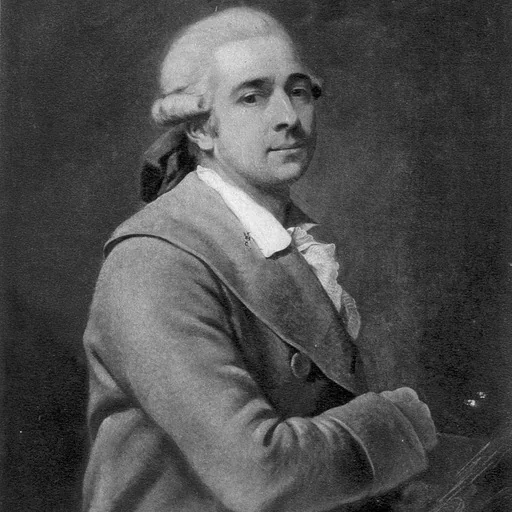
Jacques-Henri Sablet (b. 28 Jan. 1749, Morges, † 22 Aug.1803, Paris) was a Swiss-French painter, part of a family of artists of Swiss origin. He was also known as Franz der Römer, Giacomo Sablez, Giacomo Sablé, Jacob…

 Happy family
 La Diseuse de Bonne Aventure (The Fortune Teller)
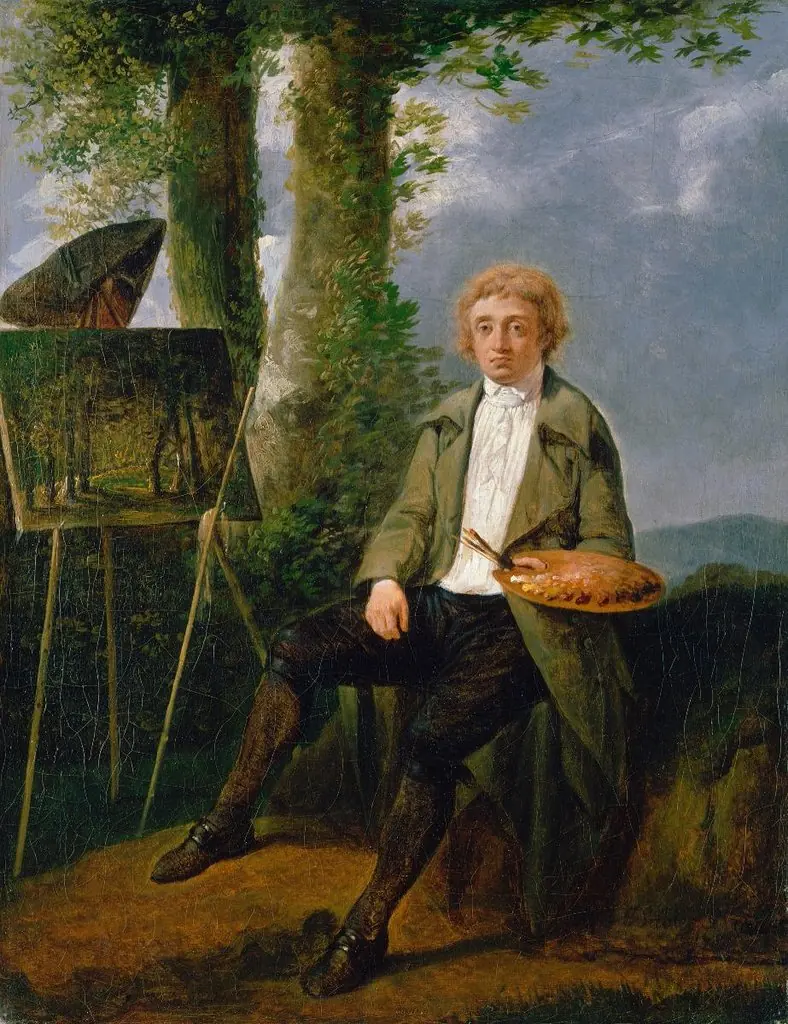 Conrad Gessner vor der Staffelei im Freien
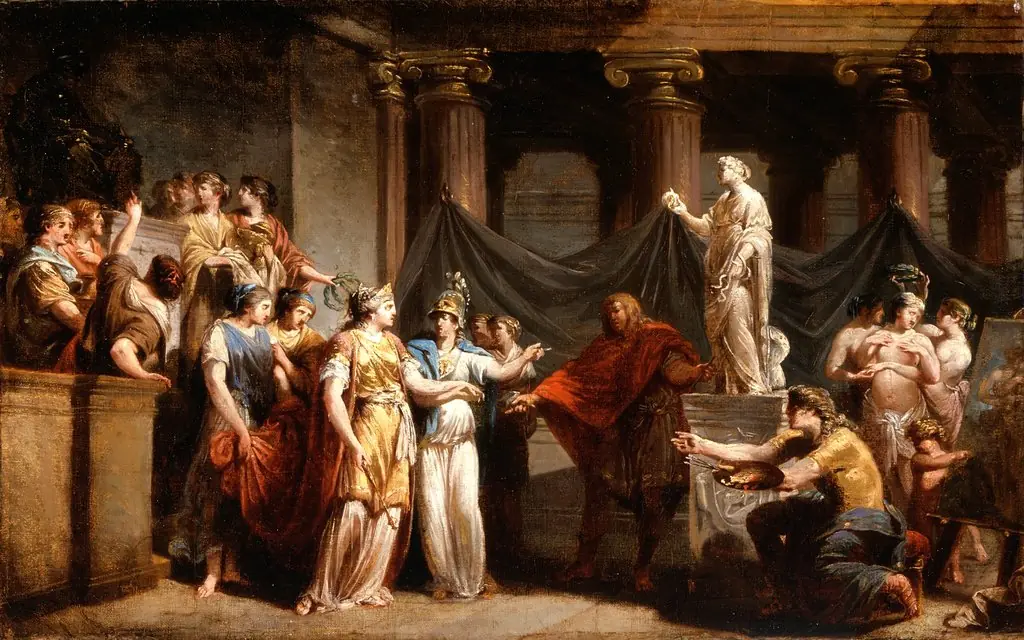 The Temple of the Liberal Arts, with the City of Bern and Minerva
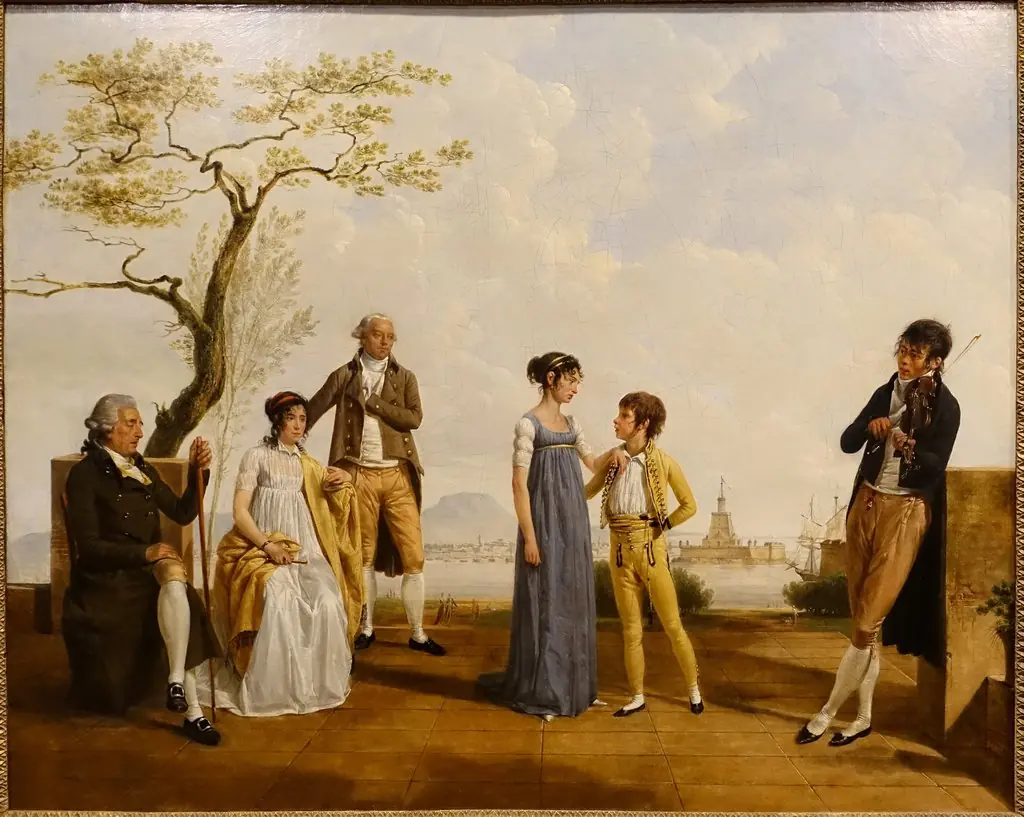 Family Portrait in front of a Harbour
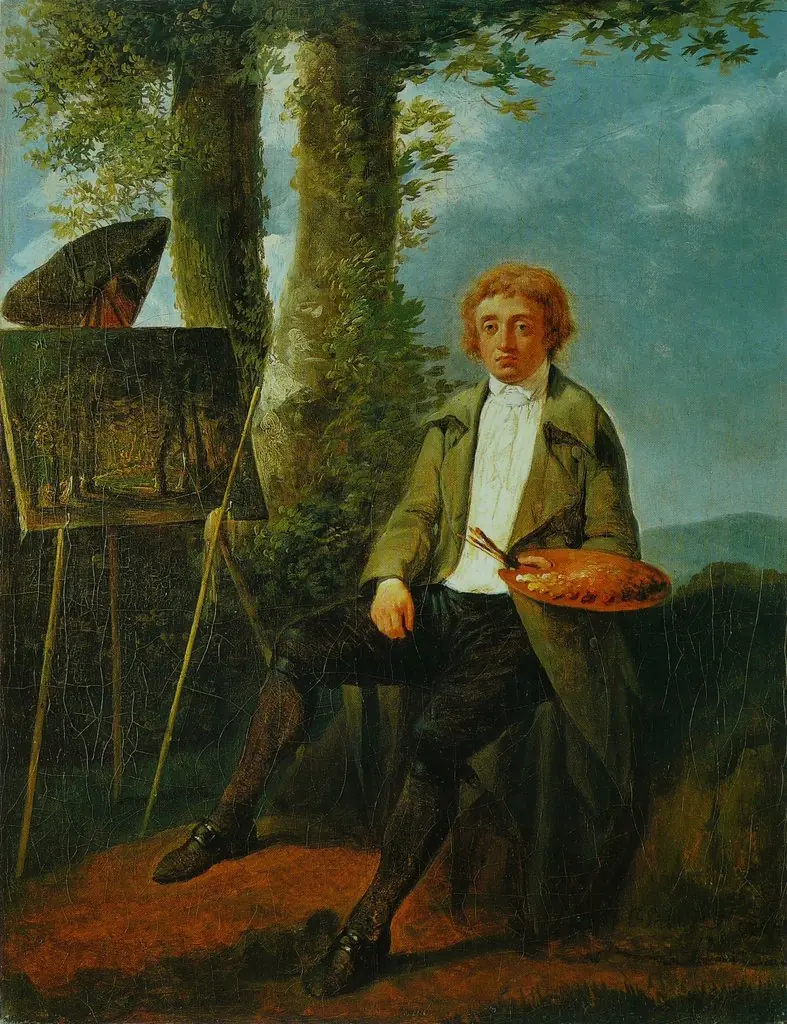 Portrait du peintre Conrad Gessner dans la campagne romaine
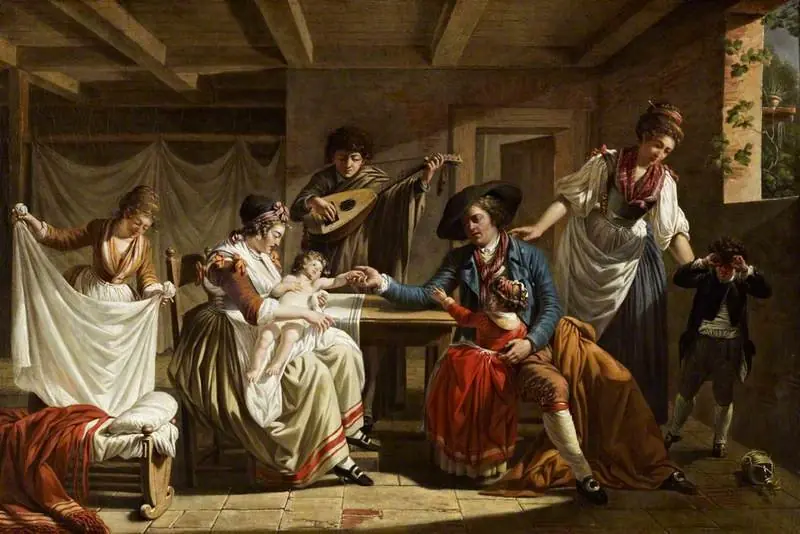 L'heureuse famille (The Happy Family)
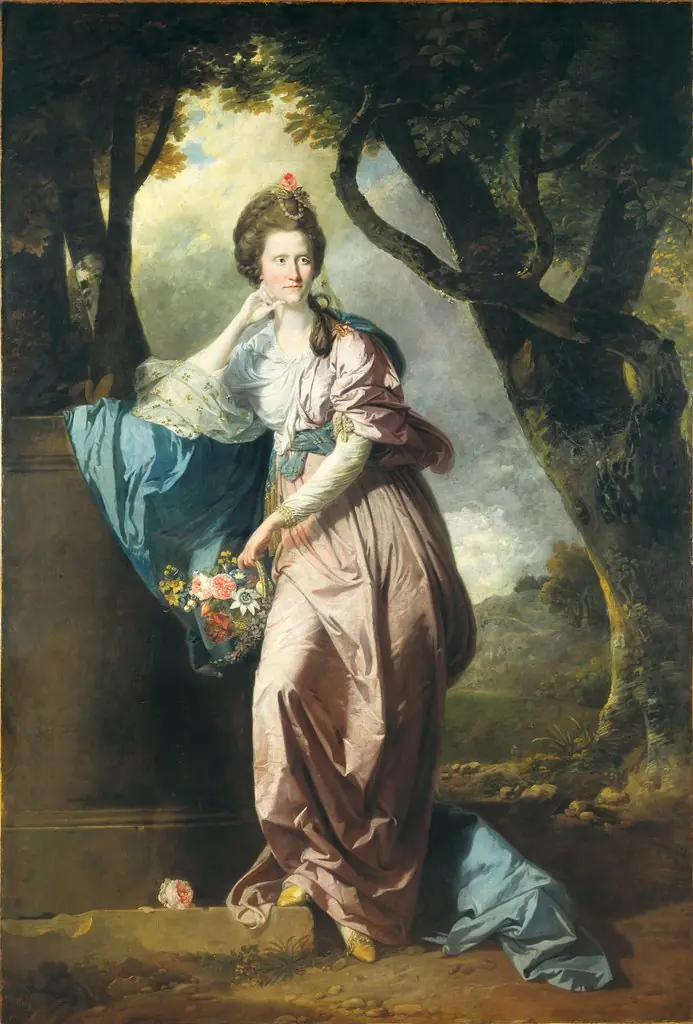 Mrs Woodhull
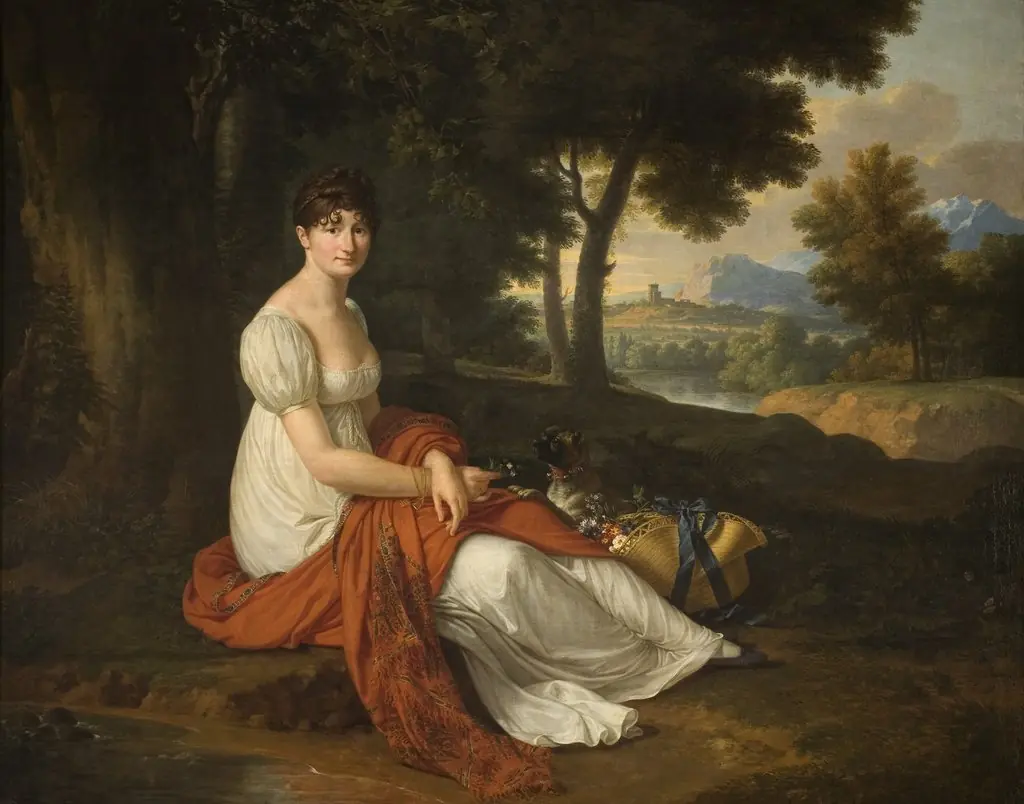 Portrait of Elżbieta Skotnicka née Laskiewicz (1781–1849), Wife of Michał Skotnicki
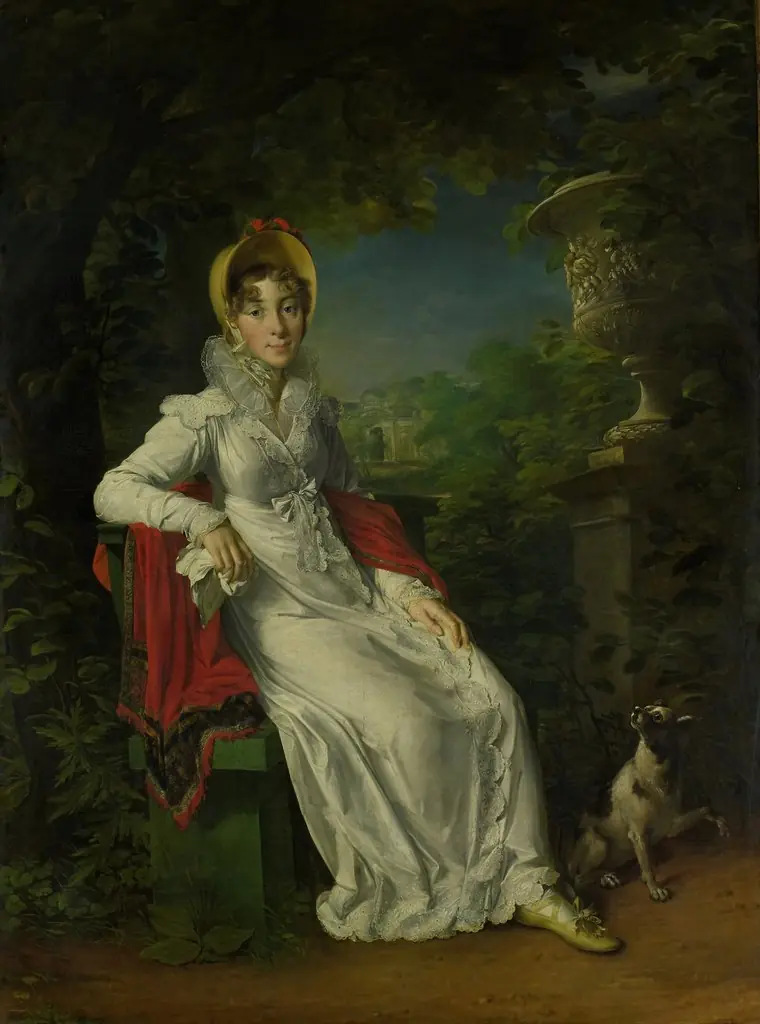 Portrait of Marie Caroline Ferdinande Louise de Naples, Wife of Charles Ferdinand, Duke de Berry, in the Park de Bagatelle in the Bois de Boulogne, Paris
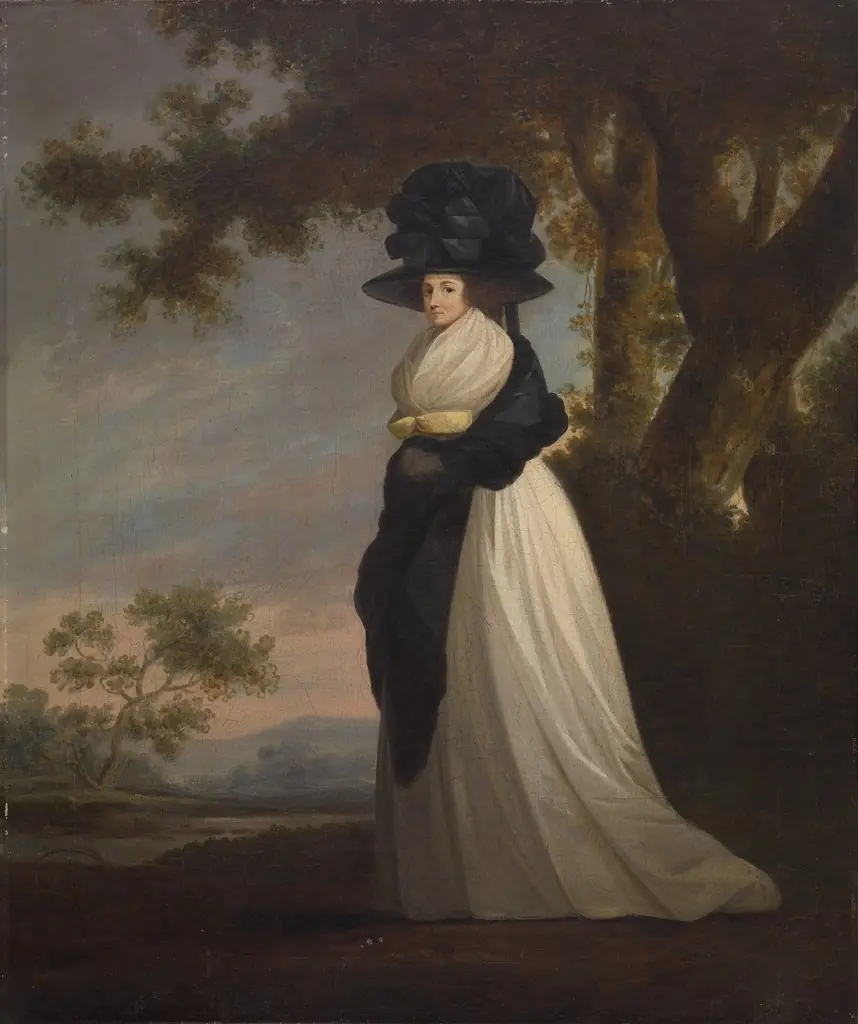 Portrait of a Lady Wearing an Elaborate Hatl
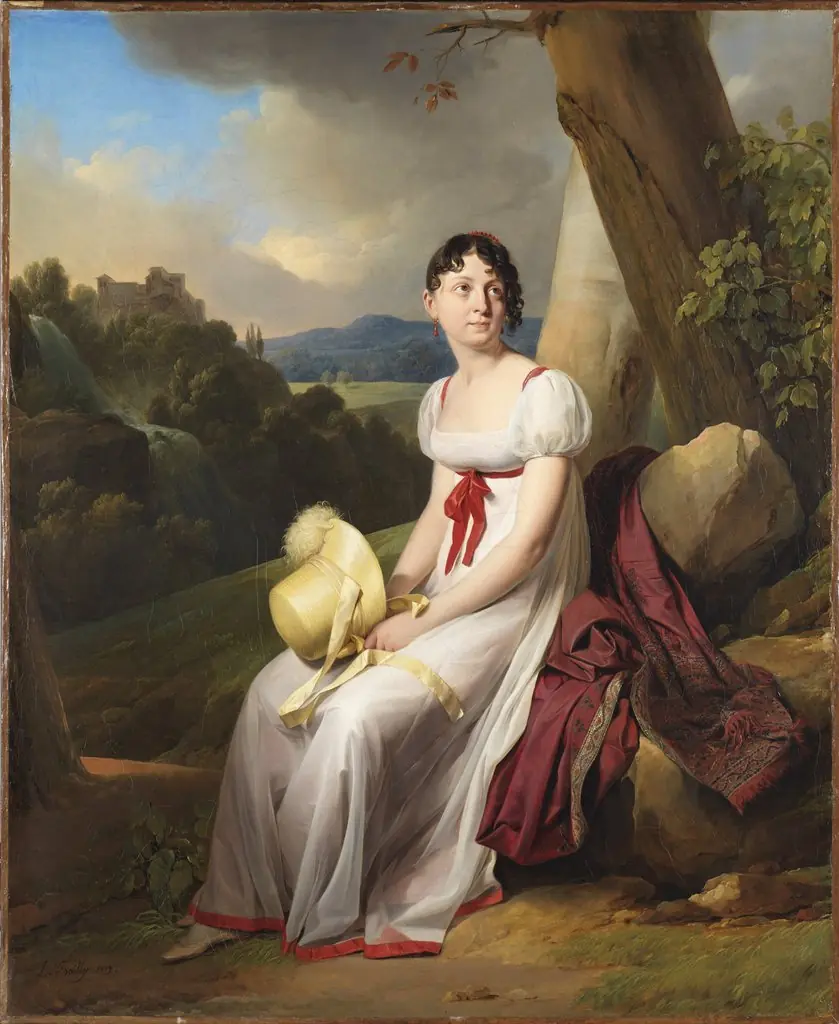 Madame Saint-Ange Chevrier
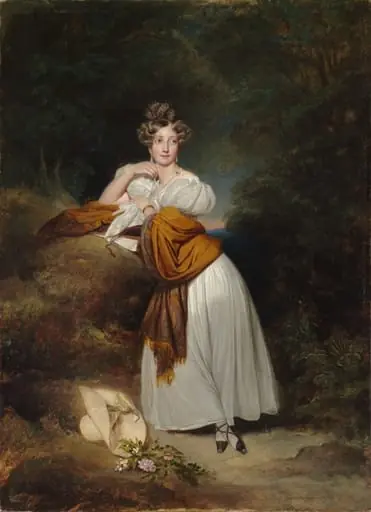 Sophie Guillemette, Grand Duchess of Baden (1801-1865)
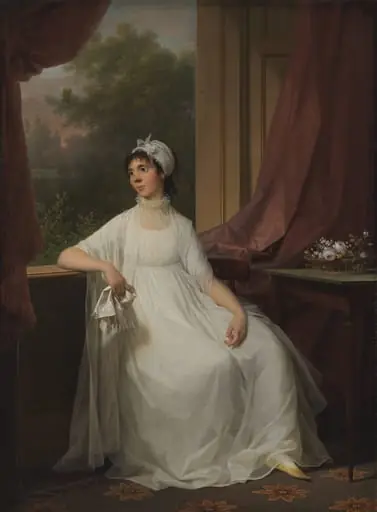 Portrait of Gertrud Hage, née Heitmann
 La Princesse Catherine Gavrilowna Gagarine
 Portrait of Adélaide d'Orléans
 Mrs. Pelham
 Portrait of Mrs. Andrew Reid
 Countess Spencer