Artwork
Portrait of Elżbieta Skotnicka née Laskiewicz (1781–1849), Wife of Michał Skotnicki
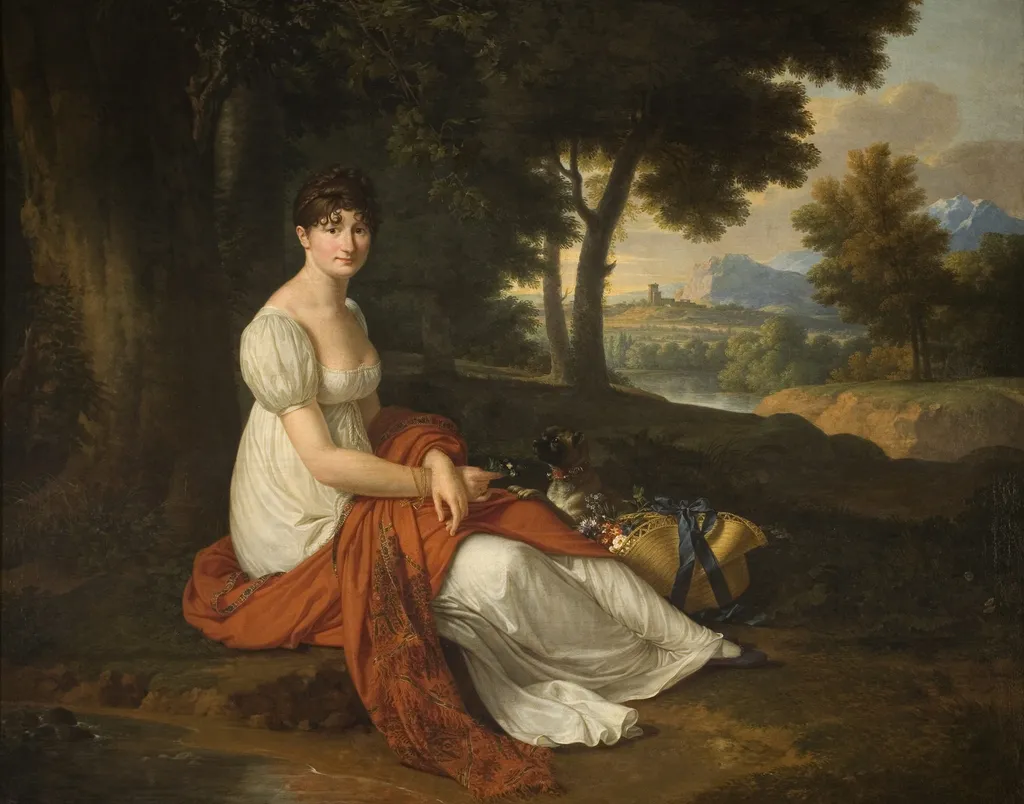
Portrait of Elżbieta Skotnicka née Laskiewicz (1781–1849), Wife of Michał Skotnicki is an oil painting by François-Xavier Fabre. It dates from 1807 and is held in the collection of the National Museum in Kraków.
About this work
Overview
The painting is now part of the National Museum in Kraków’s collection, reflecting its cross-cultural significance in early 19th-century European portraiture.
Painted in 1807 by French artist François-Xavier Fabre, this oil portrait depicts Elżbieta Skotnicka, wife of Polish nobleman Michał Skotnicki. Fabre, trained in Paris under Jacques-Louis David and a Prix de Rome laureate, completed the work during his years in Florence, where he had settled after the French Revolution. The painting is now part of the National Museum in Kraków’s collection, reflecting its cross-cultural significance in early 19th-century European portraiture.
Subject & Meaning
Elżbieta Skotnicka is portrayed seated in a pastoral setting, dressed in a white gown with an orange shawl, holding a small dog and resting a basket of flowers beside her. These elements suggest gentility and domestic harmony, common tropes in Romantic-era portraiture. The inclusion of nature and animals implies a connection to idealized rural life, aligning the sitter with virtues of grace and tranquility rather than asserting social status through formal regalia.
Technique & Style
Fabre employs soft chiaroscuro to model the figure with subtle gradations of light, enhancing the three-dimensionality of the form and drawing focus to the sitter’s poised demeanor. Warm tones in the shawl and foliage unify the composition, while the landscape background—featuring trees, a winding river, and distant mountains—is rendered with loose, atmospheric brushwork. The technique reflects both Neoclassical discipline and emerging Romantic sensibilities in its emotional tone.
History & Provenance
Created during Fabre’s residency in Florence, the portrait was likely commissioned by the Skotnicki family, who maintained ties with European cultural circles. After its completion, it remained in Polish private collections before entering the National Museum in Kraków. Fabre’s personal life—his marriage to the widow of poet Vittorio Alfieri—underscores his integration into Italian intellectual society, which may have influenced the portrait’s refined, literary atmosphere.
Context
In the early 1800s, European elites often commissioned portraits that blended personal identity with idealized natural settings, distancing themselves from rigid aristocratic conventions. Fabre, working outside France amid political upheaval, adapted his Neoclassical training to suit the tastes of international patrons. This portrait reflects a broader trend where nobility expressed cultural sophistication through serene, nature-infused imagery rather than overt displays of power.
Legacy
Though not among Fabre’s most widely known works, the portrait remains a significant example of his mature style and cross-border artistic practice. It contributes to the understanding of how French-trained painters influenced portraiture in Central Europe during the Napoleonic era. The painting’s preservation in Kraków highlights the transnational networks of patronage and aesthetics that shaped elite visual culture in the early 19th century.
Own this work as a print
Artist & collection
Artist
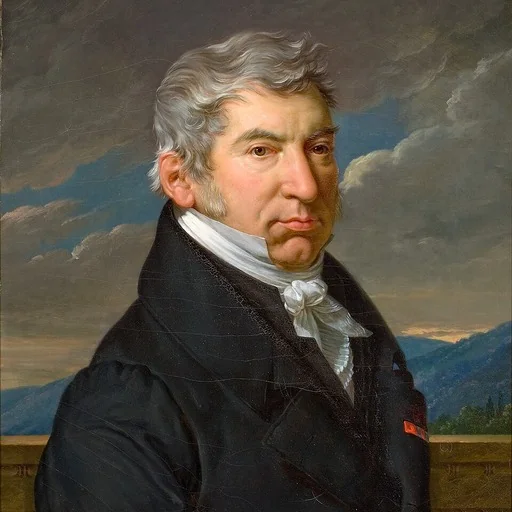
François-Xavier Fabre (French pronunciation: ; 1 April 1766 – 16 March 1837) was a French painter of historical subjects.

 Portrait of John Henry, 2nd Marquis of Lansdowne
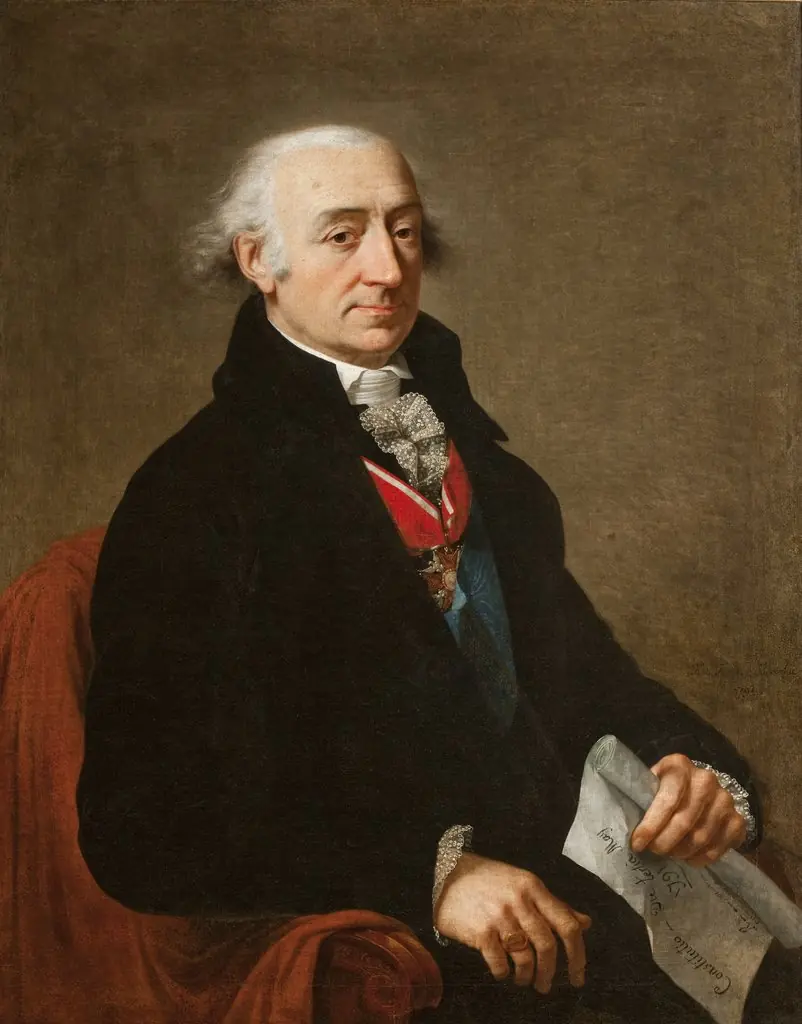 Portrait of Stanisław Małachowski (1736–1809)
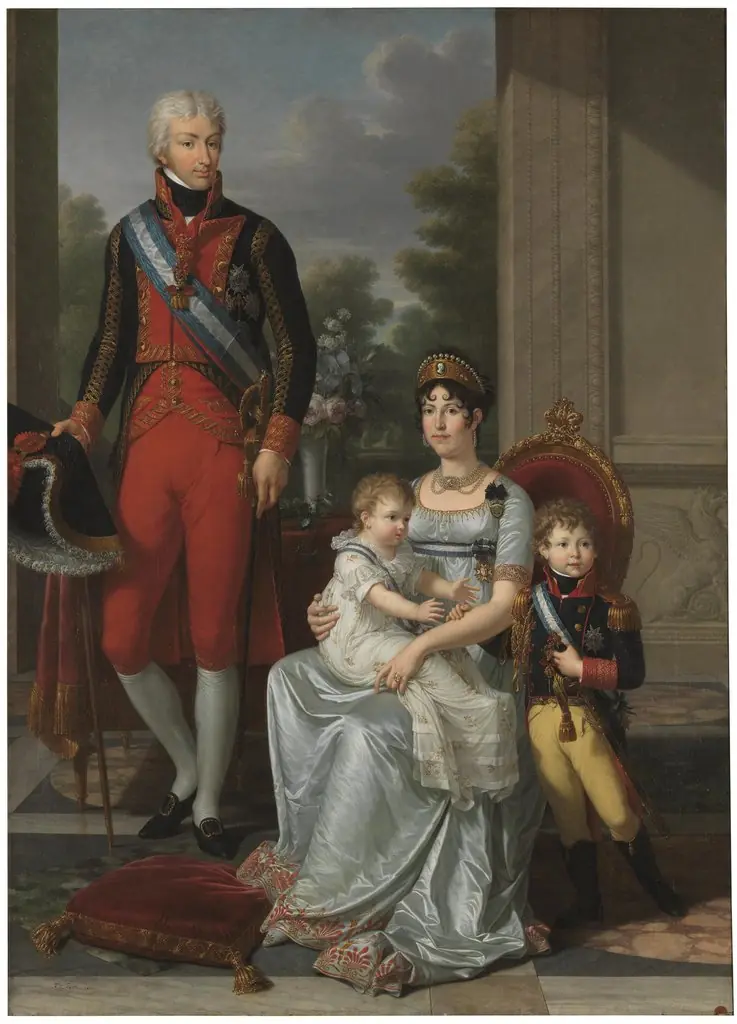 The Etrurian Royal Family
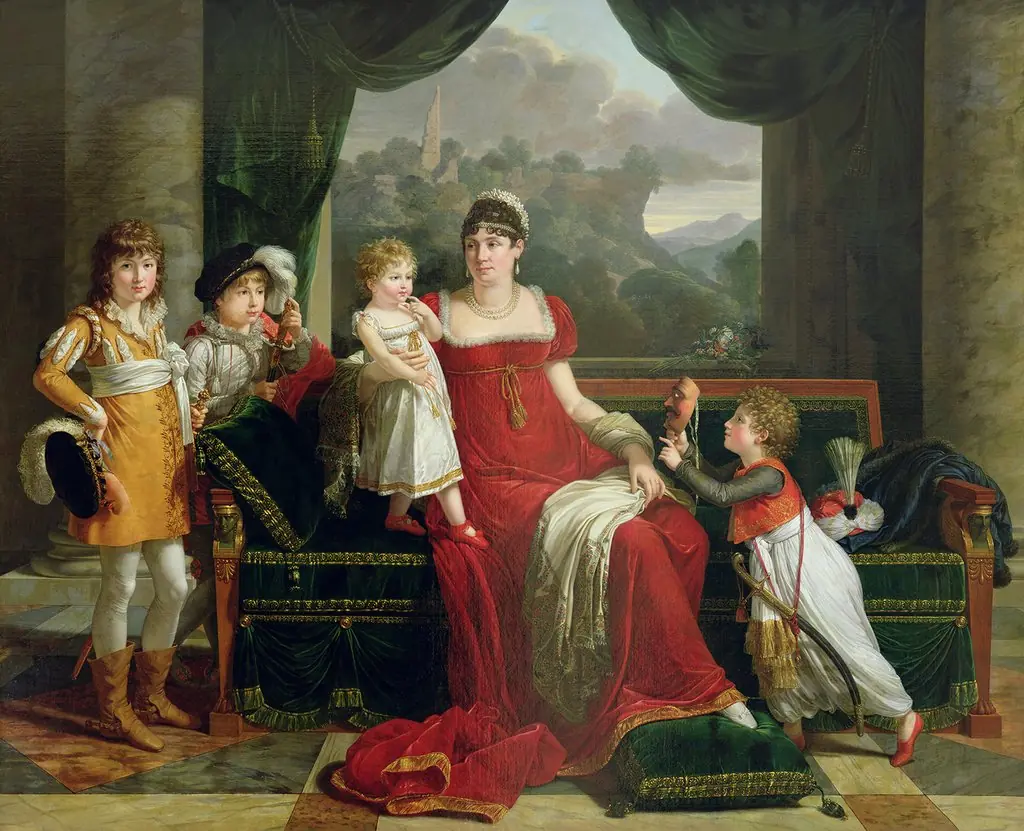 Portrait de la générale Clarke avec ses quatre enfants
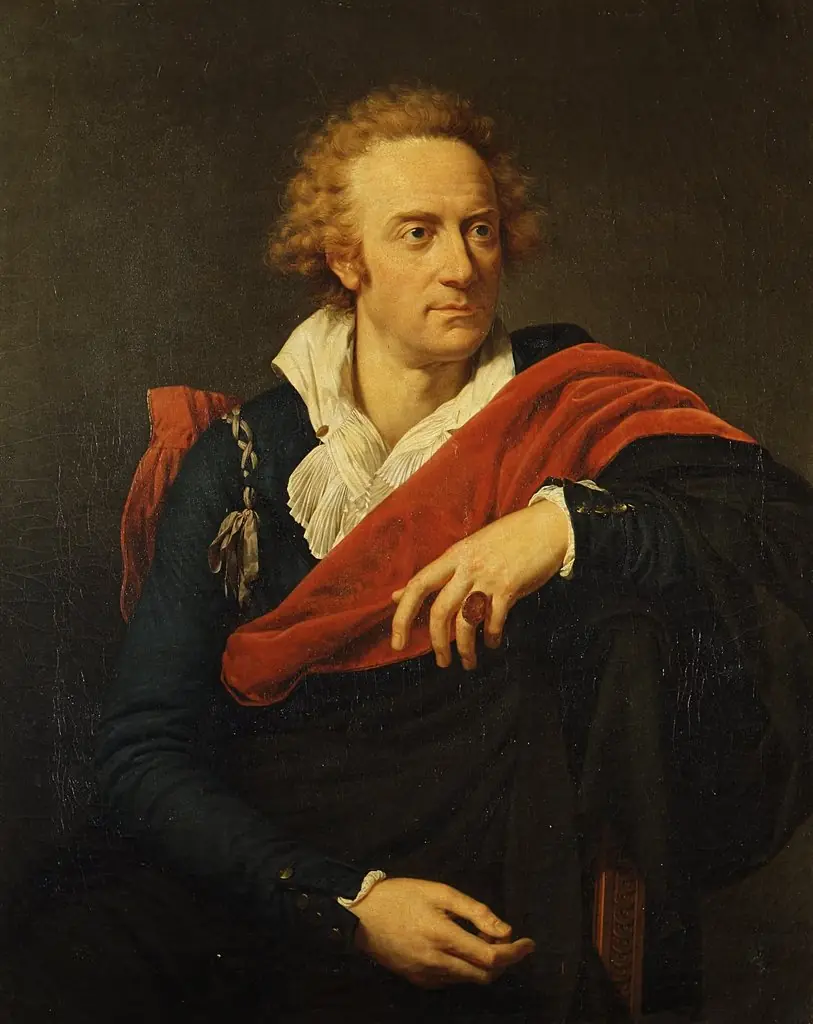 Portrait of Vittorio Alfieri
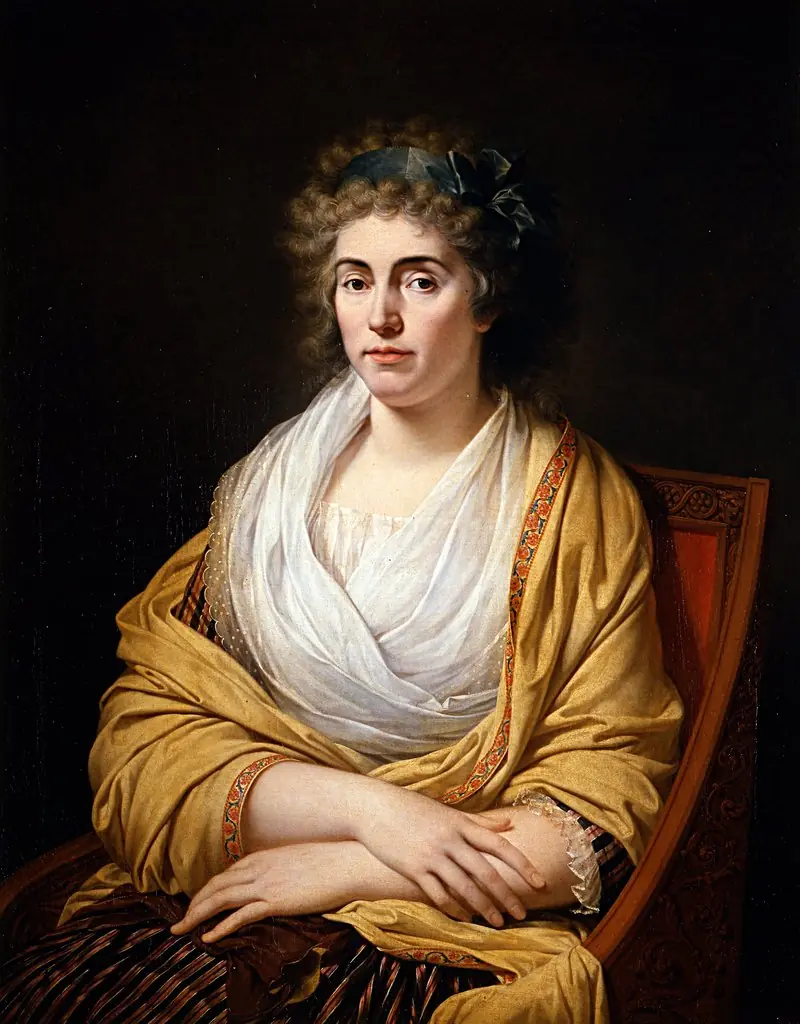 Portrait of Louise, wife of Bonnie Prince Charlie
 Portrait of a Man
 Portrait of a Man (Rosario Persico?)
 Madame Saint-Ange Chevrier
 Portrait of a Young Woman
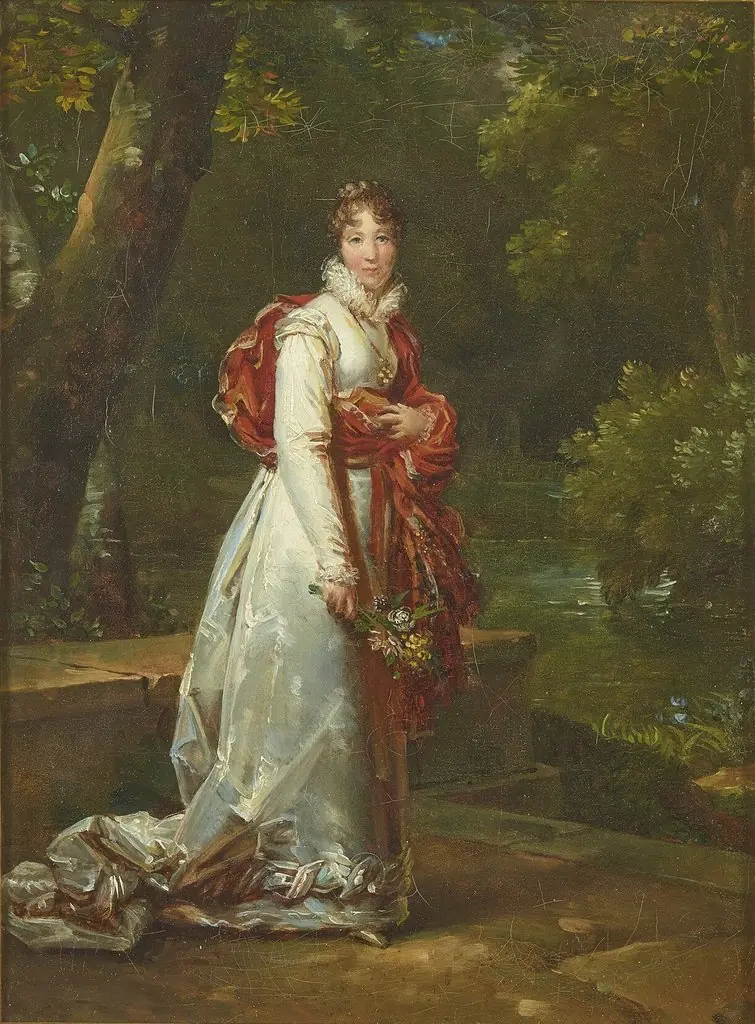 Portrait of Adélaide d'Orléans
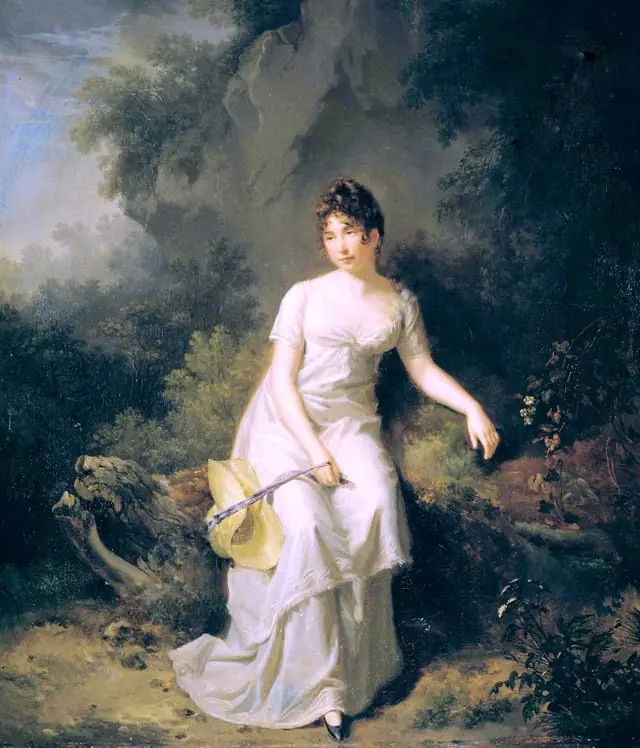 Ekaterina Golovkina (Naryshkina)
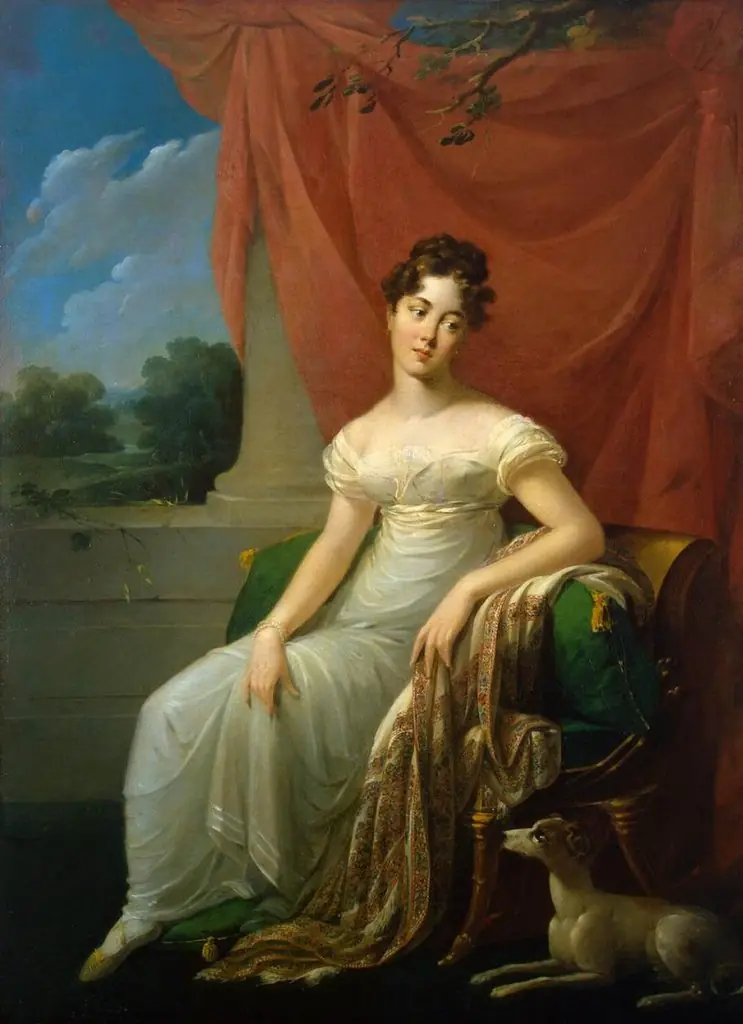 Portrait of Sofia Apraxina
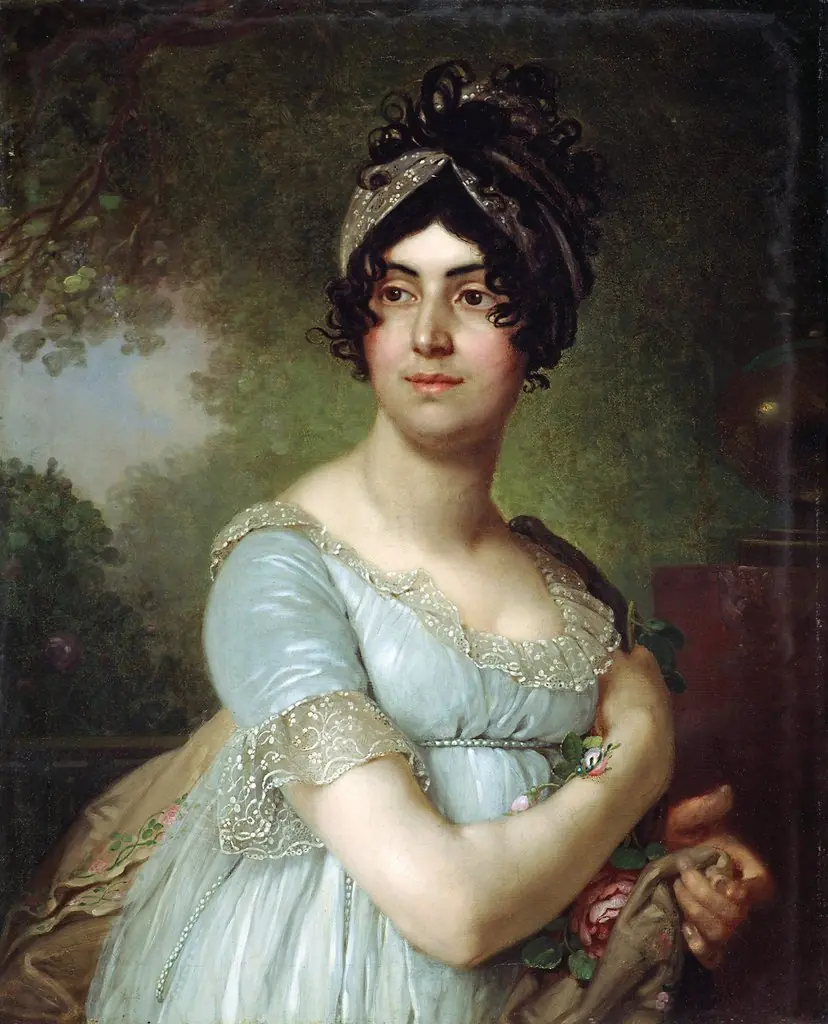 Портрет Д.С. Яковлевой
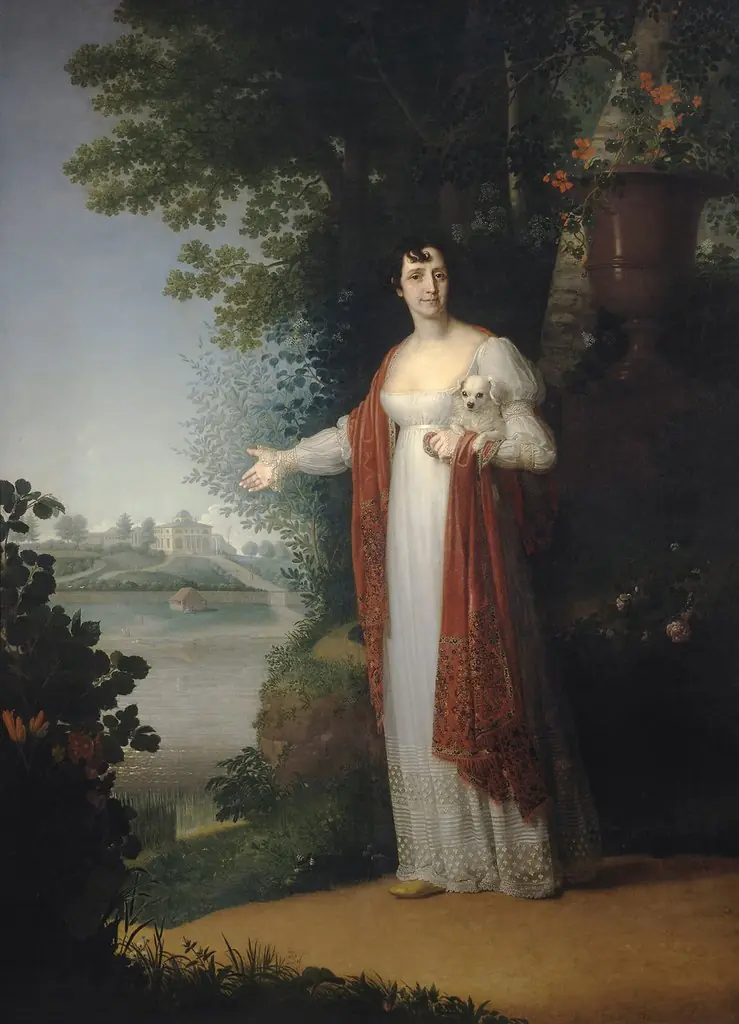 Portrait of D.A. Derzhavina (1767–1842), née Dyakova, second wife of G.R. Derzhavin
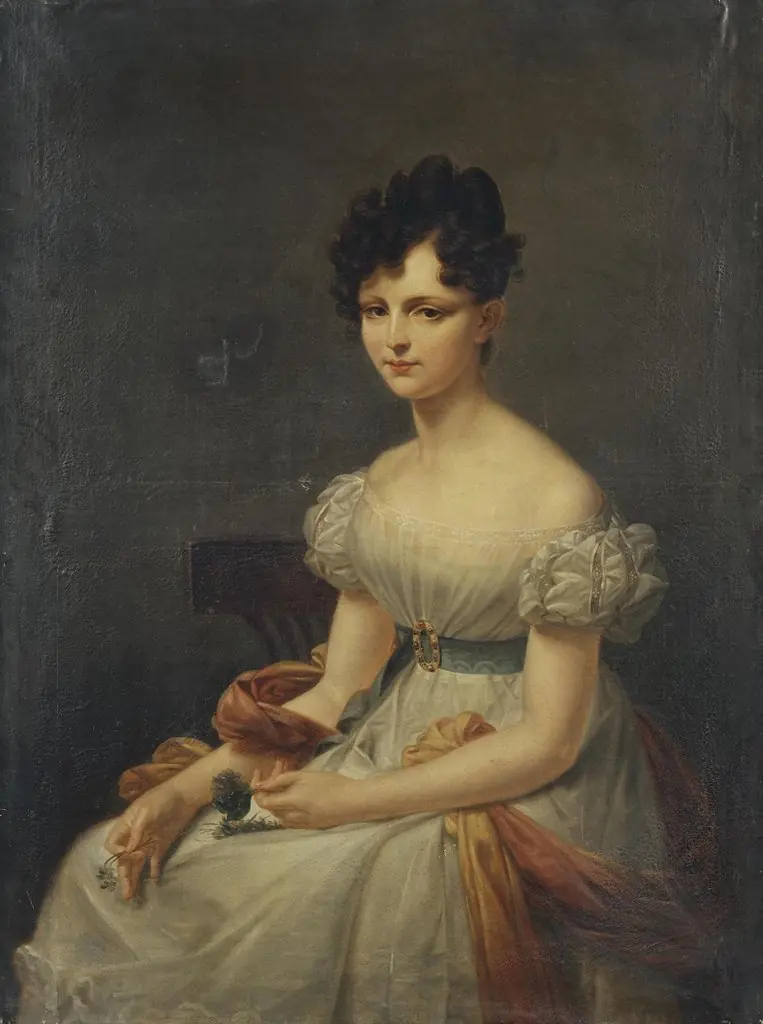 Portrait of Princess Anna Nikolayevna Golitsyna (?)
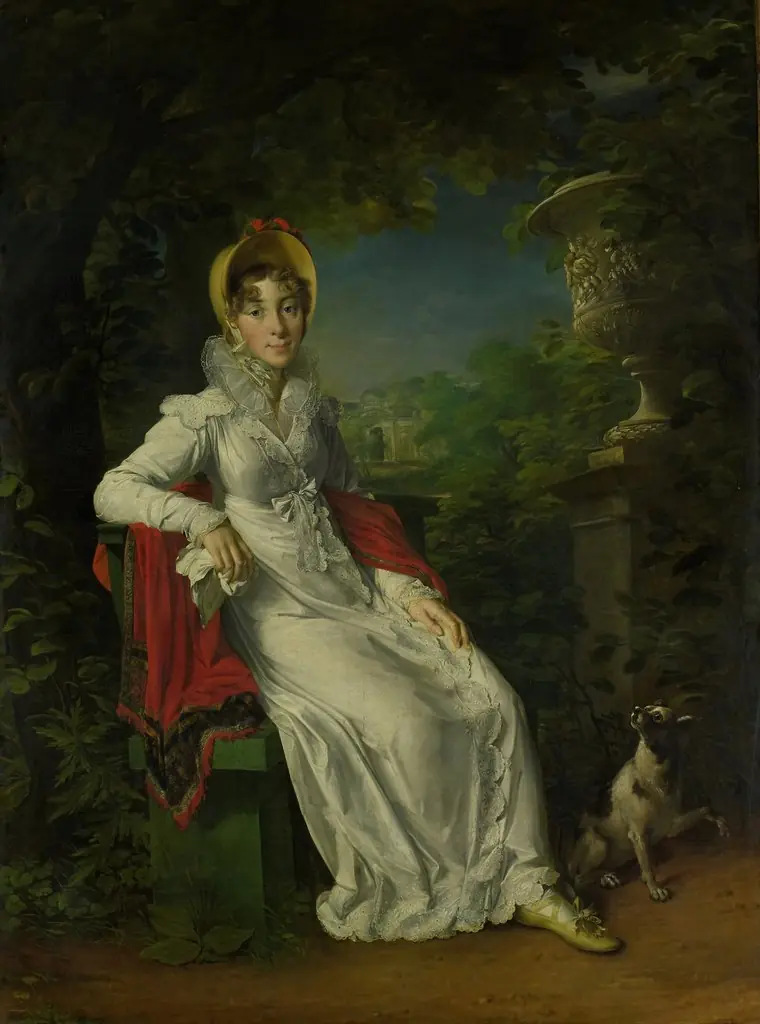 Portrait of Marie Caroline Ferdinande Louise de Naples, Wife of Charles Ferdinand, Duke de Berry, in the Park de Bagatelle in the Bois de Boulogne, Paris
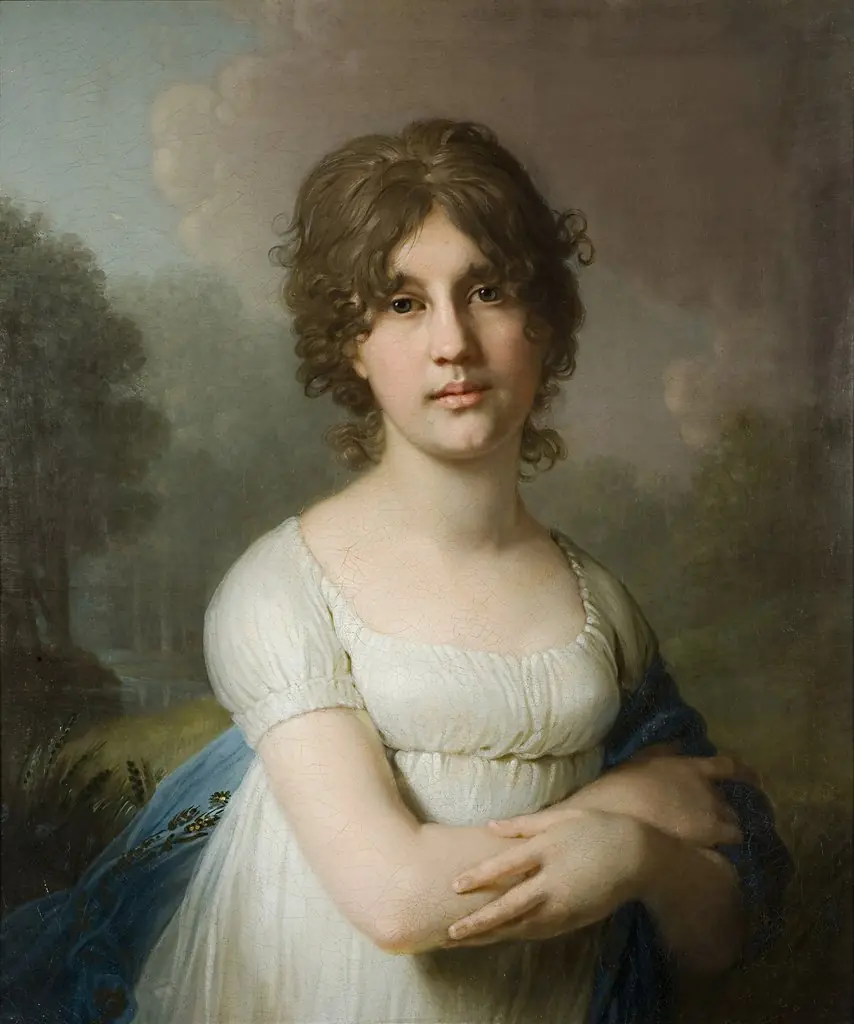 La Princesse Catherine Gavrilowna Gagarine
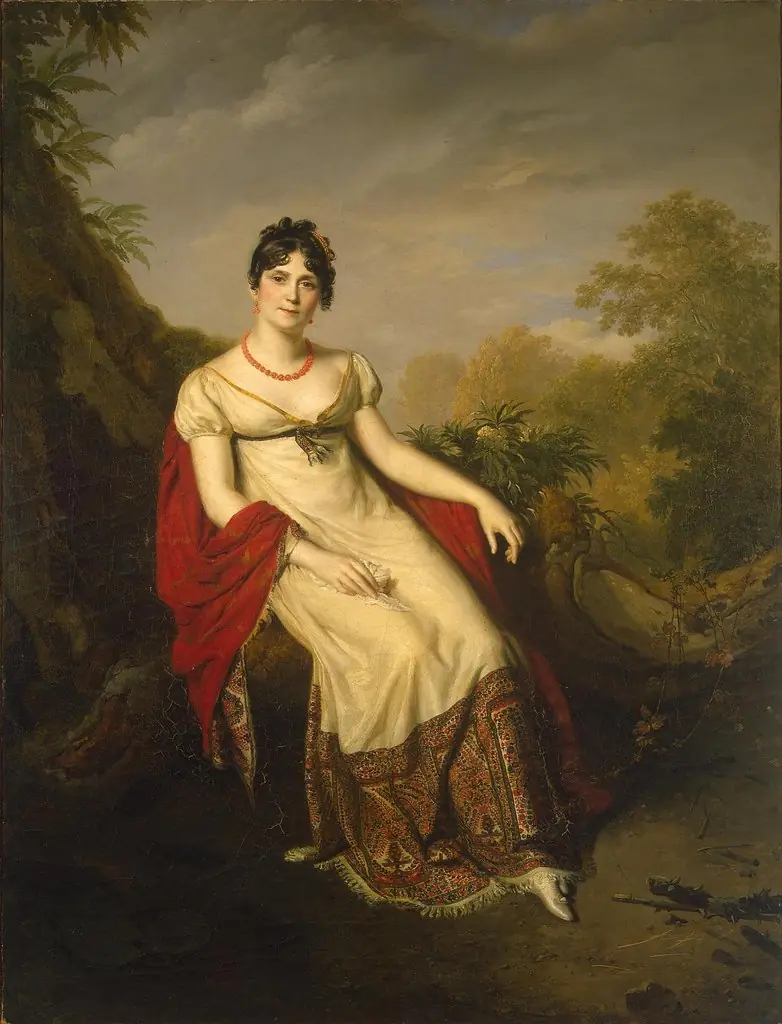 Portrait of Josephine de Beauharnais
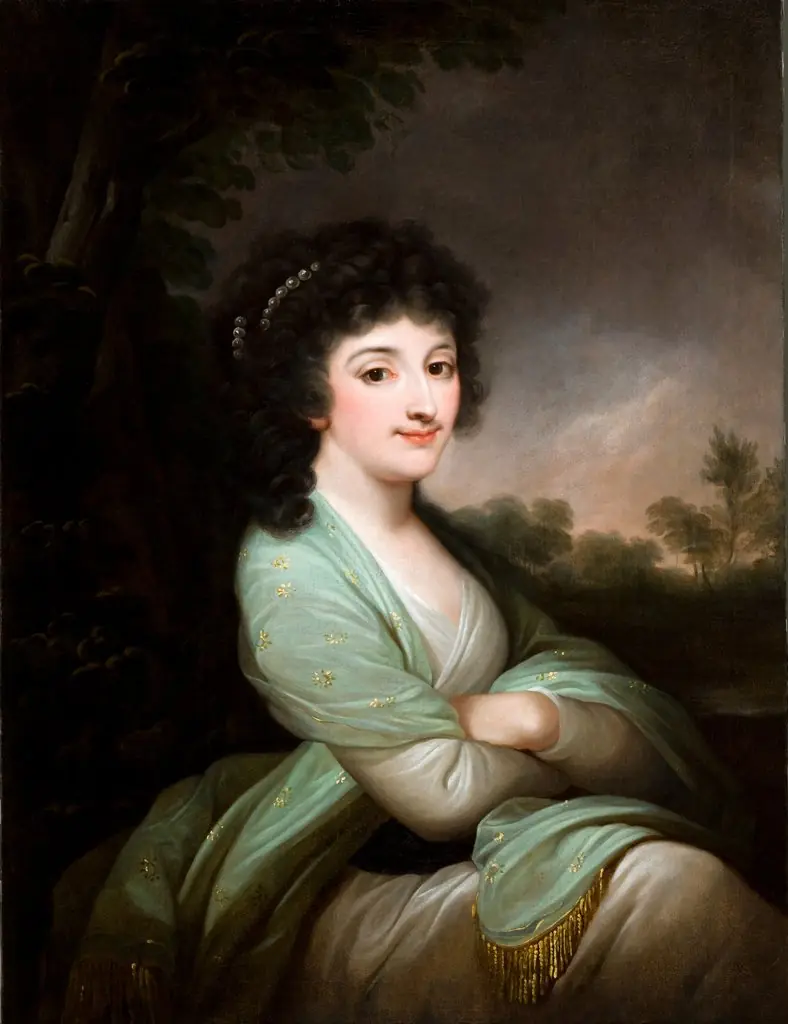 Portrait of Izabela Ogińska née Lasocka