Artwork
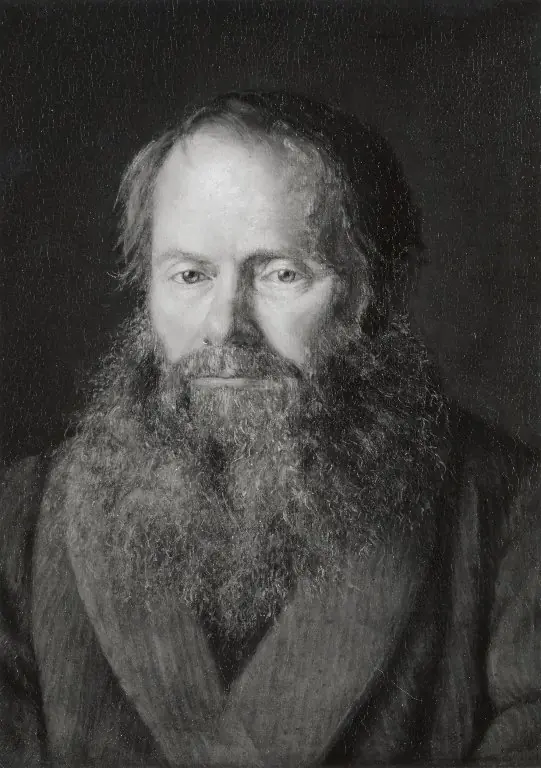
Portræt af zoologen, professor H.N. Krøyer, kunstnerens plejefader
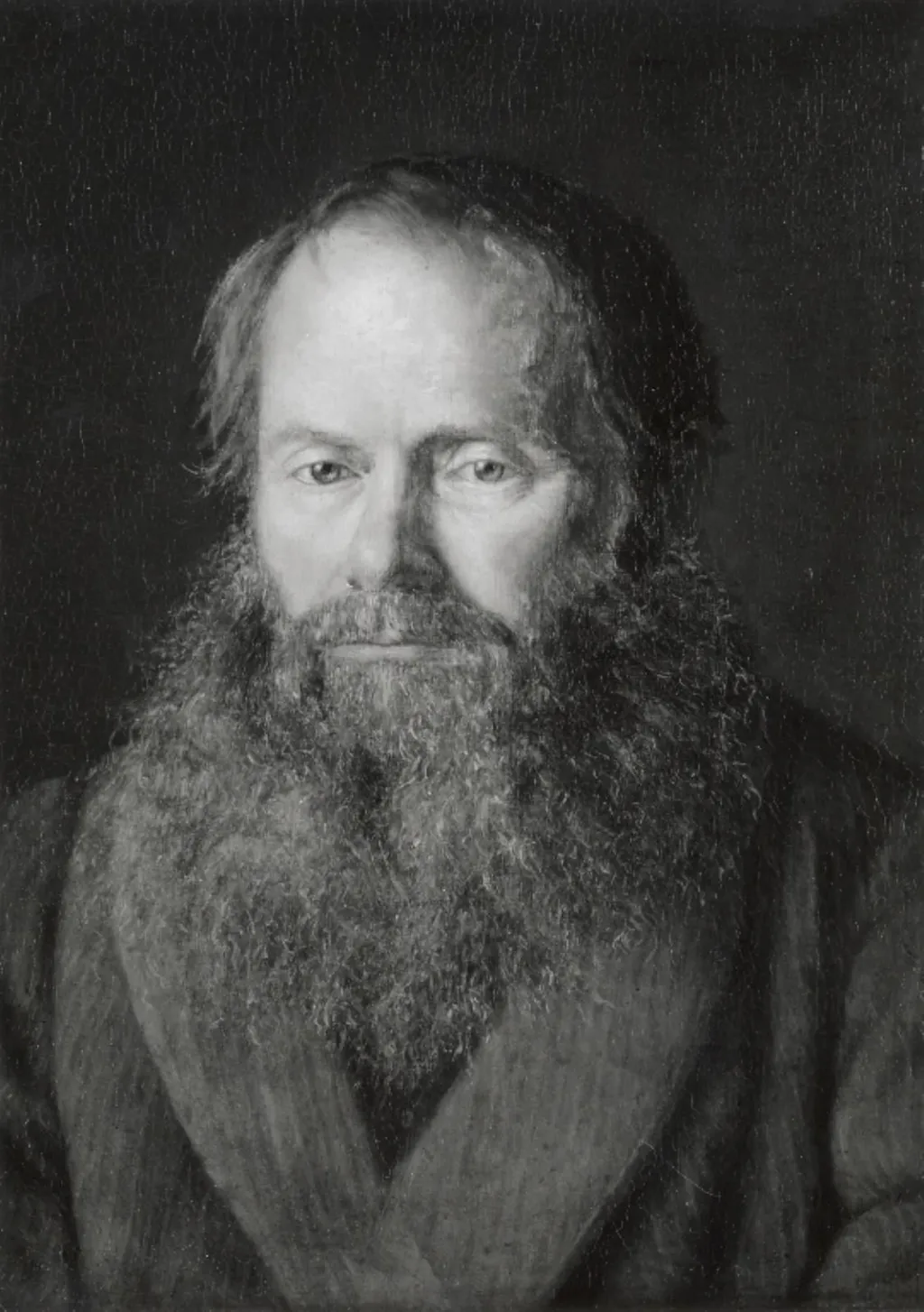
Portræt af zoologen, professor H.N. Krøyer, kunstnerens plejefader is a photography by the Impressionist artist Unknown. It dates from 1868 and is held in the collection of the Statens Museum for Kunst. The image is a monochrome portrait taken in 1868, depicting an elderly man with a full beard and curly hair.
About this work
He’s wearing a high collar that frames his face, and the photo is close-up, filling most of the frame.
This is a black-and-white photo of an older man with a long, thick beard and curly hair. His face is serious, with a slight frown and tired eyes. He’s wearing a high collar that frames his face, and the photo is close-up, filling most of the frame.
The artist was his stepfather, a zoologist, and this photo was taken in 1868. The style looks simple but careful, focusing on real details rather than fancy poses.
Want to see more? Check out Impressionism for how artists later played with light and everyday moments.
Overview
The image is a monochrome portrait taken in 1868, depicting an elderly man with a full beard and curly hair. The composition is a close‑up that fills the frame, presenting the subject’s serious expression, slight frown, and weary eyes. He wears a high‑collared shirt that frames his face, emphasizing the direct, unembellished character of the photograph.
Subject & Meaning
The sitter is Professor H.N. Krøyer, a noted zoologist who also served as the stepfather of the photographer. The portrait captures him in a dignified, scholarly manner, reflecting his professional stature and personal gravitas. The restrained demeanor suggests a focus on intellectual rigor rather than personal intimacy.
Technique & Style
Executed as a black‑and‑white photographic print, the work relies on careful attention to tonal contrast and fine detail. The photographer employs a straightforward, documentary approach, avoiding decorative poses or elaborate lighting. Sharp rendering of the beard, hair, and collar underscores a commitment to realistic representation.
History & Provenance
Created in 1868, the photograph entered the collection of the Museum of Ethnography, where it remains on display. Its acquisition reflects the museum’s interest in documenting scientific figures and the personal networks that linked scholars and artists in the late nineteenth century.
Context
The portrait belongs to a period when photography was emerging as a tool for scientific documentation and personal record. As a stepfather to a later artist, the image also illustrates early familial collaborations that predate the more experimental visual practices of the Impressionist era.
Artist & collection

 Domestic Scene
 Giacomo and Cardinal Marco, investing Andrea, Abbot of San Zeno, with his Benefice
 The Nymph of Fontainebleau
 Portrait of a Woman
 Madonna and Child with Saints in the Enclosed Garden
 Venus and Minerva
 Family Group of Four on Sofa
 Wall painting from Room H of the Villa of P. Fannius Synistor at Boscoreale
 Tête de vieillard
 Edwin Edwards
 Tronie of an old man with beard and baret
 Der Bildhauer Vincenz Pilz
 Bearded Old Man
 Portrait of Alexander Dmitrievich Litovchenko
 Der Maler Eduard von Engerth
 Portrait of Lev Tolstoy
 Self-portrait
 George Fuller
 Self-Portrait, 3rd plate
 Portræt af zoologen, professor H.N. Krøyer, kunstnerens plejefader