Artwork
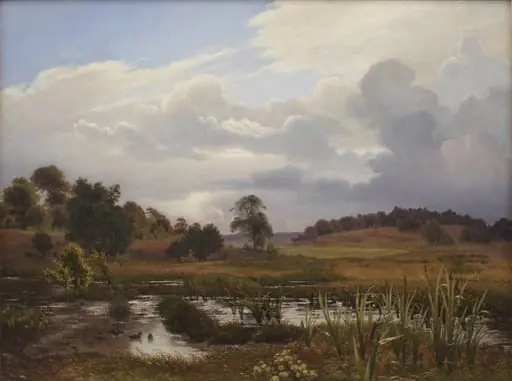
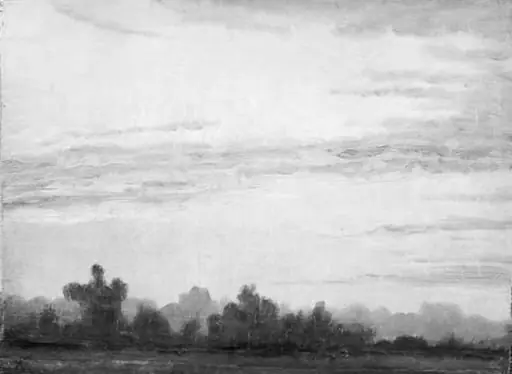
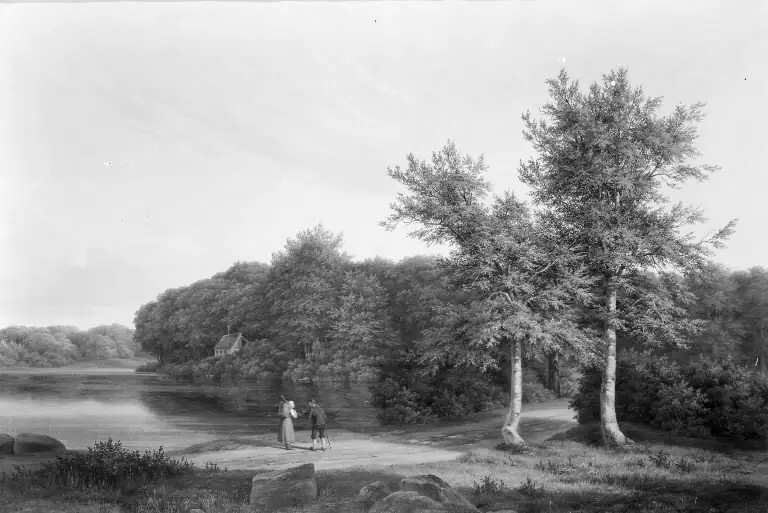
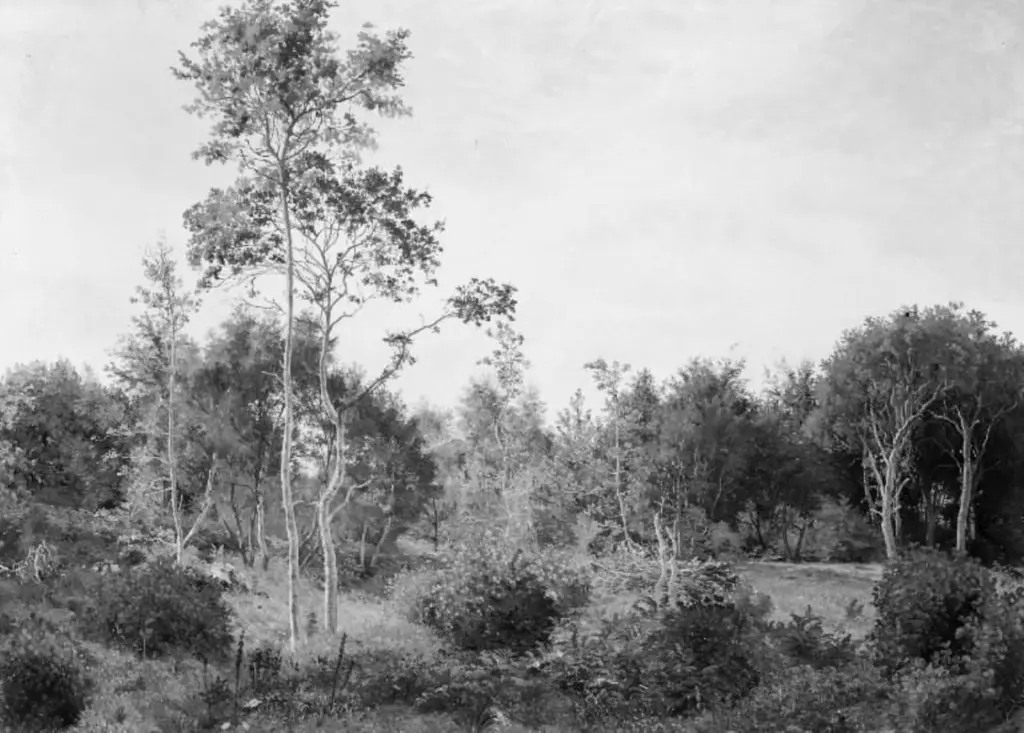
Lysning i Nordskoven ved Jægerspris
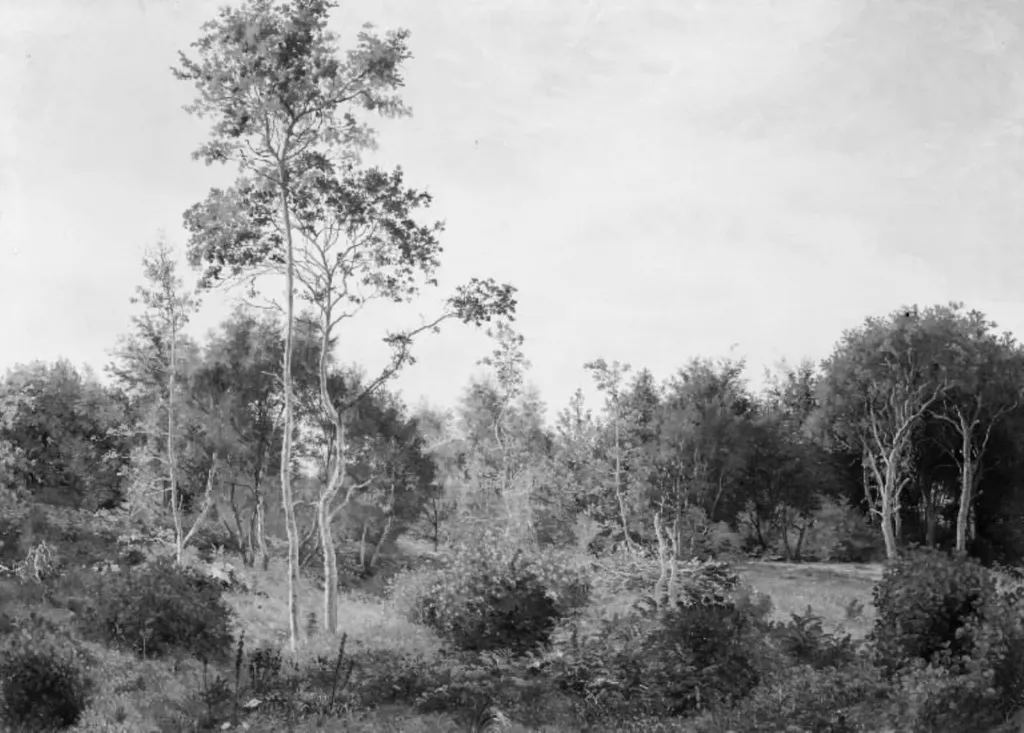
Lysning i Nordskoven ved Jægerspris is a photography by the Romanticist artist Unknown artist. It dates from 1847 and is held in the collection of the Statens Museum for Kunst.
About this work
Overview
It resides in the collection of the Museum of Ethnography, where it is valued as a historical document of Nordic landscape and early photographic practice.
Created in 1847, *Lysning i Nordskoven ved Jægerspris* is a black-and-white photographic image depicting a forest clearing near Jægerspris, Denmark. Though sometimes misattributed to the Canadian abstract painter William Ronald, the work is in fact a 19th-century photographic record. It resides in the collection of the Museum of Ethnography, where it is valued as a historical document of Nordic landscape and early photographic practice.
Subject & Meaning
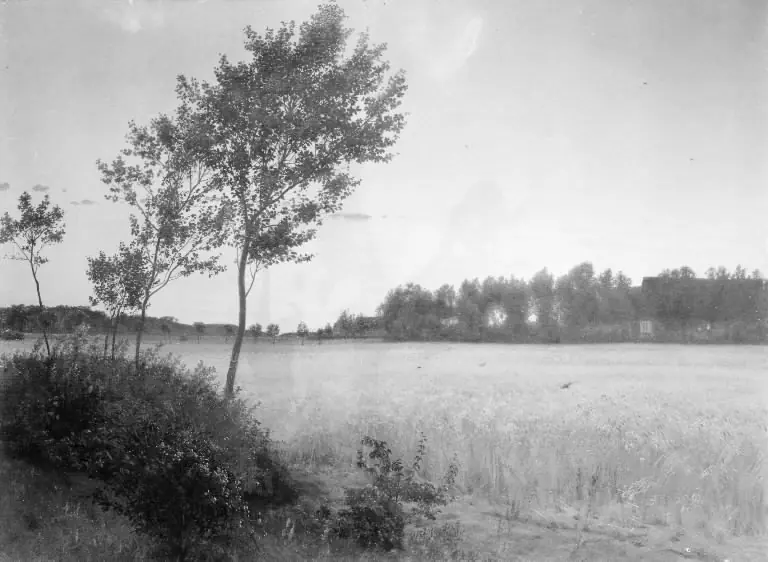
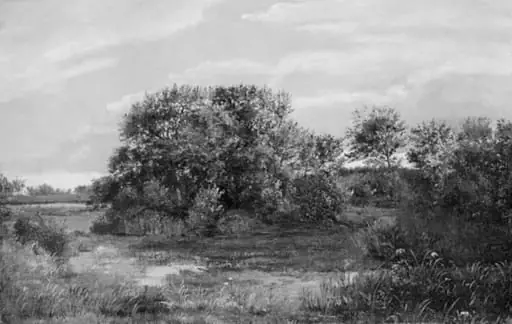
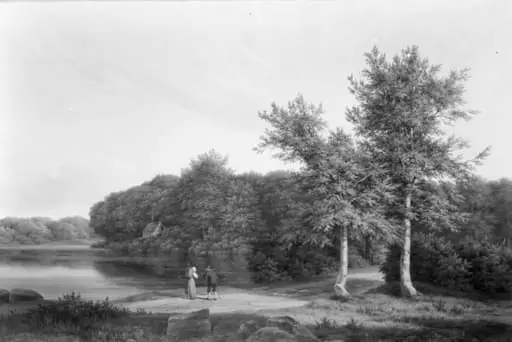
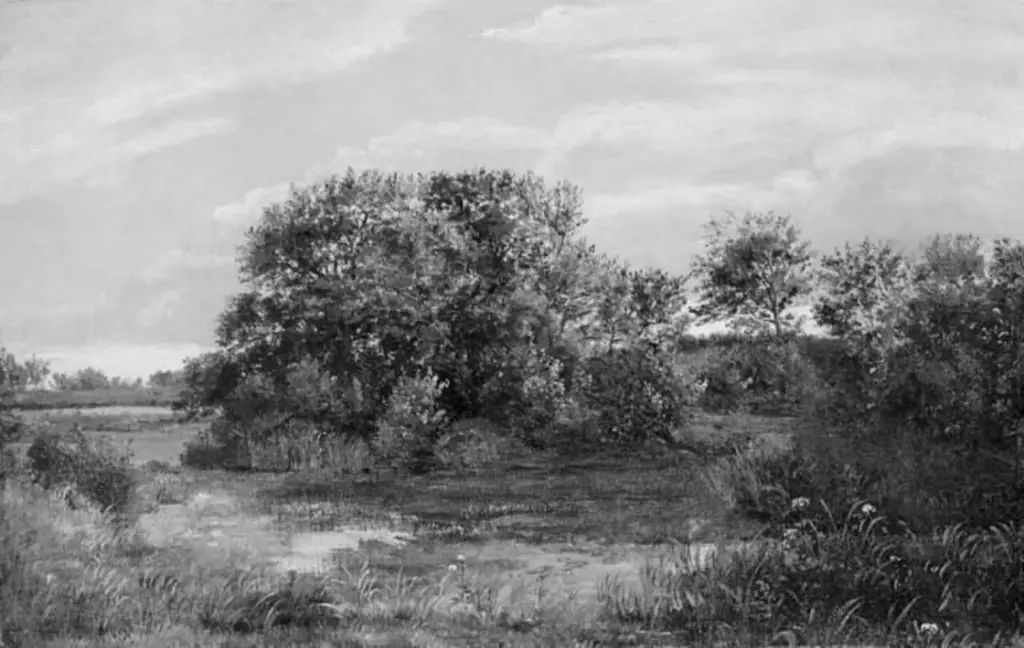
The image captures a quiet moment in a northern woodland, where sunlight filters through a break in the canopy, illuminating the undergrowth. Bare branches in the foreground contrast with leafy foliage behind, suggesting seasonal transition. The composition invites contemplation of nature’s quiet grandeur, aligning with 19th-century European sensibilities that saw forests as spaces of spiritual reflection and emotional resonance.
Technique & Style
Rendered in monochrome, the photograph employs tonal contrast to emphasize depth and texture. Shot from a low vantage point, the trees rise vertically, enhancing their scale and imposing presence. The use of natural light, diffused by overcast skies, creates soft gradations between shadow and highlight, characteristic of early photographic attempts to capture atmospheric nuance without artificial enhancement.
History & Provenance
The photograph’s origin is tied to early Danish photographic experimentation in the mid-1800s, though the specific photographer remains unconfirmed. It entered the Museum of Ethnography’s holdings as part of a broader collection documenting Nordic environments and rural life. Its preservation reflects an interest in recording natural landscapes as cultural and scientific artifacts during a period of rapid industrial change.
Context
Produced during the height of Romanticism, the image resonates with contemporary artistic ideals that revered nature as sublime and emotionally potent. While painting dominated aesthetic discourse, photography emerged as a new medium to capture nature’s truth. This work exemplifies how early photographers engaged with Romantic themes, using technical limitations to evoke mood rather than mere documentation.
Legacy
Though not widely exhibited outside institutional archives, the photograph contributes to the historical record of Nordic visual culture. It stands as an early example of how photography could convey the emotional weight of landscape, influencing later generations of documentary and environmental photographers. Its quiet composition continues to inform how nature is visually interpreted in Scandinavian visual traditions.
Artist & collection
Artist
William Ronald Smith (August 13, 1926 – February 9, 1998), known professionally as William Ronald, was a Canadian painter, best known as the founder of the influential Canadian abstract art group Painters Eleven in 1953…