Artwork
Self-Portrait
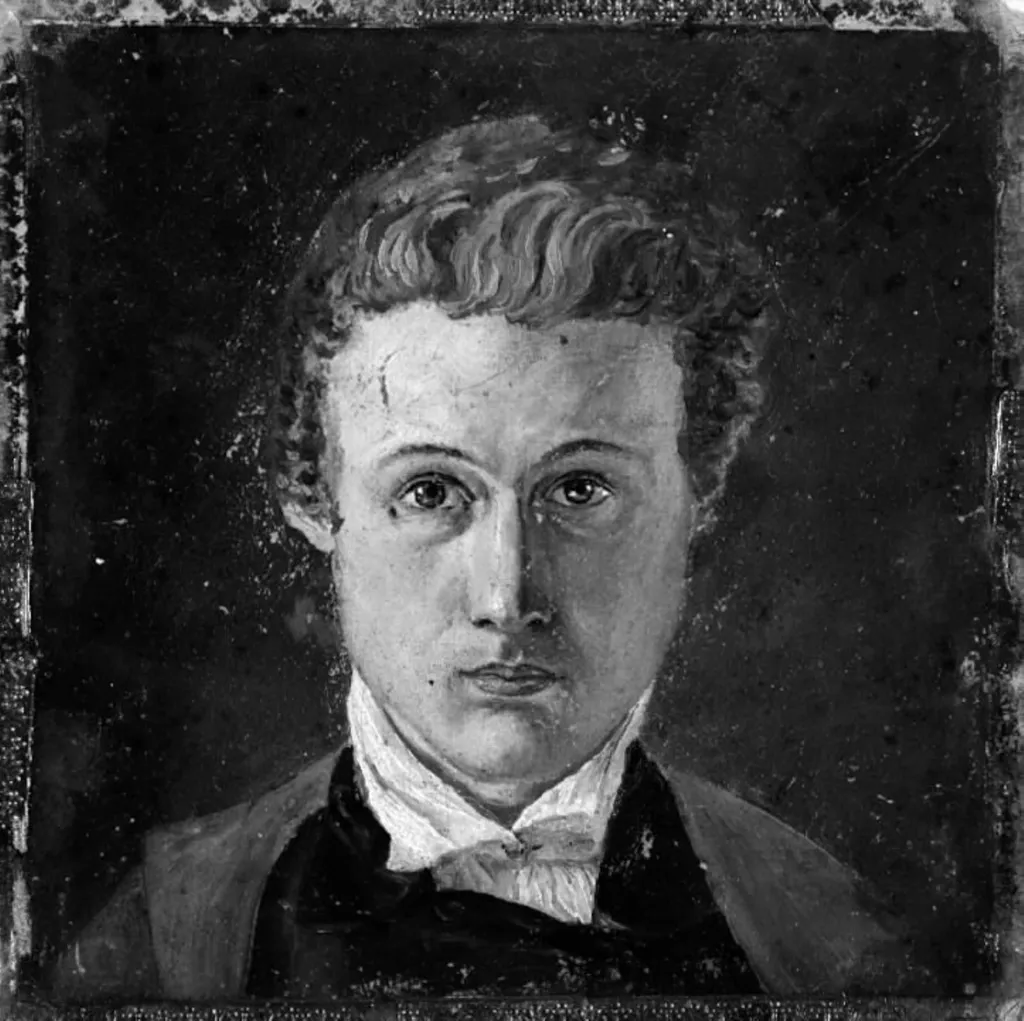
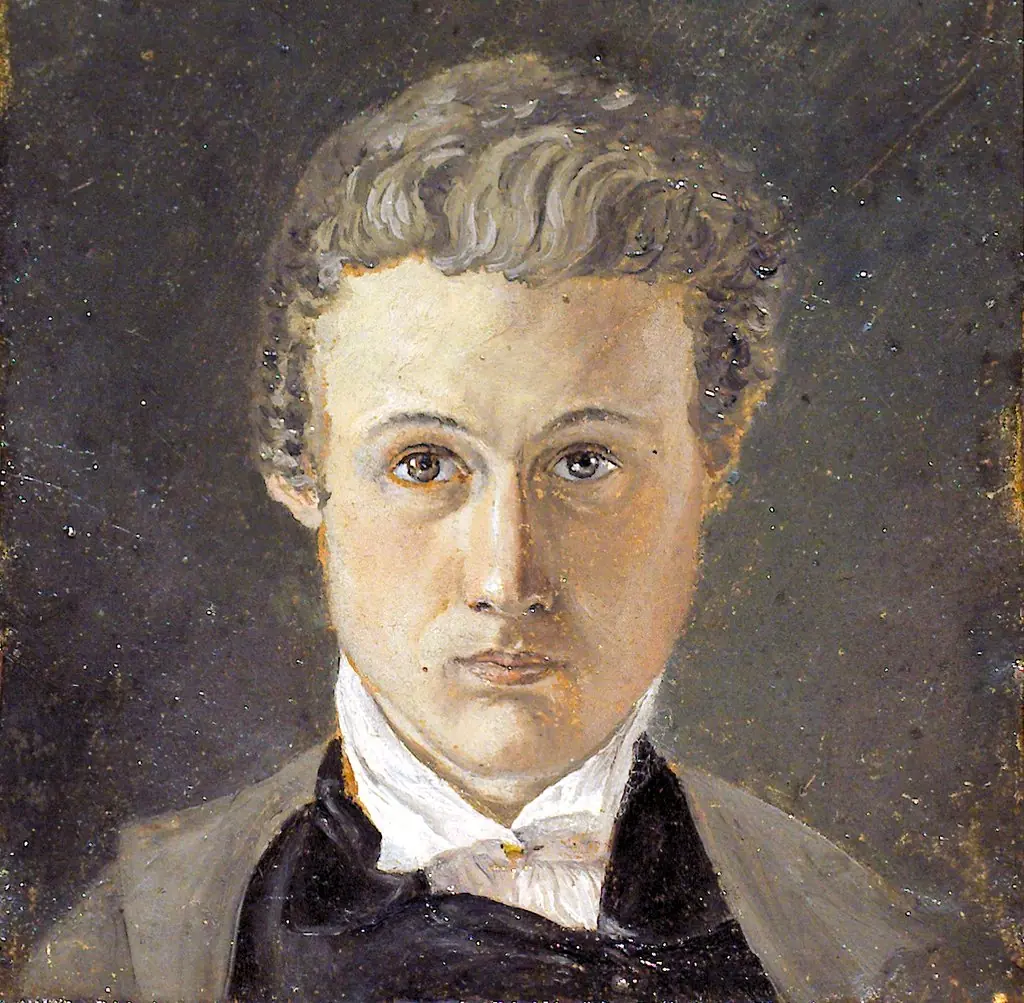
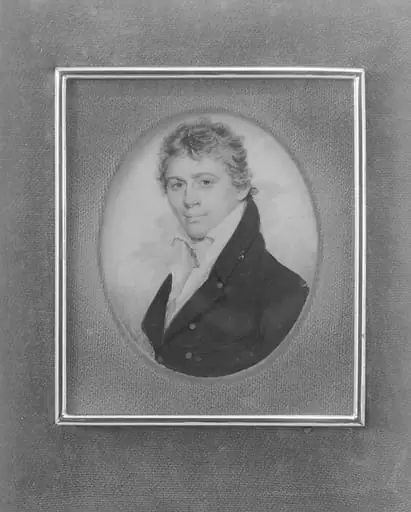
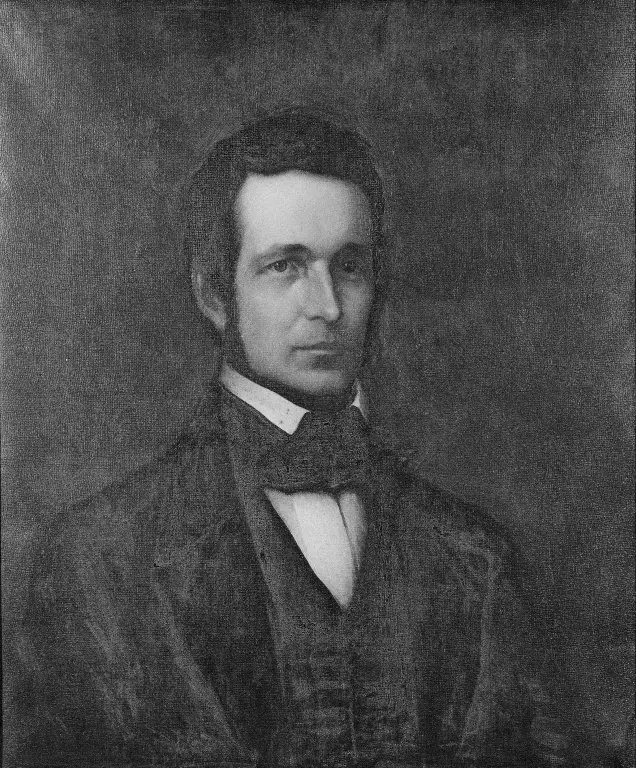
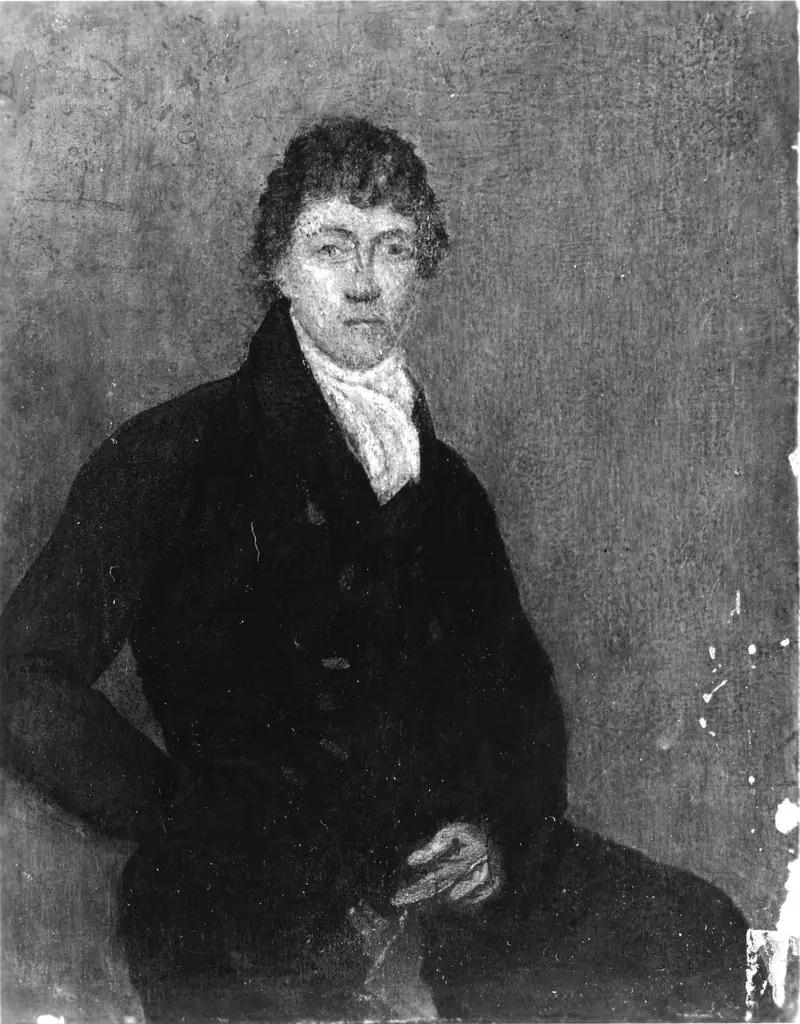
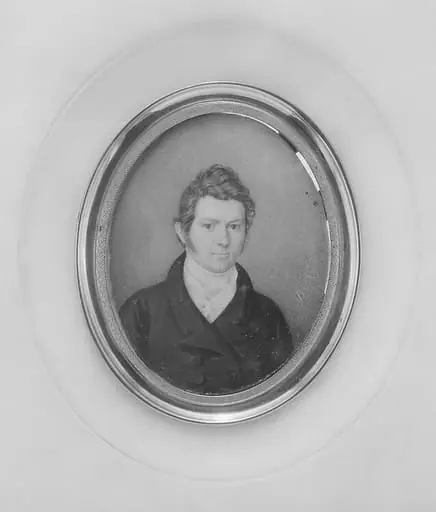
Self-Portrait is an unspecified painting by the Biedermeier artist Unknown artist. It dates from 1838 and is held in the collection of the Statens Museum for Kunst.
About this work
Overview
Self-Portrait (1838) by William Ronald Smith, known professionally as William Ronald, is a Biedermeier-style painting housed at the Museum of Ethnography. Notably, the artist later shifted towards abstract expressionism, founding Painters Eleven in 1953.
Subject & Meaning
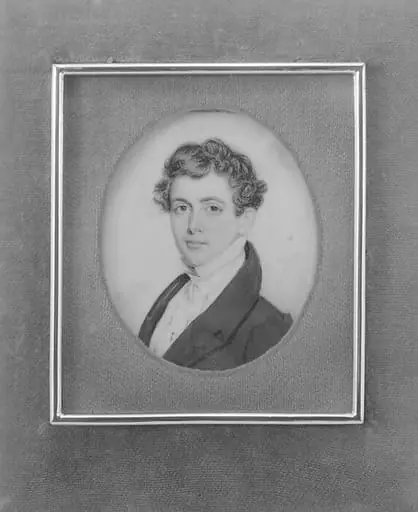
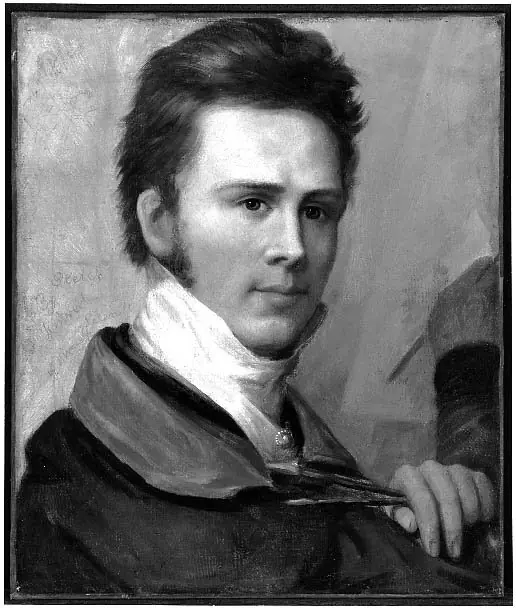
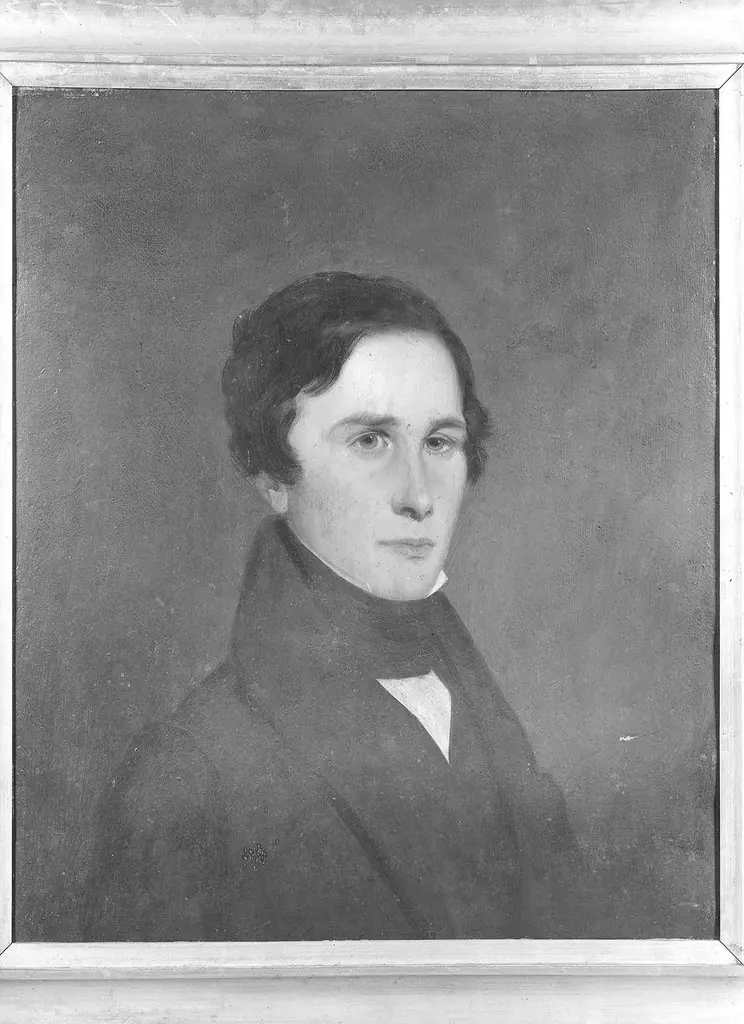
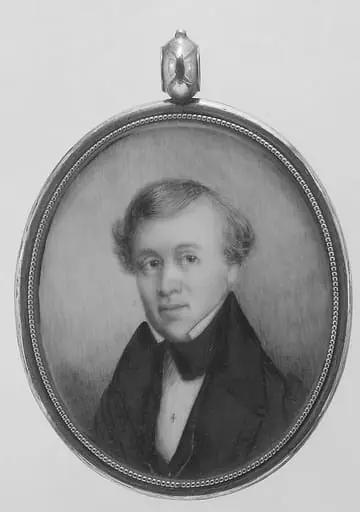
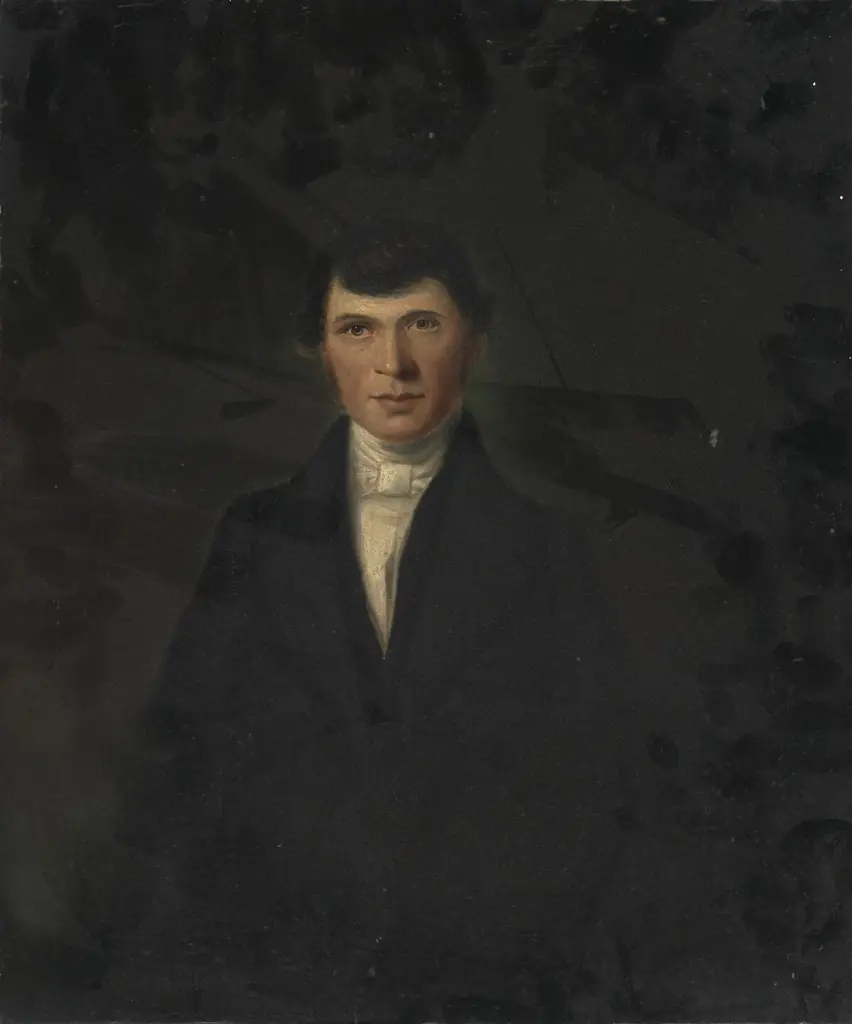
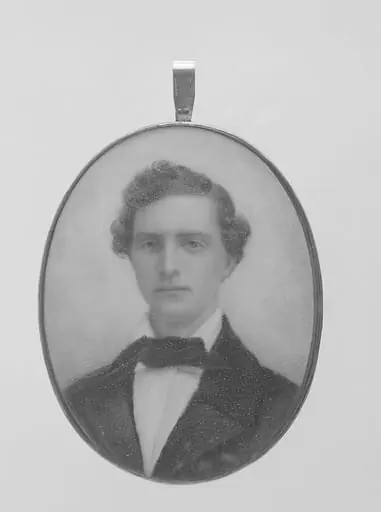
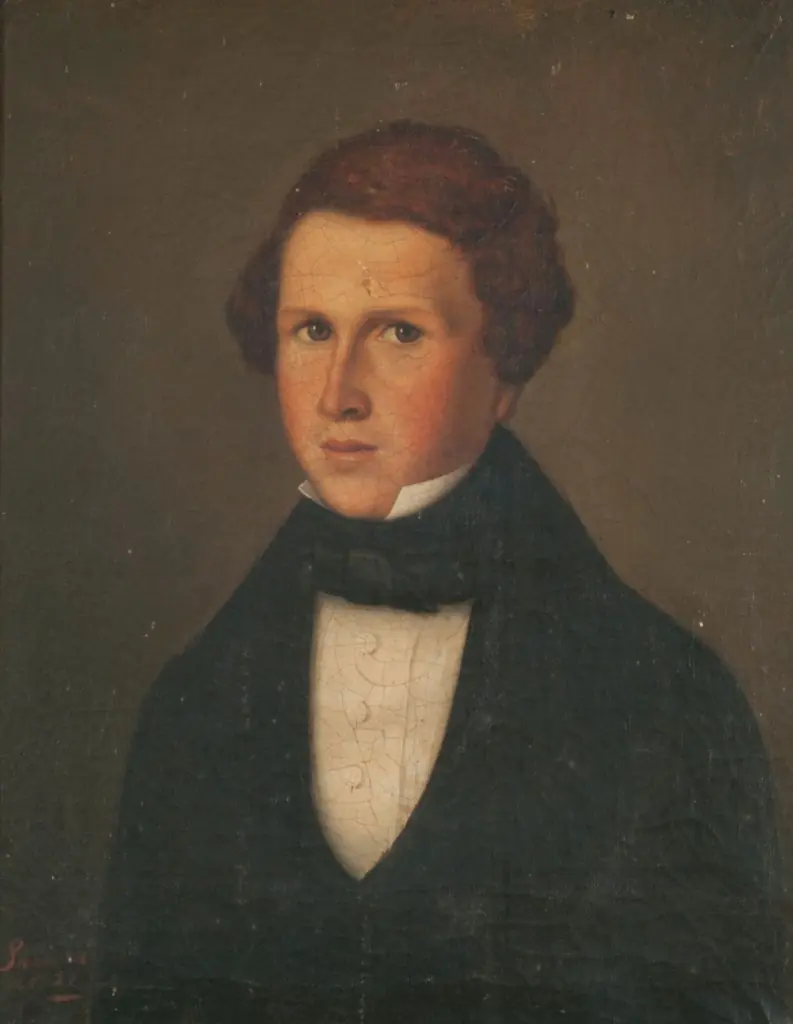
The subject is the artist himself, depicted with short, wavy hair and a serious expression, attired in a high-collared shirt with a neatly tied cravat, conveying a sense of solemnity and formality typical of the era.
Technique & Style
Executed in black and white, the portrait features rough brushstrokes, particularly evident in the hair and collar areas, contributing to an uneven texture. The plain, dark background emphasizes the subject's face, leveraging chiaroscuro principles to play with light and shadow.
History & Provenance
Created in 1838, the work is an early example of Ronald's oeuvre, long before his transition to abstract expressionism. It is currently part of the Museum of Ethnography's collection.
Context
While Ronald's later work is synonymous with the abstract movement in Canada, this self-portrait reflects the prevailing Biedermeier aesthetic of its time, characterized by simplicity, realism, and an emphasis on the individual.
Legacy
This self-portrait serves as a fascinating precursor to Ronald's influential role in Canadian abstract expressionism, highlighting the artist's evolutionary journey from traditional to avant-garde practices.
Artist & collection
Artist
William Ronald Smith (August 13, 1926 – February 9, 1998), known professionally as William Ronald, was a Canadian painter, best known as the founder of the influential Canadian abstract art group Painters Eleven in 1953…

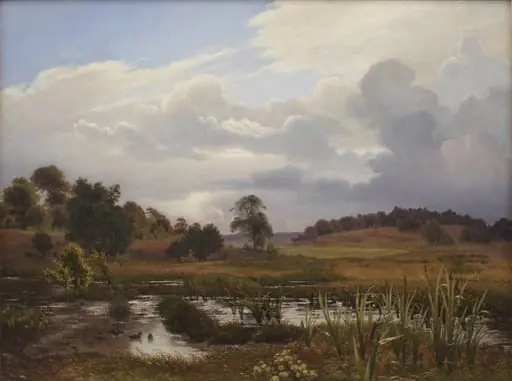 Landscape near the Forest Nordskoven, Jægerspris, Zealand
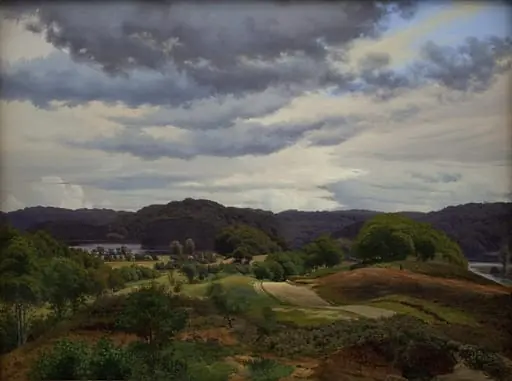 Lakes in Wooded Landscape near Silkeborg
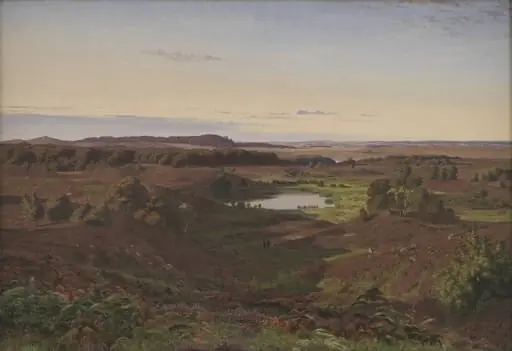 Landscape in the North of Zealand. Afternoon
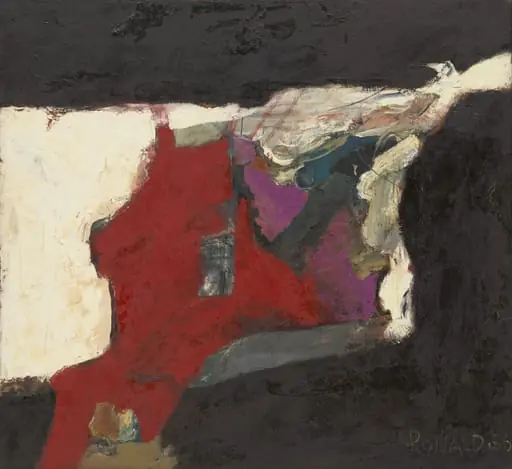 Untitled
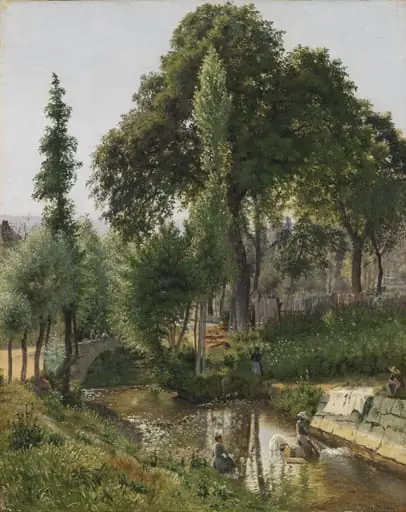 Savoy Landscape. Women Washing Clothes in the River
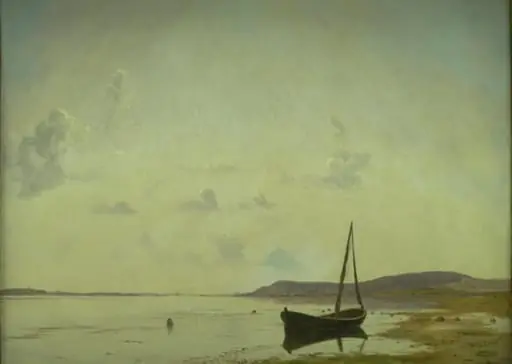 The Coast at Frederiksund. Sketch
 Study of Evening Sky and Trees
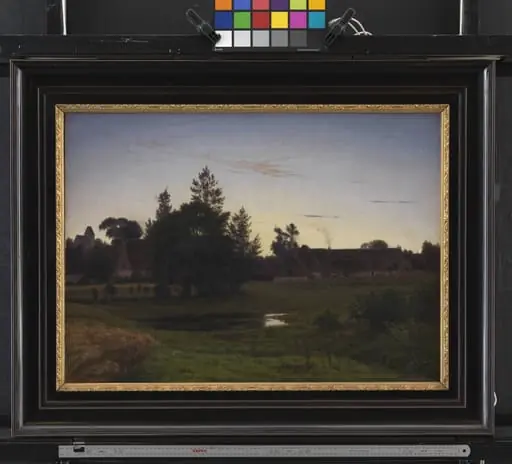 After Sunset in the Outskirts of a Village