Artwork
Juliane Dorothea Købke, née Ratz, the Artist's Mother-in-Law
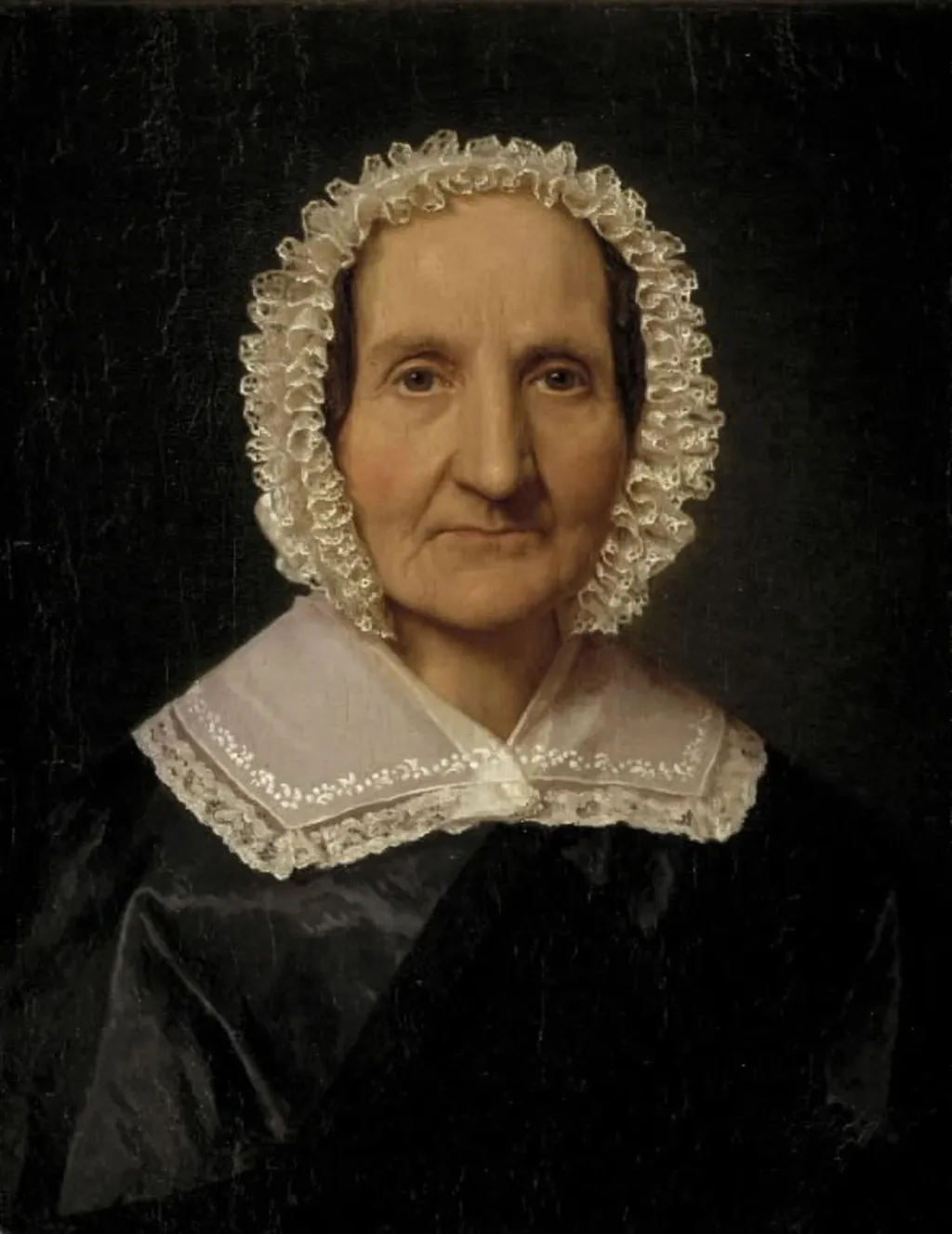
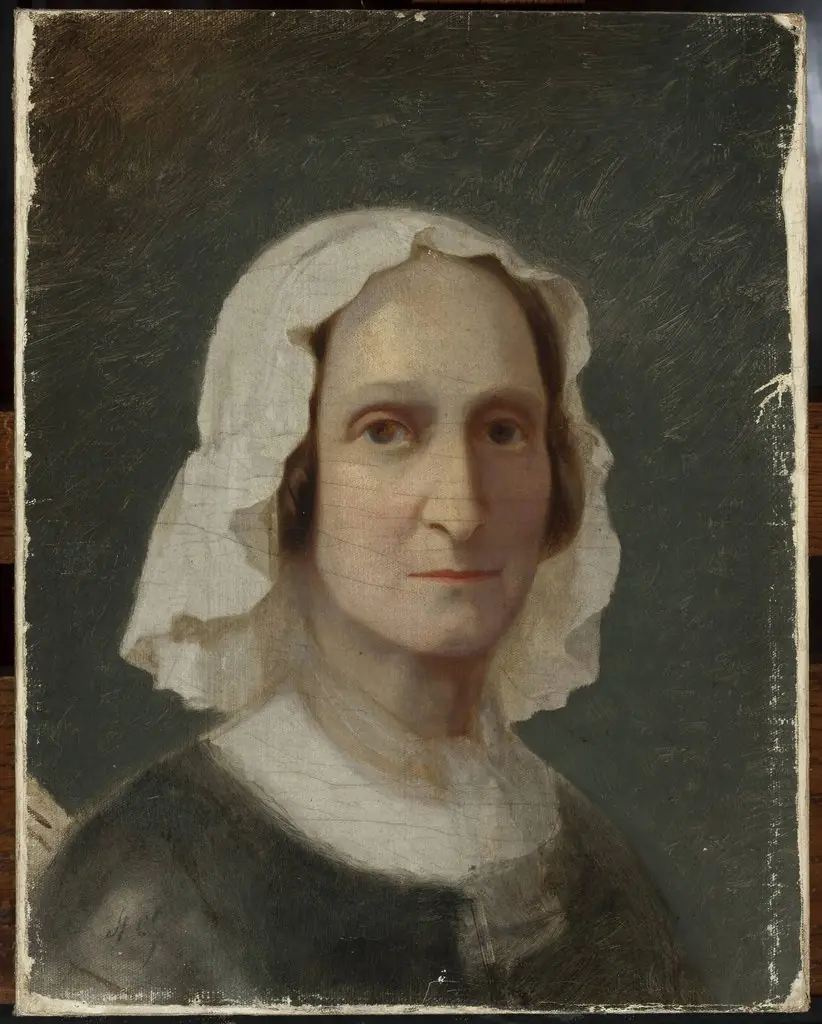
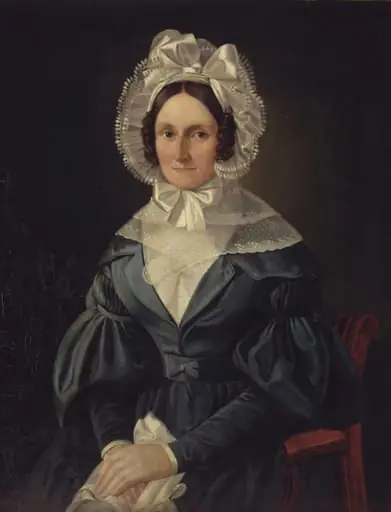
Juliane Dorothea Købke, née Ratz, the Artist's Mother-in-Law is a photography by Unknown. It dates from 1844 and is held in the collection of the Statens Museum for Kunst. Painted around 1844, this portrait depicts Juliane Dorothea Købke, the mother-in-law of the Danish artist Christen Købke.
About this work
Overview
Painted around 1844, this portrait depicts Juliane Dorothea Købke, the mother-in-law of the Danish artist Christen Købke. Executed in oil on canvas, the work is part of the collection at the Museum of Ethnography. It captures a quiet, intimate moment, emphasizing the subject’s dignified presence through restrained composition and careful rendering of texture and light.
Subject & Meaning
The portrait conveys a sense of quiet resilience, reflecting familial ties and the cultural value placed on domestic roles in early 19th-century Denmark.
Juliane Dorothea Købke, née Ratz, is portrayed with solemn composure, her gaze meeting the viewer directly. Her attire—a black dress with a white lace collar and bonnet—suggests modesty and social standing typical of middle-class Danish women of the period. The portrait conveys a sense of quiet resilience, reflecting familial ties and the cultural value placed on domestic roles in early 19th-century Denmark.
Technique & Style
The artist employs a realistic approach with subtle tonal gradations to define form and fabric. The dark background isolates the figure, enhancing the clarity of the lace detailing and the softness of the skin. Brushwork is precise yet unobtrusive, avoiding theatricality in favor of naturalism. Light falls gently across the face and collar, drawing attention to the subject’s expression without sentimentality.
History & Provenance
The painting entered the Museum of Ethnography’s collection through documented familial acquisition, likely transferred after the artist’s death. While its early exhibition history is limited, its preservation reflects an interest in domestic portraiture as cultural artifact. The work has remained in institutional care since the late 19th century, with no known alterations or restorations.
Context
Created during a period when Danish art increasingly focused on intimate, everyday subjects, this portrait aligns with the broader trend of bourgeois portraiture in mid-19th-century Scandinavia. Unlike grand historical or mythological themes, such works emphasized personal identity and social norms, offering insight into the private lives of non-elite families in a rapidly changing society.
Legacy
Though not widely exhibited outside Denmark, the portrait contributes to the understanding of Christen Købke’s extended artistic circle and his engagement with familial subjects. It stands as a quiet testament to the role of women in domestic spheres and the quiet dignity assigned to them in visual culture of the time, influencing later studies of Nordic portraiture.
Artist & collection

 Domestic Scene
 Giacomo and Cardinal Marco, investing Andrea, Abbot of San Zeno, with his Benefice
 The Nymph of Fontainebleau
 Portrait of a Woman
 Madonna and Child with Saints in the Enclosed Garden
 Venus and Minerva
 Family Group of Four on Sofa
 Wall painting from Room H of the Villa of P. Fannius Synistor at Boscoreale
 Johanne Marie Gertner, f. Lassen, kunstnerens moder
 Johanne Marie Gertner, f. Lassen, kunstnerens moder
 Anastasia Bozianu
 Portrait of Ludwika Czajkowska née Śniadecka (1802–1866), wife of Michał Sadyk Pasha
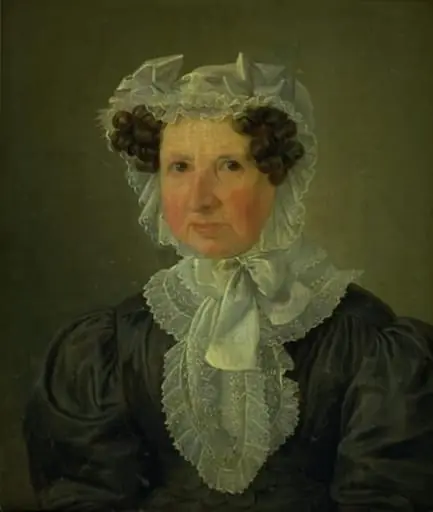 Portræt af jomfru Nissen
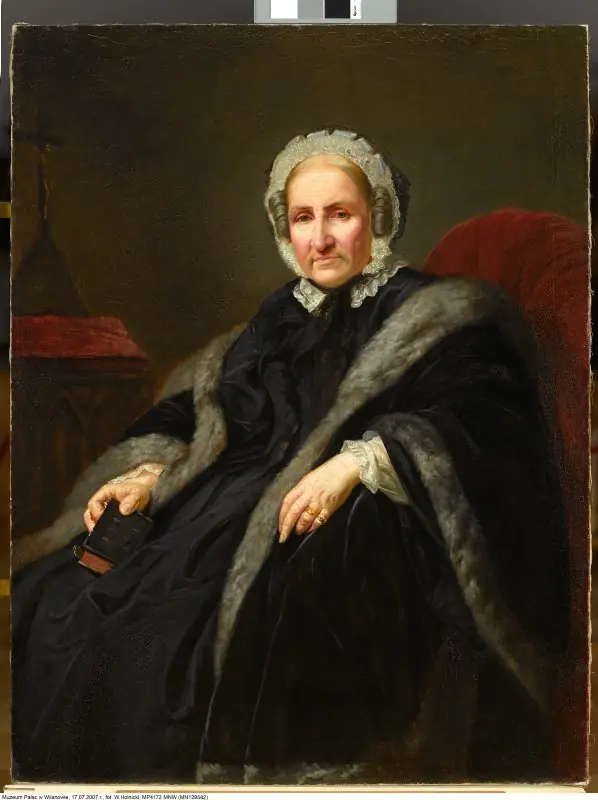 Portrait of countess Róża Sobańska
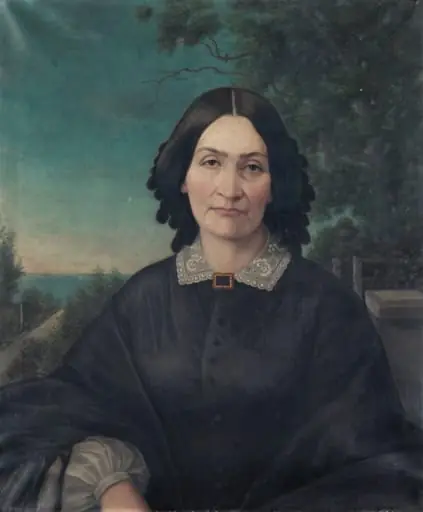 Julia Hulbert Hubbard
 Anna Theodora Barbara Regenburg, f. Wetche