Artwork
Johanne Marie Gertner, f. Lassen, kunstnerens moder
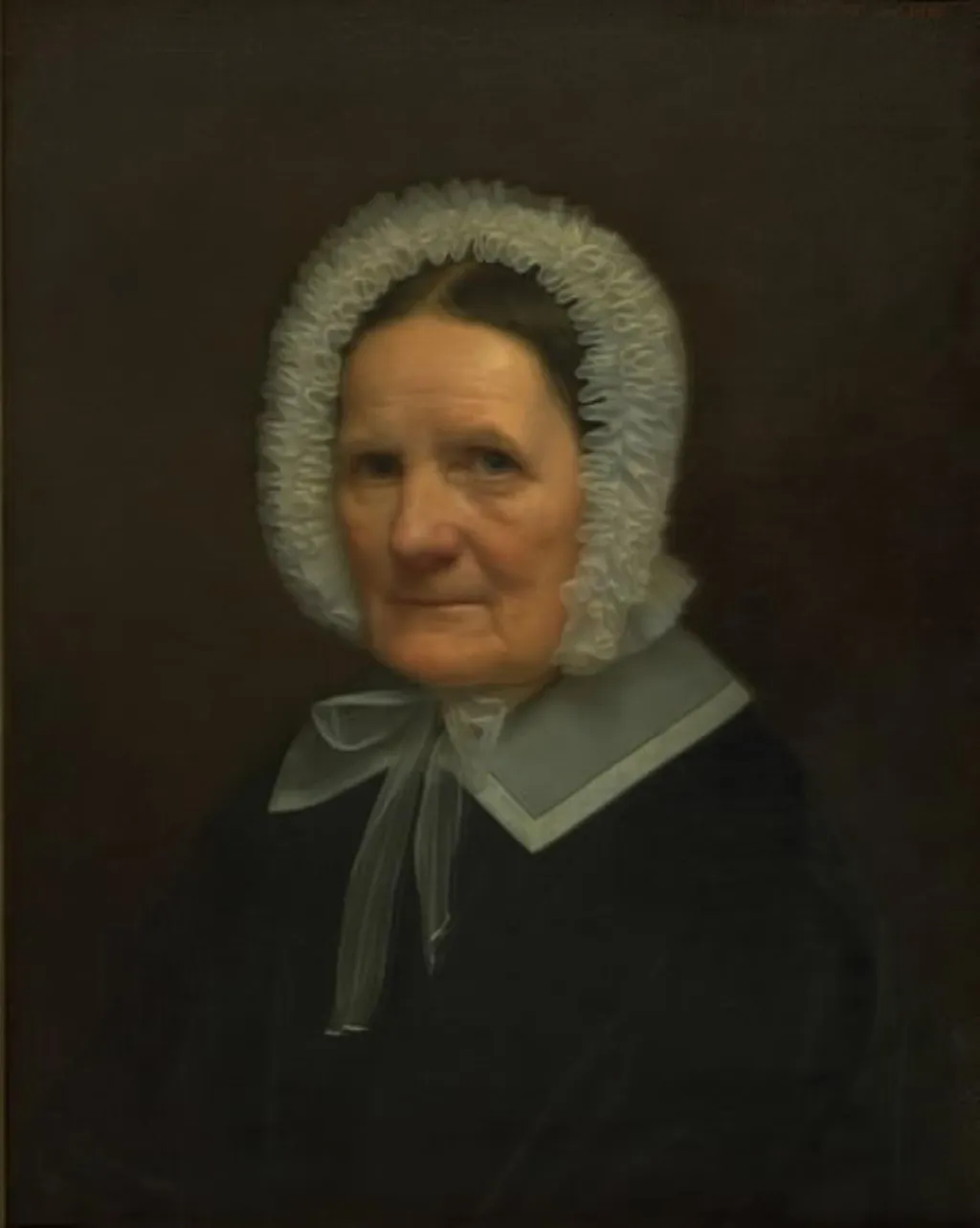
Johanne Marie Gertner, f. Lassen, kunstnerens moder is a photography by the Romanticist artist Unknown. It dates from 1846 and is held in the collection of the Statens Museum for Kunst. This 1846 photograph depicts Johanne Marie Gertner, née Lassen, the mother of the artist.
About this work
Overview
Rendered in monochrome, the image captures her in quiet stillness, dressed in modest attire typical of mid-19th-century Danish women.
This 1846 photograph depicts Johanne Marie Gertner, née Lassen, the mother of the artist. Rendered in monochrome, the image captures her in quiet stillness, dressed in modest attire typical of mid-19th-century Danish women. The photograph’s soft focus and faded tonality reflect the limitations and aesthetic of early photographic processes. It is preserved in the Museum of Ethnography as an early example of personal portraiture in photographic form.
Subject & Meaning
The subject, the artist’s mother, is portrayed with dignity and restraint, reflecting familial reverence rather than public display. Her white lace cap and high-collared dress signify propriety and age, while her calm expression conveys inner composure. Unlike formal portraits of the era, this image carries intimate familiarity, suggesting a private moment preserved through the new medium of photography.
Technique & Style
Executed using an early photographic method, likely a daguerreotype or calotype, the image exhibits subtle tonal gradations and a muted texture. The lighting is gentle, modeling the contours of the face with soft shadows, enhancing the sense of quiet realism. The slightly faded appearance results from chemical aging, not artistic intent, underscoring the material fragility of early photographic prints.
History & Provenance
Created in 1846, the photograph was likely made shortly after the public introduction of photographic technology in Denmark. It remained within the artist’s family before entering the collection of the Museum of Ethnography. Its preservation as a personal artifact rather than a public commission highlights its role as a domestic relic of early photographic practice.
Context
In the mid-1800s, photography was emerging as a tool for documenting individuals beyond aristocratic portraiture. While Romanticism emphasized emotion and nature in painting, this photograph reflects a quieter, more intimate shift toward personal memory. The depiction of an ordinary woman, not a public figure, signals photography’s growing role in capturing everyday life.
Legacy
As one of the earliest photographic portraits of a non-public figure in Denmark, it represents a turning point in how individuals were visually recorded. Its survival offers insight into domestic life and the adoption of new technology by middle-class families. The image stands as a quiet testament to the personal significance photography soon acquired in private spheres.
Artist & collection

 Domestic Scene
 Giacomo and Cardinal Marco, investing Andrea, Abbot of San Zeno, with his Benefice
 The Nymph of Fontainebleau
 Portrait of a Woman
 Madonna and Child with Saints in the Enclosed Garden
 Venus and Minerva
 Family Group of Four on Sofa
 Wall painting from Room H of the Villa of P. Fannius Synistor at Boscoreale
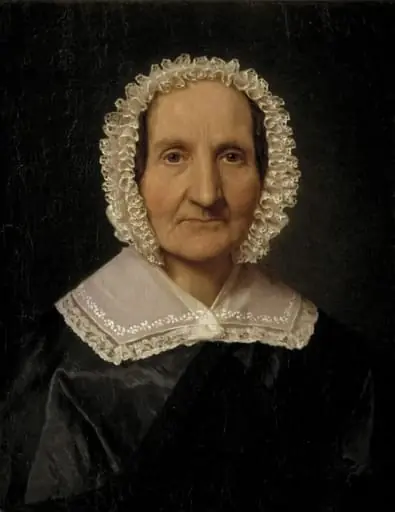 Juliane Dorothea Købke, née Ratz, the Artist's Mother-in-Law
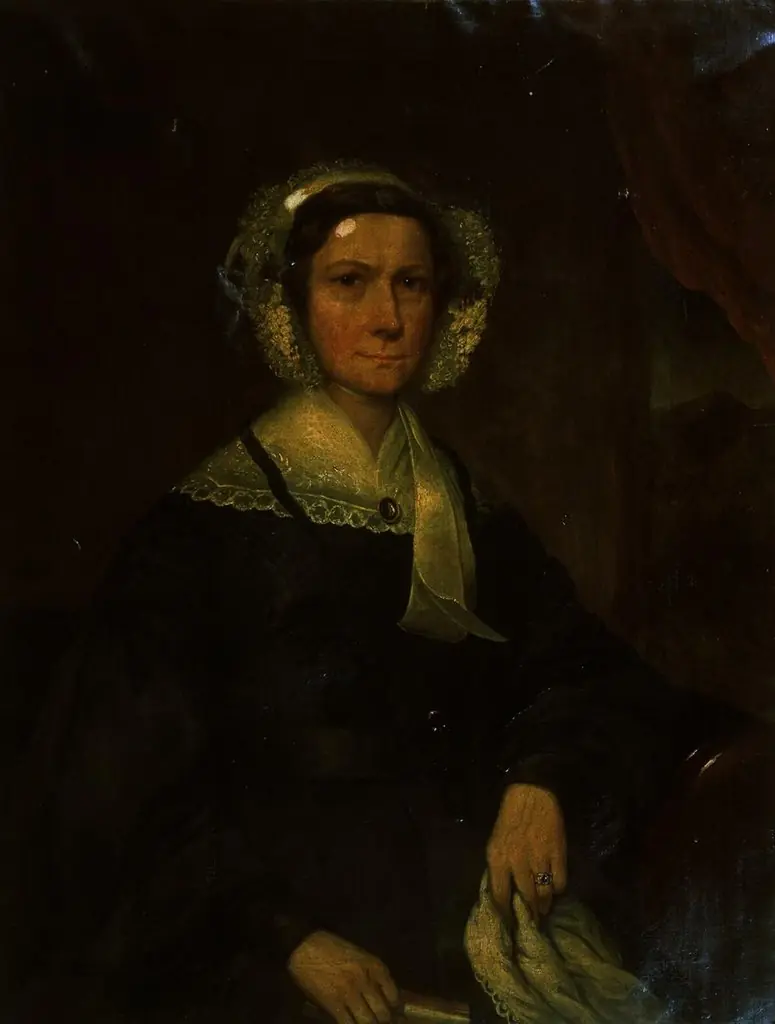 Mrs John Jones, Castle St, Liverpool
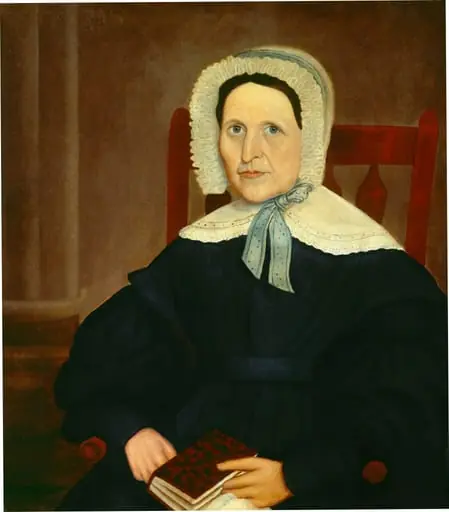 Woman in Red Arrowback Chair
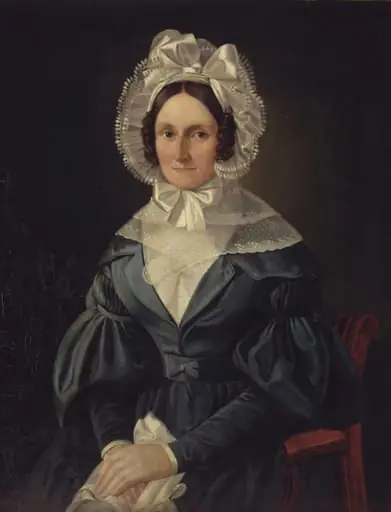 Anna Theodora Barbara Regenburg, f. Wetche
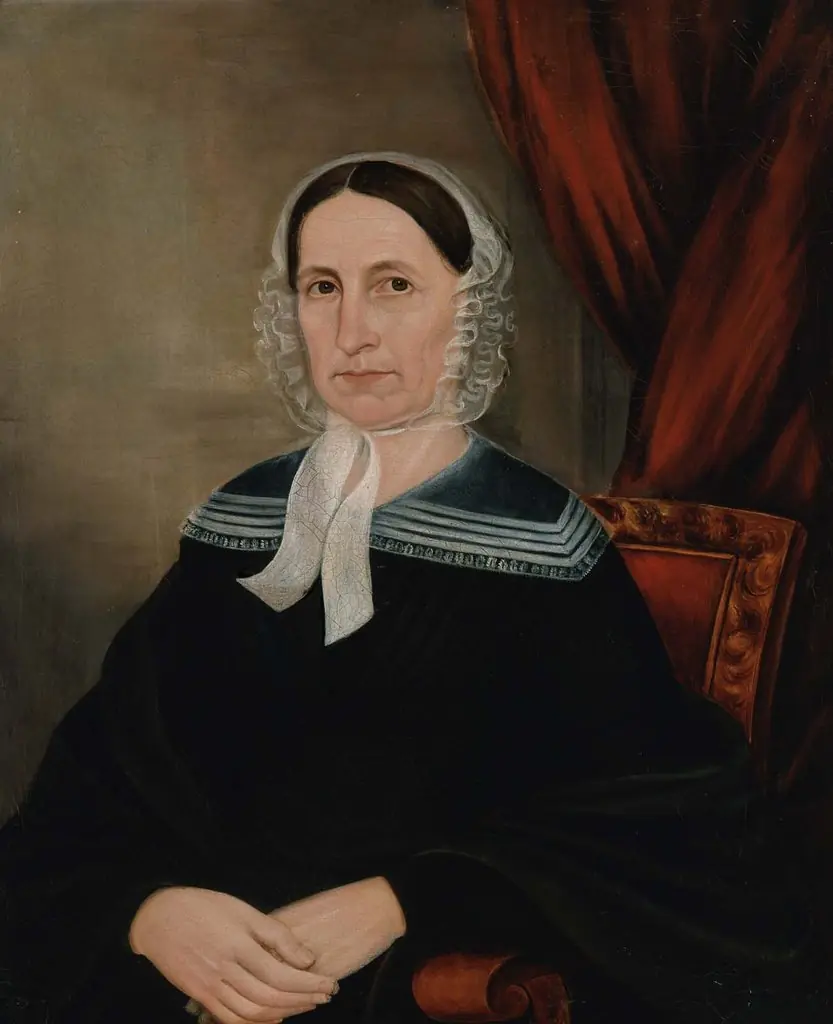 Portrait of a Woman
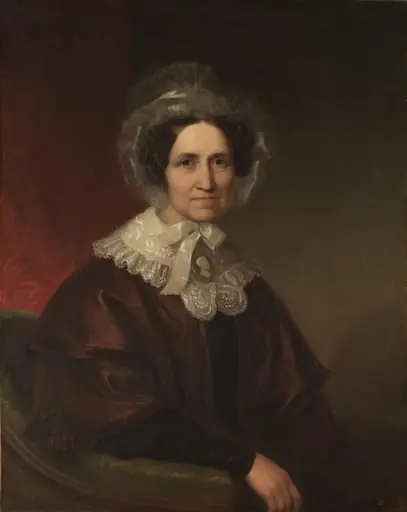 Sarah Eliot Scoville
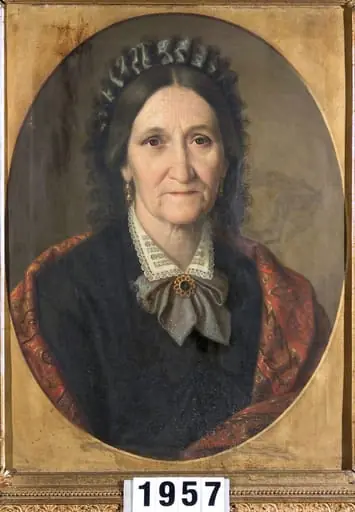 Anastasia Bozianu
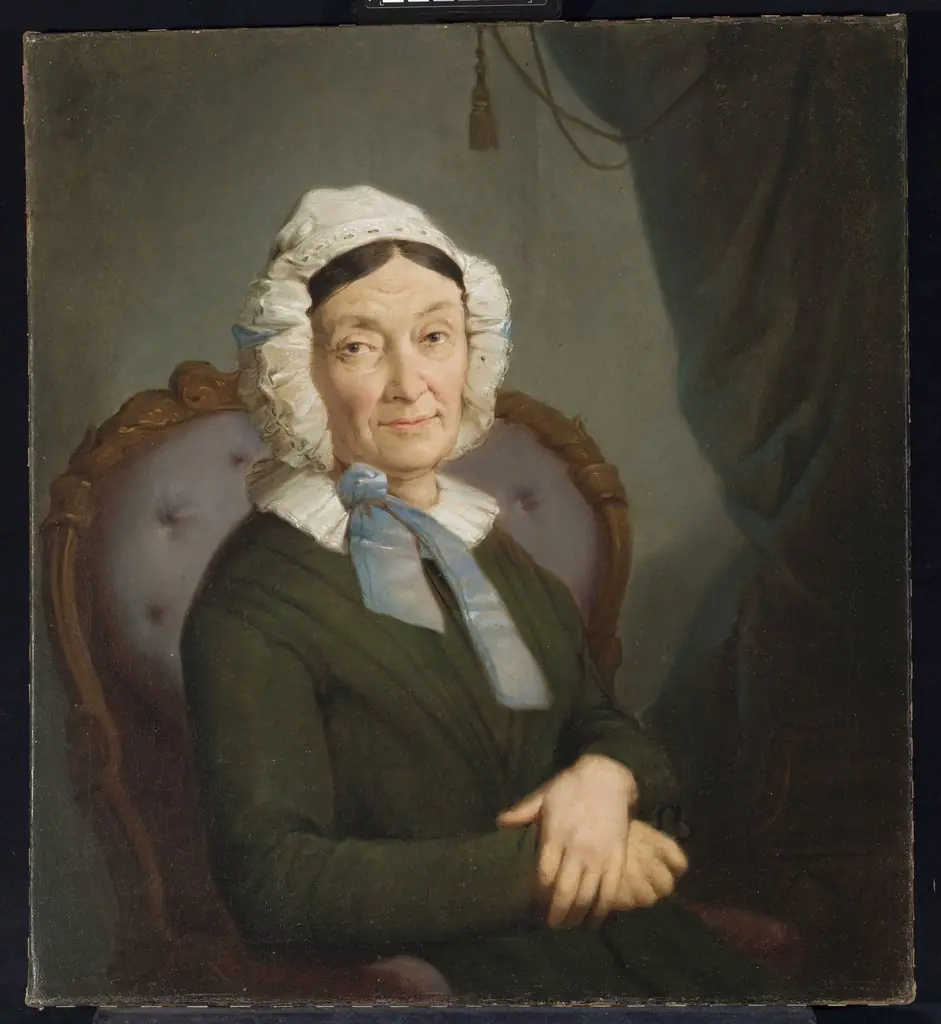 Portrait of Anna Kurpiewska née Olszakiewicz
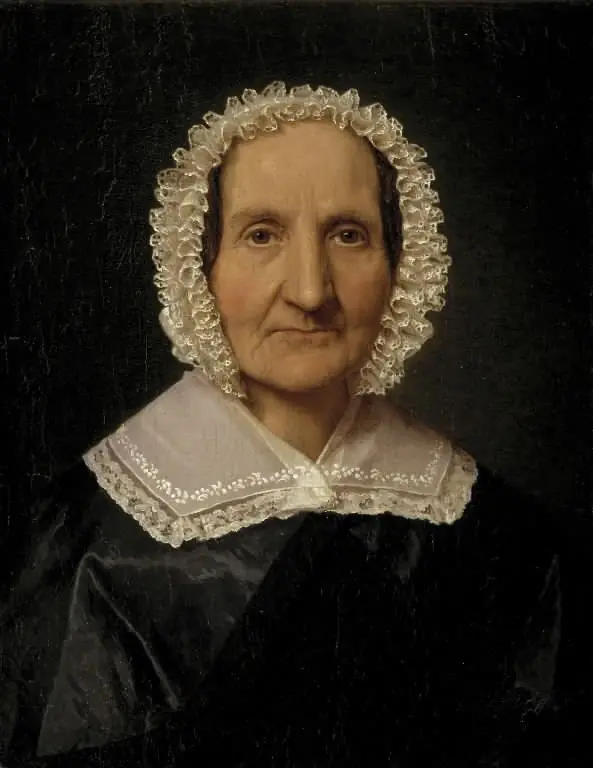 Juliane Dorothea Købke, née Ratz, the Artist's Mother-in-Law
![Mrs. Pearson [possibly Sarah Thompson Pearson], by Pieter Christoffel Wonder](https://artifactworldgallery.com/img/pieter-christoffel-wonder--mrs-pearson-possibly-sarah-thompson-pearson--0006ffde77661f8c-w320.webp) Mrs. Pearson [possibly Sarah Thompson Pearson]
Mrs. Pearson [possibly Sarah Thompson Pearson]