Artwork
Self-Portrait
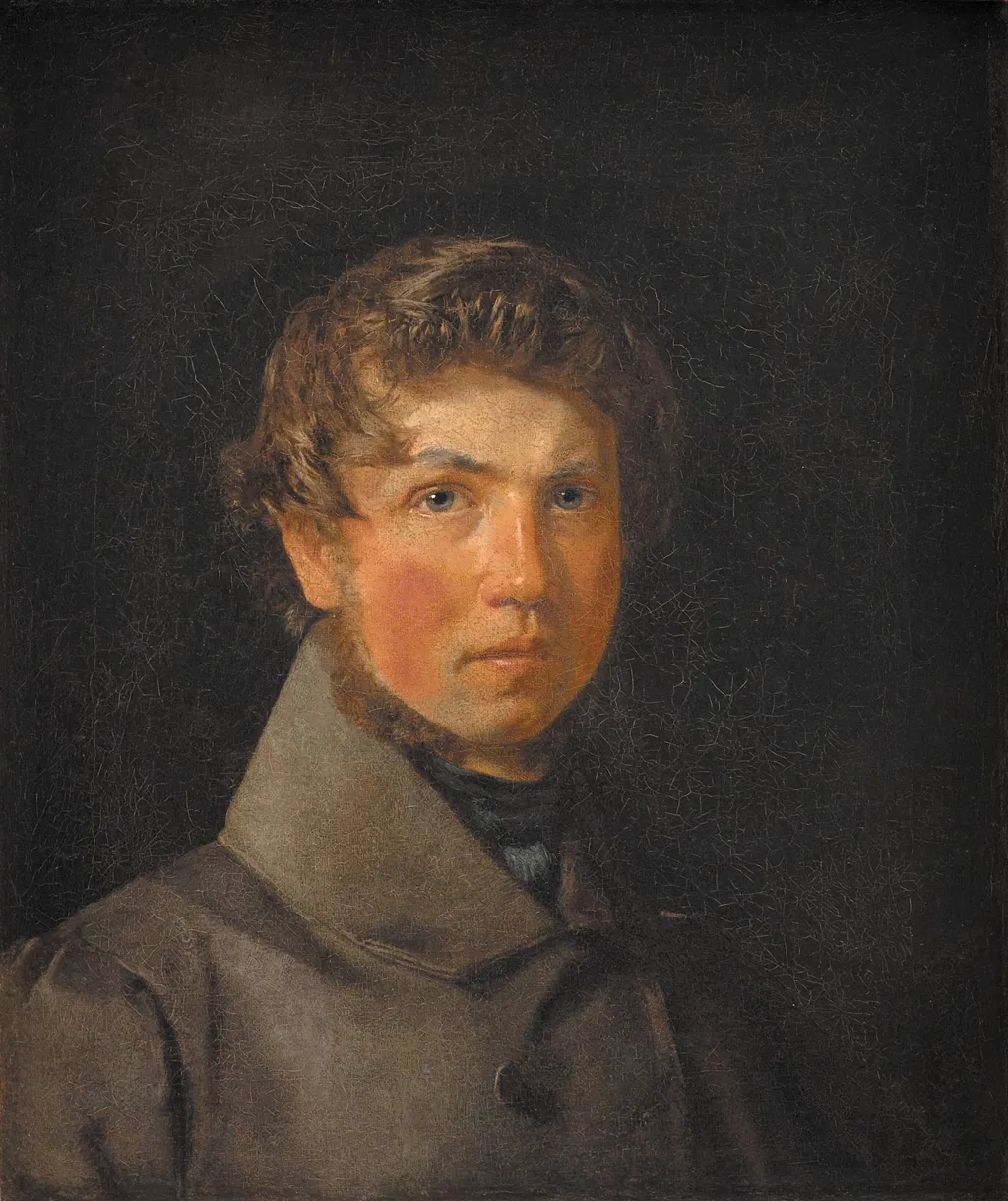
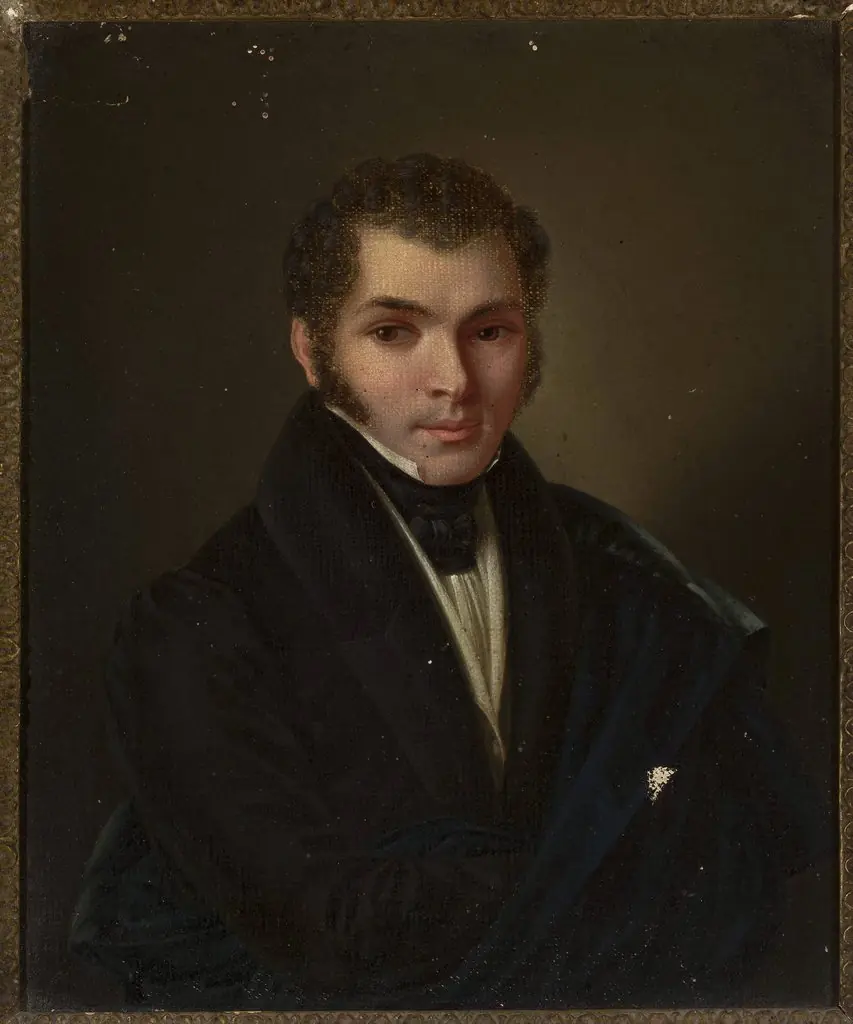
Self-Portrait is an unspecified painting by Unknown. It dates from 1850 and is held in the collection of the Statens Museum for Kunst.
About this work
Overview
This self-portrait, dated around 1850, depicts the artist alone against a muted, dark background. The composition centers on the face and upper torso, with minimal environmental detail. The work is held in the collection of the Museum of Ethnography, suggesting its significance extends beyond personal expression into cultural or anthropological documentation.
Subject & Meaning
The subject, likely the artist themselves, presents a restrained, introspective demeanor. The direct gaze and unadorned attire convey a sense of quiet self-examination. The absence of symbolic objects or decorative elements emphasizes authenticity over idealization, reflecting a personal or cultural stance toward identity and representation.
Technique & Style
Loose, visible brushwork defines the texture of the hair and collar, contrasting with the smoother rendering of the face. The lighting is carefully modulated to highlight facial features, with soft shadows adding depth without dramatic contrast. This approach avoids theatricality, favoring a tactile, observational realism grounded in direct study.
History & Provenance
The painting entered the Museum of Ethnography’s collection in the late 19th or early 20th century, possibly through acquisition or donation linked to ethnographic research. Its presence in such a context implies it was valued not merely as art but as a record of individual appearance within a broader cultural framework.
Context
Created during a period when self-portraiture was increasingly used to explore personal and social identity, this work aligns with emerging trends in non-academic portraiture. Its placement in an ethnographic museum suggests the artist may have belonged to a community whose visual practices were being documented by colonial or anthropological institutions.
Legacy
The portrait endures as a quiet testament to individual presence within a documented cultural record. Its unembellished style and institutional context invite reflection on how personal images were collected, interpreted, and preserved during an era of expanding ethnographic inquiry.
Artist & collection

 Domestic Scene
 Giacomo and Cardinal Marco, investing Andrea, Abbot of San Zeno, with his Benefice
 The Nymph of Fontainebleau
 Portrait of a Woman
 Madonna and Child with Saints in the Enclosed Garden
 Venus and Minerva
 Family Group of Four on Sofa
 Wall painting from Room H of the Villa of P. Fannius Synistor at Boscoreale
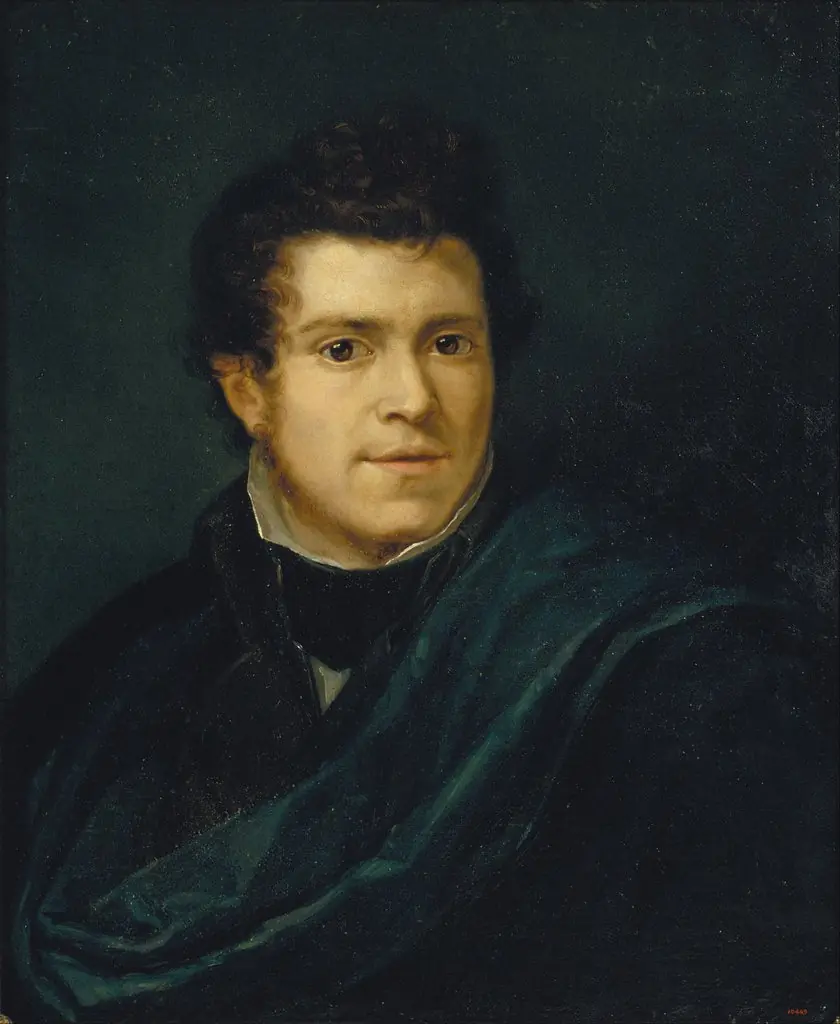 Self-portrait
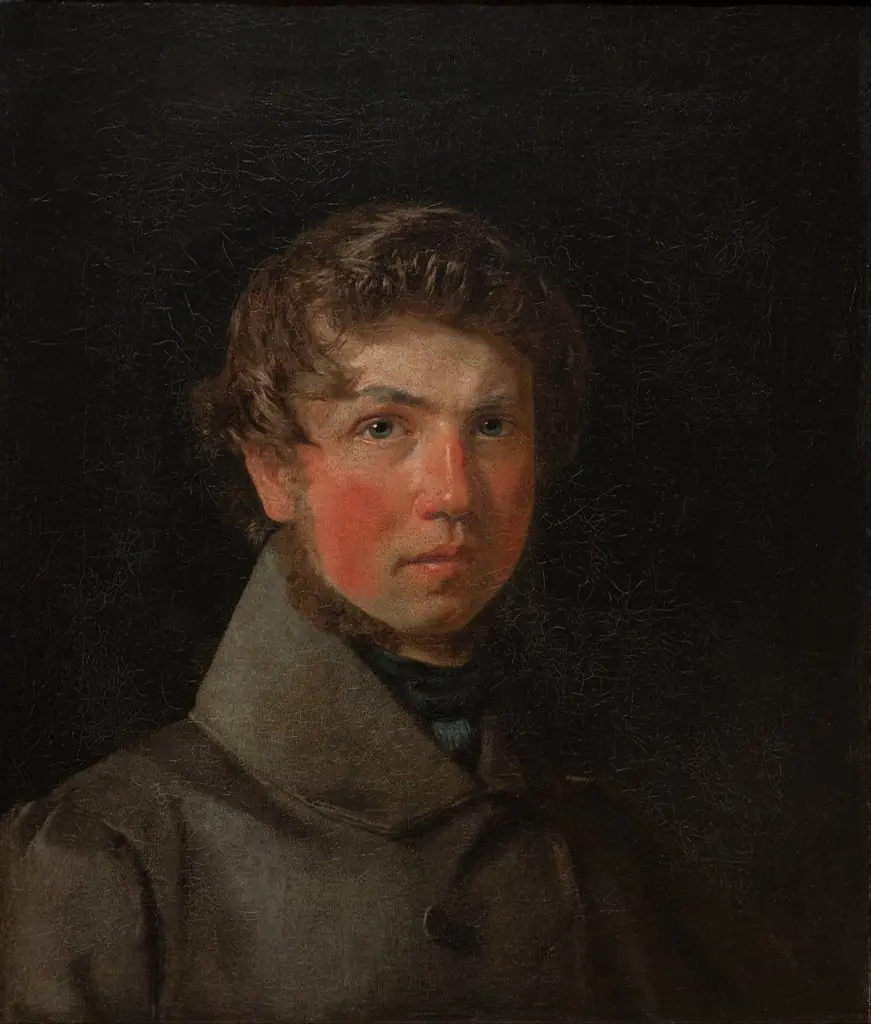 Self-Portrait
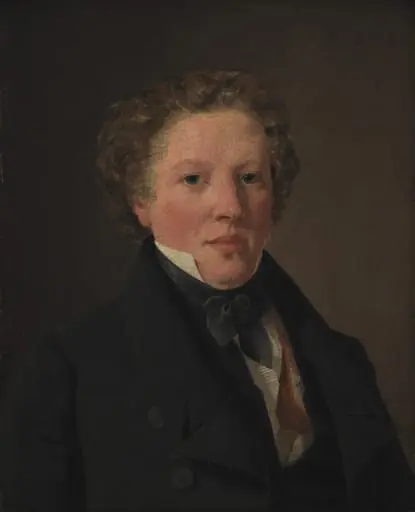 The Actor Christoffer Hvid
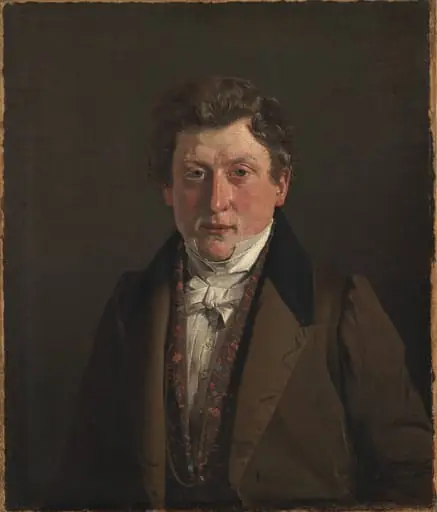 Portrait of the Artist´s Cousin and Brother-in-Law, the Grocer Christian Petersen
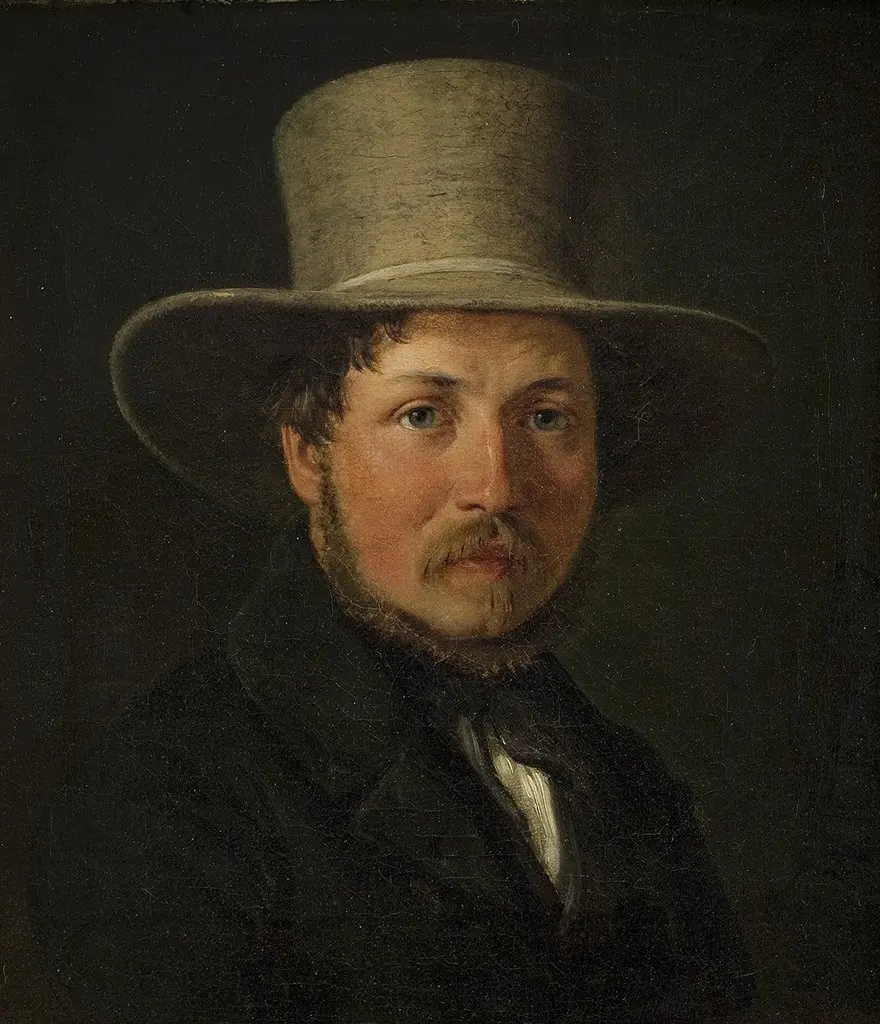 The Painter Christen Købke
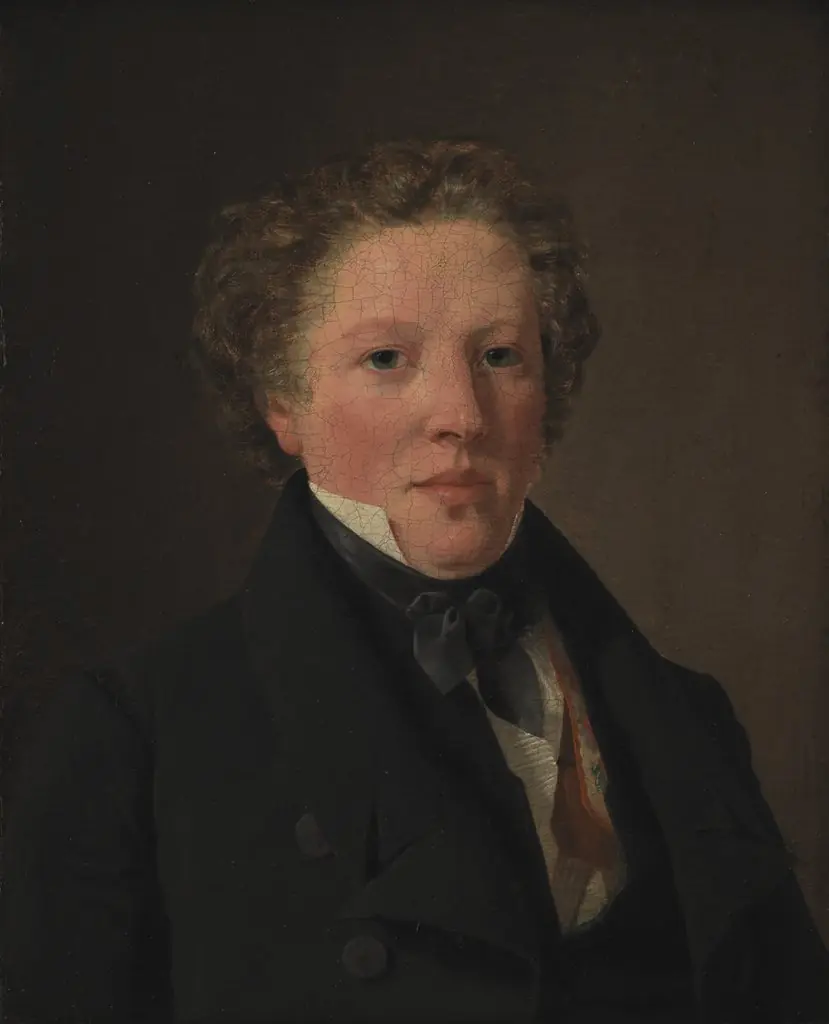 The Actor Christoffer Hvid
 The Painter Christen Købke
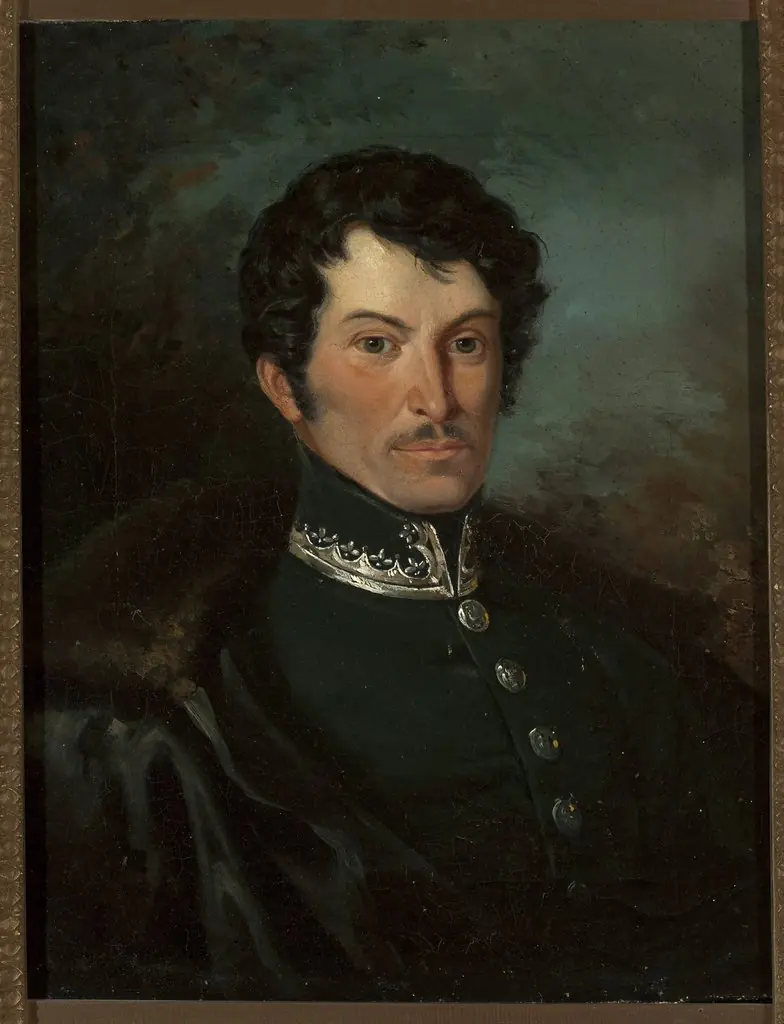 Portrait of Friedrich Christoph Dietrich
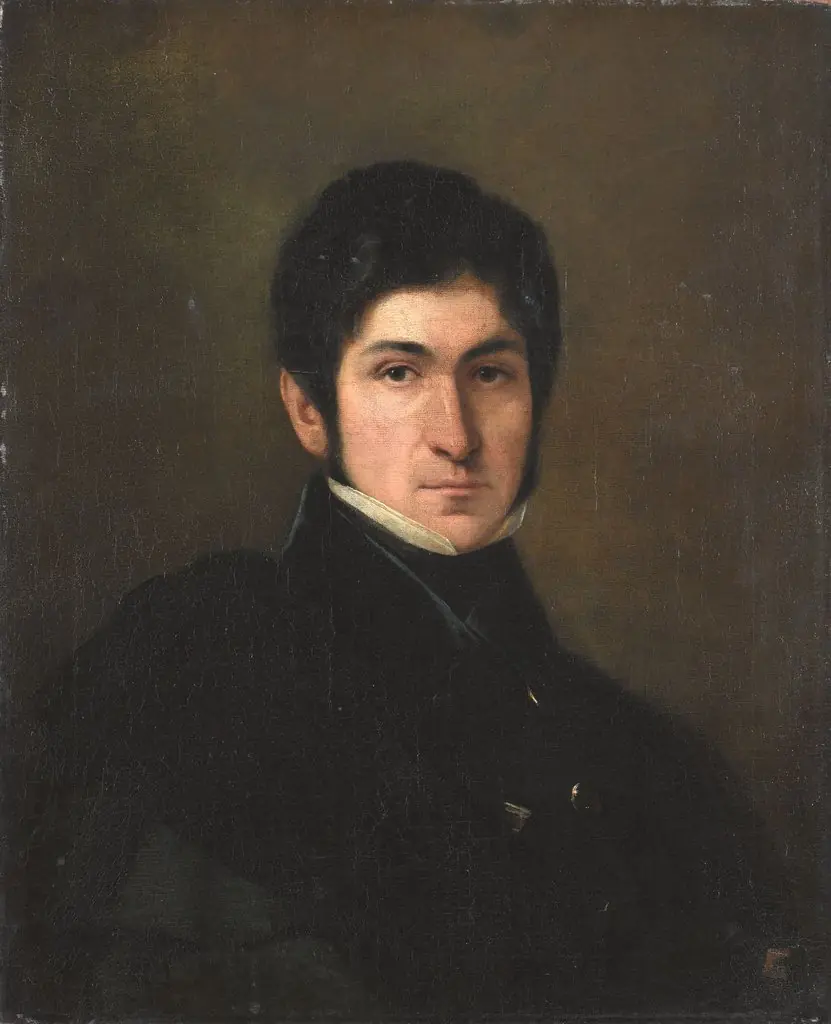 Self-Portrait
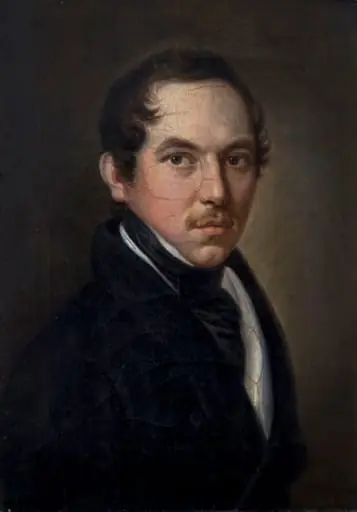 Unchiul
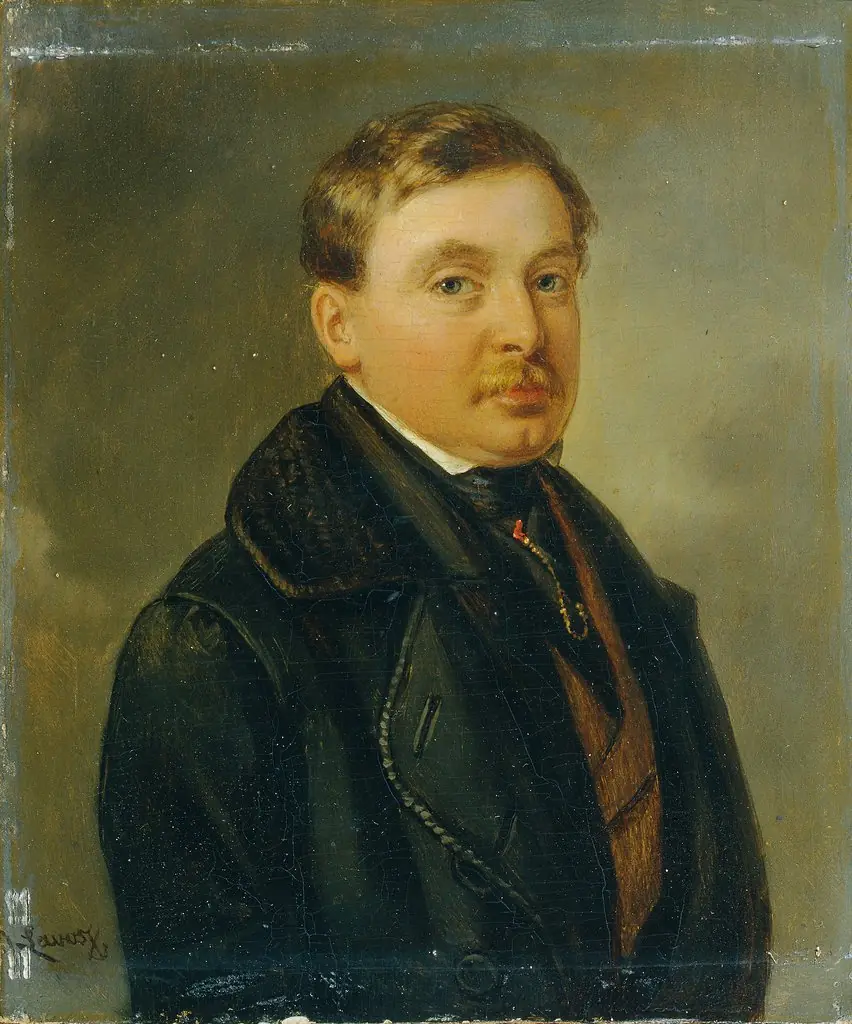 Der Maler Josef Feid
 Portrait of Józef Szymanowski