Artwork
The Actor Christoffer Hvid
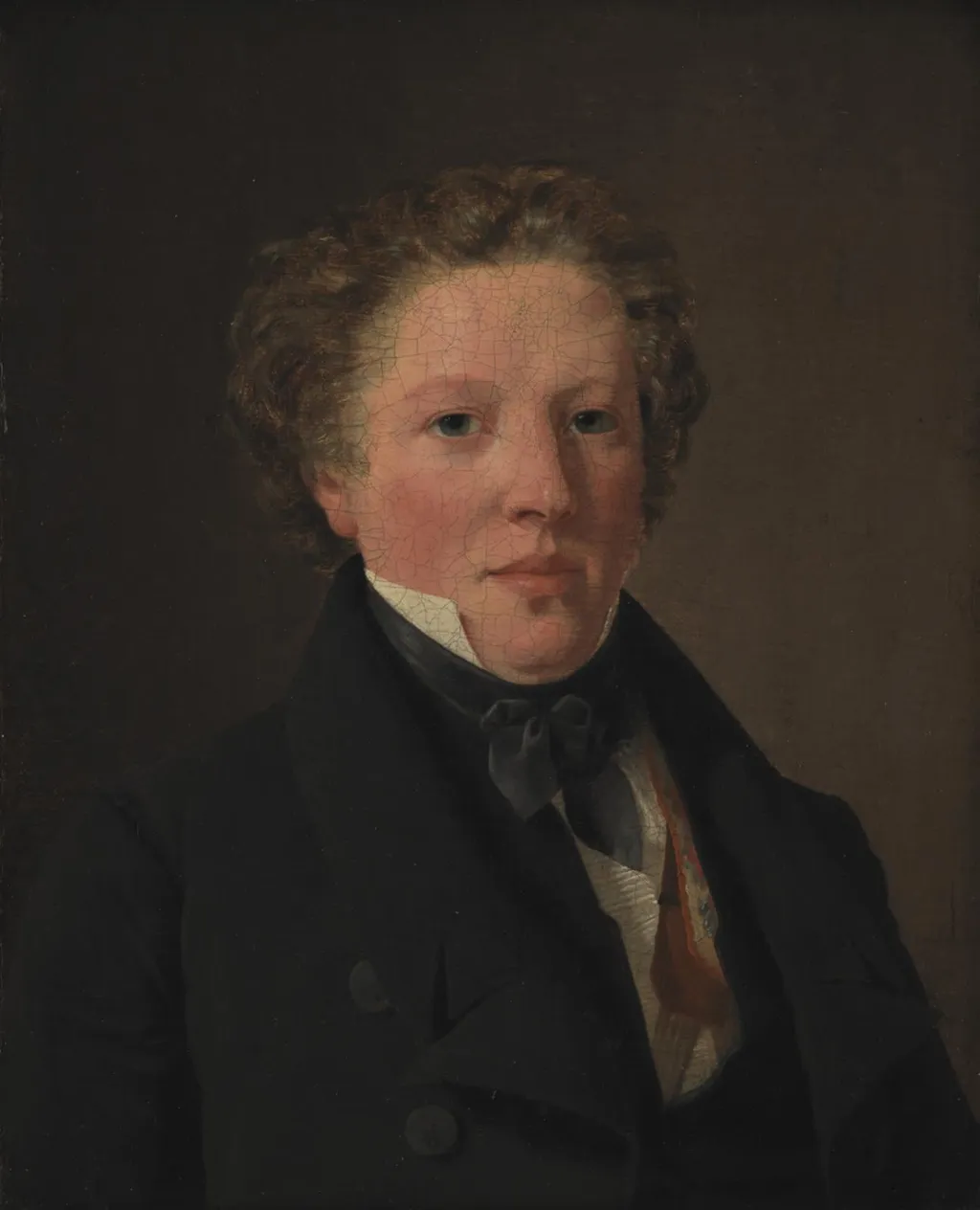
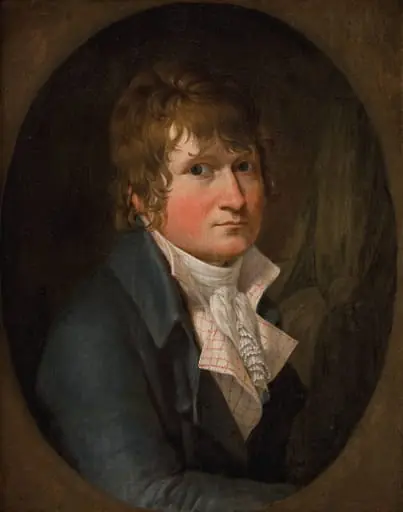
The Actor Christoffer Hvid is a photography by Unknown. It dates from 1850 and is held in the collection of the Statens Museum for Kunst. Painted around 1850, this portrait depicts Christoffer Hvid, a Danish actor, in formal attire.
About this work
Overview
The composition isolates the subject against a deep, unmodulated background, emphasizing his presence through controlled lighting and restrained detail.
Painted around 1850, this portrait depicts Christoffer Hvid, a Danish actor, in formal attire. Executed in oil on canvas, the work is held by the Museum of Ethnography. The composition isolates the subject against a deep, unmodulated background, emphasizing his presence through controlled lighting and restrained detail. The painting’s focus is on psychological presence rather than narrative context.
Subject & Meaning
Christoffer Hvid is portrayed not as a theatrical figure in costume, but as a man caught in quiet contemplation. His serious expression, direct gaze, and closed posture suggest introspection rather than performance. The absence of stage props or theatrical indicators shifts attention to his individuality, possibly reflecting a shift in how actors were viewed—as persons, not merely roles.
Technique & Style
The artist employs chiaroscuro to model Hvid’s face, using strong contrasts between light and shadow to define his cheekbones, brow, and eyes. The dark background enhances the three-dimensionality of his form. Brushwork is precise yet unobtrusive, favoring tonal gradation over decorative detail. The white cravat and bow tie serve as subtle highlights, anchoring the figure within the muted palette.
History & Provenance
The painting entered the collection of the Museum of Ethnography in the late 19th century, likely through donation or acquisition from a private Danish collector. Its attribution to the artist remains unverified in public records, though stylistic cues align with mid-19th-century Danish portraiture. No documentation of its original commission or exhibition history has been preserved.
Context
In mid-1800s Denmark, portraiture of actors was uncommon outside of theatrical programs or memorials. This work stands apart by treating its subject with the gravity reserved for civic or intellectual figures. It reflects a broader cultural interest in individual identity during a period of rising nationalism and bourgeois values, where personal character was increasingly valued over social rank.
Legacy
Though not widely exhibited, the portrait remains a quiet example of Danish realism’s early engagement with psychological depth. It contributes to a small corpus of non-royal, non-religious portraits from the period that prioritize inner life over external status. Its preservation in an ethnographic museum underscores its role as a cultural artifact of personal identity in 19th-century Scandinavia.
Artist & collection

 Domestic Scene
 Giacomo and Cardinal Marco, investing Andrea, Abbot of San Zeno, with his Benefice
 The Nymph of Fontainebleau
 Portrait of a Woman
 Madonna and Child with Saints in the Enclosed Garden
 Venus and Minerva
 Family Group of Four on Sofa
 Wall painting from Room H of the Villa of P. Fannius Synistor at Boscoreale
 Skibsintendant Theodor Emil Ludvigsen
 The Paymaster Theodor Emil Ludvigsen
 Lt. Edward Owen Johnes (Taffy)
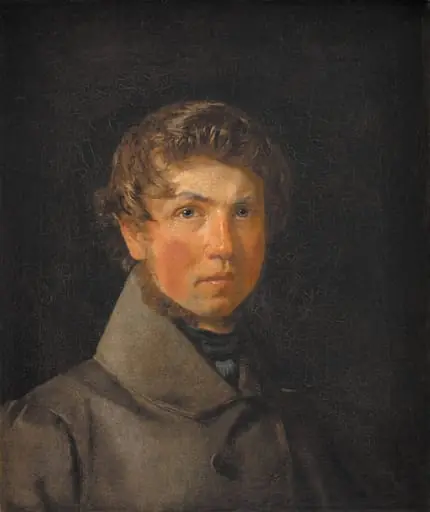 Self-Portrait
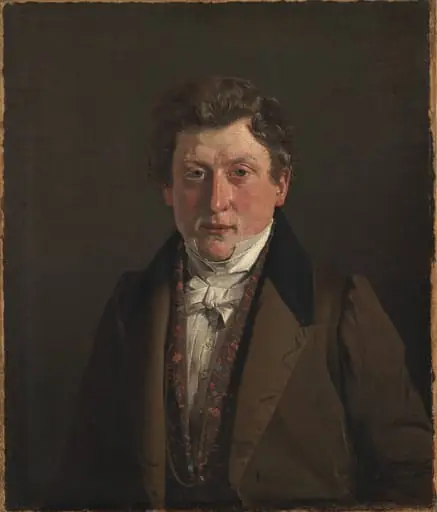 Portrait of the Artist´s Cousin and Brother-in-Law, the Grocer Christian Petersen
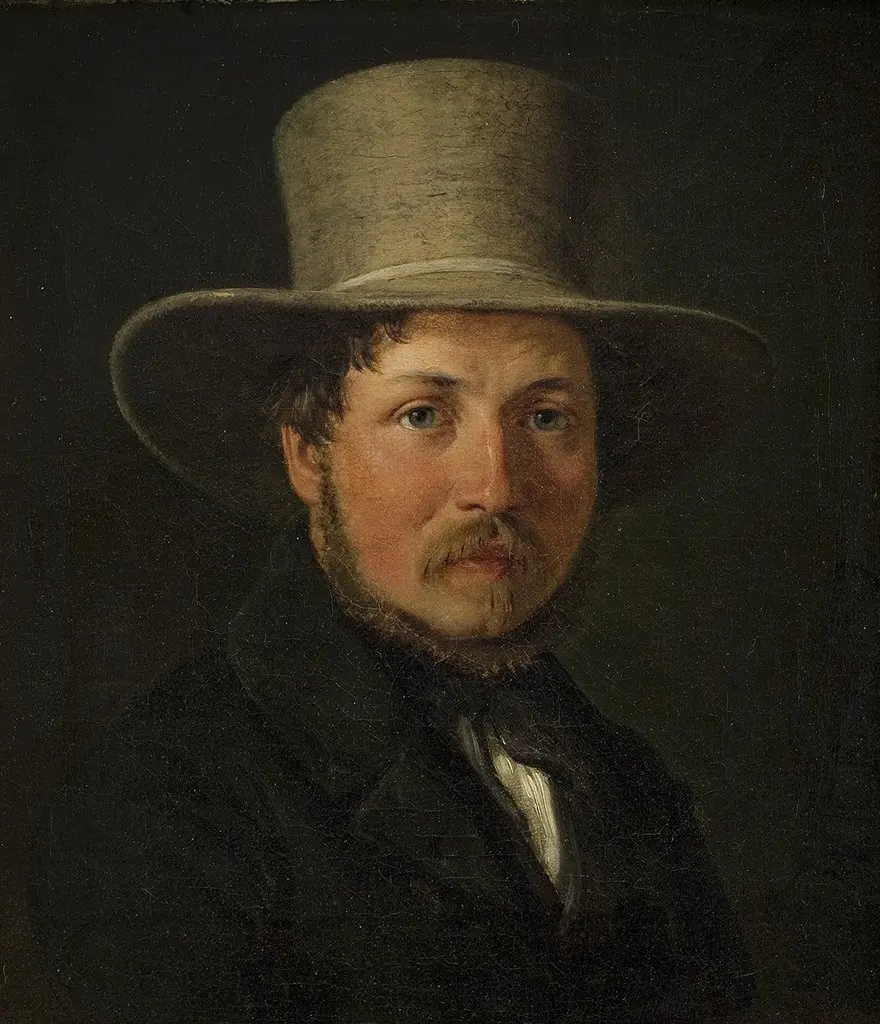 The Painter Christen Købke
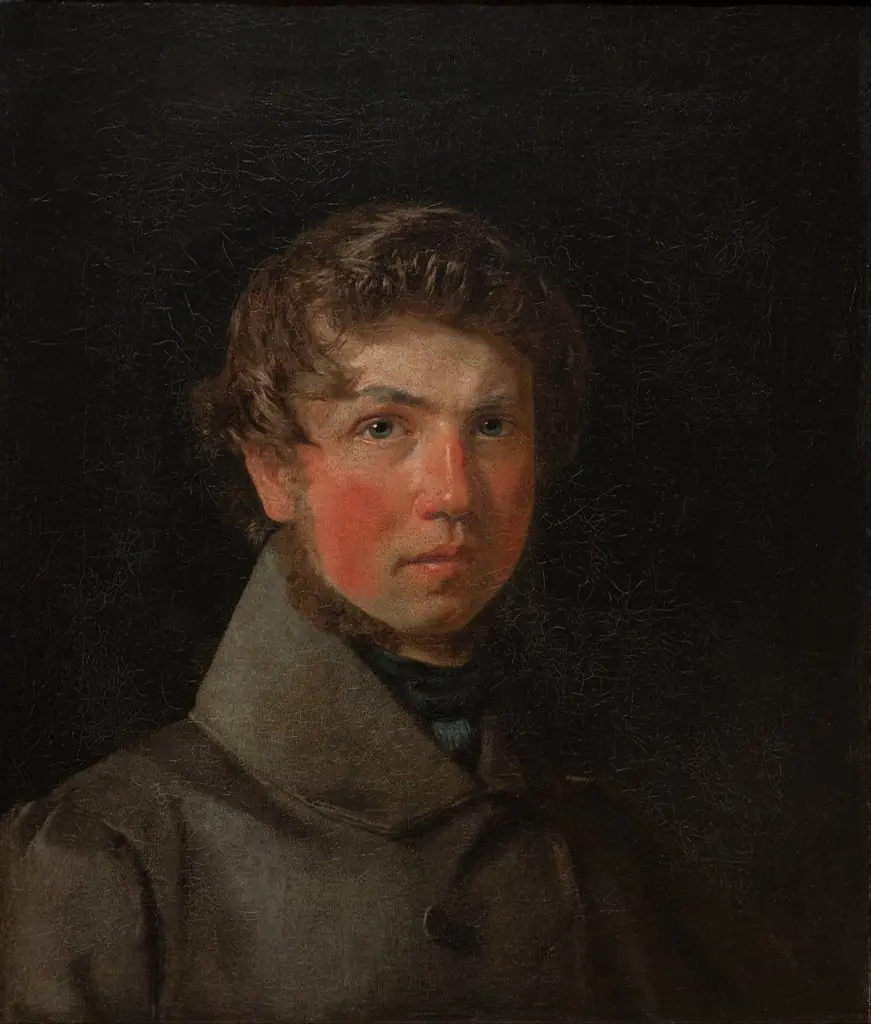 Self-Portrait
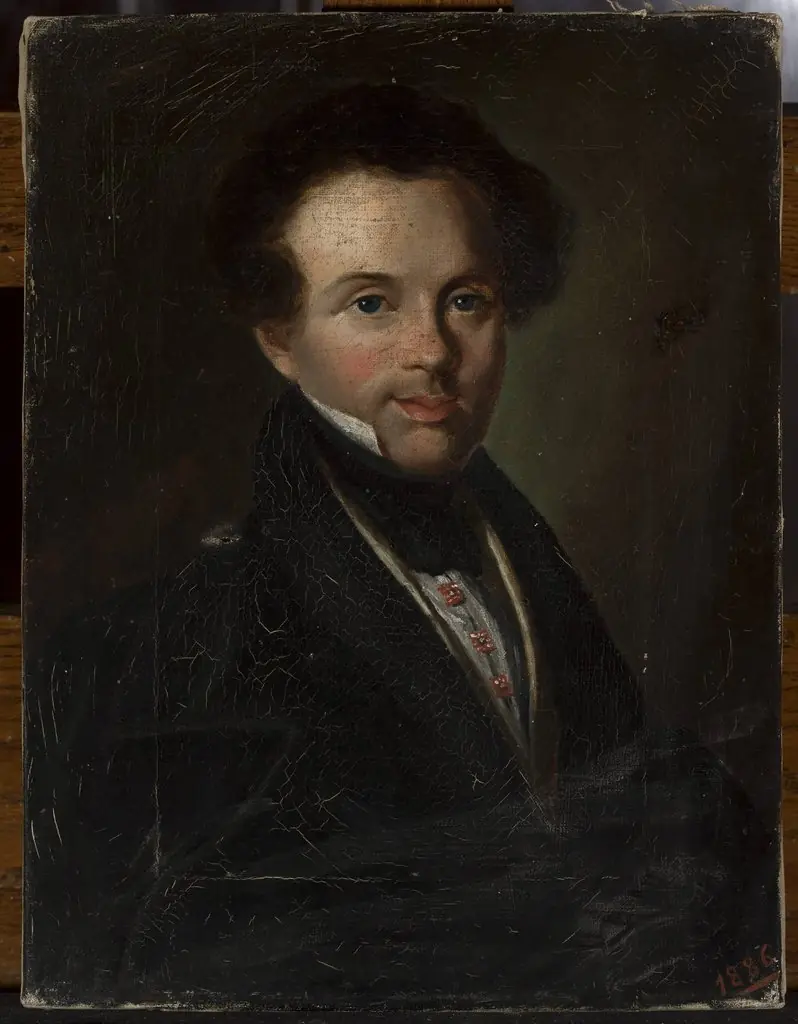 Portrait of a man
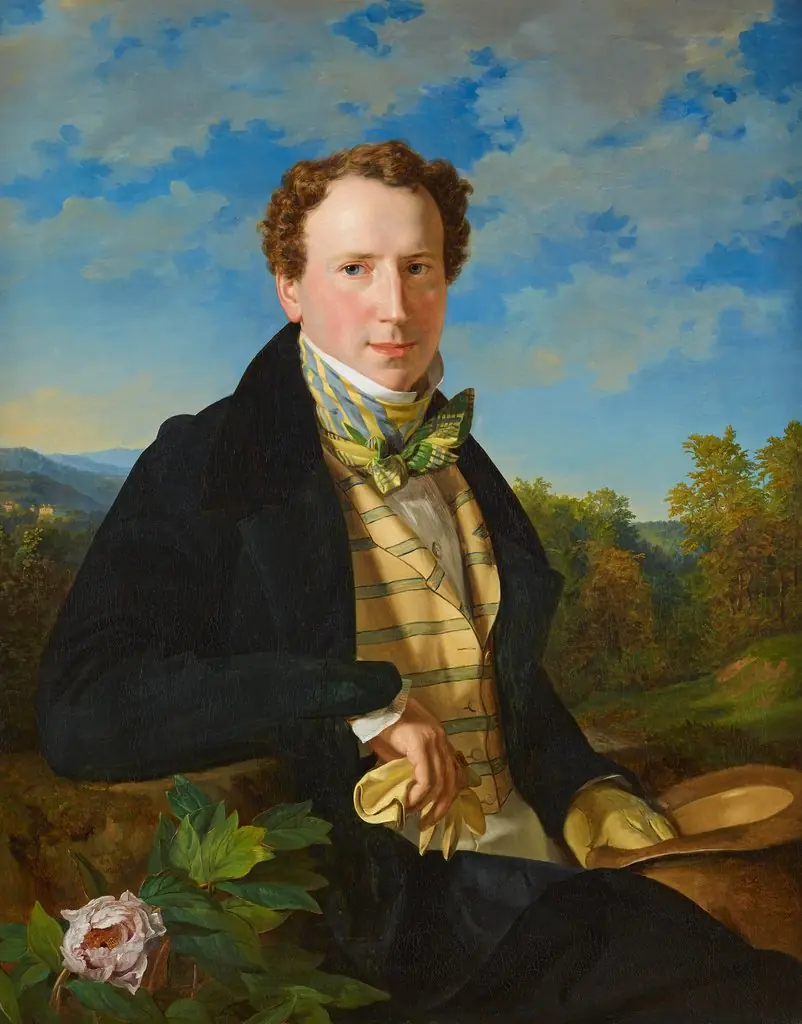 Self-portrait
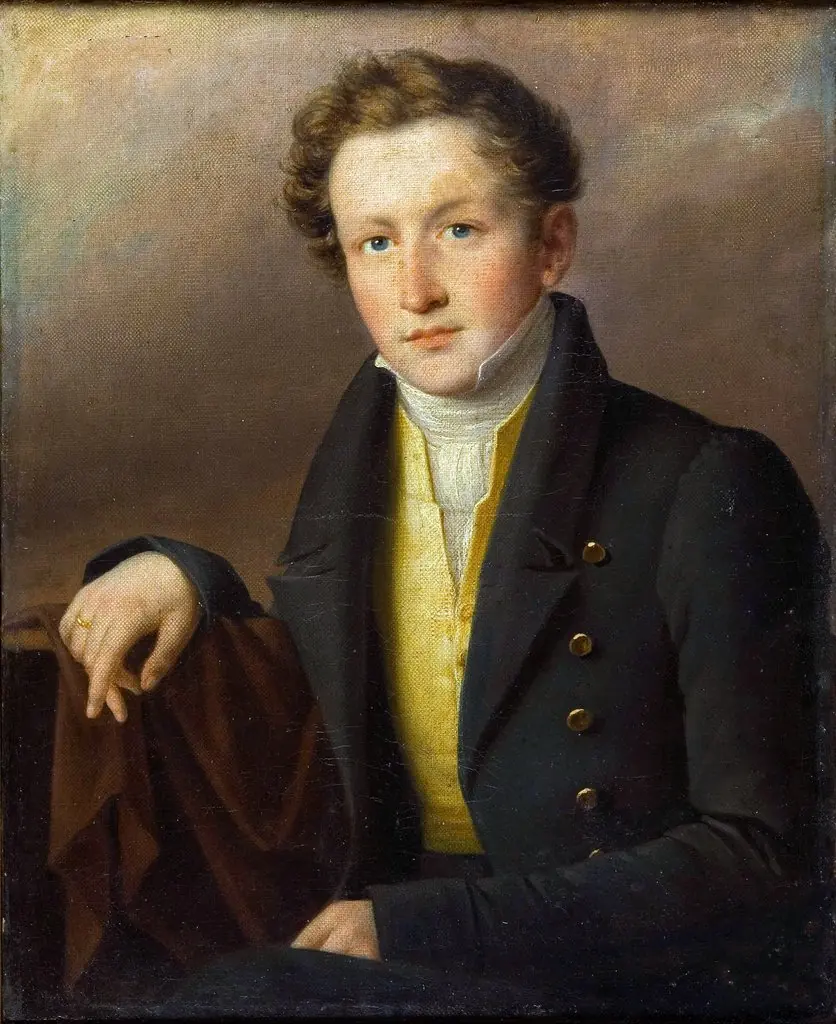 Portret Leona Sapiehy
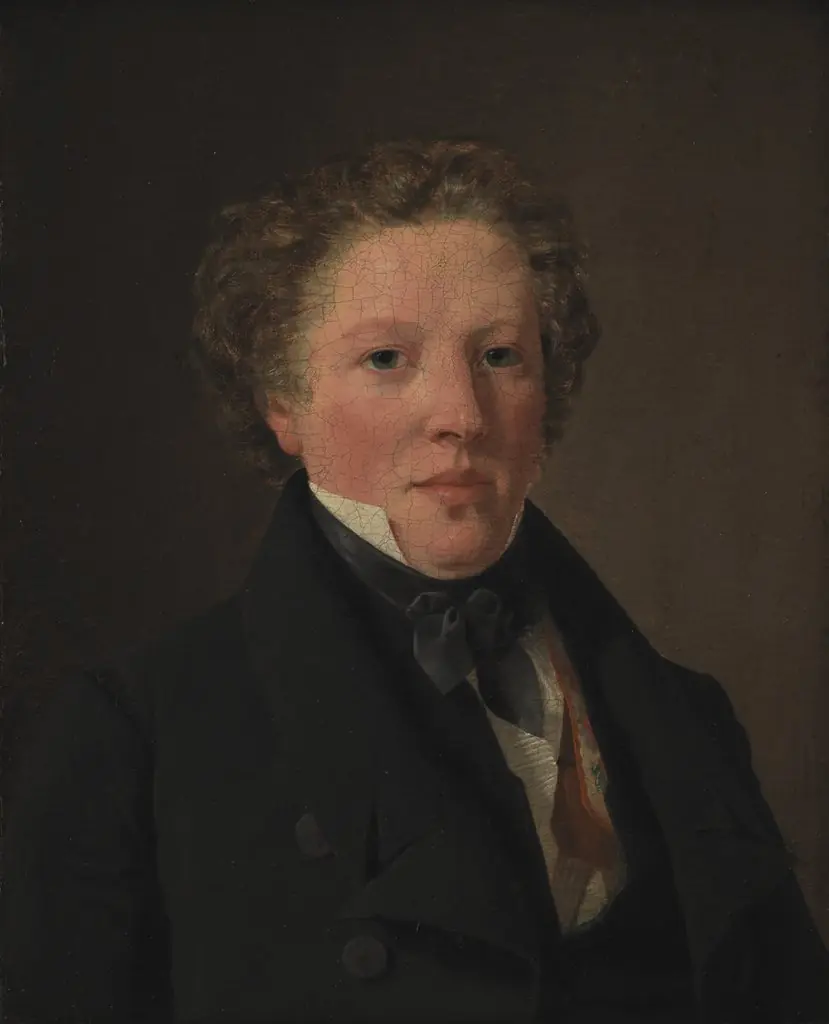 The Actor Christoffer Hvid
 Self-Portrait