Artwork
The Painter Christen Købke
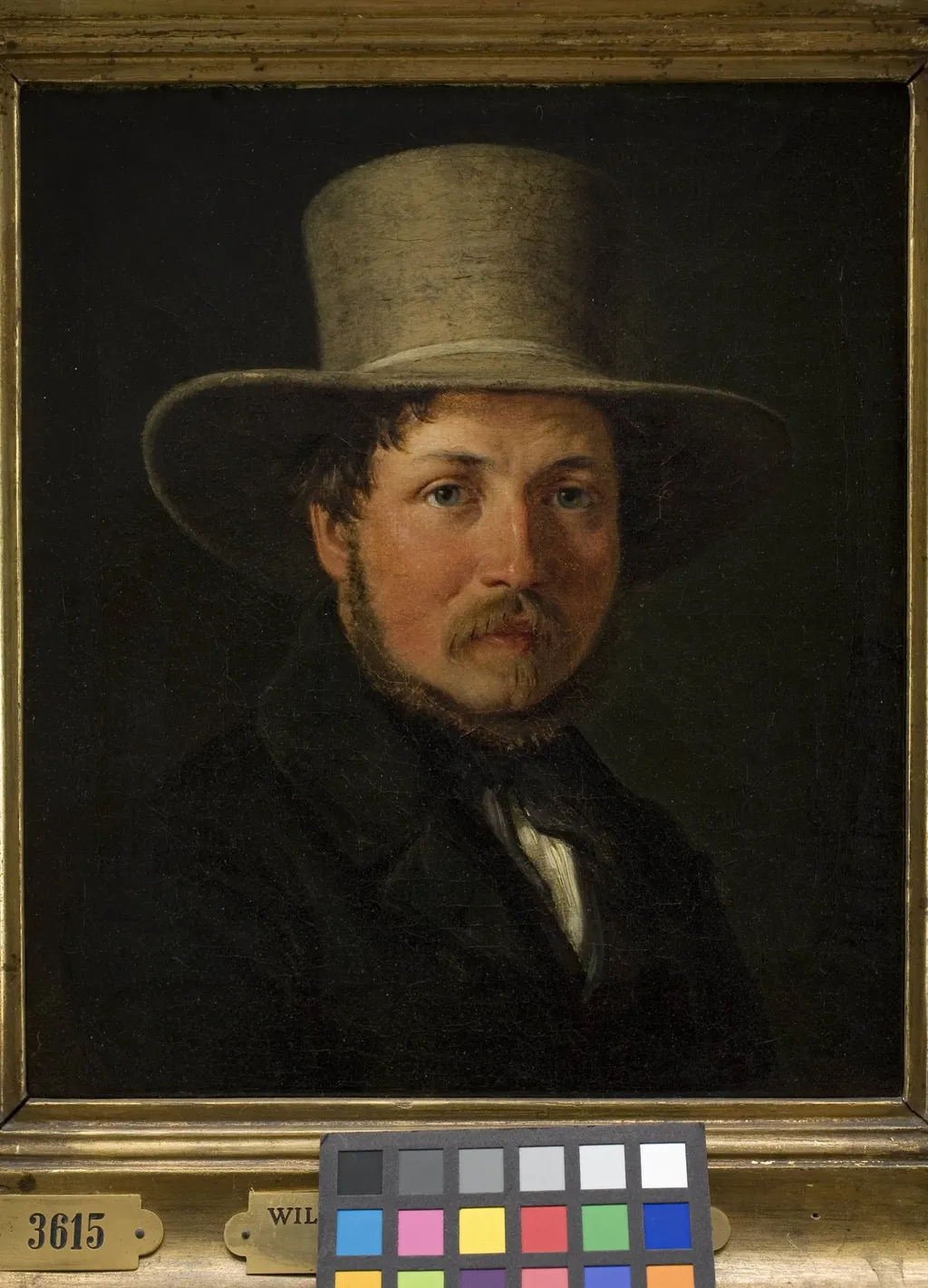
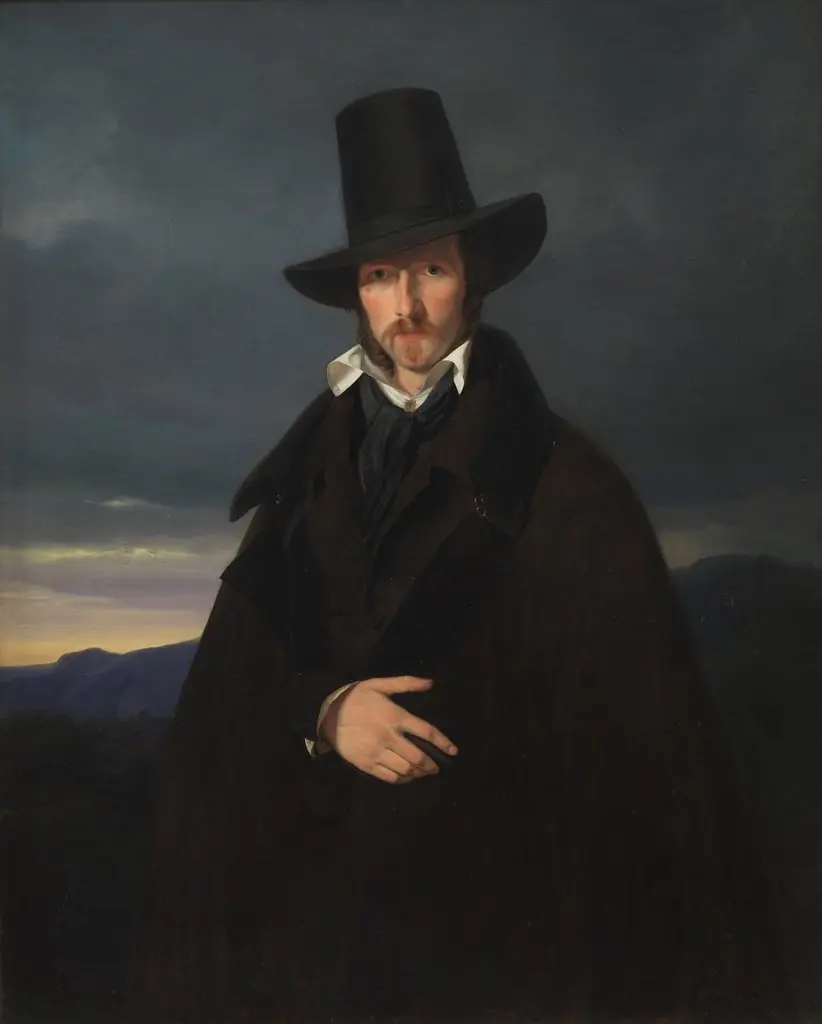
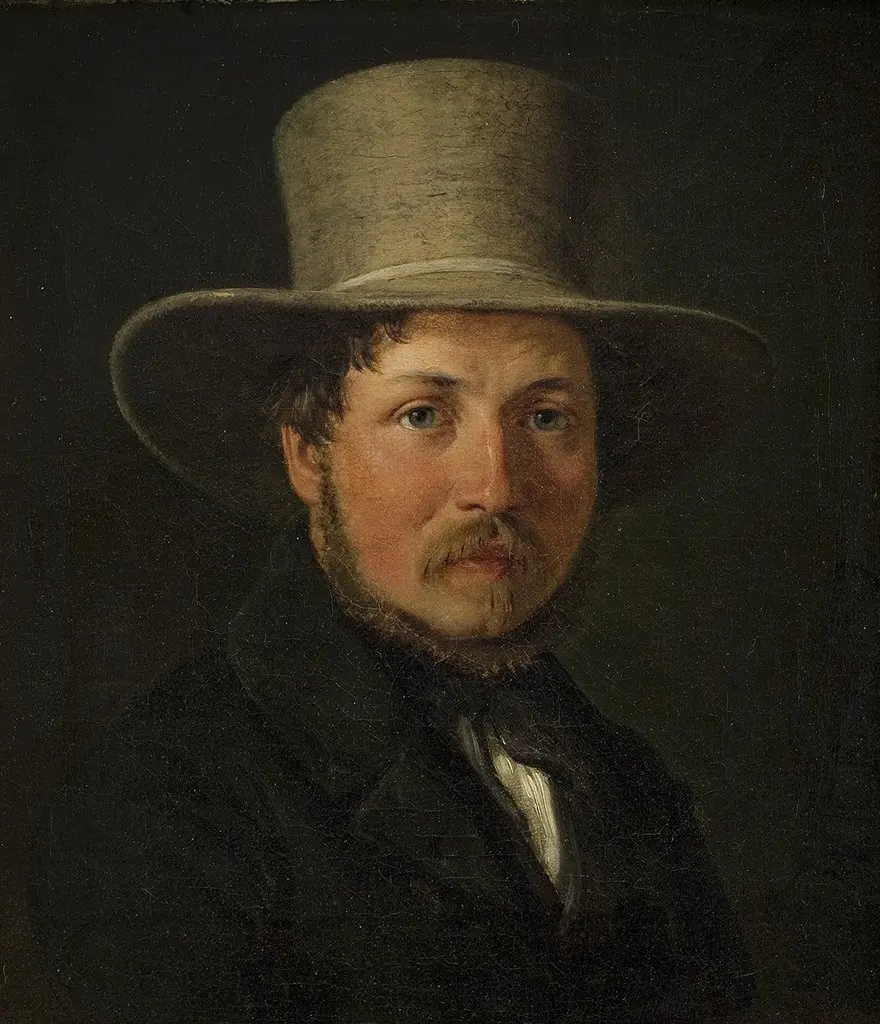
The Painter Christen Købke is a photography by the Romanticist artist Unknown. It dates from 1839 and is held in the collection of the Statens Museum for Kunst. Painted in 1839, this portrait depicts the Danish artist Christen Købke, who was also its subject.
About this work
Overview
Painted in 1839, this portrait depicts the Danish artist Christen Købke, who was also its subject. Executed in oil on canvas, the work is part of the collection at the Museum of Ethnography in Copenhagen. The composition focuses intently on the figure, set against a deep, unmodulated background that isolates him from any contextual detail, emphasizing his presence as both artist and individual.
Subject & Meaning
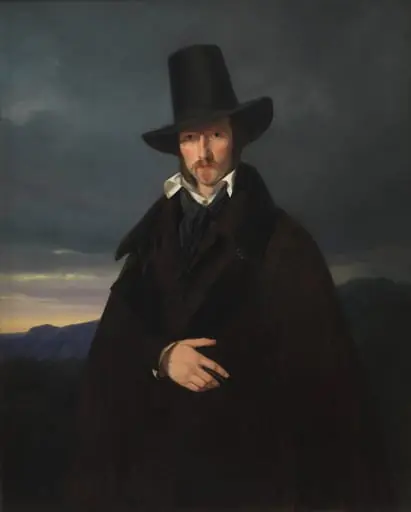
The painting presents Købke in formal attire—a black coat and top hat—suggesting his social standing and professional identity.
The painting presents Købke in formal attire—a black coat and top hat—suggesting his social standing and professional identity. His gaze, slightly averted to the right, conveys quiet introspection rather than direct engagement. The portrait functions not as a public monument but as a personal statement, reflecting the Romantic era’s interest in the inner life of the individual, particularly the artist’s self-awareness.
Technique & Style
Købke employed a restrained realism with precise rendering of textures—the wool of the coat, the sheen of the hat, the softness of facial hair. Chiaroscuro is used subtly to model the face and hands, creating volume without theatricality. The brushwork is controlled, avoiding overt expressionism, aligning with the Danish Golden Age’s preference for quiet observation over dramatic flourish.
History & Provenance
The painting remained in the artist’s possession until his death in 1848. It later entered the collection of the Museum of Ethnography, where it was cataloged as part of a broader effort to document Danish cultural figures. Its placement in an ethnographic context reflects 19th-century institutional practices that sometimes blurred lines between art, anthropology, and national identity.
Context
Created during Denmark’s Golden Age, the portrait aligns with a national artistic movement that valued sincerity, domesticity, and subtle emotion. Unlike grand Romantic narratives, Købke’s work favored intimate scenes and understated dignity. This portrait exemplifies how Danish artists adapted broader European trends into a more reserved, psychologically nuanced aesthetic.
Legacy
Though not widely exhibited outside Denmark, the portrait remains a key example of Købke’s self-representation and his role in shaping Danish portraiture. It illustrates how artists of the period used self-portraiture not for vanity but as a means of asserting intellectual and artistic identity within a culturally evolving society.
Artist & collection

 Domestic Scene
 Giacomo and Cardinal Marco, investing Andrea, Abbot of San Zeno, with his Benefice
 The Nymph of Fontainebleau
 Portrait of a Woman
 Madonna and Child with Saints in the Enclosed Garden
 Venus and Minerva
 Family Group of Four on Sofa
 Wall painting from Room H of the Villa of P. Fannius Synistor at Boscoreale
 Προσωπογραφία του Αλεξάνδρου Μαυροκορδάτου
 Self-Portrait
 The Actor Christoffer Hvid
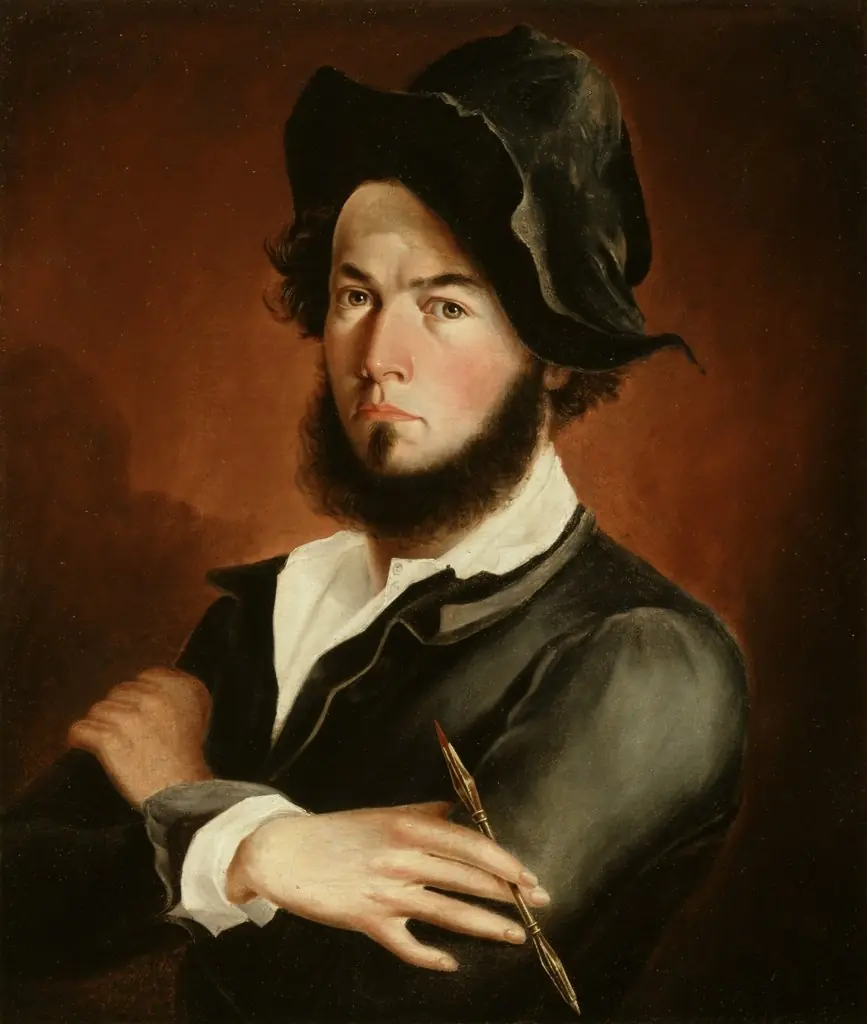 Self Portrait
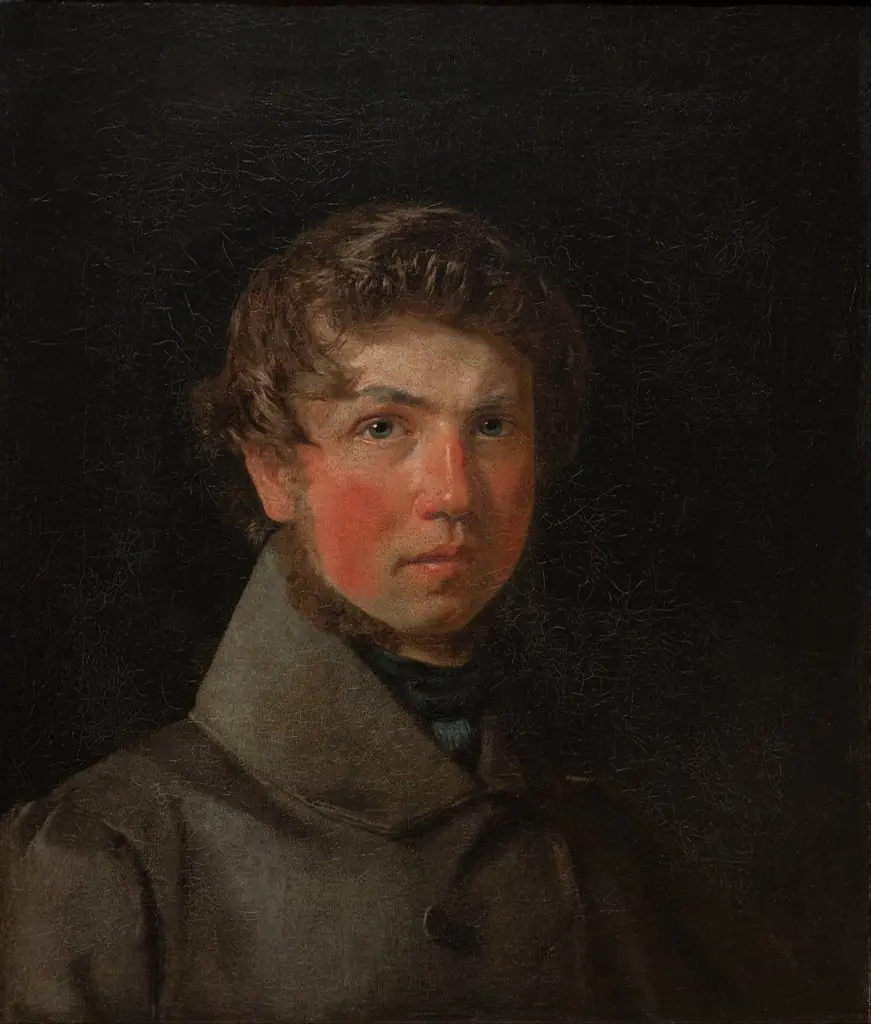 Self-Portrait
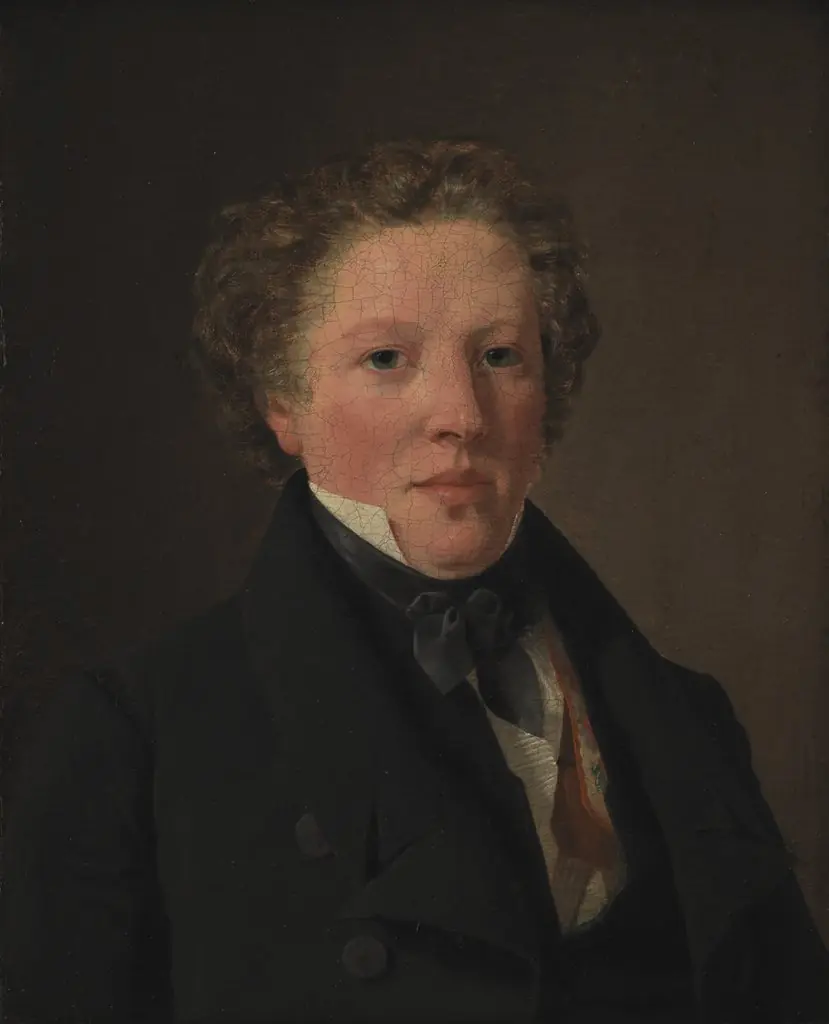 The Actor Christoffer Hvid
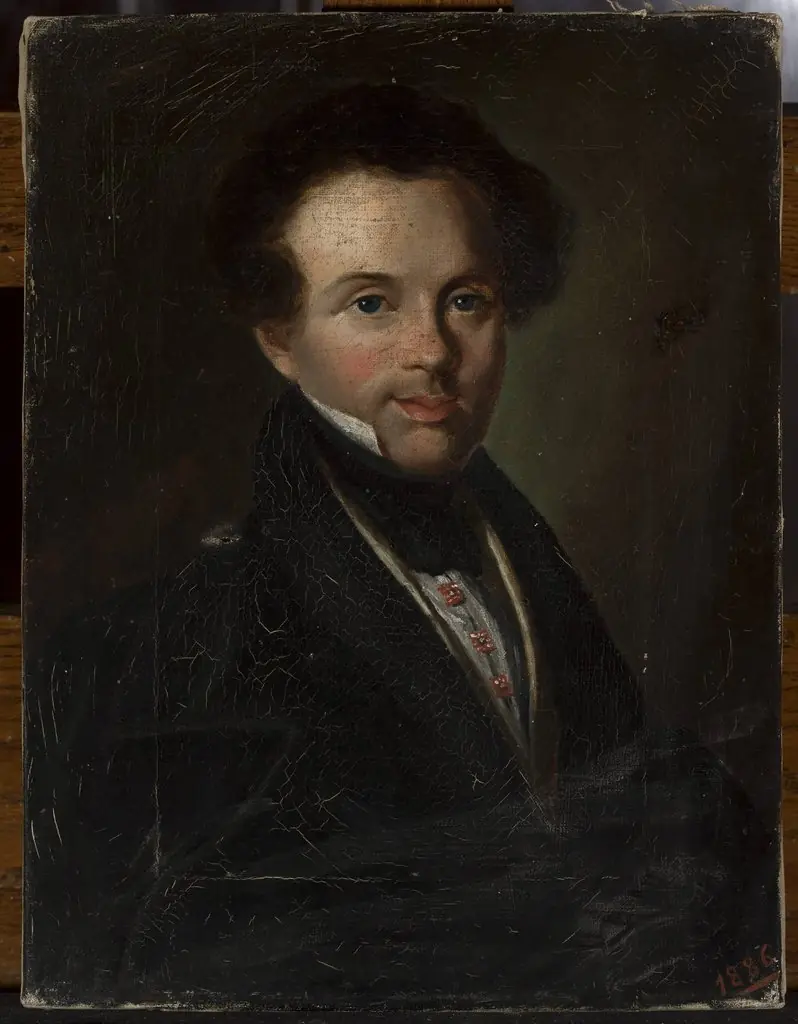 Portrait of a man
 Portrait of the German Painter Wilhelm von Kaulbach
 Portrait of a man
 Portret Carol Davila
 Portrait of the German Painter Wilhelm von Kaulbach
 The Painter Christen Købke