Artwork
Landscape near Blokhus, Jutland
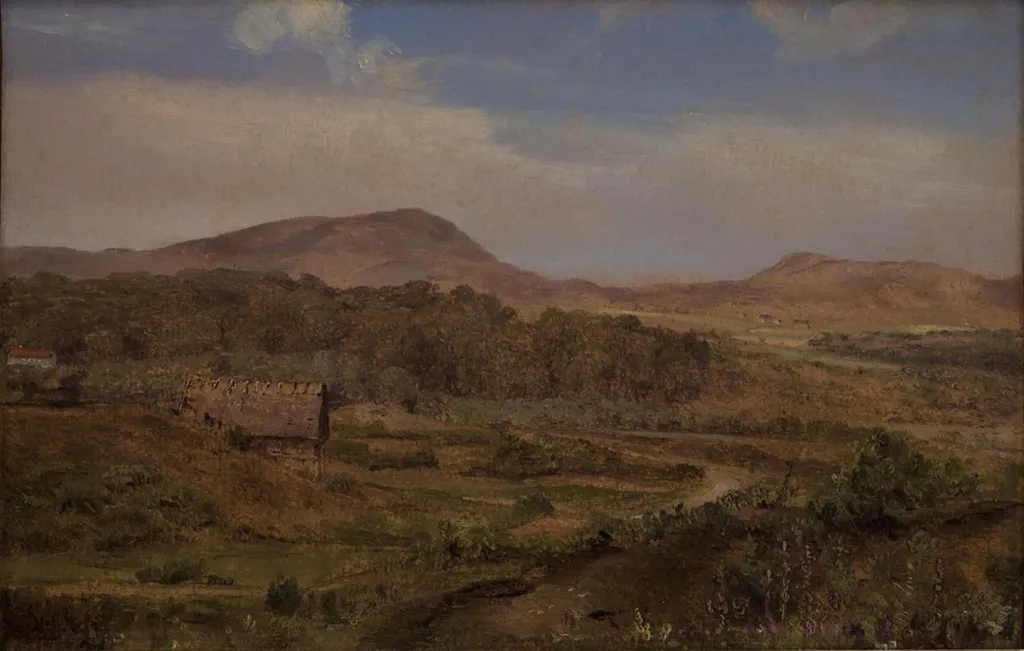
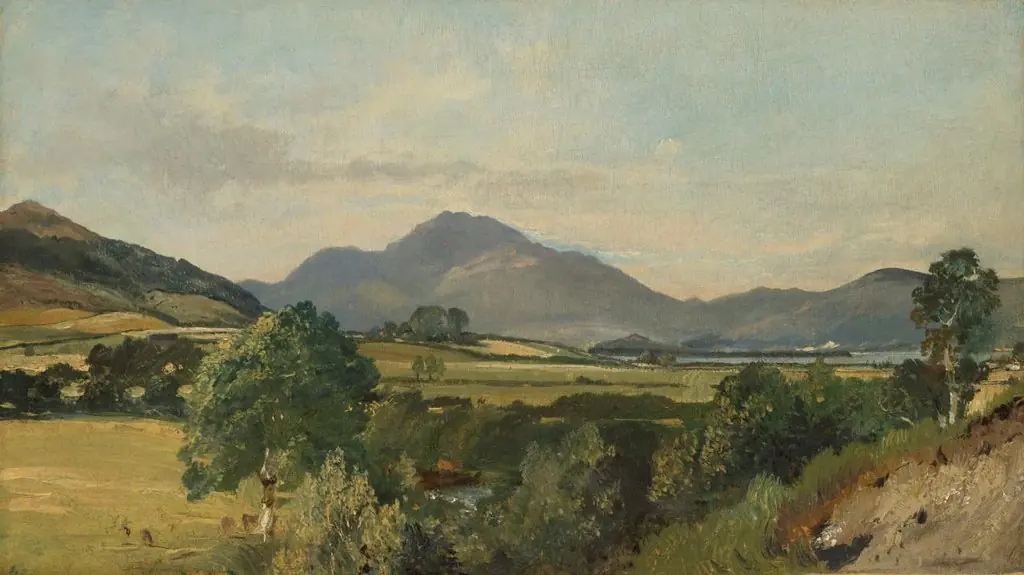
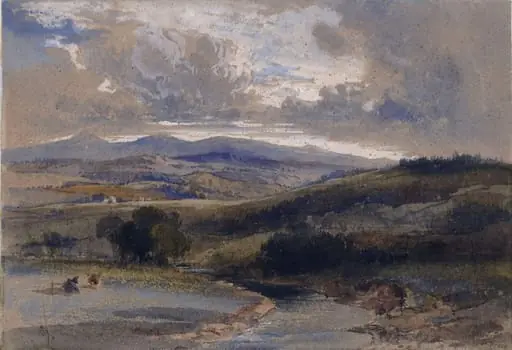
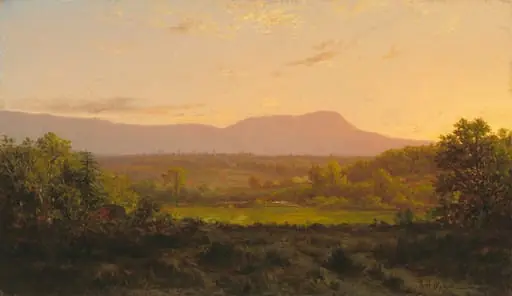
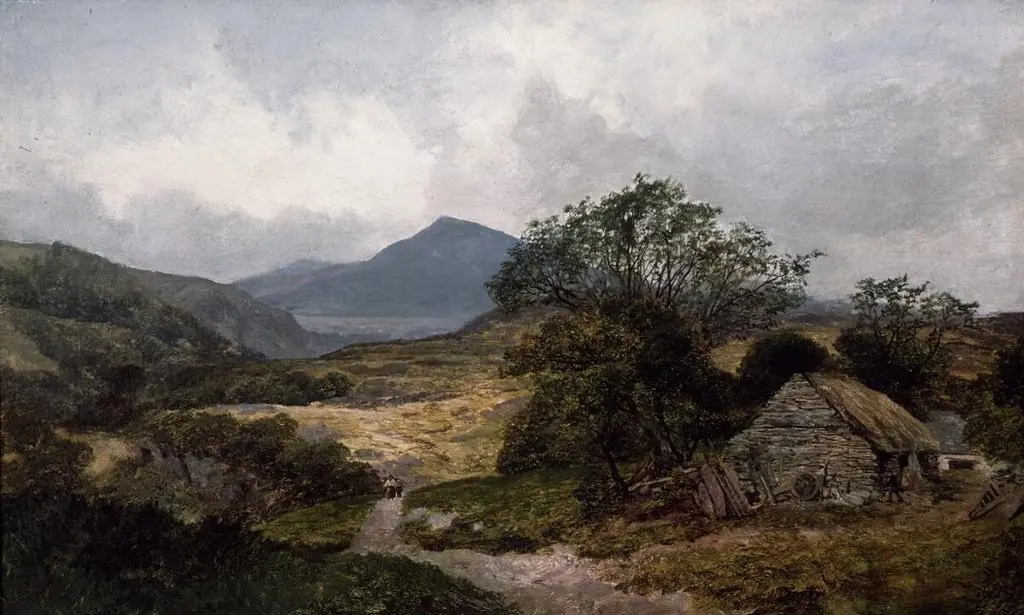
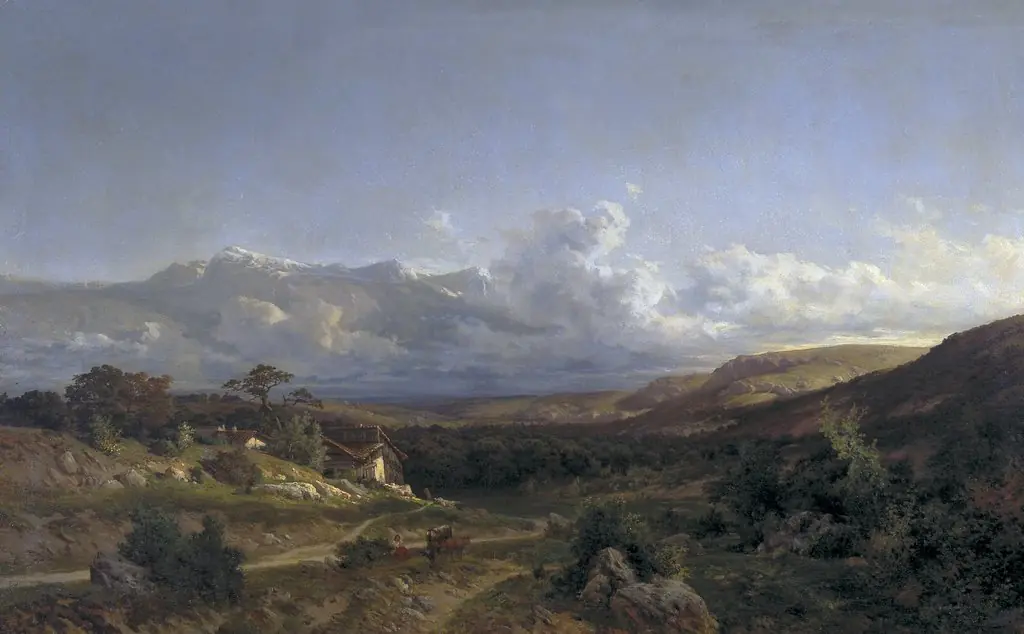
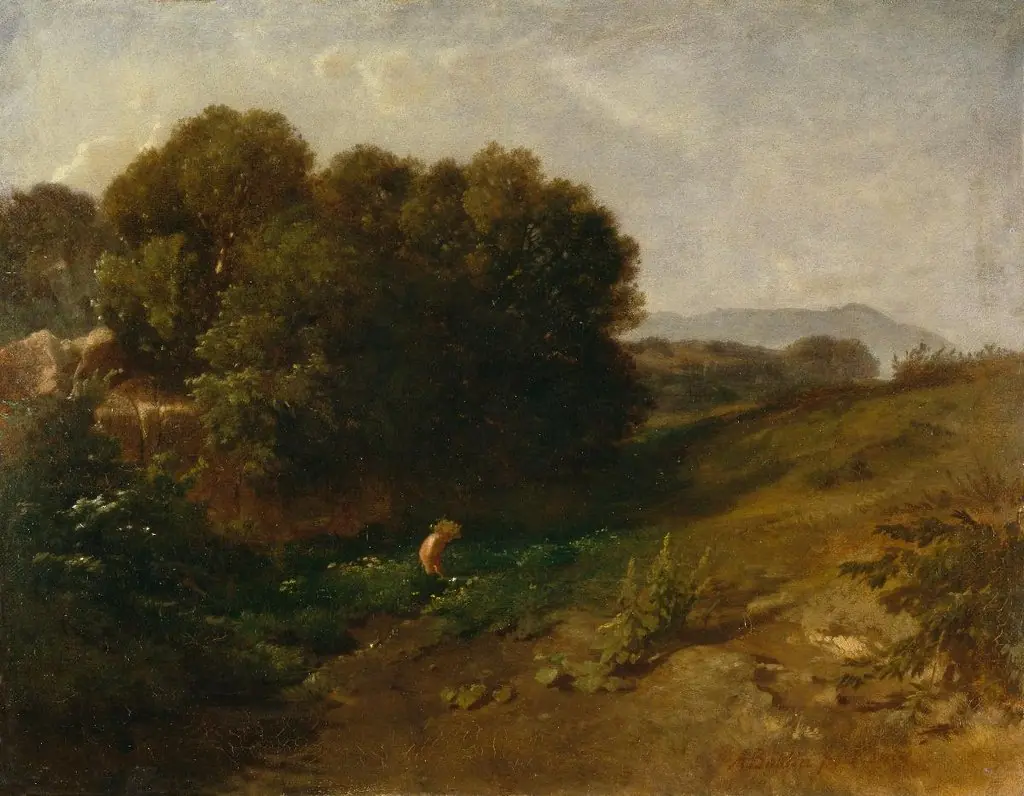
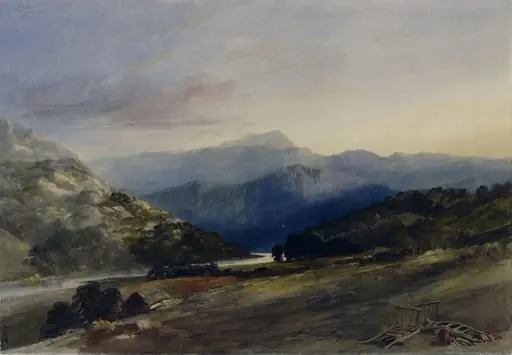
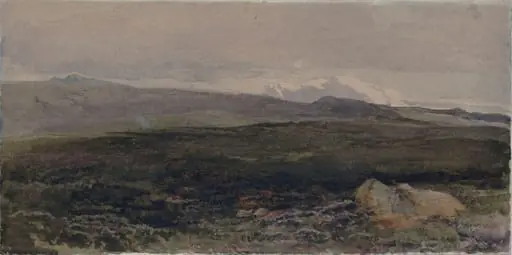
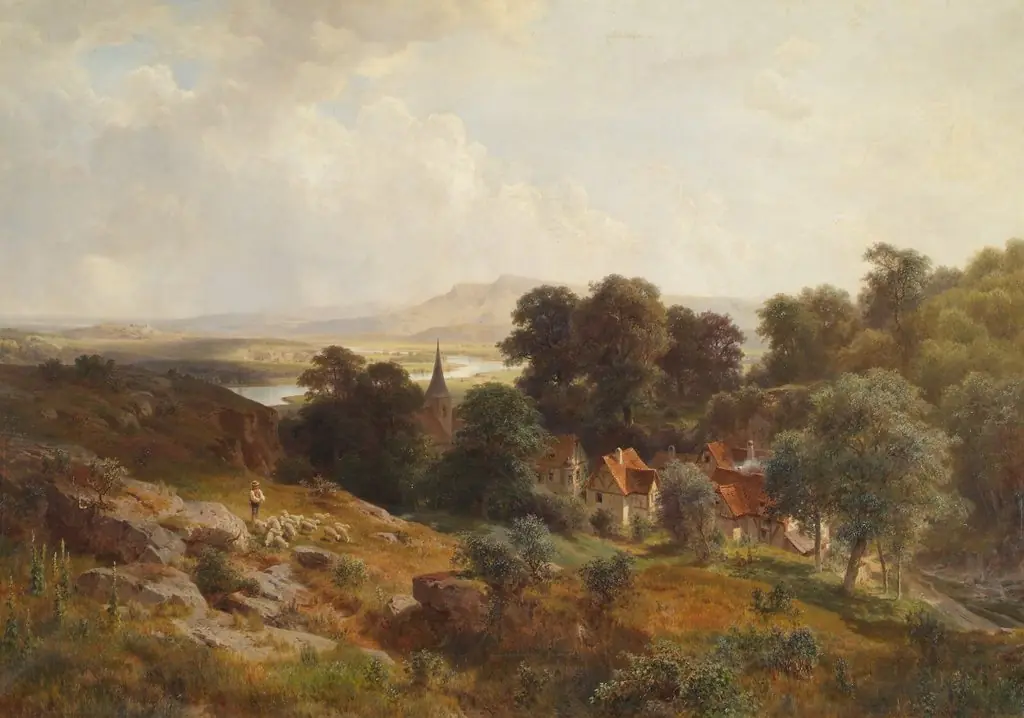
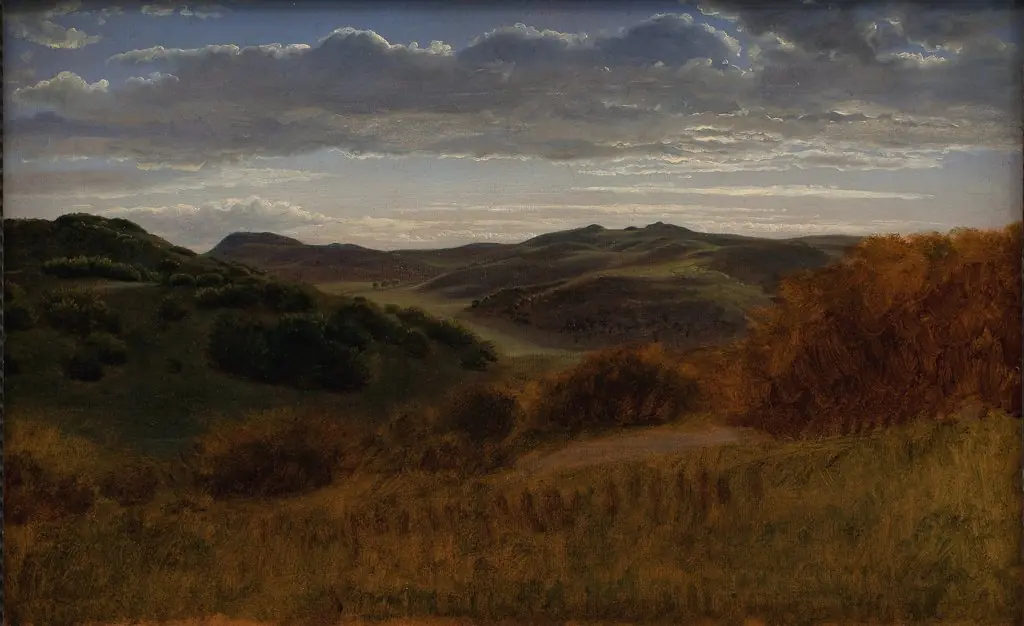
Landscape near Blokhus, Jutland is an unspecified painting by the Barbizon school artist Unknown. It dates from 1848 and is held in the collection of the Statens Museum for Kunst. Painted in 1848, this work depicts a quiet stretch of countryside near Blokhus on the Jutland peninsula.
About this work
Overview
Painted in 1848, this work depicts a quiet stretch of countryside near Blokhus on the Jutland peninsula. Executed in oil on canvas, it captures a modest, unidealized rural scene. The painting resides in the collection of the Museum of Ethnography, though its thematic focus aligns more closely with regional landscape traditions than ethnographic subjects.
Subject & Meaning
The composition centers on a low stone wall winding through a dry, sunlit field, guiding the viewer’s gaze into the distance. Rolling hills and scattered vegetation suggest a subdued, working landscape rather than a picturesque ideal. A cluster of pink flowers in the foreground introduces a subtle note of life amid the muted tones, hinting at quiet resilience rather than romantic grandeur.
Technique & Style
The artist employs soft brushwork and a restrained palette of earthy browns, muted greens, and pale sky tones. Light is diffused, creating a hazy atmosphere that enhances the sense of stillness. The stone wall functions as a compositional anchor, structuring the space without dramatic perspective or theatrical lighting, reflecting a quiet observational approach.
History & Provenance
Created in 1848, the painting entered the Museum of Ethnography’s holdings at an early date, though its classification there remains unusual given its non-ethnographic content. Its provenance prior to museum acquisition is not documented, and it has not been widely exhibited outside institutional storage.
Context
Painted during the height of Romanticism in Northern Europe, the work diverges from the movement’s typical sublime or dramatic landscapes. Instead, it reflects a local Danish tendency toward intimate, unembellished rural scenes, aligned with emerging realist sensibilities that valued everyday observation over idealized nature.
Legacy
Though not widely known outside regional collections, the painting exemplifies a quiet strand of 19th-century Danish landscape painting that prioritized modesty and quietude. It stands as a quiet counterpoint to more celebrated Romantic works, offering insight into how local artists interpreted their immediate surroundings with restraint and attention to detail.
Artist & collection

 Domestic Scene
 Giacomo and Cardinal Marco, investing Andrea, Abbot of San Zeno, with his Benefice
 The Nymph of Fontainebleau
 Portrait of a Woman
 Madonna and Child with Saints in the Enclosed Garden
 Venus and Minerva
 Family Group of Four on Sofa
 Wall painting from Room H of the Villa of P. Fannius Synistor at Boscoreale