Artwork
Christ in the Realm of the Dead. Study
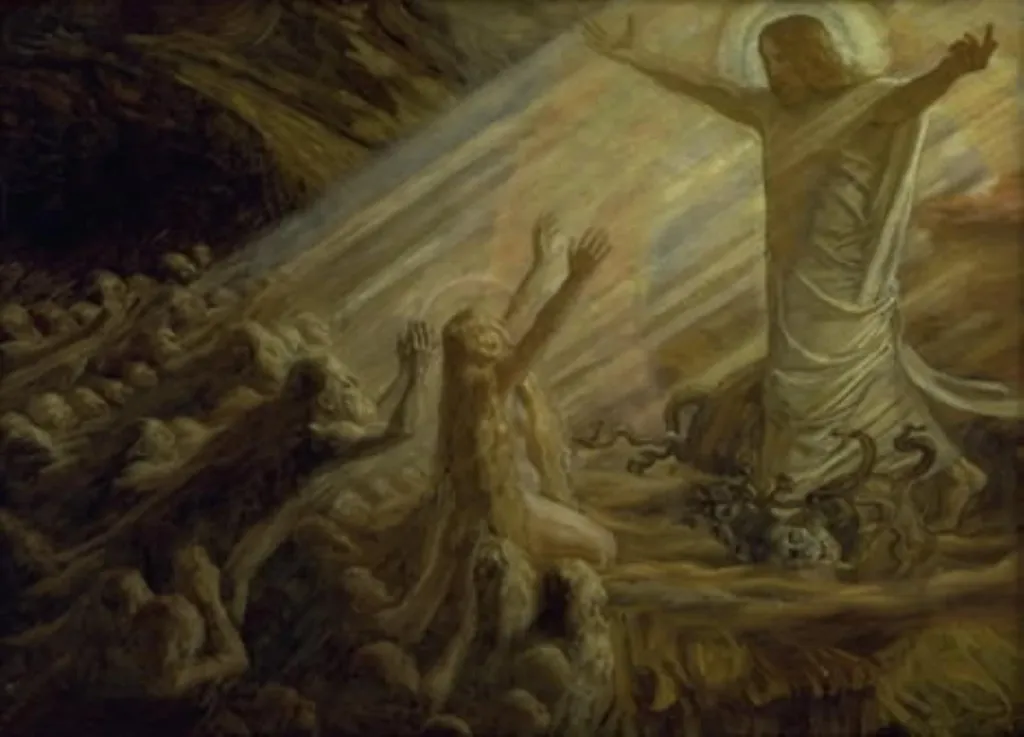
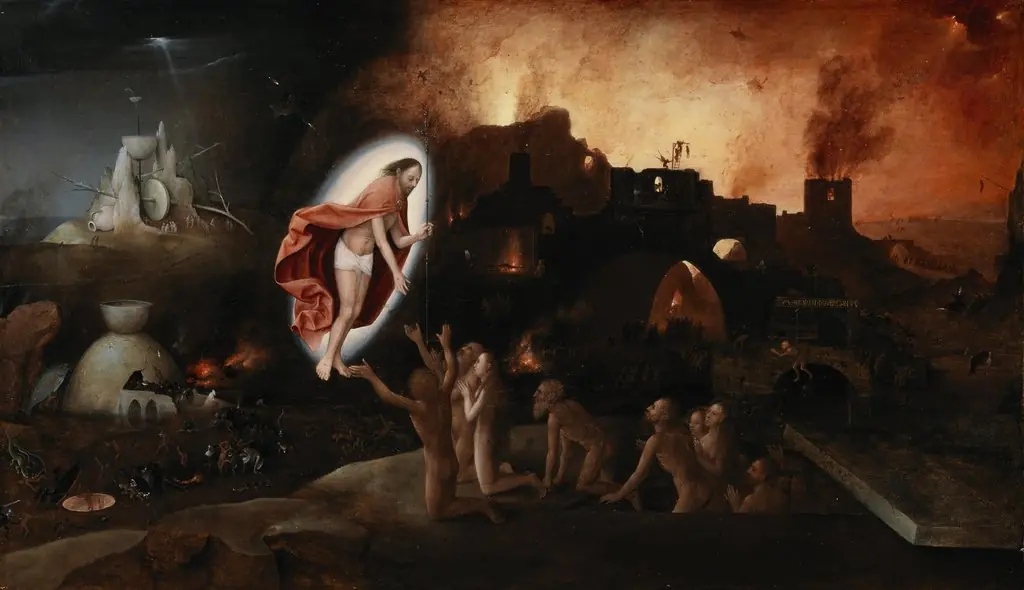
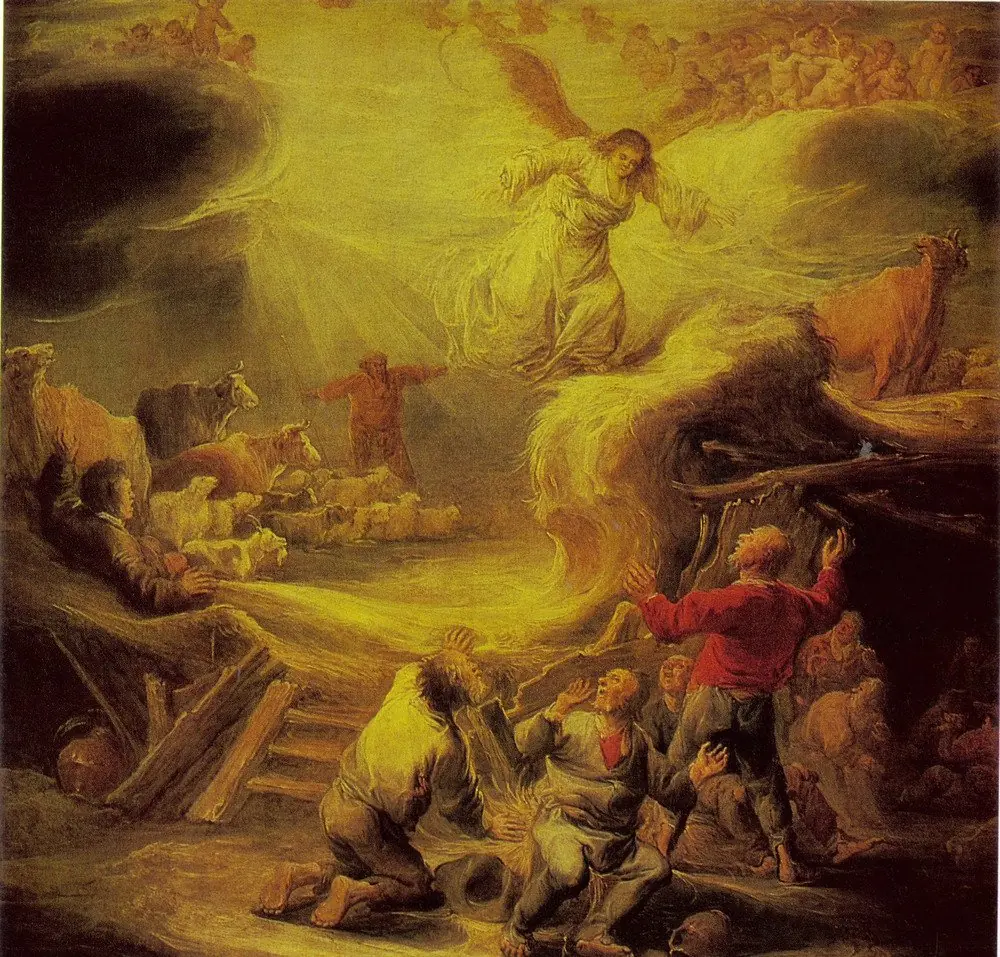
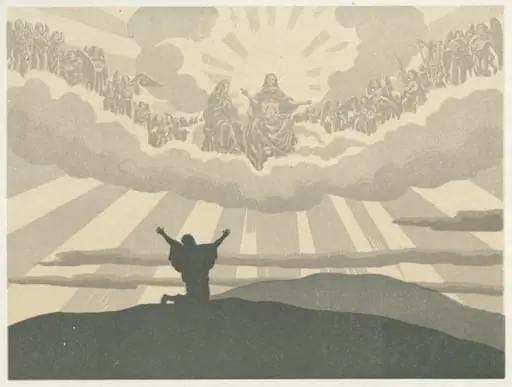
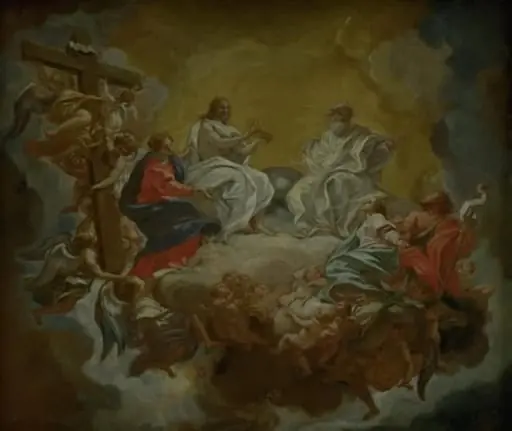
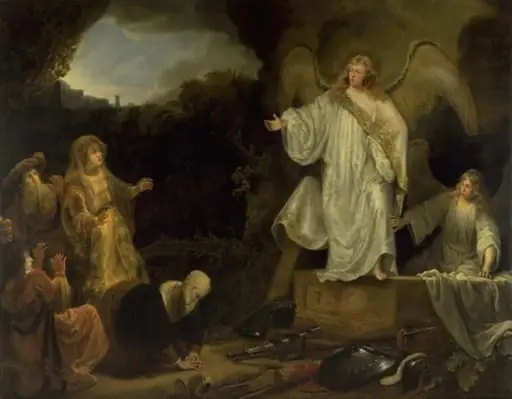
Christ in the Realm of the Dead. Study is a drawing by Unknown. It dates from 1850 and is held in the collection of the Statens Museum for Kunst. This study, dated around 1850, depicts Christ descending into the underworld, a scene drawn from Christian apocryphal tradition.
About this work
Overview
This study, dated around 1850, depicts Christ descending into the underworld, a scene drawn from Christian apocryphal tradition. Executed in paint on a support typical of 19th-century studio practice, it was later acquired by the Museum of Ethnography. The work functions as a preparatory exploration rather than a finished altarpiece, emphasizing emotional intensity over doctrinal precision.
Subject & Meaning
The scene conveys a moment of cosmic transition, where the boundary between life and death is breached by divine intervention.
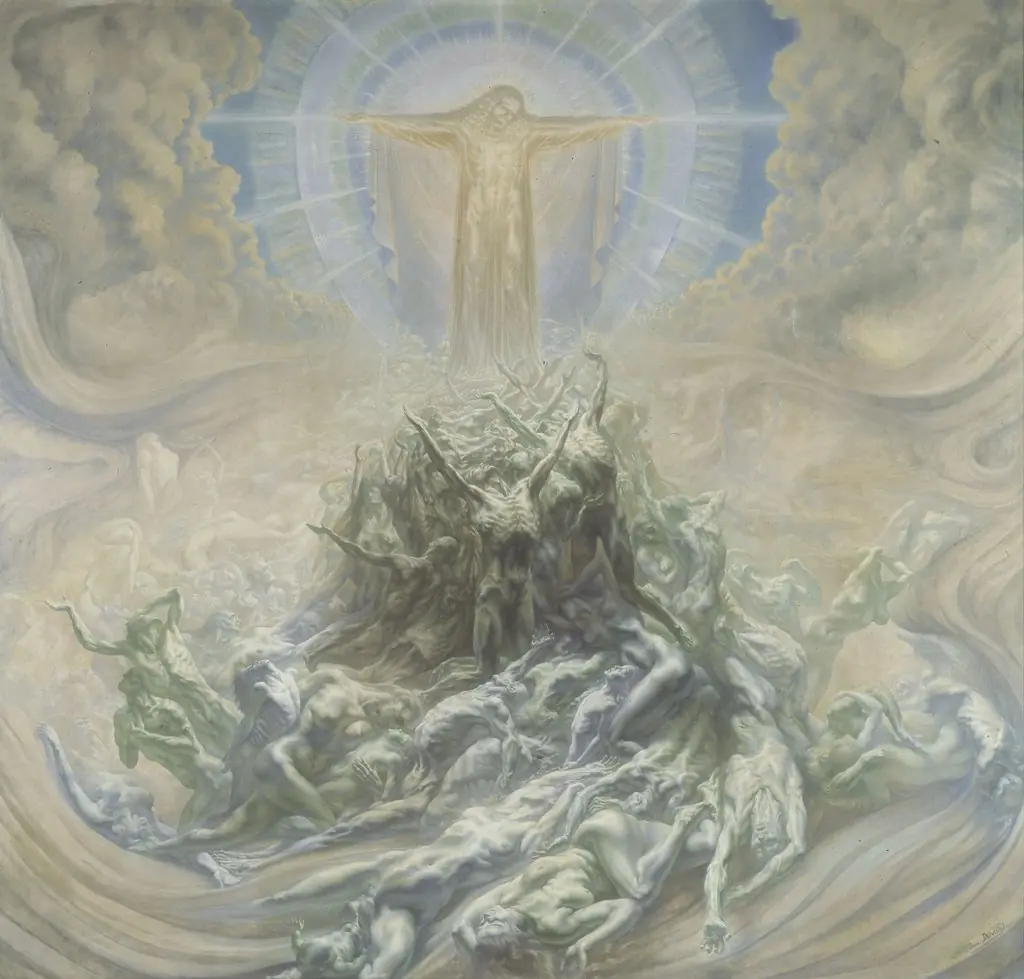
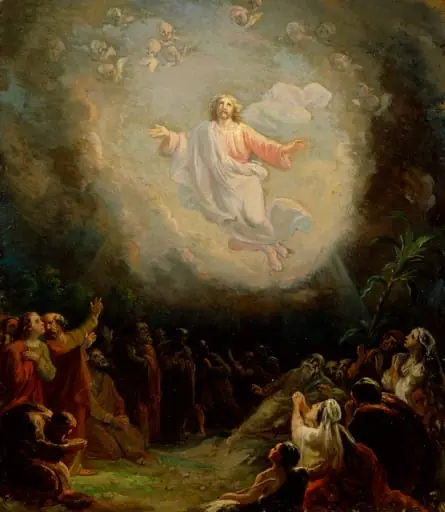
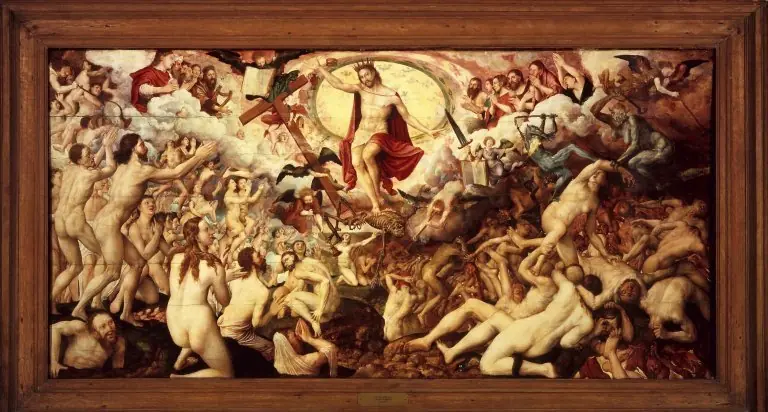
The painting illustrates Christ’s harrowing of hell, where he liberates souls trapped since antiquity. His outstretched arms suggest both rescue and divine authority. Figures surrounding him react with varied emotions—some reach toward salvation, others shrink back in terror. The scene conveys a moment of cosmic transition, where the boundary between life and death is breached by divine intervention.
Technique & Style
The artist employs vigorous brushwork and strong contours to heighten emotional impact. Dark, murky tones dominate the composition, with Christ’s luminous form acting as the sole source of illumination. Facial expressions are exaggerated, and limbs are rendered with dynamic tension, reflecting Romantic-era interests in psychological depth and spiritual drama over classical restraint.
History & Provenance
Created in the mid-19th century, the study entered the collection of the Museum of Ethnography, likely through academic or missionary channels. Its presence in an ethnographic institution suggests it was valued for its representation of cross-cultural religious imagery rather than its theological orthodoxy. No earlier ownership records are documented.
Context
This work emerged during a period of renewed interest in medieval and apocryphal Christian themes among Romantic artists. While mainstream churches favored serene depictions of Christ, this study aligns with more esoteric, emotionally charged interpretations circulating in artistic circles. It reflects broader 19th-century fascination with the unseen realms of faith and the sublime.
Legacy
Though not widely exhibited or reproduced, the study remains a rare example of 19th-century religious experimentation outside academic norms. Its preservation in an ethnographic context underscores its role as a cultural artifact, offering insight into how spiritual narratives were visually reimagined during a time of shifting religious and artistic values.
Artist & collection

 Domestic Scene
 Giacomo and Cardinal Marco, investing Andrea, Abbot of San Zeno, with his Benefice
 The Nymph of Fontainebleau
 Portrait of a Woman
 Madonna and Child with Saints in the Enclosed Garden
 Venus and Minerva
 Family Group of Four on Sofa
 Wall painting from Room H of the Villa of P. Fannius Synistor at Boscoreale