Artwork
The Last Judgment
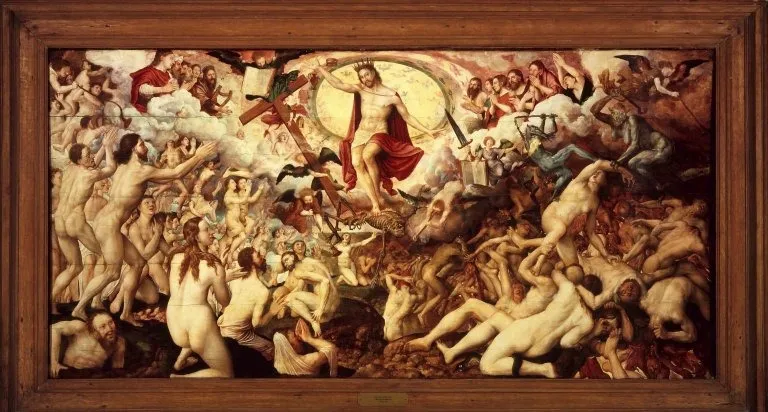
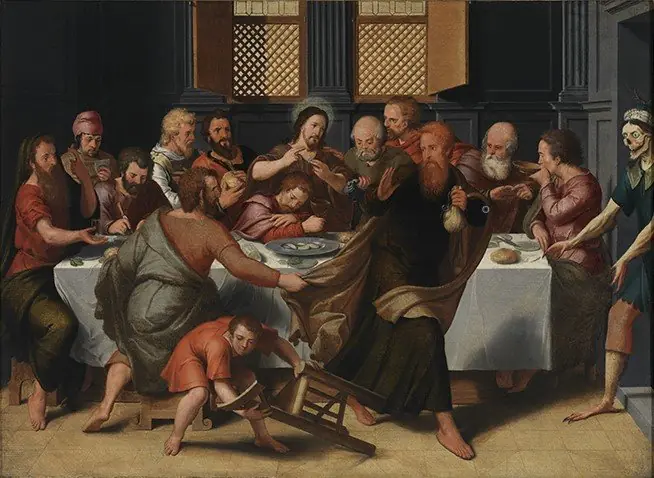
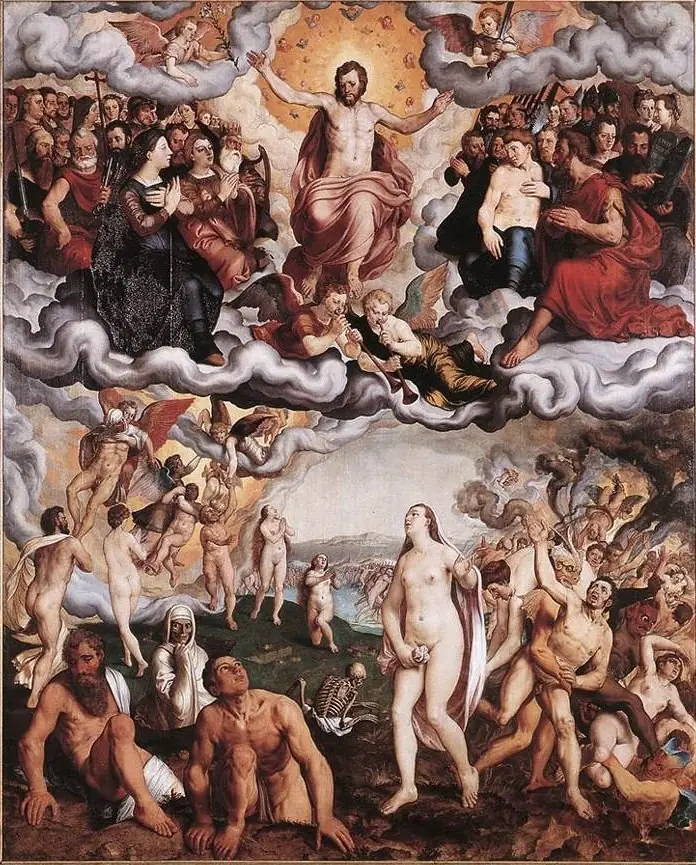
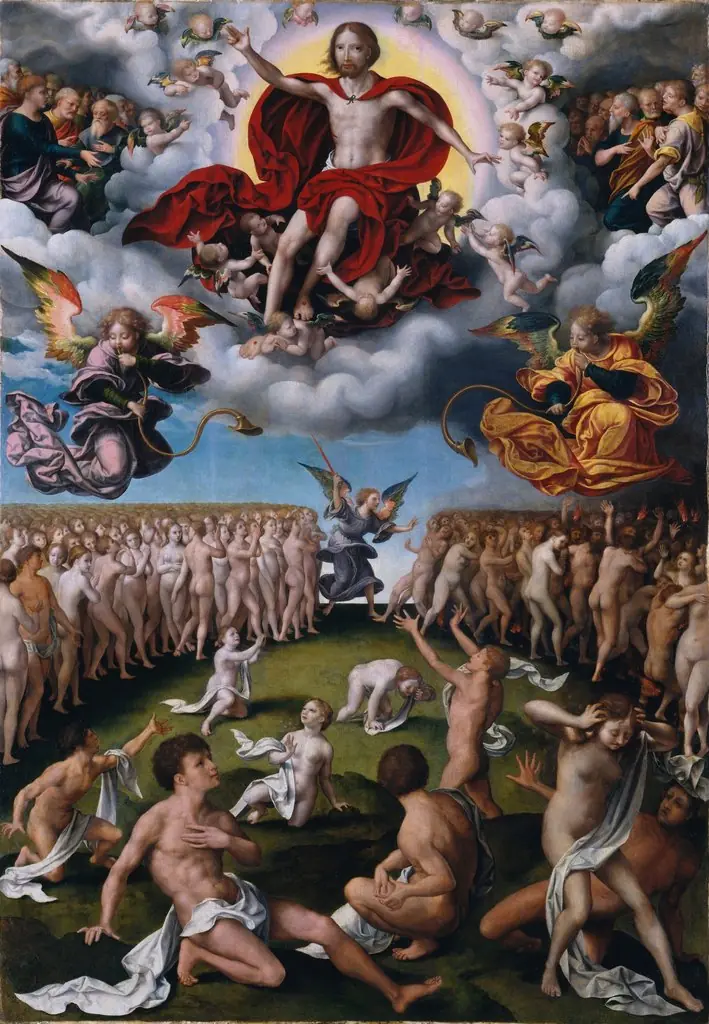
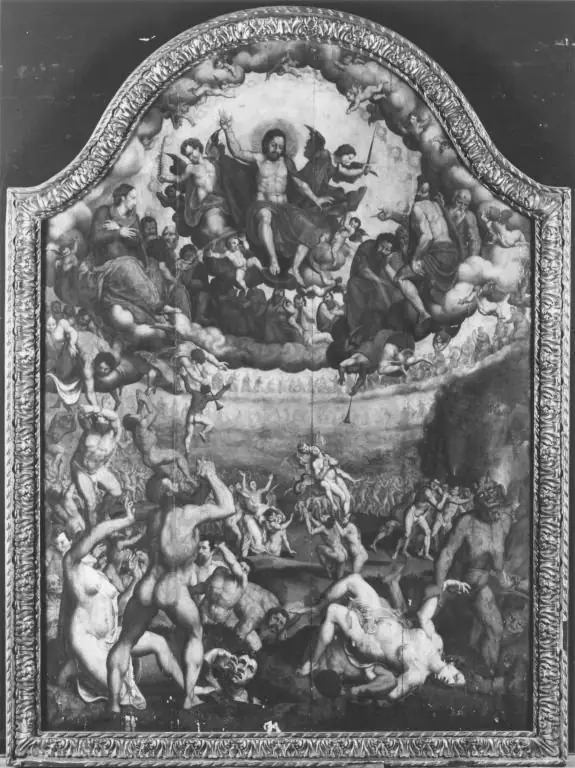
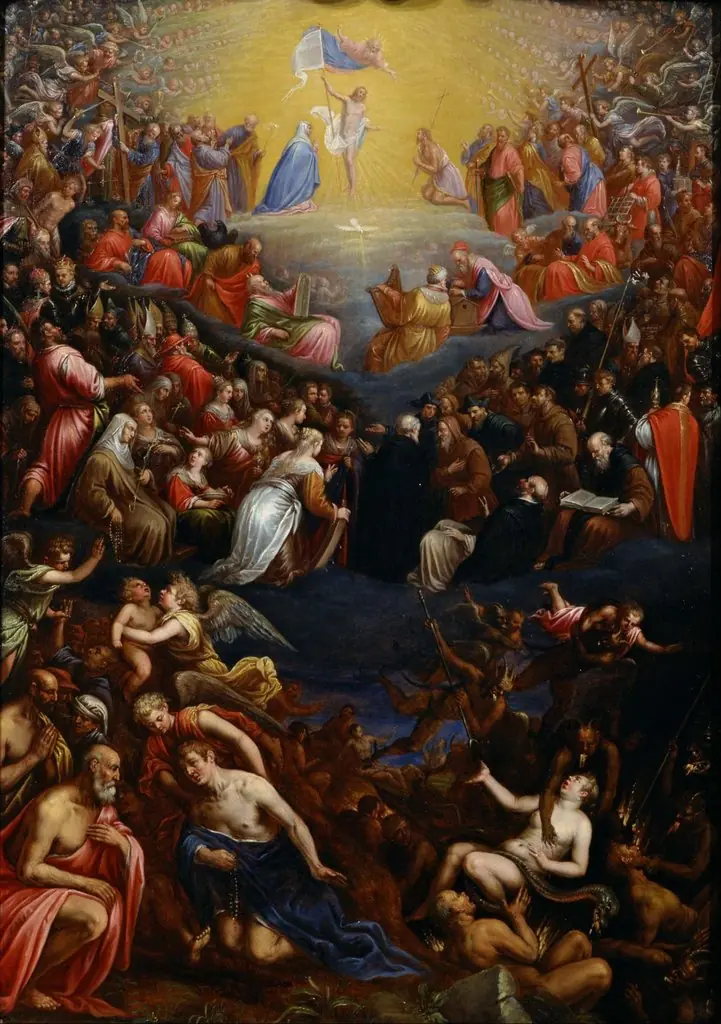
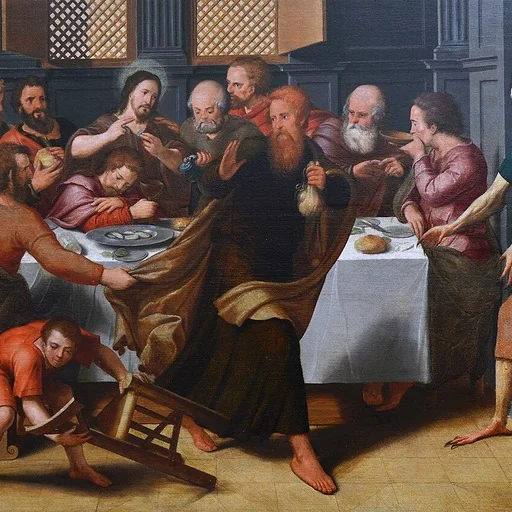
The Last Judgment is an oil painting by the Early Baroque Italian artist Pieter Pourbus. It dates from 1551 and is held in the collection of the Brooklyn Museum.
About this work
Overview
Painted in 1551 by Pieter Pourbus, *The Last Judgment* is an oil-on-panel work produced during the height of the Flemish Renaissance. Though created in Bruges, the painting reflects broader European religious iconography of the period. It is now part of the Brooklyn Museum’s collection, where it remains one of the few large-scale religious compositions by Pourbus to survive in public hands.
Subject & Meaning
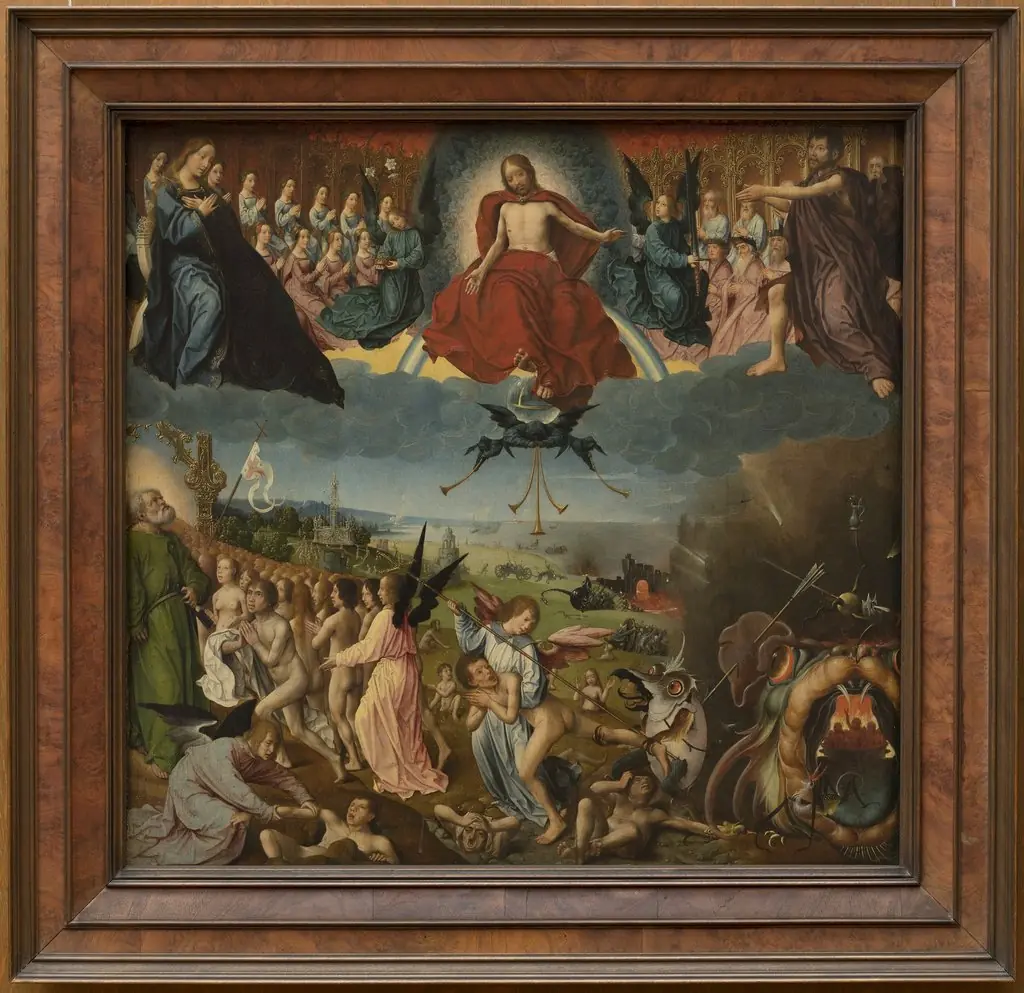
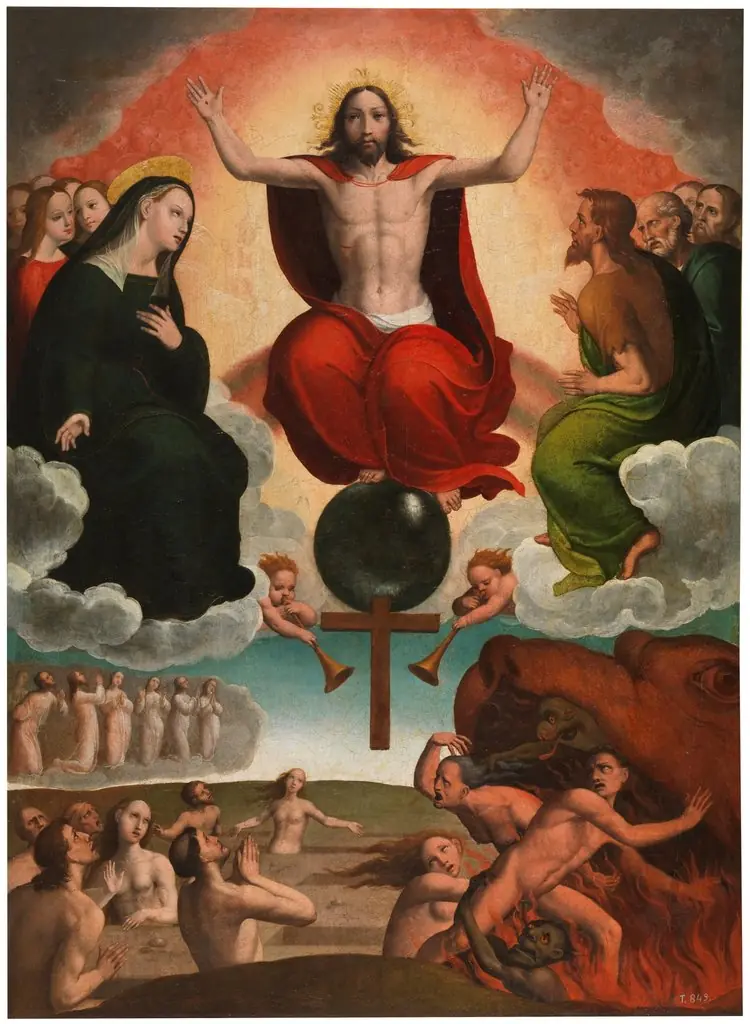
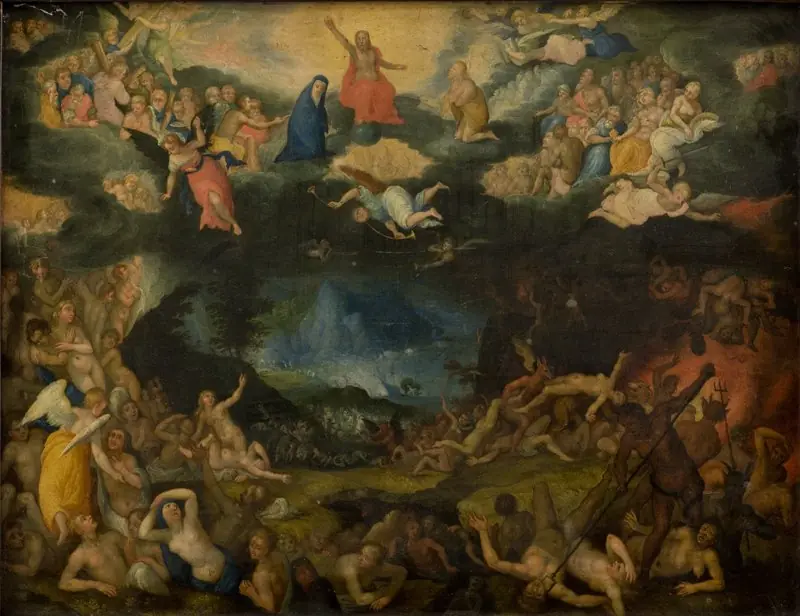
The painting illustrates the Christian eschatological moment of divine judgment, where souls are separated for salvation or damnation.
The painting illustrates the Christian eschatological moment of divine judgment, where souls are separated for salvation or damnation. Central to the composition is a radiant, muscular figure, likely Christ, gesturing with outstretched arms amid a throng of nude bodies in varied states of ascent and collapse. The chaos of the scene underscores the theological gravity of the moment, emphasizing divine authority and human vulnerability.
Technique & Style
Pourbus employs chiaroscuro to model forms with dramatic light and shadow, enhancing the three-dimensionality of the figures. The palette leans toward warm hues—reds, oranges, and yellows—creating a sense of infernal energy. Figures are rendered with anatomical precision, showing influence from Italian Mannerism, while the swirling background suggests movement and divine turbulence, guiding the viewer’s gaze toward the central figure.
History & Provenance
Commissioned during Pourbus’s mature period, the painting likely originated as an altarpiece for a Bruges church or private chapel. Its journey to the Brooklyn Museum is undocumented prior to its acquisition in the 20th century, but its preservation suggests it was valued by collectors who recognized its technical skill and theological weight, even as religious imagery fell out of favor in later centuries.
Context
Created just before the Protestant Reformation intensified in the Low Countries, the painting reflects the Catholic Church’s continued emphasis on visual theology. While Italian artists like Michelangelo were redefining the Last Judgment, Pourbus adapted these ideas within a Northern European tradition, blending local attention to detail with the dramatic scale favored in Italy.
Legacy
Though Pourbus is better known for portraiture, *The Last Judgment* stands as his most ambitious religious work. It offers insight into how Northern painters engaged with Italian compositional models without fully abandoning their own stylistic conventions. The painting remains a rare example of large-scale apocalyptic imagery from a region increasingly turning toward secular subjects in the late 16th century.
Artist & collection
Artist
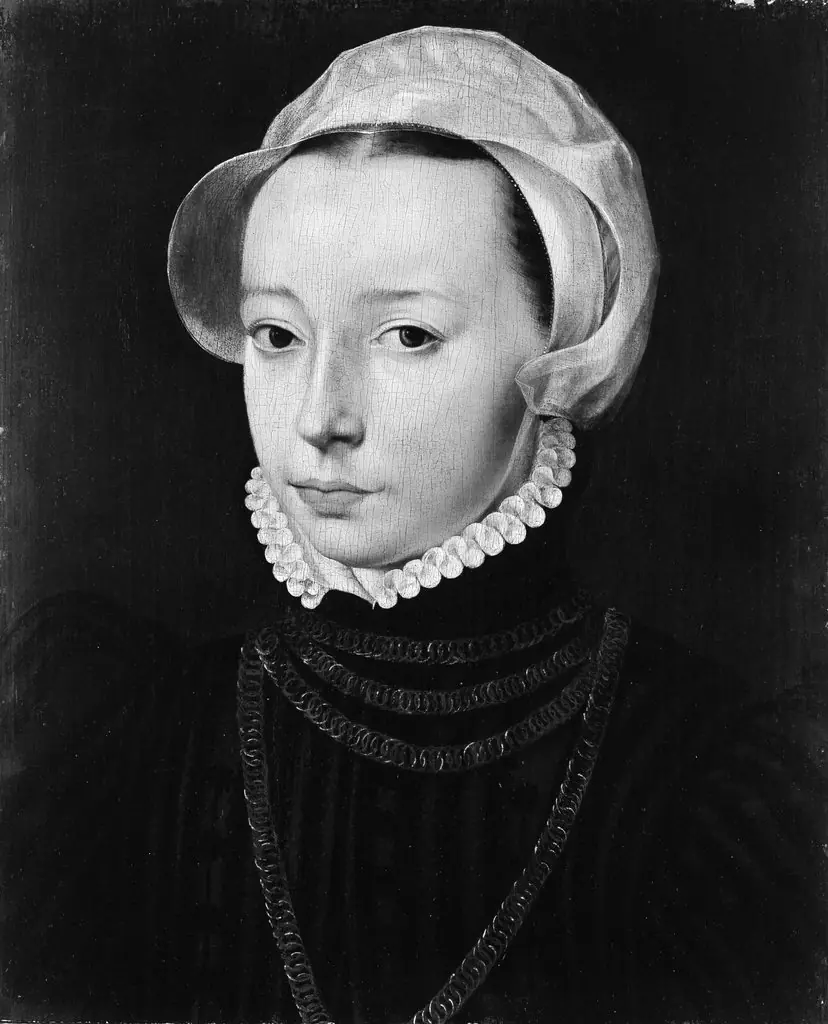
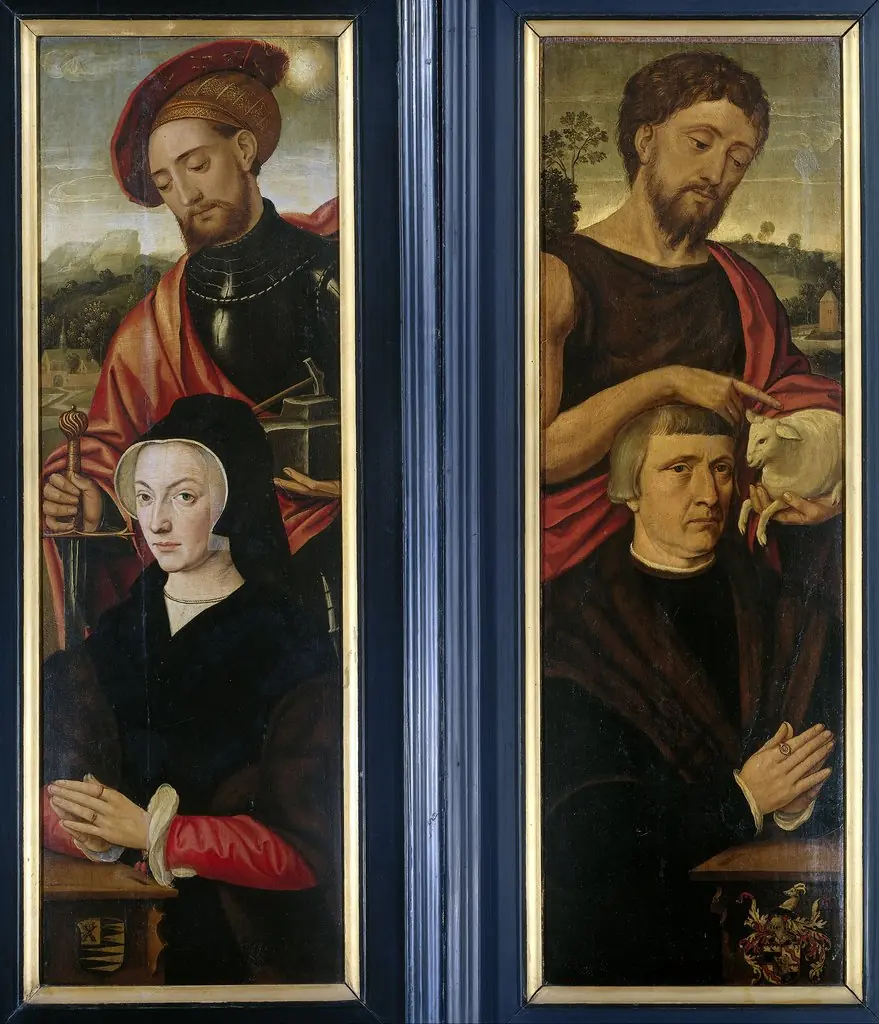
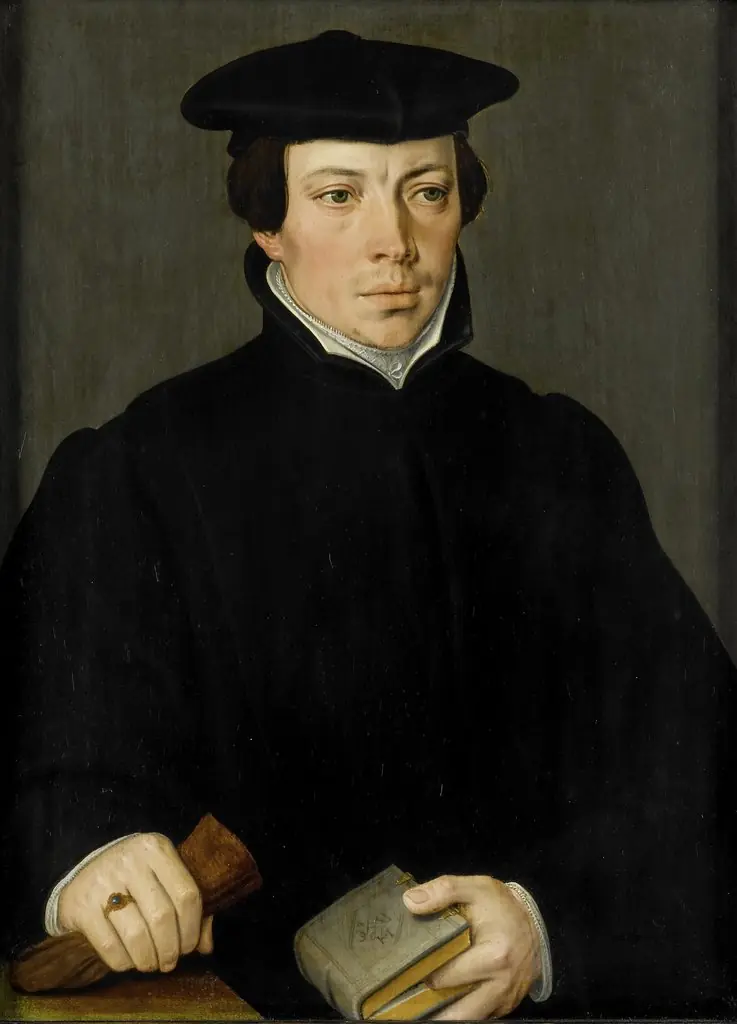
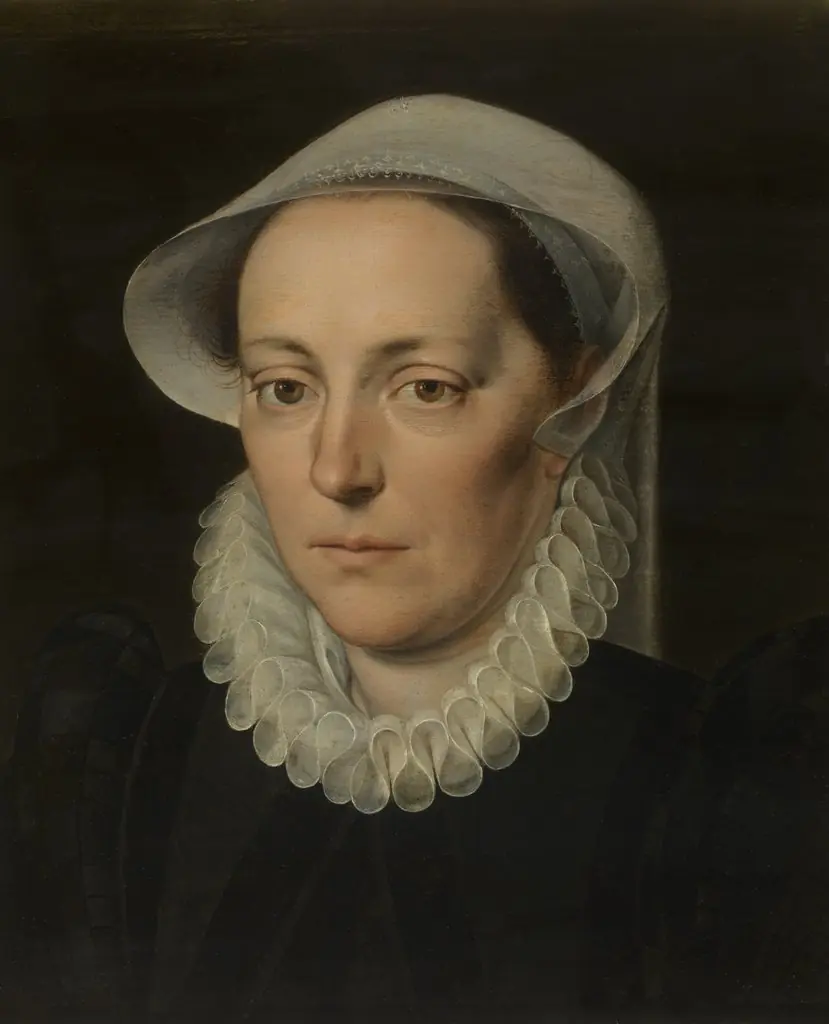
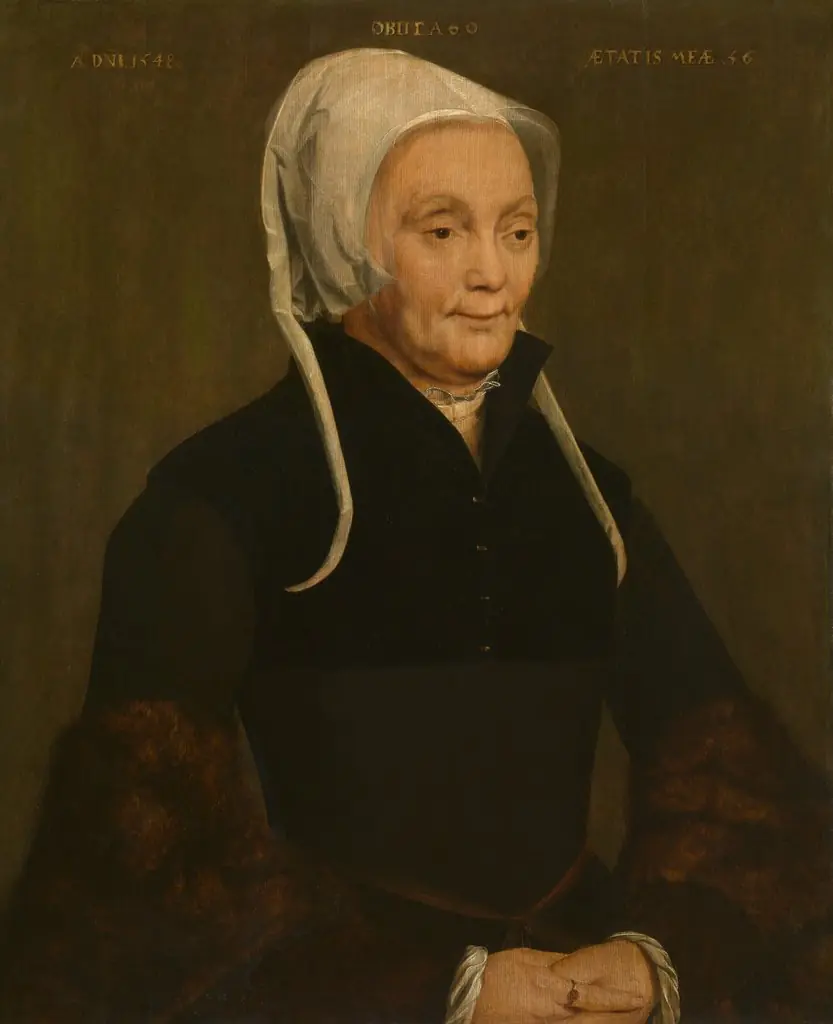
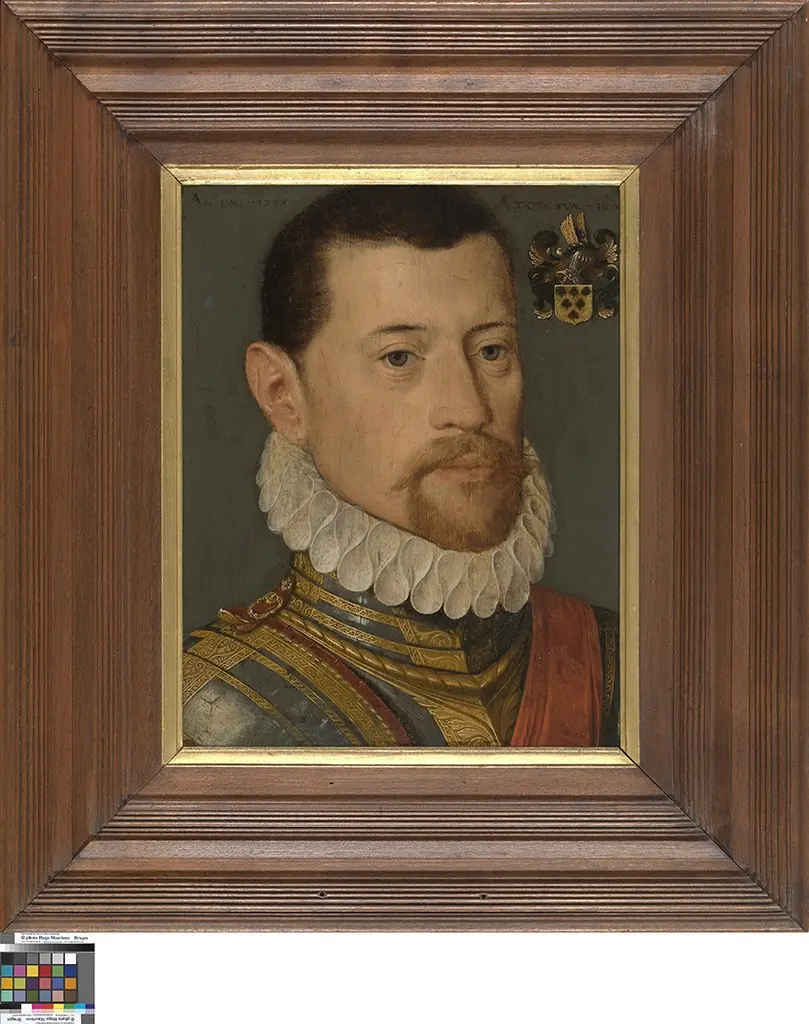
Pieter Jansz. Pourbus (c. 1523–1584) was a Flemish Renaissance painter, draftsman, engineer and cartographer who was active in Bruges during the 16th century. He is known primarily for his religious and portrait paintings.