Artwork
Kristuksen taivaaseenastuminen, luonnos Lemlannin alttaritauluun
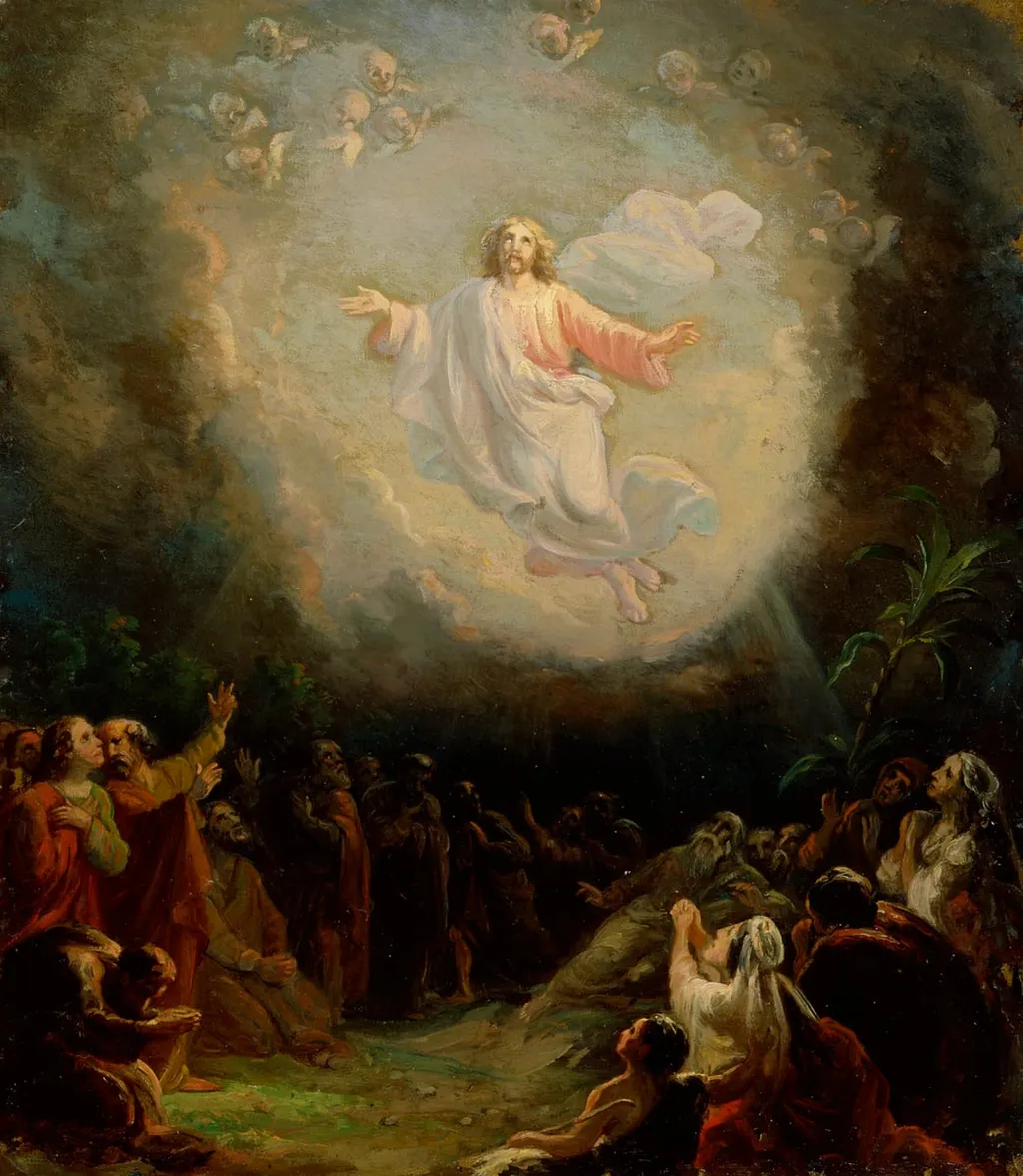
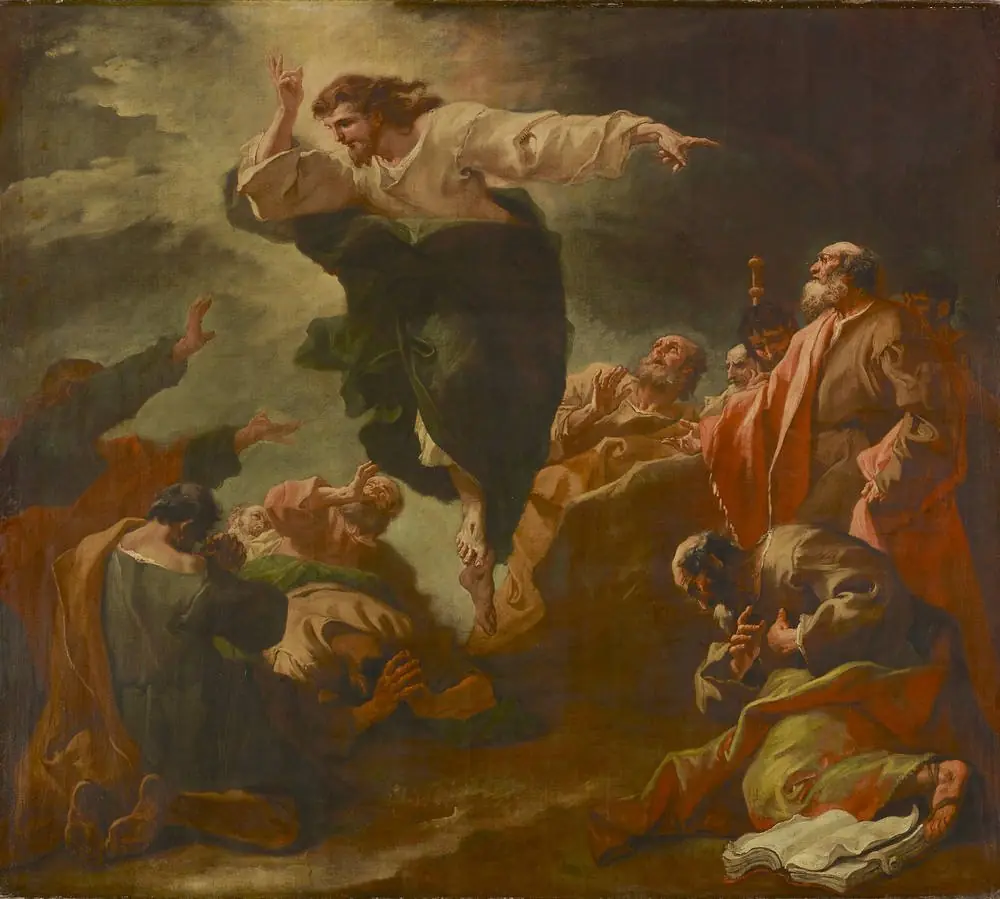
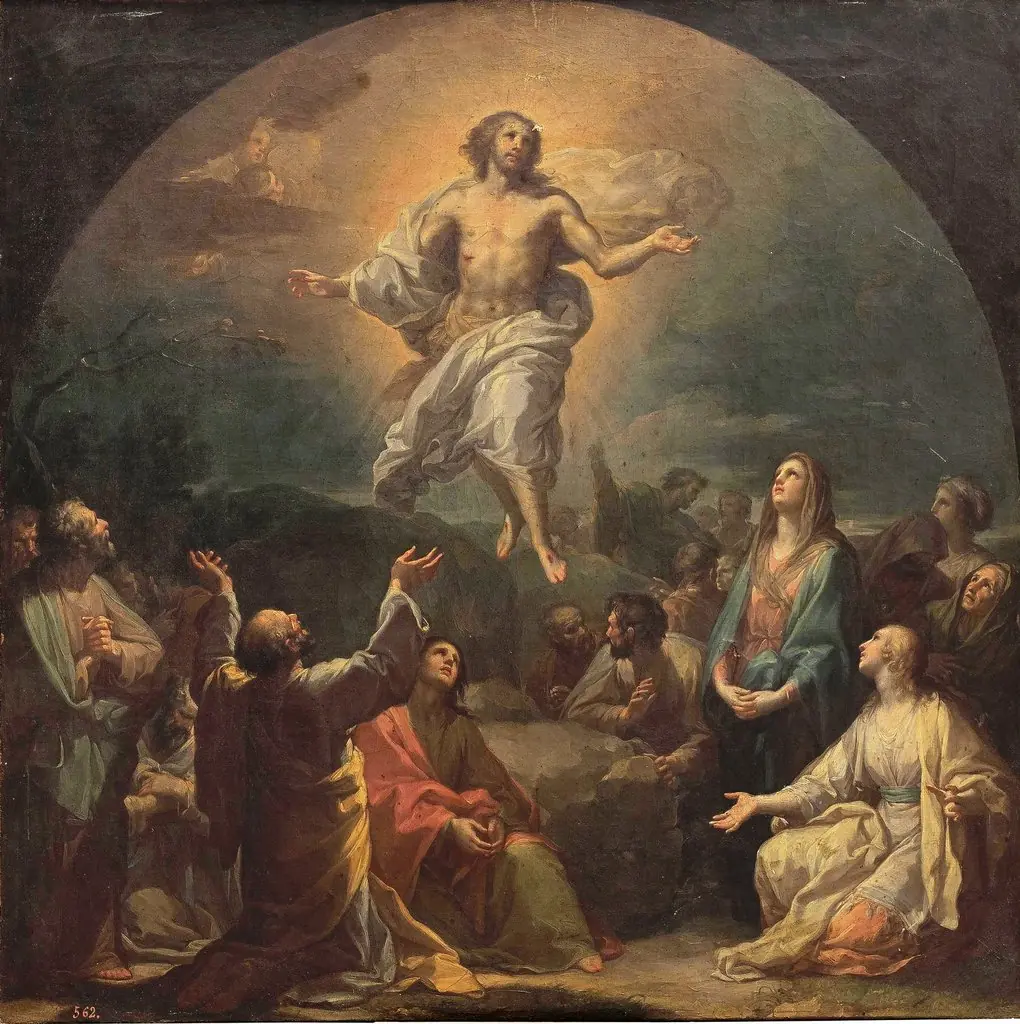
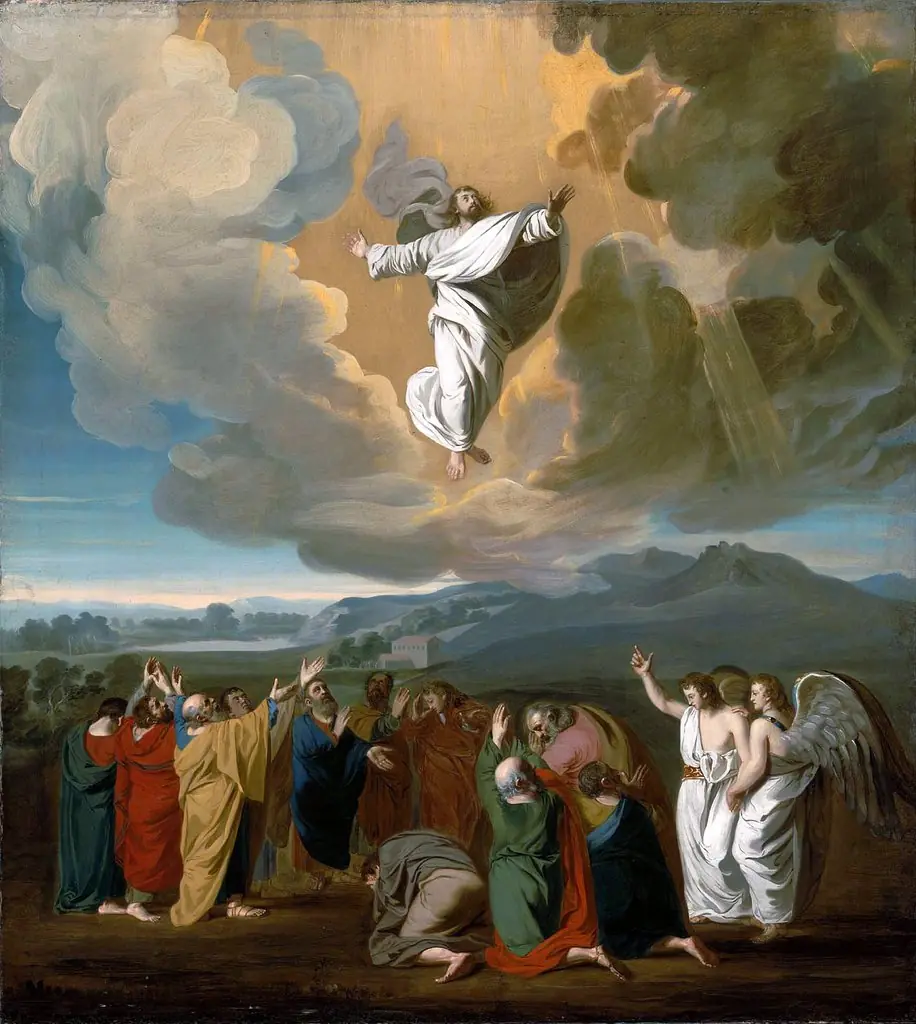
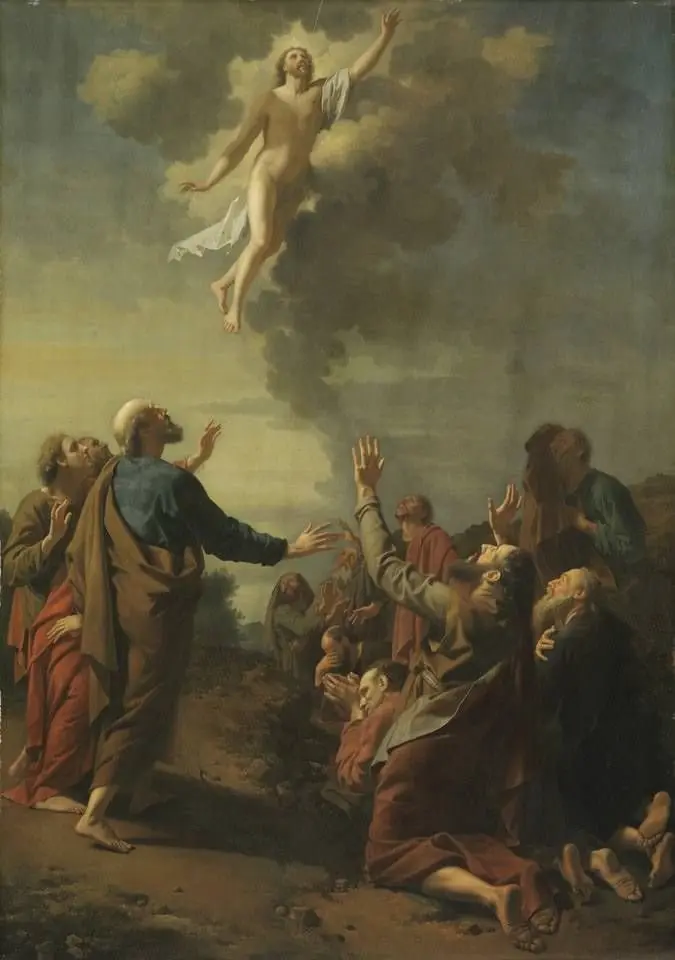
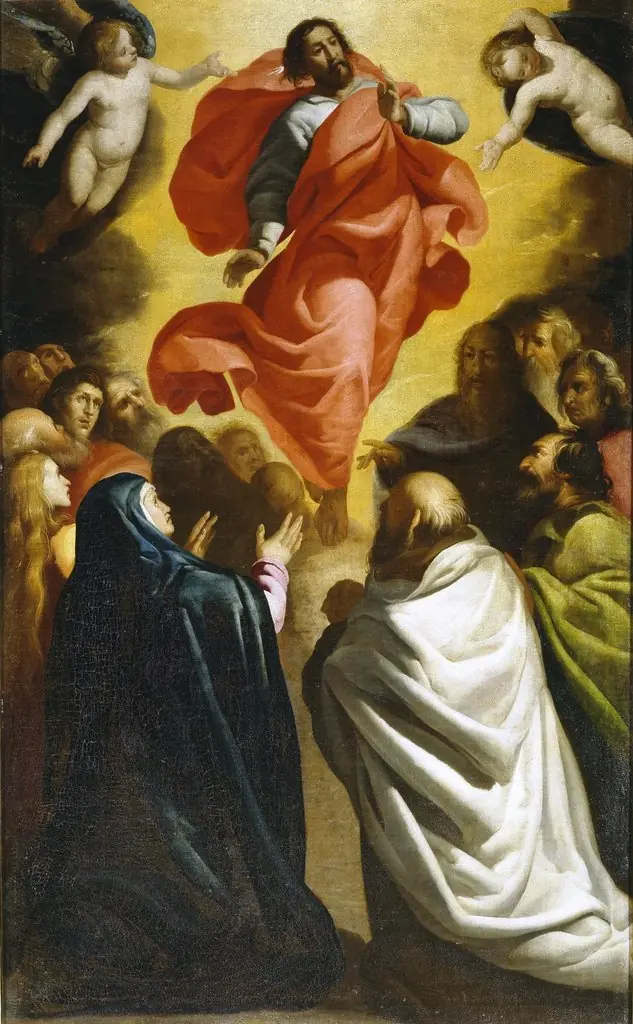
Kristuksen taivaaseenastuminen, luonnos Lemlannin alttaritauluun is an unspecified painting by Robert Wilhelm Ekman. It is held in the collection of the Finnish National Gallery. This preparatory sketch for the Lemlann Altarpiece depicts the Ascension of Christ, capturing the moment he rises toward heaven.
About this work
Overview
The dark background enhances the ethereal glow surrounding Christ, while subtle greenery at the right anchors the scene in a naturalistic setting.
This preparatory sketch for the Lemlann Altarpiece depicts the Ascension of Christ, capturing the moment he rises toward heaven. Rendered in a classical realist style, the composition centers on Christ’s luminous figure, suspended in midair with arms outstretched. Below, a group of observers gazes upward in quiet reverence. The dark background enhances the ethereal glow surrounding Christ, while subtle greenery at the right anchors the scene in a naturalistic setting.
Subject & Meaning
The scene illustrates Christ’s ascension into heaven, a key event in Christian theology signifying his departure from earth and return to the divine. The outstretched arms suggest blessing and transition, while the halo of light emphasizes his sacred nature. The gathered figures below, rendered with varied expressions of awe, represent the faithful witnessing this mystery, reinforcing the spiritual weight of the moment without overt drama.
Technique & Style
The artist employs chiaroscuro to model Christ’s form with soft gradations of light and shadow, lending volume and presence. Drapery in the white robe is rendered with careful attention to fold and texture, reflecting classical ideals of harmony. The background’s muted tones contrast with the radiant figure, directing focus. The realism in facial expressions and gestures aligns with 19th-century academic traditions, prioritizing emotional clarity over abstraction.
History & Provenance
This sketch was created as a study for the altarpiece commissioned for Lemlann Church, likely in the mid-19th century. It reflects the working process of Robert Wilhelm Ekman, a Finnish painter known for religious and historical subjects. As a preparatory work, it reveals the artist’s refinement of composition before executing the final painted panel, though the altarpiece itself is now less widely documented.
Context
Produced during a period when Finnish religious art was influenced by German and Swedish academic traditions, the sketch reflects broader European trends in ecclesiastical imagery. Ekman’s approach, rooted in realism and emotional restraint, aligned with Lutheran sensibilities that favored solemnity over theatricality. This work contributes to a national corpus of devotional art emerging in Finland during the 19th century.
Legacy
Though the final altarpiece is not widely exhibited today, this sketch remains a valuable record of Ekman’s method and the visual language of Finnish religious art in the 1800s. It exemplifies how academic techniques were adapted to convey theological themes with quiet dignity. The work continues to inform studies of Nordic ecclesiastical art and the role of preparatory drawings in large-scale commissions.
Artist & collection
Artist
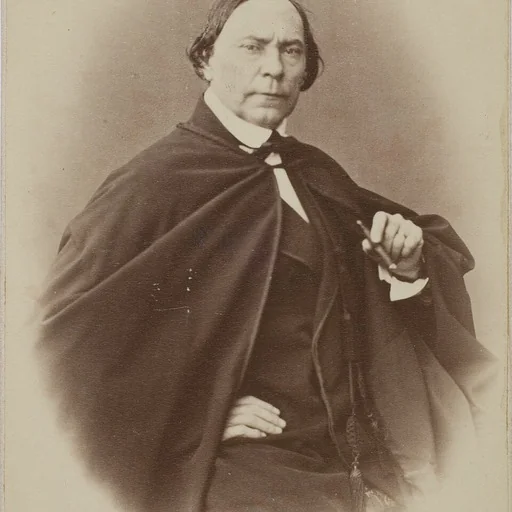
Robert Wilhelm Ekman (August 13, 1808 – February 19, 1873), a.k.a. R. W. Ekman, was a significant teacher and painter of the Finnish romantic portraits and early national romanticism.

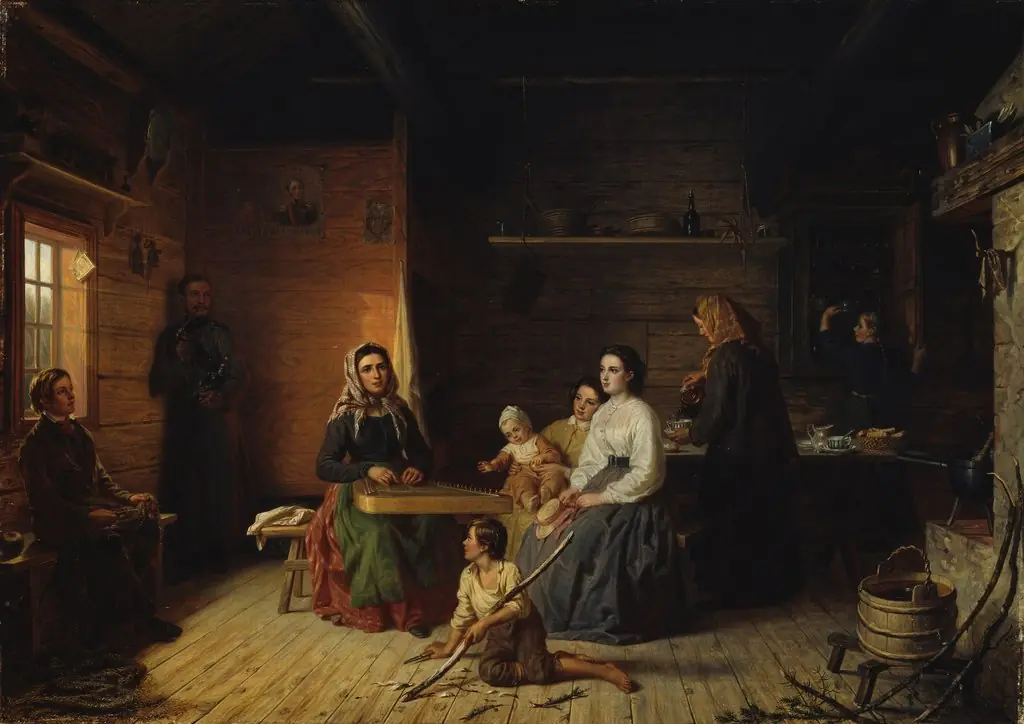 Kreeta Haapasalo Playing the Kantele in a Peasant Cottage
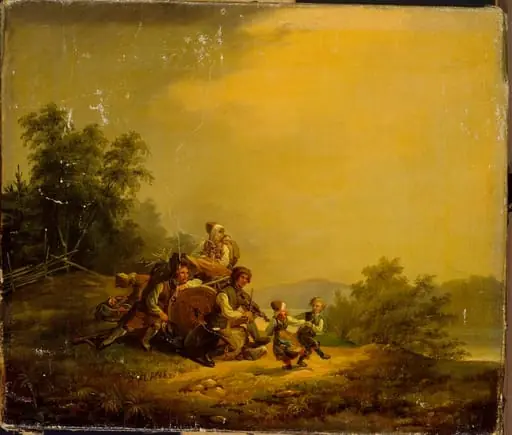 Lepääviä maalaisia ja tanssivia lapsia
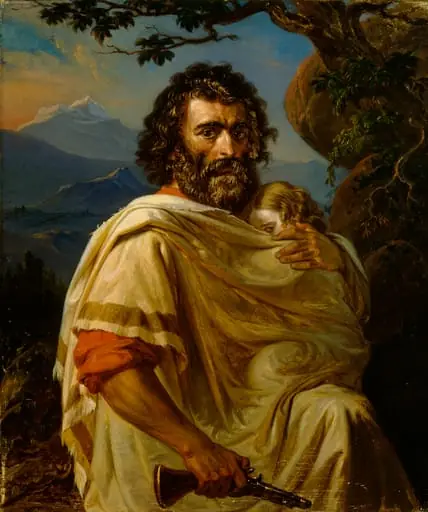 Italialainen mies lapsi käsivarrellaan
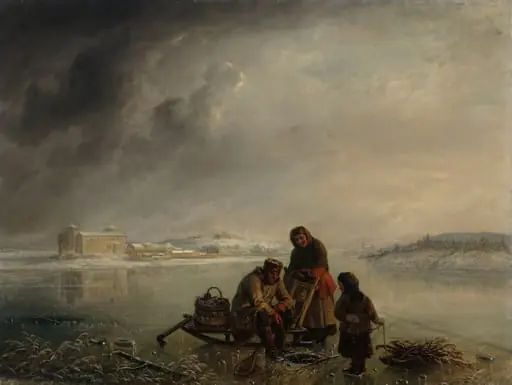 Talvikalastusta Turun linnan ulkopuolella
 "Satu seitsemästä sisaruksesta", luonnos Haeggströmin sisarusten ryhmämuotokuvaa (1862) varten
 Turun palo
 Pentti Lyytinen lukee runojaan savolaisessa pirtissä
 Kreeta Haapasalo soittaa kannelta talonpoikaistuvassa