Artwork
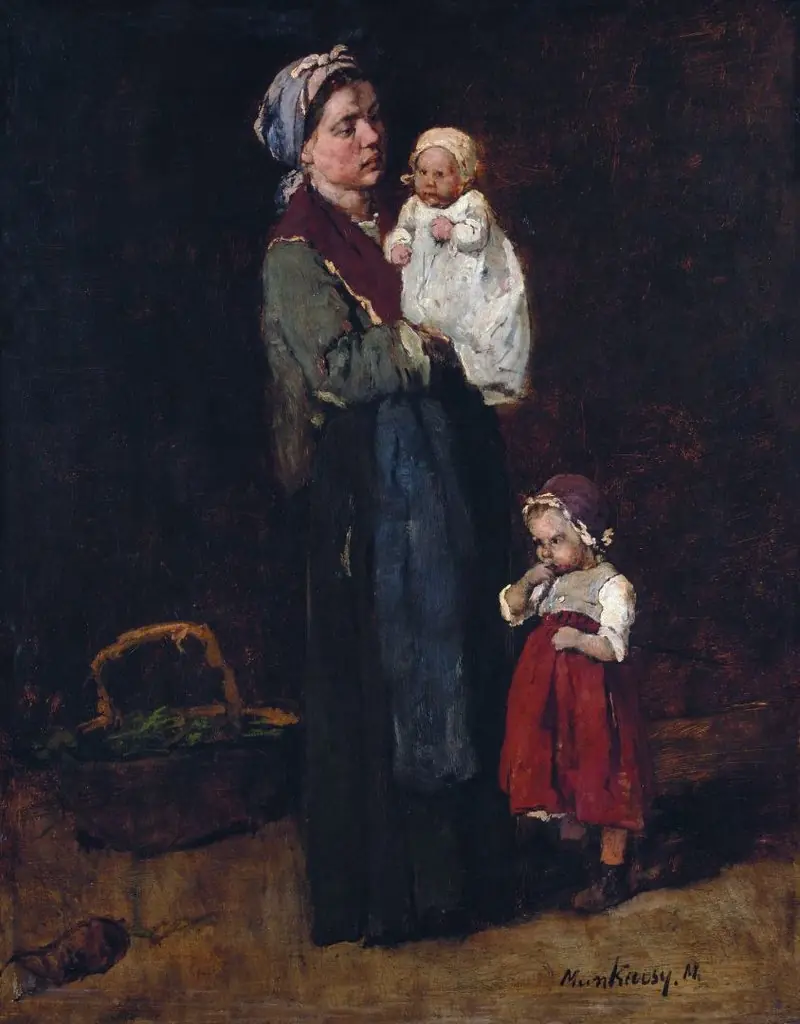
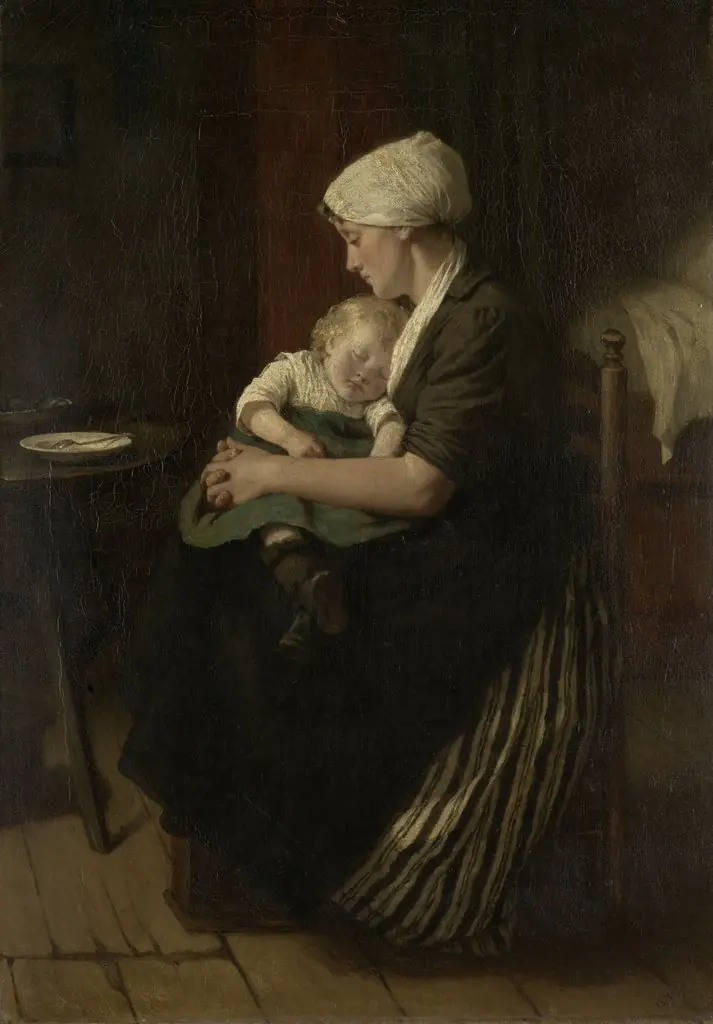
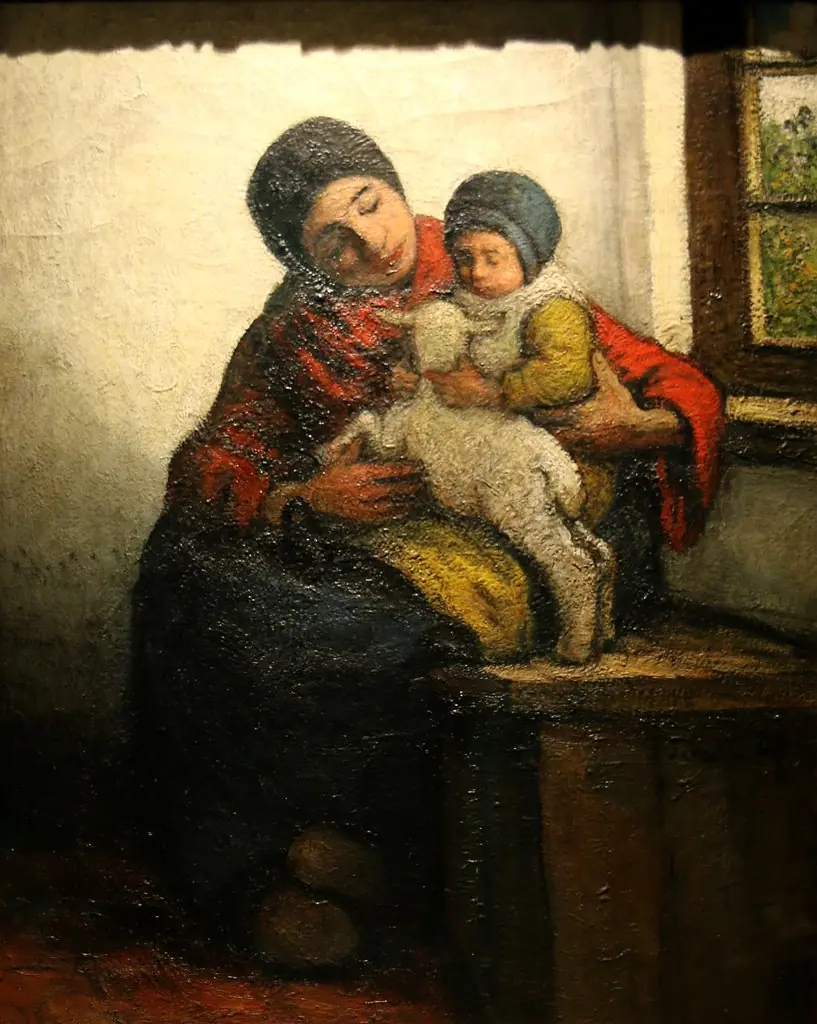
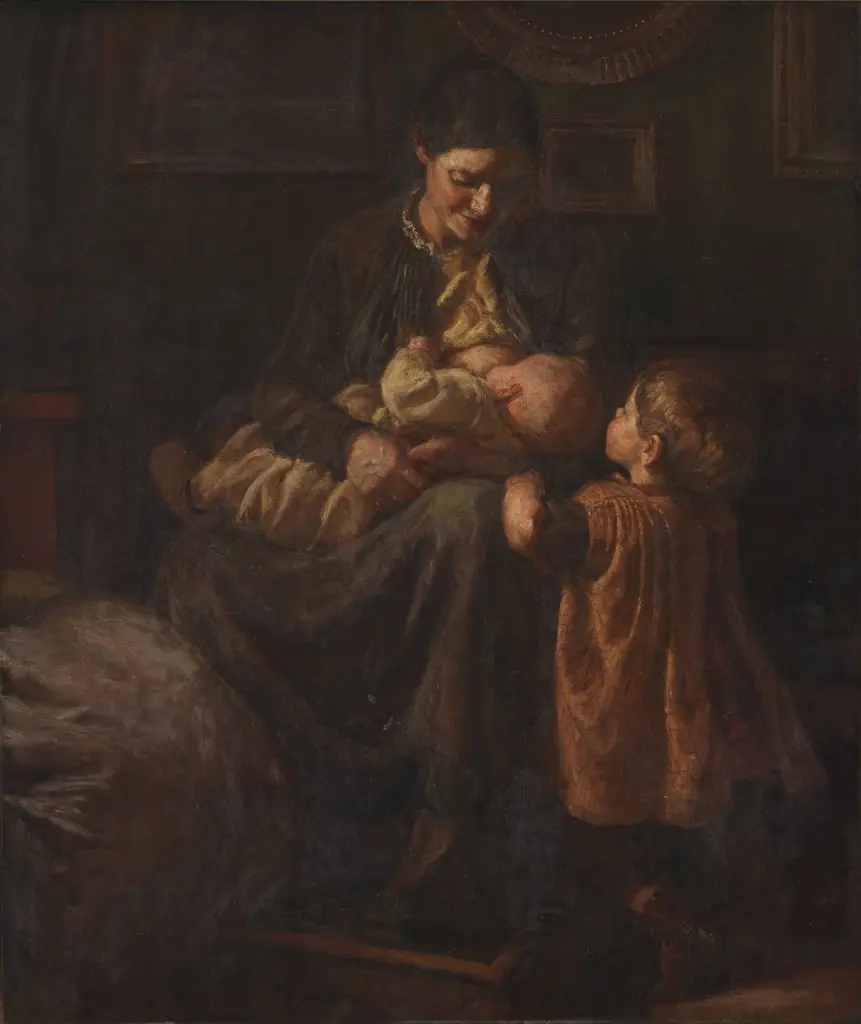
Kunstnerens hustru med to børn
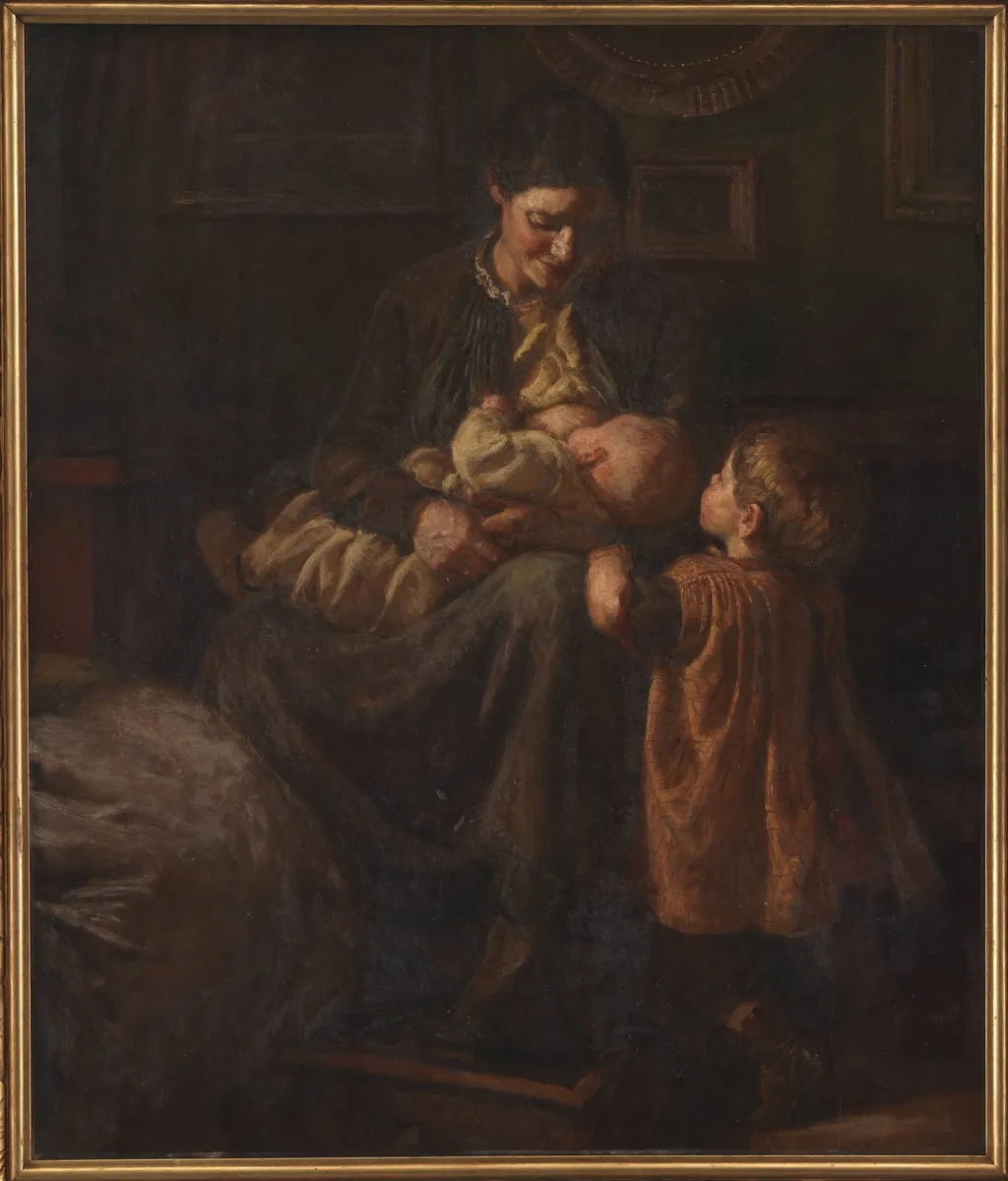
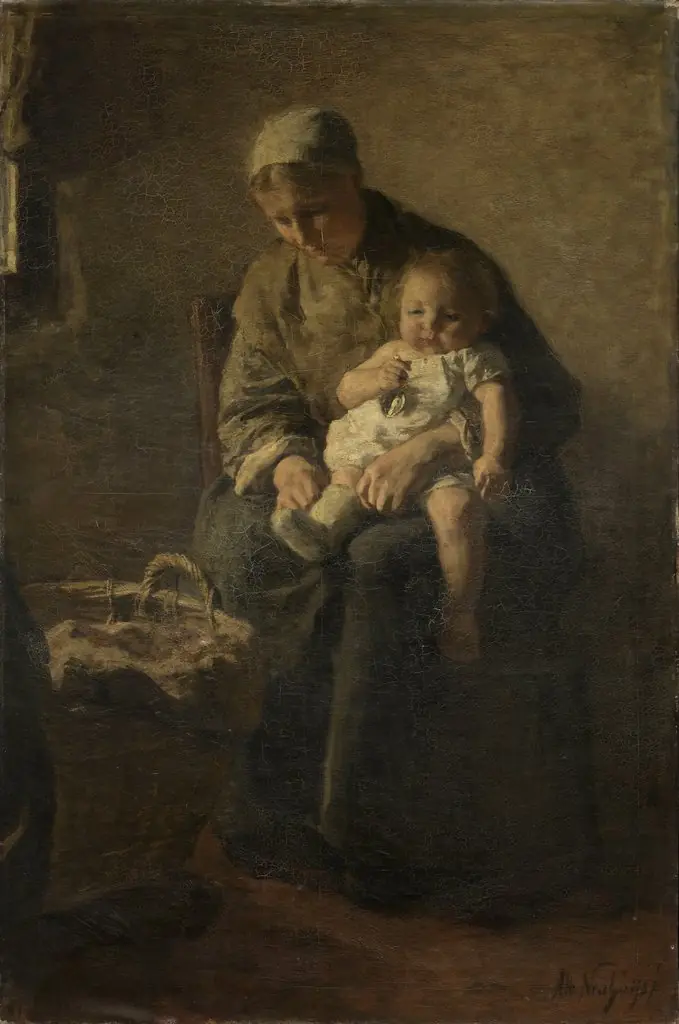
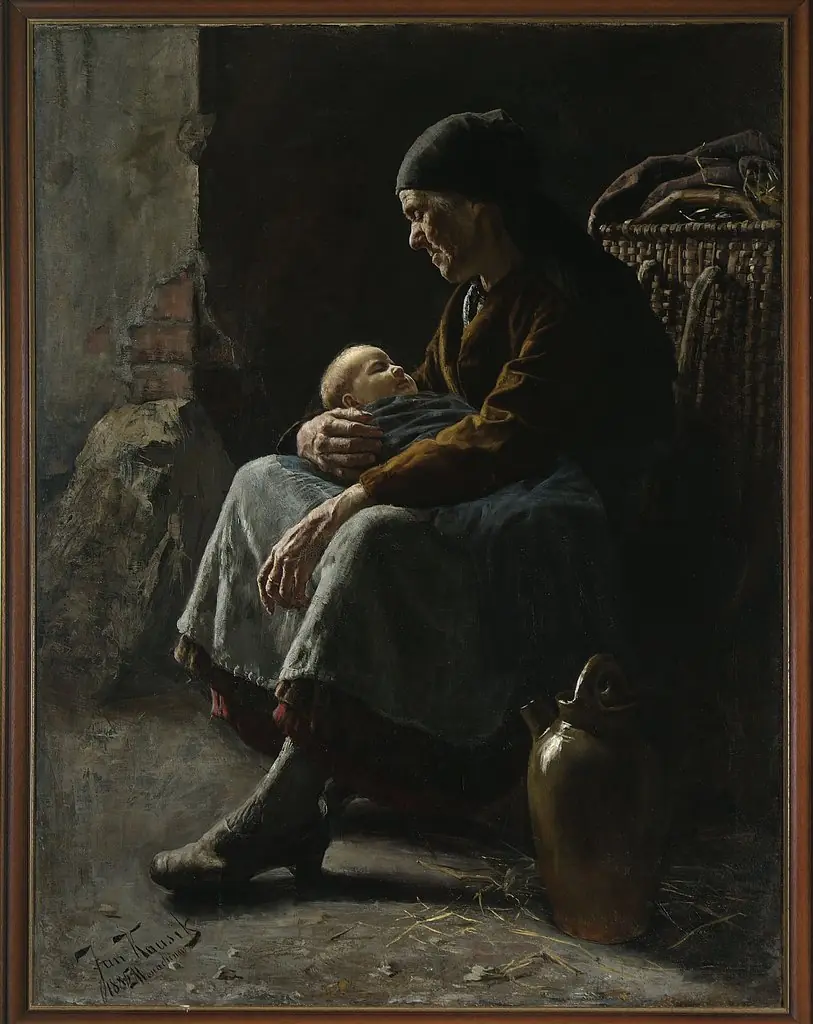
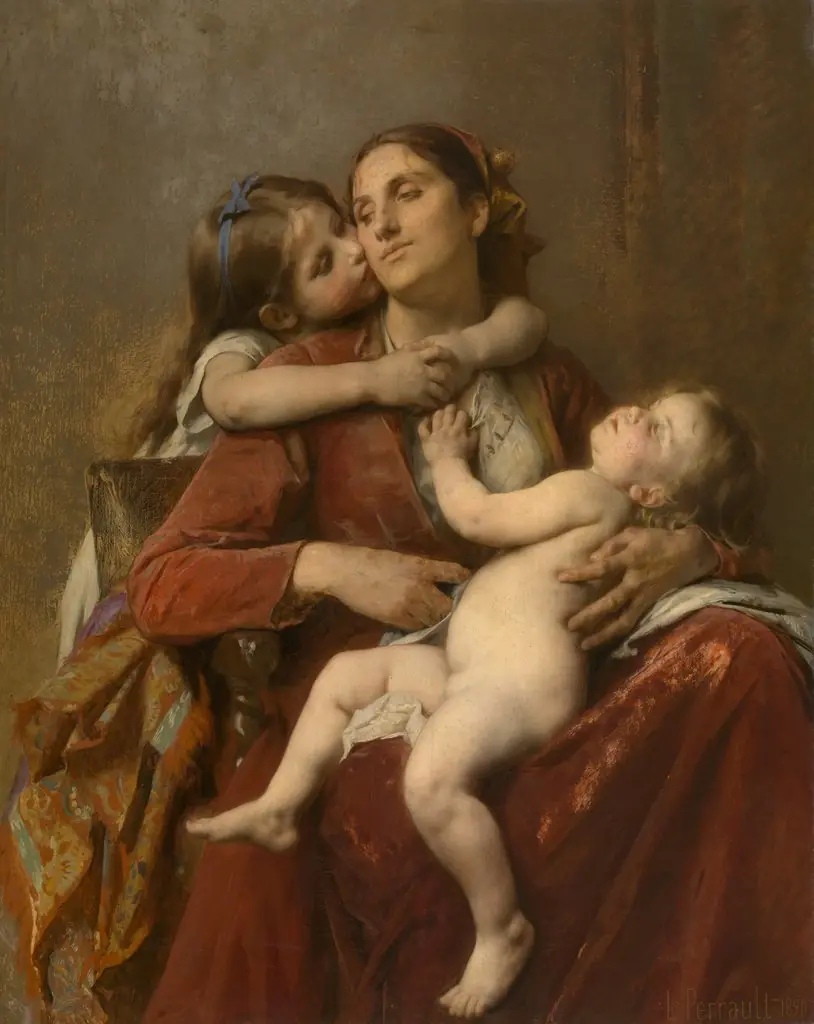
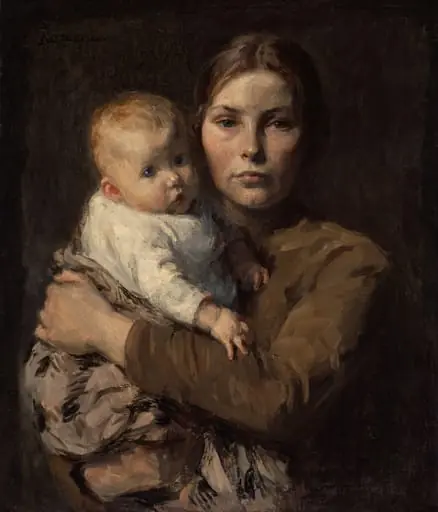
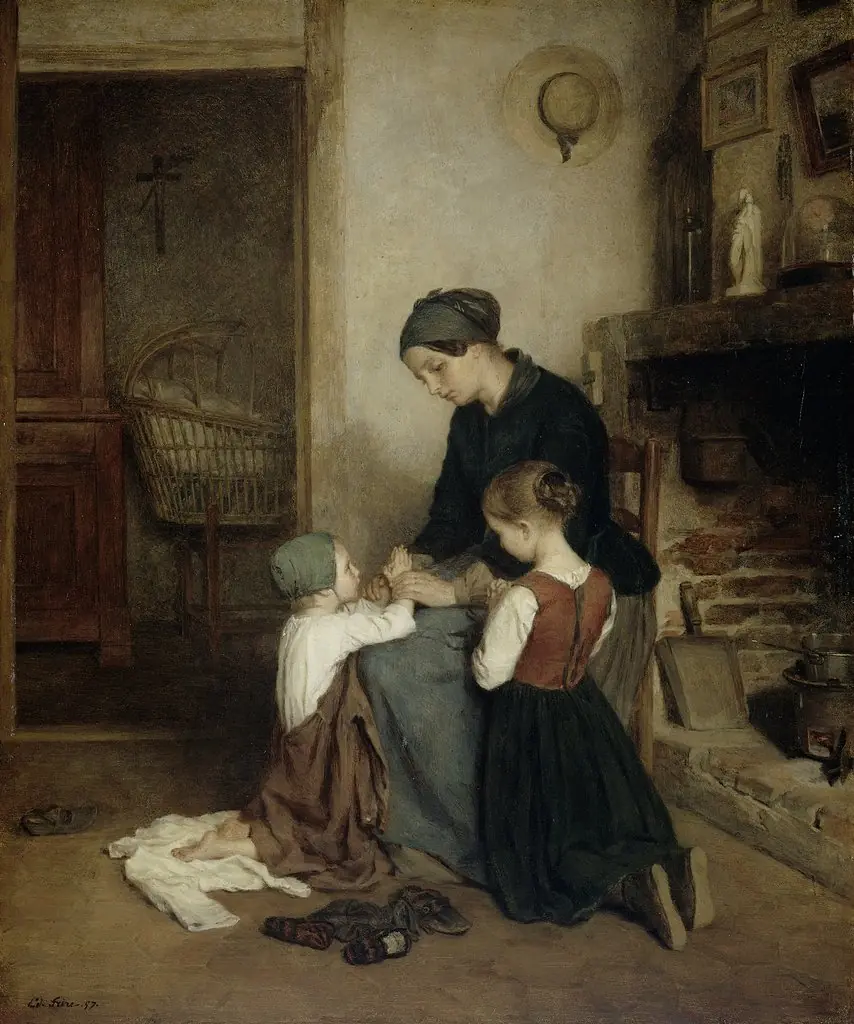
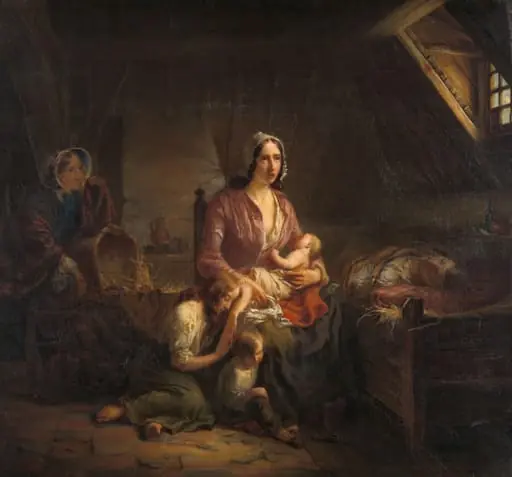
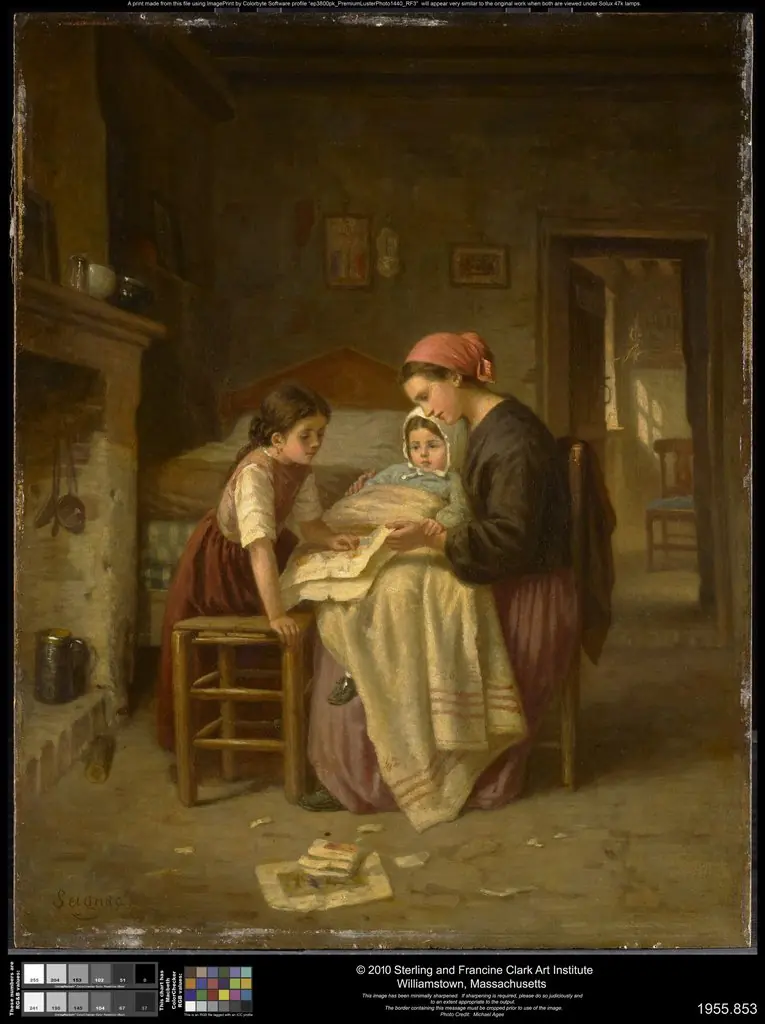
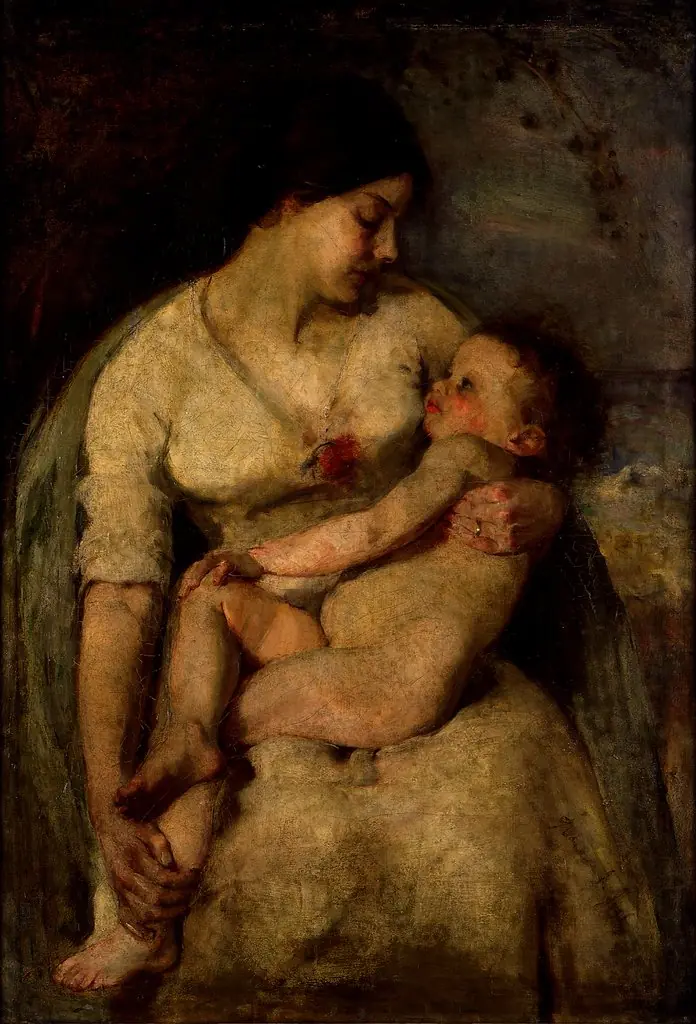
Kunstnerens hustru med to børn is a photography by the Impressionist artist Unknown. It dates from 1890 and is held in the collection of the Statens Museum for Kunst. Created in 1890 by 1231_person, this photograph depicts a mother with her two children in a domestic interior.
About this work
Overview
Created in 1890 by 1231_person, this photograph depicts a mother with her two children in a domestic interior. The work is part of the collection at the Museum of Ethnography. Its quiet composition and controlled lighting suggest an interest in everyday life, captured with sensitivity rather than theatricality. The image avoids overt narrative, instead emphasizing presence and stillness.
Subject & Meaning
The central figure is a woman seated with an infant in her arms, while a slightly older child stands beside her, both rendered with quiet dignity. The absence of identifiable markers—no clothing patterns, no objects of cultural specificity—suggests a focus on universal maternal bonds. The intimacy of the moment, framed by dim surroundings, invites contemplation rather than interpretation.
Technique & Style
The photograph employs chiaroscuro to isolate the figures against a dark, indistinct room. Light falls softly on the woman’s face, shoulders, and the children, creating a gentle contrast that enhances their three-dimensionality. The shallow depth of field and muted tones contribute to a sense of closeness, as if the viewer is peering into a private, unposed moment.
History & Provenance
The photograph entered the Museum of Ethnography’s collection shortly after its creation. Its origins as a personal image, possibly taken in the artist’s home, suggest it was not commissioned. Its preservation as an ethnographic object reflects early 20th-century interests in documenting familial and domestic life across cultures, even when cultural context remains ambiguous.
Context
In the late 19th century, photography began shifting from formal portraiture toward candid domestic scenes. This work aligns with emerging trends that valued emotional authenticity over staged composition. Though not overtly ethnographic in subject, its inclusion in a museum of ethnography indicates how institutions then interpreted ordinary life as culturally significant.
Legacy
The photograph endures as an example of early photographic intimacy, where technical restraint enhances emotional resonance. It has not been widely reproduced, but its quiet power continues to inform discussions on the role of domestic imagery in art and anthropology. Its value lies not in spectacle, but in its unembellished humanity.
Artist & collection

 Domestic Scene
 Giacomo and Cardinal Marco, investing Andrea, Abbot of San Zeno, with his Benefice
 The Nymph of Fontainebleau
 Portrait of a Woman
 Madonna and Child with Saints in the Enclosed Garden
 Venus and Minerva
 Family Group of Four on Sofa
 Wall painting from Room H of the Villa of P. Fannius Synistor at Boscoreale