Artwork
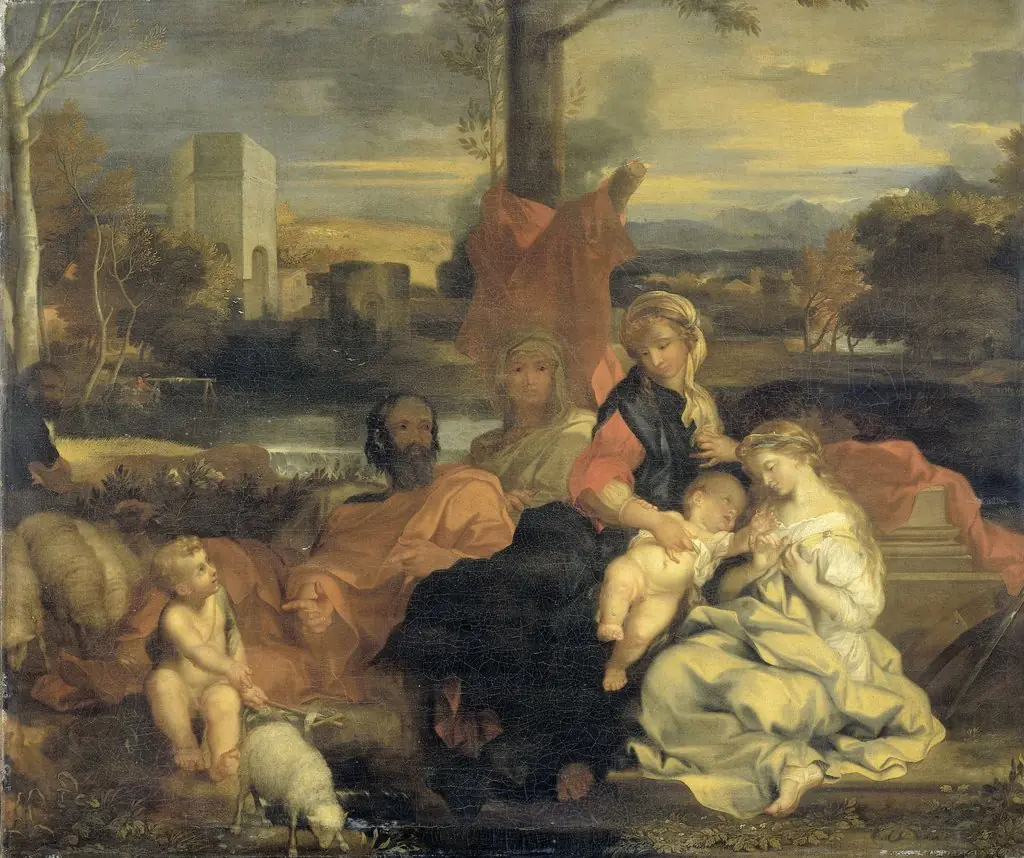
The Rest on the Flight into Egypt
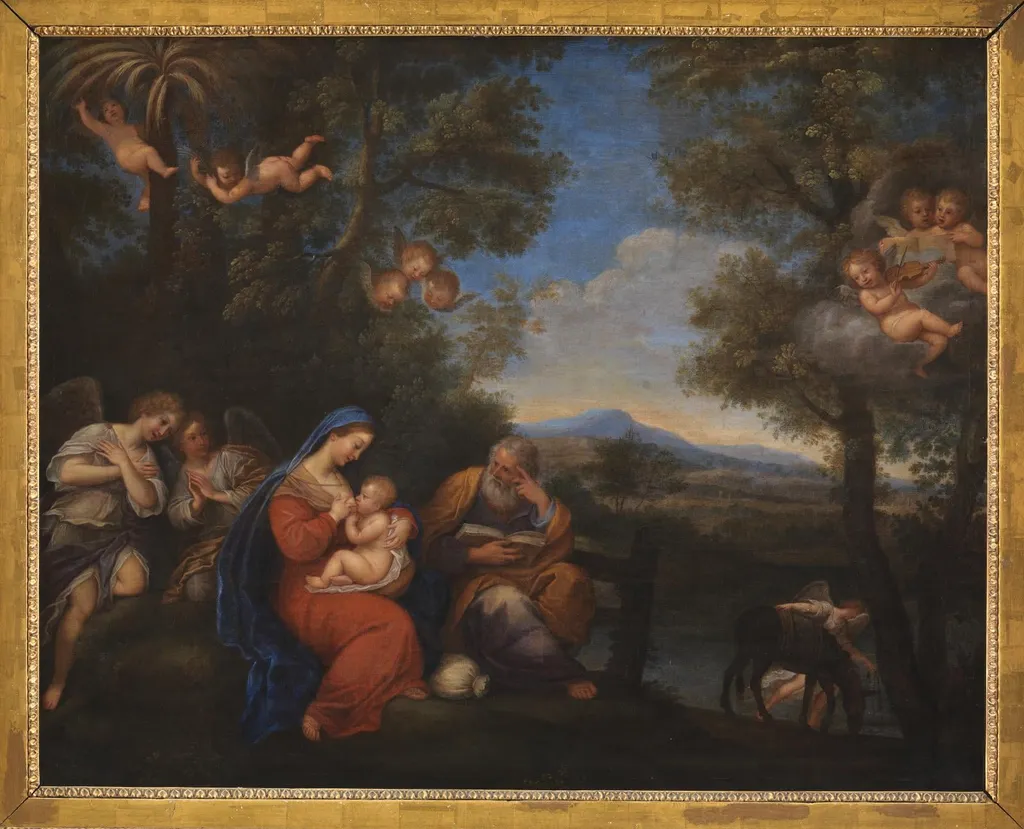
The Rest on the Flight into Egypt is a photography by Unknown. It dates from 1626 and is held in the collection of the Statens Museum for Kunst.
About this work
Overview
It is currently housed in the Museum of Ethnography, where it is presented as part of a broader collection of devotional imagery from early modern Europe.
Painted around 1626, this work depicts a moment from the biblical Flight into Egypt, when the Holy Family paused during their journey to safety. The scene is rendered in oil on canvas, with careful attention to naturalistic detail and atmospheric depth. It is currently housed in the Museum of Ethnography, where it is presented as part of a broader collection of devotional imagery from early modern Europe.
Subject & Meaning
The composition centers on the Virgin Mary, seated with the infant Jesus, while Joseph reads from a book nearby. Two kneeling figures, possibly angels or shepherds, express reverence. Above, cherubs play musical instruments, suggesting divine presence and protection. The quiet intimacy of the moment transforms a narrative of flight into one of serene contemplation, emphasizing spiritual calm amid hardship.
Technique & Style
The artist employs chiaroscuro to model forms with soft transitions between light and shadow, particularly on the figures’ faces and folds of fabric. The Virgin’s blue mantle stands out against the warm earth tones of the landscape, creating visual harmony without stark contrast. The background blends hazy hills and foliage into a gentle, luminous atmosphere, enhancing the dreamlike quality of the scene.
History & Provenance
The painting was likely commissioned for private devotion, common among Catholic households in the early 17th century. It entered the Museum of Ethnography’s collection in the late 19th century, possibly through a donation or acquisition of religious art from Central Europe. Its attribution to a specific artist remains uncertain, though stylistic elements align with regional Baroque traditions.
Context
Created during the Counter-Reformation, such images reinforced devotional practices by humanizing sacred figures. The inclusion of cherubs and tranquil nature reflects a broader trend in Catholic art to evoke emotional engagement. Unlike dramatic depictions of martyrdom or miracles, this scene offered viewers a meditative vision of divine care in everyday stillness.
Legacy
Though not widely exhibited outside its current institution, the painting exemplifies how regional artists adapted high Renaissance and Baroque conventions for intimate worship. Its quiet composition influenced later devotional works in rural churches and private chapels, preserving a gentle, contemplative mode of religious imagery well into the 18th century.
Artist & collection

 Domestic Scene
 Giacomo and Cardinal Marco, investing Andrea, Abbot of San Zeno, with his Benefice
 The Nymph of Fontainebleau
 Portrait of a Woman
 Madonna and Child with Saints in the Enclosed Garden
 Venus and Minerva
 Family Group of Four on Sofa
 Wall painting from Room H of the Villa of P. Fannius Synistor at Boscoreale
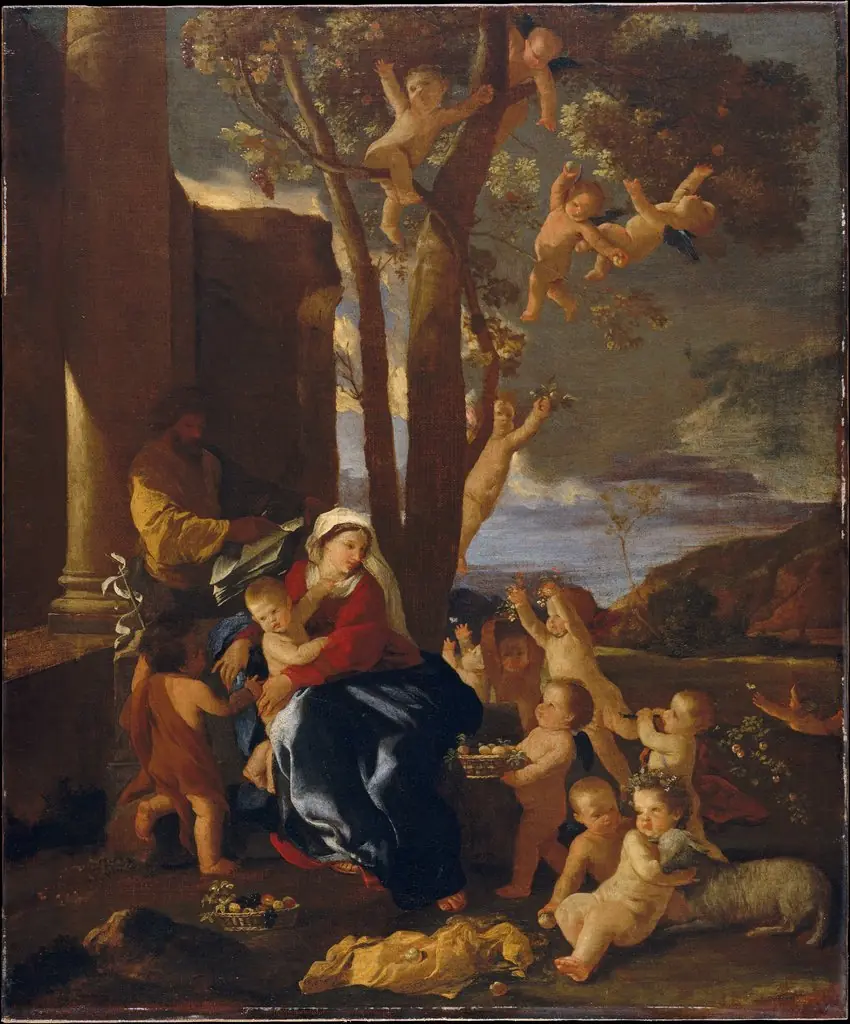 The Rest on the Flight into Egypt
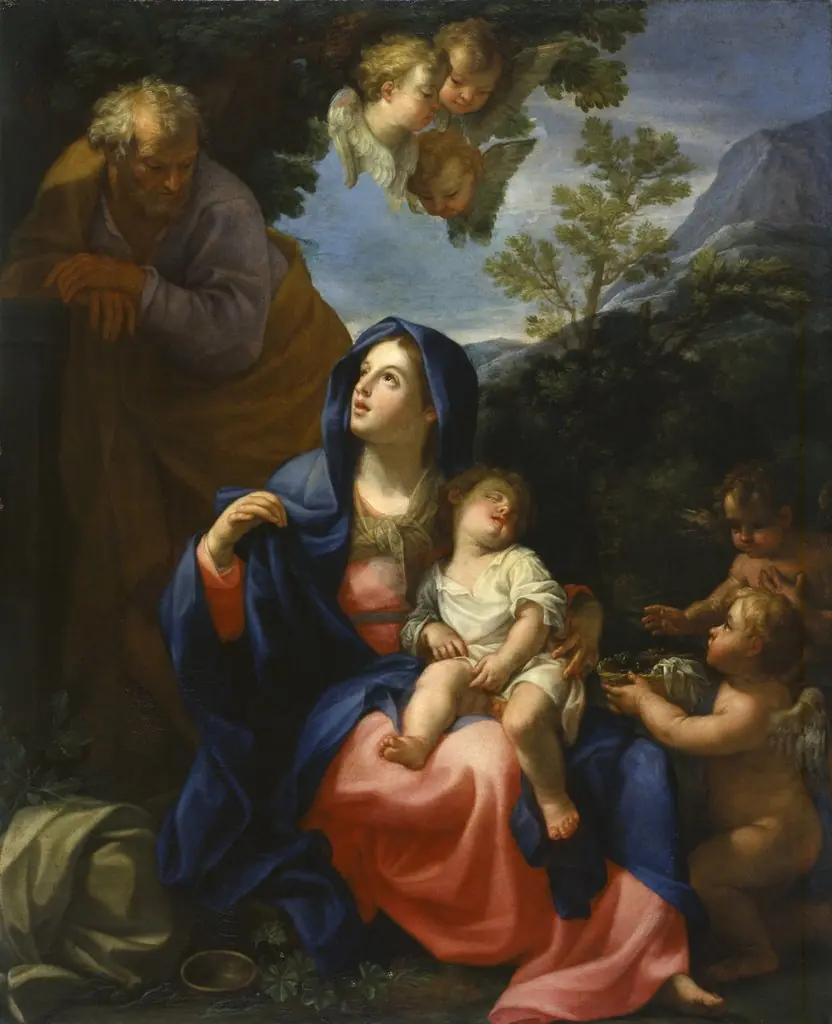 The Rest on The Flight into Egypt
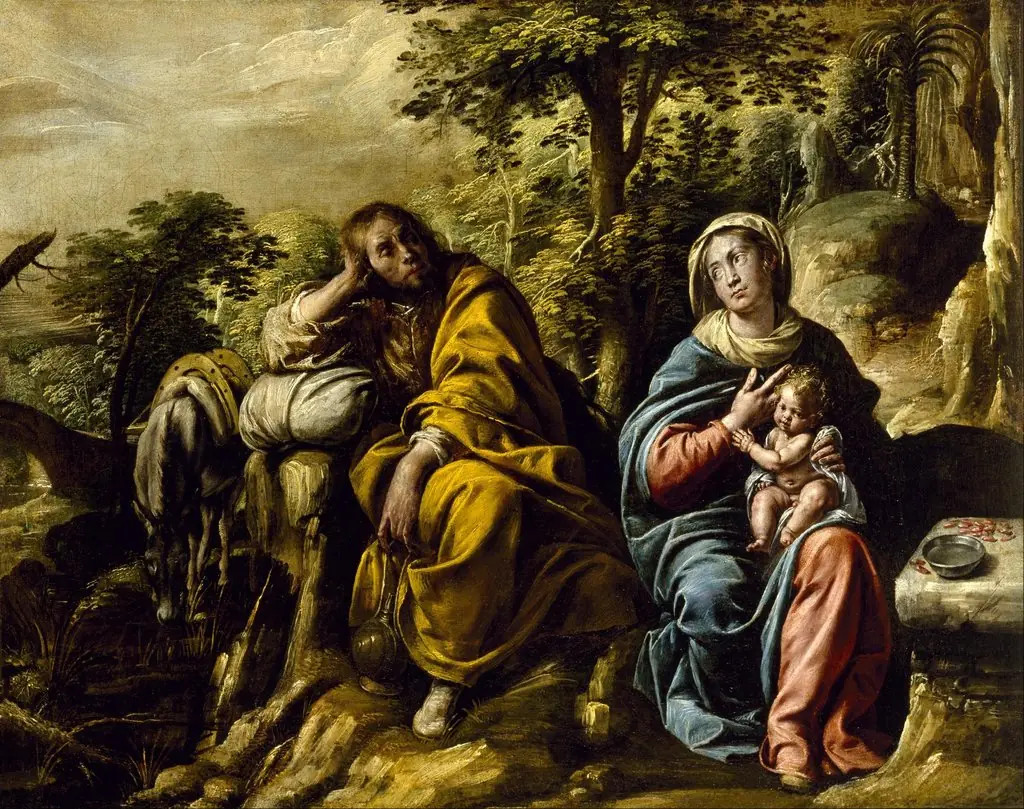 The Rest on the Flight into Egypt
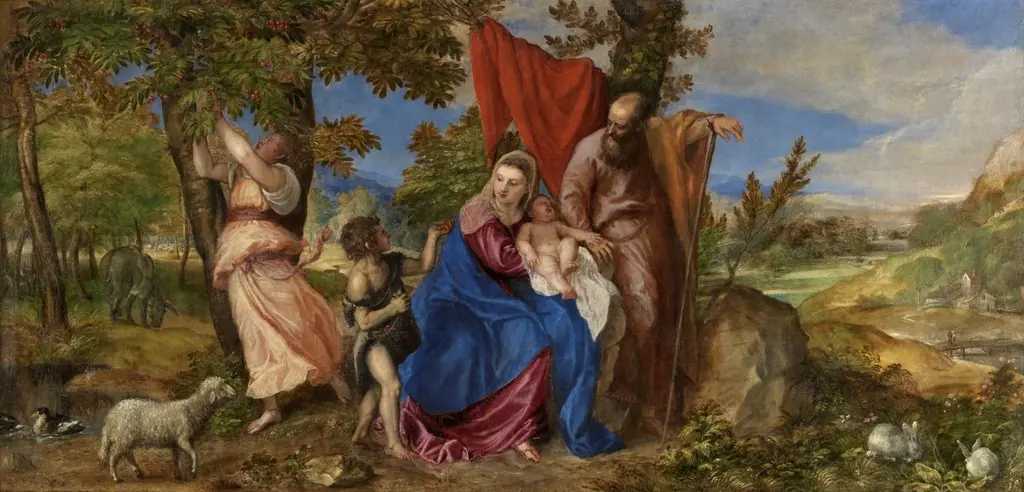 Rest on the Flight into Egypt
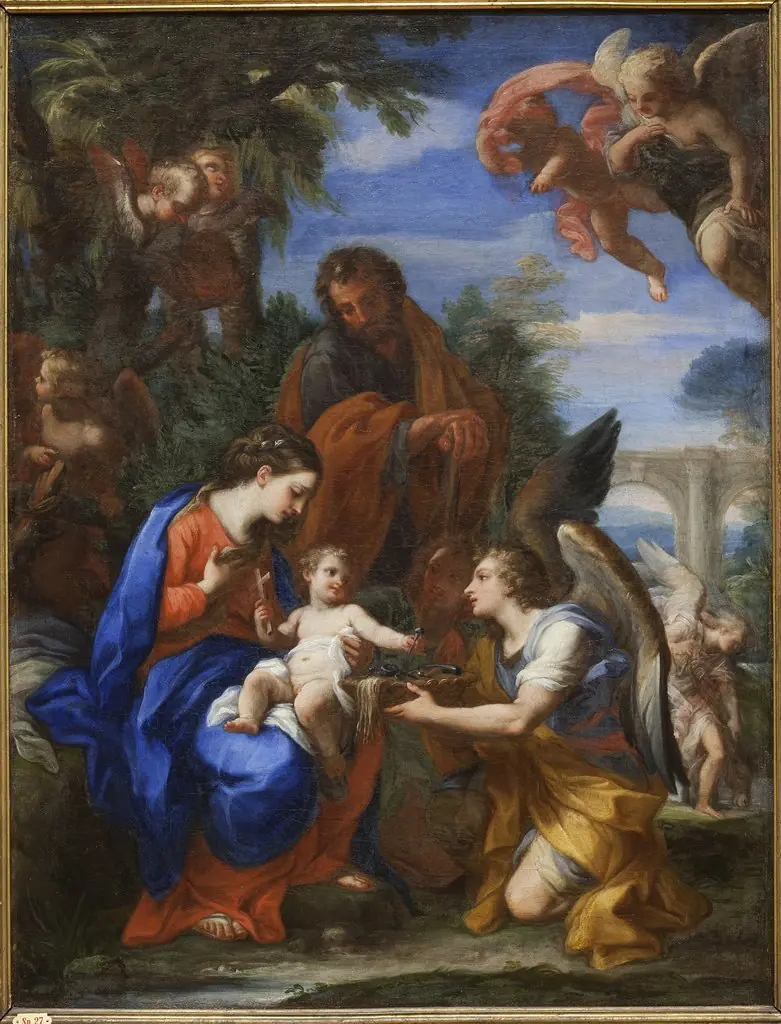 The Rest on The Flight into Egypt
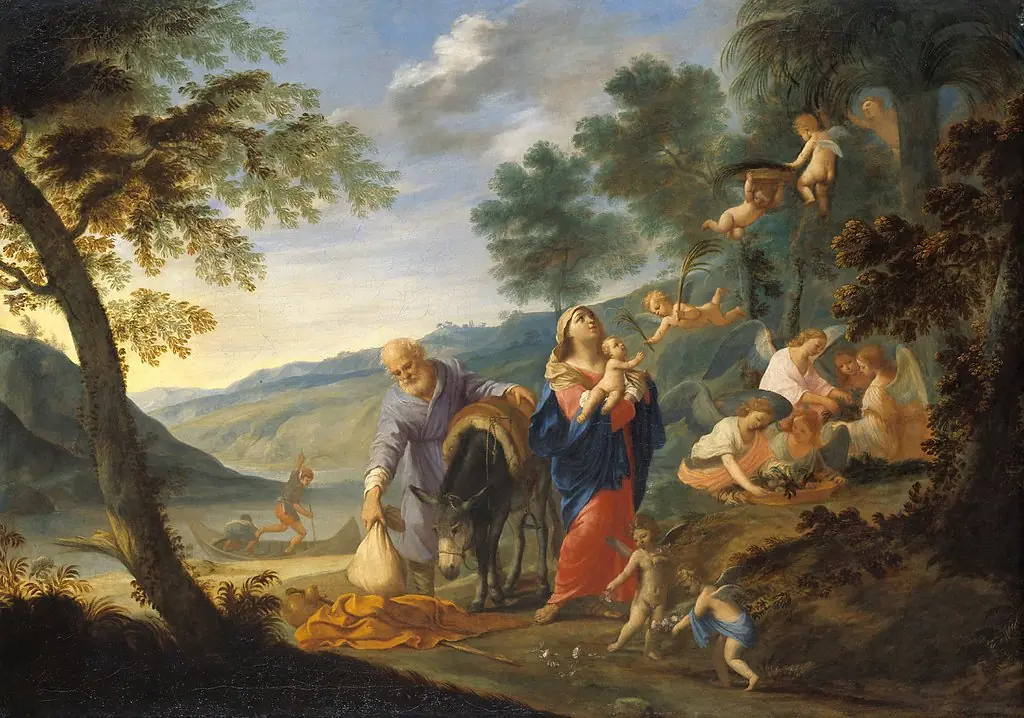 The Rest on the Flight into Egypt
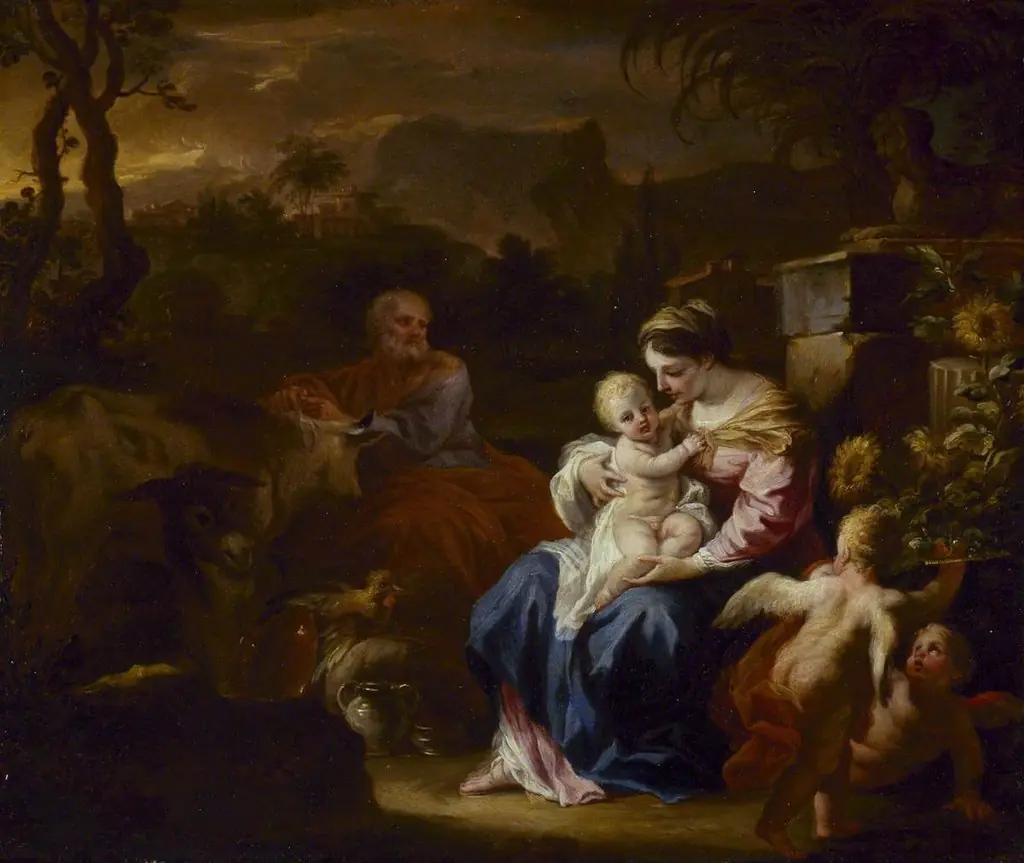 The Rest on the Flight into Egypt
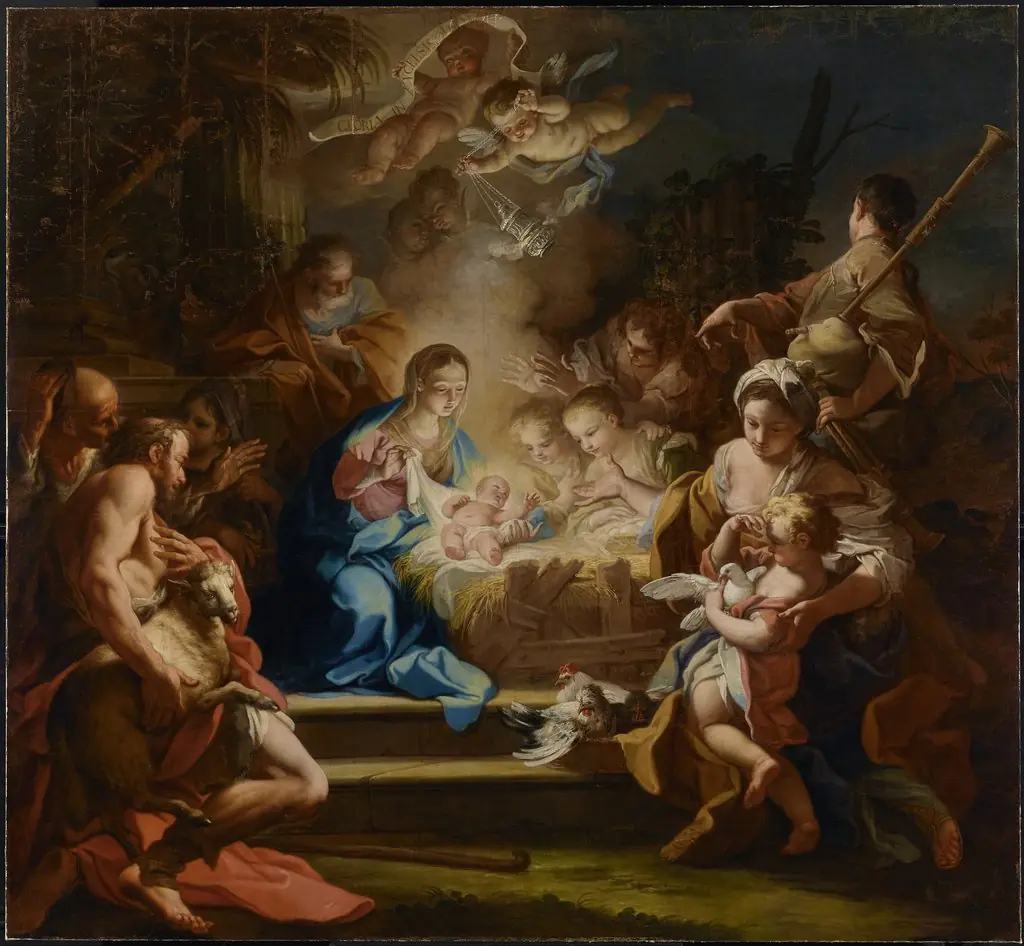 The Adoration of the Shepherds
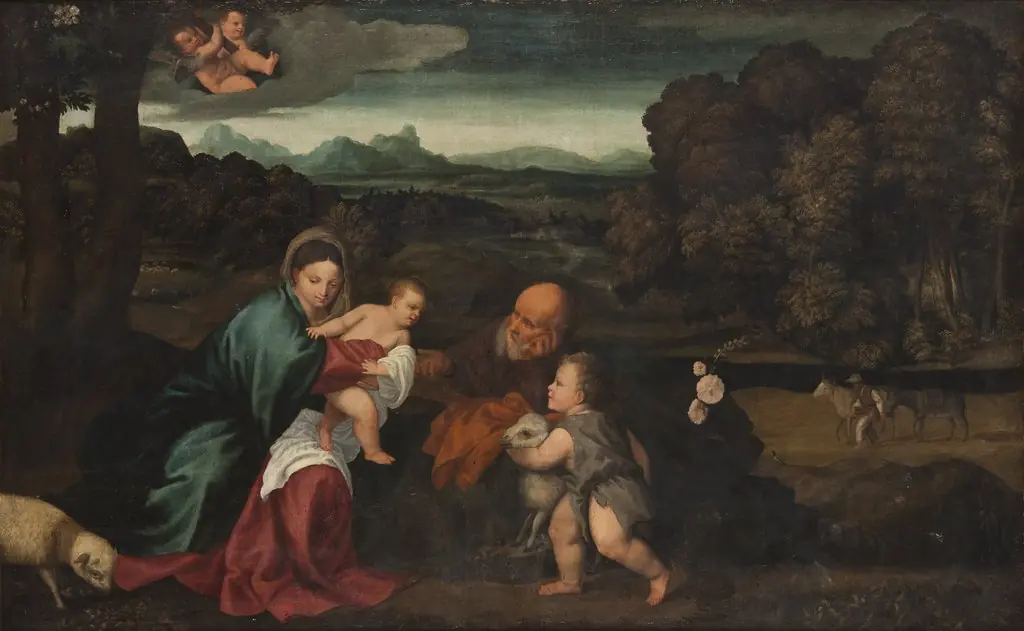 The Holy Family with the Infant St John
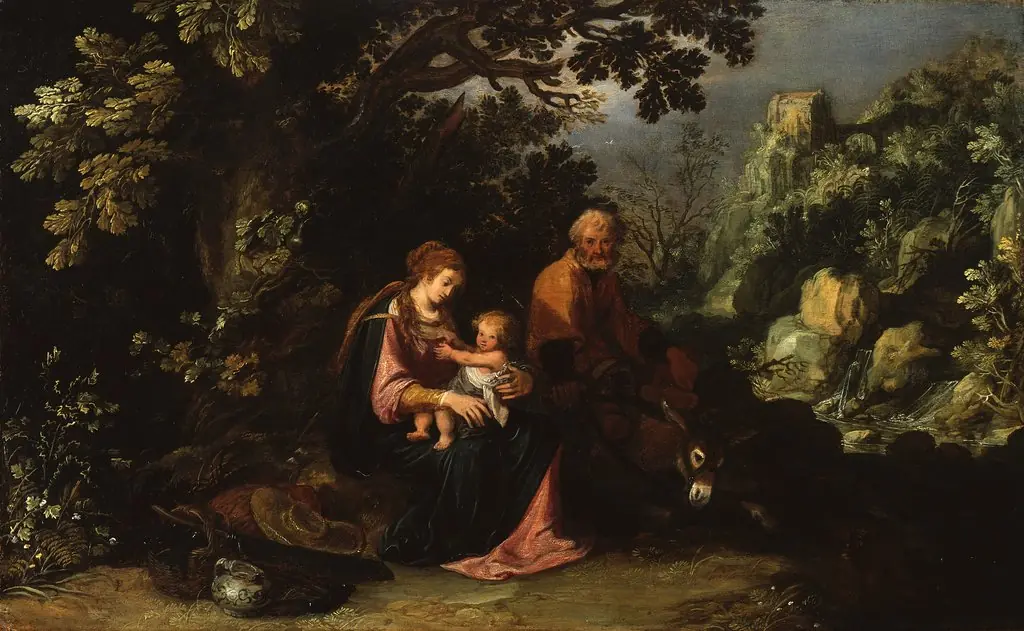 The Rest on the Flight to Egypt
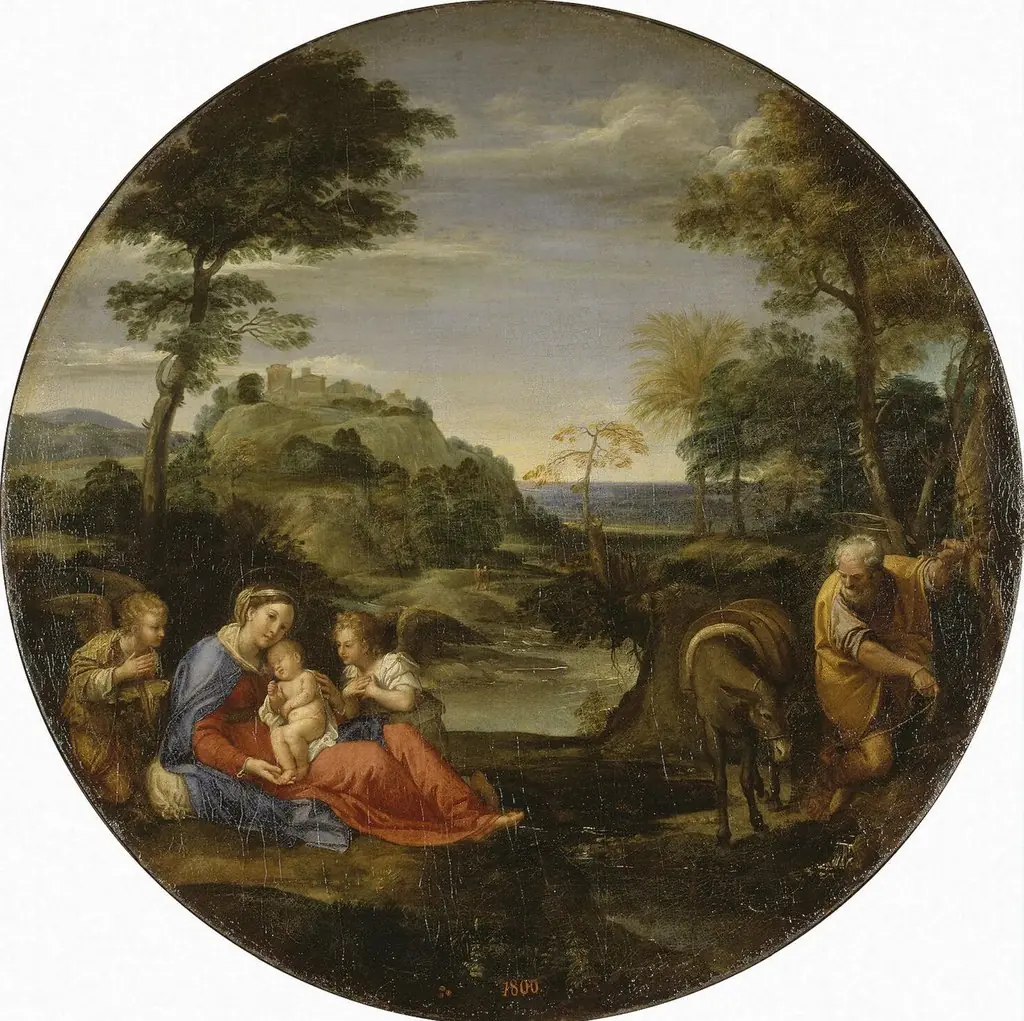 Rest on the Flight into Egypt
 The Mystic Marriage of St Catherine