Artwork
A Landscape with Cattle
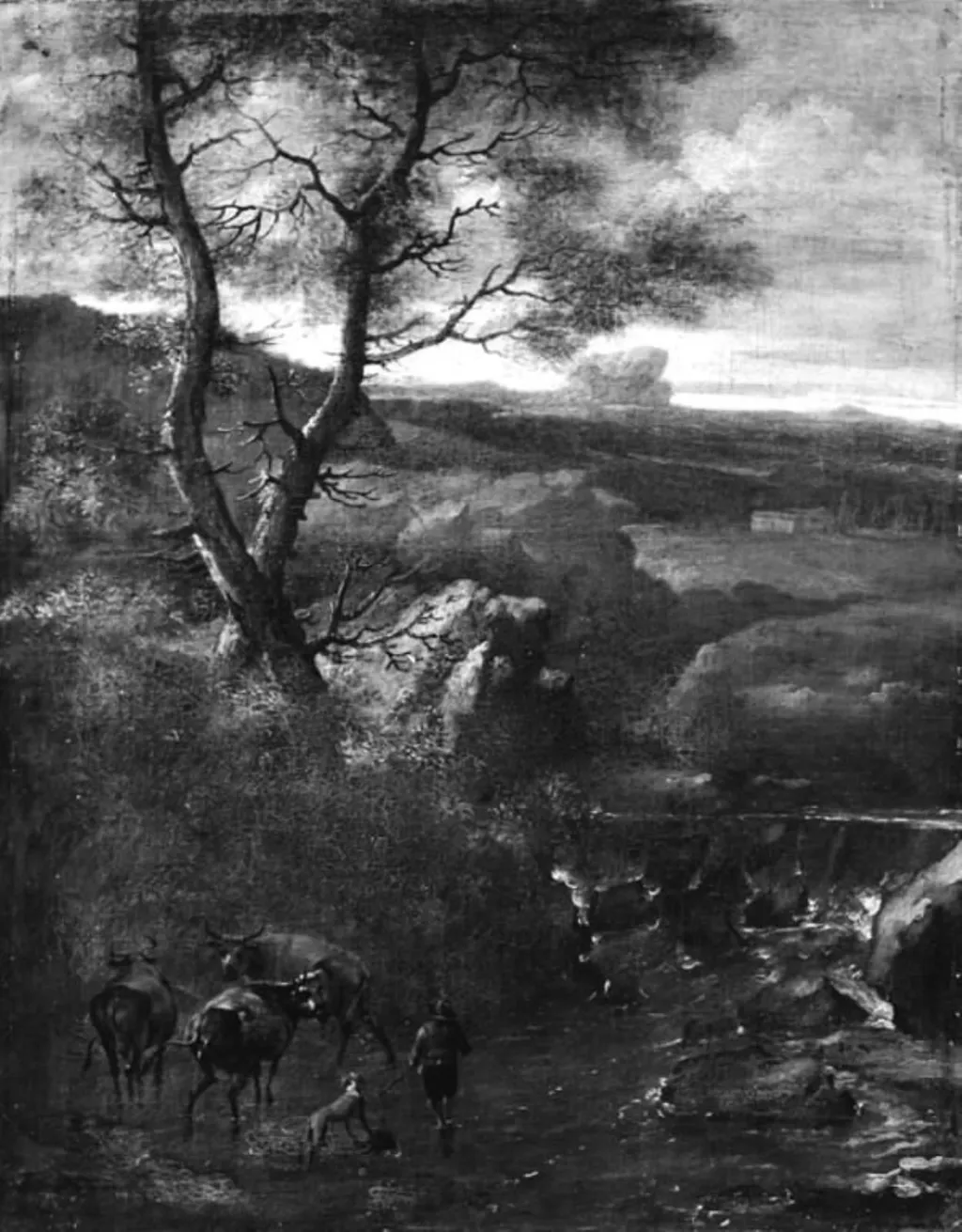
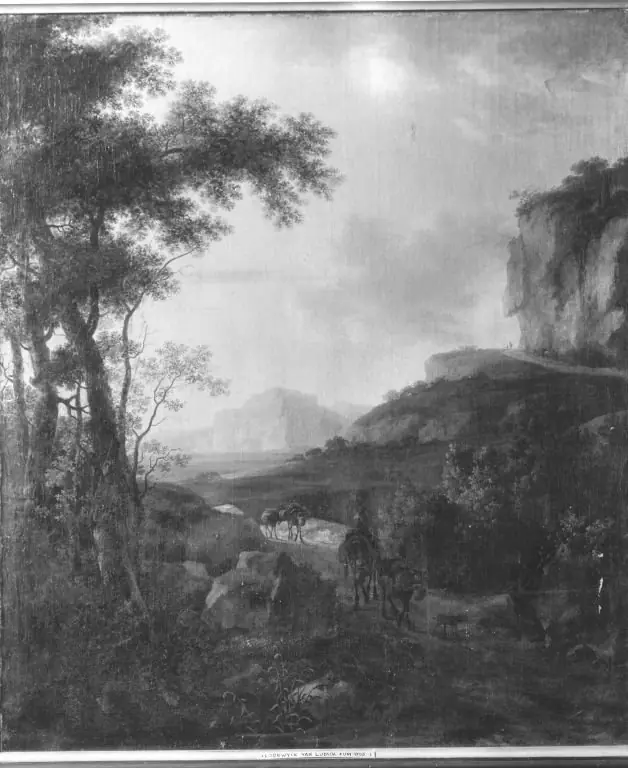
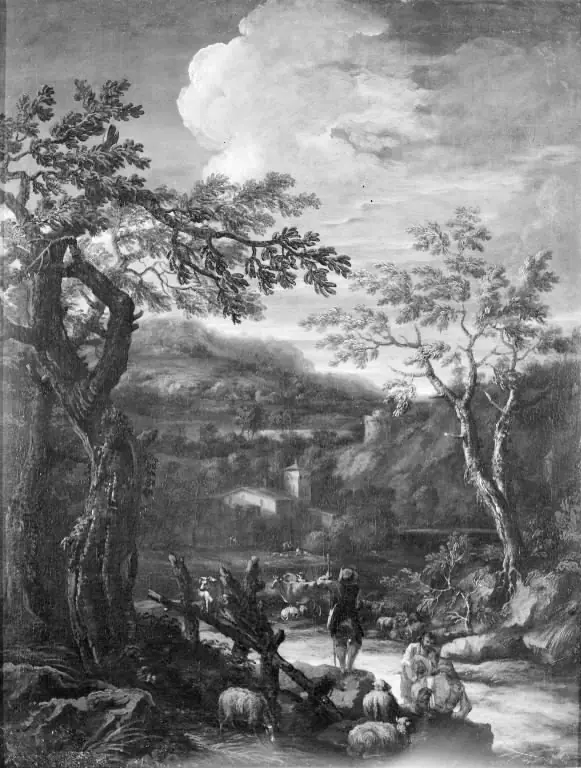
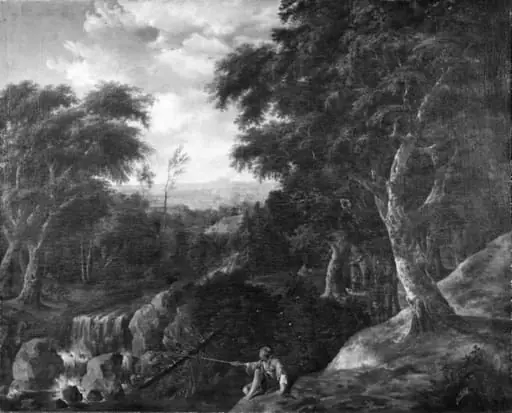
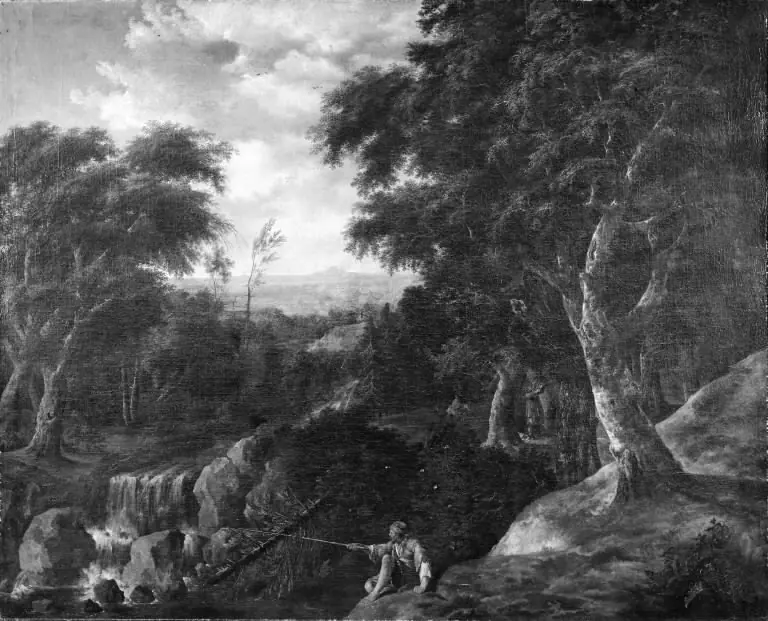
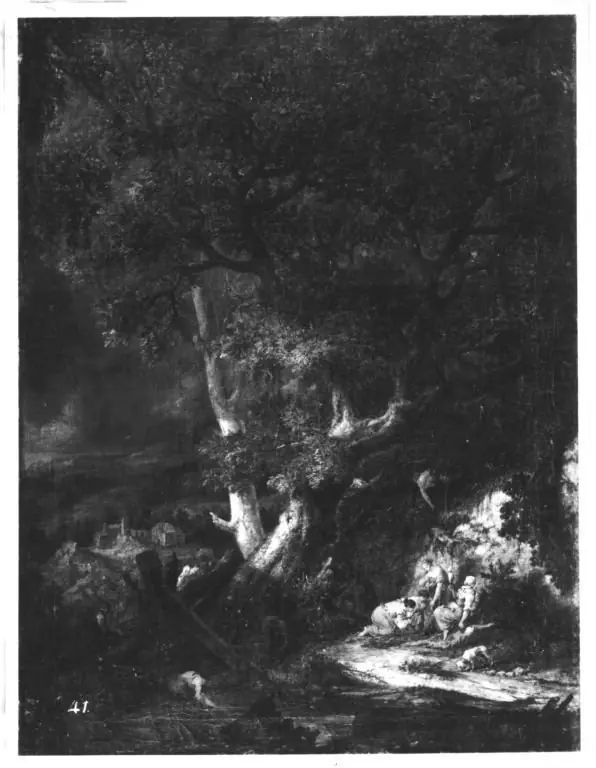
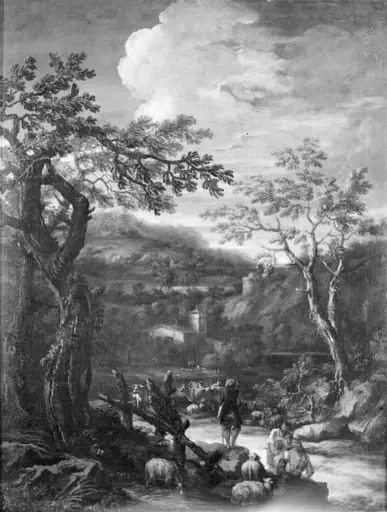
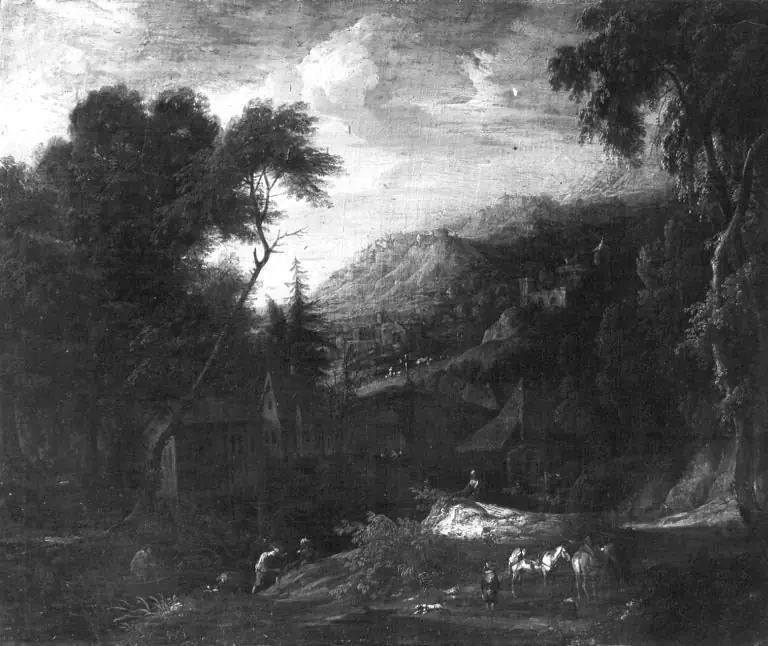
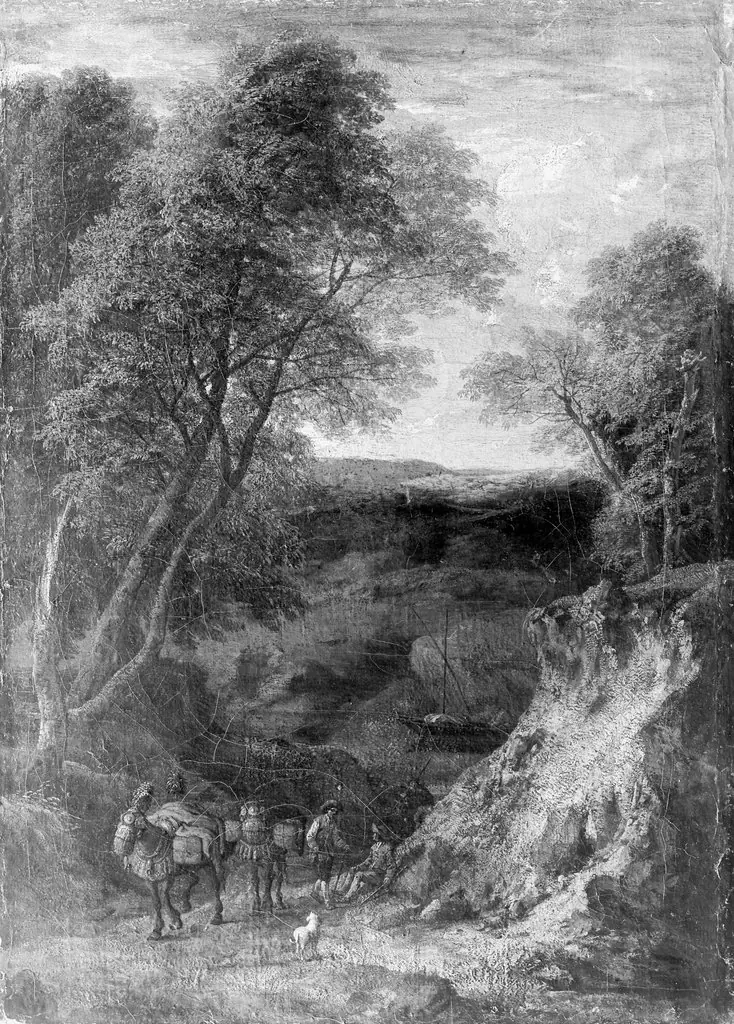
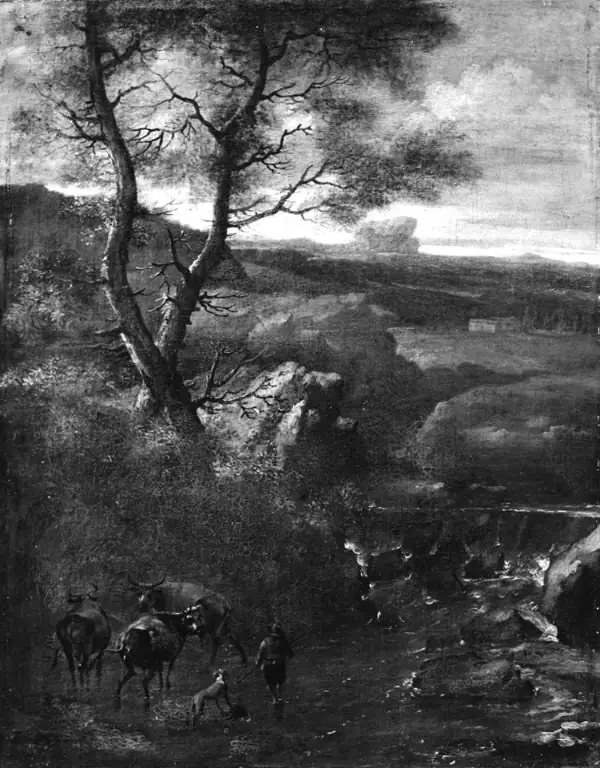
A Landscape with Cattle is an unspecified painting by Unknown. It dates from 1650 and is held in the collection of the Statens Museum for Kunst. This landscape painting, dated around 1650, presents a quiet rural scene with grazing cattle in the foreground.
About this work
Overview
The work is currently held in the collection of the Museum of Ethnography, where it is contextualized within broader traditions of European rural imagery.
This landscape painting, dated around 1650, presents a quiet rural scene with grazing cattle in the foreground. The composition is grounded in naturalism, emphasizing the quiet rhythm of pastoral life. Though the artist’s identity is recorded as 1475_person, this attribution remains uncertain and may reflect a mislabeling or placeholder. The work is currently held in the collection of the Museum of Ethnography, where it is contextualized within broader traditions of European rural imagery.
Subject & Meaning
The scene centers on cattle at rest in a valley, accompanied by a solitary figure likely representing a shepherd. The absence of dramatic action or idealized elements suggests an interest in ordinary, unembellished rural existence. The quiet human presence reinforces a sense of harmony between labor and landscape, reflecting a cultural appreciation for agrarian life rather than mythological or aristocratic themes common in contemporaneous works.
Technique & Style
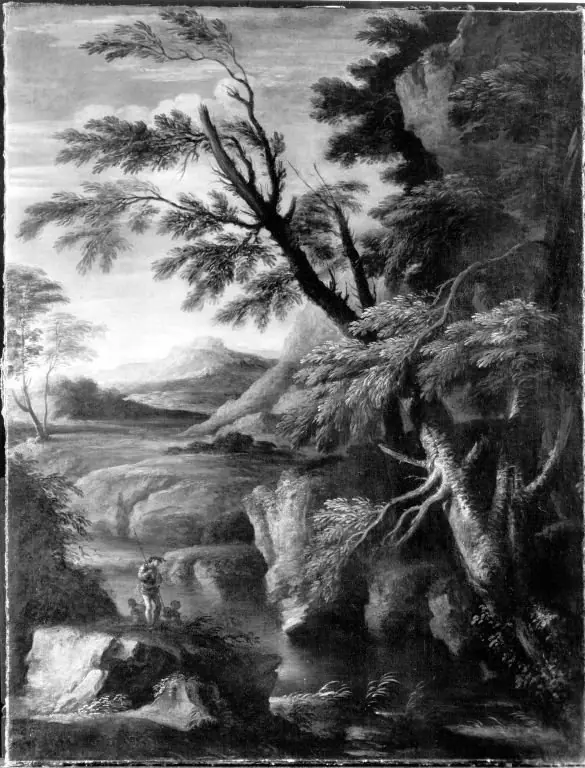
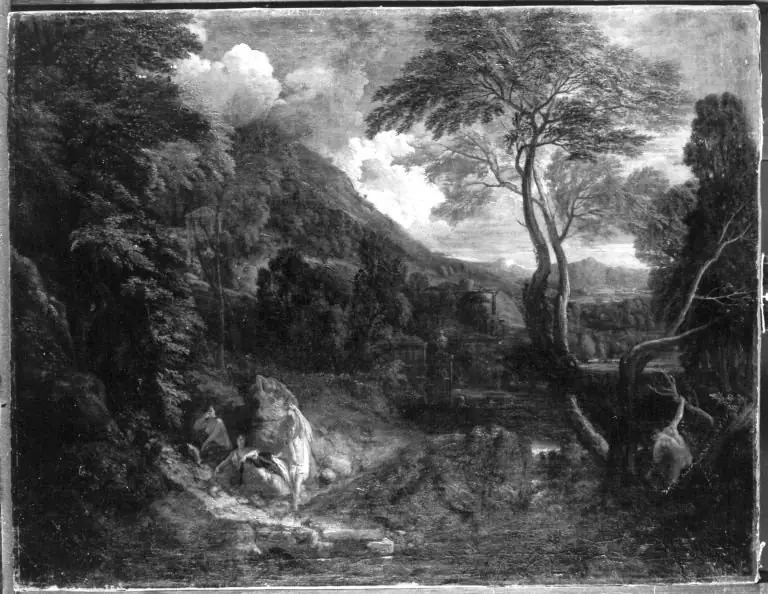
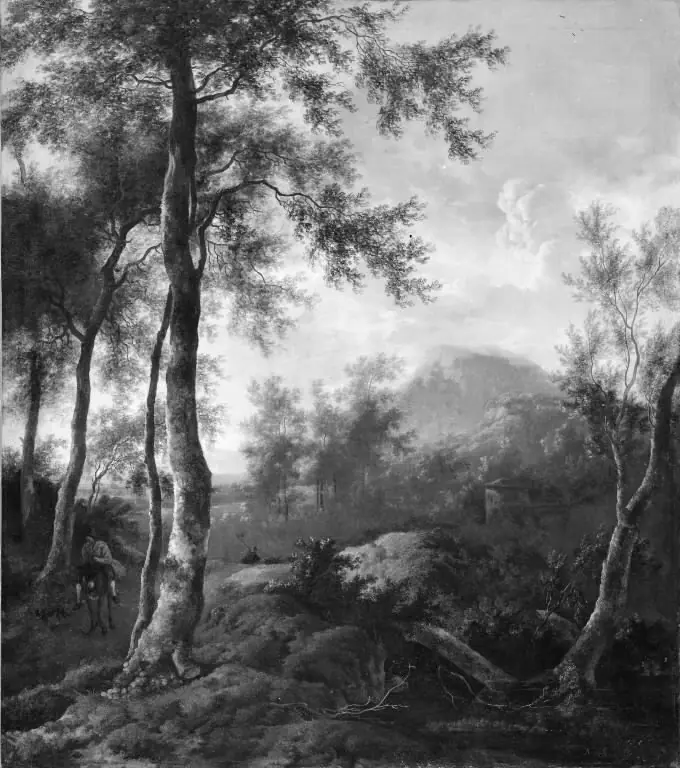
The artist employs chiaroscuro to model forms and suggest spatial depth, with soft transitions between light and shadow guiding the viewer’s gaze into the distance. Brushwork is restrained, favoring subtle gradations over bold strokes. The treatment of foliage and terrain avoids stylization, aiming instead for observational accuracy. These choices align with emerging trends in 17th-century Dutch and Flemish landscape painting that prioritized naturalistic representation.
History & Provenance
The painting’s early history is undocumented, and its journey to the Museum of Ethnography remains unclear. It was likely collected during a period when European ethnographic institutions expanded their holdings to include regional vernacular art. The attribution to '1475_person' is inconsistent with the painting’s date and may indicate a cataloging error or an attempt to assign an anonymous work to a known name.
Context
Created during a time when landscape painting was gaining autonomy as a genre in Northern Europe, this work reflects a broader shift toward secular, everyday subjects. While contemporaries like Rembrandt and Ruisdael explored dramatic lighting and expansive vistas, this painting offers a more intimate, localized view. Its inclusion in an ethnographic museum suggests its value was interpreted through the lens of cultural documentation rather than fine art.
Legacy
Though not widely exhibited or studied, the painting contributes to understanding how rural life was visually recorded in the 17th century. Its modest scale and unadorned subject matter distinguish it from more celebrated works of the period. As a representative of regional, non-elite visual culture, it offers insight into the diversity of landscape representation beyond canonical artists and institutions.
Artist & collection

 Domestic Scene
 Giacomo and Cardinal Marco, investing Andrea, Abbot of San Zeno, with his Benefice
 The Nymph of Fontainebleau
 Portrait of a Woman
 Madonna and Child with Saints in the Enclosed Garden
 Venus and Minerva
 Family Group of Four on Sofa
 Wall painting from Room H of the Villa of P. Fannius Synistor at Boscoreale