Artwork
Lucretia
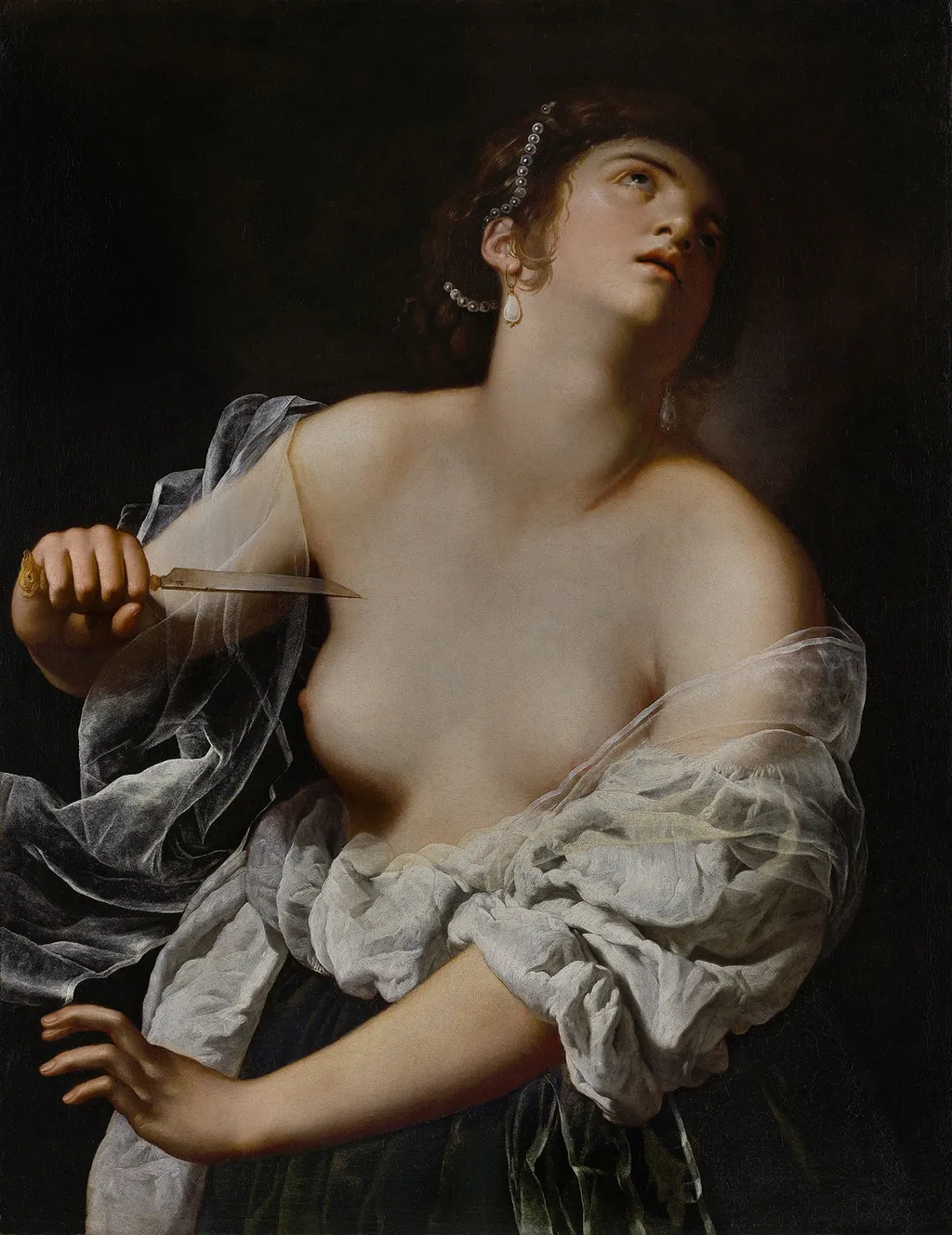
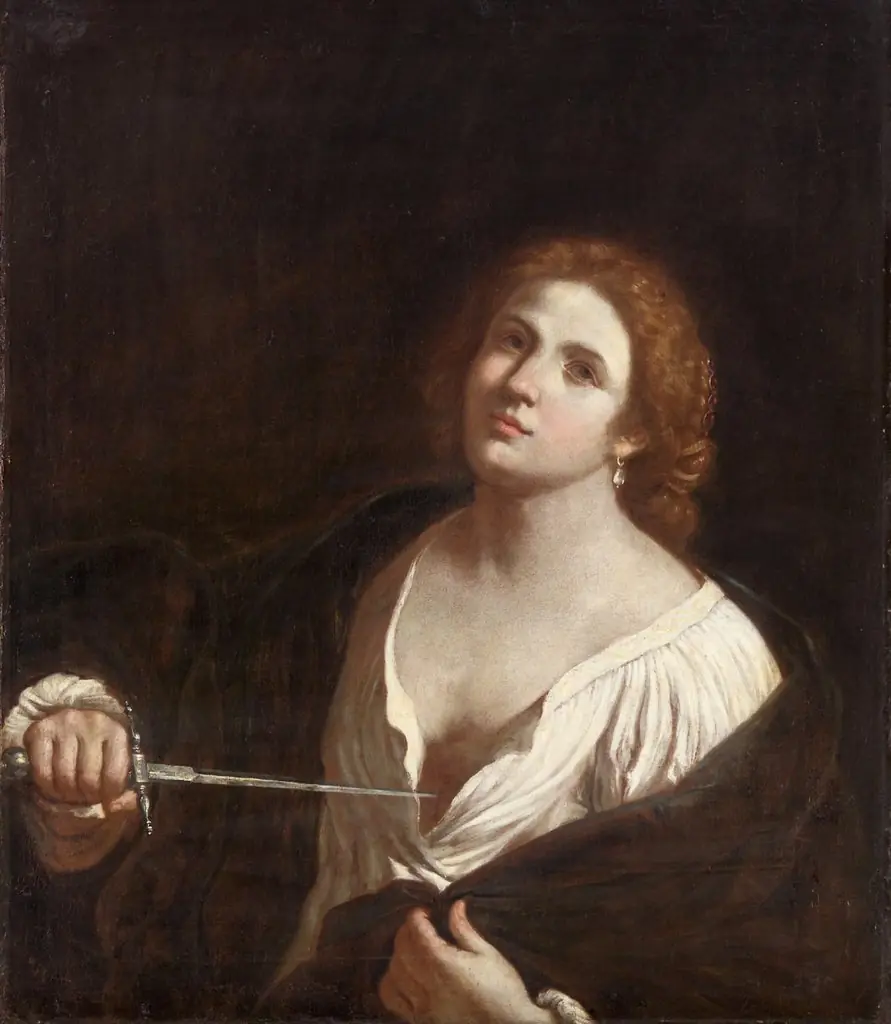
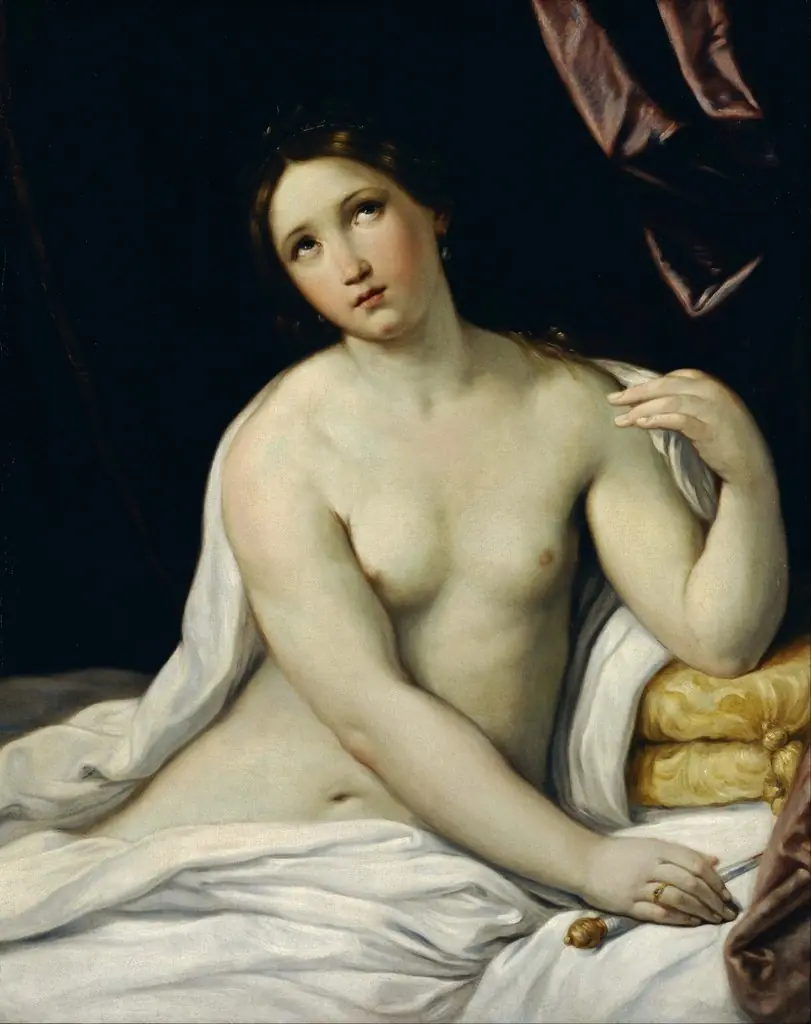
Lucretia is an oil painting by the Early Baroque Italian artist Artemisia Gentileschi. It dates from 1630 and is held in the collection of the J. Paul Getty Museum.
About this work
A similar painting in Naples was once thought to be by Gentileschi, but its owner now says it is by Massimo Stanzione.
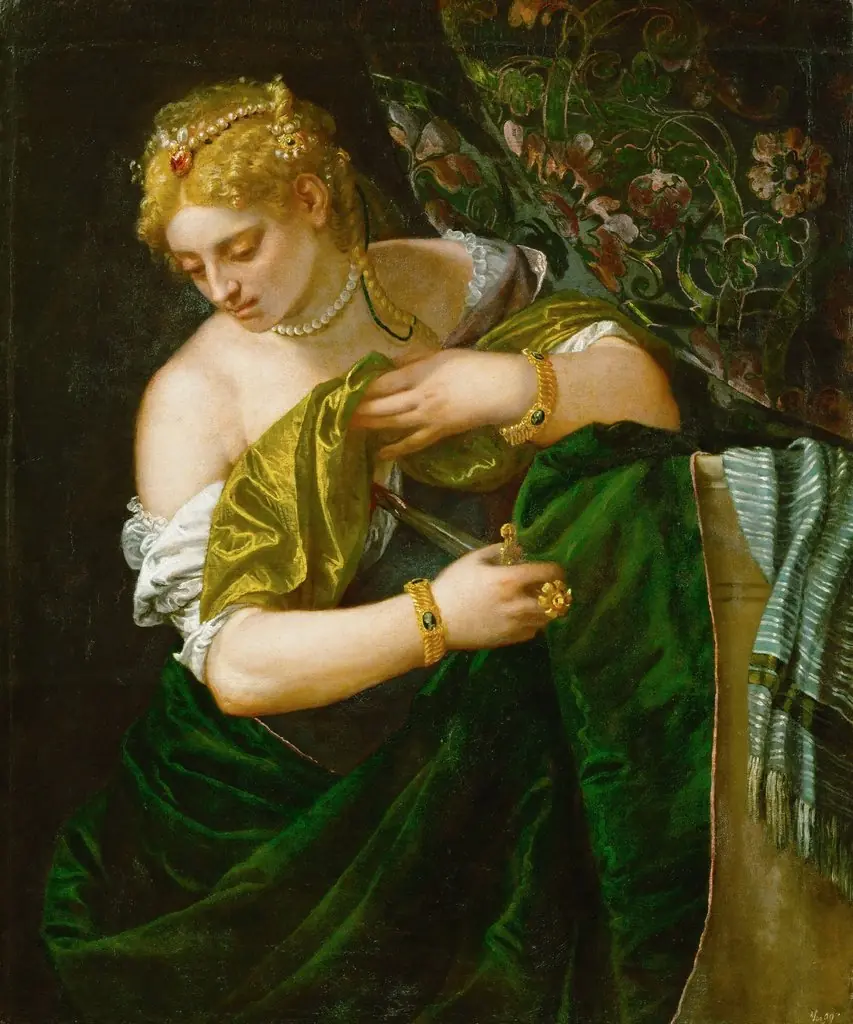
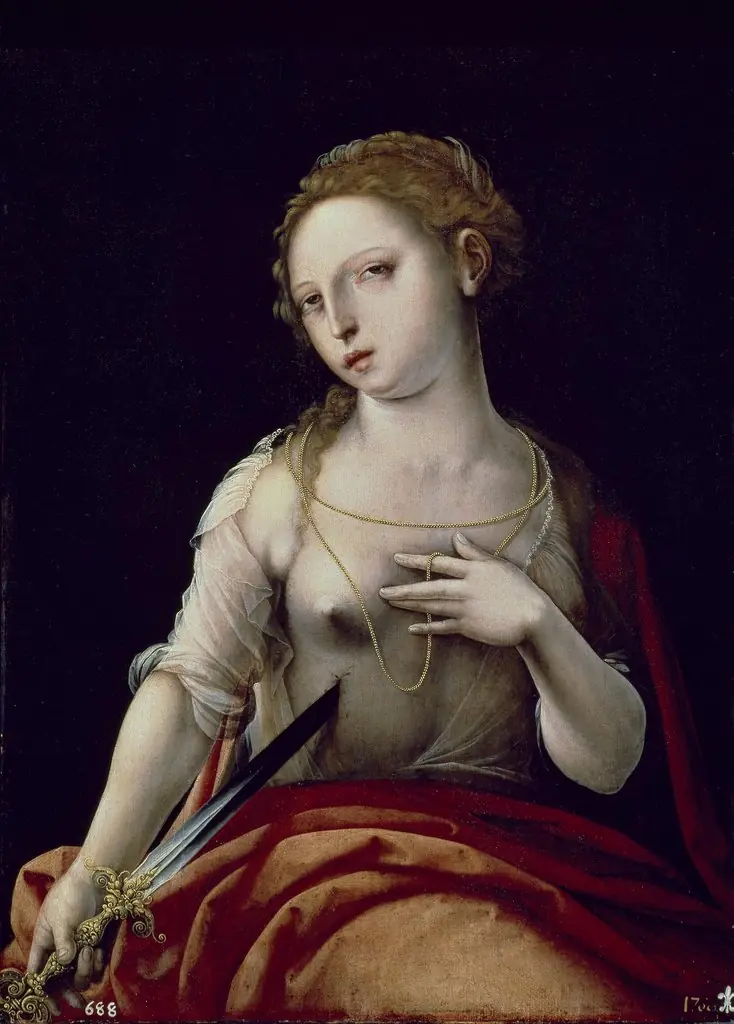
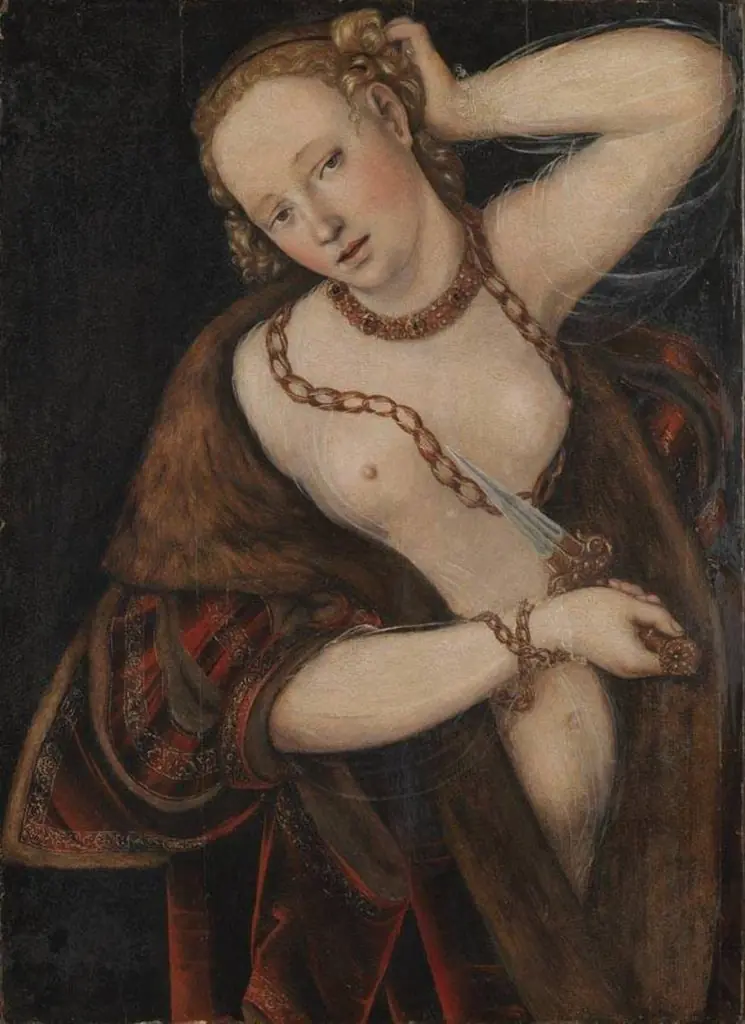
Lucretia is an oil painting made by Artemisia Gentileschi around 1630. It shows the Roman woman Lucretia at the moment of her suicide.
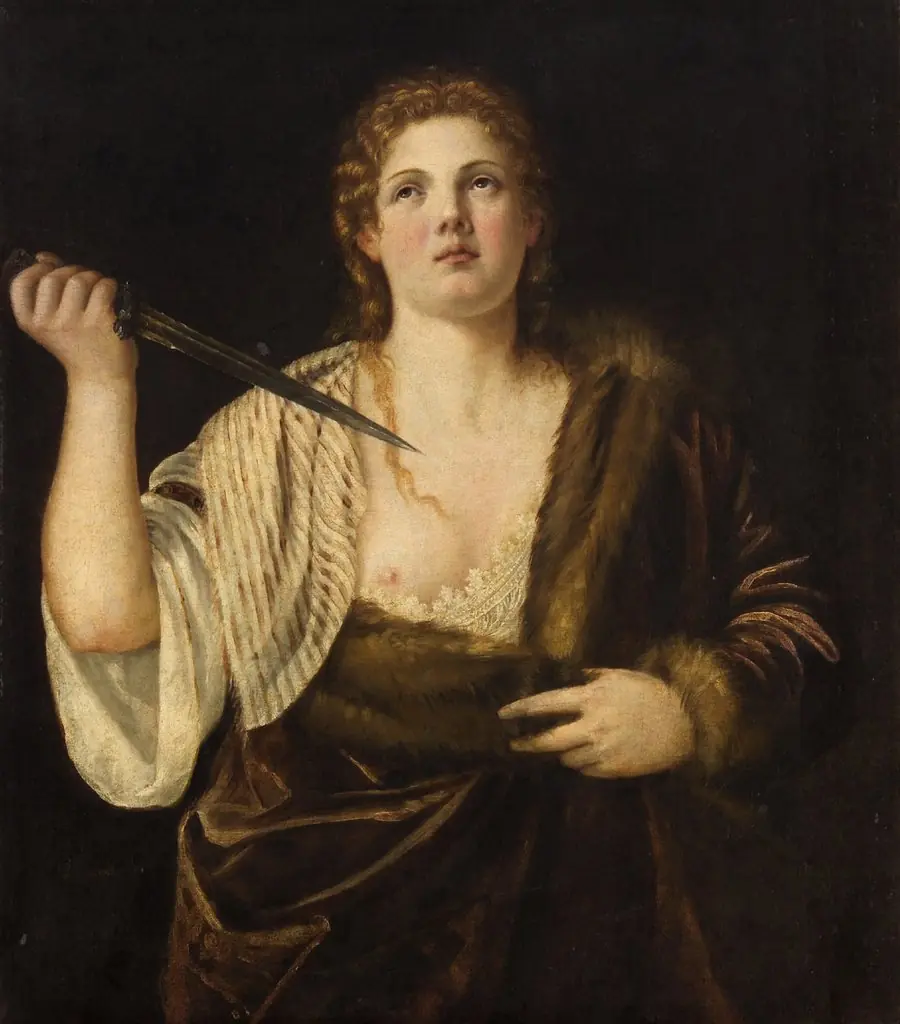
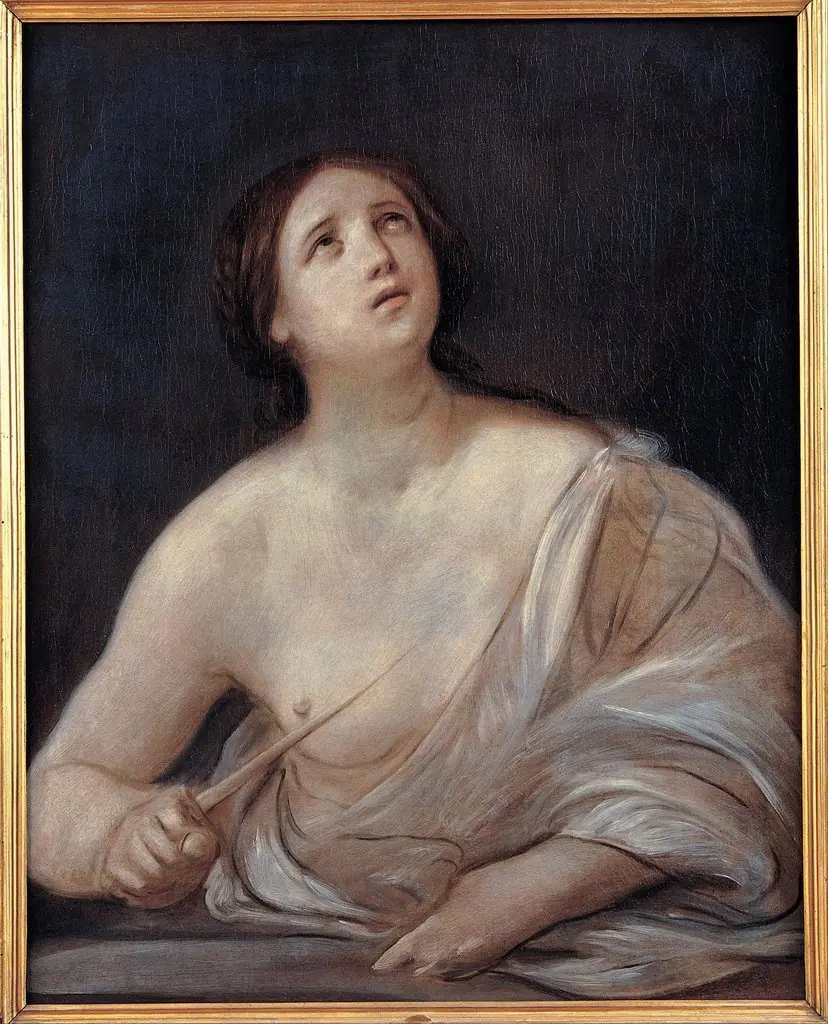
This work is one of three that the artist painted of the same subject. The other two are in a private collection in Milan and in Potsdam. A similar painting in Naples was once thought to be by Gentileschi, but its owner now says it is by Massimo Stanzione.
You might also check out the J. Paul Getty Museum.
Overview
Artemisia Gentileschi's 'Lucretia' is an oil painting created around 1630, depicting the Roman noblewoman Lucretia at the moment of her suicide.
Subject & Meaning
The painting illustrates a pivotal moment from Roman history, as Lucretia, wife of Tarquinus, takes her own life after being raped by her husband's relative, symbolizing virtue and the struggle against tyranny.
Technique & Style
Gentileschi's work is characterized by its use of oil paint to convey a dramatic and emotionally charged scene, reflecting her skill in capturing intense moments through her mastery of light and shadow.
History & Provenance
This 'Lucretia' is one of three versions painted by Gentileschi; the others are held in a private collection in Milan and in Potsdam. A similar work in Naples, once attributed to Gentileschi, is now credited to Massimo Stanzione.
Own this work as a print
Artist & collection
Artist
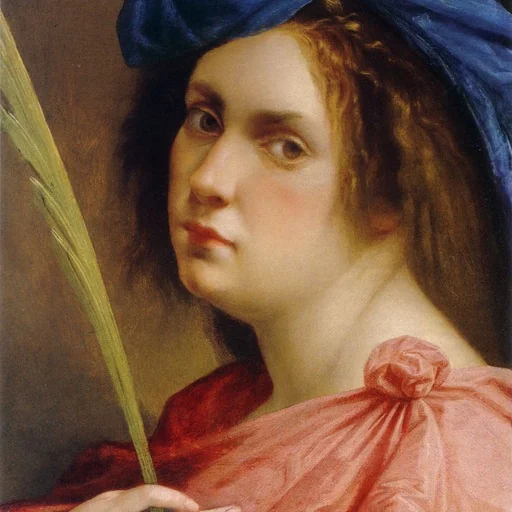
Artemisia Lomi Gentileschi (US: JEN-til-ESK-ee, -teel-; Italian: ; 8 July 1593 – after January 1654) was an Italian Baroque painter.