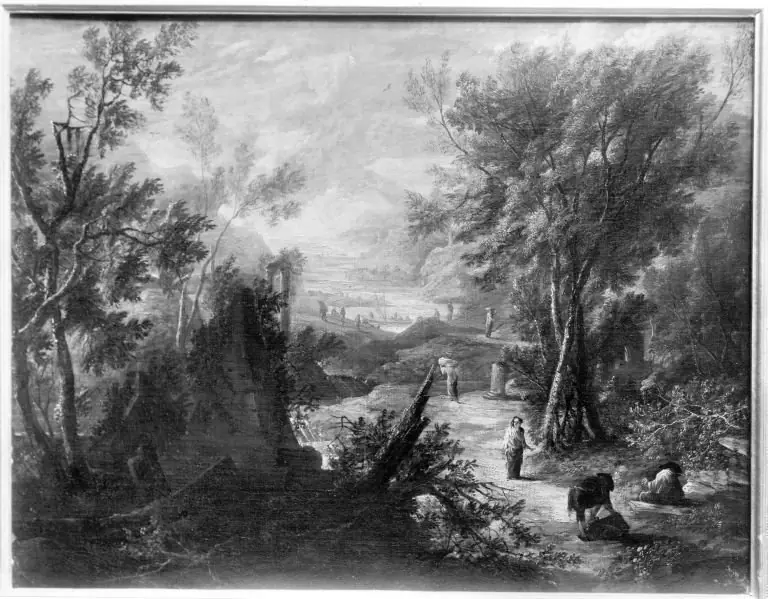
Artwork
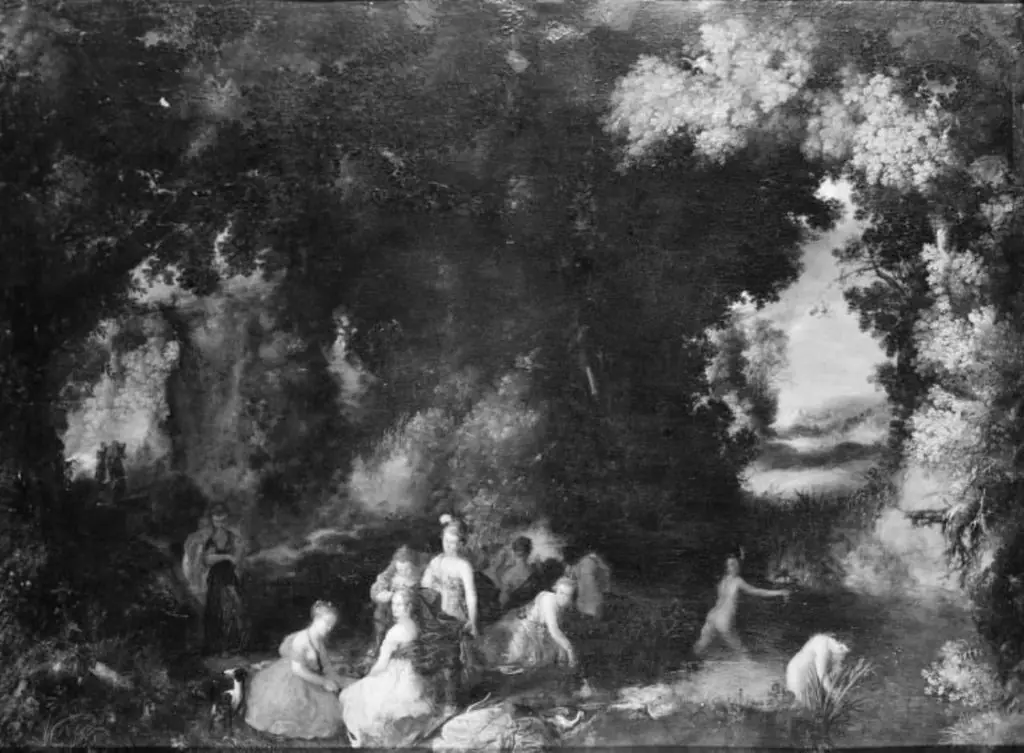
Landscape with Actaeon and Diana
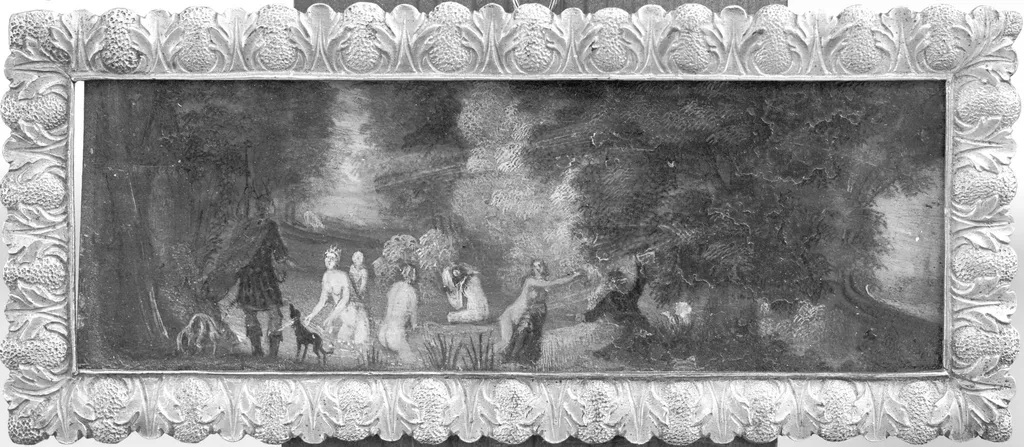
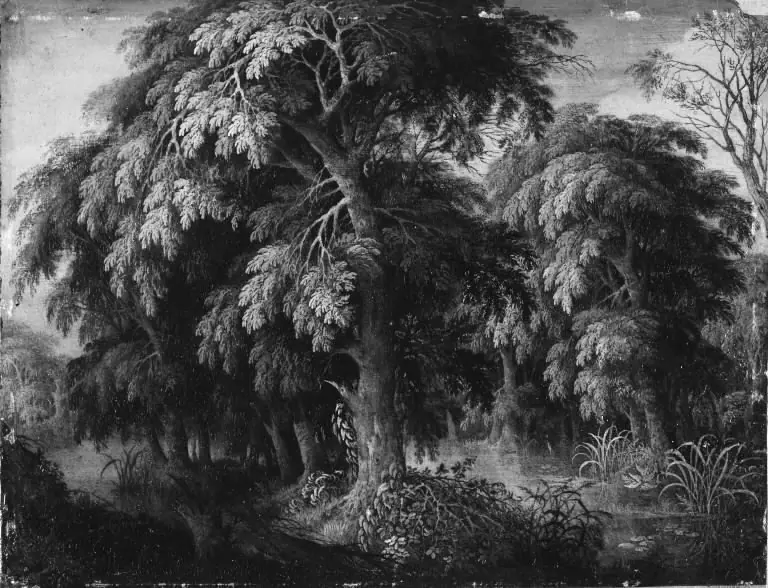
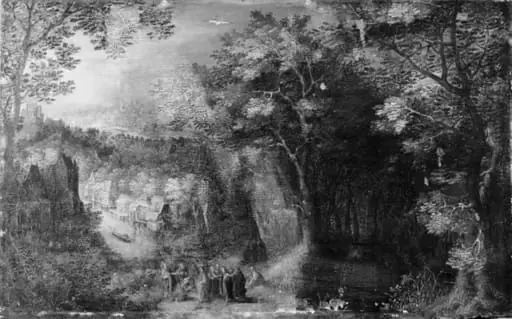
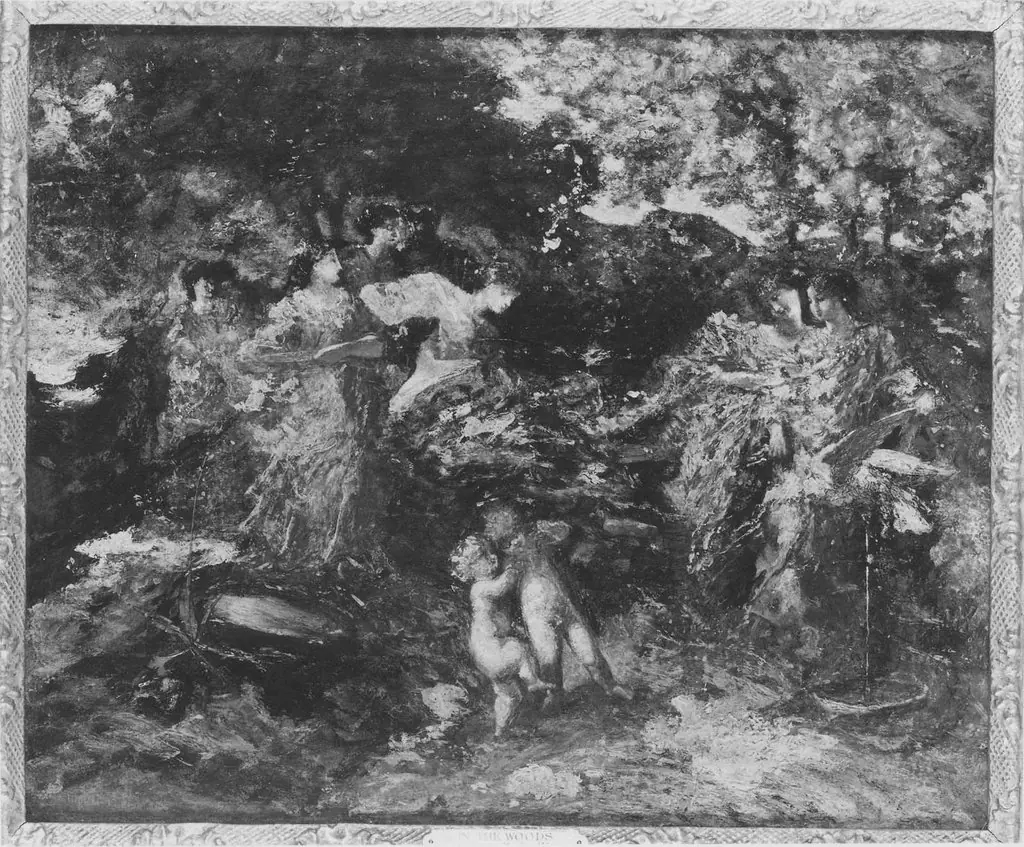
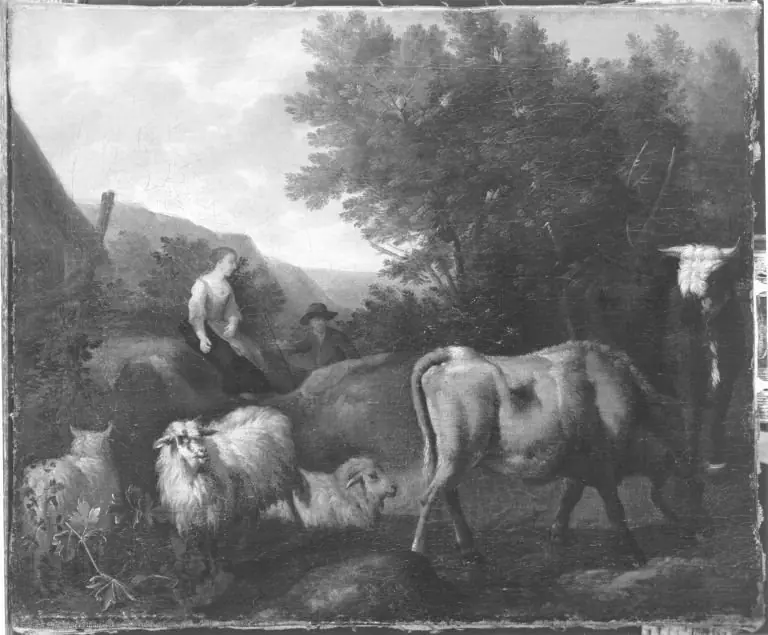
Landscape with Actaeon and Diana is an unspecified painting by Unknown. It dates from 1750 and is held in the collection of the Statens Museum for Kunst. This landscape painting, dated around 1750, depicts a forest scene drawn from classical mythology.
About this work
Overview
Though attributed to an artist active in 1518, the work’s style and date suggest it was created much later, possibly as a reinterpretation of earlier themes.
This landscape painting, dated around 1750, depicts a forest scene drawn from classical mythology. Though attributed to an artist active in 1518, the work’s style and date suggest it was created much later, possibly as a reinterpretation of earlier themes. It is currently held in the collection of the Museum of Ethnography, where its mythological subject and atmospheric rendering stand apart from the institution’s typical ethnographic holdings.
Subject & Meaning
The scene illustrates the myth of Actaeon, a hunter who accidentally sees the goddess Diana bathing. On the left, a man with a dog may represent Actaeon, while the nude women are likely Diana and her nymphs. The figure running away suggests his impending punishment. The inclusion of classical narrative in a naturalistic setting reflects 18th-century interest in antiquity, though the composition diverges from traditional depictions by emphasizing landscape over drama.
Technique & Style
The painting employs chiaroscuro to model forms and suggest depth, with strong contrasts between shadowed undergrowth and patches of ambient light. Figures are rendered with soft edges, blending into the wooded environment. The use of flowing drapery and loose hair on the women, rather than conventional clothing, adds a sense of naturalism and otherworldliness, distinguishing this from more formal mythological treatments of the period.
History & Provenance
The painting’s origin remains unclear, with no documented commission or early ownership records. Its attribution to a 16th-century artist appears anachronistic, likely a misattribution from a later cataloging effort. It entered the Museum of Ethnography in the late 19th or early 20th century, possibly as part of a broader collection of European decorative or mythological works acquired during a period of expanding museum holdings.
Context
Created during the height of Enlightenment interest in classical antiquity, the painting reflects a trend of reimagining mythological subjects within naturalistic landscapes. Unlike academic works that prioritized idealized figures, this piece subordinates human drama to the mood of the environment. Its placement in an ethnographic museum suggests a 19th-century curatorial tendency to group non-religious, non-portrait European works under broader cultural categories.
Legacy
Though not widely studied in art historical scholarship, the painting offers insight into how mythological themes were adapted in lesser-known 18th-century studios. Its unusual combination of classical narrative and atmospheric landscape, along with its misattribution, highlights the complexities of art cataloging in the 19th century. It remains a quiet example of how myth persisted in visual culture beyond academic traditions.
Artist & collection

 Domestic Scene
 Giacomo and Cardinal Marco, investing Andrea, Abbot of San Zeno, with his Benefice
 The Nymph of Fontainebleau
 Portrait of a Woman
 Madonna and Child with Saints in the Enclosed Garden
 Venus and Minerva
 Family Group of Four on Sofa
 Wall painting from Room H of the Villa of P. Fannius Synistor at Boscoreale