Artwork
Still Life
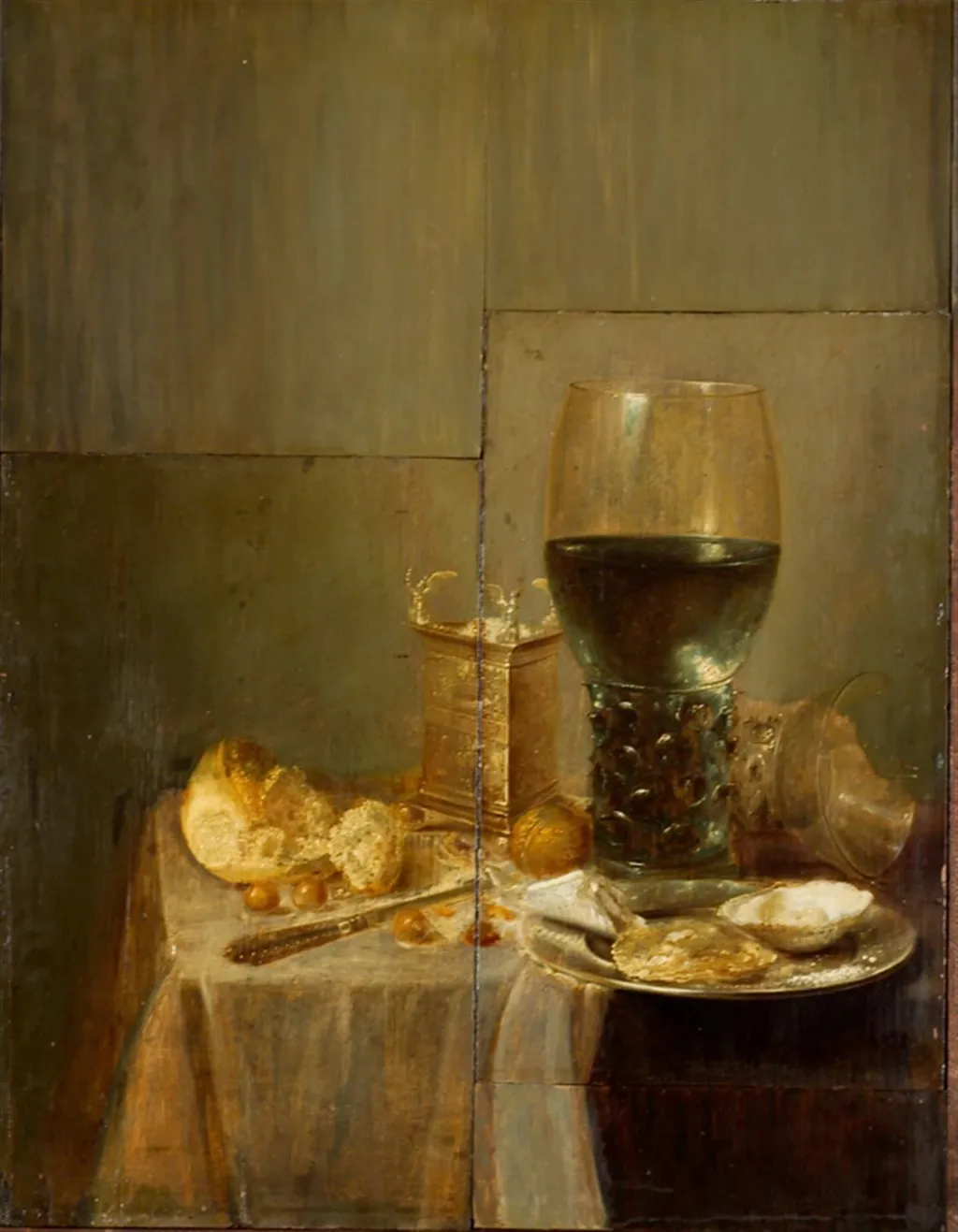
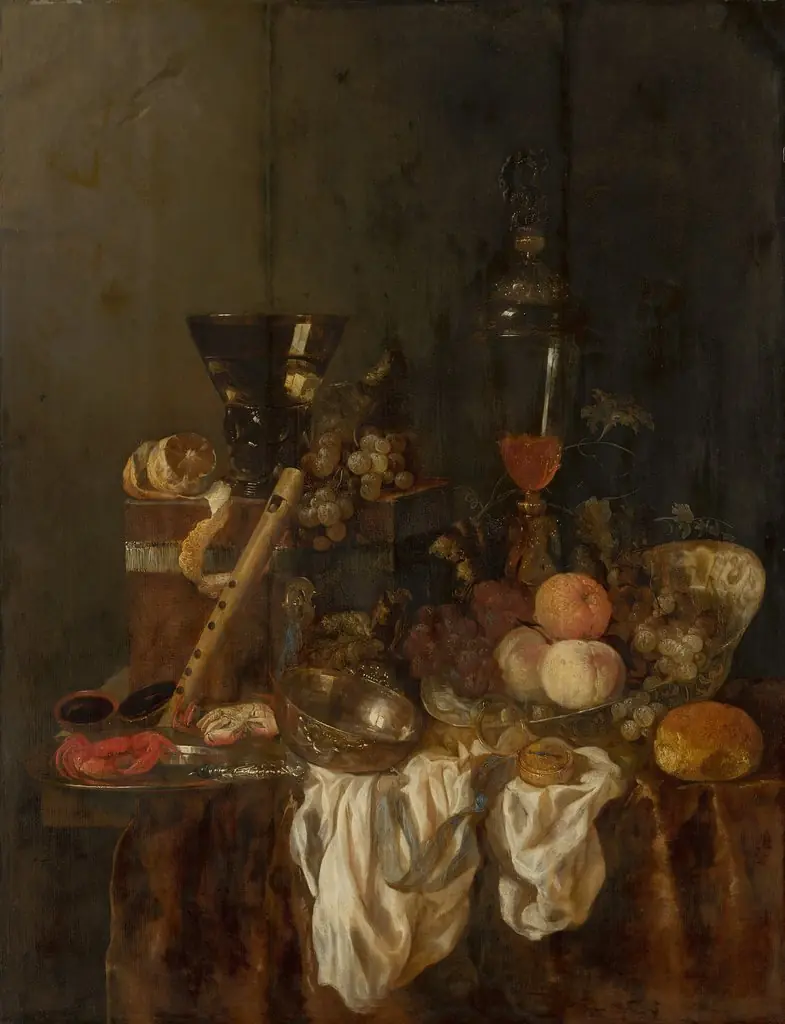
Still Life is an unspecified painting by Unknown. It dates from 1650 and is held in the collection of the Statens Museum for Kunst.
About this work
Overview
The work is held in the collection of the Museum of Ethnography, where it is valued for its quiet realism and attention to domestic detail.
This still life, dated around 1650, presents a modest arrangement of household items on a draped table. Painted by an artist active in the mid-17th century, the composition avoids grandeur, focusing instead on ordinary objects: bread, fruit, pastries, a pitcher, and a cup. The work is held in the collection of the Museum of Ethnography, where it is valued for its quiet realism and attention to domestic detail.
Subject & Meaning
The objects depicted—bread, fruit, pastries, and a pitcher—reflect the daily sustenance of a middle-class household. Their careful placement suggests an intentional composition, not random clutter. The absence of luxury items and the plain setting imply a contemplative tone, possibly hinting at themes of transience or humble abundance, common in Northern European still life traditions of the period.
Technique & Style
The painting employs soft, directional lighting to model forms gently, enhancing the texture of cloth, fruit skin, and ceramic surfaces. Shadows are subdued, avoiding dramatic contrast, yet still define volume and spatial depth. The brushwork is restrained, favoring clarity over flourish, aligning with a quiet realism that prioritizes observation over theatrical effect.
History & Provenance
The painting’s early history is undocumented, but it entered the Museum of Ethnography’s collection in the early 20th century. Its attribution to a 1549_person likely reflects a misdating or confusion in early cataloging; the style and subject matter are consistent with mid-17th-century Northern European practice, not the mid-16th century.
Context
Created during a period when still life painting flourished in the Netherlands and Flanders, this work reflects a broader cultural interest in the material world. Unlike lavish banquet scenes, this composition emphasizes simplicity, possibly resonating with Protestant values that favored modesty and the moral reflection inherent in everyday objects.
Legacy
Though not widely reproduced or studied, the painting contributes to the understanding of understated still life traditions beyond the more famous works of the era. Its preservation in an ethnographic museum underscores its value as a cultural artifact, offering insight into domestic life and visual habits of 17th-century Europe.
Artist & collection

 Domestic Scene
 Giacomo and Cardinal Marco, investing Andrea, Abbot of San Zeno, with his Benefice
 The Nymph of Fontainebleau
 Portrait of a Woman
 Madonna and Child with Saints in the Enclosed Garden
 Venus and Minerva
 Family Group of Four on Sofa
 Wall painting from Room H of the Villa of P. Fannius Synistor at Boscoreale
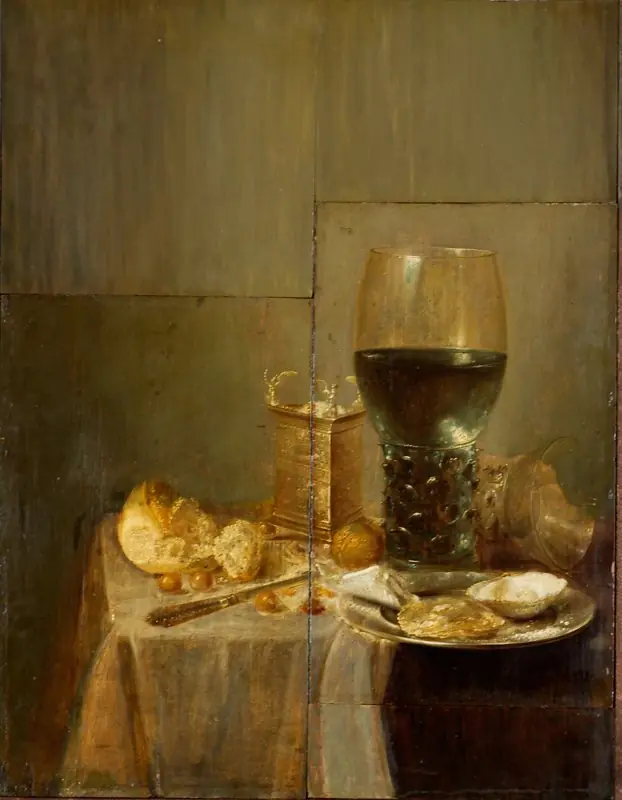 Still Life
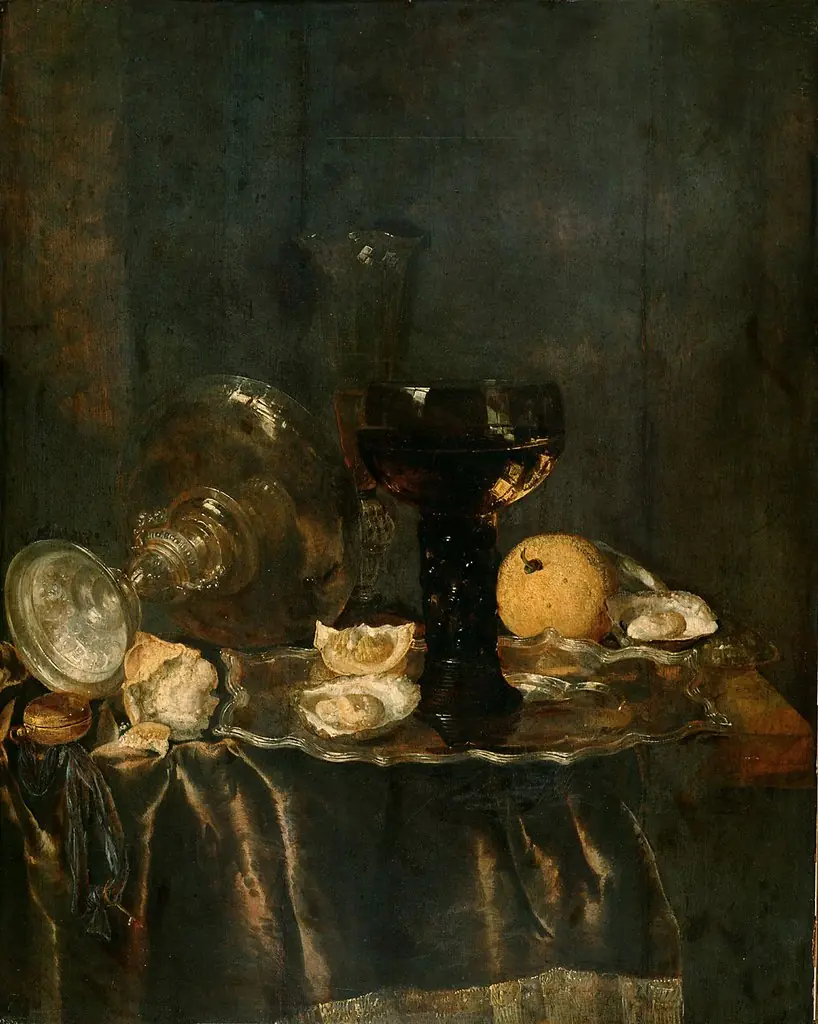 Frühstücksstilleben
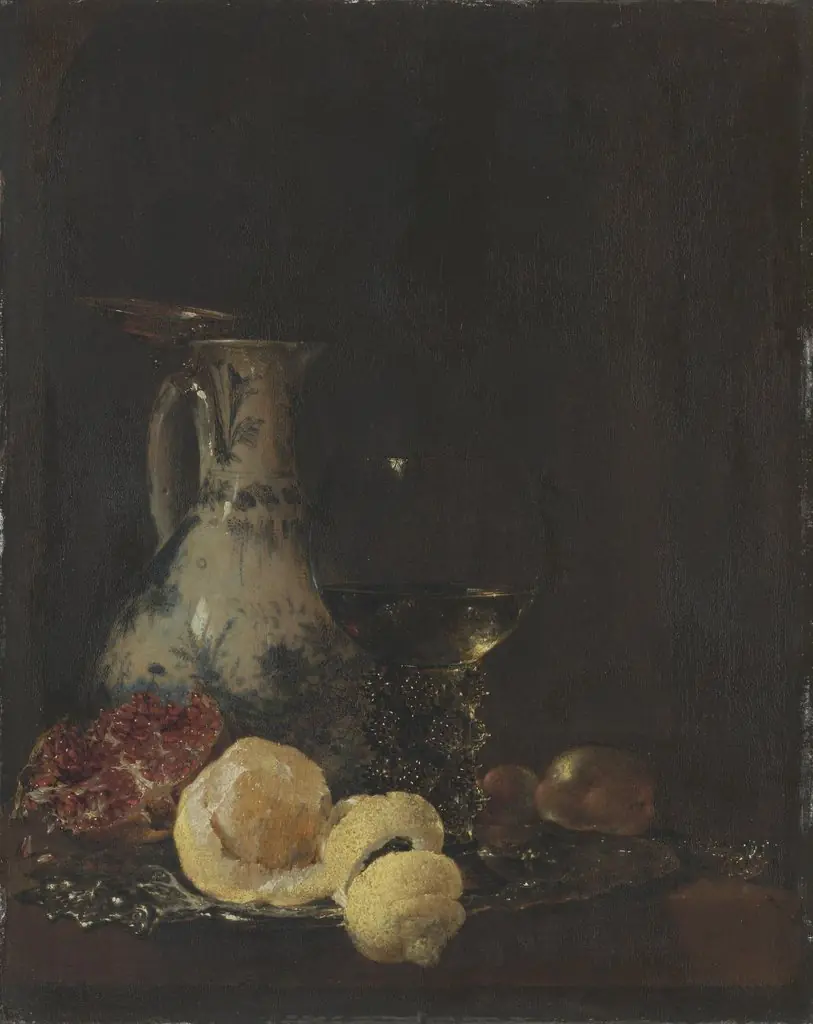 Still Life with a Ming Jug
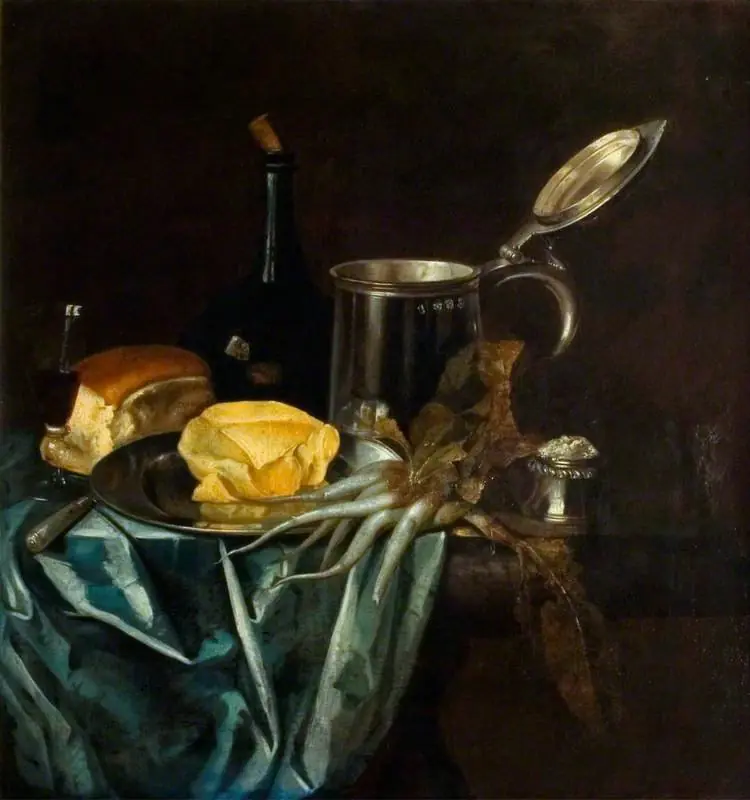 Still Life
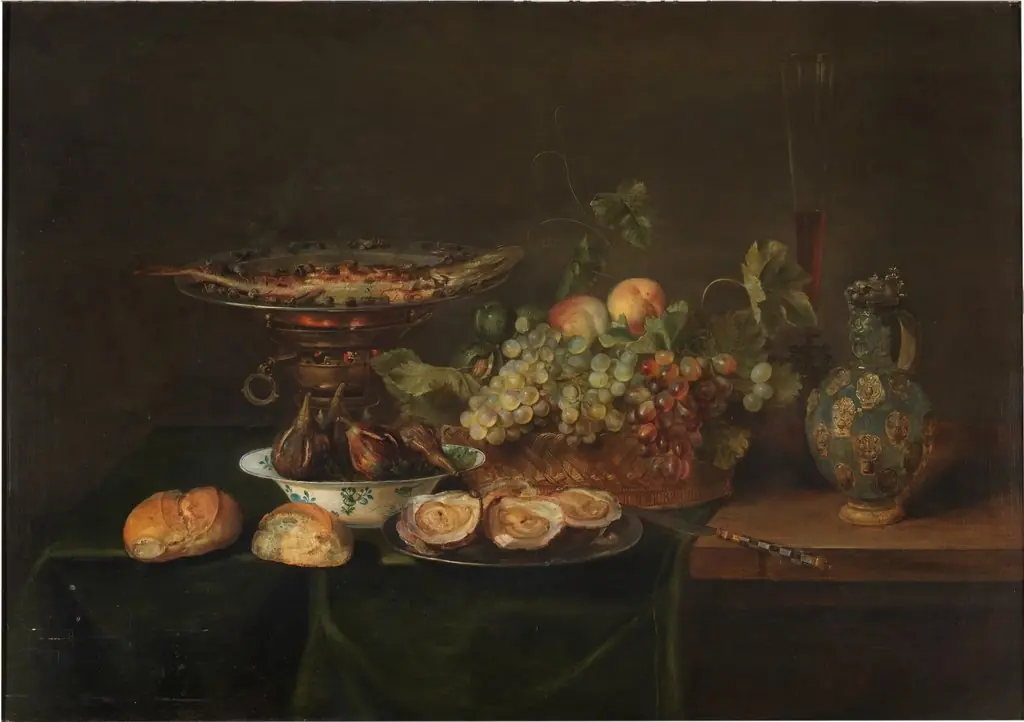 PBanquet still life
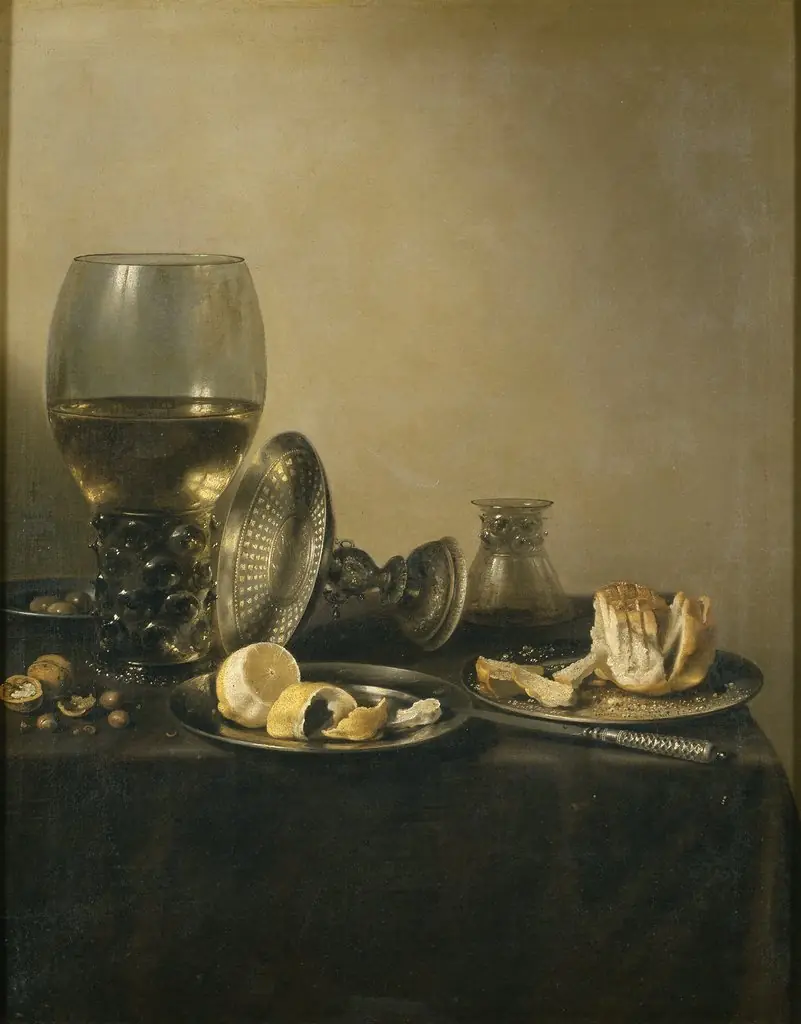 Still Life
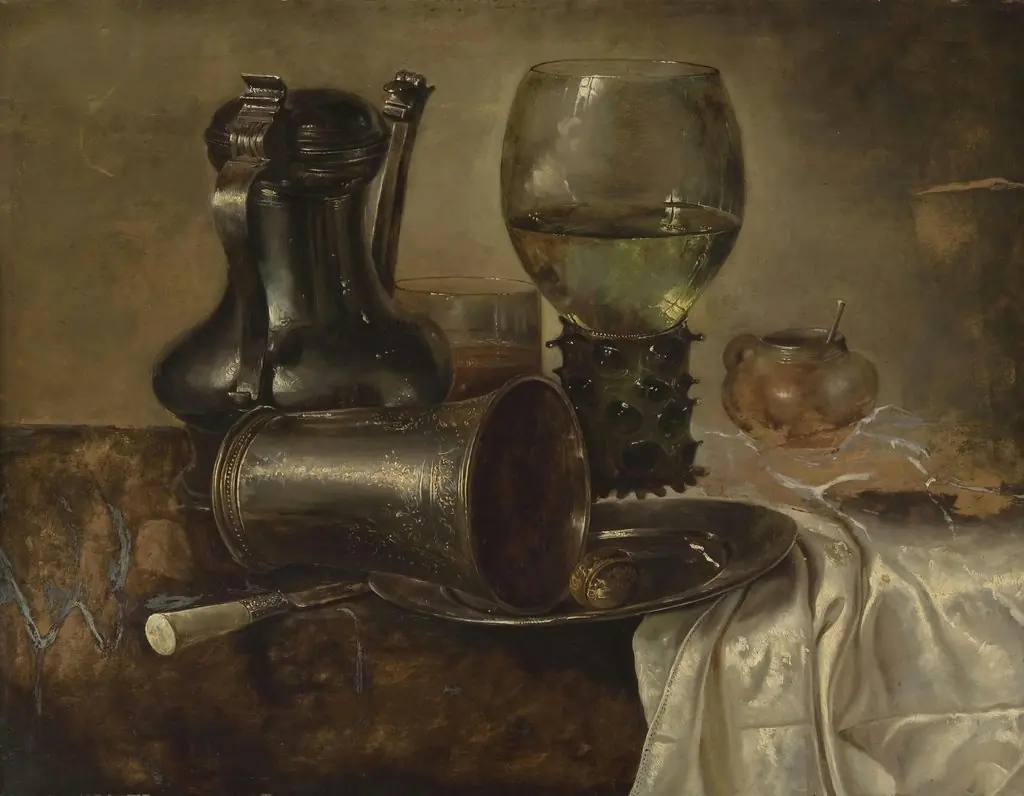 Still Life with a Roemer, a Covered Flagon, and a Beaker
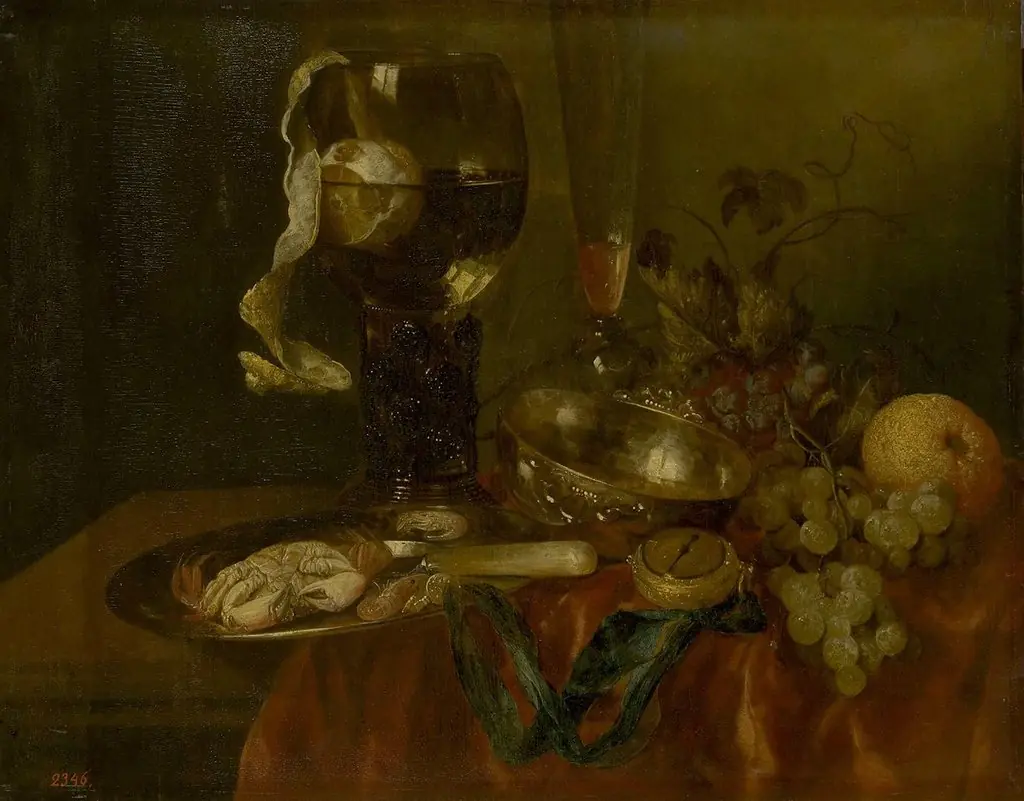 Snack (Still Life with Crab, Fruit and Clock)
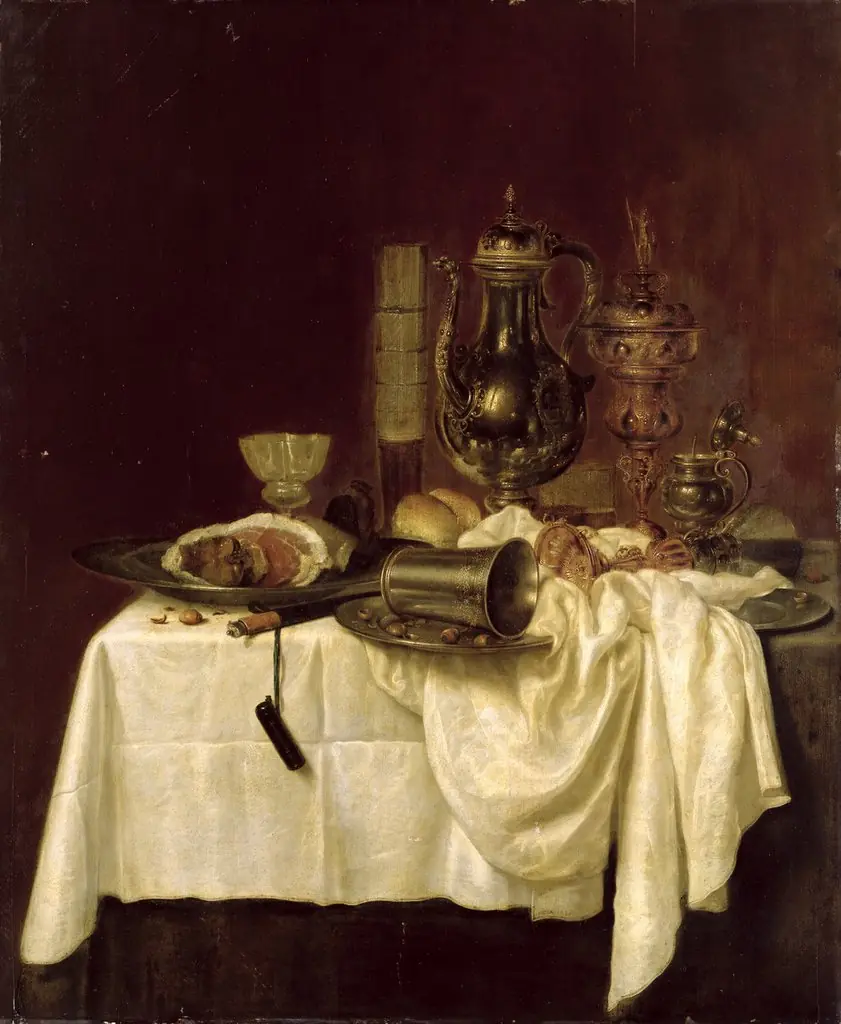 Still life with ham, decanter, columbine cup and passglass on a laid table
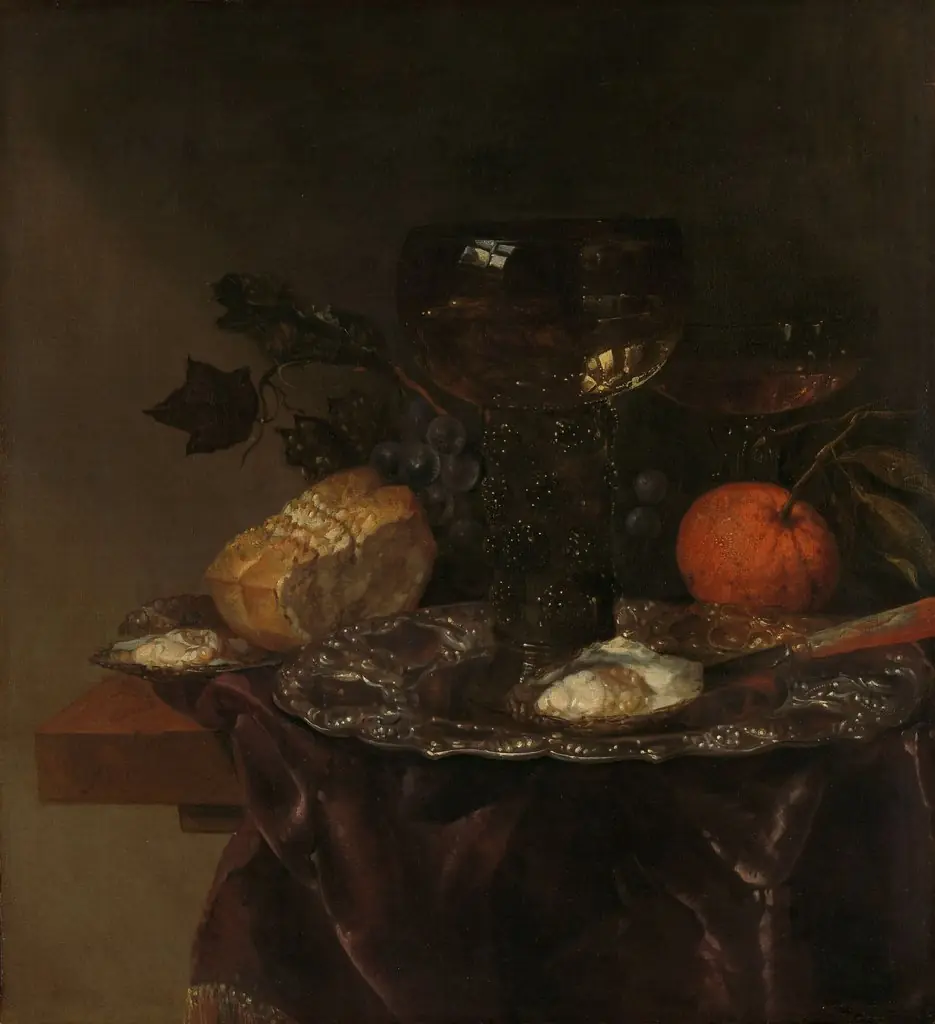 Still life
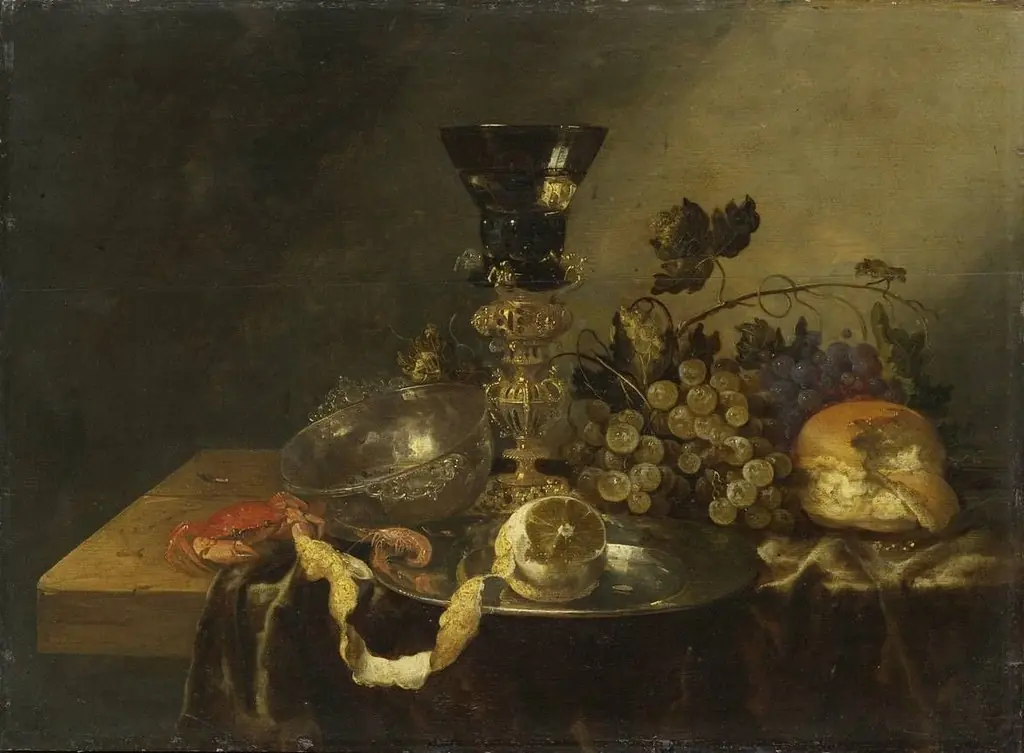 Stillleben mit Silberschale und Becherschraube
 Suptuous Still Life.