Artwork
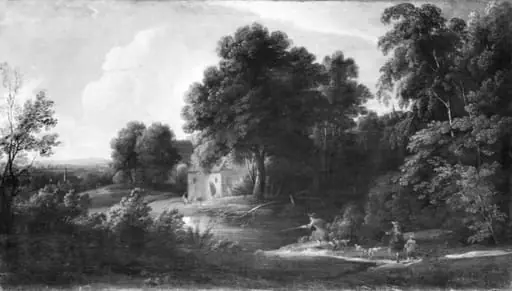
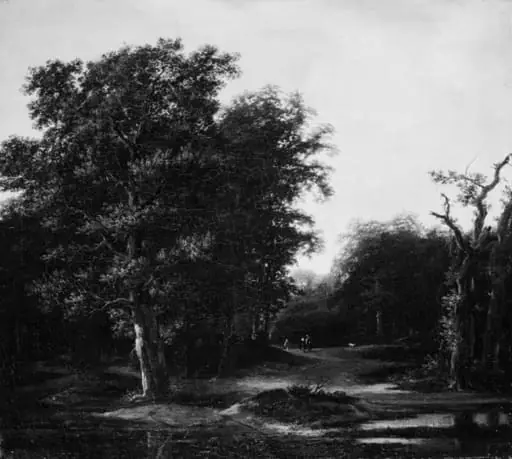
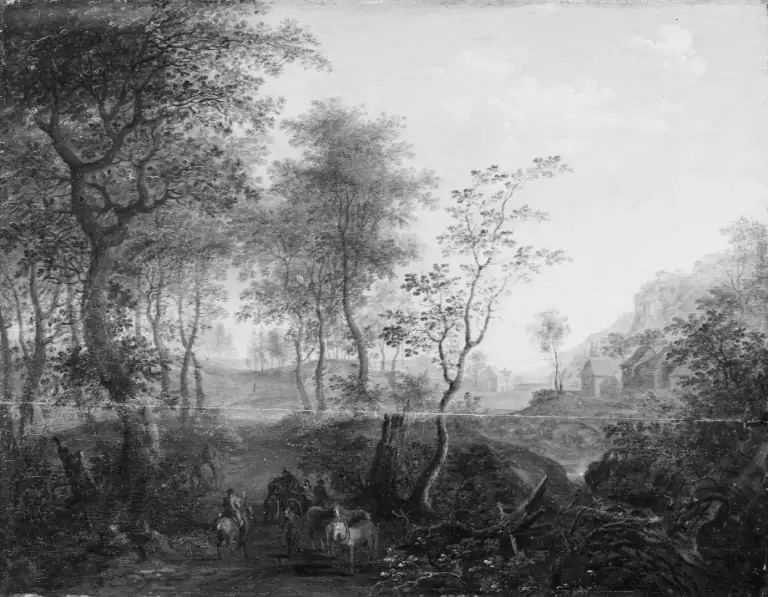
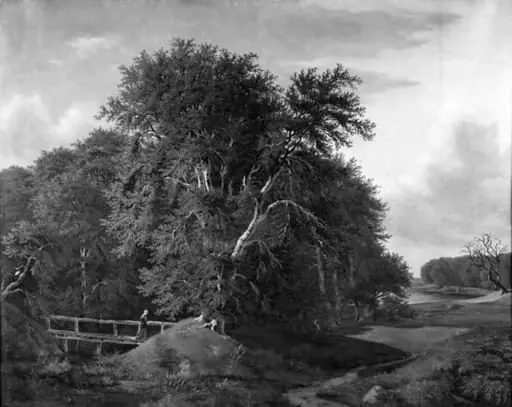
Wooded Landscape with the Banishment of Hagar and Ishmael
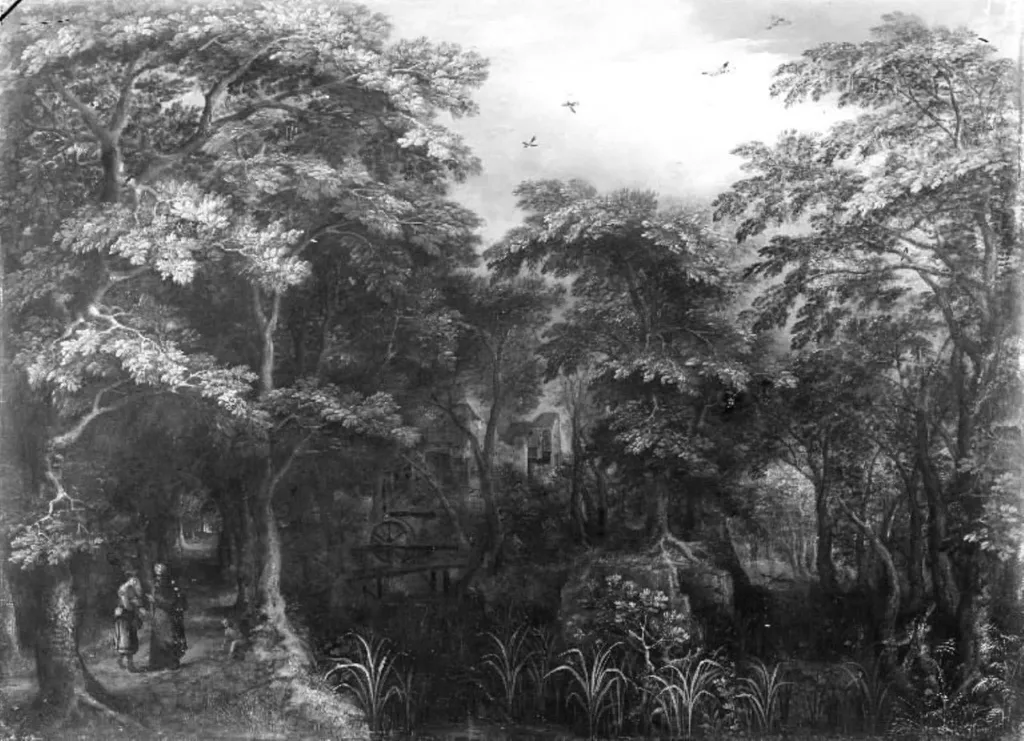
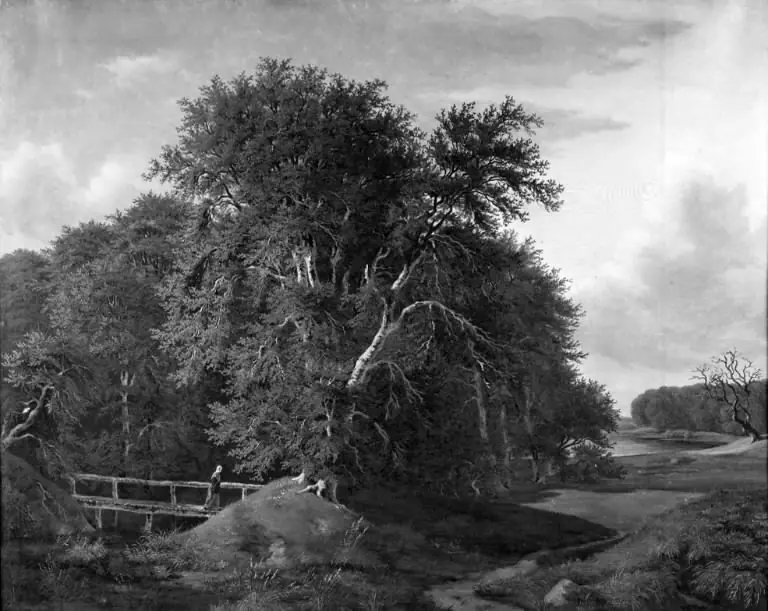
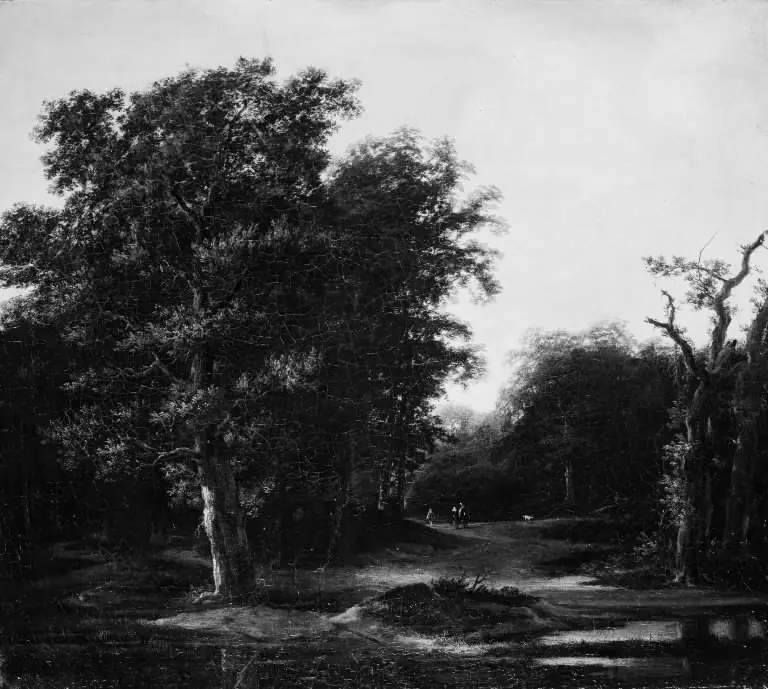
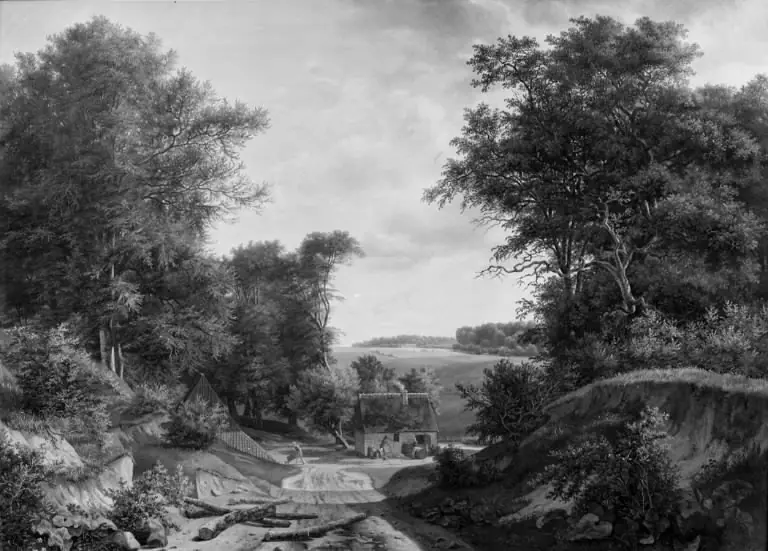
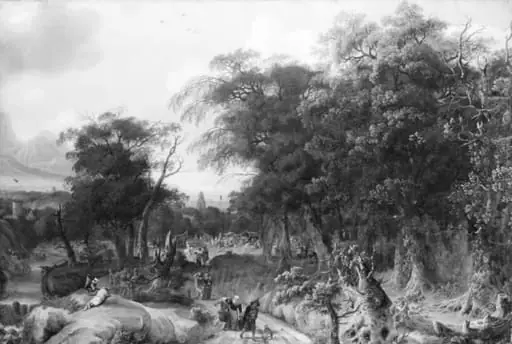
Wooded Landscape with the Banishment of Hagar and Ishmael is an unspecified painting by Unknown. It dates from 1599 and is held in the collection of the Statens Museum for Kunst. Painted around 1599, this landscape depicts a dense, shadowed woodland with a narrative scene embedded within its foliage.
About this work
Overview
Painted around 1599, this landscape depicts a dense, shadowed woodland with a narrative scene embedded within its foliage. The work is attributed to an artist active in the late 16th century and is currently held by the Museum of Ethnography. The composition balances naturalistic terrain with a subtle human story, using the forest as both setting and emotional anchor.
Subject & Meaning
The scene illustrates the biblical moment when Hagar and her son Ishmael are sent away into the wilderness. A group gathers near a rocky outcrop, while a solitary figure departs into the trees, evoking abandonment and isolation. The landscape does not illustrate the event literally but suggests its emotional weight through spatial tension and the isolation of the walking figure.
Technique & Style
The artist employs strong contrasts between light and dark to model the forest’s depth, creating an atmosphere of quiet mystery. Thick brushwork defines tangled undergrowth, while uneven ground and tall grass in the foreground draw the viewer into the scene. The handling of shadow suggests an awareness of chiaroscuro, though without theatrical intensity, favoring subdued naturalism.
History & Provenance
The painting entered the collection of the Museum of Ethnography in the early 20th century, though its earlier ownership remains undocumented. Its attribution to a specific artist from the 1560s is based on stylistic comparison with regional works of the period. No records of its commission or original display context have been identified.
Context
Created during a time when landscape painting was gaining autonomy from religious narrative, this work reflects a transitional moment. While biblical themes persisted, artists increasingly used nature to convey psychological or moral undertones. The painting’s quiet drama aligns with Northern European trends that favored introspective, atmospheric scenes over grand historical spectacle.
Legacy
Though not widely reproduced or studied, the painting contributes to understanding how biblical stories were rendered in non-didactic, environmental terms during the late Renaissance. Its emphasis on mood over clarity influenced later landscape traditions that prioritized emotional resonance over literal storytelling.
Artist & collection

 Domestic Scene
 Giacomo and Cardinal Marco, investing Andrea, Abbot of San Zeno, with his Benefice
 The Nymph of Fontainebleau
 Portrait of a Woman
 Madonna and Child with Saints in the Enclosed Garden
 Venus and Minerva
 Family Group of Four on Sofa
 Wall painting from Room H of the Villa of P. Fannius Synistor at Boscoreale