Artwork
Forest Scenery
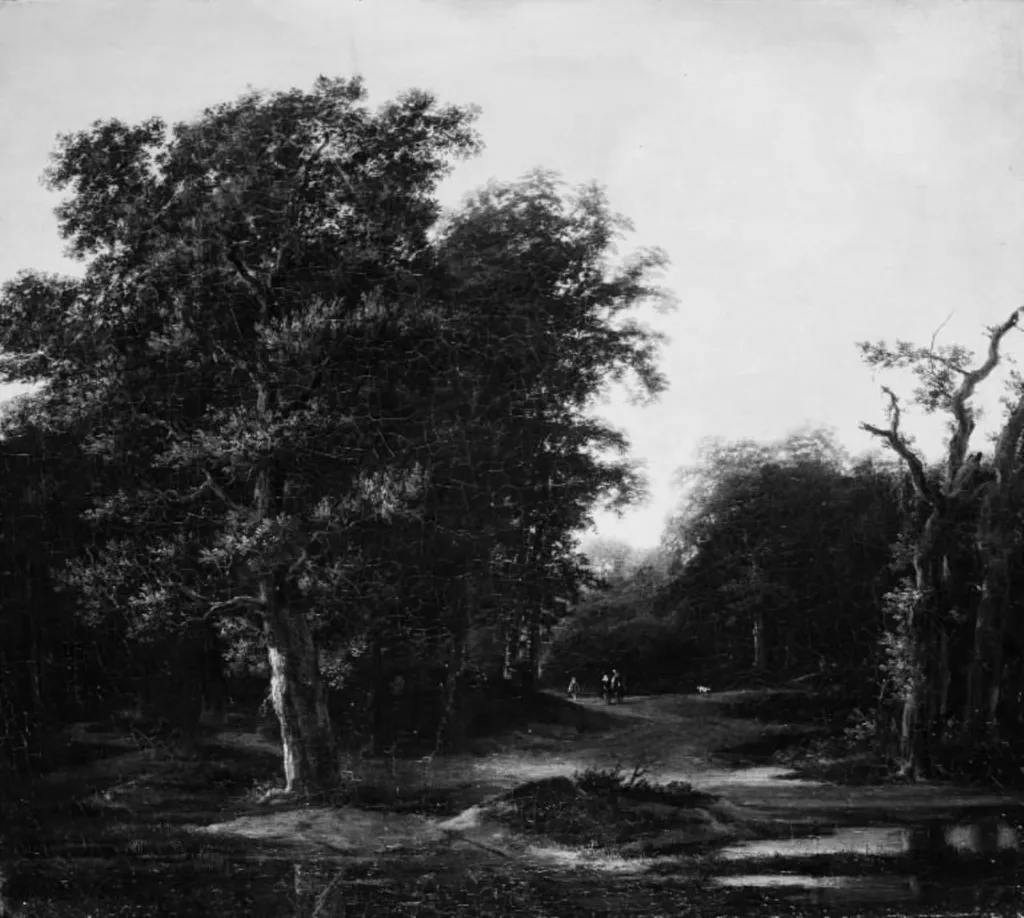
Forest Scenery is a photography by Unknown. It dates from 1650 and is held in the collection of the Statens Museum for Kunst.
About this work
Overview
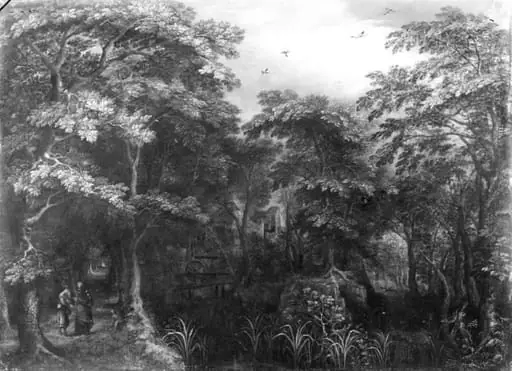
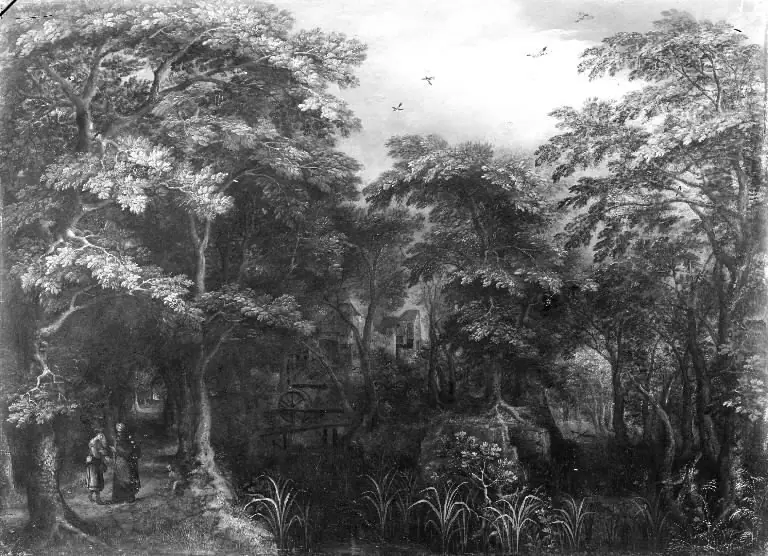
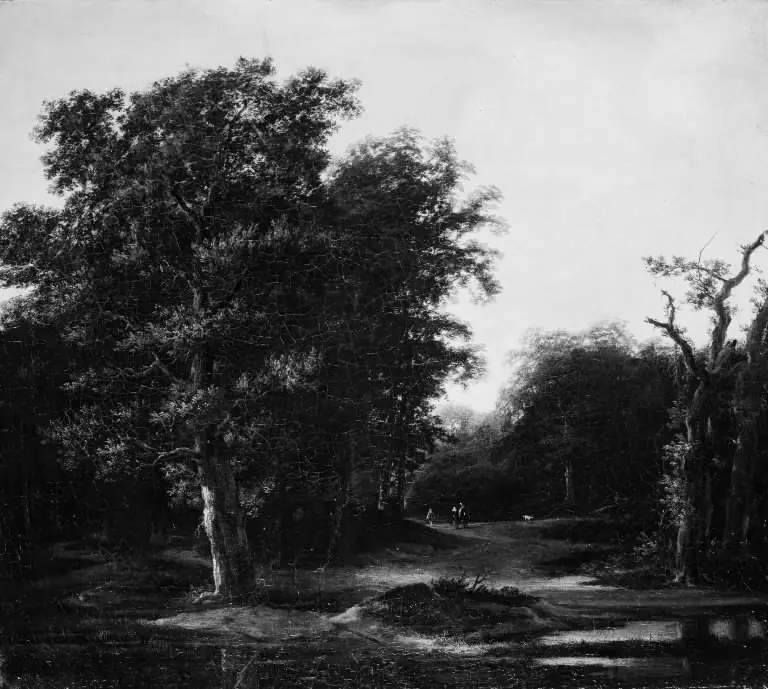
The scene includes a winding path, dense trees, and a reflective body of water, rendered with attention to natural detail and atmospheric effects.
Created around 1650, Forest Scenery is a landscape painting now held by the Museum of Ethnography. Though cataloged as an image, the work is a painted depiction of a tranquil woodland. The scene includes a winding path, dense trees, and a reflective body of water, rendered with attention to natural detail and atmospheric effects. The artist’s approach emphasizes quiet observation over dramatic narrative.
Subject & Meaning
The painting presents an unpopulated forest, free of human figures or symbolic elements. Its focus lies in the quiet rhythm of nature—light filtering through foliage, the texture of bark, and the stillness of water. Rather than conveying myth or moral allegory, the work invites contemplation of the natural world as it is, suggesting an early appreciation for landscape as a subject worthy of quiet reverence.
Technique & Style
The artist employs chiaroscuro to model forms through subtle contrasts of light and shadow, enhancing the three-dimensionality of tree trunks and the ground. Brushwork is restrained, favoring soft transitions over sharp outlines. The color palette is muted, dominated by greens, browns, and grays, reinforcing the painting’s serene mood. These choices reflect a commitment to naturalism over idealized composition.
History & Provenance
The painting’s early history is undocumented, but it entered the collection of the Museum of Ethnography at an unknown date. Its presence in an ethnographic institution, rather than a fine arts museum, suggests it may have been acquired as part of a broader collection of visual materials documenting human interaction with nature, though no direct cultural context is established.
Context
Painted in the mid-17th century, this work aligns with a broader European trend of landscape painting gaining autonomy from religious or historical themes. While contemporaries like Rembrandt and Ruisdael explored similar subjects with greater fame, this piece reflects a quieter, more intimate approach—likely made for private contemplation rather than public display.
Legacy
Though not widely known or reproduced, Forest Scenery contributes to the understudied corpus of small-scale Dutch and Flemish landscapes from the period. Its preservation in an ethnographic museum underscores shifting institutional priorities in how nature imagery is categorized. The work remains a quiet example of early naturalistic observation in painting.
Artist & collection

 Domestic Scene
 Giacomo and Cardinal Marco, investing Andrea, Abbot of San Zeno, with his Benefice
 The Nymph of Fontainebleau
 Portrait of a Woman
 Madonna and Child with Saints in the Enclosed Garden
 Venus and Minerva
 Family Group of Four on Sofa
 Wall painting from Room H of the Villa of P. Fannius Synistor at Boscoreale
 En skovegn
 En skovegn
 Landscape. Composition
 Wooded Landscape with the Banishment of Hagar and Ishmael
 Wooded Landscape with the Banishment of Hagar and Ishmael
 Landscape. Composition
 Skovparti på vejen mellem Helsingør og Hammermøllen
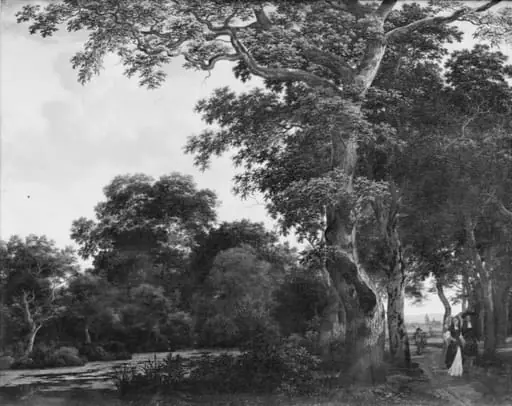 The Oak Avenue
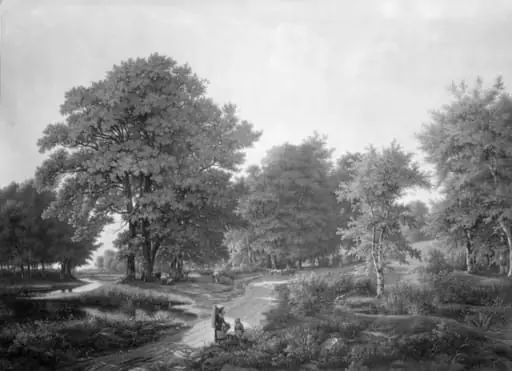 Skovparti på vejen mellem Helsingør og Hammermøllen
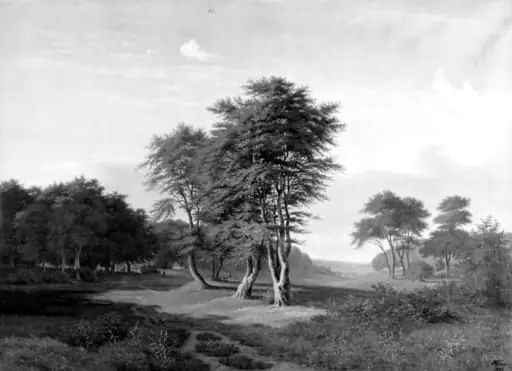 Skovparti. Motivet taget fra Dyrehaven
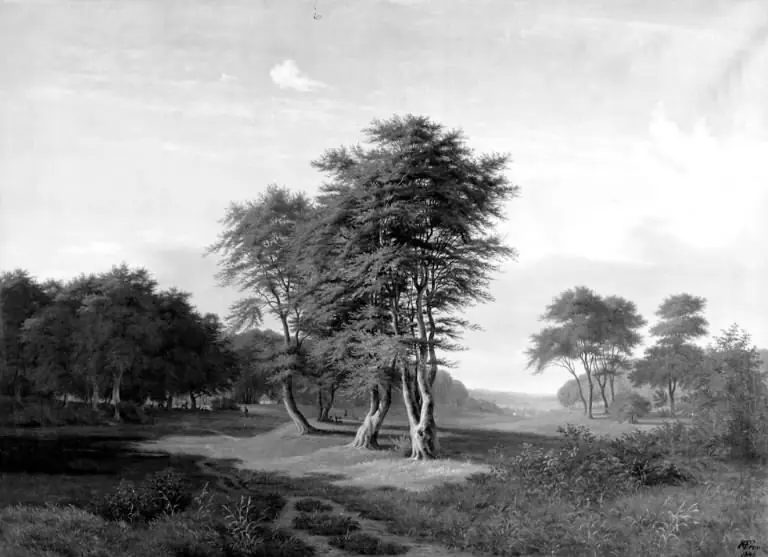 Skovparti. Motivet taget fra Dyrehaven
 Forest Scenery