Artwork
Cleopatra
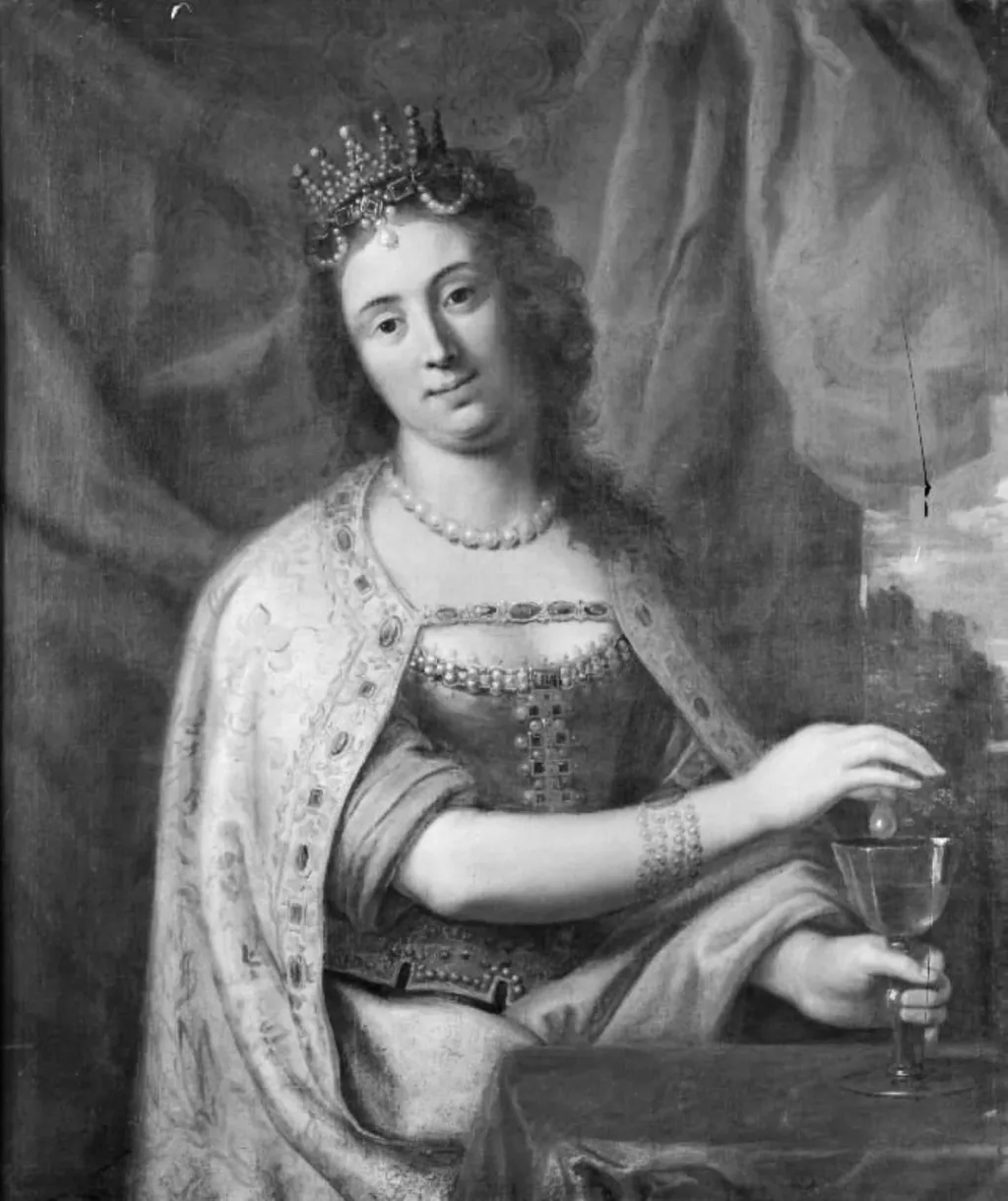
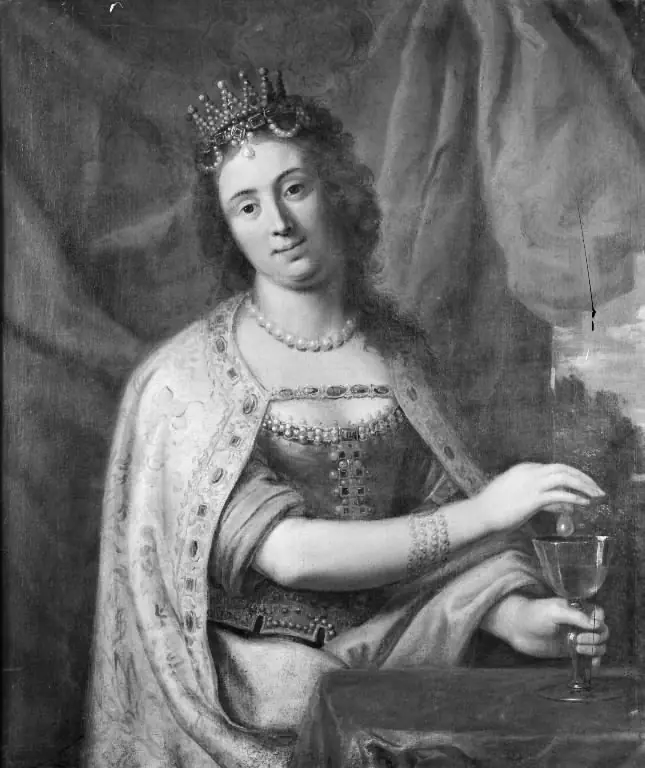
Cleopatra is a photography by Unknown. It dates from 1634 and is held in the collection of the Statens Museum for Kunst.
About this work
Overview
Though rendered in monochrome, the work mimics the tonal range of early photographic portraiture, despite being executed entirely in paint.
This portrait, dated around 1634, depicts Cleopatra as a figure of composed authority. Though rendered in monochrome, the work mimics the tonal range of early photographic portraiture, despite being executed entirely in paint. It is held in the collection of the Museum of Ethnography, where it is presented not as a historical likeness but as a symbolic representation shaped by early modern European imagination.
Subject & Meaning
The figure is identified as Cleopatra through her regal crown and ornate jewelry, symbols drawn from classical and Renaissance traditions rather than Egyptian sources. Her relaxed posture and direct gaze convey self-possession, aligning with 17th-century ideals of noble femininity. The glass she holds may allude to luxury or transience, reinforcing themes of power and mortality common in allegorical portraiture of the period.
Technique & Style
The artist employs chiaroscuro to model the face with sharp contrast against a deep, indistinct background. Fine brushwork renders the embroidery on her garment with precision, while the rest of the composition remains softly blurred, directing focus to her expression. The monochrome palette and photographic appearance suggest an intentional emulation of emerging print media, blending painting with the aesthetic of early engraved portraits.
History & Provenance
The painting’s origins are undocumented prior to its inclusion in the Museum of Ethnography’s collection. It was likely produced in a European studio during the 1630s, possibly as part of a series depicting historical or mythological women. Its attribution to a specific artist remains unconfirmed, and its journey from private collection to institutional custody is not fully traced.
Context
In the early 17th century, European artists frequently depicted ancient rulers as vehicles for contemporary ideals of power and virtue. Cleopatra, often portrayed as a seductress or tragic queen, here appears as a dignified figure, reflecting shifting attitudes toward female authority. The work aligns with a broader trend of using classical subjects to explore identity, gender, and spectacle in a period of expanding global awareness.
Legacy
This portrait contributes to a visual tradition that reimagined Cleopatra through European lenses, detached from historical or archaeological accuracy. Its photographic aesthetic anticipates later photographic portraiture, making it a curious bridge between painted representation and mechanical reproduction. Today, it serves as a case study in how cultural myths are materially constructed and preserved in museum collections.
Artist & collection

 Domestic Scene
 Giacomo and Cardinal Marco, investing Andrea, Abbot of San Zeno, with his Benefice
 The Nymph of Fontainebleau
 Portrait of a Woman
 Madonna and Child with Saints in the Enclosed Garden
 Venus and Minerva
 Family Group of Four on Sofa
 Wall painting from Room H of the Villa of P. Fannius Synistor at Boscoreale
 Bildnis einer Hofdame
 Dronning Charlotte Amalie (knæstykke)
 Dronning Charlotte Amalie (knæstykke)
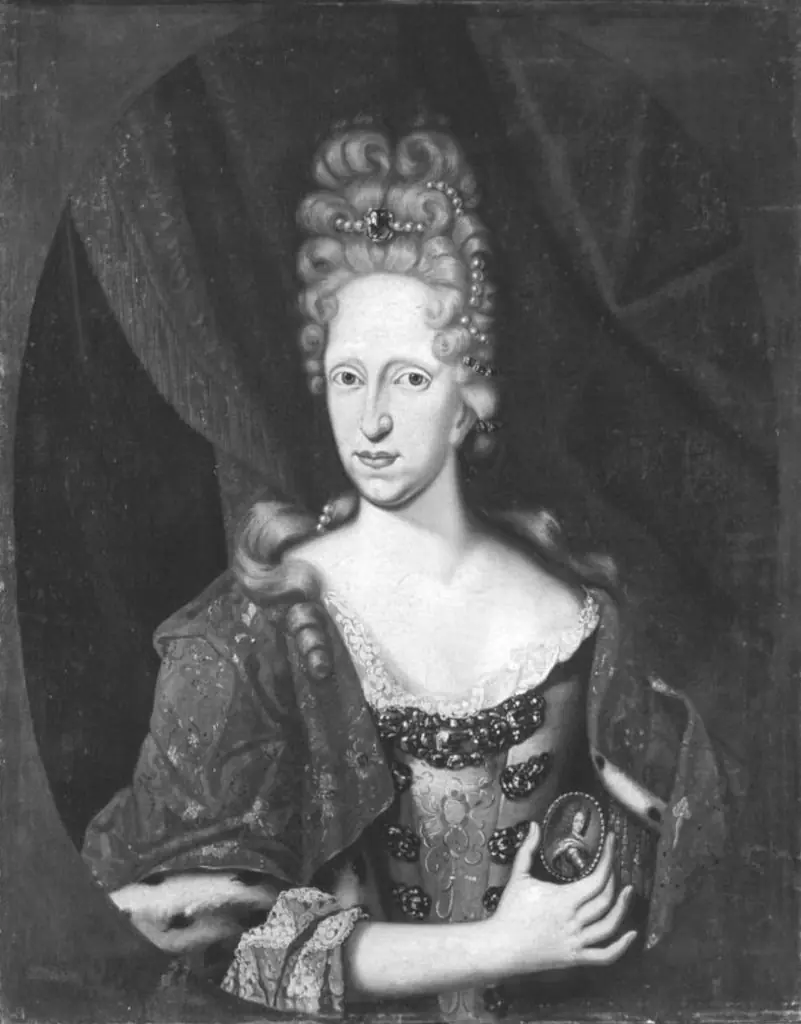 Pfalzgräfin Hedwig Elisabeth Amalie, Gemahlin des Prinzen Jacob Ludwig
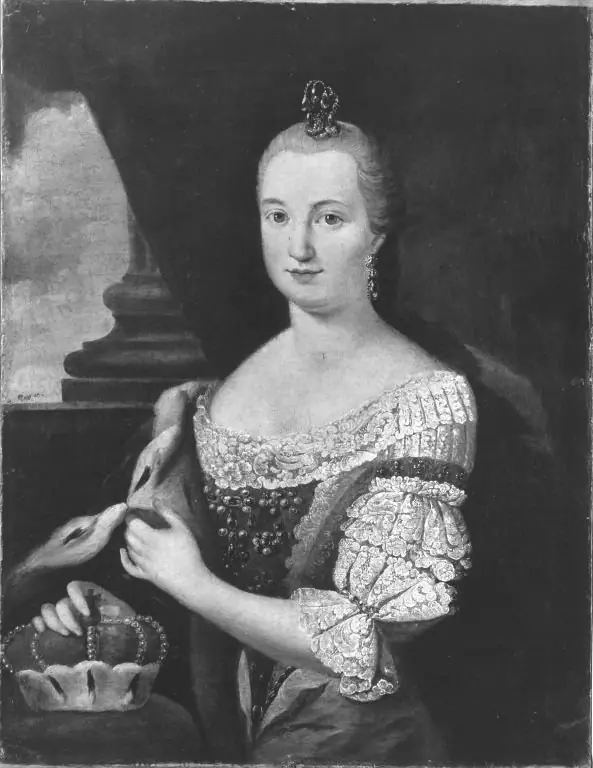 Bildnis der Kurfürstin Elisabeth Auguste von Pfalz-Bayern (Kopie nach)
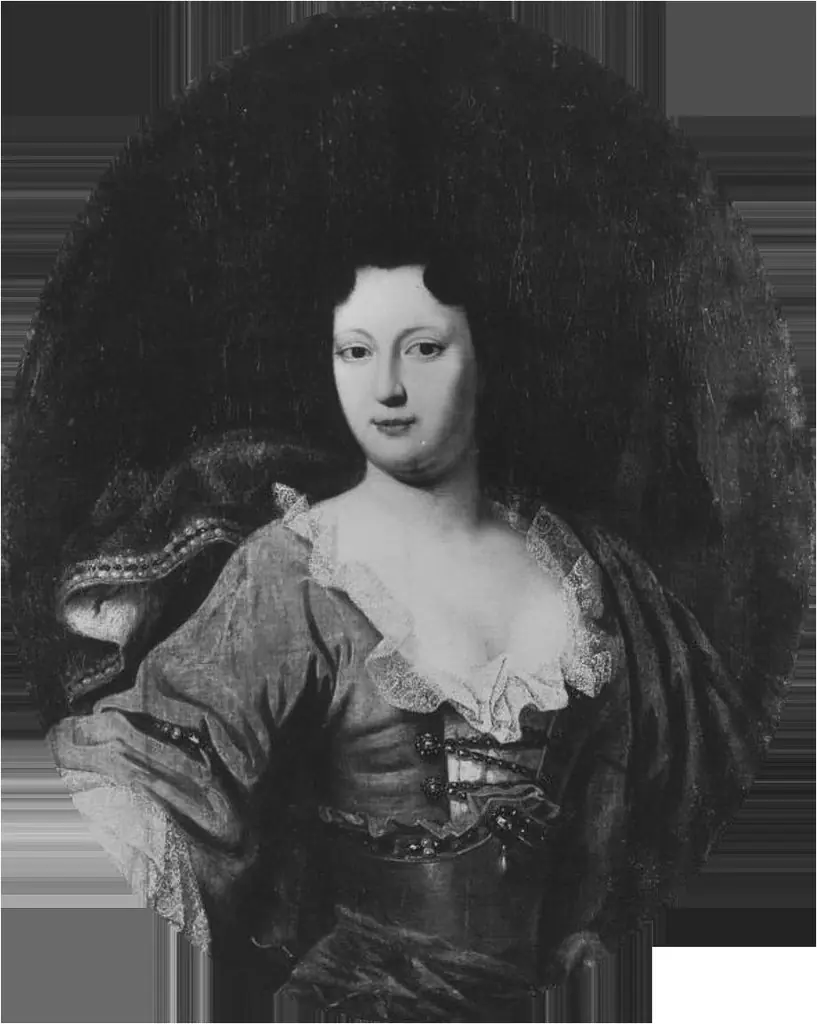 Portrait of Elisabeth Christine von Braunschweig-Wolfenbüttel
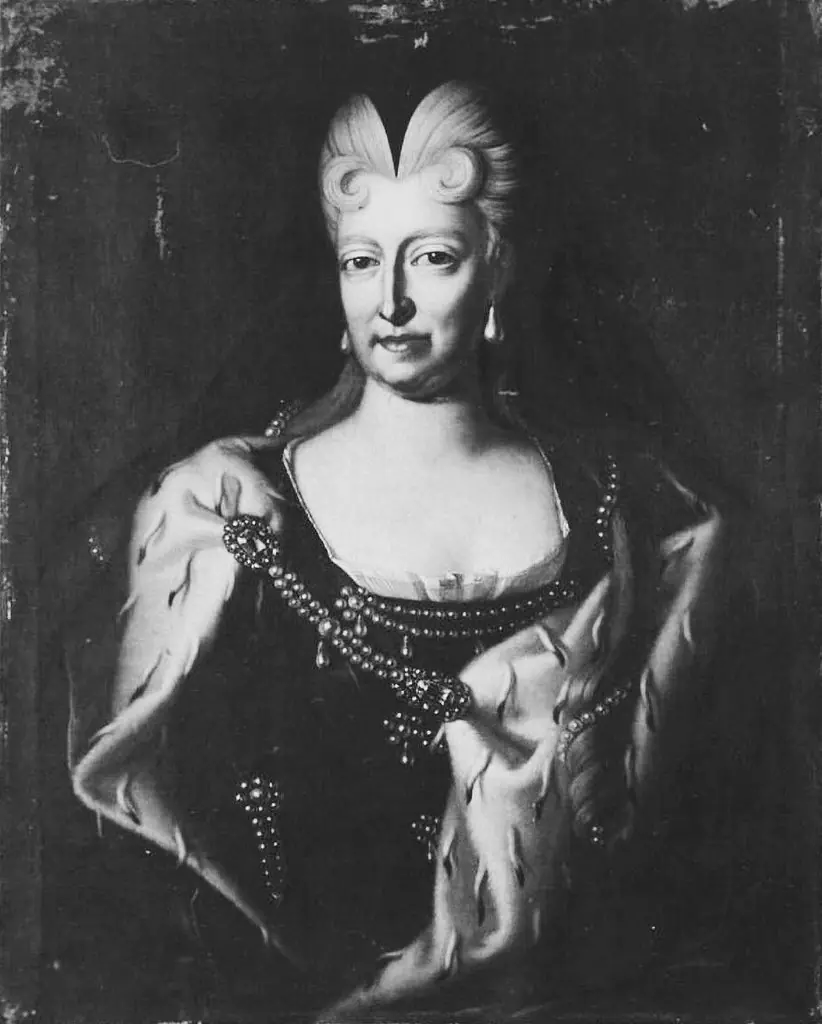 Bildnis einer Fürstin
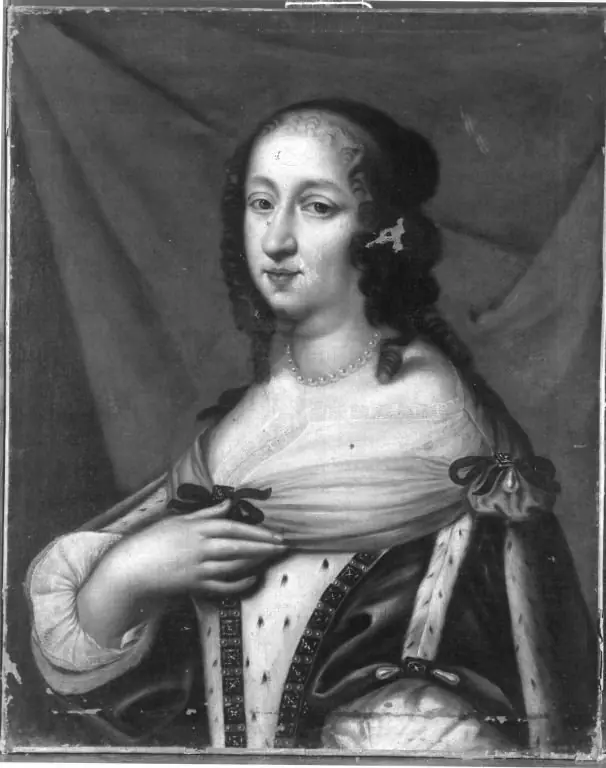 Portrait of a Woman
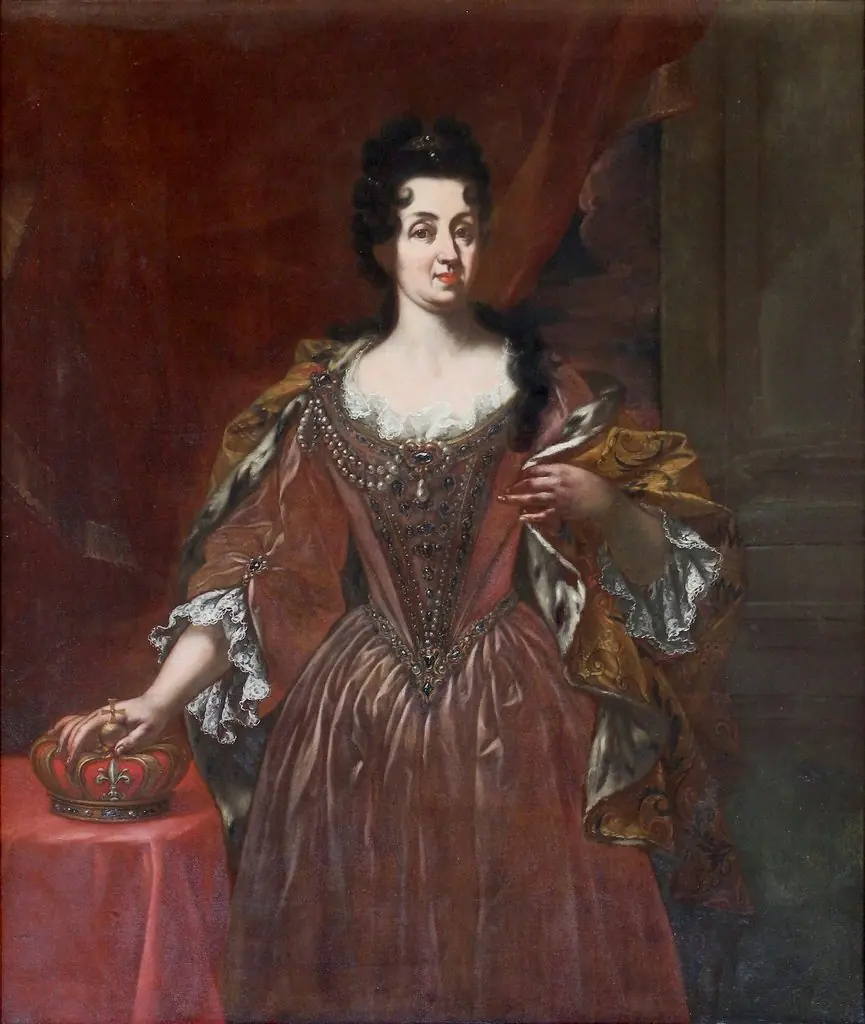 Portrait of Marguerite Louise d'Orléans, Grand Duchess of Tuscany
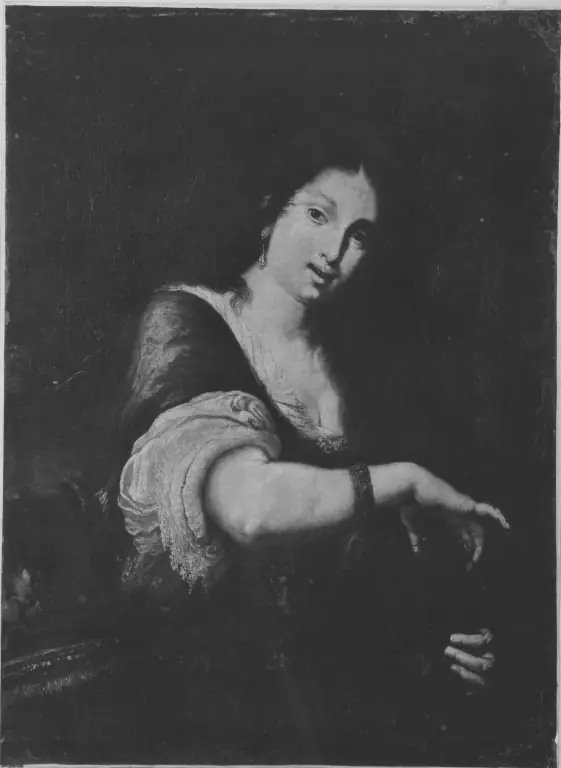 Berenike (Kopie nach)
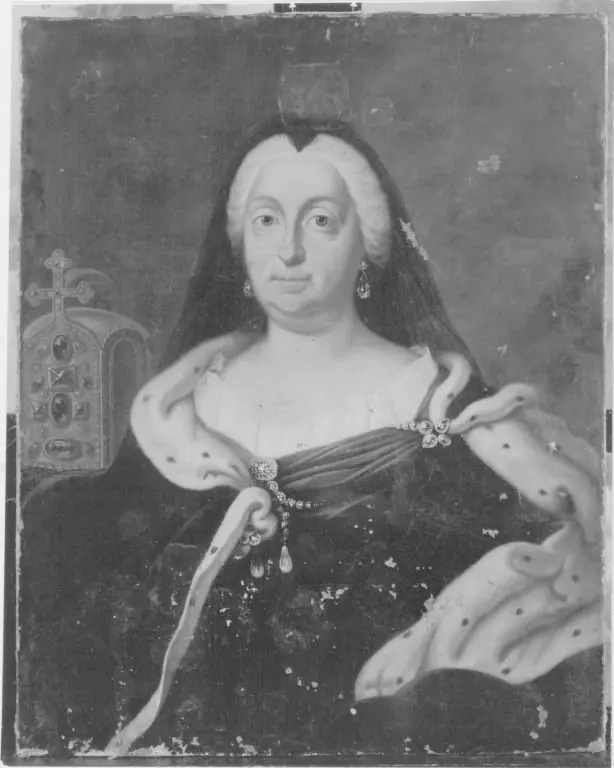 Maria Amalia of Austria as widow
 Cleopatra