Artwork
Cleopatra
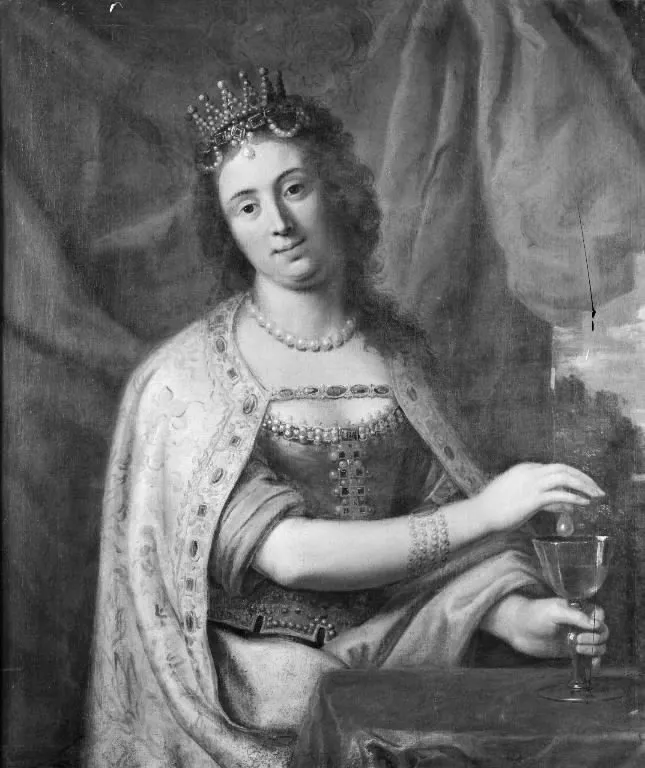
Cleopatra is an oil painting by the Flemish Baroque painting artist Gaspar de Crayer. It dates from 1634 and is held in the collection of the Statens Museum for Kunst.
About this work
Overview
Gaspar de Crayer's 1634 oil-on-canvas painting, Cleopatra, is a representative work of the Flemish Baroque style. It is now held in the Statens Museum for Kunst.
Subject & Meaning
The painting depicts the Egyptian queen Cleopatra, seated at a table, holding a delicate glass. Her crown, pearl necklace, and luxurious dress convey wealth and status. Her serious expression and gaze outside the frame suggest contemplation or introspection.
Technique & Style
The artist's use of chiaroscuro creates a dramatic effect, with strong contrasts between light and dark, drawing attention to the subject and her surroundings. The style reflects the influence of Peter Paul Rubens, evident in the luxurious and detailed rendering of the scene.
History & Provenance
Created while de Crayer was court painter to the governors of the Southern Netherlands, Cleopatra exemplifies his work during this period, which helped disseminate Rubens' style across Flanders.
Artist & collection
Artist
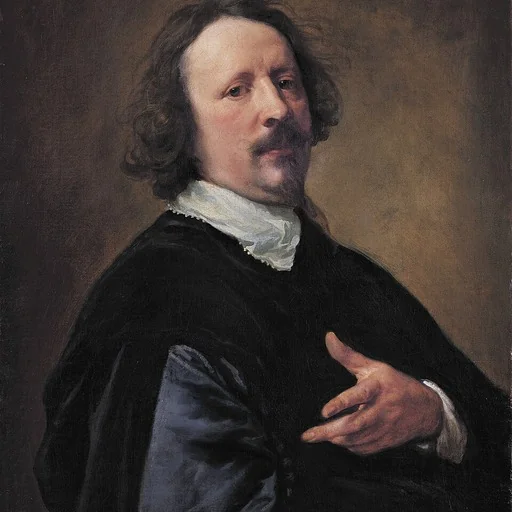
Gaspar de Crayer or Jasper de Crayer (18 November 1584 – 27 January 1669) was a Flemish painter known for his many Counter-Reformation altarpieces and portraits.

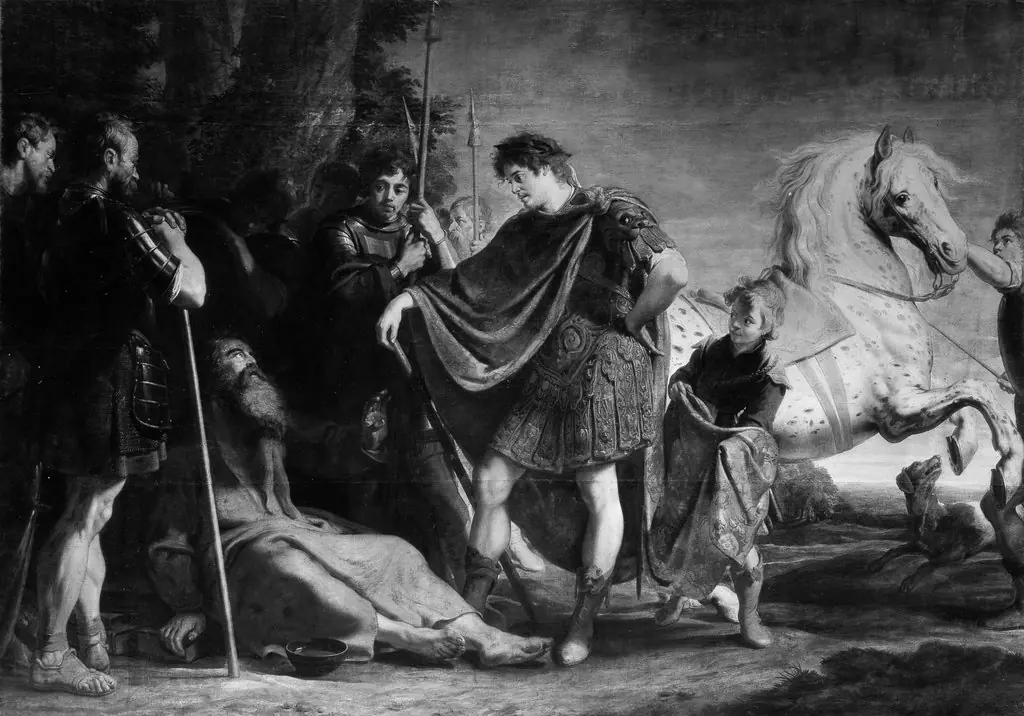 The Meeting of Alexander the Great and Diogenes
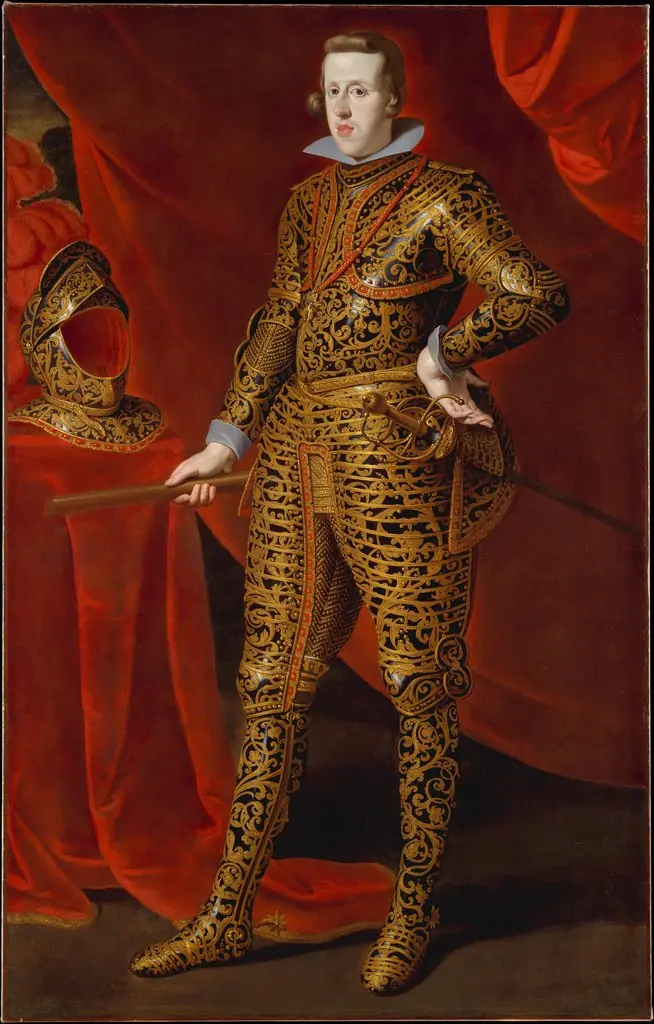 Philip IV (1605–1665) in Parade Armor
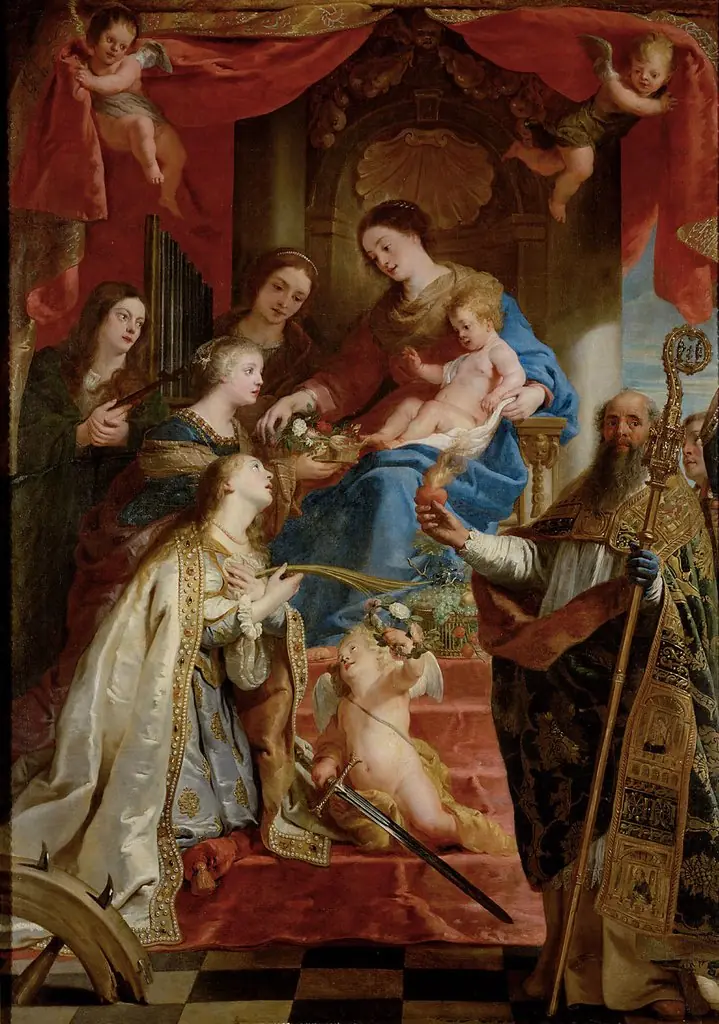 Virgin with child and saints Maria Magdalen, Cecilia, Dorothea, Catharina and Augustine
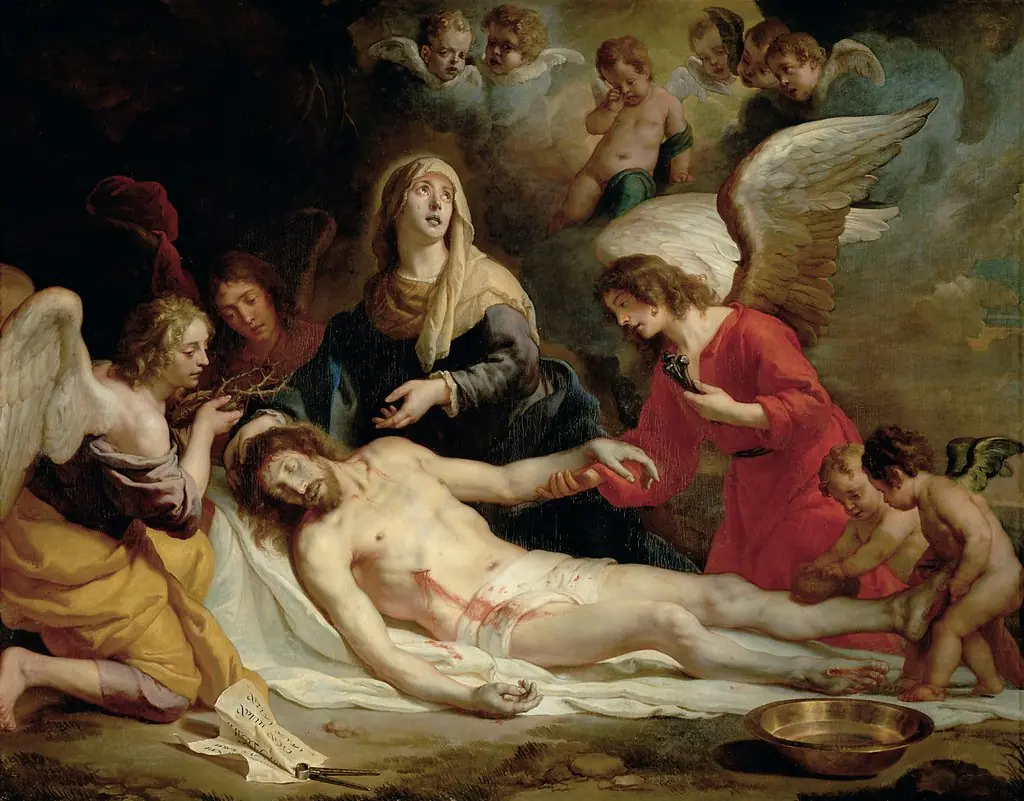 Lamentation
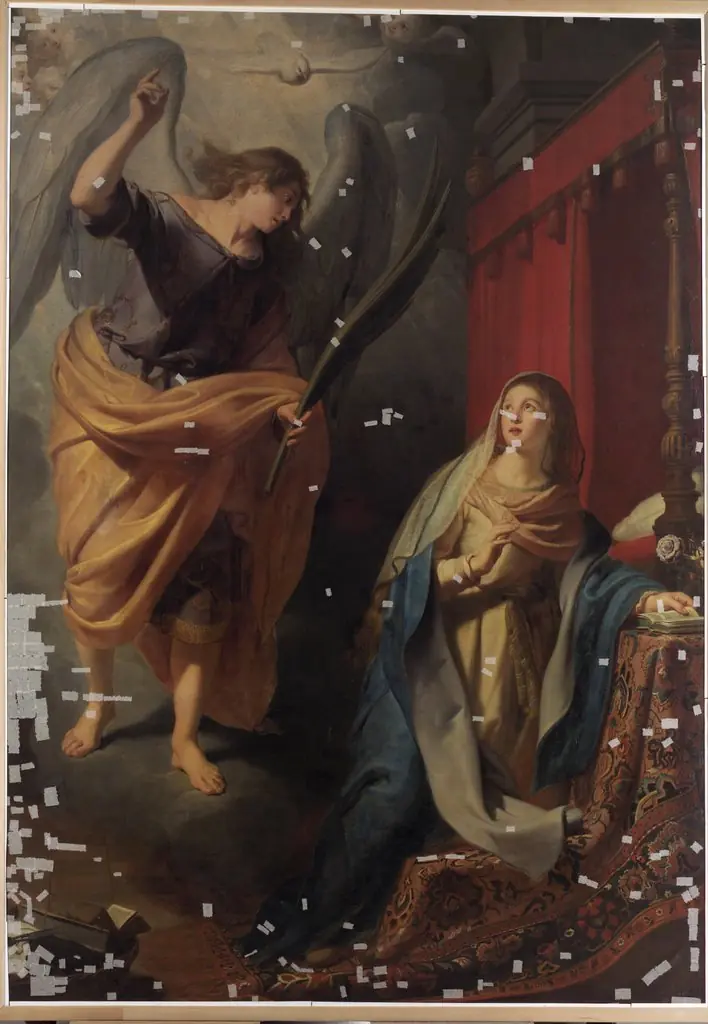 The Annunciation
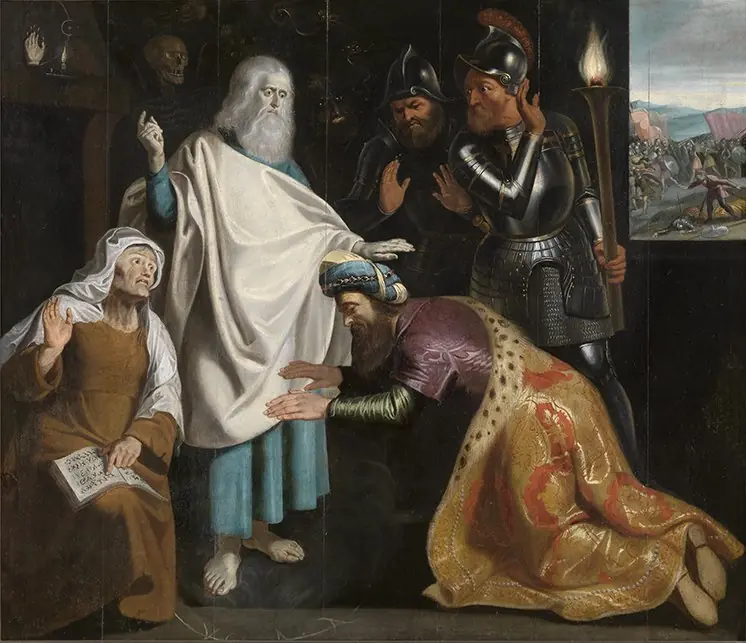 The ghost of Samuel appears to the witch of Endor; Saul falls prostrate to the ground (1 Samuel 28:3-20)
 The adoration of the shepherds
 The descent from the cross
 Portrait of a Woman
 Bildnis einer Hofdame
 Dronning Charlotte Amalie (knæstykke)
 Dronning Charlotte Amalie (knæstykke)
 Bildnis der Kurfürstin Elisabeth Auguste von Pfalz-Bayern (Kopie nach)
 Bildnis einer Hofdame
 Pfalzgräfin Hedwig Elisabeth Amalie, Gemahlin des Prinzen Jacob Ludwig
 Kaiserin Maria Amalia, Gemahlin Kaiser Karls VII.
 Berenike (Kopie nach)
 Portrait of Elisabeth Christine von Braunschweig-Wolfenbüttel
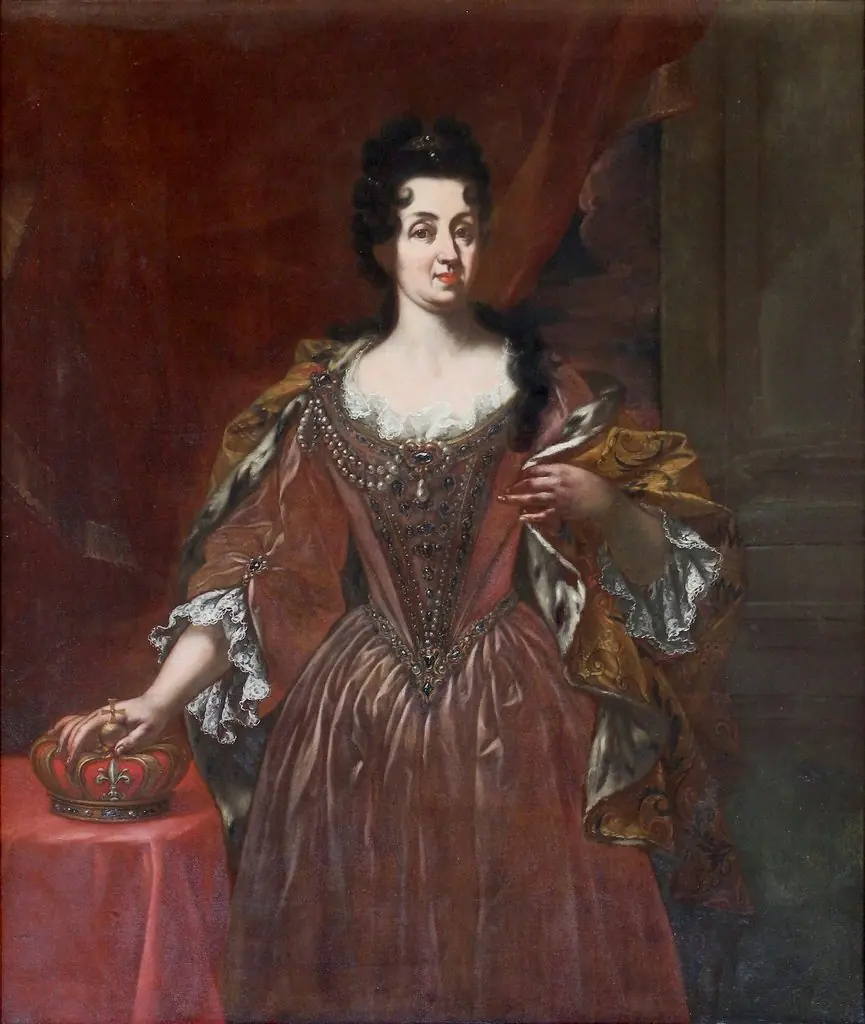 Portrait of Marguerite Louise d'Orléans, Grand Duchess of Tuscany
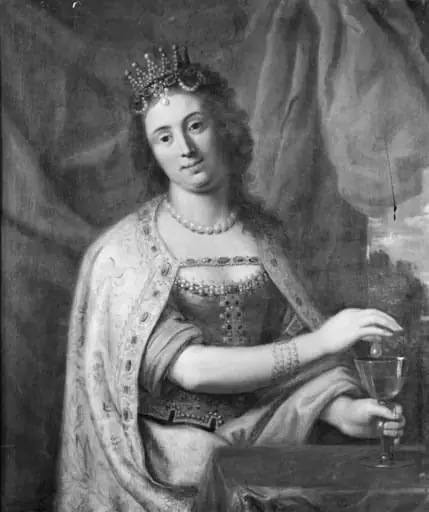 Cleopatra