Artwork
The Prophet Elisha and the Shunamite Woman
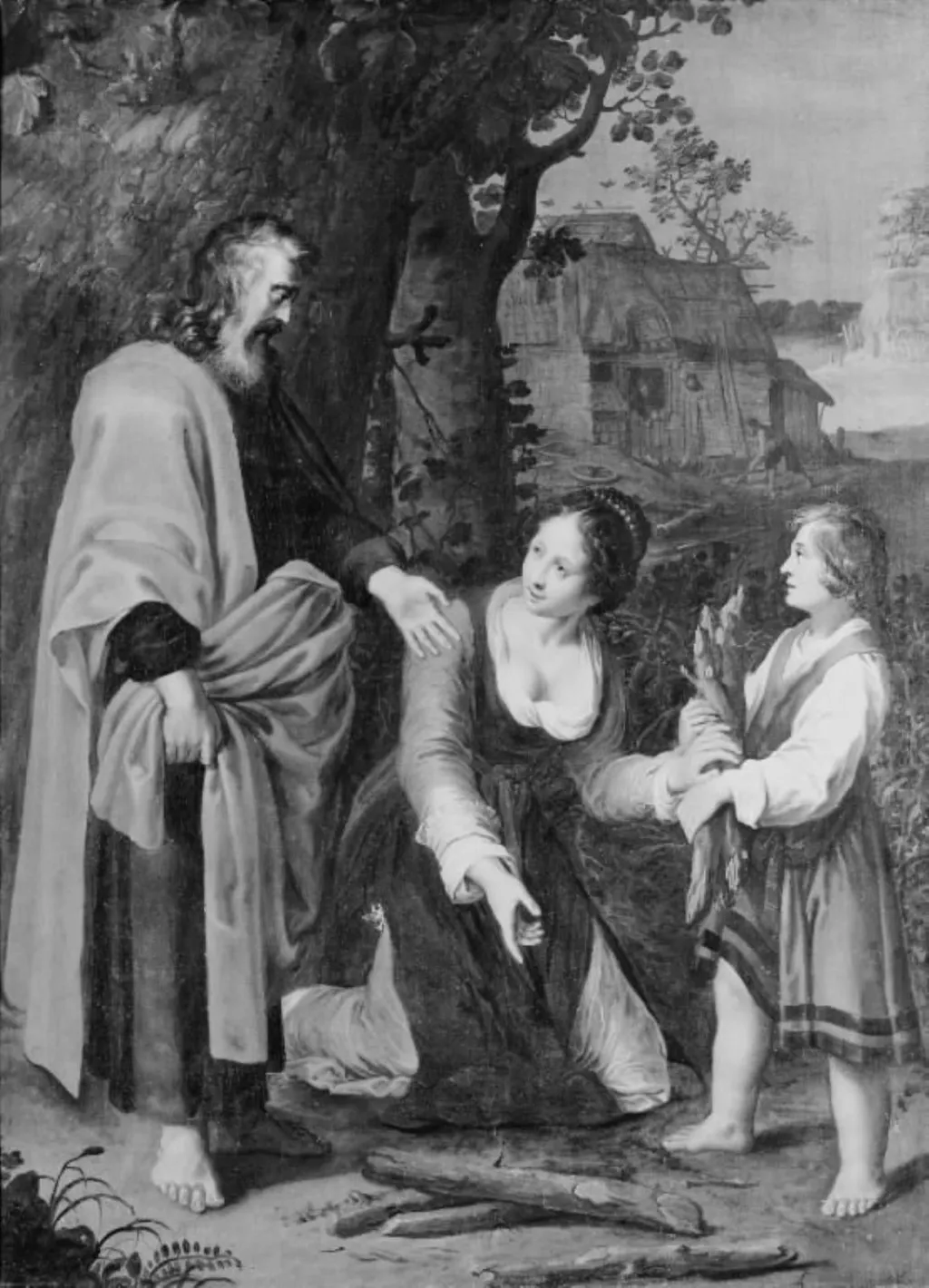
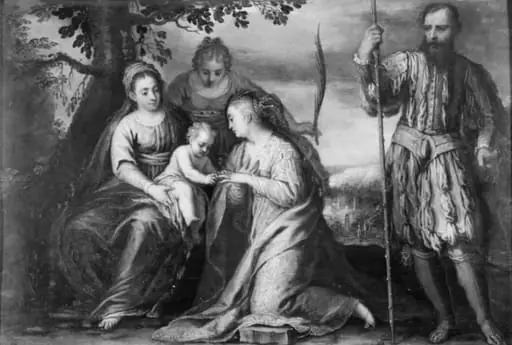
The Prophet Elisha and the Shunamite Woman is a photography by Unknown. It dates from 1630 and is held in the collection of the Statens Museum for Kunst. Painted around 1630, this work portrays a biblical moment involving the prophet Elisha, a woman from Shunem, and her son.
About this work
Overview
It resides in the Museum of Ethnography, though its origins are rooted in Christian iconography rather than ethnographic tradition.
Painted around 1630, this work portrays a biblical moment involving the prophet Elisha, a woman from Shunem, and her son. Executed in oil on panel, the composition centers on three figures in a quiet, intimate setting. The scene is rendered with careful attention to light and shadow, emphasizing emotional gravity over dramatic action. It resides in the Museum of Ethnography, though its origins are rooted in Christian iconography rather than ethnographic tradition.
Subject & Meaning
The scene illustrates the story from 2 Kings 4, in which Elisha revives the Shunamite woman’s deceased son. The kneeling figures convey grief and reverence; the boy, standing with sticks, suggests his recent return to life. The moment captures divine intervention through human vulnerability. No overt symbols or celestial elements are present, focusing instead on the emotional resonance of restoration and quiet faith.
Technique & Style
The artist employs chiaroscuro to model the figures with soft, directional light, giving them tangible volume against a subdued background. Robes and fabrics are rendered with subtle gradations, enhancing realism without theatricality. The background—minimalist, with a house and trees—recedes gently, keeping focus on the central group. Brushwork is controlled, avoiding flourish in favor of restrained naturalism typical of early 17th-century devotional painting.
History & Provenance
The painting’s early history is undocumented, but its style aligns with Dutch or Flemish religious works of the 1630s. It entered the Museum of Ethnography’s collection in the late 19th or early 20th century, likely through a broader acquisition of religious art. Its classification within an ethnographic institution reflects historical curatorial practices that grouped devotional imagery under cultural artifacts rather than fine art.
Context
Created during a period of religious upheaval in Europe, the painting reflects a continued interest in Old Testament narratives among Protestant communities. While Catholic regions favored grand altarpieces, northern artists often rendered biblical stories with domestic intimacy. This work fits within a trend of quiet, psychologically grounded scenes meant for private contemplation rather than public display.
Legacy
Though not widely exhibited or studied, the painting contributes to the understanding of how biblical stories were visualized in northern Europe outside major artistic centers. Its presence in an ethnographic museum highlights shifting perceptions of religious art’s cultural role. It remains a quiet example of how devotional themes were adapted to personal, human-scale expression in the early Baroque era.
Artist & collection

 Domestic Scene
 Giacomo and Cardinal Marco, investing Andrea, Abbot of San Zeno, with his Benefice
 The Nymph of Fontainebleau
 Portrait of a Woman
 Madonna and Child with Saints in the Enclosed Garden
 Venus and Minerva
 Family Group of Four on Sofa
 Wall painting from Room H of the Villa of P. Fannius Synistor at Boscoreale
 Bathseba erhält den Brief König Davids
 Lot and His Daughters
 Versuchung des hl. Antonius (Werkstattkopie)
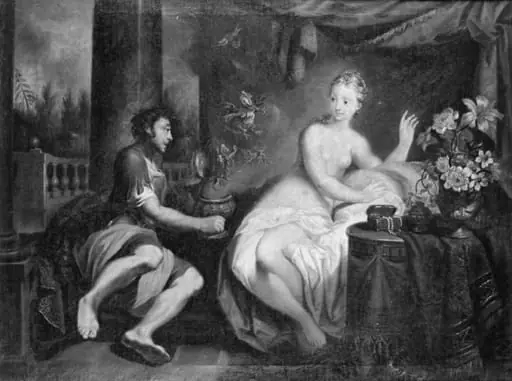 Epimetheus Opening Pandora's Box
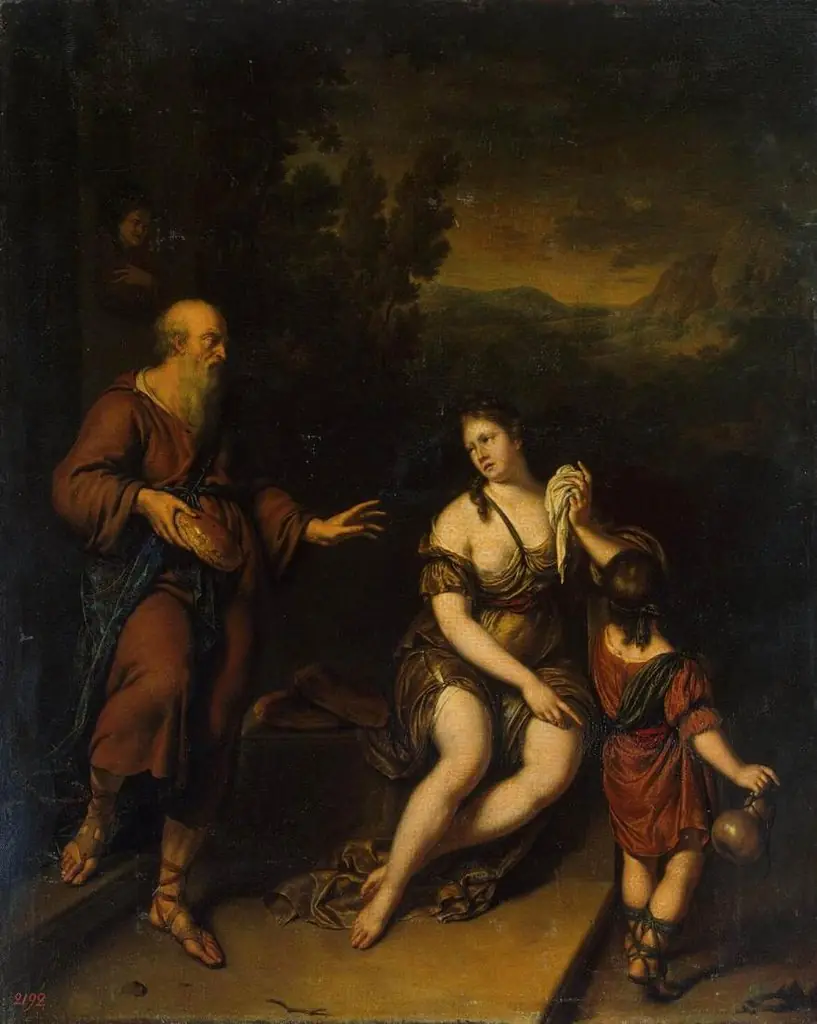 Banishment of Hagar and Ishmael
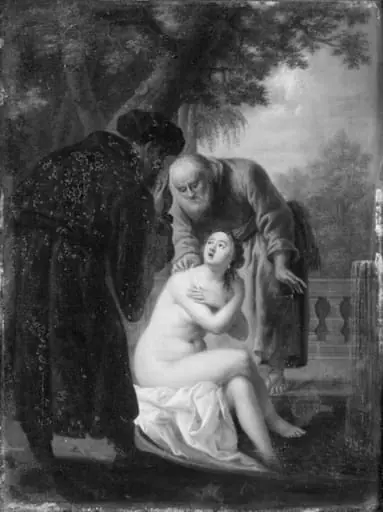 Susanna and the Elders
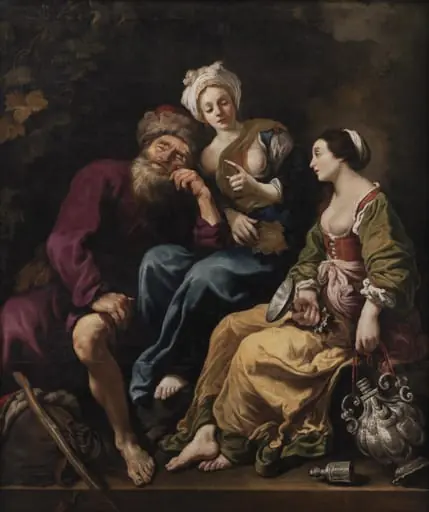 Lot and His Daughters
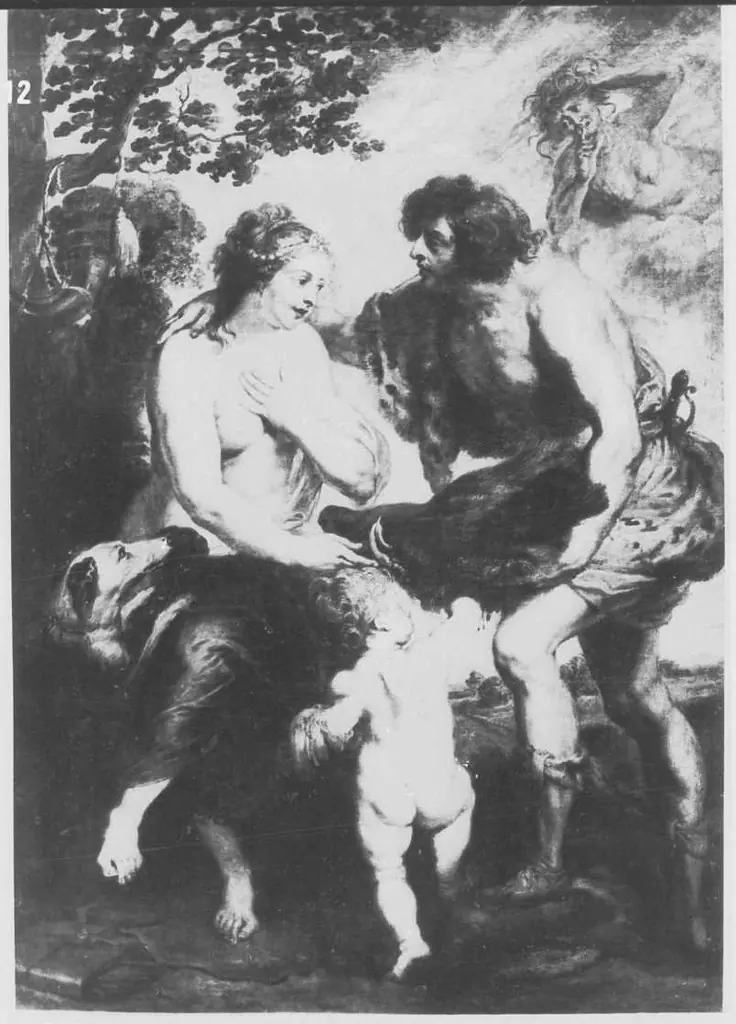 Meleager and Atalanta
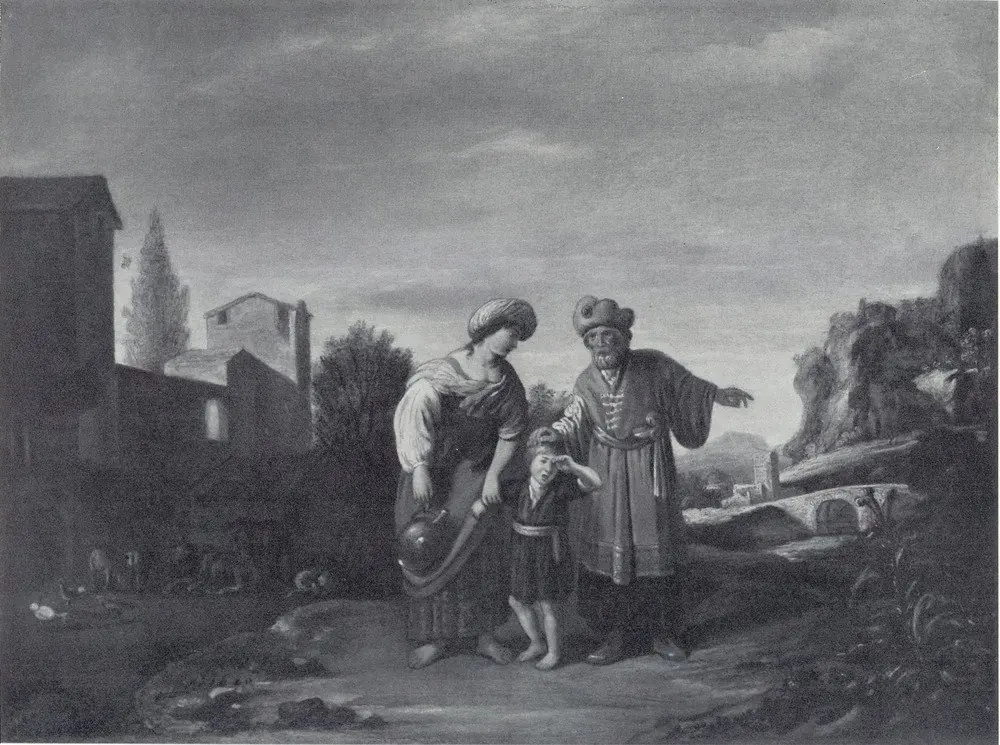 The Expulsion of Hagar
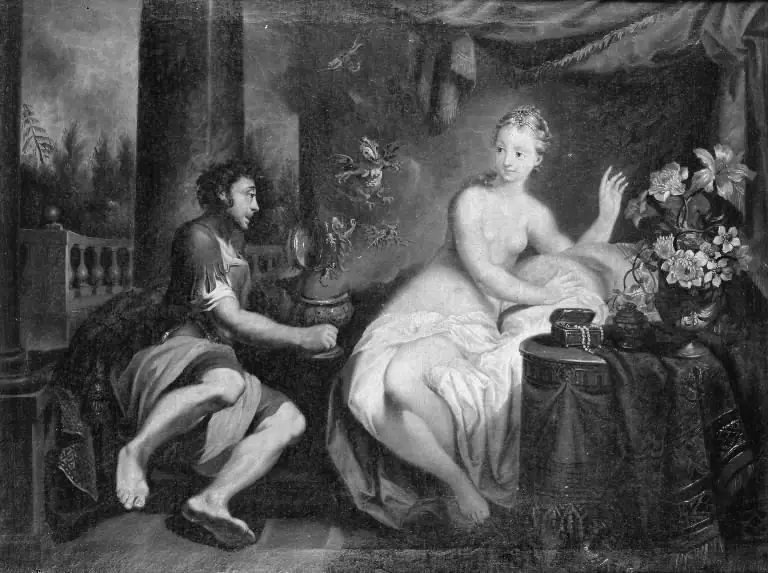 Epimetheus Opening Pandora's Box
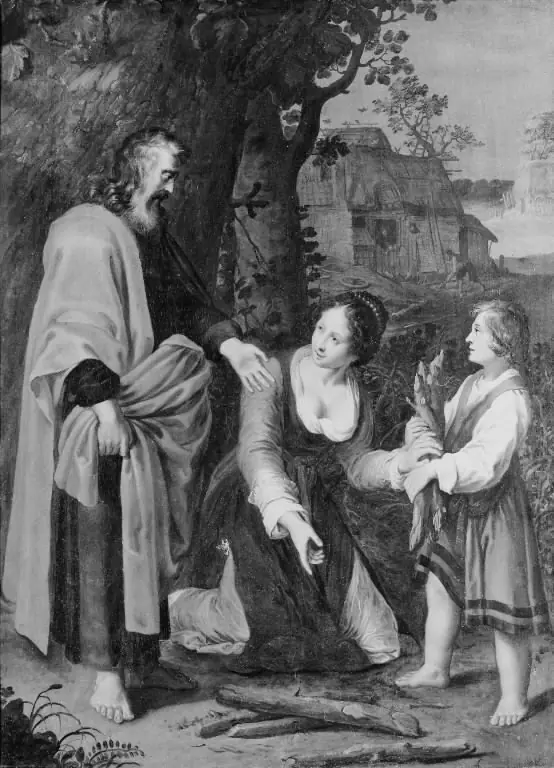 The Prophet Elisha and the Shunamite Woman
 The Marriage of St Catharine