Artwork
Meleager and Atalanta
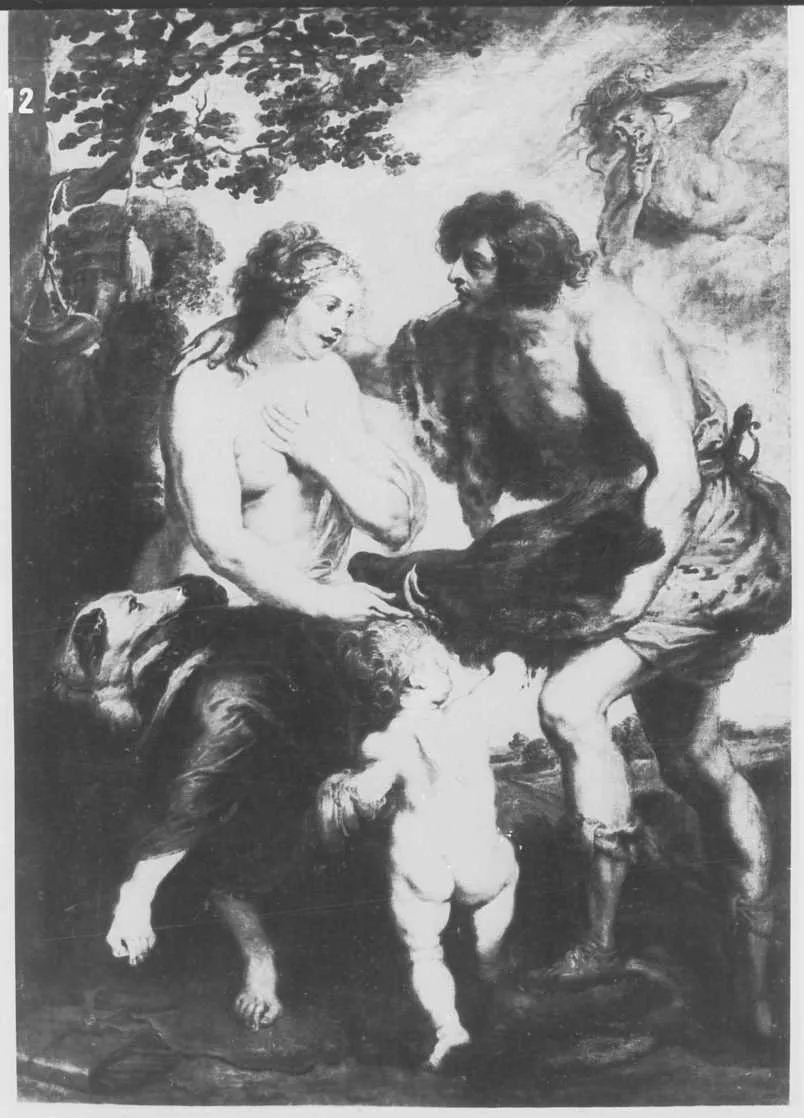
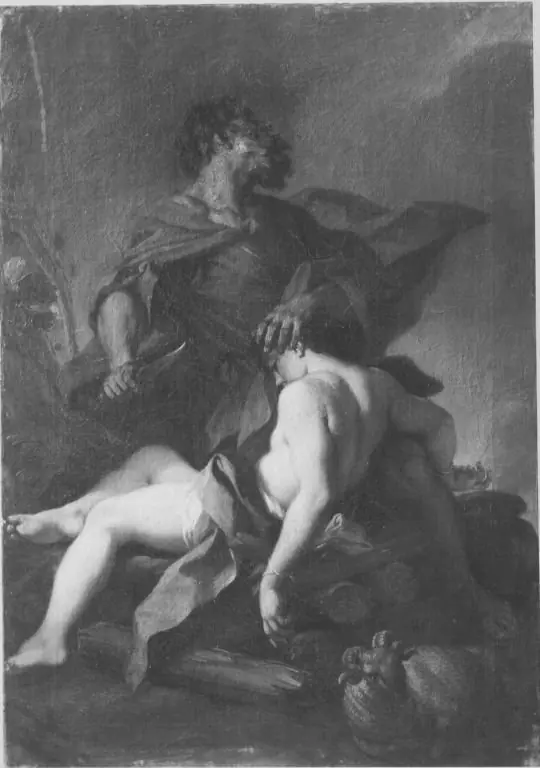
Meleager and Atalanta is an oil painting by the Early Baroque Italian artist Unknown. It dates from 1635 and is held in the collection of the Staatliche Kunstsammlungen Dresden.
About this work
Overview
The composition centers on two figures positioned asymmetrically, with one standing and one seated, creating a dynamic visual balance.
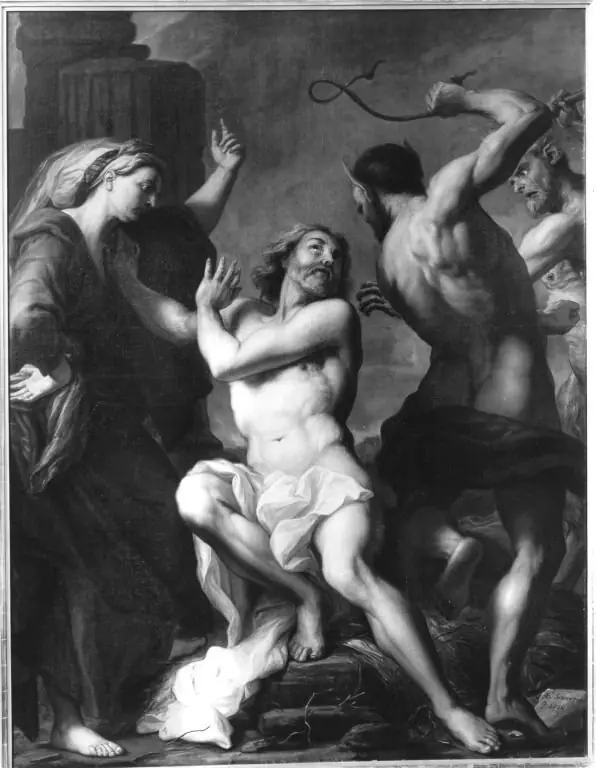
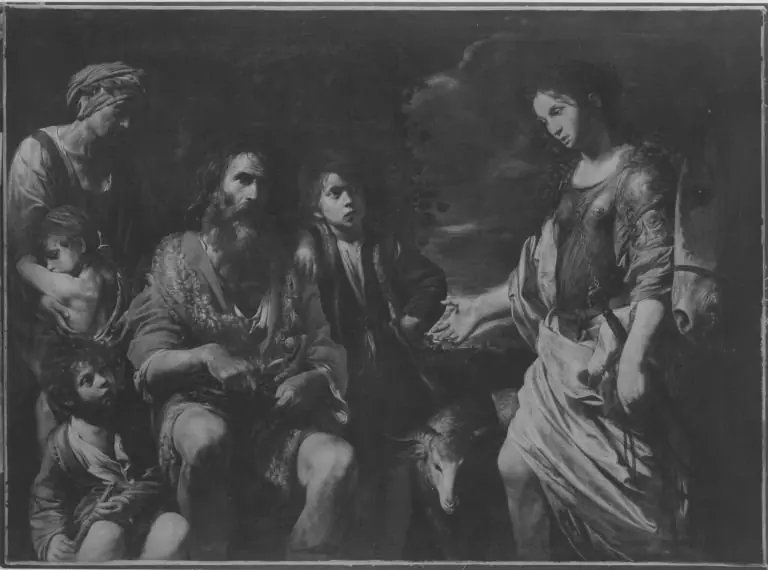
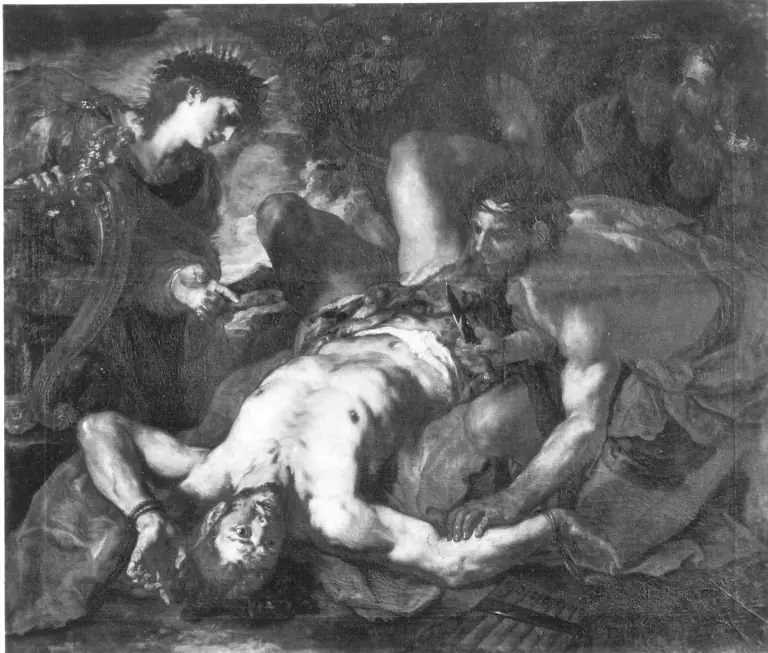
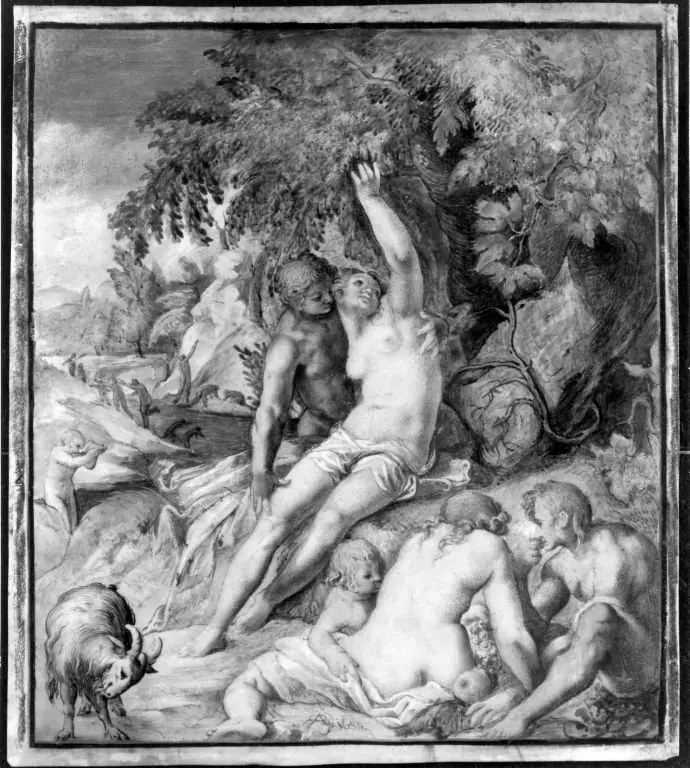
This oil painting portrays a moment from Greek myth involving Meleager and Atalanta, set within a wooded landscape. The composition centers on two figures positioned asymmetrically, with one standing and one seated, creating a dynamic visual balance. The lighting, sharply directional from the right, enhances the emotional gravity of the scene through pronounced contrasts between shadow and illumination, characteristic of chiaroscuro.
Subject & Meaning
The figures represent Meleager, a hero of the Calydonian boar hunt, and Atalanta, a skilled huntress and his love interest. The large object he holds is likely the boar’s carcass, symbolizing the hunt’s climax. Their postures suggest a moment of pause after violence, hinting at the complex emotional and fateful ties between them, foreshadowing the tragedy that follows in the myth.
Technique & Style
The artist employs chiaroscuro to model the figures with sculptural weight, using deep shadows to define musculature and fabric folds. The naturalistic rendering of foliage and the soft gradation of light across skin and garment suggest a focus on realism. Brushwork is controlled yet expressive, prioritizing atmospheric depth over decorative detail, aligning with early modern approaches to narrative painting.
History & Provenance
The painting’s origin is tied to late Renaissance or early Baroque circles, where mythological themes were frequently revisited. While its exact commission and early ownership remain undocumented, its stylistic traits suggest influence from Caravaggio or his followers. It entered institutional collections in the 19th century, where it was cataloged as a study in dramatic composition and classical subject matter.
Context
During the period this work was likely created, mythological narratives were favored by patrons seeking to display erudition and moral reflection. The Calydonian boar hunt, with its themes of honor, fate, and gender roles, offered rich material for artists. This painting reflects a broader trend of using classical stories to explore human emotion and psychological tension within naturalistic settings.
Legacy
Though not widely reproduced, the painting contributes to the tradition of mythological scenes rendered with psychological nuance and chiaroscuro. It exemplifies how classical themes were adapted to convey inner drama, influencing later artists who sought to merge narrative clarity with emotional intensity. Its preservation offers insight into how myth was visually interpreted beyond grand public commissions.
Artist & collection

 Domestic Scene
 Giacomo and Cardinal Marco, investing Andrea, Abbot of San Zeno, with his Benefice
 The Nymph of Fontainebleau
 Portrait of a Woman
 Madonna and Child with Saints in the Enclosed Garden
 Venus and Minerva
 Family Group of Four on Sofa
 Wall painting from Room H of the Villa of P. Fannius Synistor at Boscoreale