Artwork
The Organ-Grinder Outside a Cottage
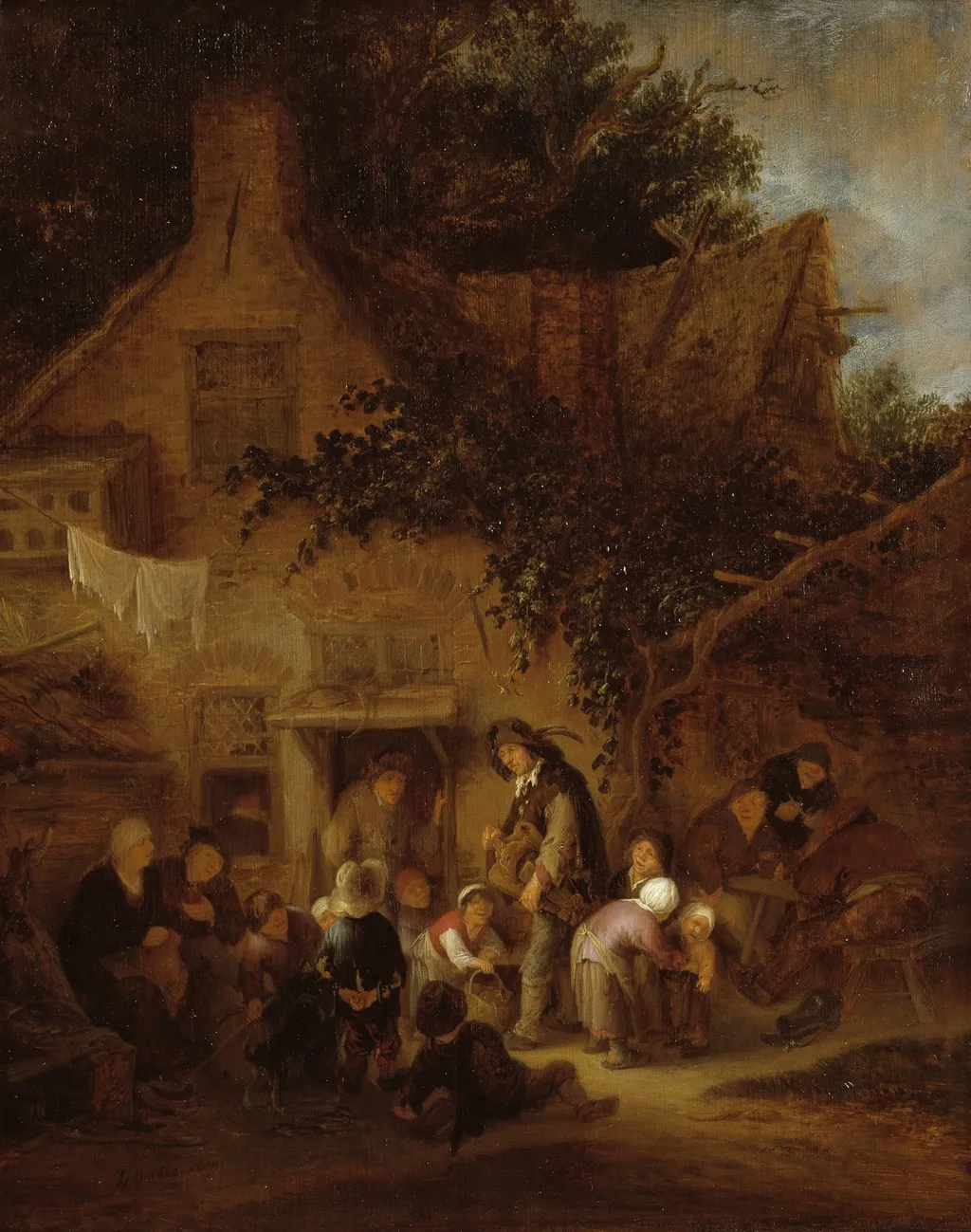
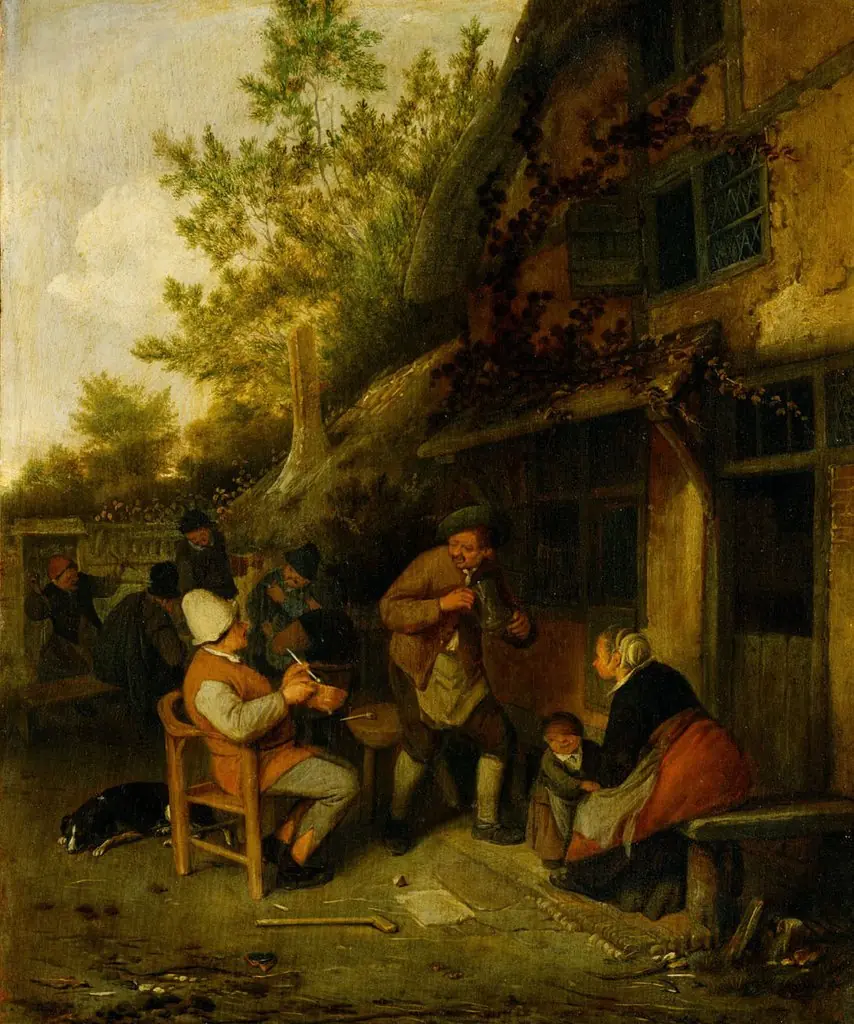
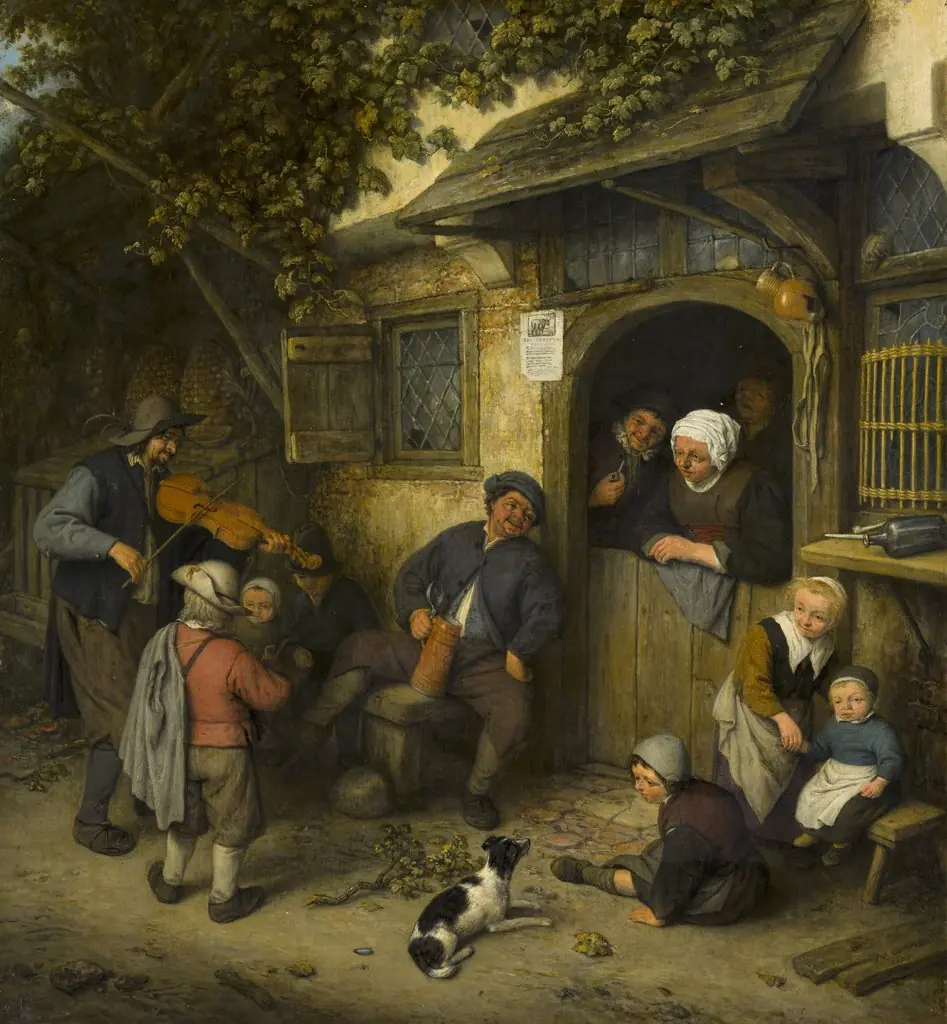
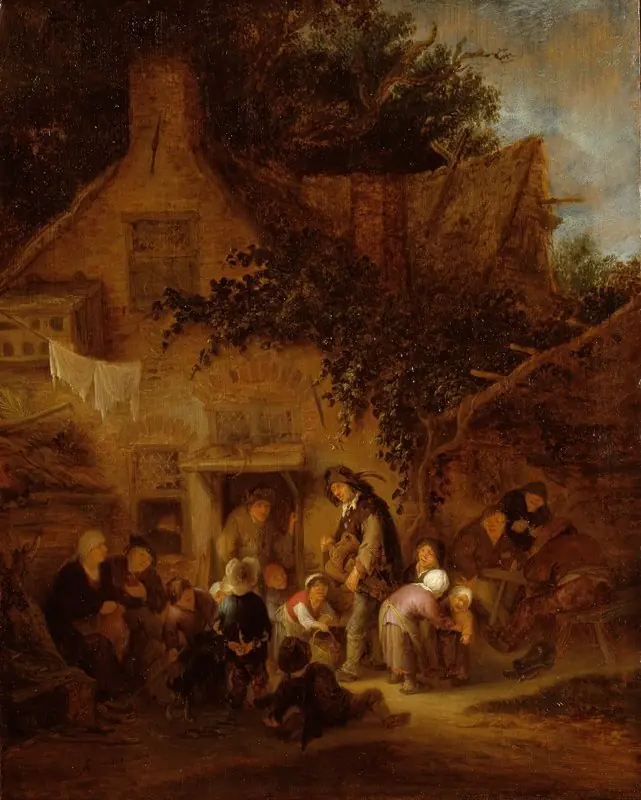
The Organ-Grinder Outside a Cottage is a photography by the Baroque artist Unknown. It dates from 1640 and is held in the collection of the Statens Museum for Kunst. Painted in 1640, this work depicts a street scene in a rural Dutch setting.
About this work
Overview
The composition captures a quiet moment of everyday life, rendered with attention to atmospheric detail and the interplay of natural light.
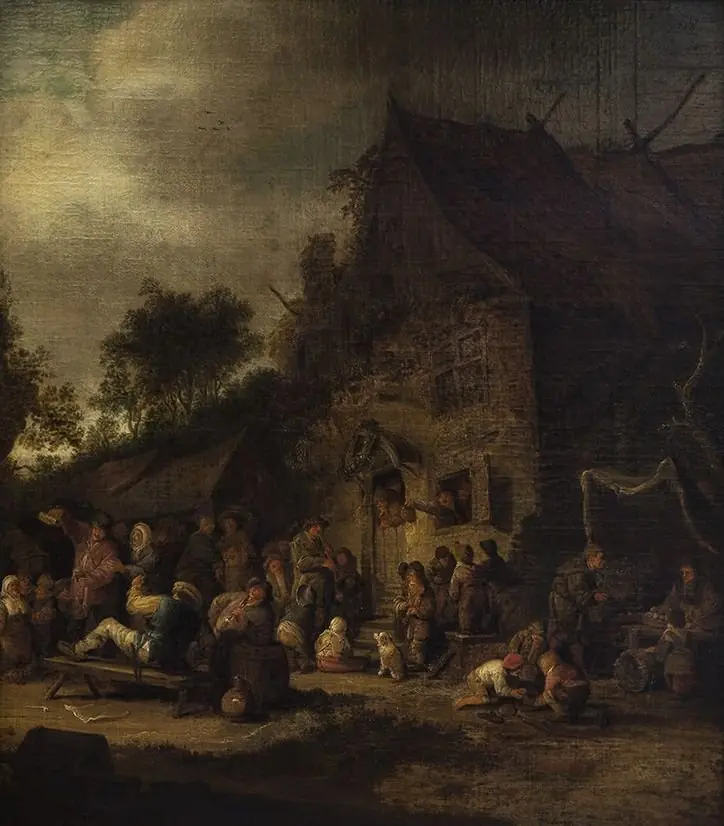
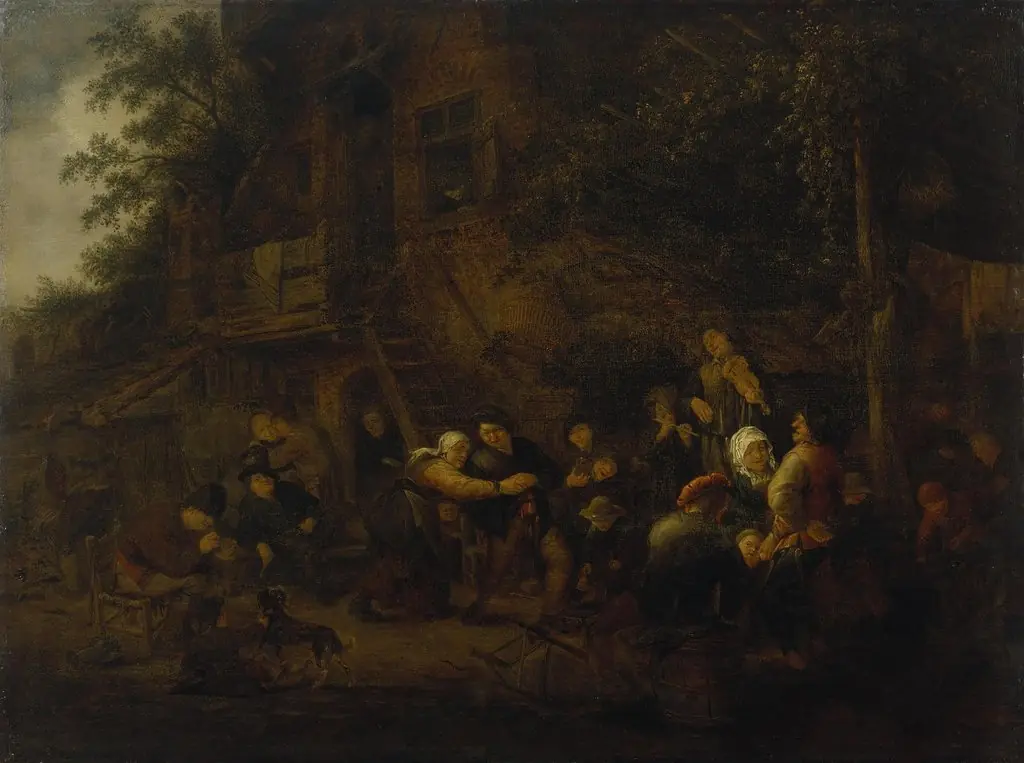
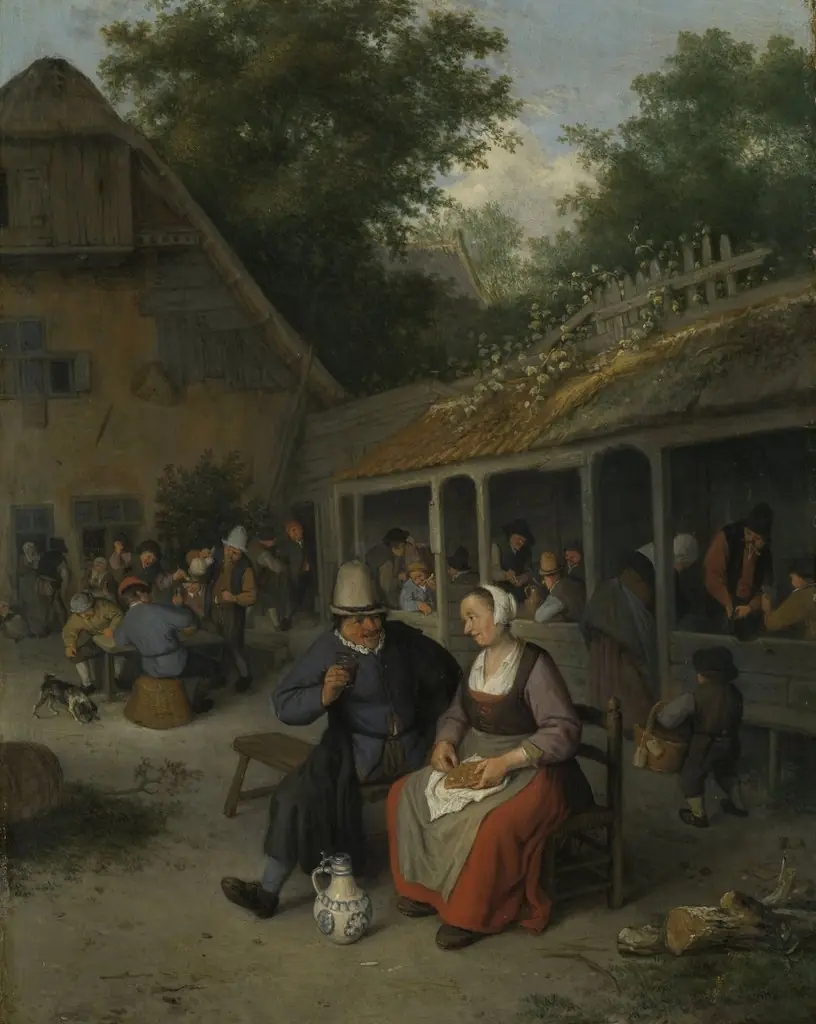
Painted in 1640, this work depicts a street scene in a rural Dutch setting. A street musician plays a hand-cranked organ outside a modest cottage, drawing a small crowd of onlookers. The composition captures a quiet moment of everyday life, rendered with attention to atmospheric detail and the interplay of natural light. The painting is part of the Museum of Ethnography’s collection, where it is preserved as an example of 17th-century genre painting.
Subject & Meaning
The scene portrays a common sight in early modern Dutch towns: a traveling musician entertaining passersby. The figures—men, women, and children—observe with varied expressions, suggesting curiosity or quiet contemplation. The presence of hanging laundry and a bare tree grounds the moment in domestic reality. The painting does not idealize its subjects but instead records the rhythms of ordinary life, reflecting a cultural interest in the mundane.
Technique & Style
The artist employs chiaroscuro to model forms and direct attention, using sharp contrasts between light and shadow to define faces and textures. A single window illuminates the group, casting elongated shadows across the ground and figures. Brushwork is restrained, favoring clarity over flourish. The composition is tightly framed, focusing the viewer’s gaze on the organ-grinder and his audience, reinforcing the intimacy of the moment.
History & Provenance
The painting entered the Museum of Ethnography’s holdings in the late 19th century, likely acquired through a private collection or regional donation. Its attribution to the artist active around 1699 remains tentative, as documentation from the period is sparse. No early records of its ownership are known, and its journey from the 17th century to the museum is largely undocumented, though its style aligns with regional Dutch traditions of the era.
Context
In mid-17th century the Netherlands, genre scenes depicting common life gained popularity among middle-class patrons. Artists turned away from religious or mythological subjects to portray markets, domestic interiors, and street activities. This painting reflects that shift, capturing a transient moment of urban-rural interaction. The organ-grinder, often a figure of marginal status, appears here not as a spectacle but as a quiet participant in community life.
Legacy
Though not widely exhibited or reproduced, the painting contributes to the broader understanding of Dutch genre painting’s social realism. It offers insight into how ordinary people engaged with itinerant performers and how light and composition were used to convey emotional subtlety. Its preservation in a museum focused on ethnography underscores its value as a record of material and social life rather than artistic novelty.
Artist & collection

 Domestic Scene
 Giacomo and Cardinal Marco, investing Andrea, Abbot of San Zeno, with his Benefice
 The Nymph of Fontainebleau
 Portrait of a Woman
 Madonna and Child with Saints in the Enclosed Garden
 Venus and Minerva
 Family Group of Four on Sofa
 Wall painting from Room H of the Villa of P. Fannius Synistor at Boscoreale