Artwork
Rural Feast
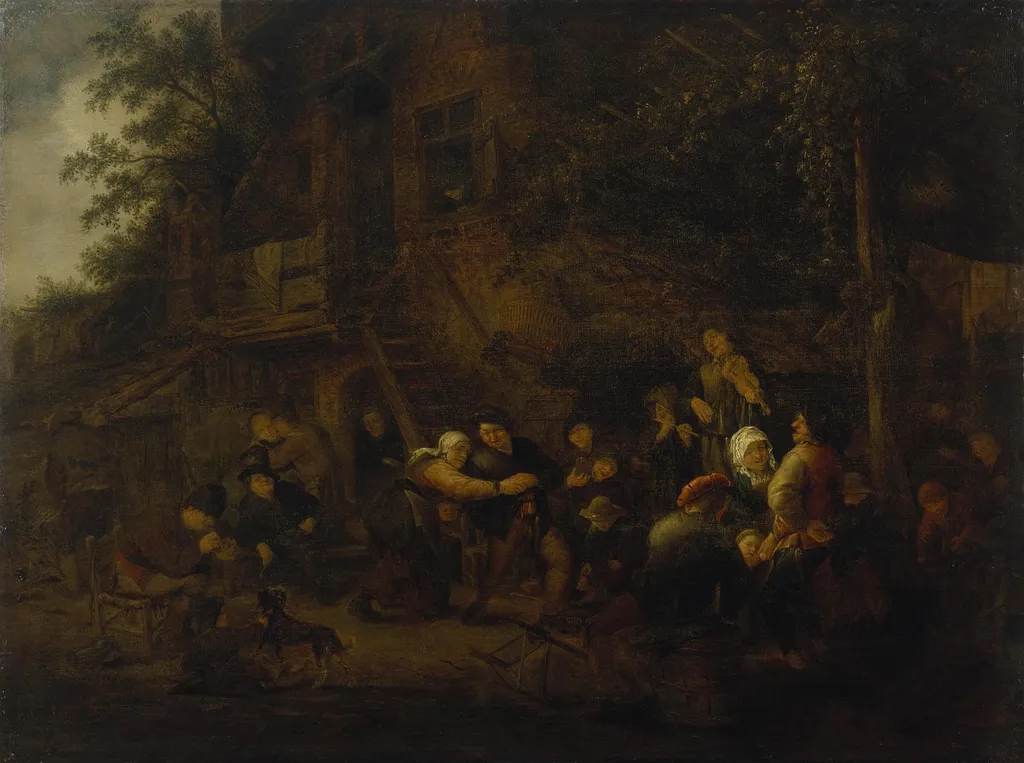
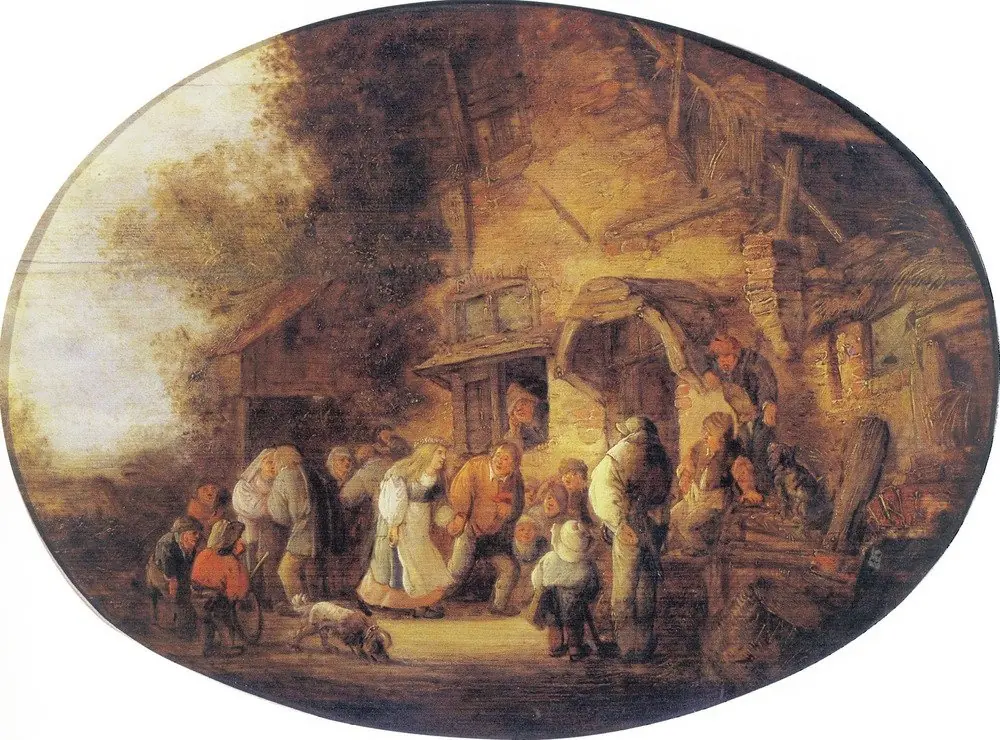
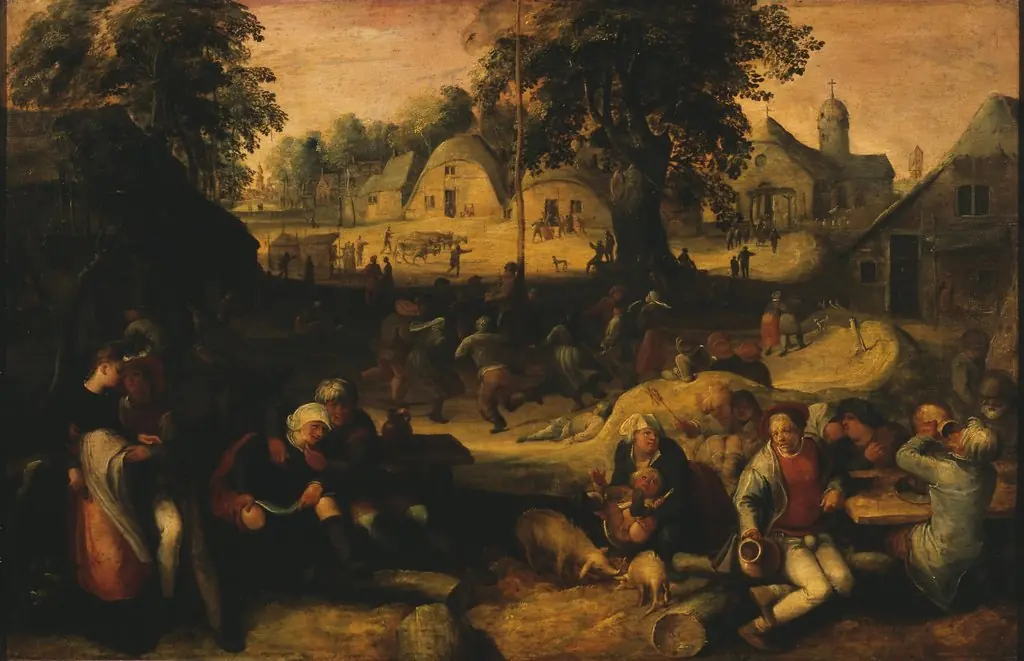
Rural Feast is an oil painting by the Dutch Golden Age artist Adriaen van Ostade. It dates from 1640 and is held in the collection of the Hermitage Museum.
About this work
Overview
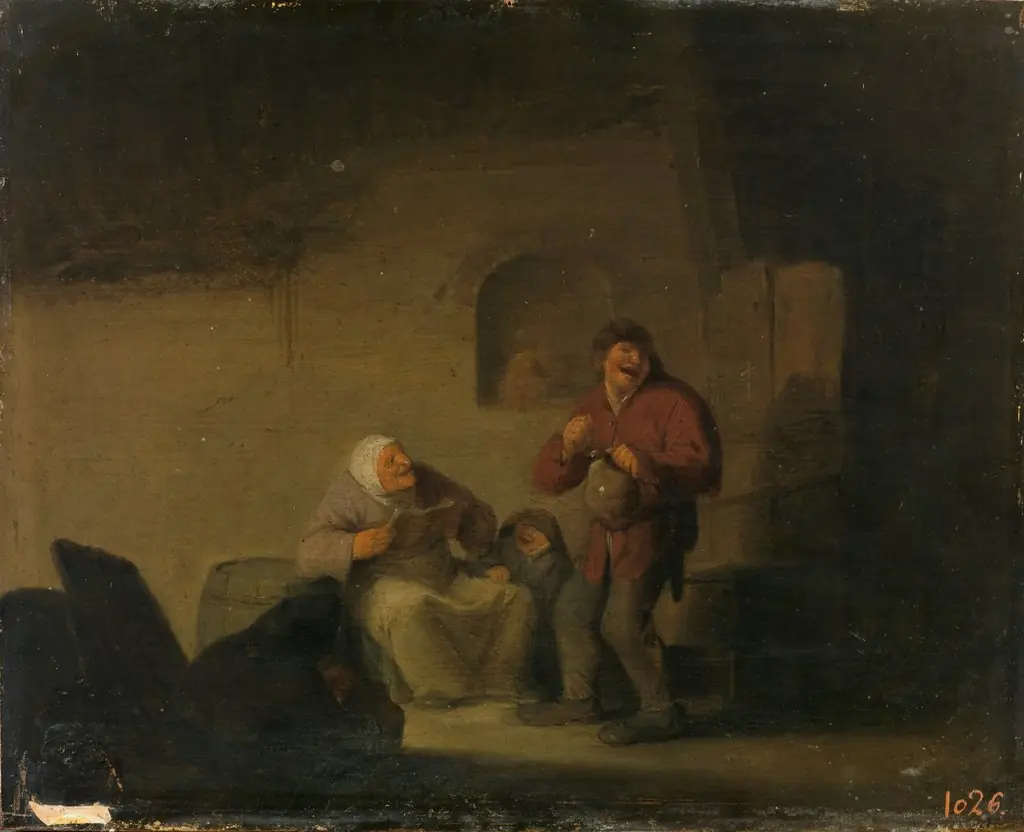
Painted in 1640 by Adriaen van Ostade, Rural Feast is an oil-on-canvas genre scene capturing a quiet moment of rural life. It portrays a modest outdoor gathering at twilight, where villagers share food and companionship near a simple wooden dwelling. The work is held in the collection of the State Hermitage Museum in Saint Petersburg, reflecting its enduring place in Dutch Golden Age painting.
Subject & Meaning
The absence of grandeur or spectacle suggests an intimate, unidealized view of rural existence, valuing everyday human connection over theatrical display.
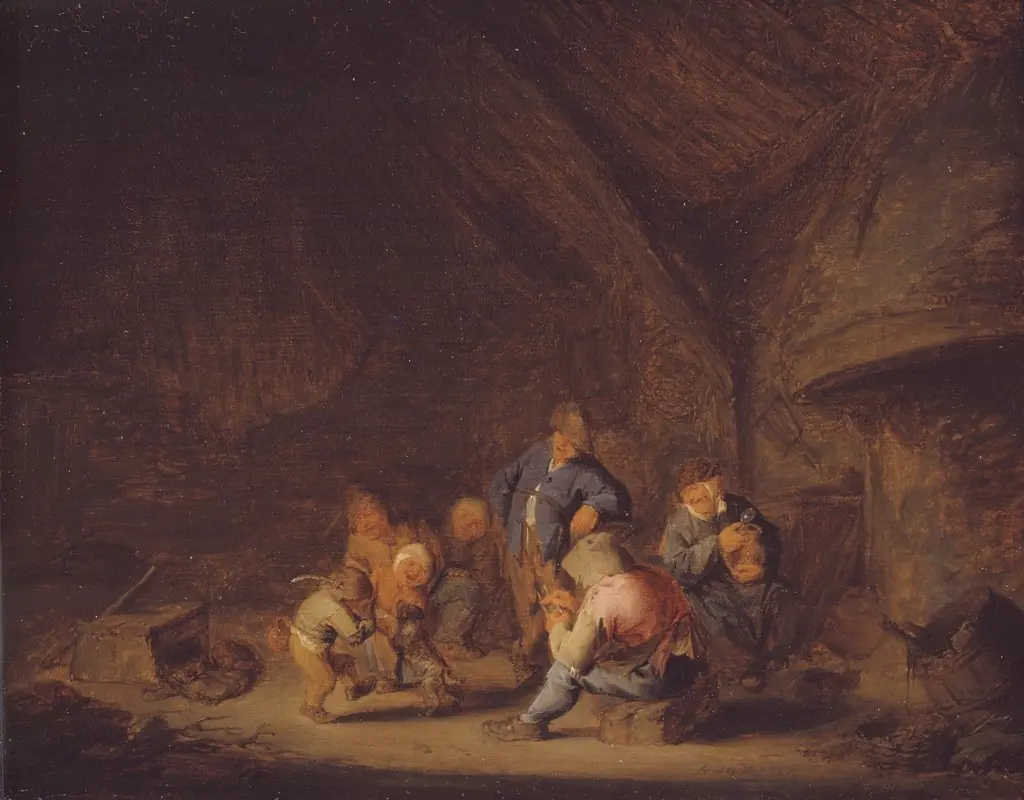
The scene depicts a communal evening meal and informal dance among peasants, emphasizing quiet solidarity rather than festivity. Figures cluster closely, engaged in conversation or rest, while a woman holds a child’s hand and a dog rests nearby. The absence of grandeur or spectacle suggests an intimate, unidealized view of rural existence, valuing everyday human connection over theatrical display.
Technique & Style
Van Ostade employs chiaroscuro to model forms with soft, directional light falling from the left, illuminating faces and fabrics while leaving surrounding areas in shadow. The brushwork is detailed yet restrained, capturing textures of wool, wood, and skin without embellishment. The composition is tightly framed, drawing attention to the group’s physical proximity and subdued expressions.
History & Provenance
Created during the height of Dutch genre painting, the work entered the Hermitage collection in the 18th or early 19th century, likely through imperial acquisitions of Northern European art. Its attribution to van Ostade has remained consistent, with no significant record of ownership changes prior to its arrival in Russia. The painting has been exhibited periodically since the 19th century.
Context
In mid-17th-century Holland, artists like van Ostade turned from religious and aristocratic themes to scenes of peasant life, reflecting a broader cultural interest in ordinary experience. Rural Feast aligns with this trend, portraying rural laborers not as caricatures but as individuals in a moment of rest. The setting—dusk, a humble home, natural light—echoes contemporary Dutch values of modesty and observation.
Legacy
Rural Feast exemplifies the quiet realism that defined Dutch genre painting, influencing later depictions of rural life in European art. While not widely reproduced, it remains a key example of van Ostade’s ability to convey dignity in simplicity. Its preservation in a major public collection ensures continued study of how light, gesture, and composition can evoke human presence without narrative drama.
Own this work as a print
Artist & collection
Artist
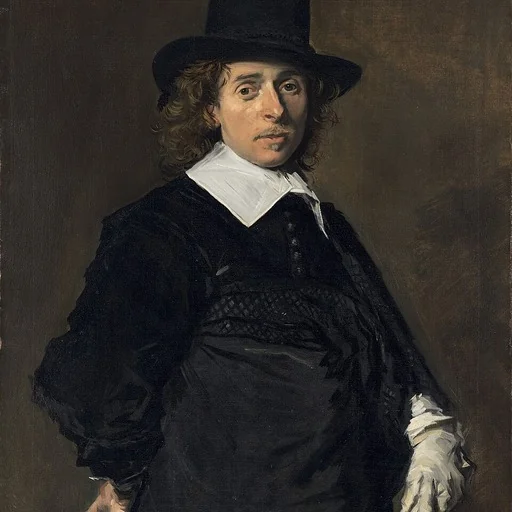
Adriaen van Ostade (baptized as Adriaen Jansz Hendricx 10 December 1610 – buried 2 May 1685) was a Dutch Golden Age painter of genre works, showing the everyday life of ordinary men and women.

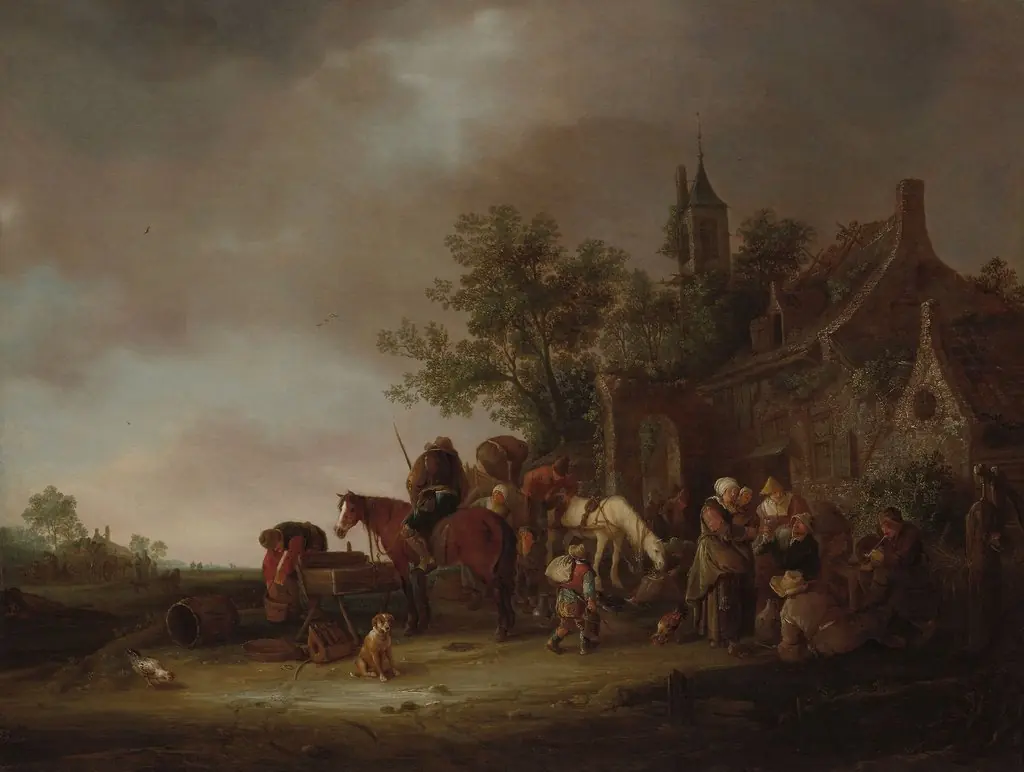 Travellers Halting at an Inn
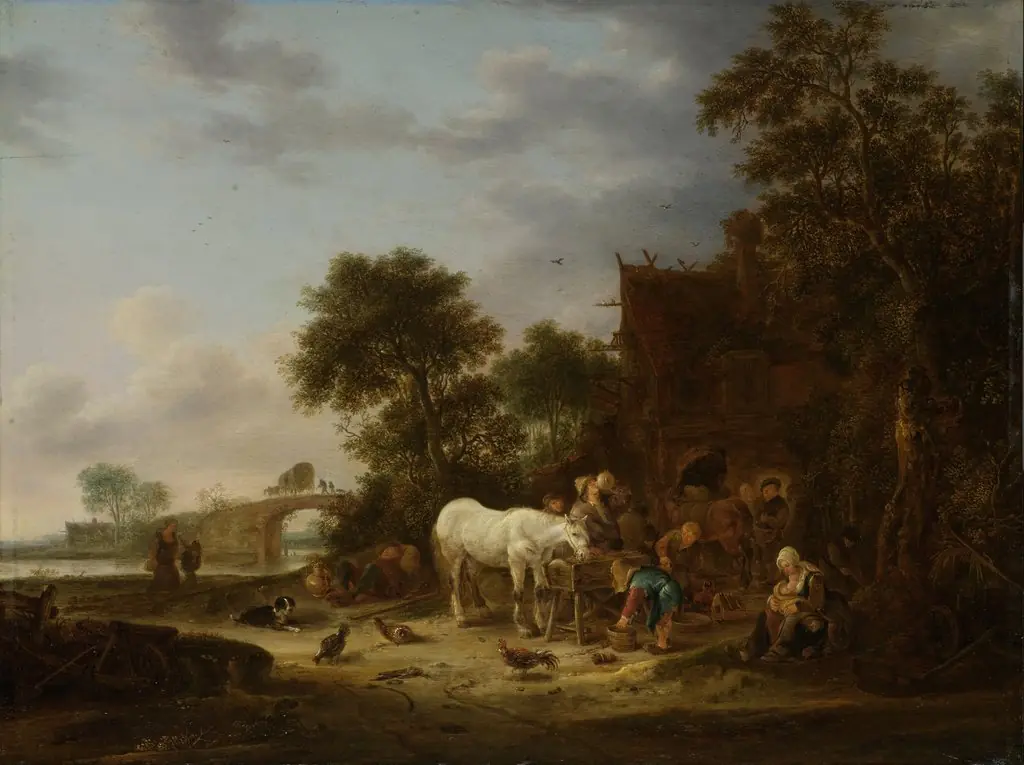 Country inn with a horse at the trough
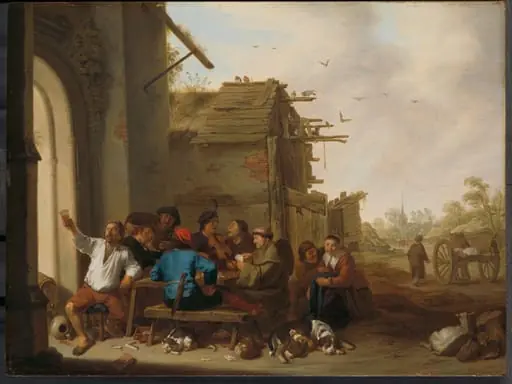 Figures before a Village Inn
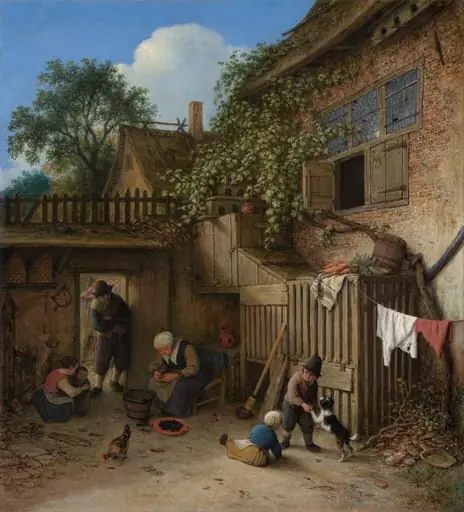
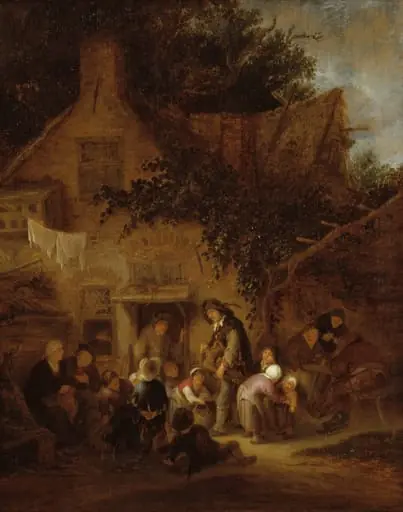 The Organ-Grinder Outside a Cottage
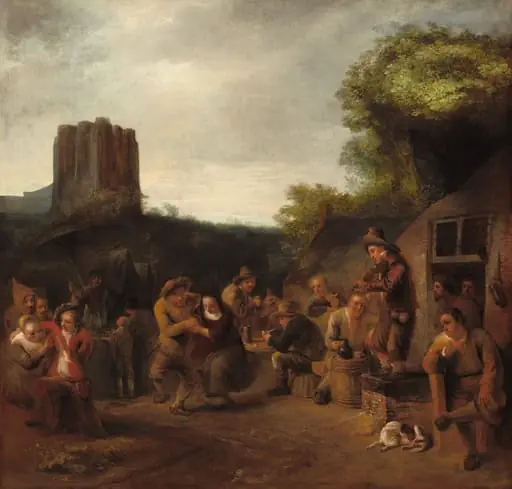 Conviviality Near the Inn
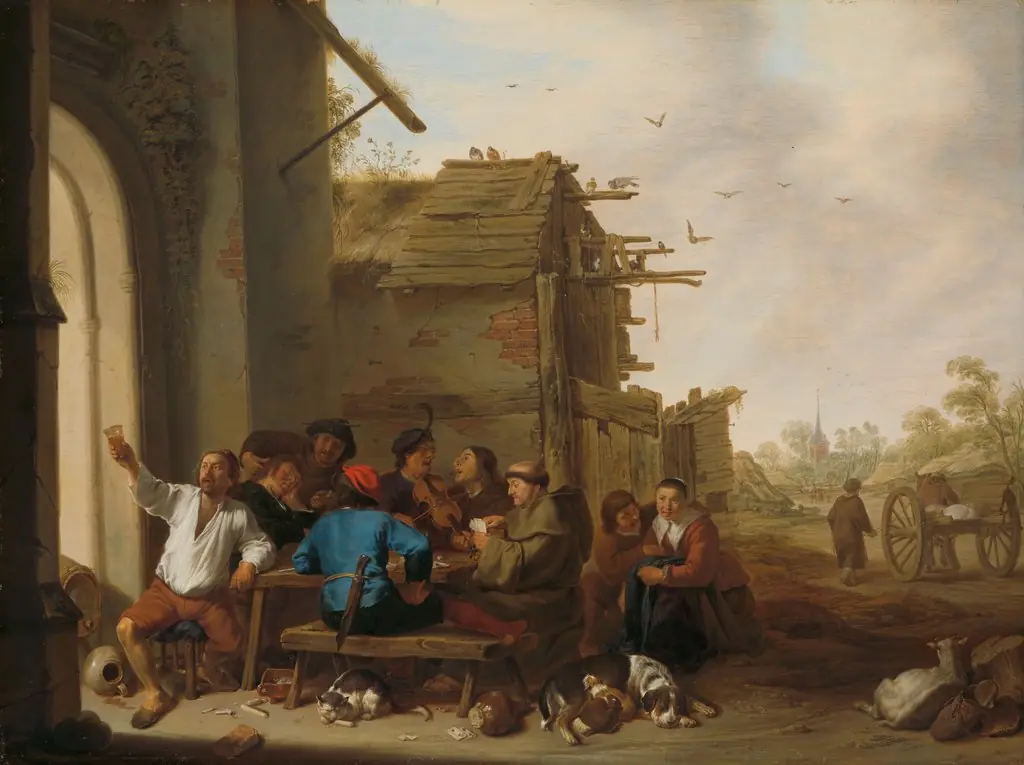 Figures before a Village Inn
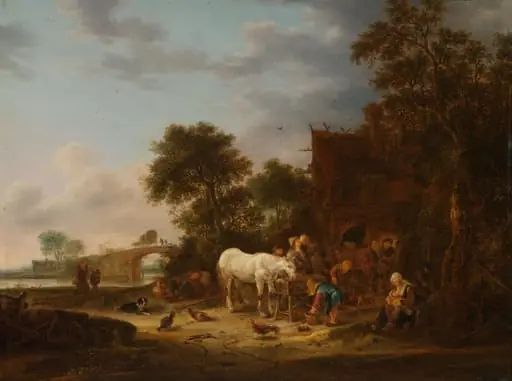 Country inn with a horse at the trough
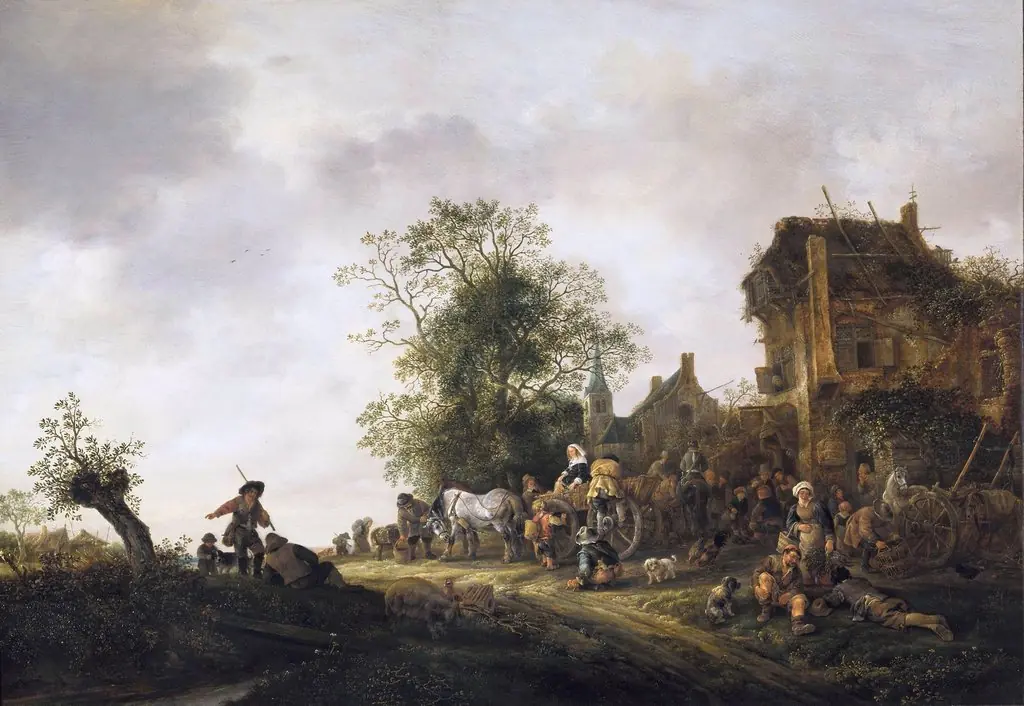 Travellers before an Inn
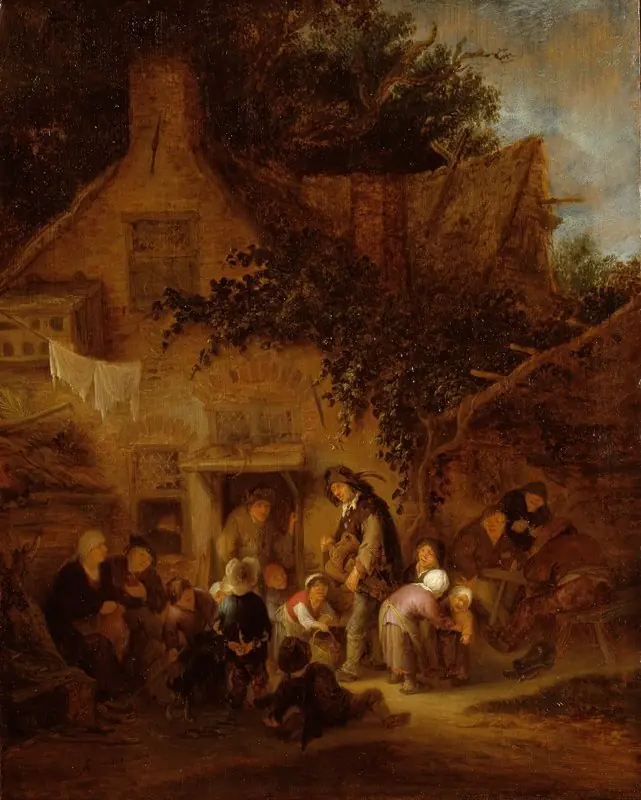 The Organ-Grinder Outside a Cottage
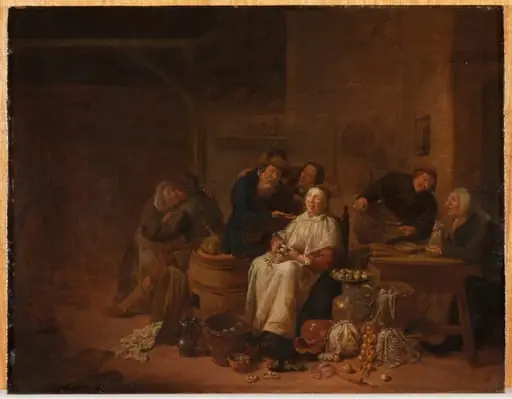 Ungleiche Liebe
 Peasant Wedding
 Rural Feast (Kermess)