Artwork
Portrait of Lorenzo Cybo
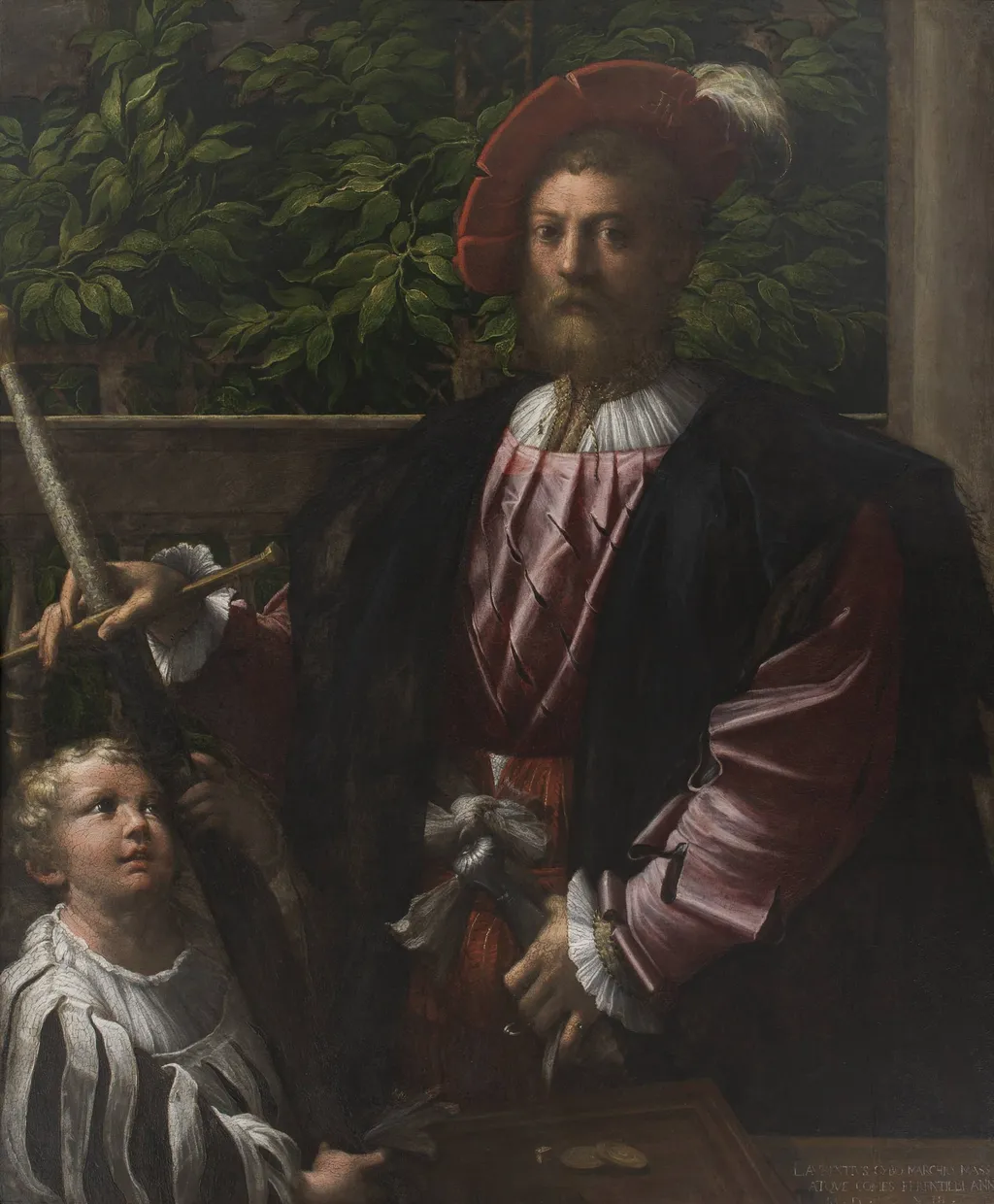
Portrait of Lorenzo Cybo is an unspecified painting by the Early Baroque Italian artist Unknown. It dates from 1523 and is held in the collection of the Statens Museum for Kunst. Painted in 1523, this portrait captures Lorenzo Cybo, an Italian nobleman, alongside a young boy, likely a relative.
About this work
Overview
It is currently housed in the Museum of Ethnography, where it is displayed as an example of Renaissance portraiture with naturalistic elements.
Painted in 1523, this portrait captures Lorenzo Cybo, an Italian nobleman, alongside a young boy, likely a relative. The work is attributed to an artist active in the early 16th century, though the exact identity remains uncertain. It is currently housed in the Museum of Ethnography, where it is displayed as an example of Renaissance portraiture with naturalistic elements. The composition emphasizes familial hierarchy and quiet dignity.
Subject & Meaning
Lorenzo Cybo, dressed in formal attire including a red hat and black overcoat, stands authoritatively behind a table, his hand resting upon it as a gesture of control and presence. The boy, seated to the left and gazing upward, appears attentive, reinforcing a dynamic of mentorship or lineage. The scene conveys social status and generational continuity, typical of aristocratic portraiture in Renaissance Italy, where family and identity were visually encoded.
Technique & Style
The artist employs chiaroscuro to model the figures with subtle gradations of light and shadow, lending volume and realism to their forms. The rich textures of fabric—black wool, pink linen—are rendered with precision, while the lush green foliage in the background is loosely painted, creating depth without distraction. The composition is balanced yet informal, avoiding rigid symmetry to enhance naturalism, a hallmark of early 16th-century Italian portraiture.
History & Provenance
The painting entered the Museum of Ethnography’s collection in the late 19th century, though its earlier ownership is poorly documented. It was likely commissioned by the Cybo family, prominent in papal and Roman circles, and may have been produced in Rome or nearby. Its transition from private collection to public institution reflects broader 19th-century trends in the preservation of Renaissance art outside traditional ecclesiastical or royal contexts.
Context
Created during the High Renaissance, the portrait aligns with trends in Italian courtly imagery that blended humanist ideals with aristocratic display. While contemporaries like Raphael and Titian refined portraiture with greater psychological depth, this work reflects a regional variation—less idealized, more grounded in physical presence. The outdoor setting, uncommon in formal portraits of the time, suggests a preference for naturalism over architectural grandeur.
Legacy
Though not widely reproduced or studied, the portrait contributes to understanding the diversity of Renaissance portraiture beyond major urban centers. Its preservation in an ethnographic museum, rather than a fine arts institution, underscores shifting interpretations of cultural value in the modern era. The work remains a quiet testament to the visual language of familial authority in early 16th-century Italy.
Artist & collection

 Domestic Scene
 Giacomo and Cardinal Marco, investing Andrea, Abbot of San Zeno, with his Benefice
 The Nymph of Fontainebleau
 Portrait of a Woman
 Madonna and Child with Saints in the Enclosed Garden
 Venus and Minerva
 Family Group of Four on Sofa
 Wall painting from Room H of the Villa of P. Fannius Synistor at Boscoreale
 Portrait of a Man Holding a Book
 Francis I (1494-1547), King of France
 Portrait of a Young Man (possibly Melchior von Brauweiler, 1515–1569)
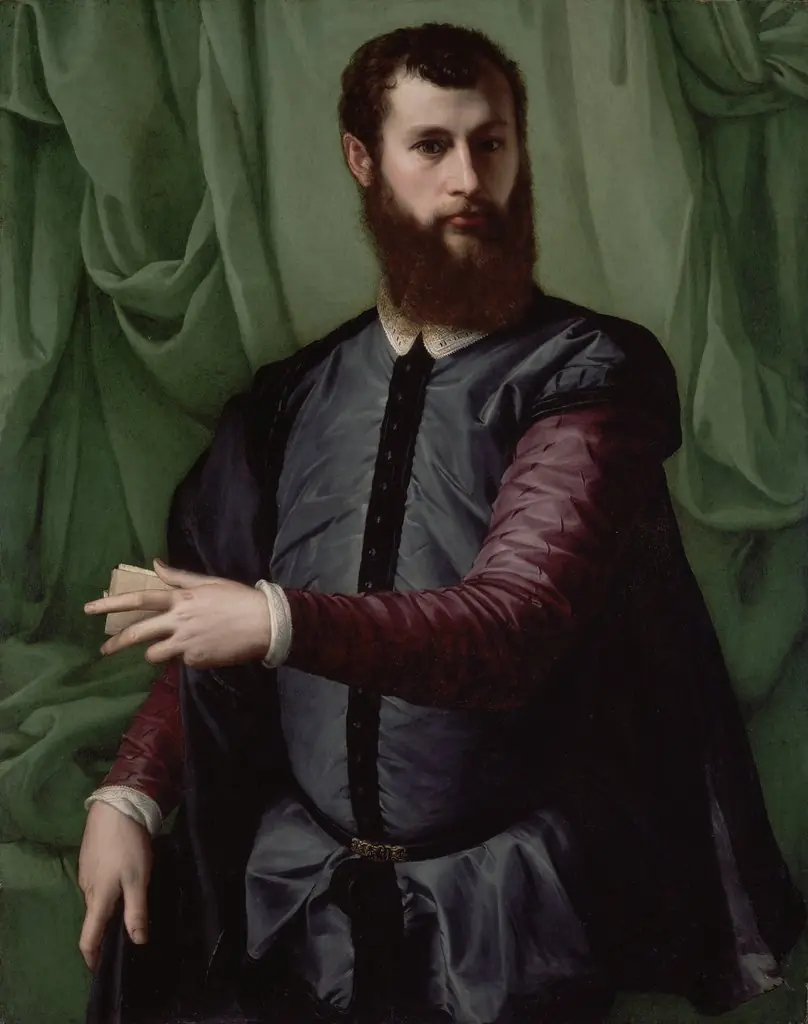 Portrait of a Man
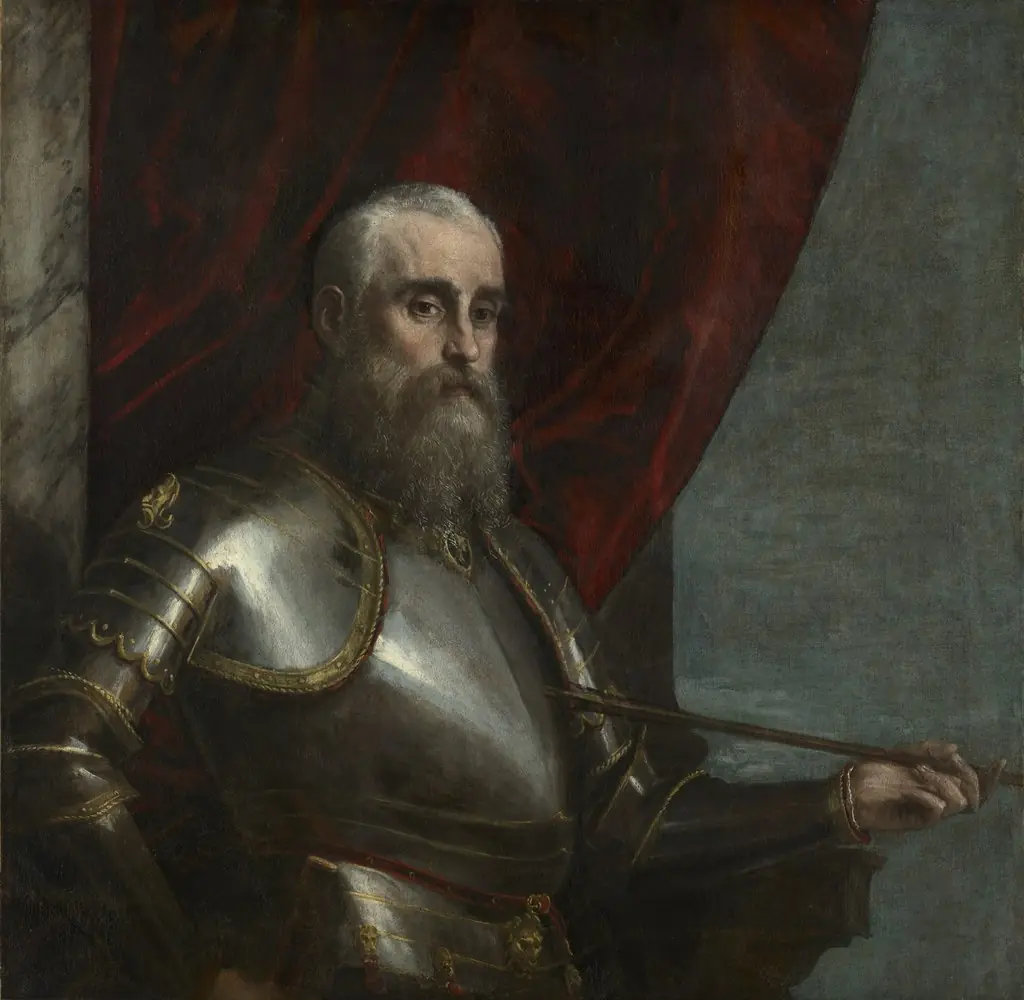 Portrait of Agostino Barbarigo
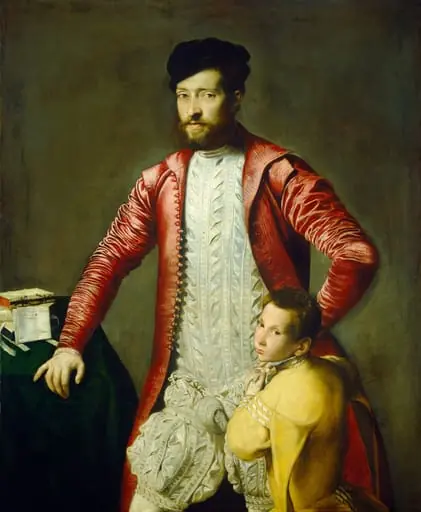 Alessandro Alberti with a Page
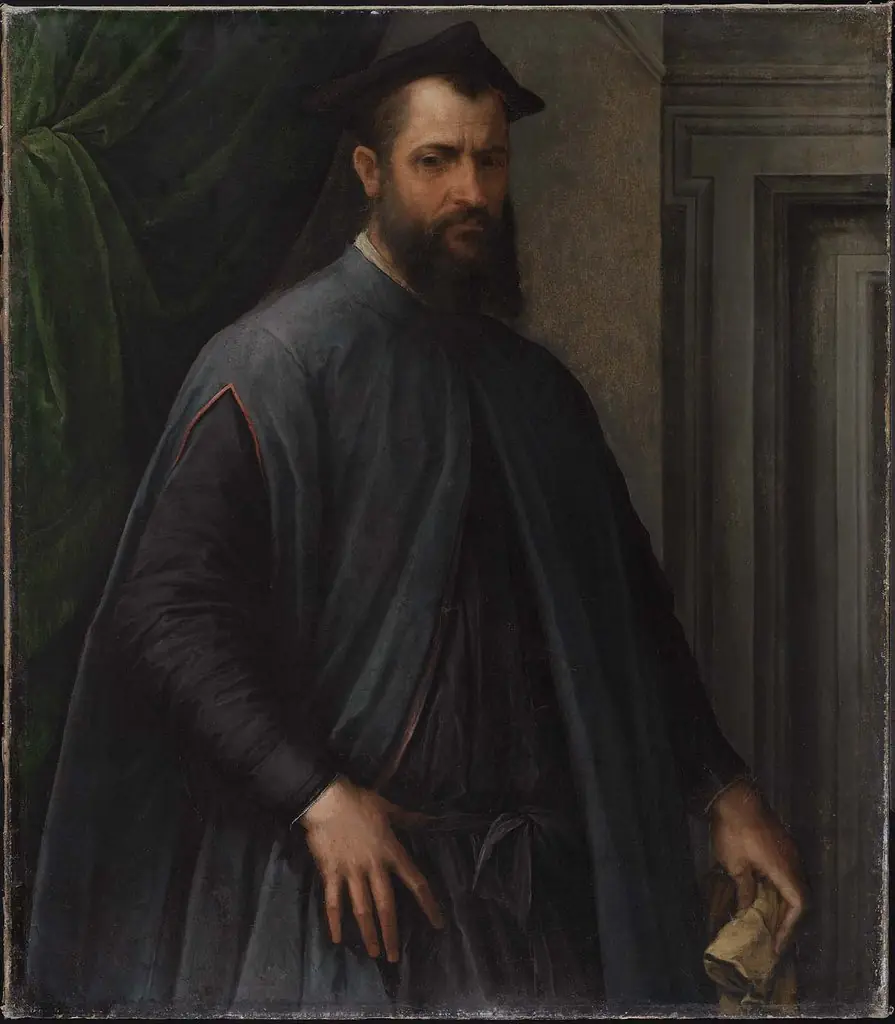 Portrait of a Prelate
 Portrait of a Man
 Portrait of a Halberdier, Francesco Guardi?
 Ranuccio Farnese