Artwork
Self-portrait
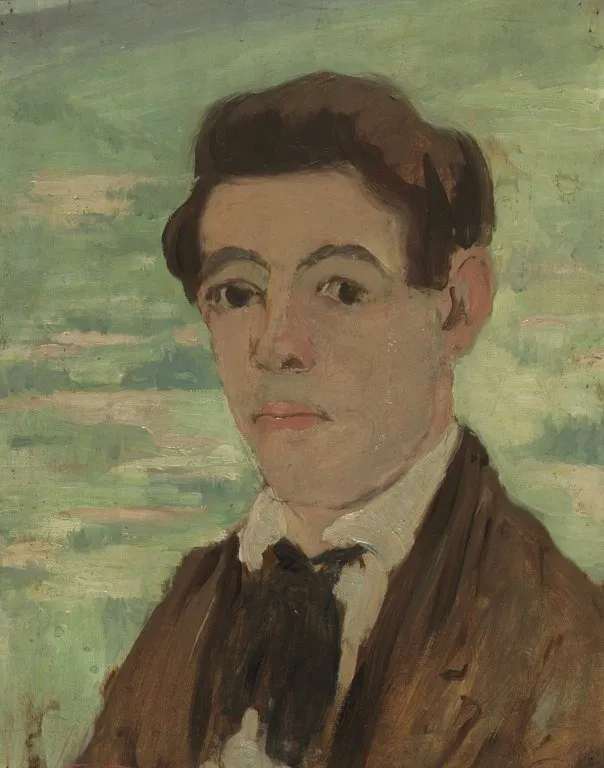
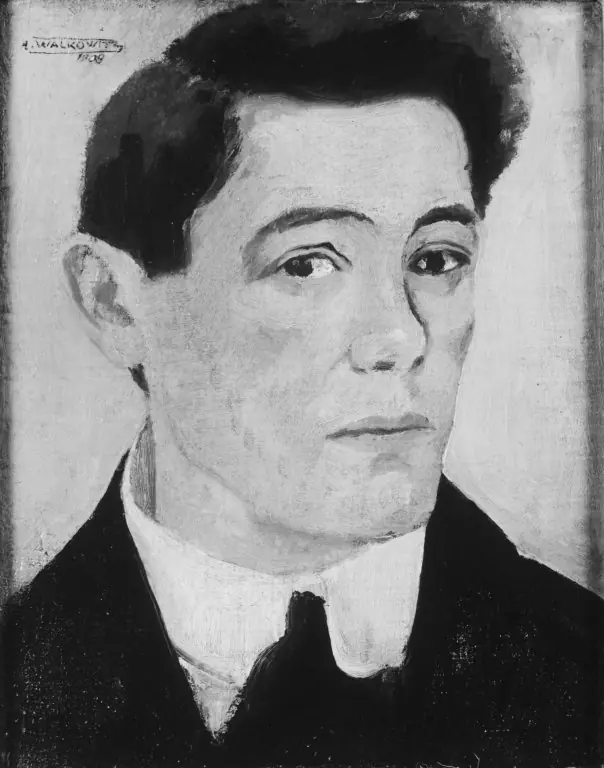
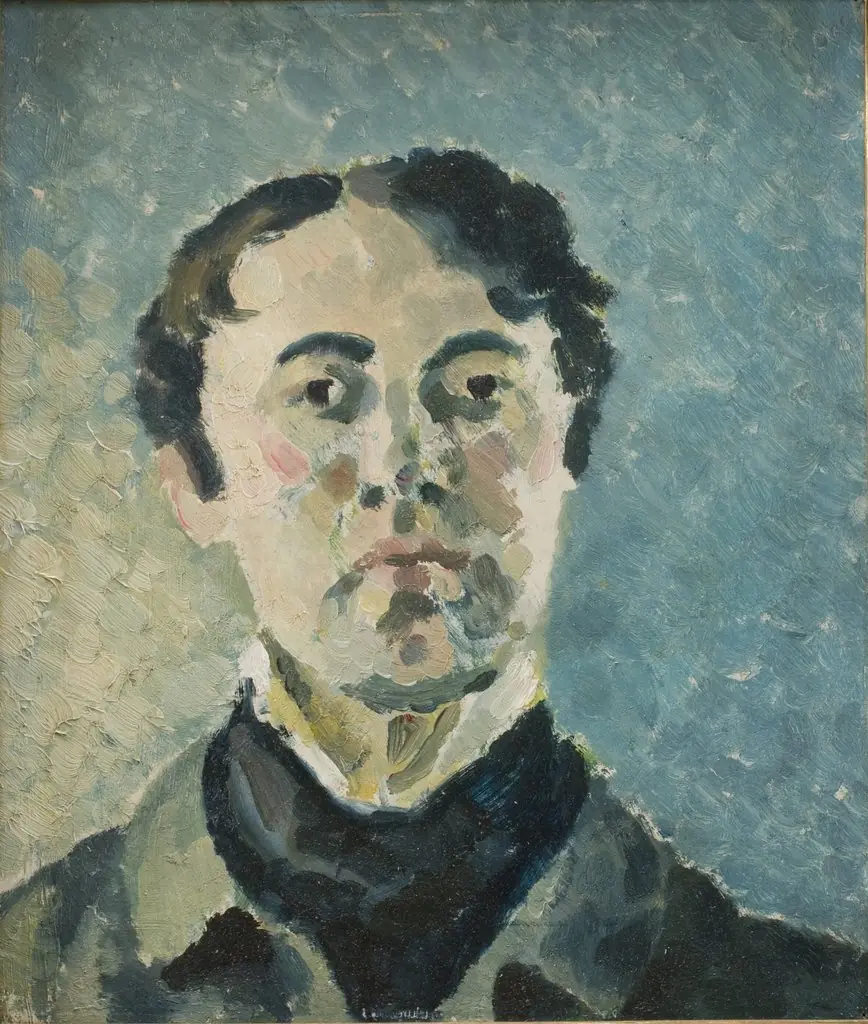
Self-portrait is an unspecified painting by the American Impressionist artist Abraham Walkowitz. It dates from 1903 and is held in the collection of the Brooklyn Museum.
About this work
Overview
Abraham Walkowitz painted this self-portrait in 1903 during his early years in New York, shortly after emigrating from Russia.
Abraham Walkowitz painted this self-portrait in 1903 during his early years in New York, shortly after emigrating from Russia. Though often associated with American Impressionism, his style already showed signs of modernist experimentation. The work captures a moment of personal reflection amid a rapidly evolving art scene, positioning Walkowitz as a quiet but persistent participant in the transition from traditional to modern modes of representation.
Subject & Meaning
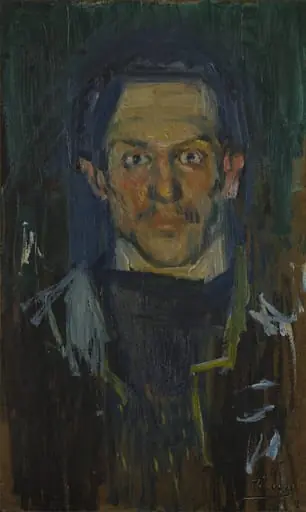
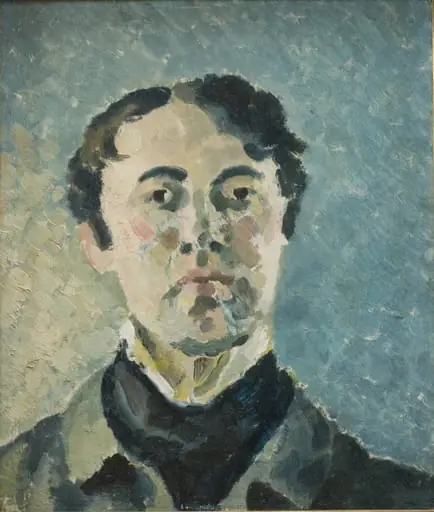
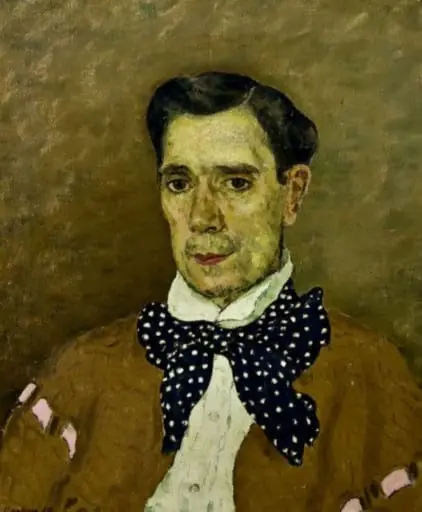
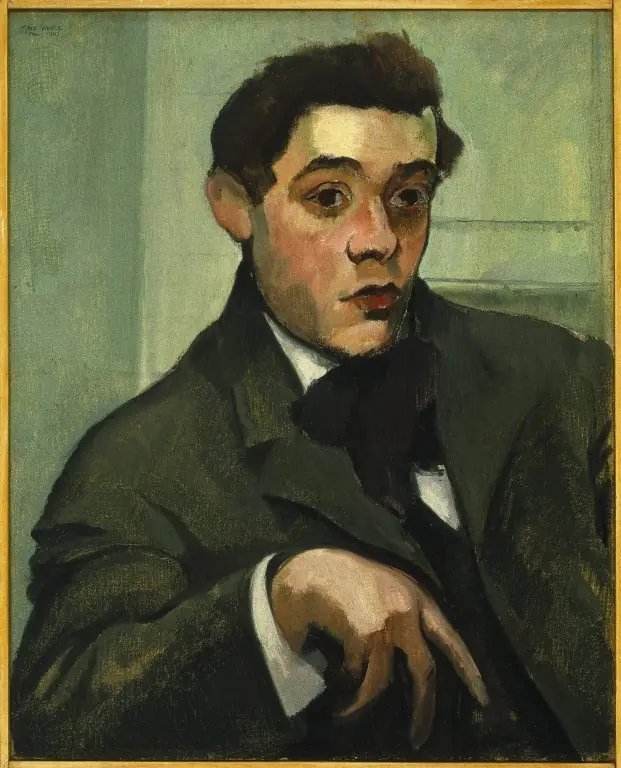
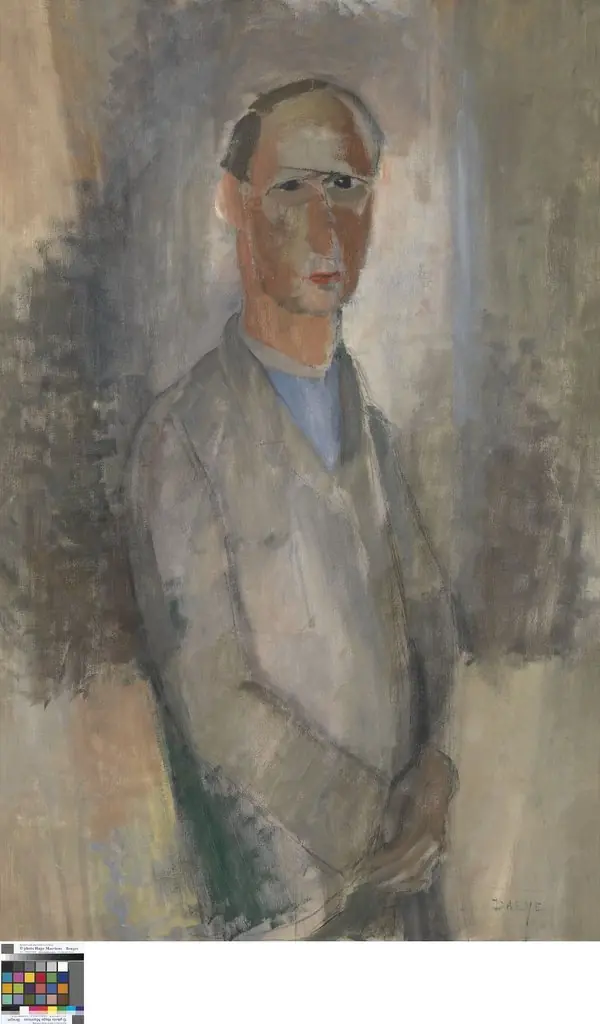
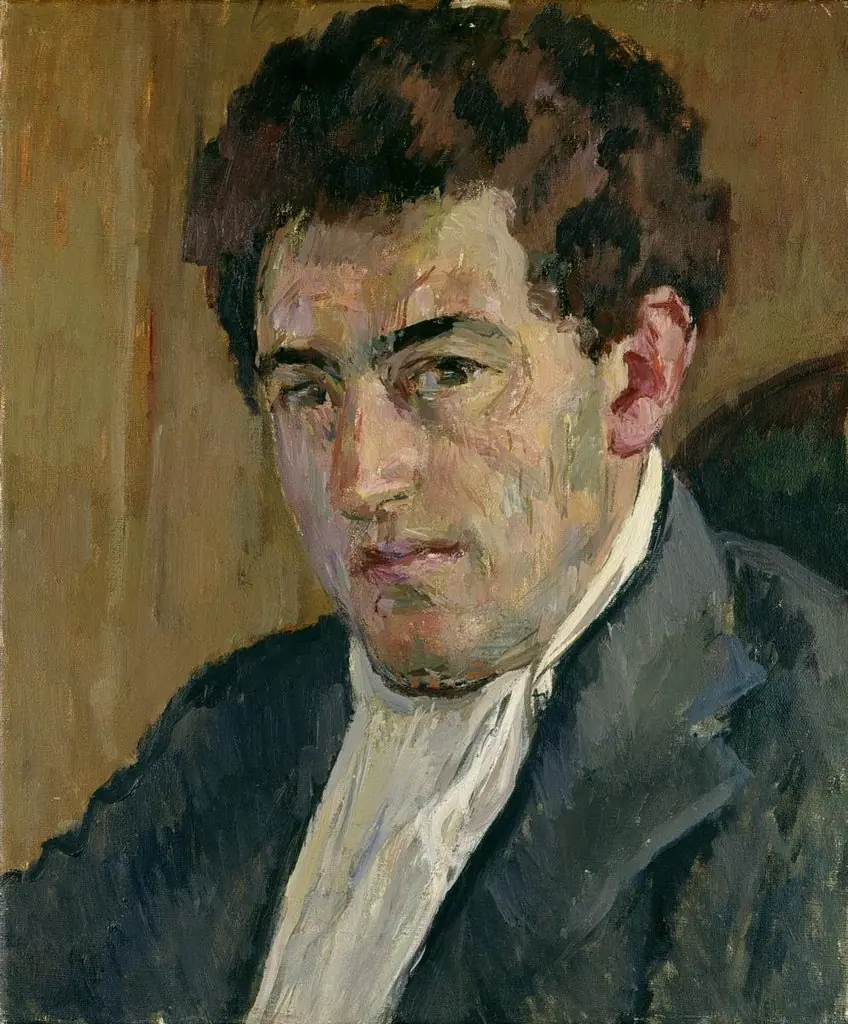
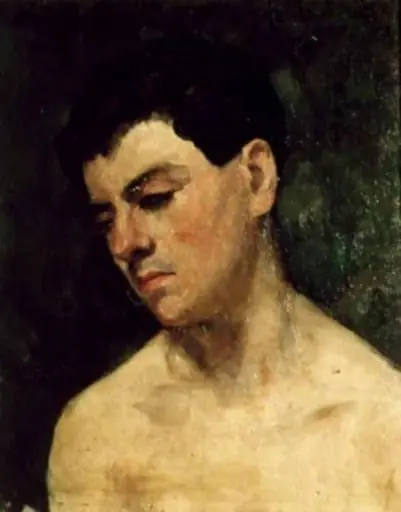
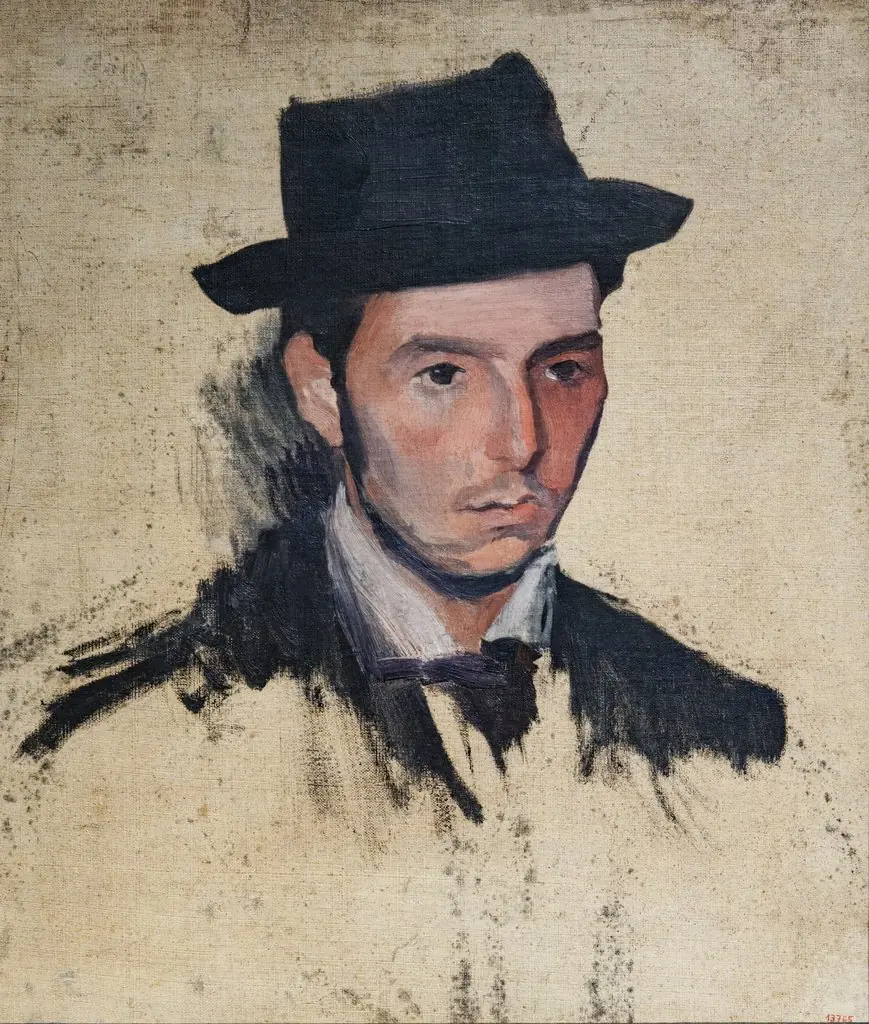
The portrait presents Walkowitz with a composed, inward gaze, avoiding theatricality. Dressed in a dark jacket and tie, his posture suggests a deliberate self-presentation as a serious artist. The neutral expression and subdued lighting convey introspection rather than bravado, reflecting an emphasis on inner identity over external spectacle. This quiet self-examination aligns with broader modernist interests in psychological depth and personal authenticity.
Technique & Style
Brushwork is energetic and loosely applied, with visible strokes defining form without rigid detail. The background blends cool greens and blues in broad washes, contrasting with the warmer tones of the figure. Color is used expressively rather than naturallyistically, hinting at influences from Post-Impressionism and early Fauvism. The composition avoids symmetry, favoring a dynamic balance that suggests movement and immediacy.
History & Provenance
Created in 1903, the painting predates Walkowitz’s well-known association with Alfred Stieglitz and the 291 Gallery, though it foreshadows his later modernist direction. It remained in private hands until entering the Brooklyn Museum’s collection, where it now serves as an early indicator of his artistic development. Its preservation offers insight into the formative years of American modernism before it gained institutional recognition.
Context
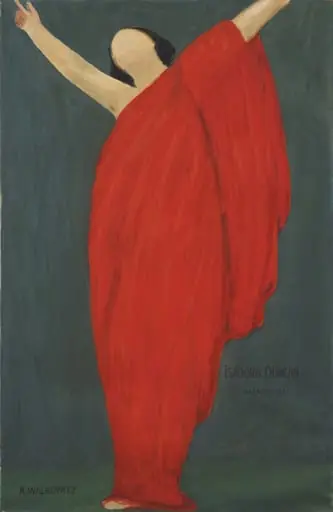
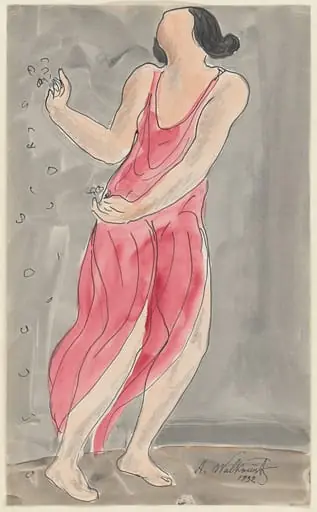
In early 20th-century New York, artists like Walkowitz navigated between European traditions and emerging American identities. While peers pursued bold abstraction or radical subject matter, Walkowitz’s self-portrait reveals a more reserved engagement with modernism—attentive to technique and personal expression. His later work with Isadora Duncan and abstract cityscapes grew from this foundation of observational discipline and emotional restraint.
Legacy
Though less celebrated than contemporaries like Marsden Hartley or John Marin, Walkowitz’s body of work, including this self-portrait, contributes to a nuanced understanding of early American modernism. His consistent exploration of movement, form, and personal identity influenced younger artists and helped bridge European modernist ideas with American sensibilities. The painting endures as a quiet testament to an artist navigating change without seeking the spotlight.
Artist & collection
Artist
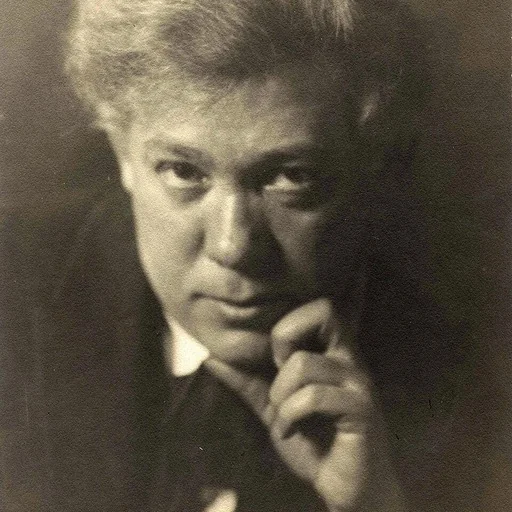
Abraham Walkowitz (March 28, 1878 – January 27, 1965) was a Russian–American painter who was among the first generation of American modernists.