Artwork
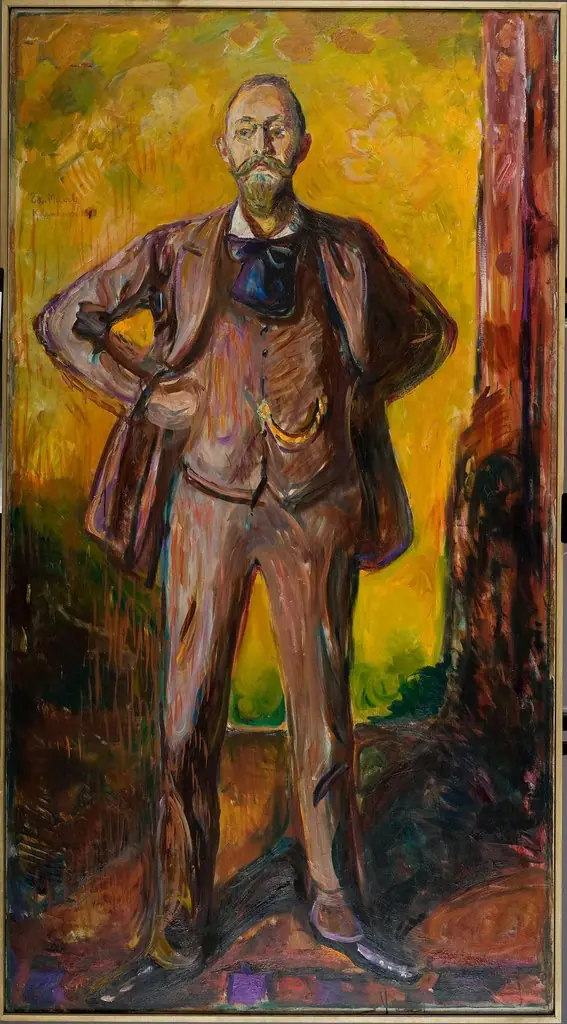
Self-Portrait with Hand in Pocket
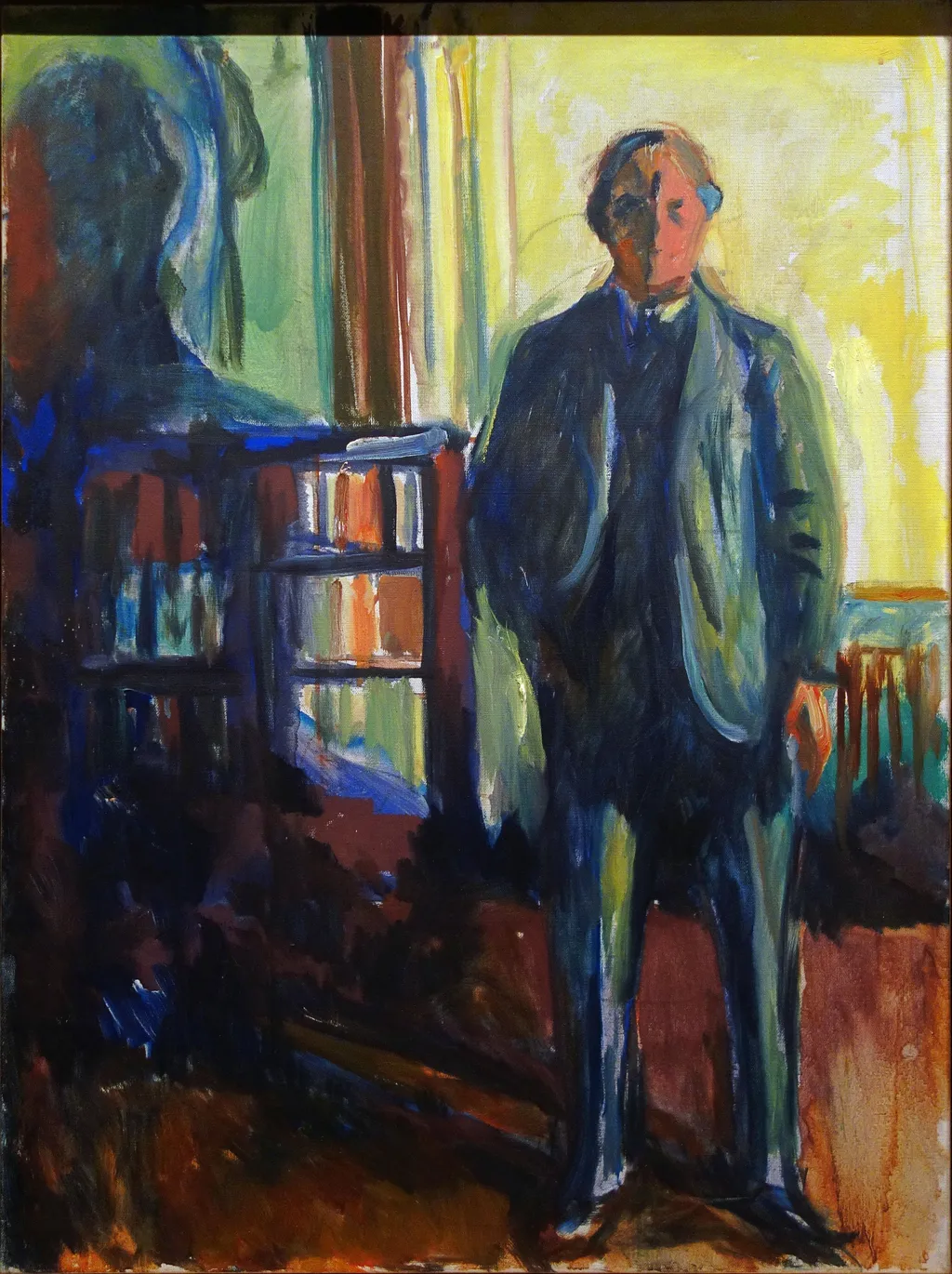
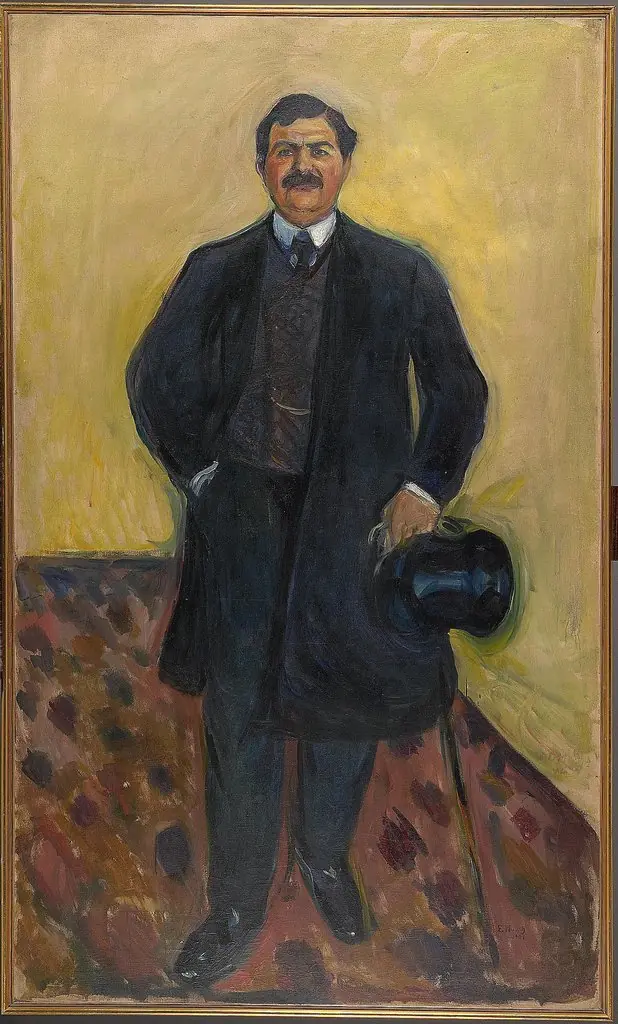
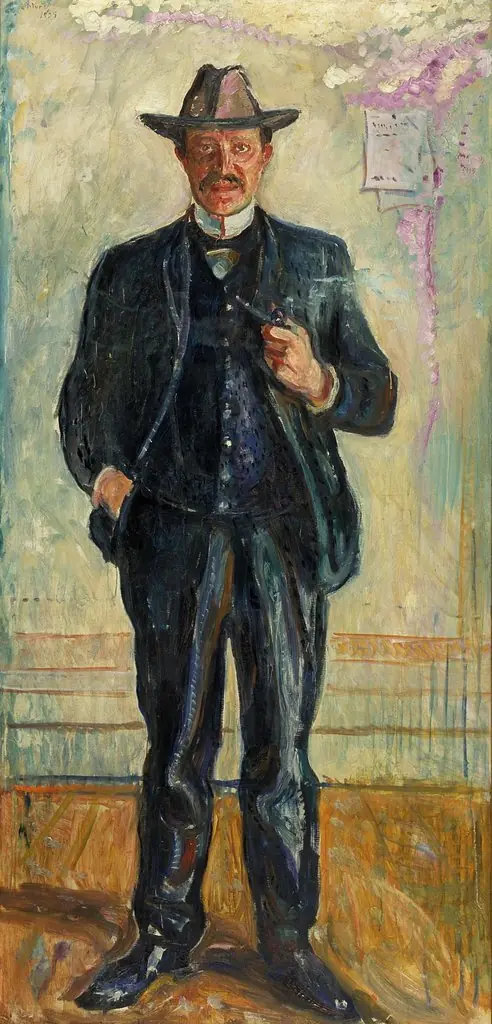
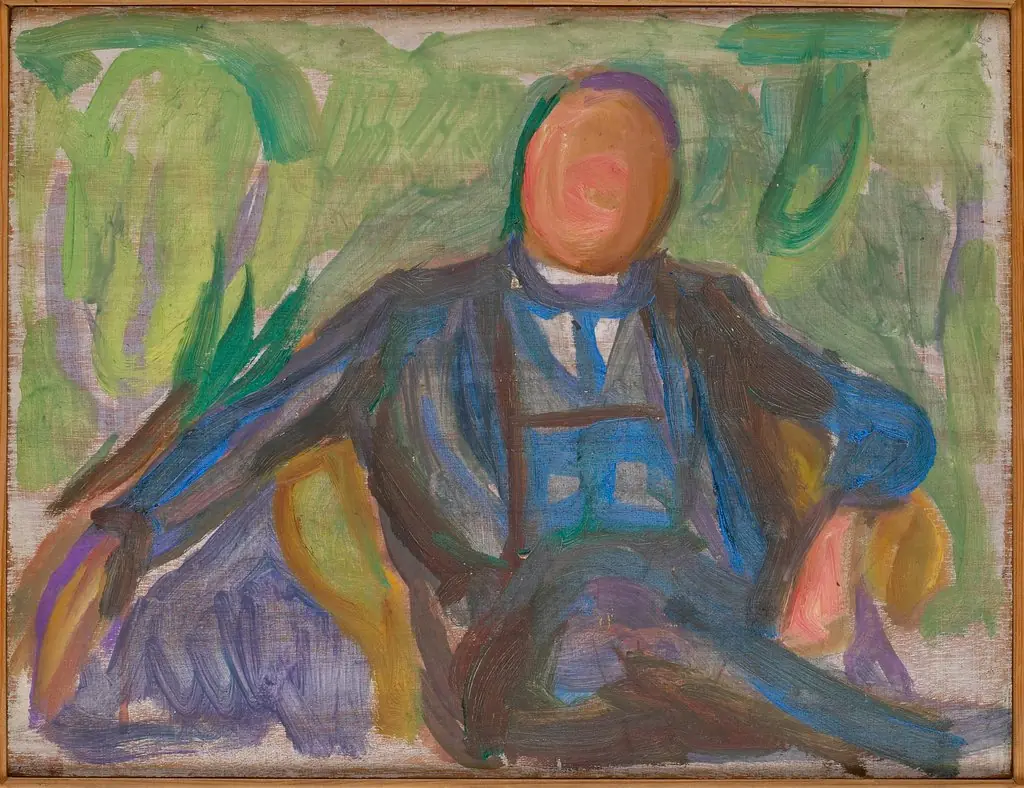
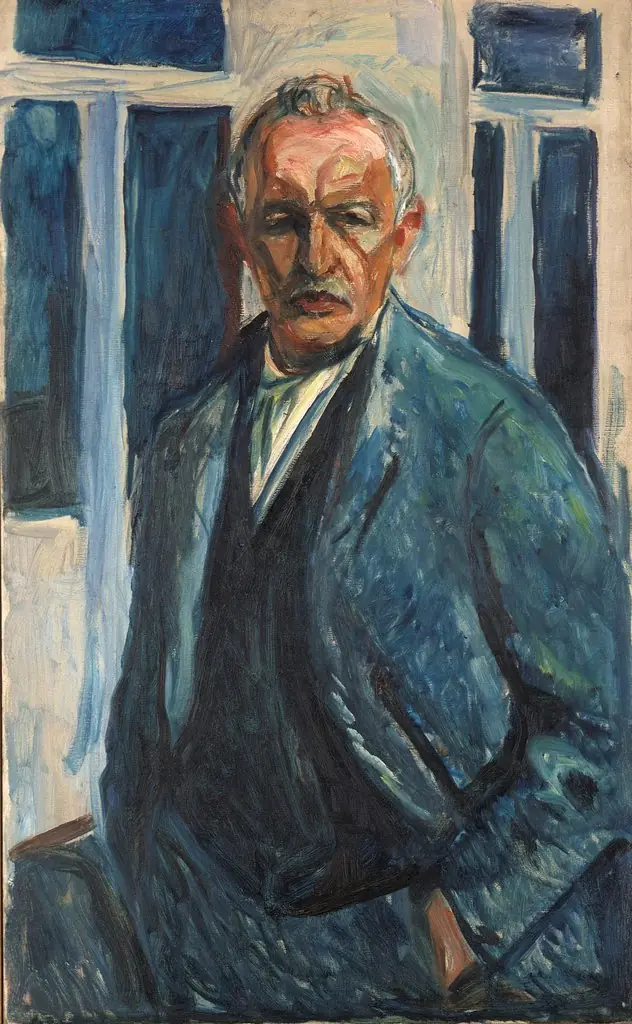
Self-Portrait with Hand in Pocket is an oil painting by the Post-Impressionist artist Edvard Munch. It dates from 1925 and is held in the collection of the Munch Museum.
About this work
Overview
The brushwork is loose and uneven, emphasizing mood over detail, consistent with Munch’s lifelong focus on psychological presence rather than physical accuracy.
Painted in 1925, this oil on canvas self-portrait captures Edvard Munch in middle age, standing stiffly in a modest interior. His right hand rests in his pocket, a gesture that suggests introspection or restraint. The background features a cluttered bookshelf and a small statue, rendered in muted tones of yellow, green, and brown. The brushwork is loose and uneven, emphasizing mood over detail, consistent with Munch’s lifelong focus on psychological presence rather than physical accuracy.
Subject & Meaning
Munch portrays himself not as a confident figure but as a solitary, almost withdrawn individual. The obscured face and rigid posture convey emotional distance, possibly reflecting his lifelong preoccupation with isolation and inner turmoil. The hand in the pocket may signal self-containment, a barrier against the world. The presence of books and a statue hints at intellectual and cultural references, yet they remain distant, unengaged — reinforcing a sense of alienation.
Technique & Style
Munch employs thick, uneven strokes and a limited palette to dissolve form into emotional texture. Facial features are blurred, and contours are suggested rather than defined, rejecting traditional portraiture. The background’s chaotic brushwork contrasts with the solidity of his suit, creating tension between figure and space. This expressive handling aligns with post-impressionist and expressionist tendencies, prioritizing psychological resonance over visual fidelity.
History & Provenance
Created in the final decade of Munch’s life, the painting remained in his personal collection until his death in 1944. It was later transferred to the Munch Museum in Oslo, established to house his oeuvre. The work reflects his later years, when he lived in relative seclusion at his estate in Ekely, continuing to paint despite declining health. Its preservation within the museum underscores its significance as a personal testament rather than a public statement.
Context
Munch’s artistic development was shaped by personal trauma and philosophical influences, notably the nihilist writer Hans Jæger, who urged him to depict inner experience. By 1925, he had moved beyond the symbolic intensity of *The Scream*, yet his work retained a preoccupation with solitude and mortality. This portrait emerges from a period when he was increasingly isolated, both physically and emotionally, and his art became more introspective, less concerned with universal symbols and more with personal presence.
Legacy
This self-portrait contributes to a broader tradition of artists confronting their own identity through painting. Unlike idealized portraits, Munch’s unflinching depiction of emotional ambiguity influenced later expressionist and figurative painters. Its rawness and lack of resolution invite viewers to consider the limits of self-representation. As part of the Munch Museum’s core collection, it remains a quiet but persistent record of an artist’s enduring struggle with self-perception.
Own this work as a print
Artist & collection
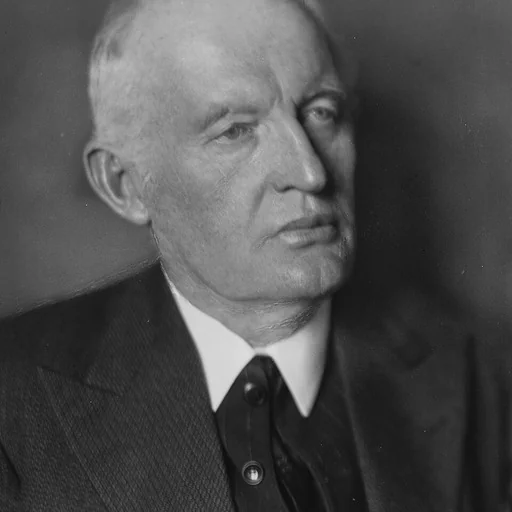
Artist
Edvard Munch ( MUUNK; Norwegian: ; 12 December 1863 – 23 January 1944) was a Norwegian painter.