Artwork
Self-Portrait
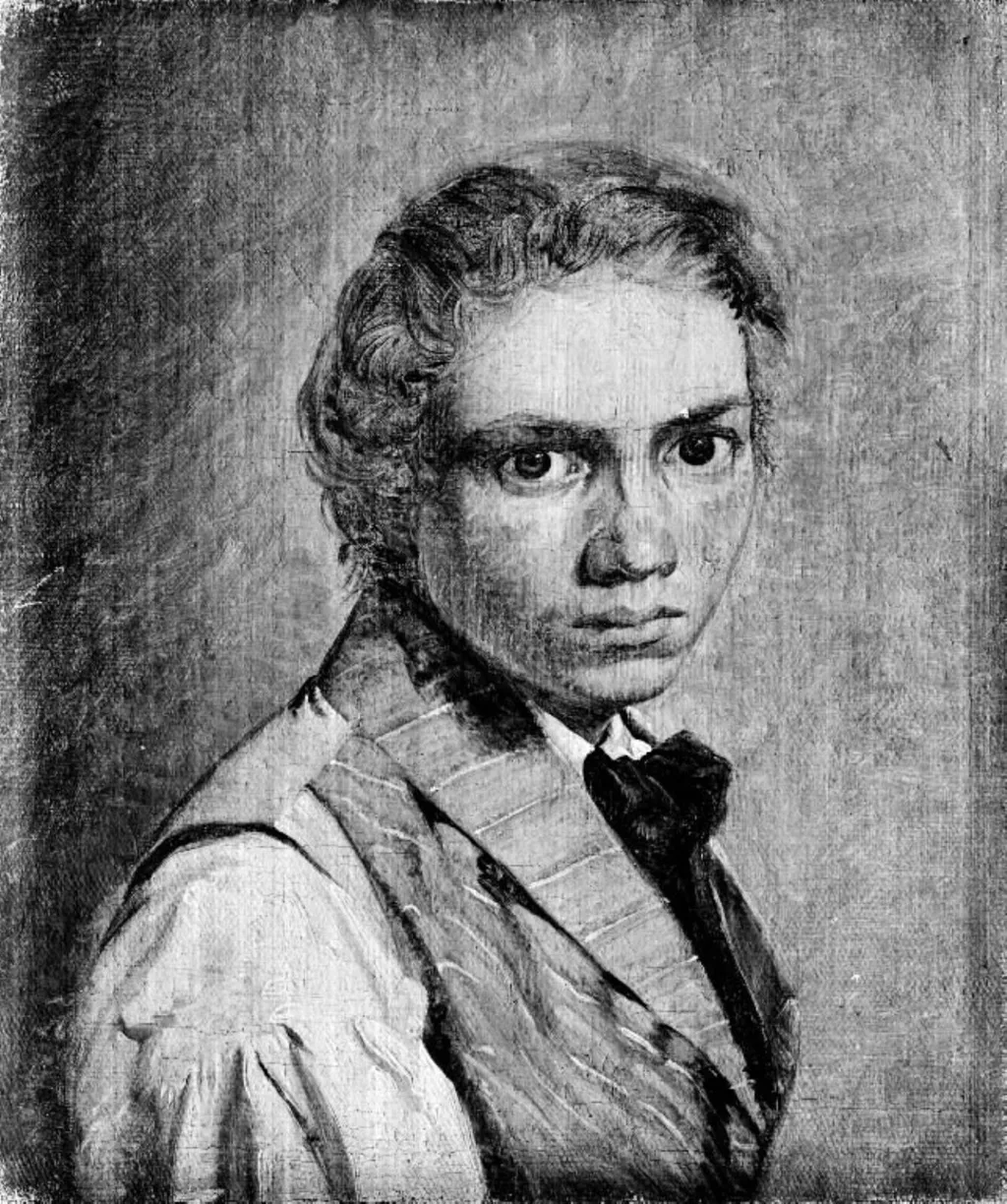
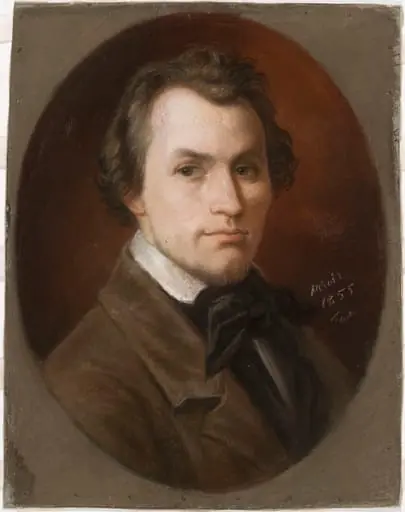
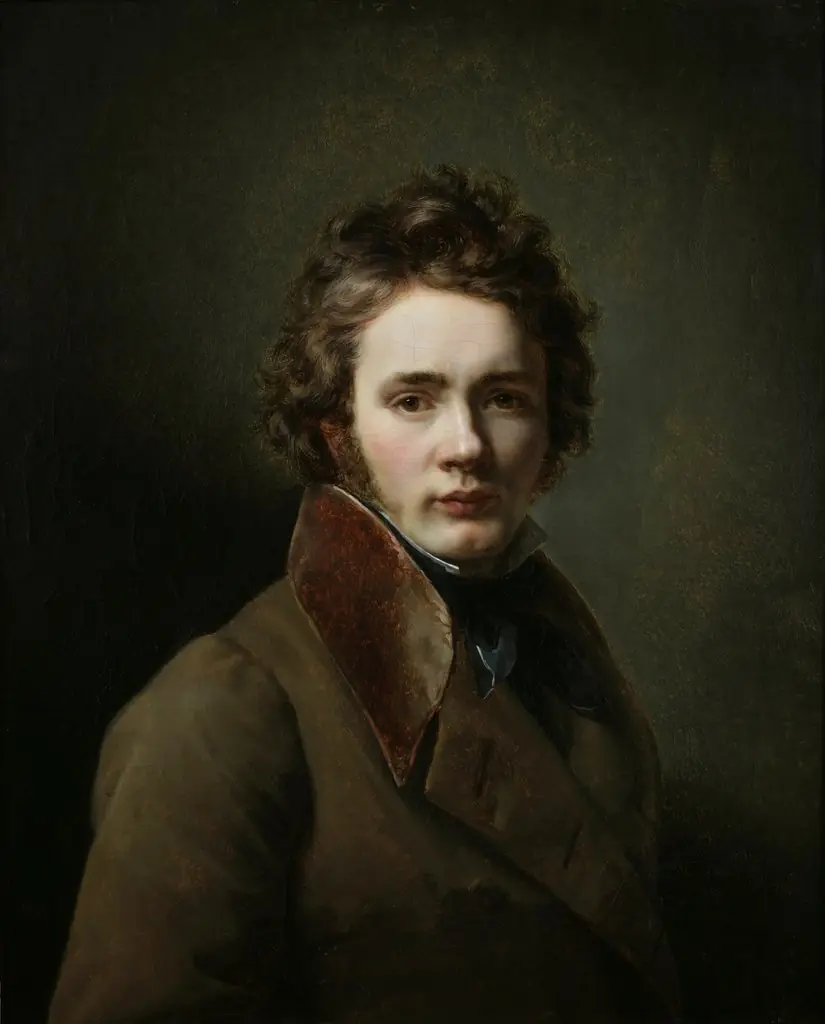
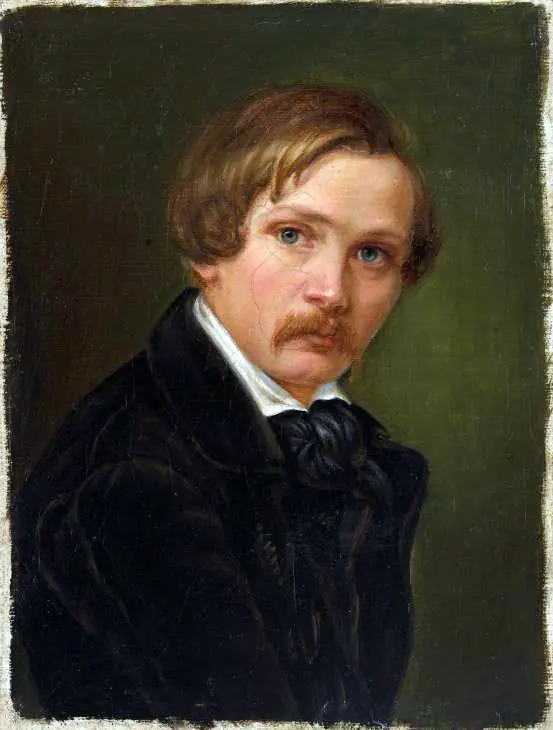
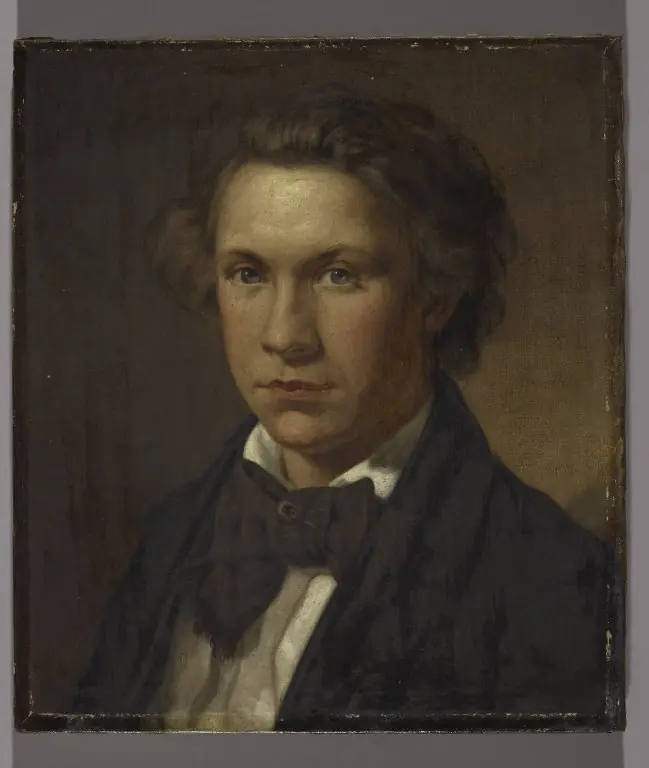
Self-Portrait is an unspecified painting by the Romanticist artist Unknown. It dates from 1827 and is held in the collection of the Statens Museum for Kunst.
About this work
Overview
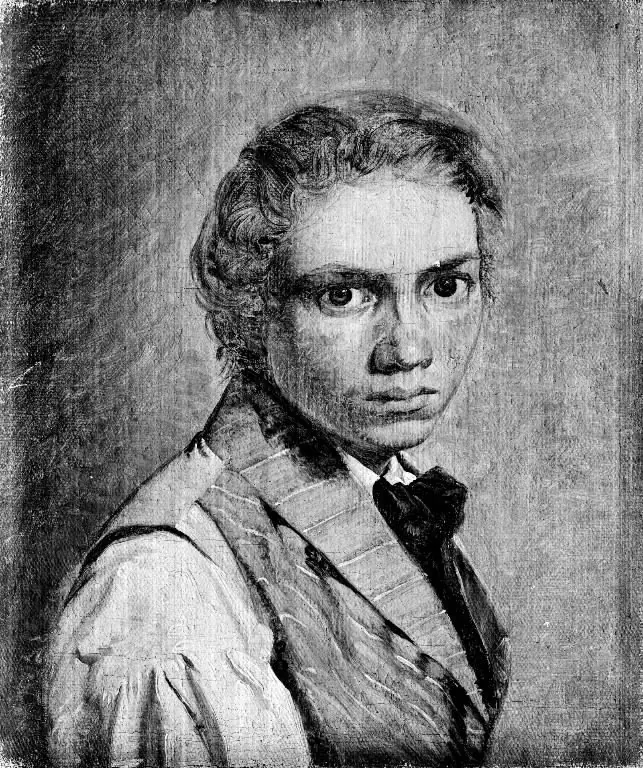
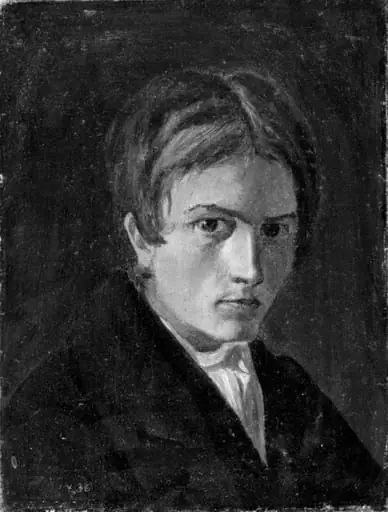
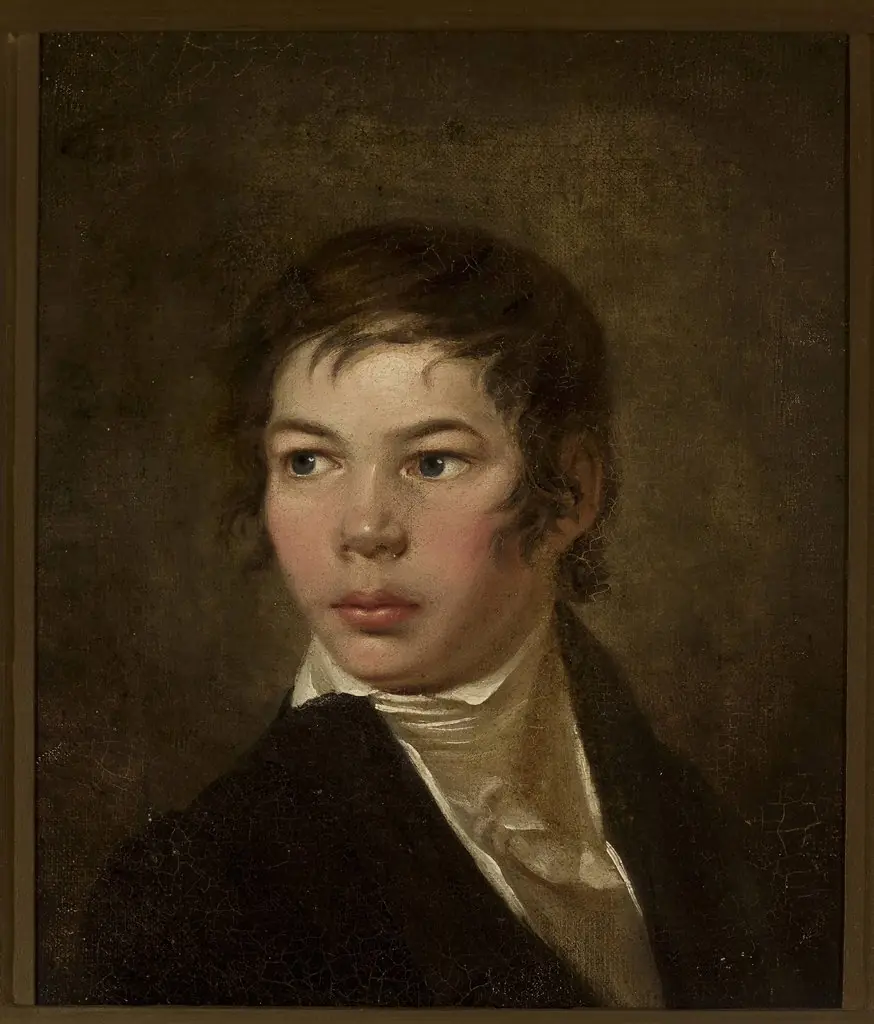
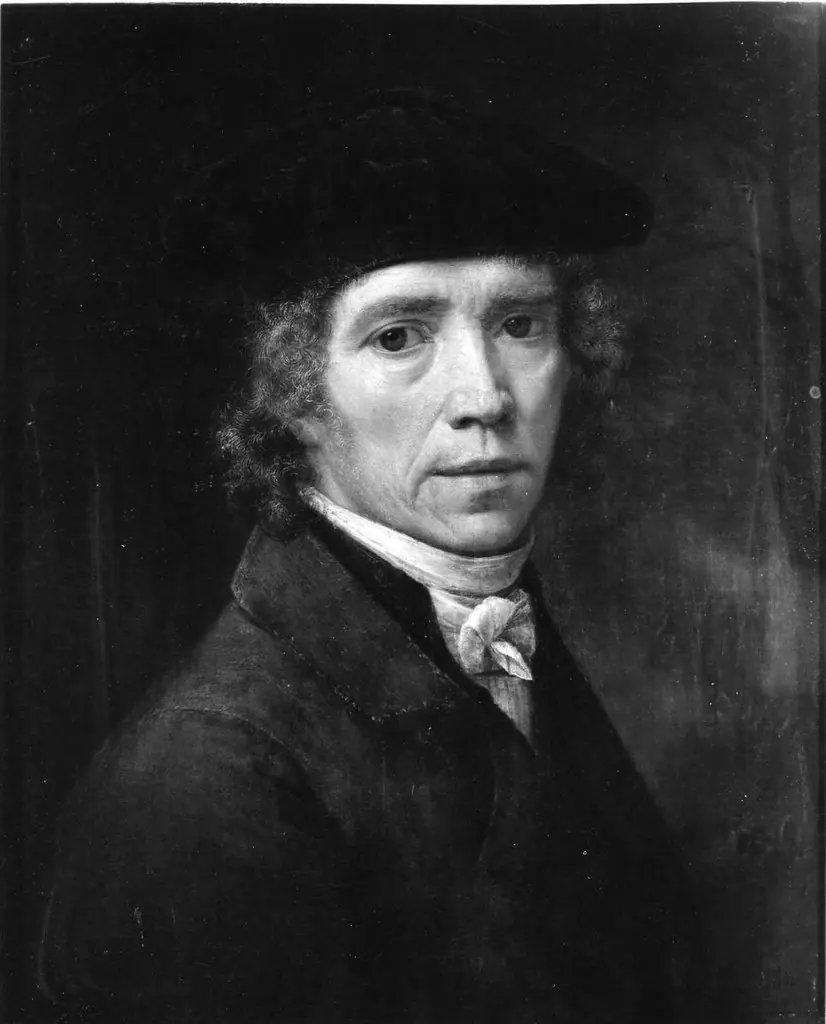
Executed in oil on canvas, the work presents a straightforward depiction of the artist’s appearance, emphasizing stillness over theatricality.
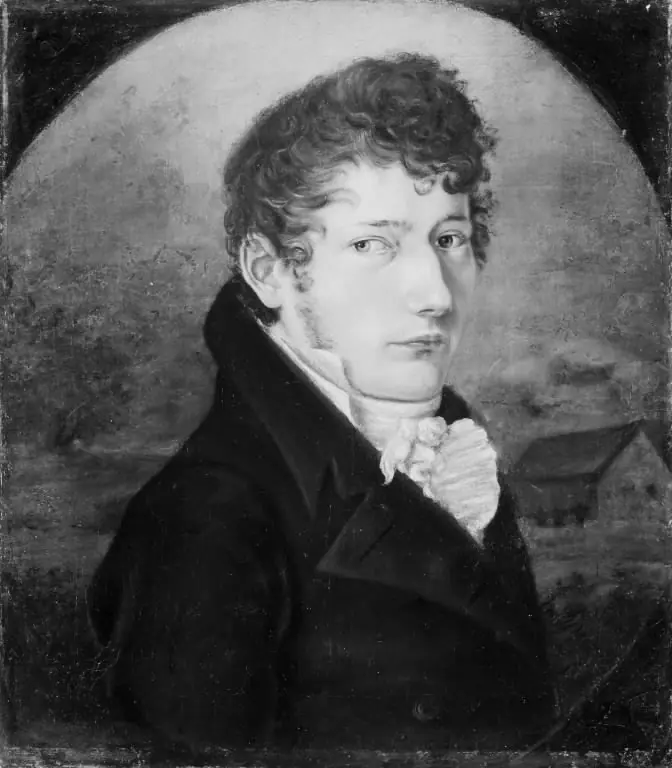
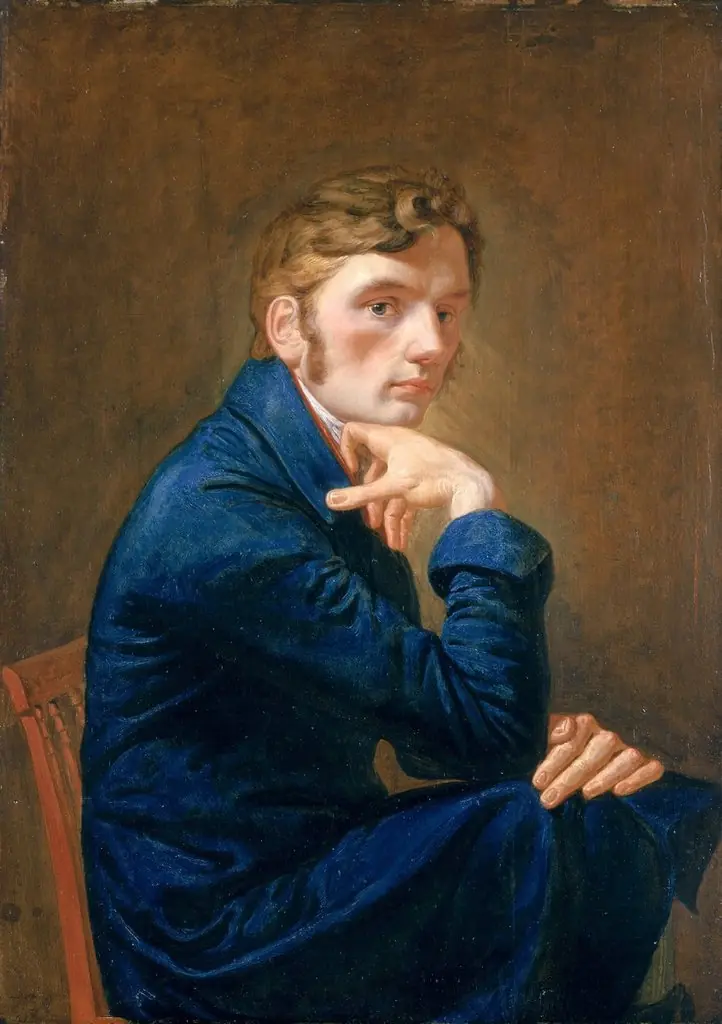
Created in 1827, this self-portrait depicts the artist facing the viewer with quiet composure. Executed in oil on canvas, the work presents a straightforward depiction of the artist’s appearance, emphasizing stillness over theatricality. It resides in the Museum of Ethnography, where its placement suggests an interest in personal identity within cultural documentation rather than traditional fine art display.
Subject & Meaning
The subject is the artist himself, rendered without adornment or symbolic props. His neutral expression and direct gaze convey an inward focus, inviting contemplation rather than narrative. The absence of contextual elements shifts attention to the individual’s presence, reflecting a personal, perhaps private, assertion of identity during a period when self-representation was increasingly valued among artists.
Technique & Style
The painting employs a restrained palette and smooth brushwork, with attention to the texture of fabric and the fall of light on skin. The solid background eliminates spatial distraction, reinforcing the portrait’s intimate tone. While not overtly dramatic, the handling of form and tone aligns with early 19th-century tendencies toward psychological realism, distinct from the heightened emotion typical of Romanticism.
History & Provenance
The work entered the Museum of Ethnography’s collection in the late 19th or early 20th century, likely through donation or acquisition from a private source. Its classification within an ethnographic context, rather than a fine arts collection, indicates a historical curatorial approach that treated personal portraits as cultural artifacts of individual identity.
Context
In the 1820s, artists across Europe increasingly turned to self-portraiture as a means of asserting autonomy and introspection. While Romanticism emphasized emotion and sublime themes, this portrait reflects a quieter trend: the individual as subject worthy of unembellished representation. Its simplicity contrasts with the grandiosity of official portraiture of the era.
Legacy
Though not widely exhibited or reproduced, the portrait remains a quiet example of personal documentation in a period of shifting artistic values. Its preservation in an ethnographic institution underscores evolving ideas about what constitutes cultural record—individual identity, even in modest form, as worthy of preservation.
Artist & collection

 Domestic Scene
 Giacomo and Cardinal Marco, investing Andrea, Abbot of San Zeno, with his Benefice
 The Nymph of Fontainebleau
 Portrait of a Woman
 Madonna and Child with Saints in the Enclosed Garden
 Venus and Minerva
 Family Group of Four on Sofa
 Wall painting from Room H of the Villa of P. Fannius Synistor at Boscoreale