Artwork
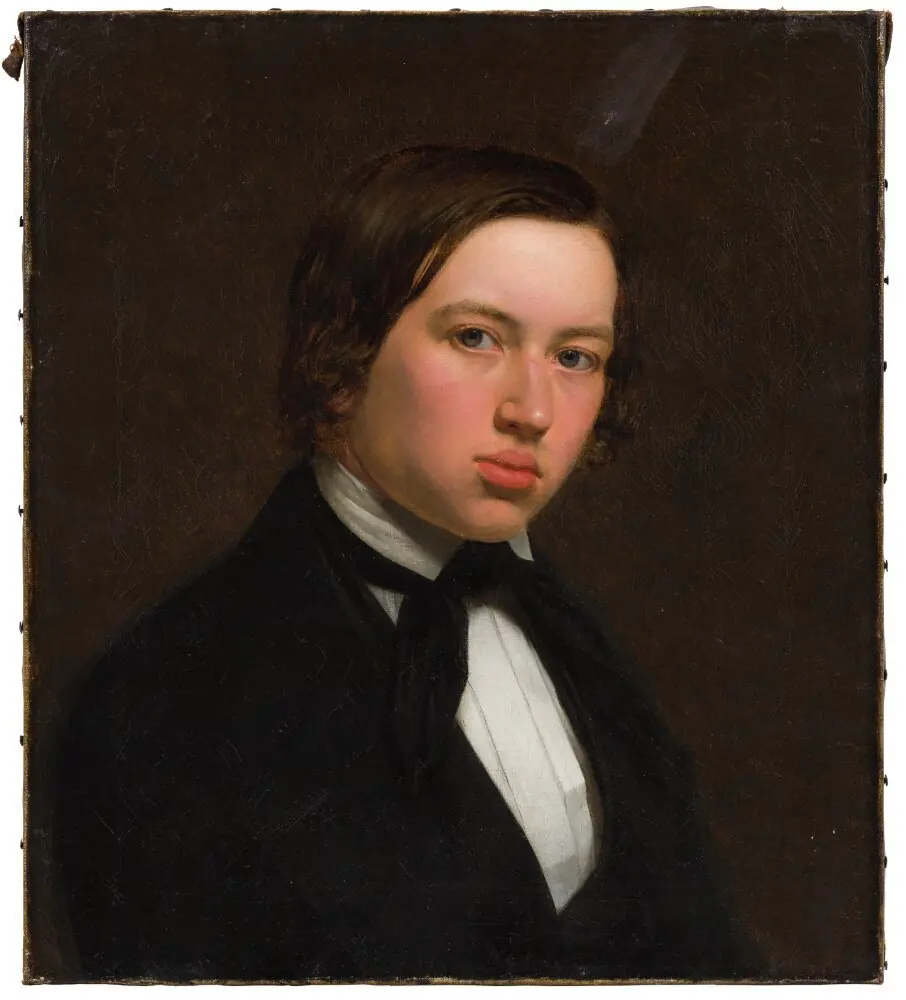
Portrait of a Man
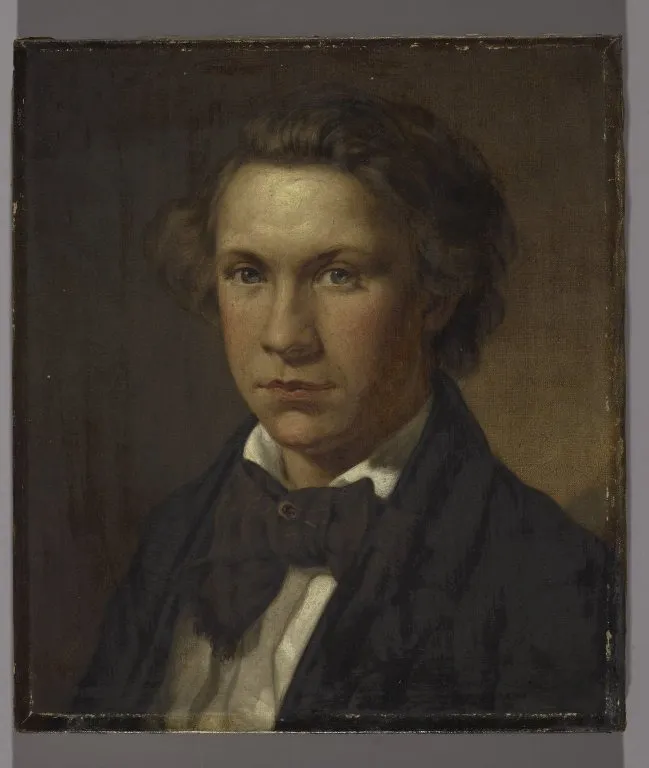
Portrait of a Man is an oil painting by the British Romanticist artist John Barnard Whittaker. It dates from 1859 and is held in the collection of the Brooklyn Museum.
About this work
Overview
The work resides in the Brooklyn Museum’s collection and exemplifies mid-19th-century American portraiture.
Painted in 1859 by John Barnard Whittaker, this oil portrait depicts an unidentified man in formal attire. The work resides in the Brooklyn Museum’s collection and exemplifies mid-19th-century American portraiture. Its restrained composition and subdued palette emphasize the sitter’s presence without decorative distraction, reflecting a period preference for dignified, introspective representation.
Subject & Meaning
The subject, dressed in a dark jacket, white shirt, and bow tie, is rendered with quiet solemnity. His downward gaze and still posture suggest inward reflection rather than outward engagement. The absence of contextual clues—no objects, no landscape—focuses attention on his demeanor, inviting contemplation of his inner state without narrative specification.
Technique & Style
Whittaker employs subtle chiaroscuro to model the face and clothing, using soft transitions between light and shadow to define form. The muted brown background recedes gently, enhancing the three-dimensionality of the figure. Brushwork is controlled and precise, particularly in the rendering of hair and fabric, conveying texture without overt flourish.
History & Provenance
The painting entered the Brooklyn Museum’s collection in the 20th century, though its earlier ownership remains undocumented. Created during Whittaker’s active years as a portraitist in the northeastern United States, it aligns with regional trends favoring reserved, psychologically nuanced depictions of middle- and upper-class men.
Context
In the mid-1800s, American portraiture often prioritized moral seriousness over flamboyance. This work reflects that ethos, echoing the influence of European academic traditions while avoiding theatricality. The sitter’s attire and posture suggest professional or civic standing, consistent with the values of a society increasingly defining identity through character rather than status symbols.
Legacy
Though Whittaker is not widely known today, this portrait stands as a representative example of his skill in capturing quiet psychological depth. It contributes to the broader understanding of 19th-century American portraiture, where restraint and subtlety were valued as markers of refinement and introspection.
Artist & collection
Artist
John Barnard Whittaker painted scenes of everyday life and theater in 19th-century Britain.

 The Actor Christoffer Hvid
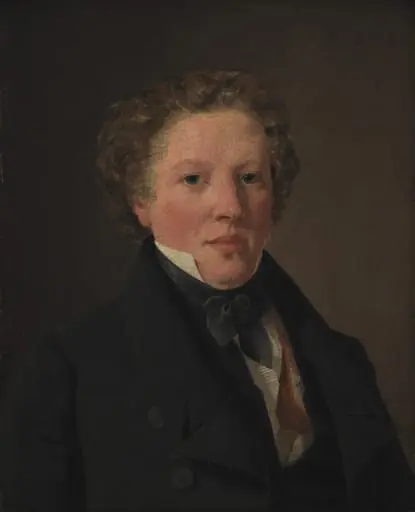 The Actor Christoffer Hvid
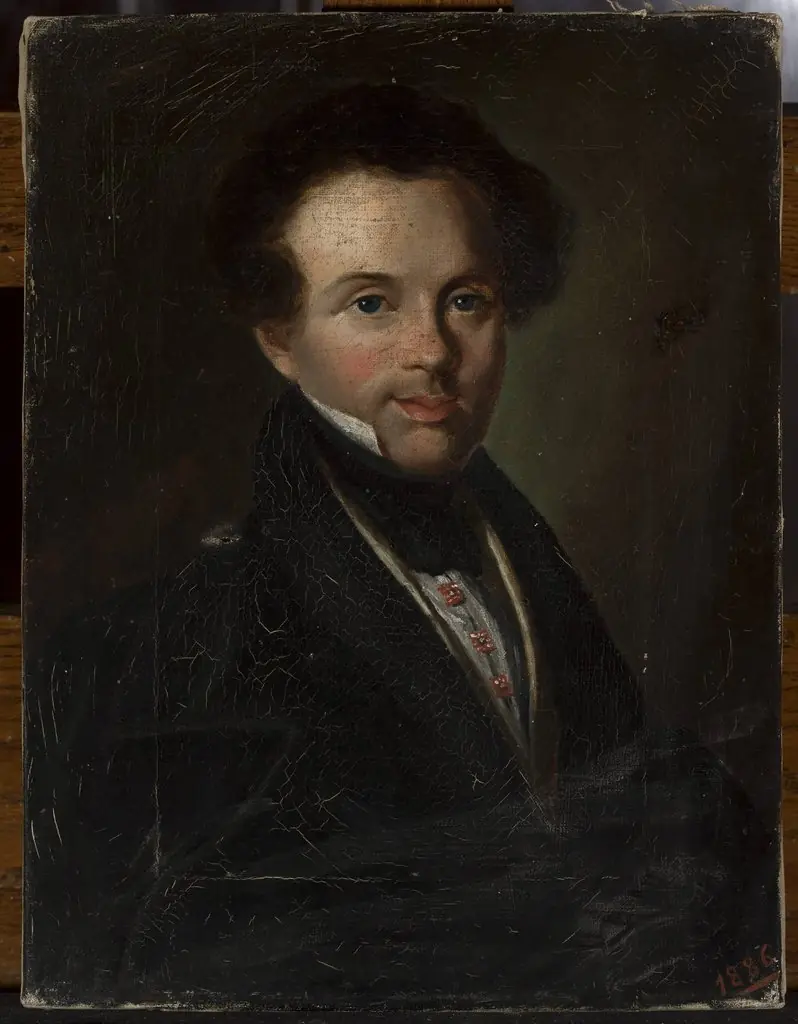 Portrait of a man
 Portrait of the painter Pierre-François Jacobs
 Presumed Self-Portrait
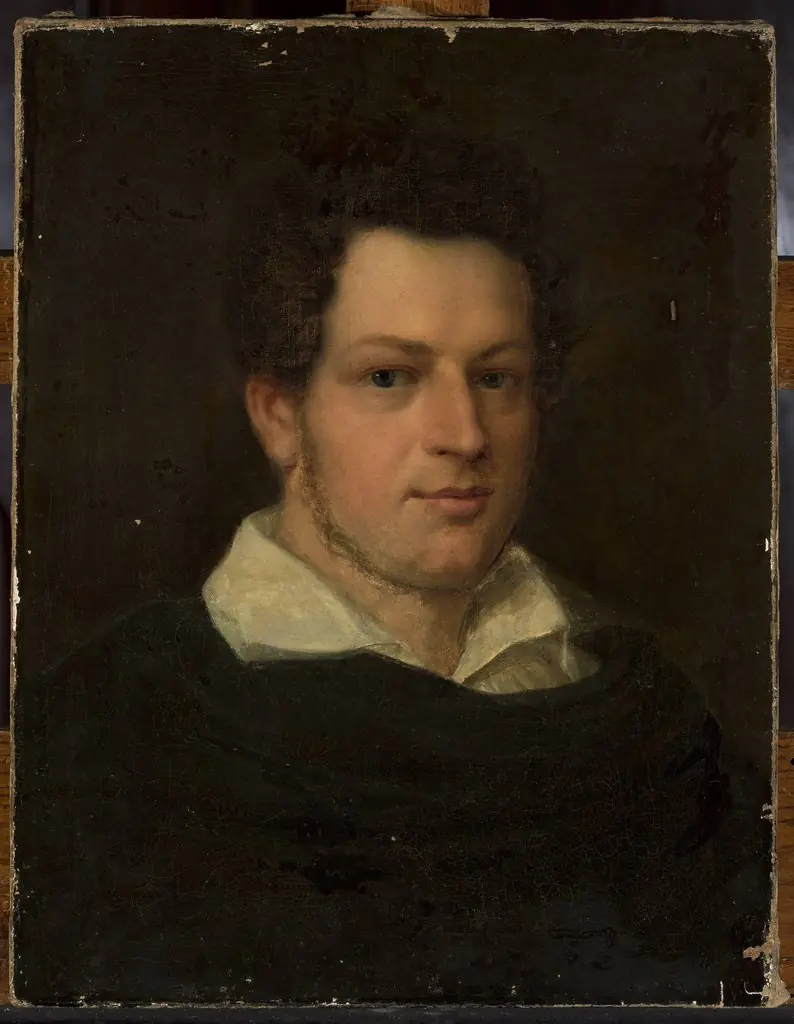 Portrait of Izydor Dymidowicz
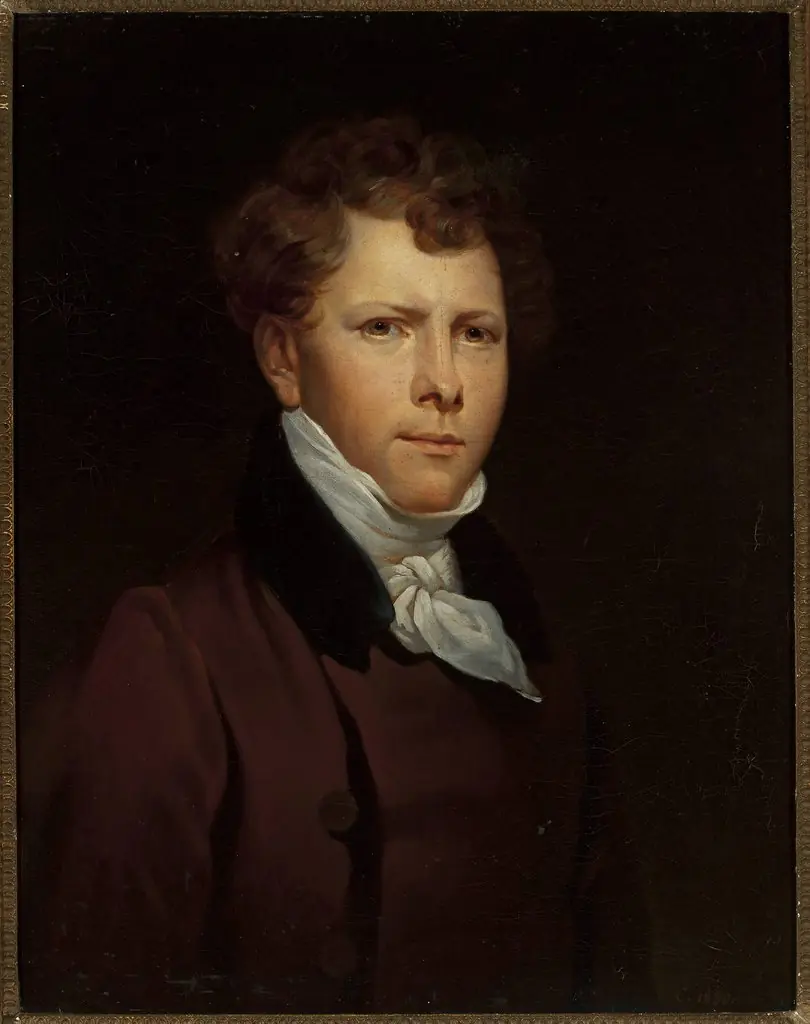 Copy of “Self-portrait” of Antoni Brodowski
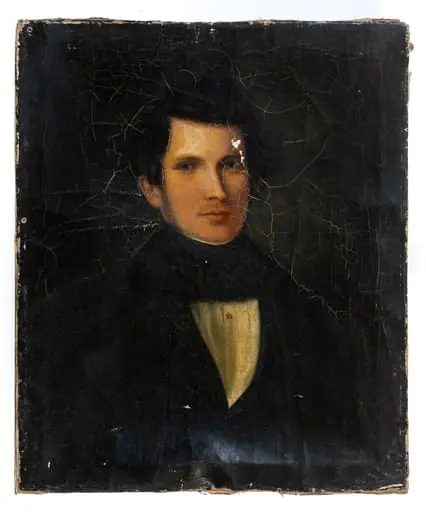 Portretul lui Iliuță Conta
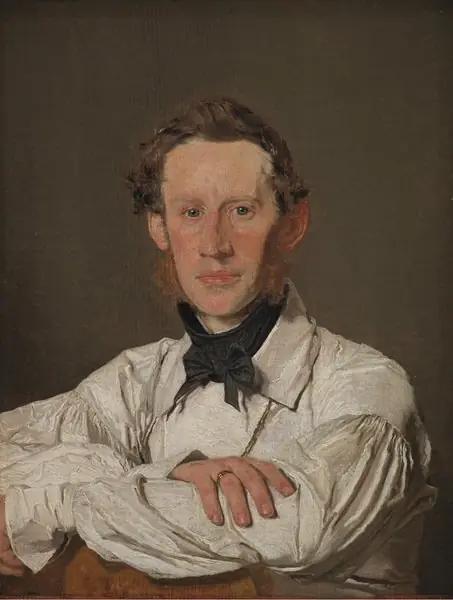 Portrait of the Animal Painter Christian Holm
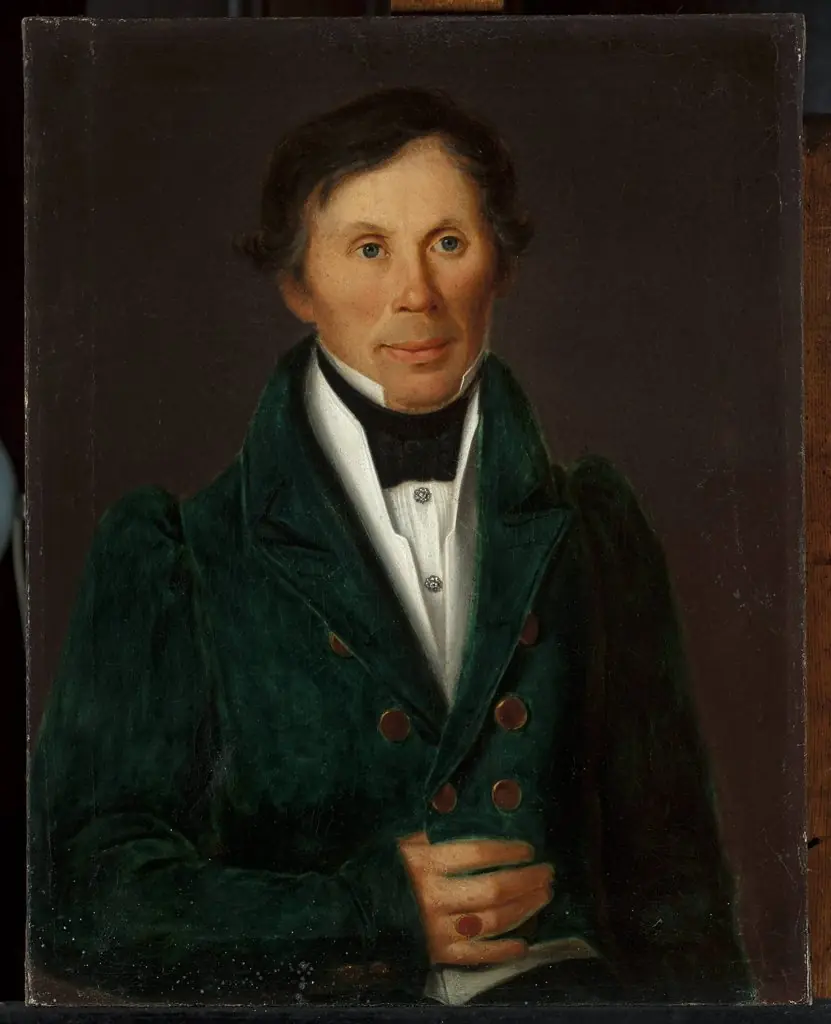 Portrait of Benedykt Gomóliński
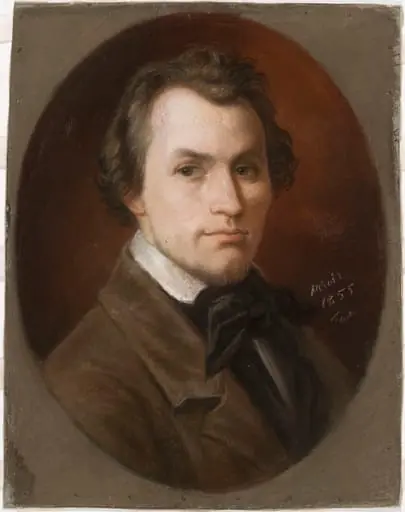 Marcus Larssonin muotokuva
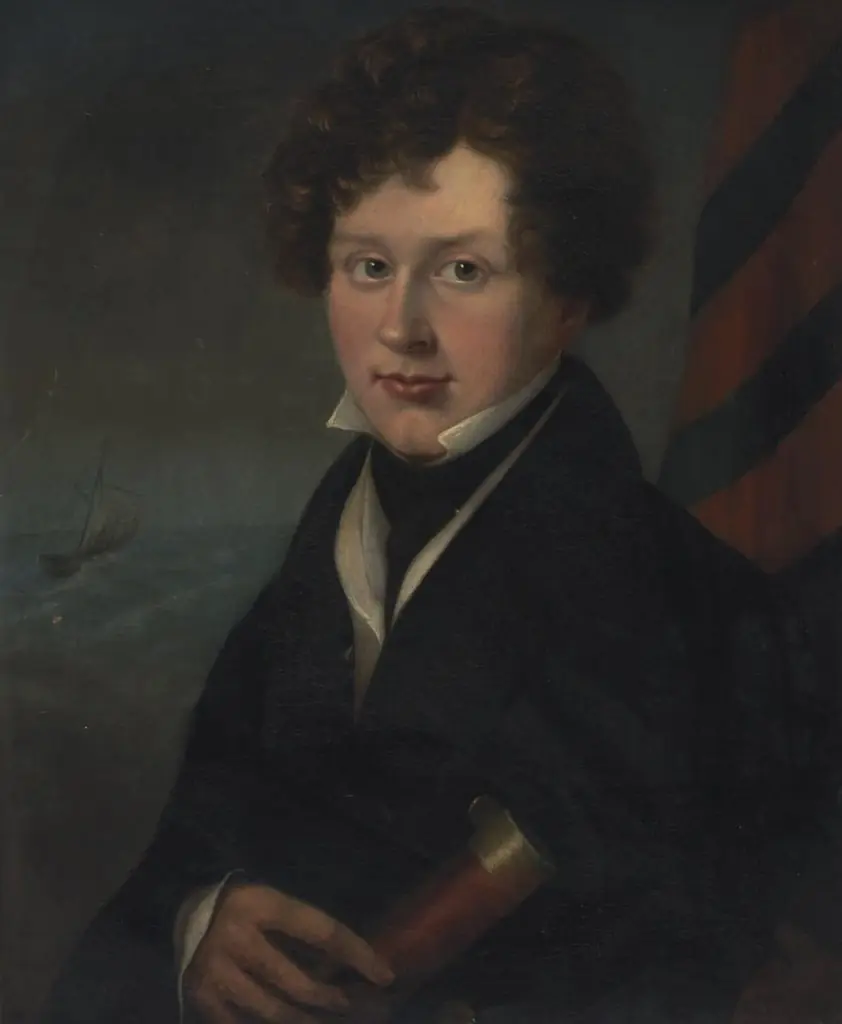 Lt. Edward Owen Johnes (Taffy)