Artwork
Selvportræt
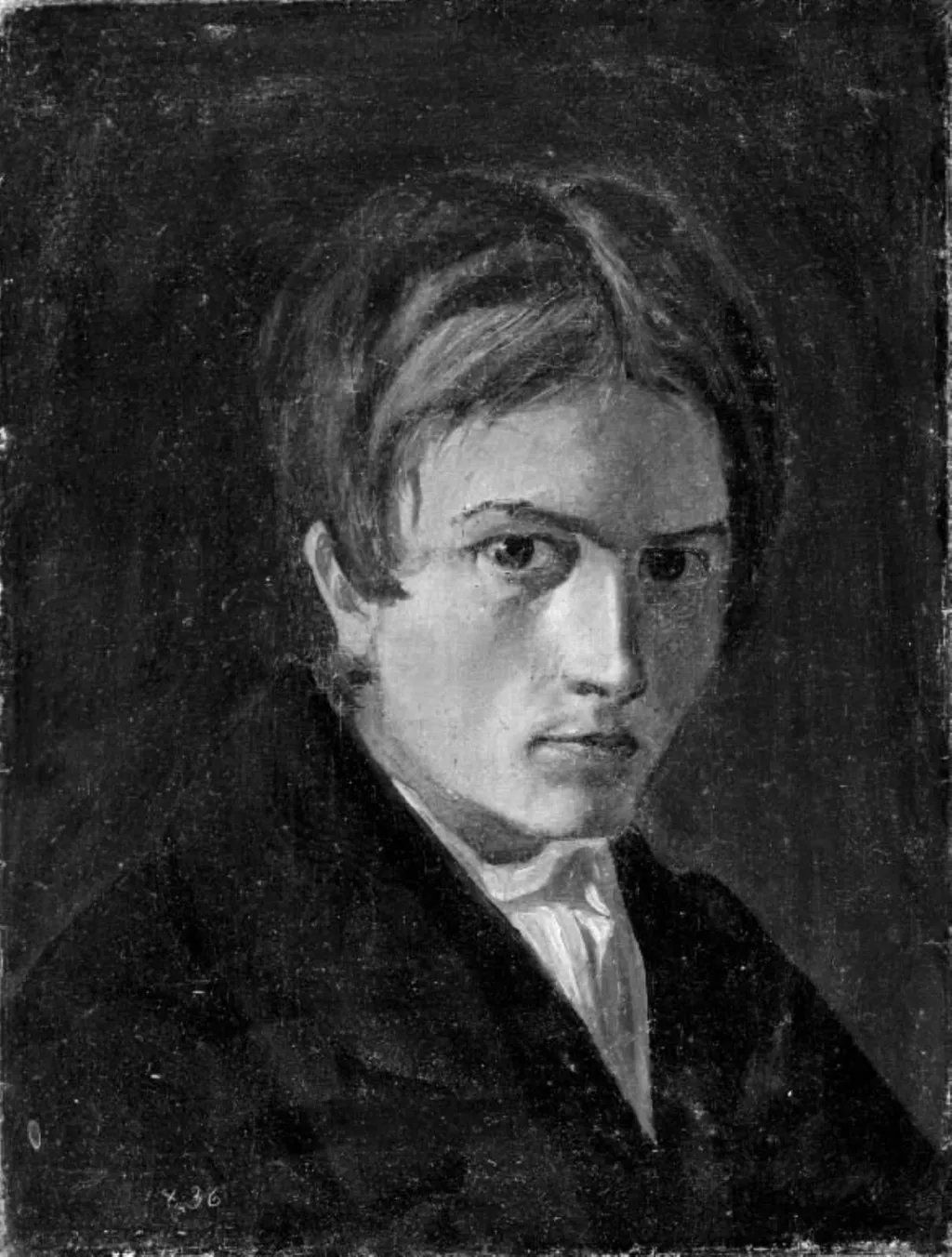
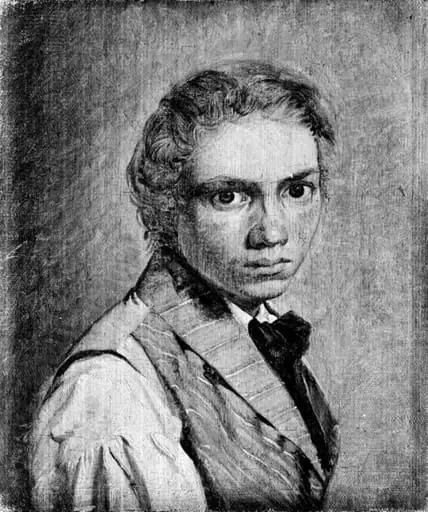
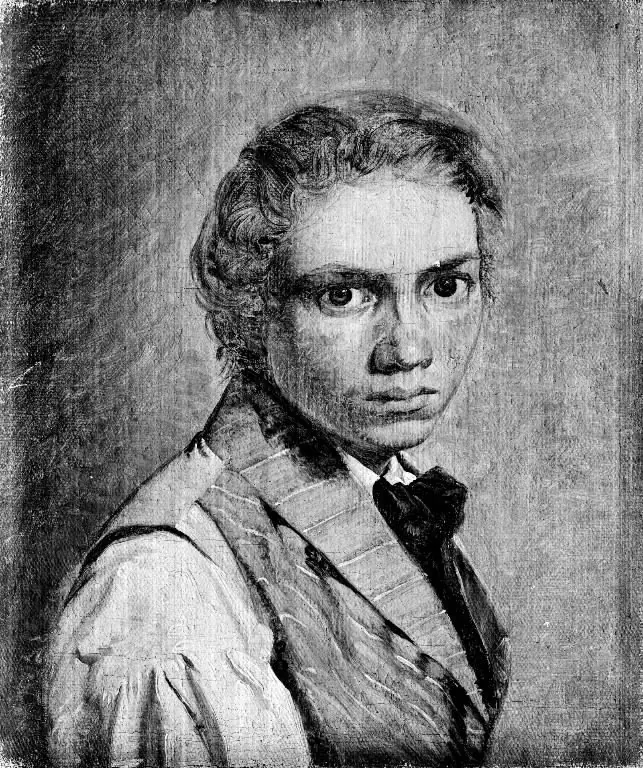
Selvportræt is a photography by the Romanticist artist Unknown. It dates from 1836 and is held in the collection of the Statens Museum for Kunst. Created in 1836, this self-portrait is attributed to the artist 2364_person.
About this work
Overview
Its composition emphasizes the figure against a deep, unbroken background, a common approach in early 19th-century portraiture.
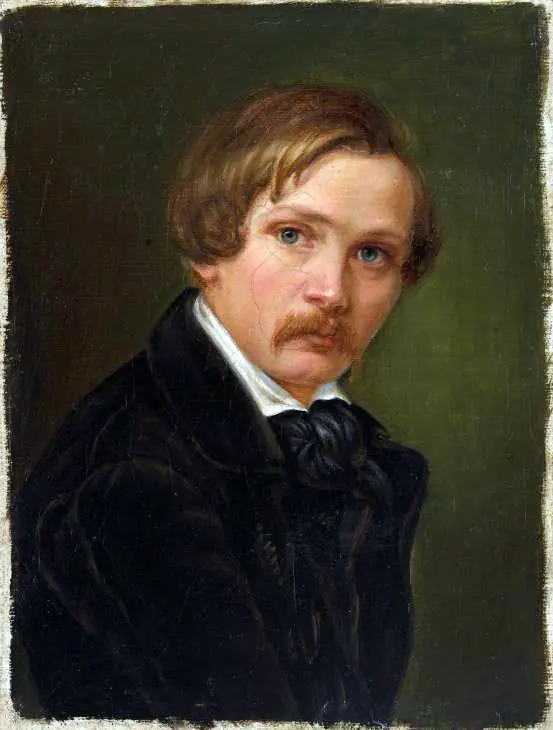
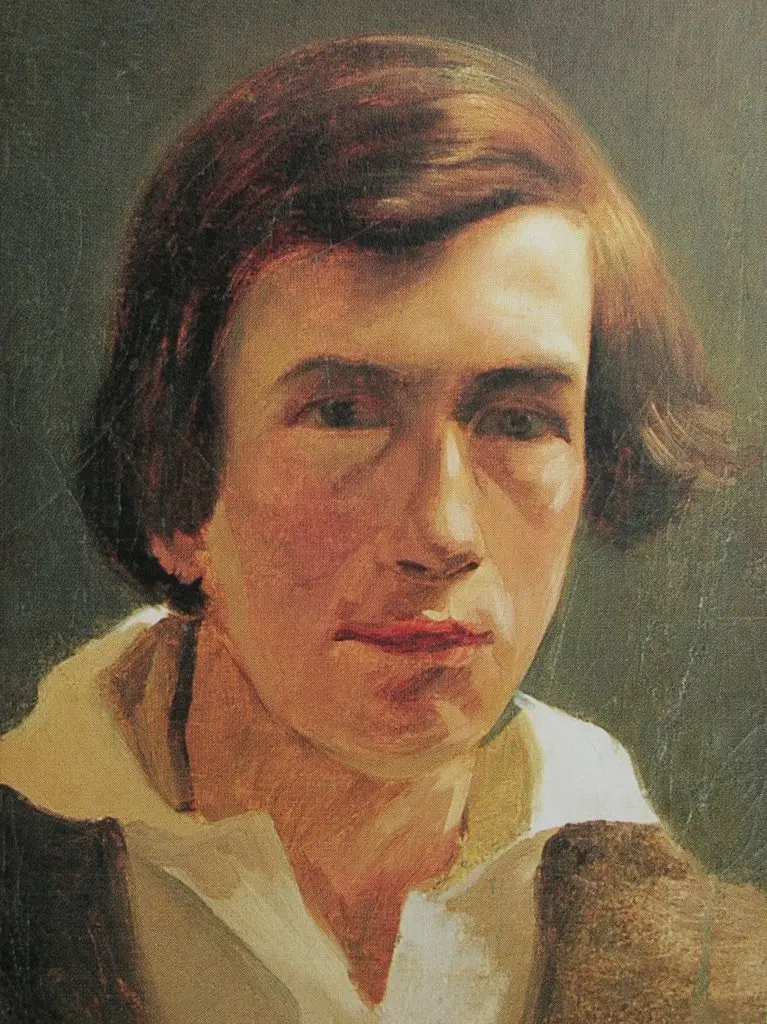
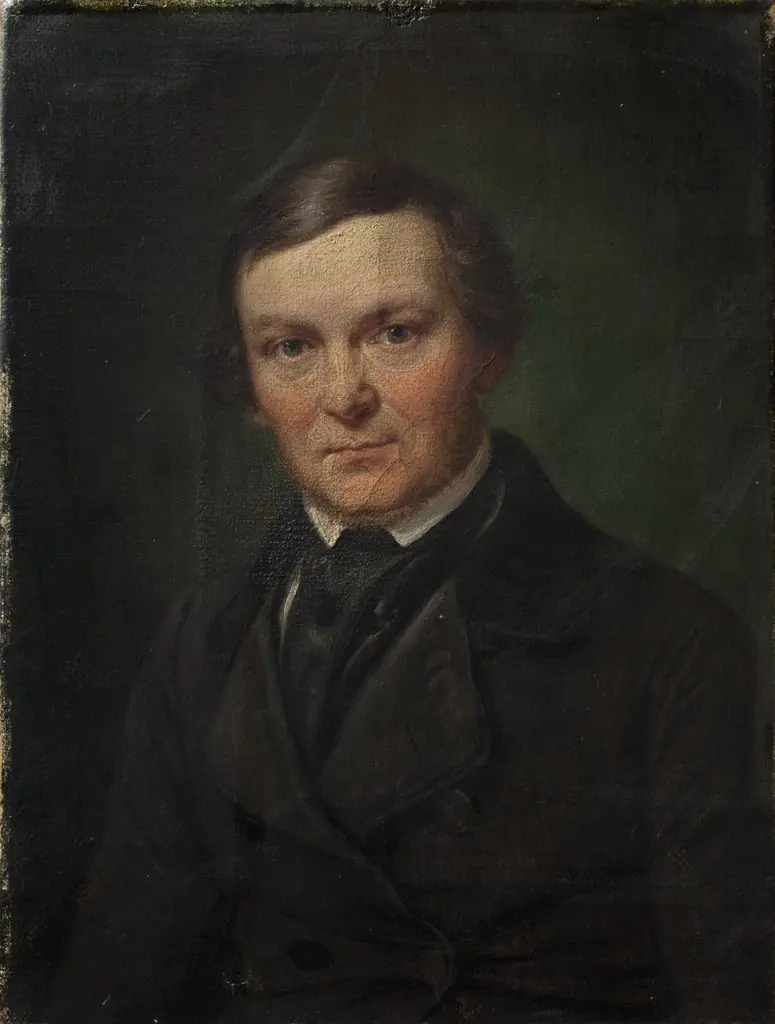
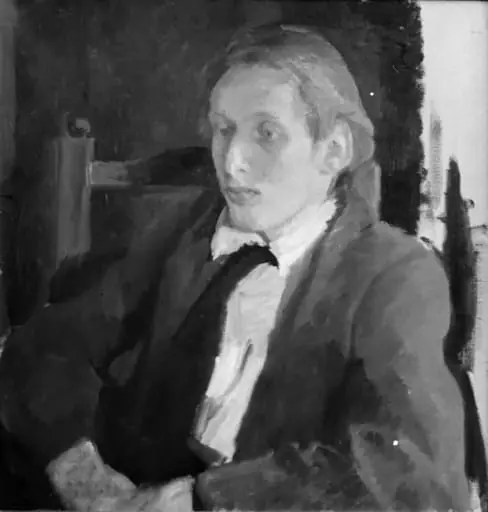
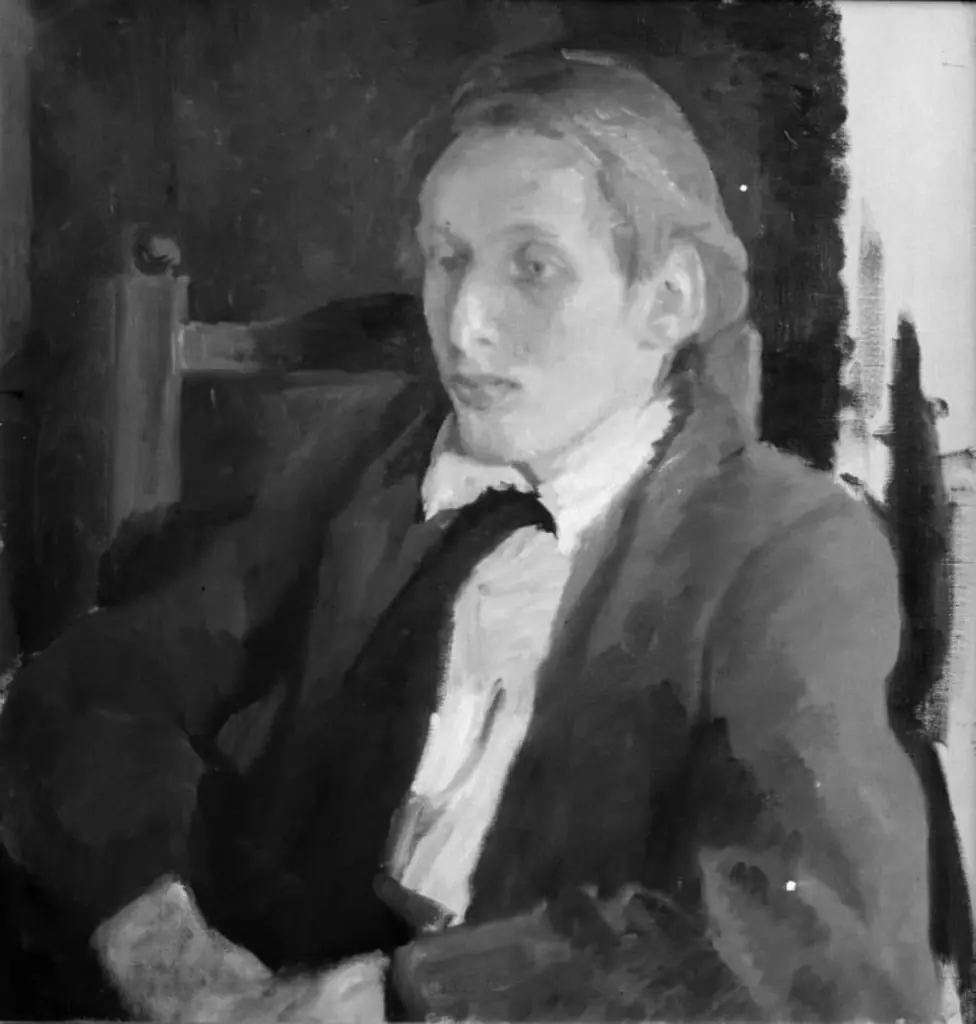
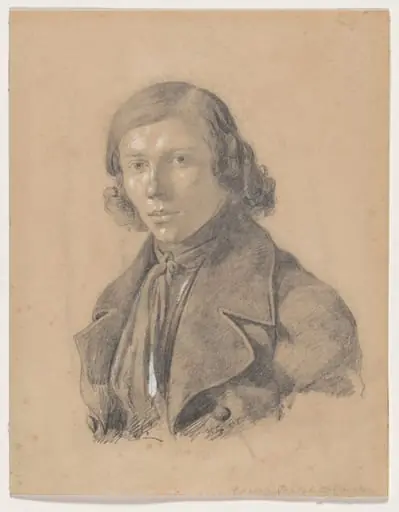
Created in 1836, this self-portrait is attributed to the artist 2364_person. Executed in oil on canvas, it is part of the collection at the Museum of Ethnography. The work presents a straightforward depiction of the artist, rendered with restrained detail and a muted palette. Its composition emphasizes the figure against a deep, unbroken background, a common approach in early 19th-century portraiture.
Subject & Meaning
The subject is the artist himself, depicted without adornment or symbolic elements. His direct gaze and neutral expression suggest introspection rather than performance. The absence of context or narrative cues shifts focus to the individual’s presence, aligning with Romantic ideals that valued personal authenticity over external grandeur. The portrait conveys quiet dignity rather than emotional display.
Technique & Style
The painting employs a limited color scheme dominated by dark tones, with the white collar and face providing subtle contrast. Brushwork is controlled and precise, avoiding theatricality. The background is rendered uniformly, eliminating spatial depth to isolate the figure. This method reflects a deliberate move toward psychological realism, characteristic of Romantic portraiture that prioritized inner state over external circumstance.
History & Provenance
The work entered the Museum of Ethnography’s collection in the late 19th century, though its earlier ownership remains undocumented. Its classification within an ethnographic institution suggests it may have been acquired as part of a broader effort to document cultural identities, though the artist’s personal significance is not widely recorded in institutional archives.
Context
In the 1830s, European artists increasingly turned inward, using self-portraiture to explore identity amid political and social upheaval. While Romanticism often emphasized dramatic emotion, this work exemplifies its quieter variant—focused on stillness and self-containment. It reflects a broader trend among lesser-known artists who sought personal expression within constrained means.
Legacy
Though not widely exhibited or reproduced, the portrait contributes to the understudied corpus of Nordic self-portraiture from the Romantic era. Its preservation in an ethnographic museum underscores how personal images were sometimes interpreted as cultural artifacts. It remains a quiet testament to the artist’s presence in a period when individual identity was being redefined.
Artist & collection

 Domestic Scene
 Giacomo and Cardinal Marco, investing Andrea, Abbot of San Zeno, with his Benefice
 The Nymph of Fontainebleau
 Portrait of a Woman
 Madonna and Child with Saints in the Enclosed Garden
 Venus and Minerva
 Family Group of Four on Sofa
 Wall painting from Room H of the Villa of P. Fannius Synistor at Boscoreale