Artwork
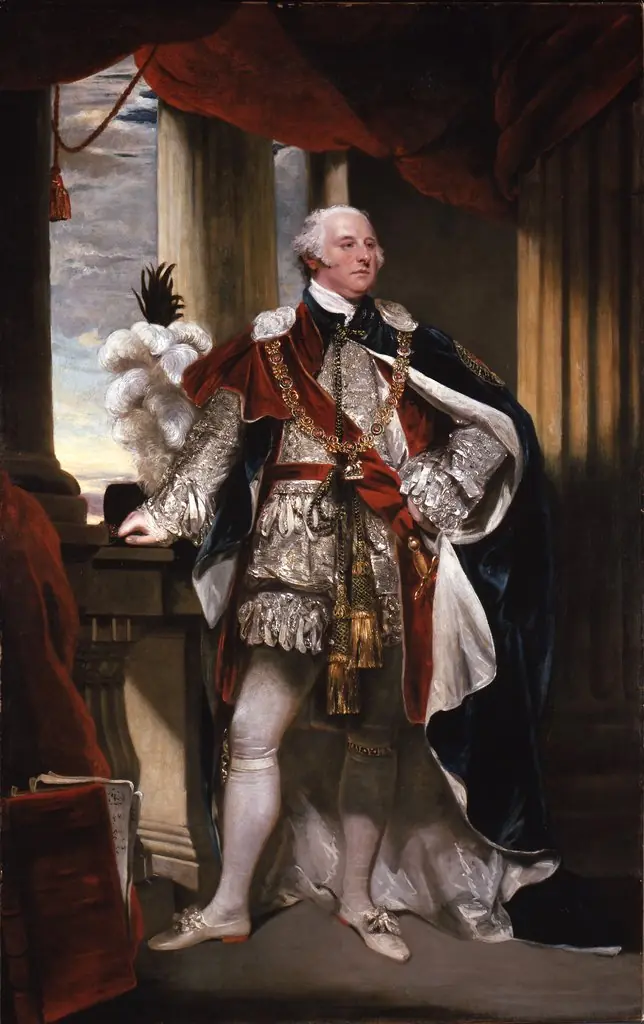
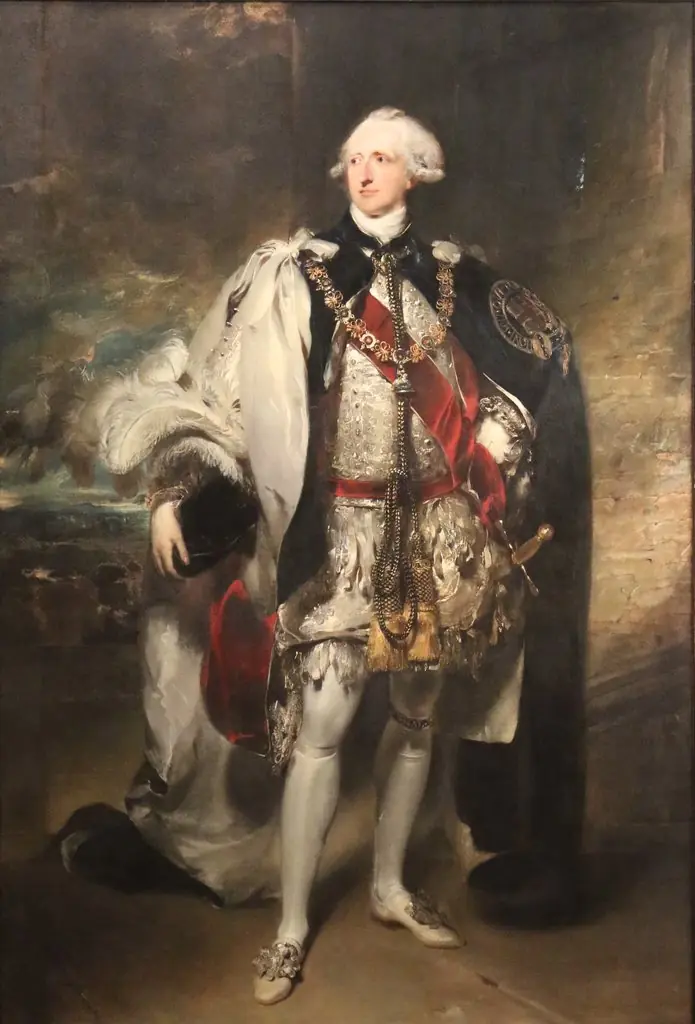
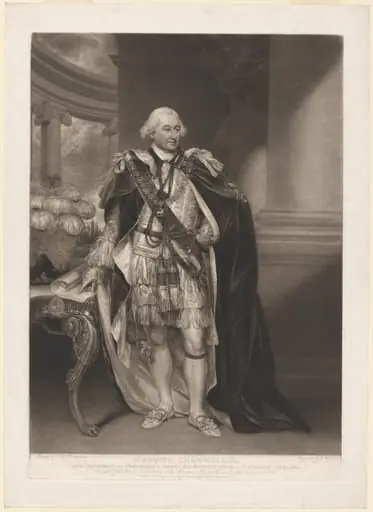
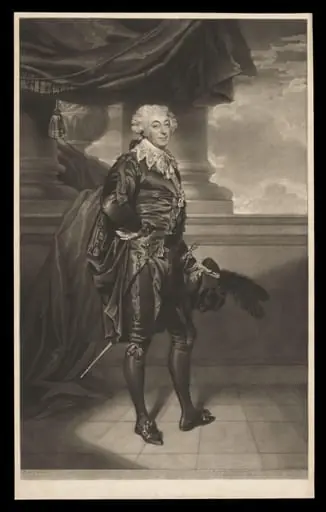
King George III of England
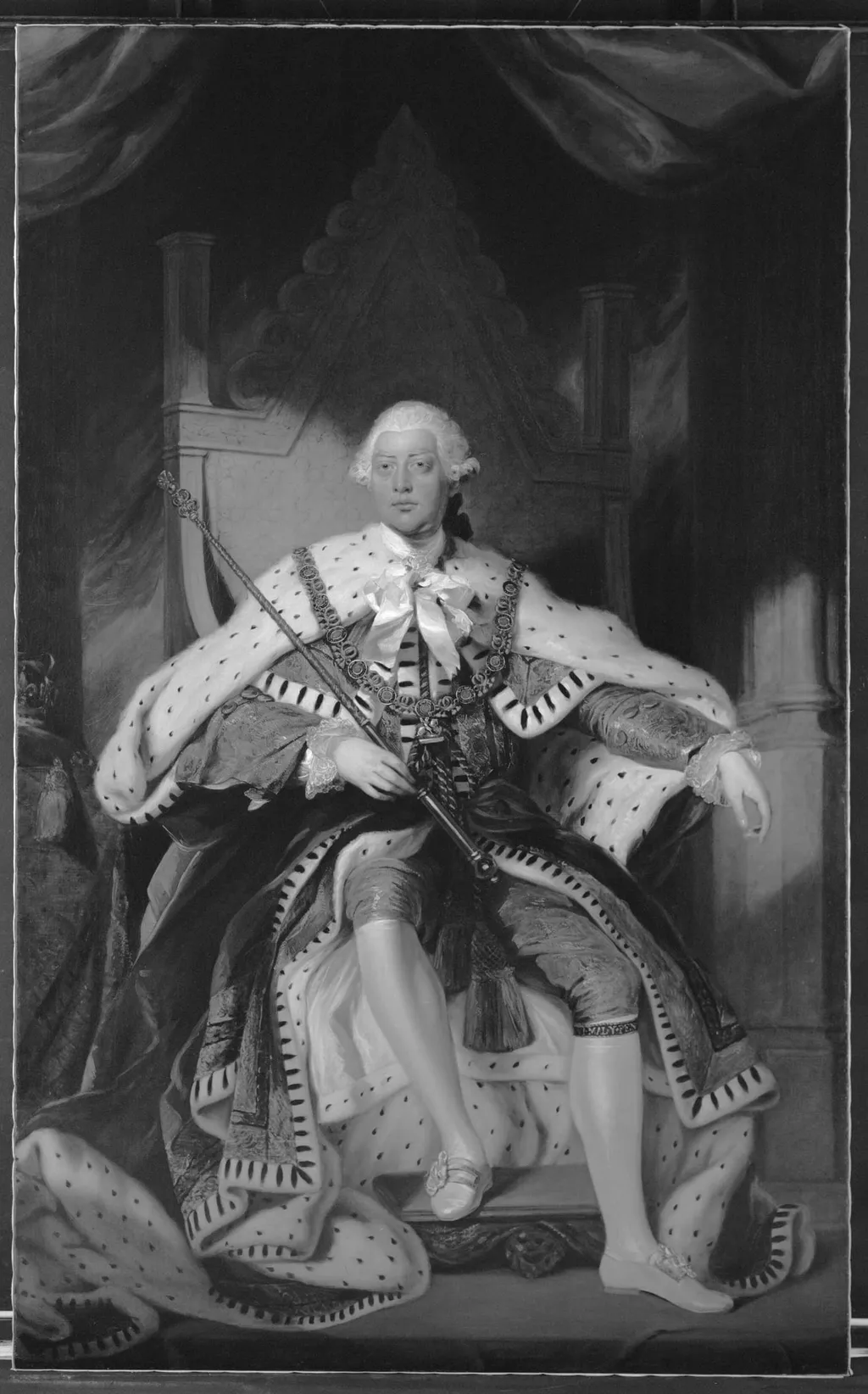
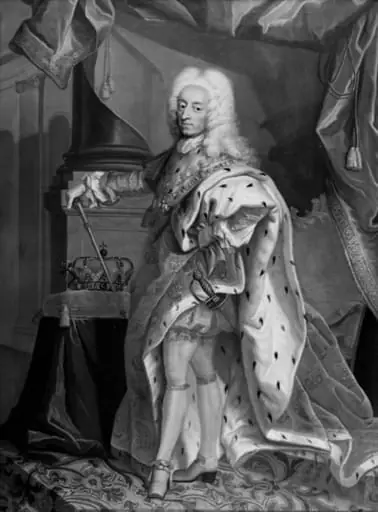
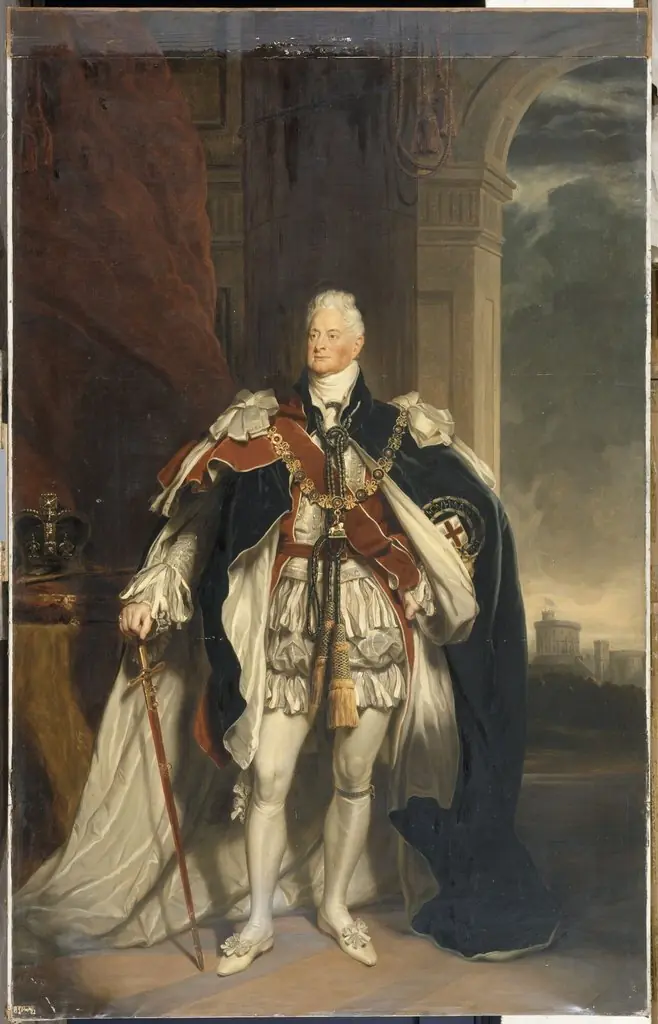
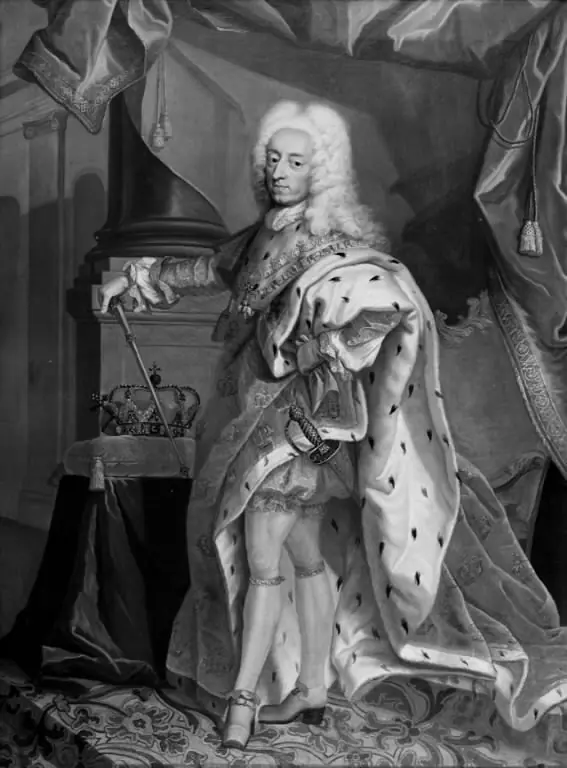
King George III of England is a photography by Unknown. It dates from 1750 and is held in the collection of the Statens Museum for Kunst.
About this work
Overview
The photograph was not taken during the king’s lifetime and reflects 19th-century efforts to visually reconstruct historical figures through symbolic imagery.
This black-and-white photograph depicts King George III of England, though it was produced long after his death, around 1873. The image presents a staged portrait, not a contemporary likeness, using period-appropriate costume and props to evoke royal authority. The photograph was not taken during the king’s lifetime and reflects 19th-century efforts to visually reconstruct historical figures through symbolic imagery.
Subject & Meaning
The figure is shown seated on a throne-like chair, dressed in elaborate ceremonial robes adorned with medals and buttons, holding a scepter and a folded document. These attributes symbolize monarchy, governance, and state authority. The composition aims to convey dignity and permanence, aligning the king with traditional iconography of power rather than capturing his actual appearance or personality.
Technique & Style
The photograph employs even, flat lighting with minimal contrast, avoiding dramatic chiaroscuro effects common in painted portraiture. The subject is centered and static, framed by the throne and background to emphasize formality. The image’s aesthetic reflects 19th-century photographic conventions for historical reconstruction, prioritizing clarity and symbolic representation over naturalism or emotional depth.
History & Provenance
Created in 1873, the photograph was likely produced as part of a broader effort to document historical figures for public institutions. It resides in the Museum of Ethnography, suggesting its use as an anthropological or cultural artifact rather than a royal portrait. Its origin as a later reconstruction underscores how 19th-century museums sought to visualize the past through available visual language.
Context
In the mid-to-late 19th century, photography was increasingly used to reconstruct historical narratives, especially for public education and national identity projects. This image aligns with contemporary trends of staging historical figures using period costumes and props, often based on paintings or written descriptions rather than direct observation, reflecting a growing interest in visualizing history.
Legacy
The photograph endures as an example of how historical memory is shaped by later interpretations. Though not an authentic likeness, it reveals 19th-century attitudes toward monarchy, representation, and the role of photography in constructing historical authority. It remains a document of its own time, more than of the era it purports to depict.
Artist & collection

 Domestic Scene
 Giacomo and Cardinal Marco, investing Andrea, Abbot of San Zeno, with his Benefice
 The Nymph of Fontainebleau
 Portrait of a Woman
 Madonna and Child with Saints in the Enclosed Garden
 Venus and Minerva
 Family Group of Four on Sofa
 Wall painting from Room H of the Villa of P. Fannius Synistor at Boscoreale