Artwork
John Jeffreys Pratt, Second Earl and First Marquis Camden as Knight of the Order of the Garter
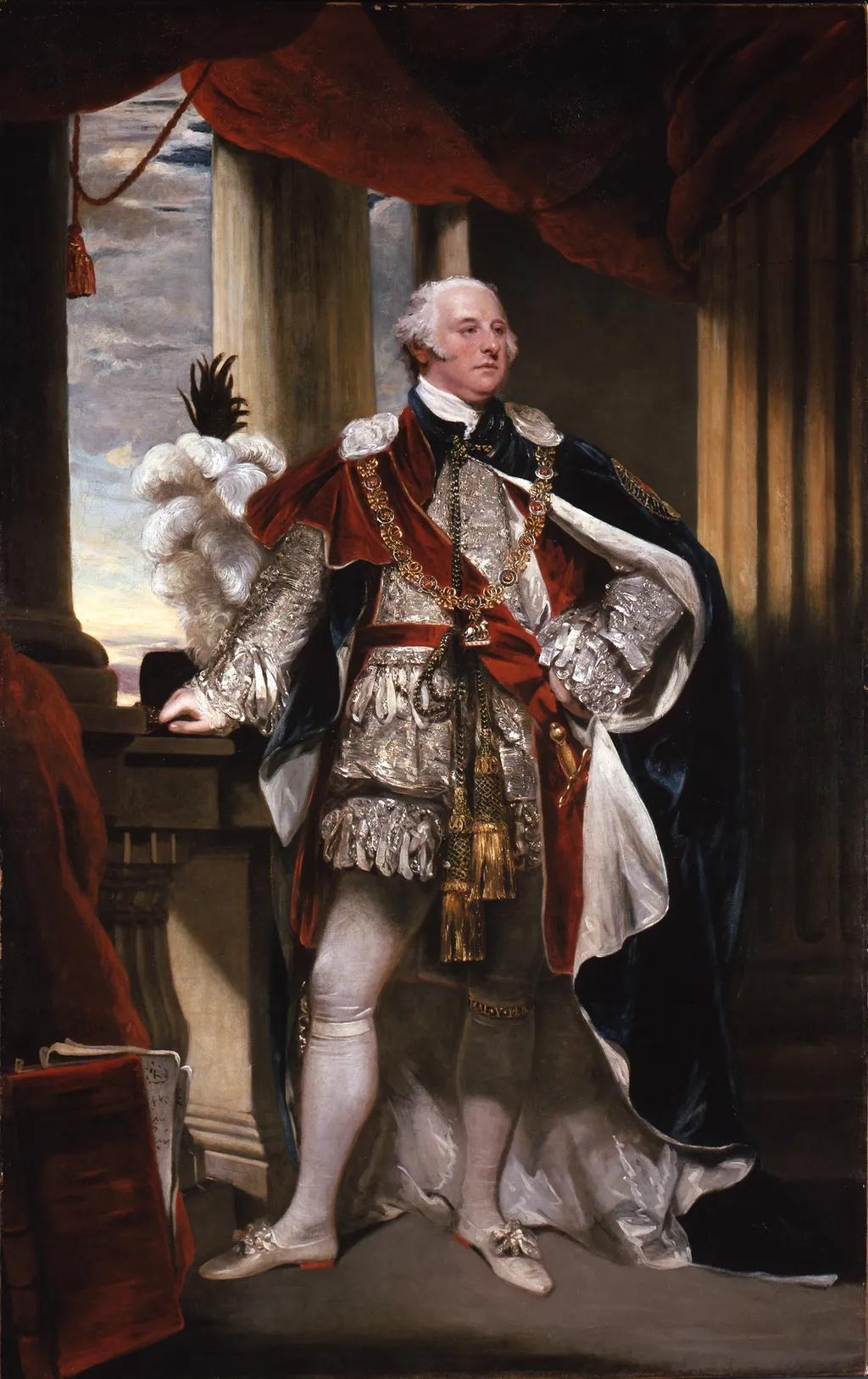
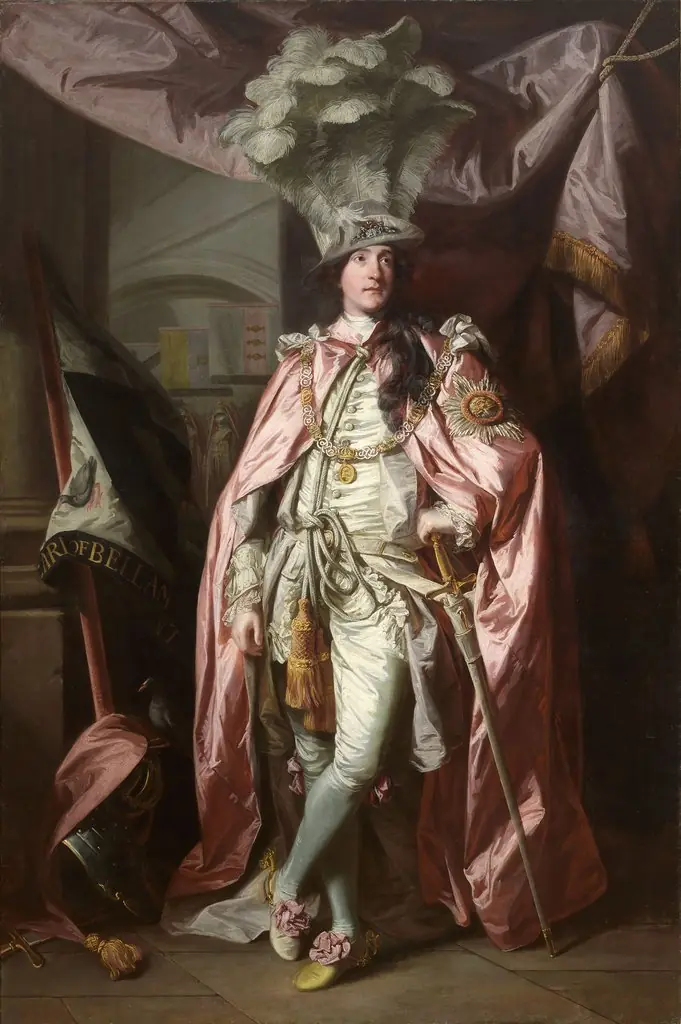
John Jeffreys Pratt, Second Earl and First Marquis Camden as Knight of the Order of the Garter is an oil painting by John Hoppner. It dates from 1806 and is held in the collection of the Gemäldegalerie Berlin.
About this work
Overview
The work was exhibited at the Royal Academy that year and later entered the collection of the Gemäldegalerie in Berlin in 1981, where it remains today.
Painted in 1806 by John Hoppner, this full-length portrait captures John Jeffreys Pratt, then Earl of Camden, in the ceremonial robes of the Order of the Garter. Hoppner, a prominent British portraitist of the era, rendered the subject with formal precision and atmospheric depth. The work was exhibited at the Royal Academy that year and later entered the collection of the Gemäldegalerie in Berlin in 1981, where it remains today.
Subject & Meaning
John Pratt, later the first Marquess Camden, was a senior Tory statesman who held key offices under William Pitt the Younger, including Lord Lieutenant of Ireland and Secretary of War. The portrait emphasizes his status through the insignia of the Garter, the highest order of chivalry in Britain. His poised stance and regal attire convey authority and institutional legitimacy, reflecting his role within the aristocratic and political elite of early 19th-century Britain.
Technique & Style
Hoppner employed chiaroscuro to model the figure against a softly lit background, enhancing the three-dimensionality of the robes and the subject’s form. The rich textures of the velvet, lace, and metallic embroidery are rendered with careful attention to detail. The window behind him, with its muted sky and diffused light, provides a quiet counterpoint to the opulence of his attire, grounding the composition in naturalistic space without distracting from the central figure.
History & Provenance
Completed for exhibition at the Royal Academy in 1806, the portrait was soon after reproduced as a mezzotint by William Ward, extending its public reach. It remained in British collections until the 20th century, when it was acquired by the Gemäldegalerie in Berlin in 1981. Its migration to Germany reflects broader patterns of art collection in the post-war period, though its subject and origin remain distinctly British.
Context
Hoppner was among the leading portraitists of his time, often compared to Thomas Lawrence, and his work catered to the British aristocracy during a period of political upheaval and imperial expansion. This portrait aligns with a broader trend of using formal dress and symbolic settings to affirm social rank. The Order of the Garter, established in the 14th century, continued to serve as a visual marker of elite status well into the 19th century.
Legacy
The portrait stands as a representative example of early 19th-century British portraiture, capturing the intersection of political power and ceremonial tradition. While Hoppner’s reputation has since been overshadowed by contemporaries like Lawrence, this work endures as a precise record of aristocratic identity and the visual language of authority in the Georgian era.
Artist & collection

Artist
John Hoppner (4 April 1758 – 23 January 1810) was an English painter, much influenced by Joshua Reynolds, who achieved fame as a colourist.

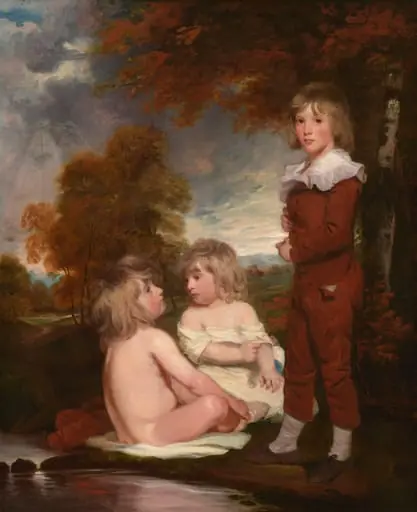 The Hoppner Children
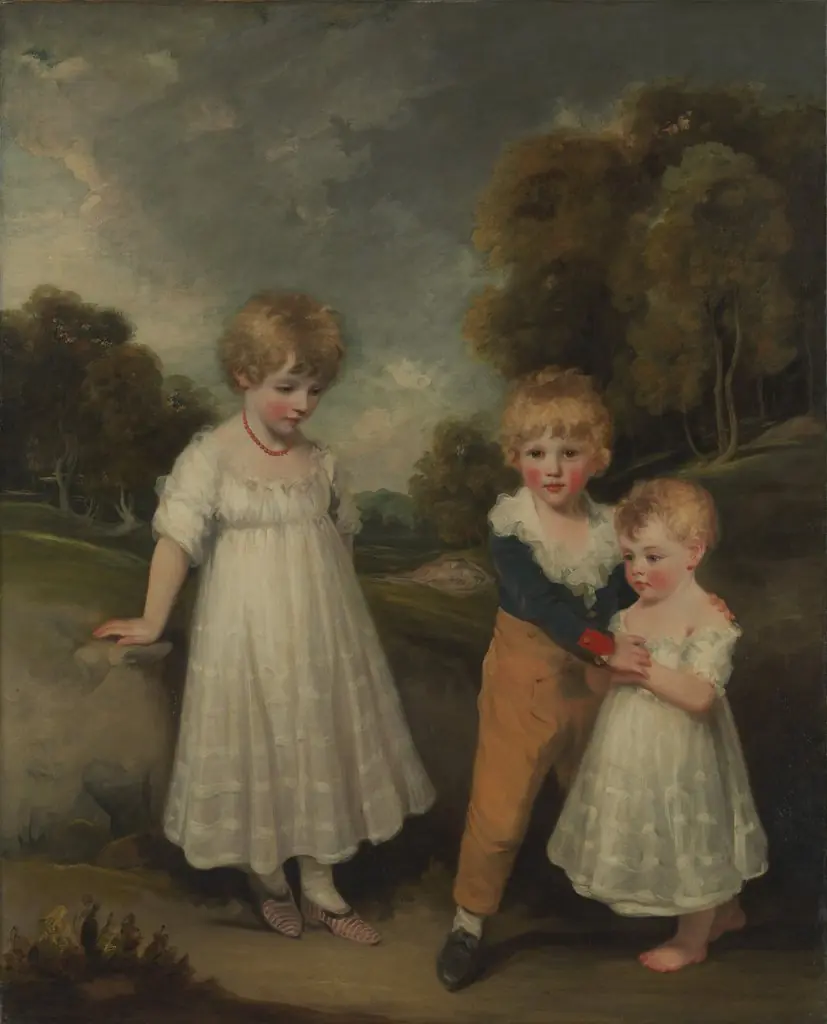 The Sackville Children
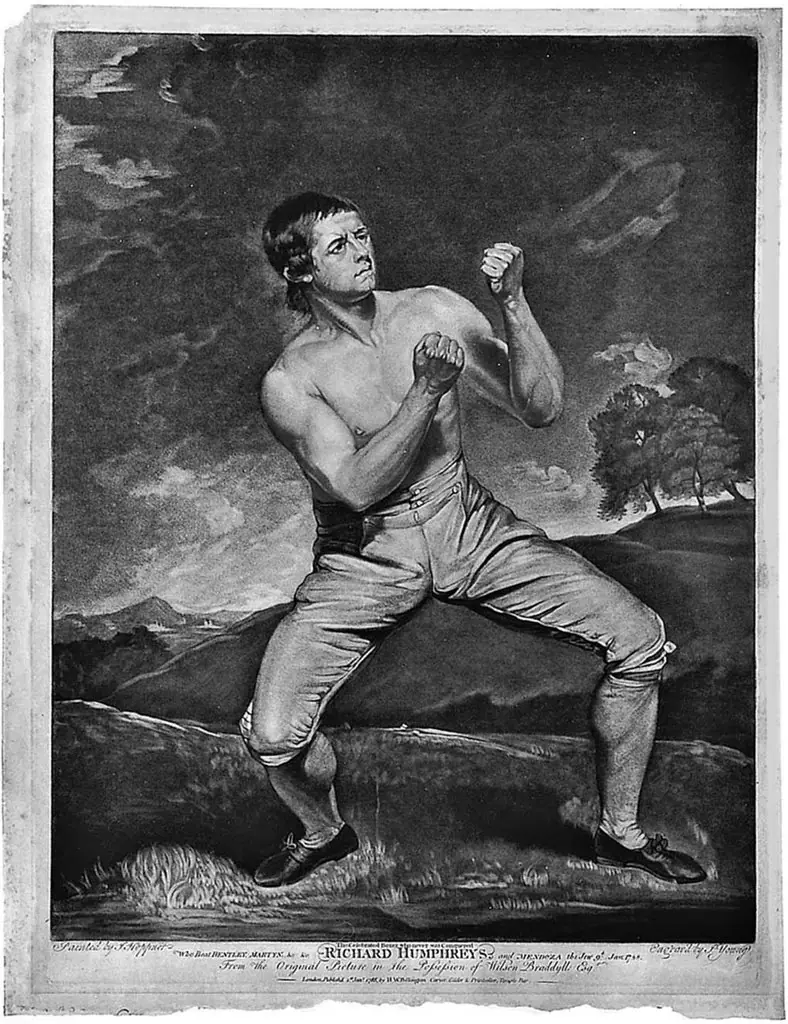 Richard Humphreys, the Boxer
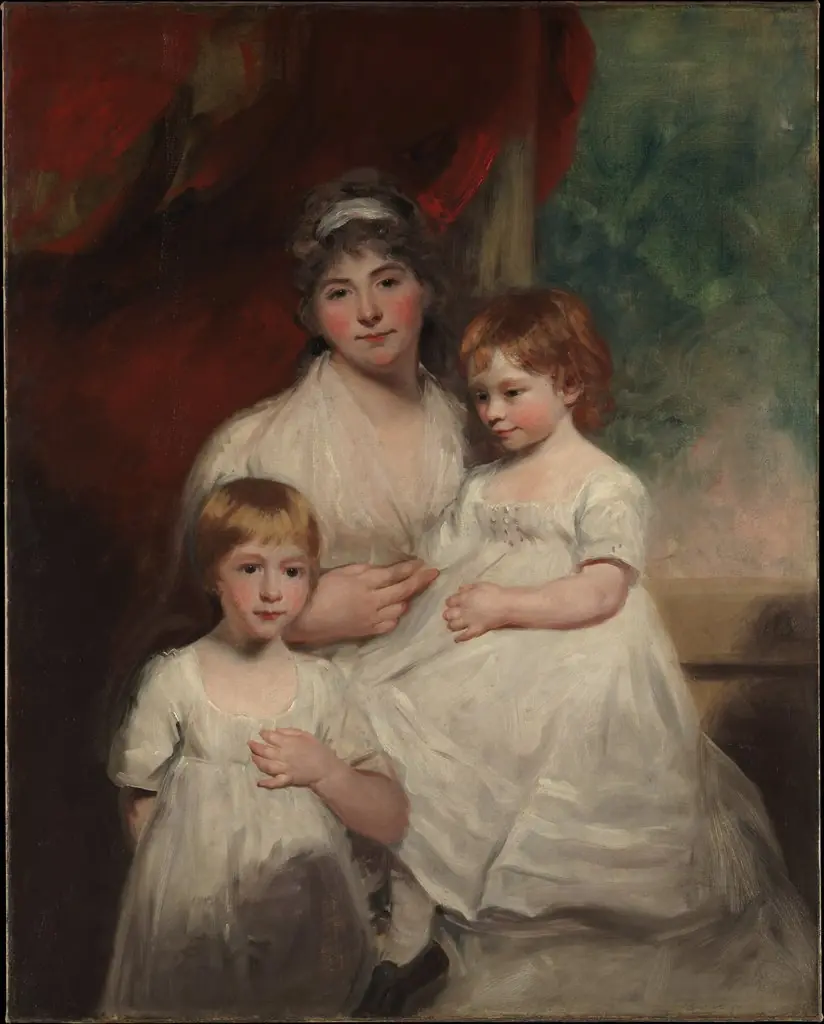 Mrs. John Garden (Ann Garden, 1769–1842) and Her Children, John (1796–1854) and Ann Margaret (born 1793)
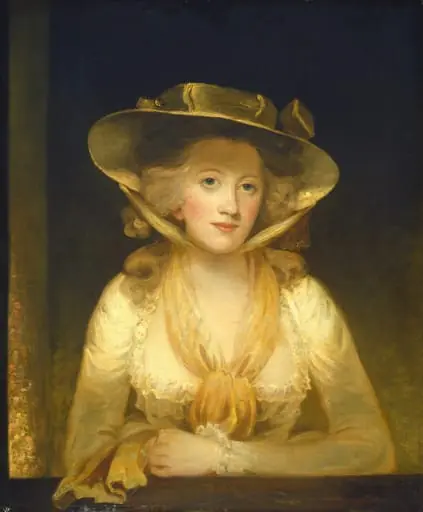 Lady Cunliffe
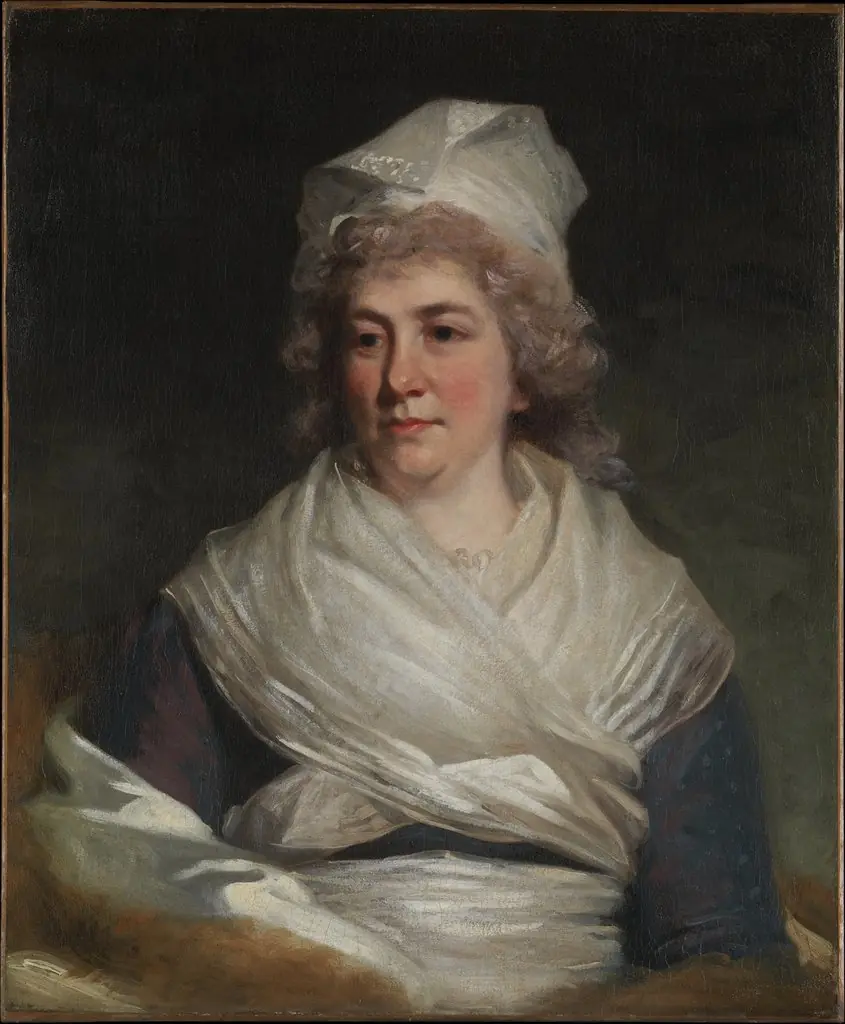 Mrs. Richard Bache (Sarah Franklin, 1743–1808)
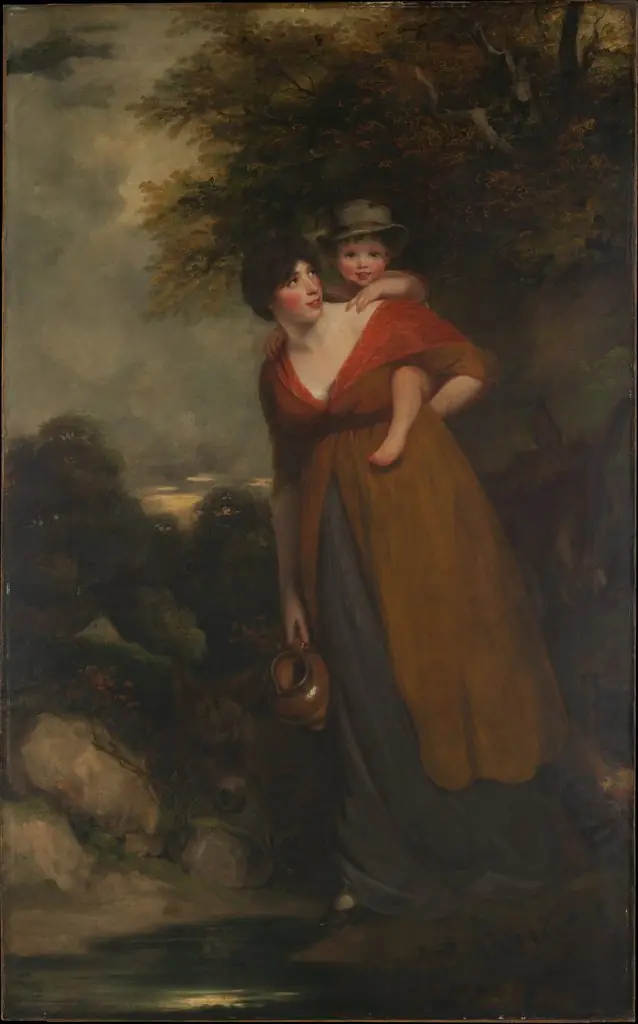 Mrs. Richard Brinsley Sheridan (Hester Jane Ogle, 1775/76–1817) and Her Son (Charles Brinsley Sheridan, 1796–1843)
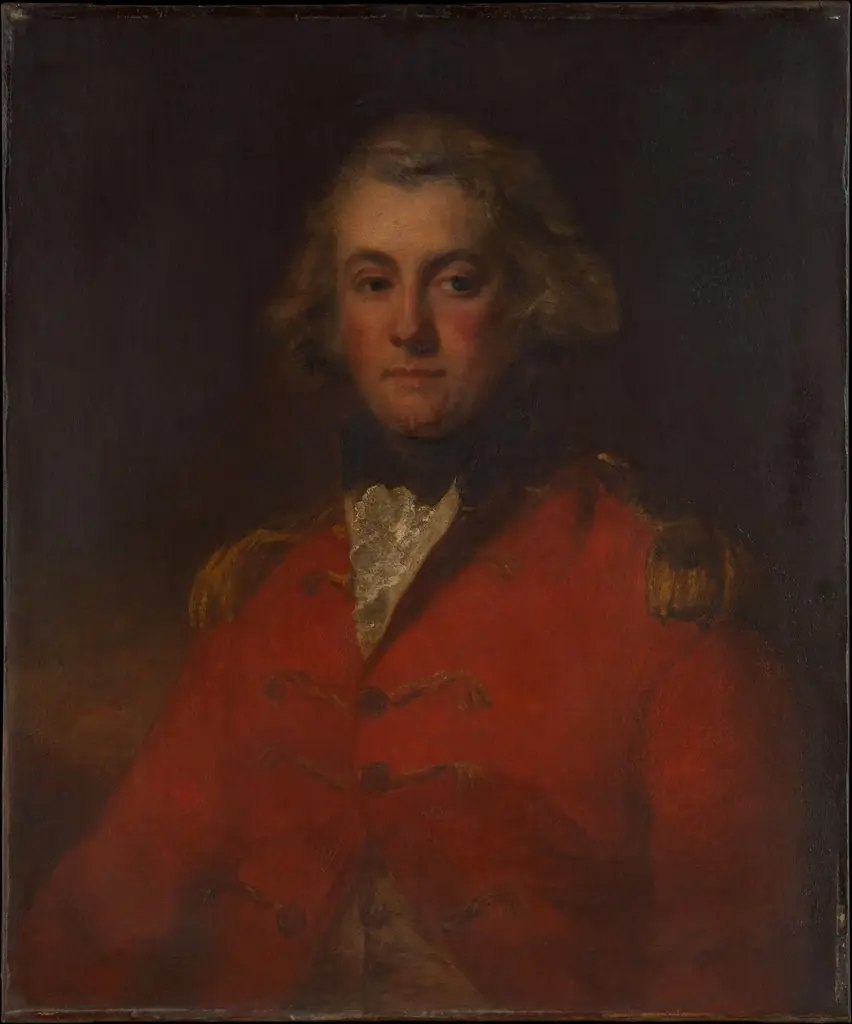 Major Thomas Pechell (1753–1826)
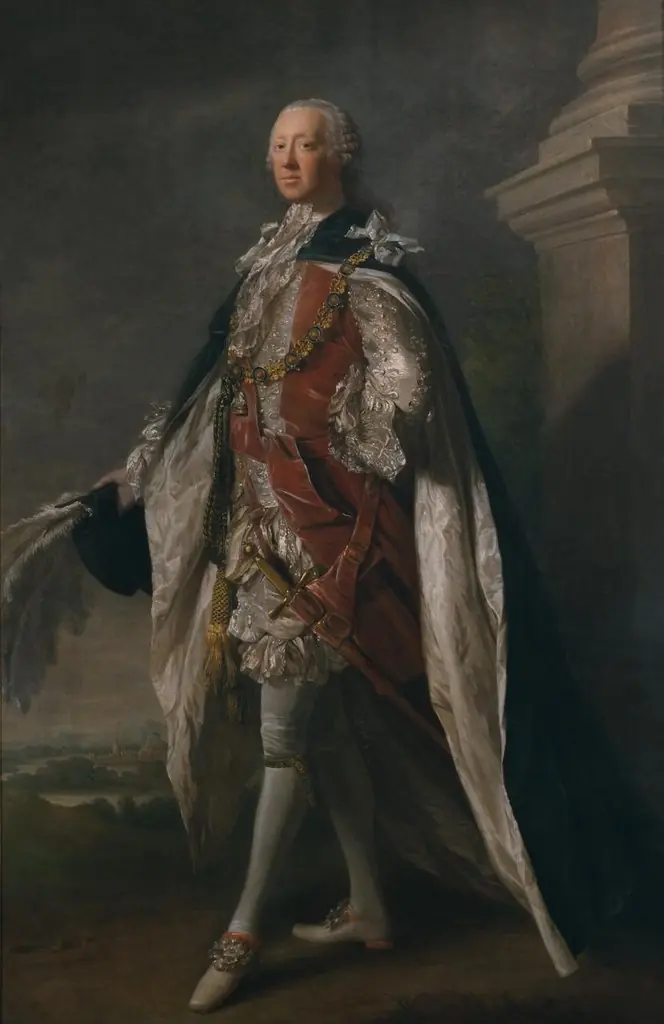 Richard Grenville, 2nd Earl Temple
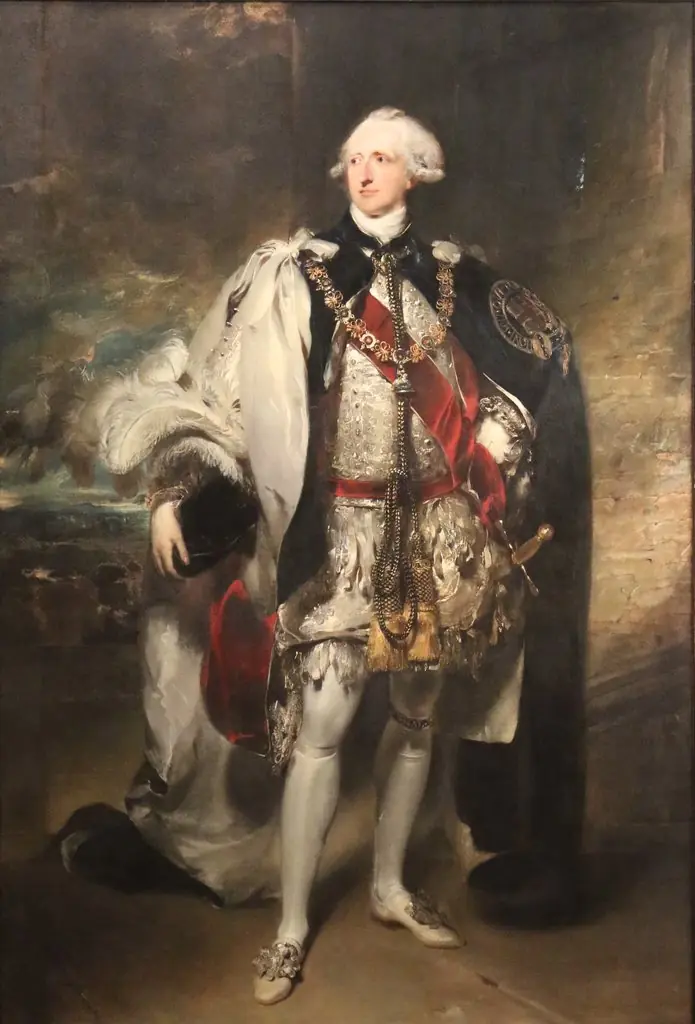 Francis Osborne, 5th Duke of Leeds
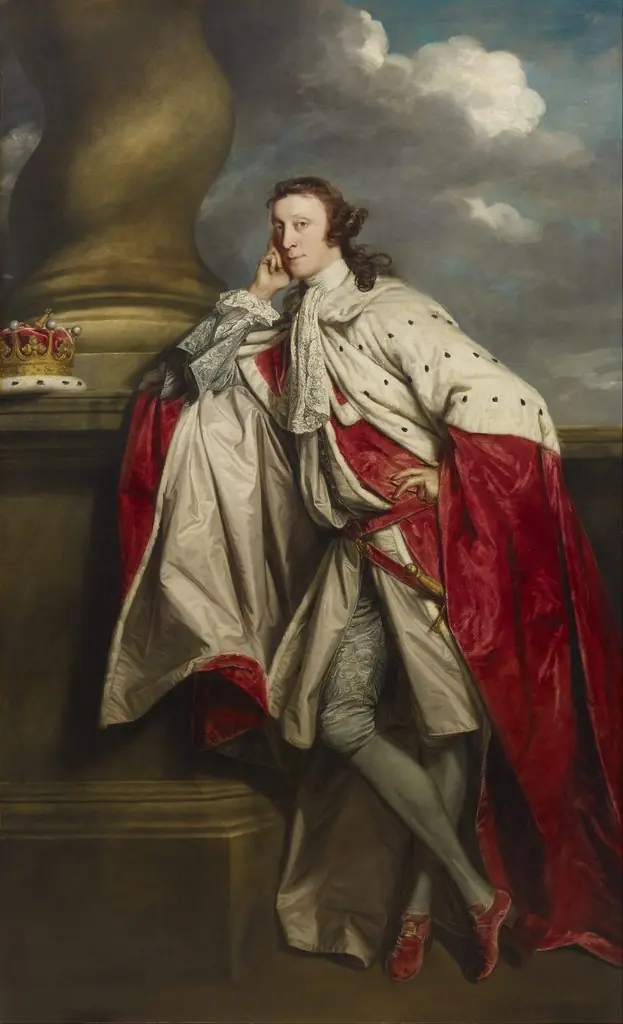 James Maitland, 7th Earl of Lauderdale
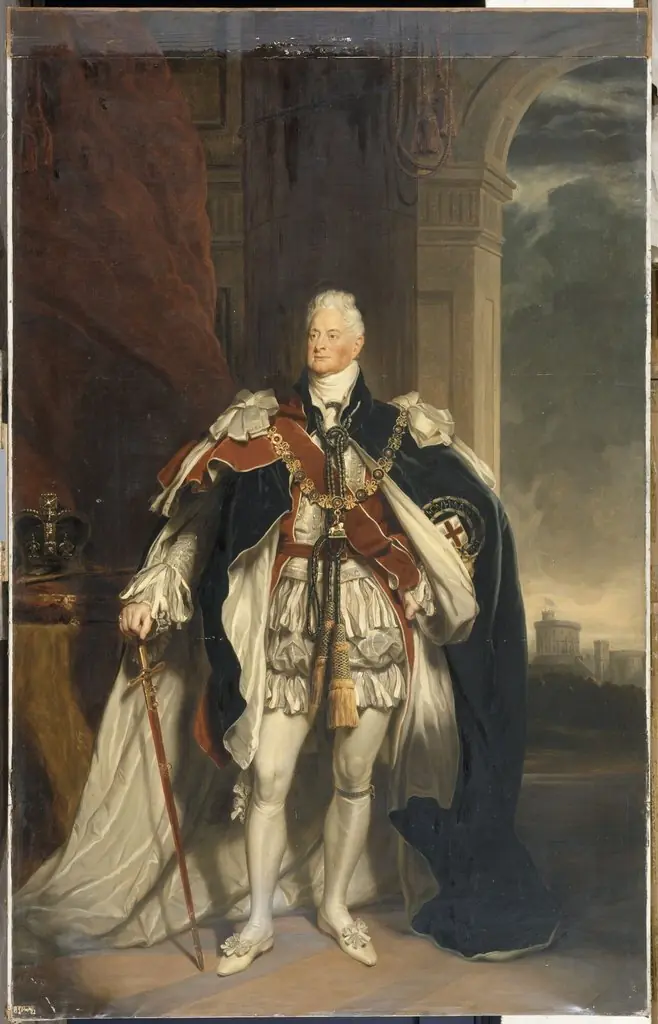 William IV, King of England (1765–1837)
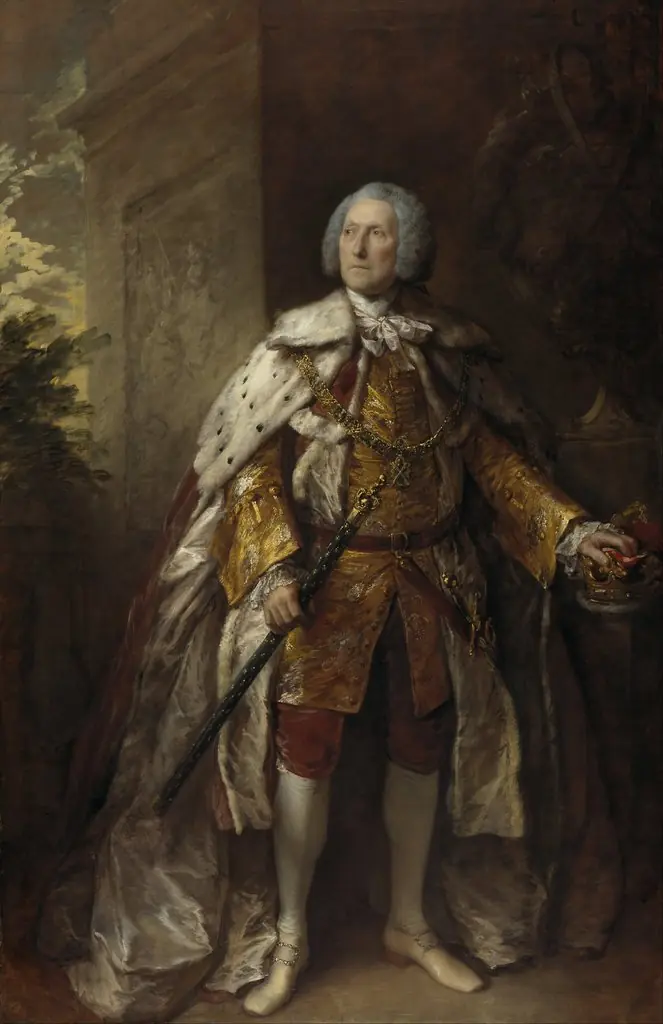 John Campbell, 4th Duke of Argyll
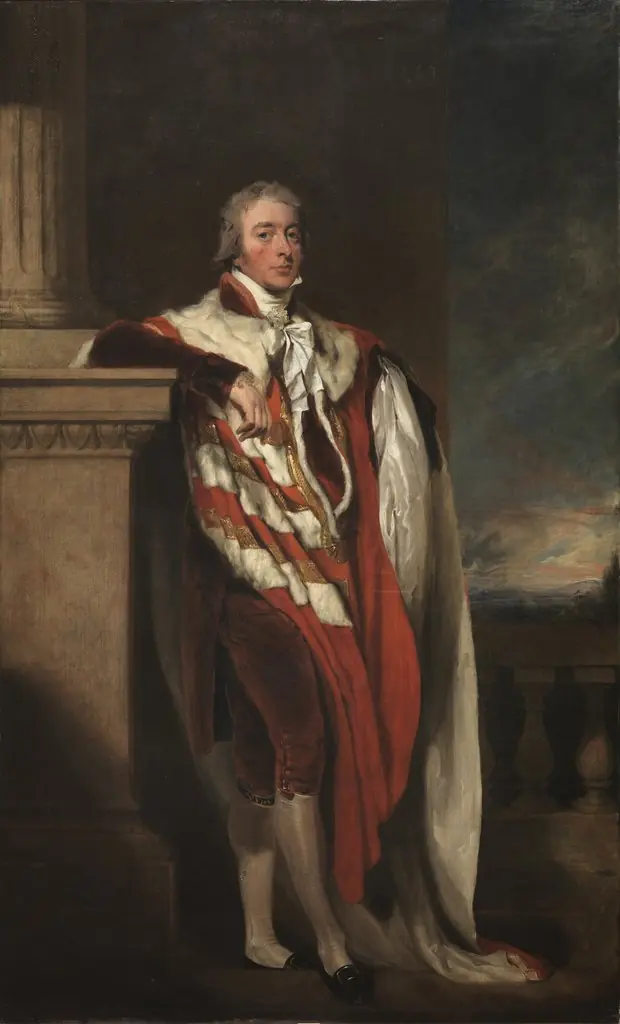 John Fane, 10th Earl of Westmoreland
 Lord Cornwallis
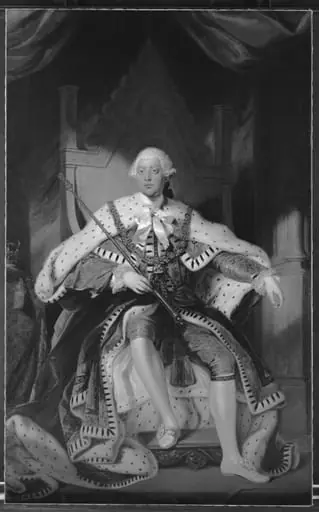 King George III of England
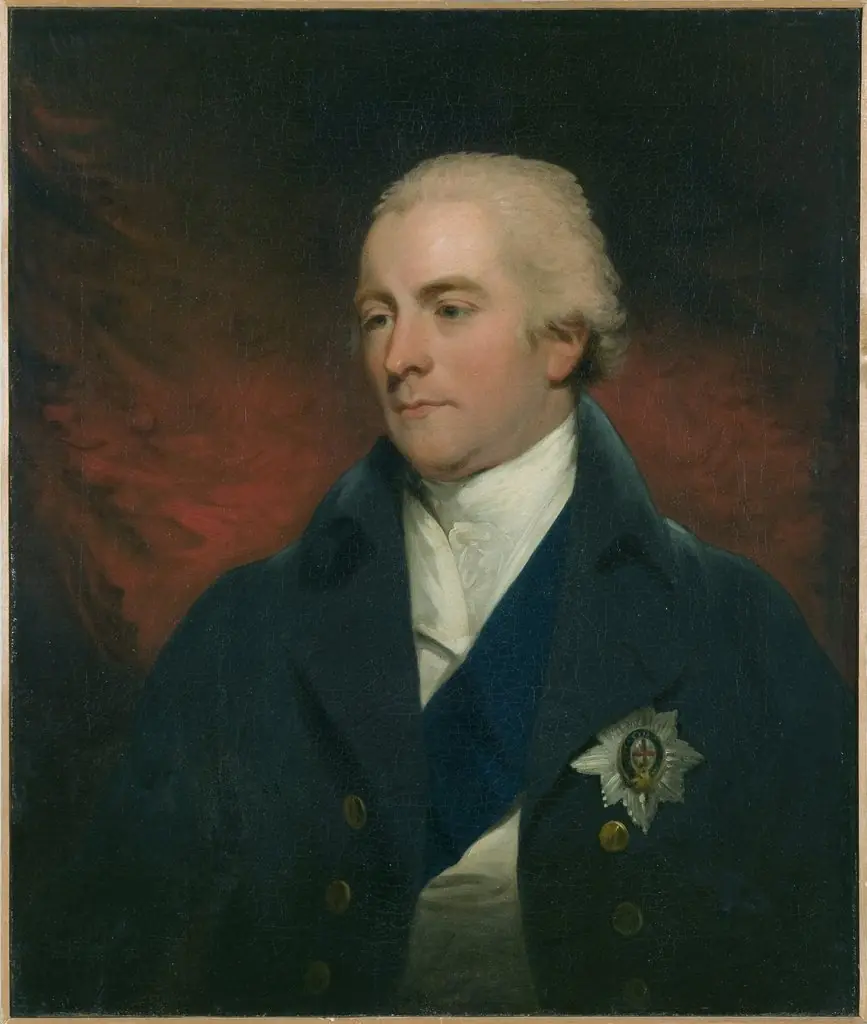 Portrait of Count George Spencer (2nd) (1758-1834)
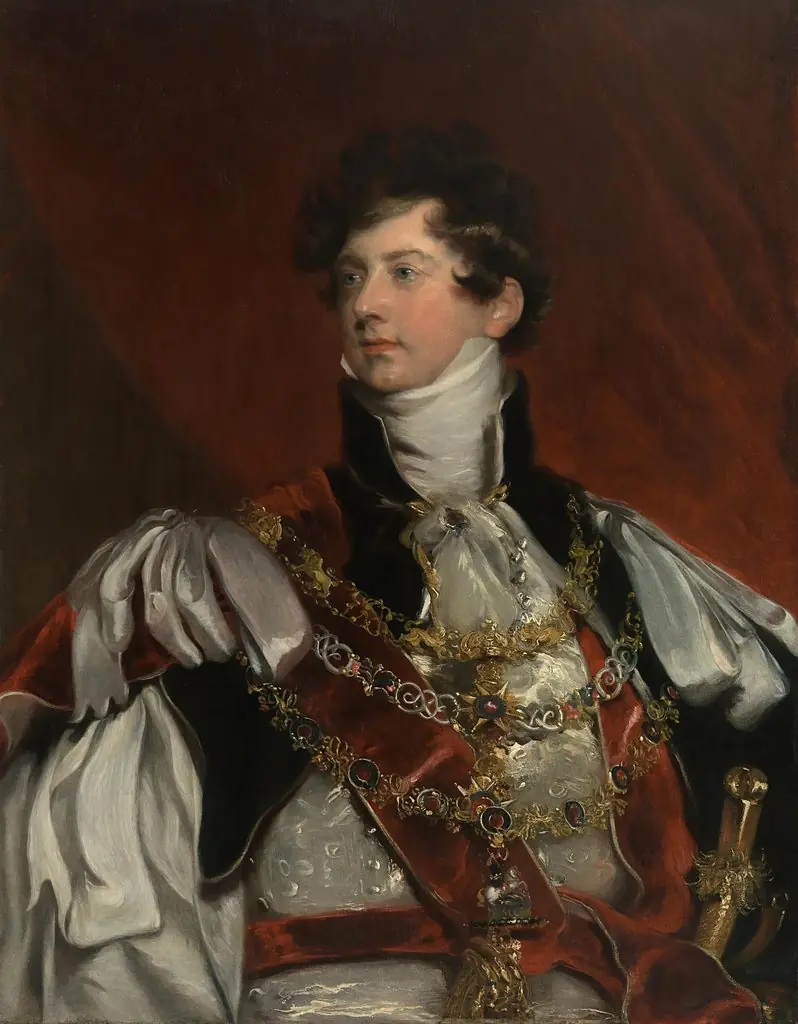 George IV of England
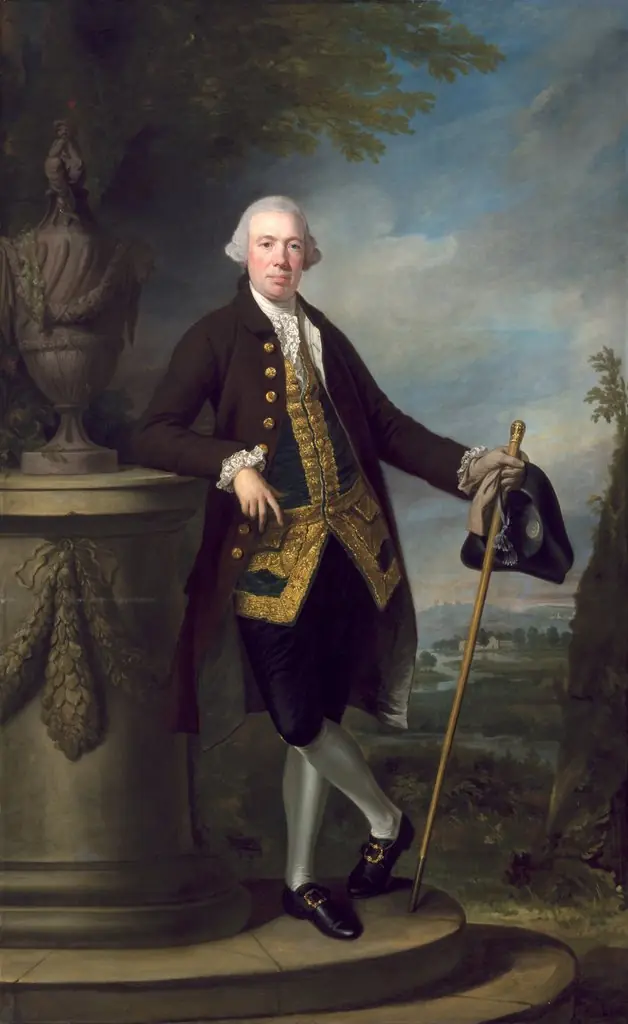 William Denison
 Portrait of Charles Coote, 1st Earl of Bellamont (1738-1800), in Robes of the Order of the Bath