Artwork
Slagteren
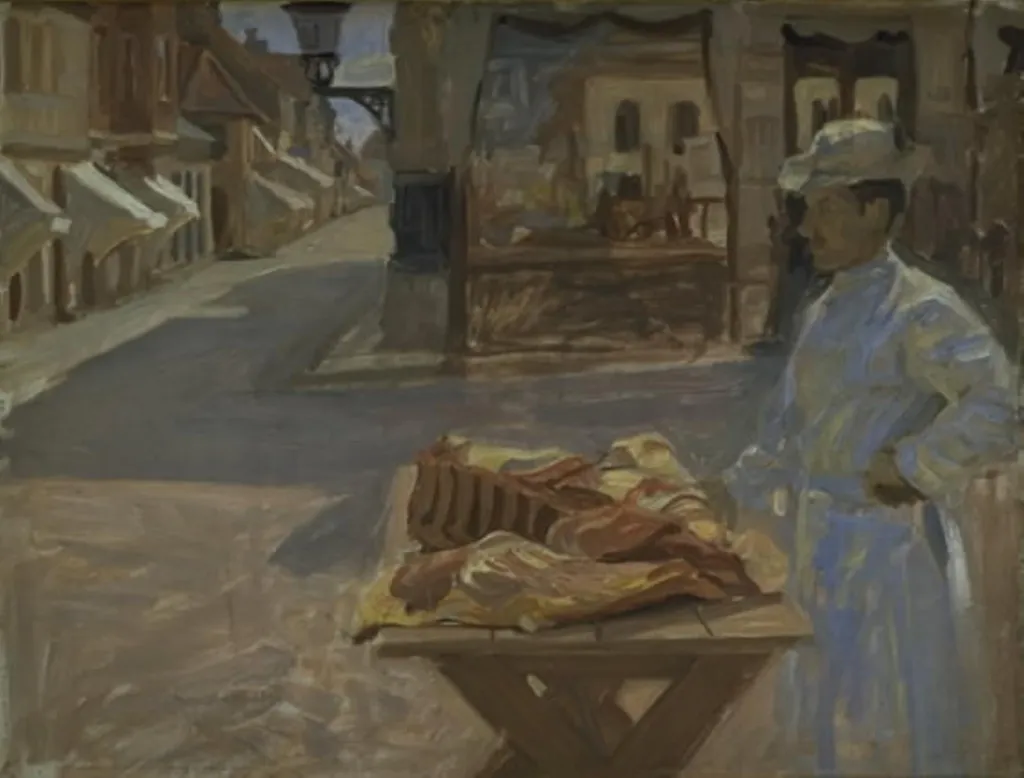
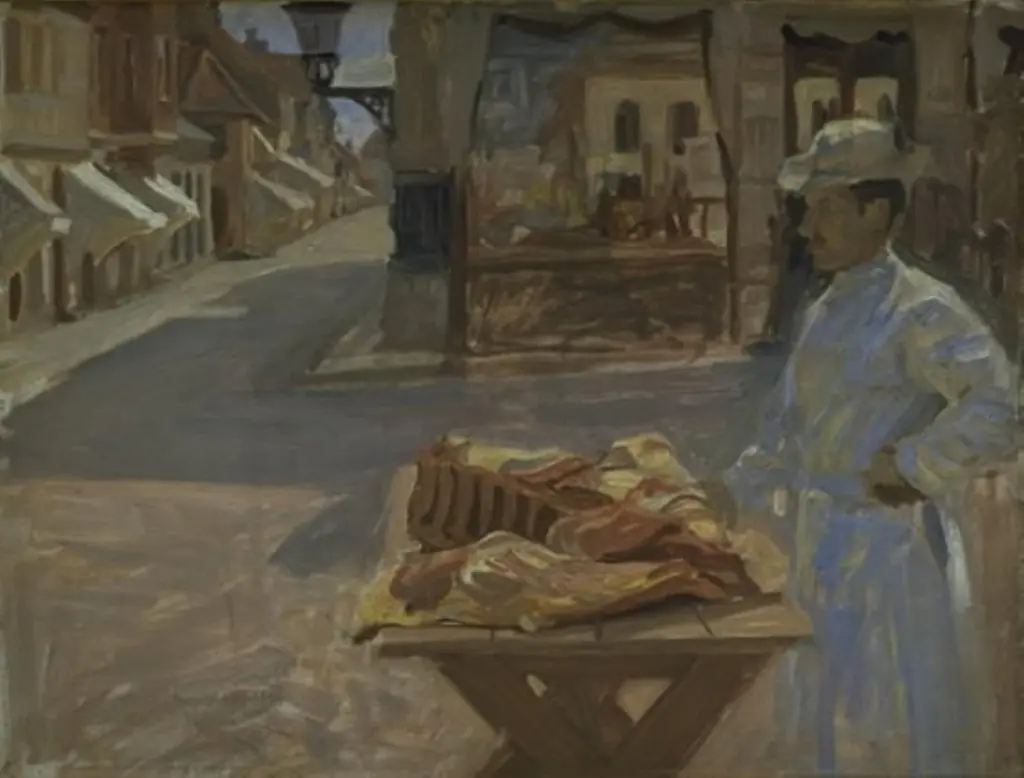
Slagteren is a photography by Unknown. It dates from 1850 and is held in the collection of the Statens Museum for Kunst.
About this work
Overview
Created around 1850, Slagteren is a photographic image documenting a working environment in a rural setting. The photograph captures a solitary figure in a modest interior, surrounded by the tools and byproducts of animal processing. It is preserved in the collection of the Museum of Ethnography, where it serves as a record of everyday labor in the mid-nineteenth century.
Subject & Meaning
The image centers on a person seated on a bench, partially turned away, dressed in a long coat and dark hat.
The image centers on a person seated on a bench, partially turned away, dressed in a long coat and dark hat. Before them lies a collection of animal hides, arranged on a wooden surface and the floor. The scene conveys no drama or ceremony, instead emphasizing the quiet, repetitive nature of manual work. The figure’s anonymity and the unadorned setting suggest a focus on routine rather than individual identity.
Technique & Style
The photograph employs natural, uneven lighting to highlight the textures of rough wood, coarse hides, and dirt flooring. Shadows deepen the sense of spatial depth and material weight, drawing attention to surface details without artificial enhancement. The composition is unposed, with no attempt to stage or idealize the scene, reflecting an observational approach common in early documentary photography.
History & Provenance
The photograph entered the collection of the Museum of Ethnography at an unknown date, likely during the late nineteenth or early twentieth century as part of broader efforts to document rural life. Its origin as a working record, rather than an artistic commission, suggests it was collected for anthropological or ethnographic purposes, preserving a glimpse of labor practices from a bygone era.
Context
In mid-1800s Europe, such spaces were common in small towns and villages where butchery and hide preparation occurred in domestic or semi-public settings. The absence of modern equipment and the use of simple wooden furniture reflect pre-industrial methods. This image aligns with contemporary efforts to visually catalog traditional crafts before industrialization transformed them.
Legacy
Slagteren remains a quiet testament to the material conditions of pre-industrial labor. Its value lies not in artistic ambition but in its unembellished documentation of a vanishing way of life. As a historical artifact, it contributes to understanding the daily rhythms and physical environments of ordinary workers in the mid-nineteenth century.
Artist & collection

 Domestic Scene
 Giacomo and Cardinal Marco, investing Andrea, Abbot of San Zeno, with his Benefice
 The Nymph of Fontainebleau
 Portrait of a Woman
 Madonna and Child with Saints in the Enclosed Garden
 Venus and Minerva
 Family Group of Four on Sofa
 Wall painting from Room H of the Villa of P. Fannius Synistor at Boscoreale
 Calea Rahovei
 The Old Market, Cleveland
 Street – Bakhchisaray. From the journey to Crimea
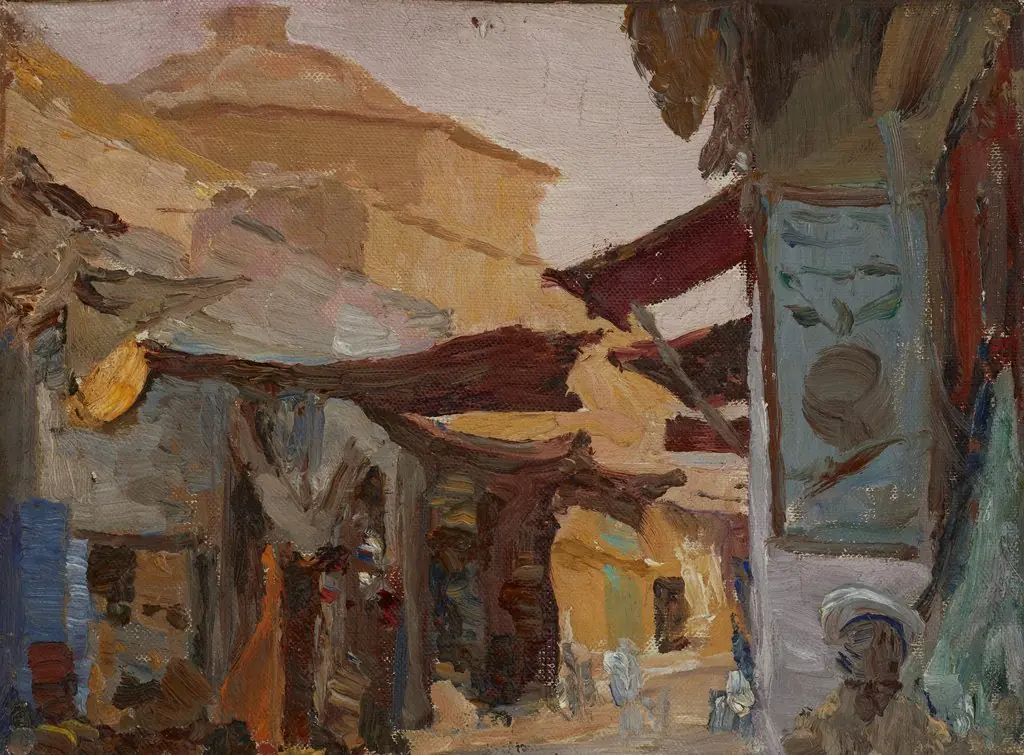 Smyrna (Bazaar)
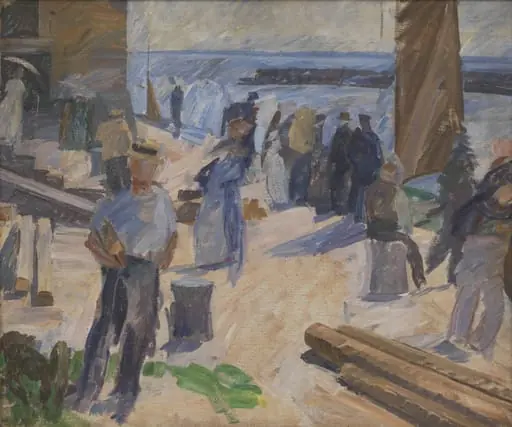 The Mail Boat Arriving, Christiansø
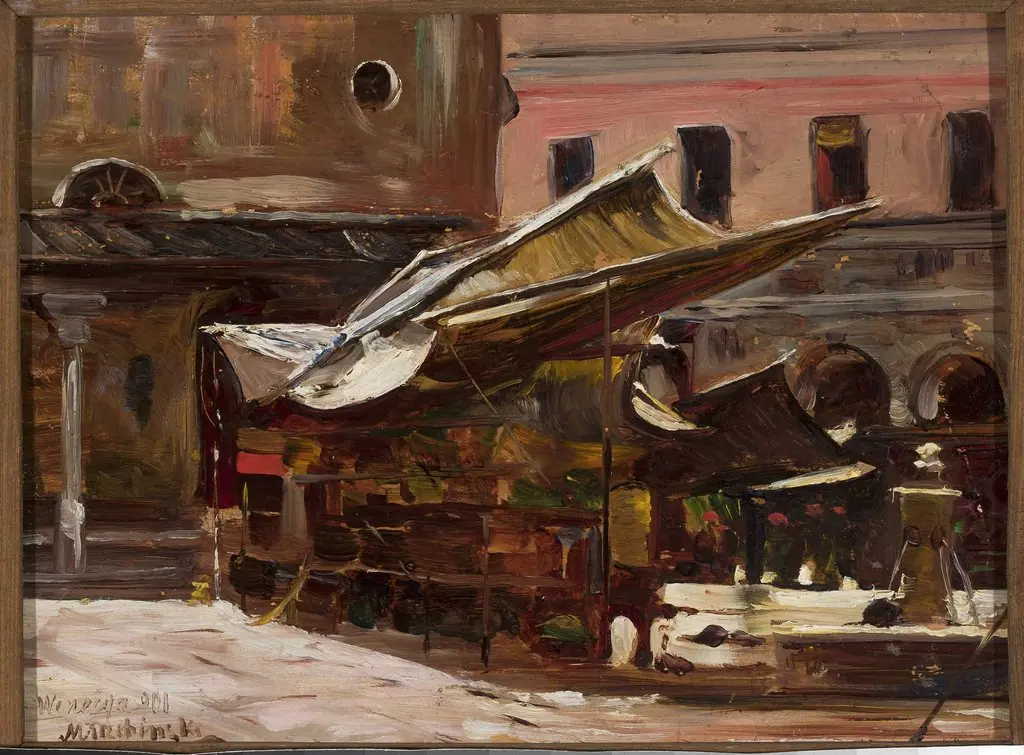 From a fair in Italy – Venice
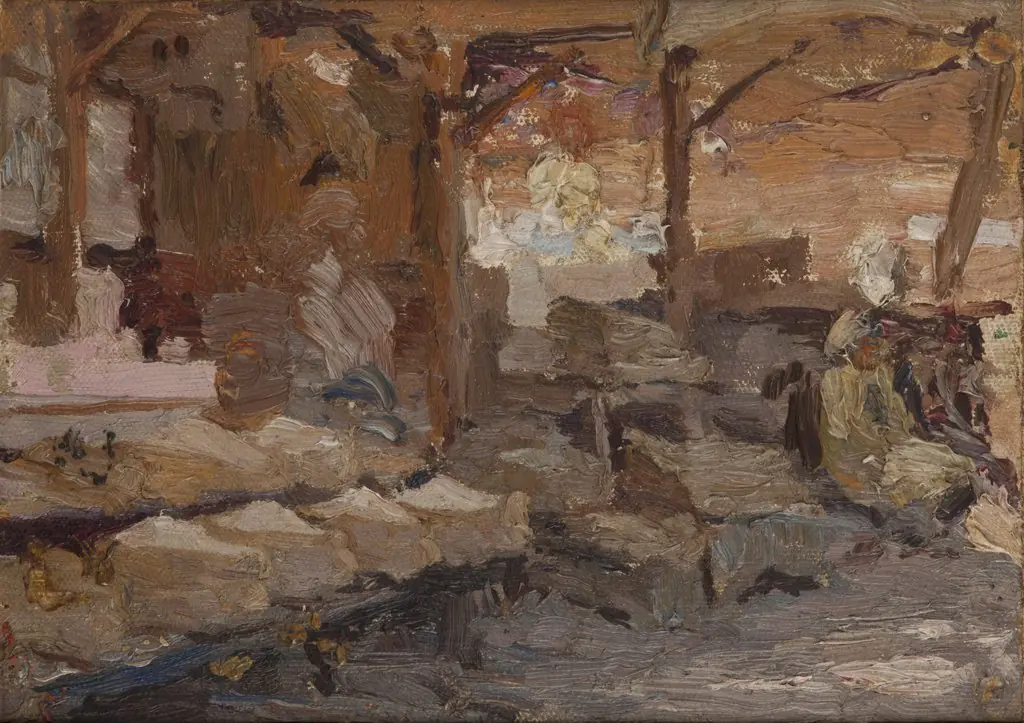 Bursa (Rose Soap Market)
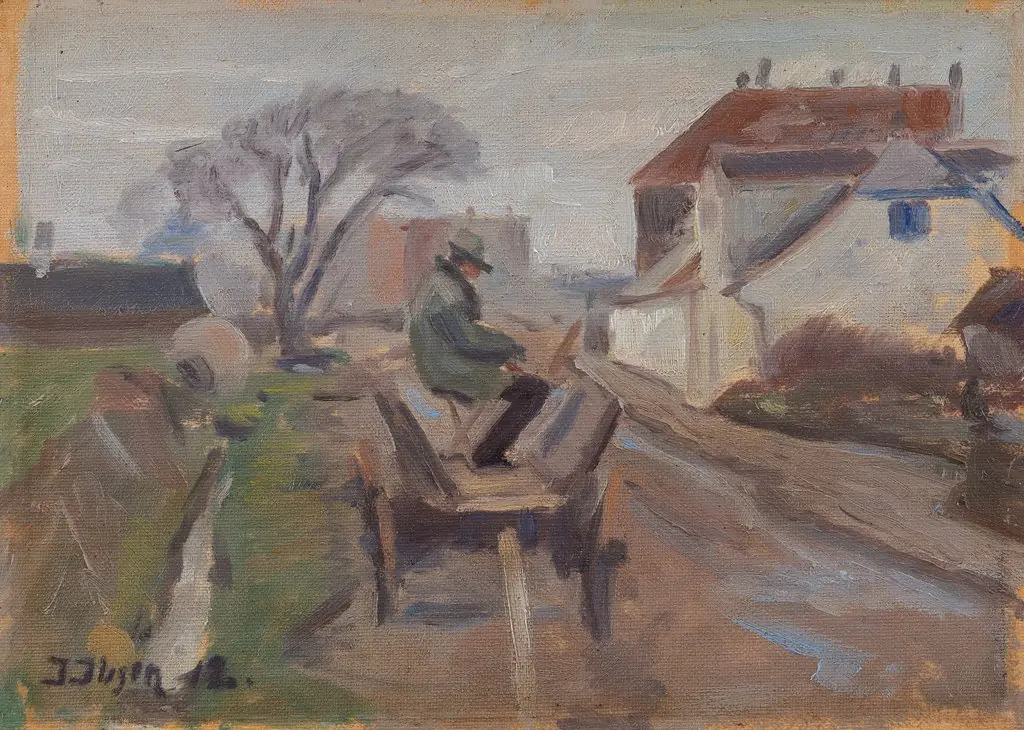 The Painter Ølund Hansen Sitting in a Wagon Painting
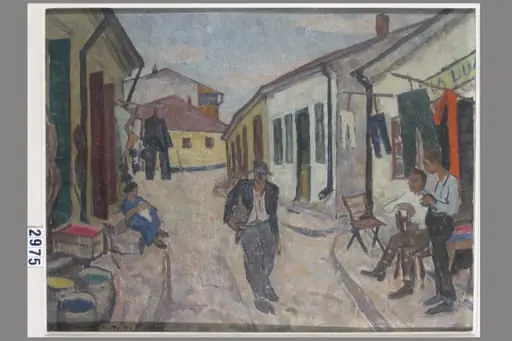 Peisaj cu case
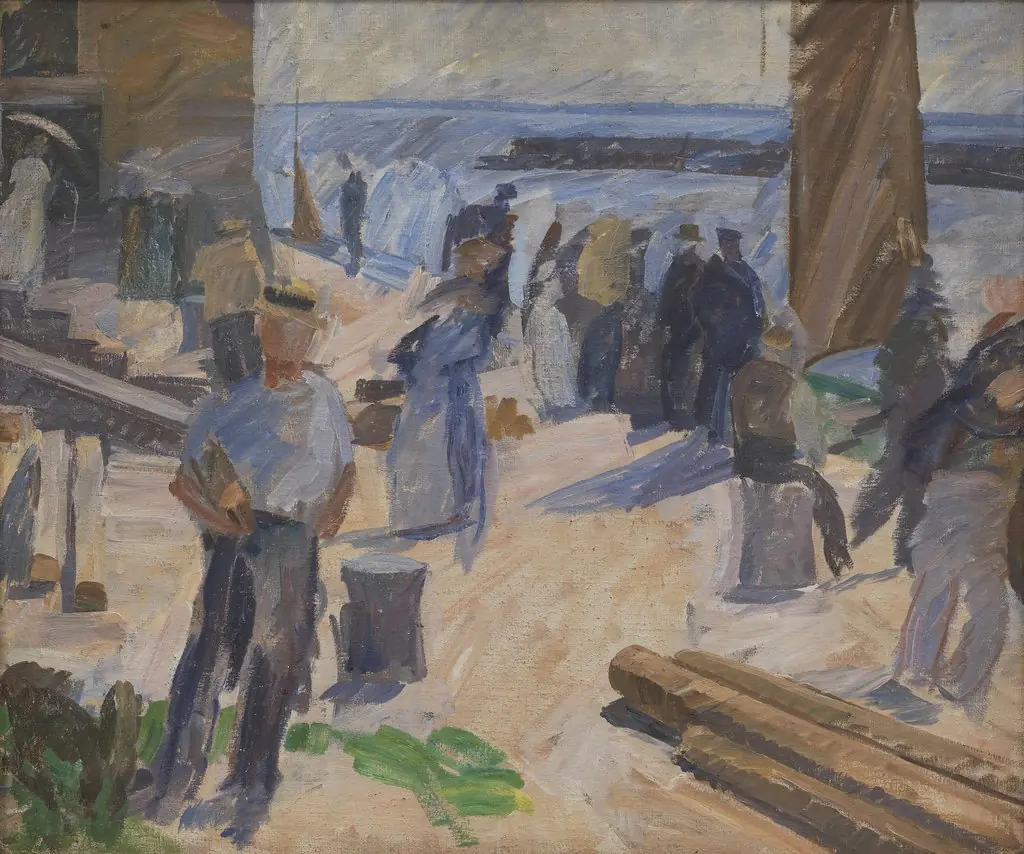 The Mail Boat Arriving, Christiansø
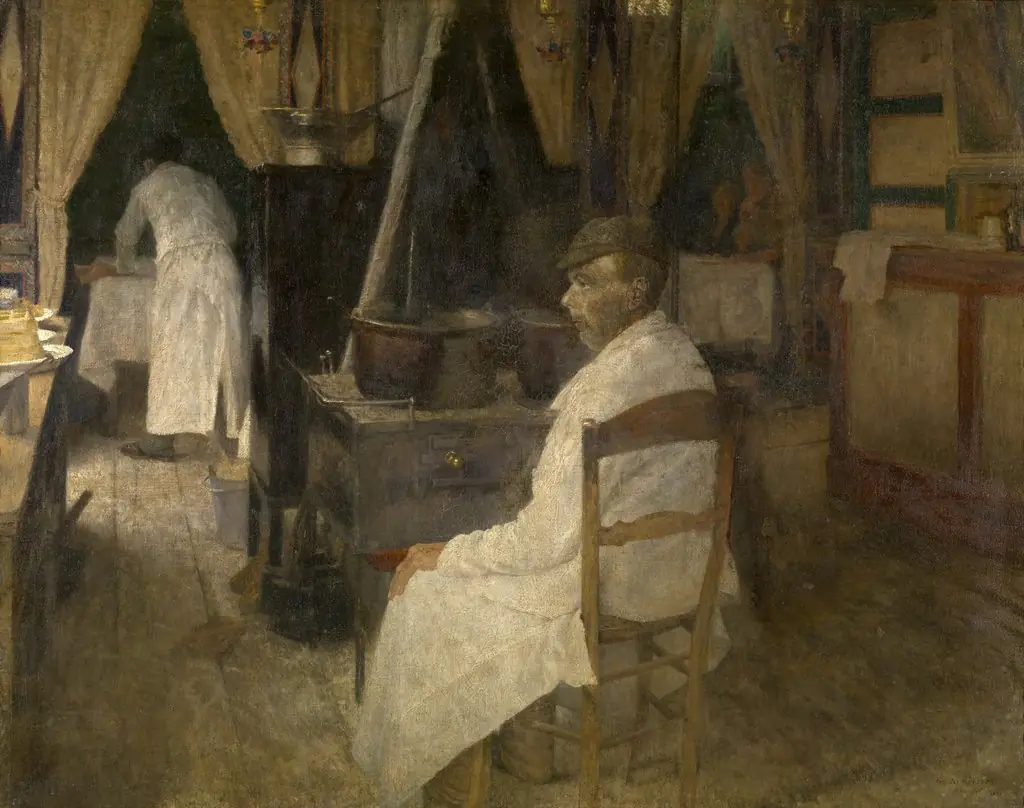 At the Waffle House
 Slagteren