Artwork
Smyrna (Bazaar)
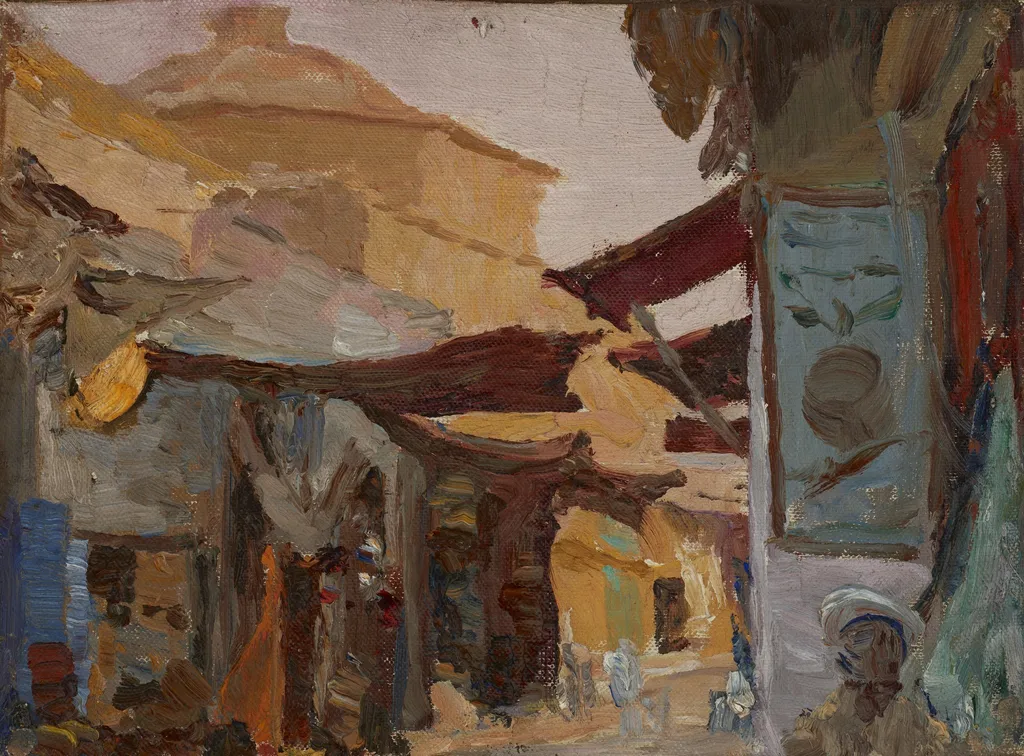
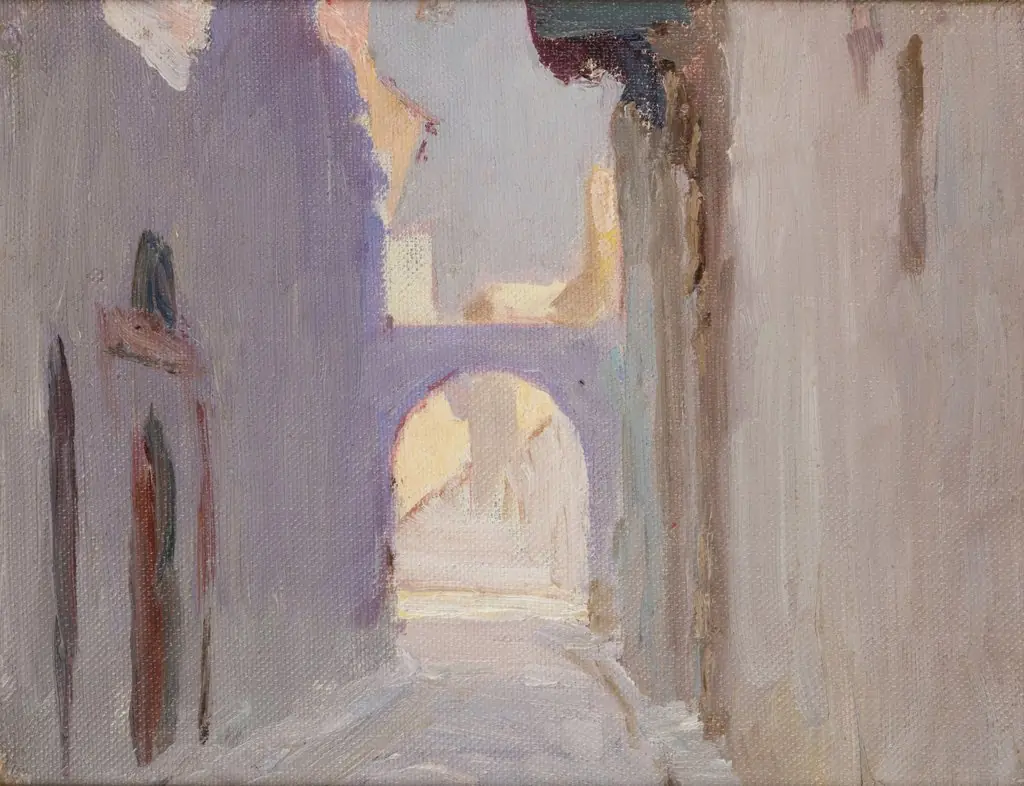
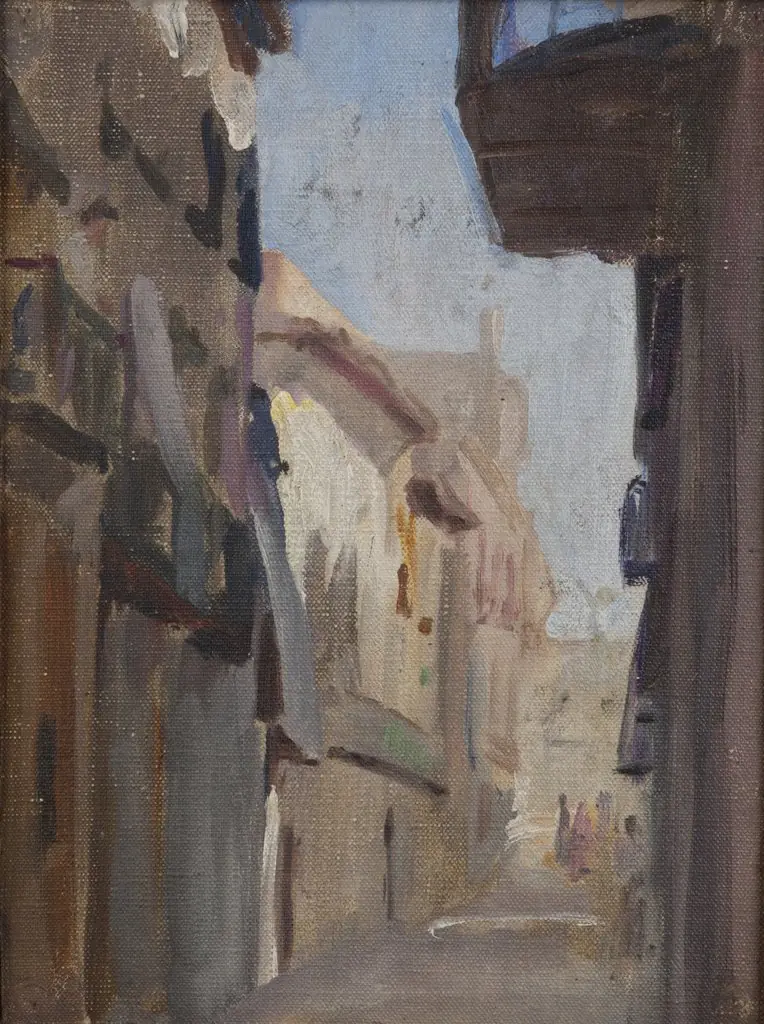
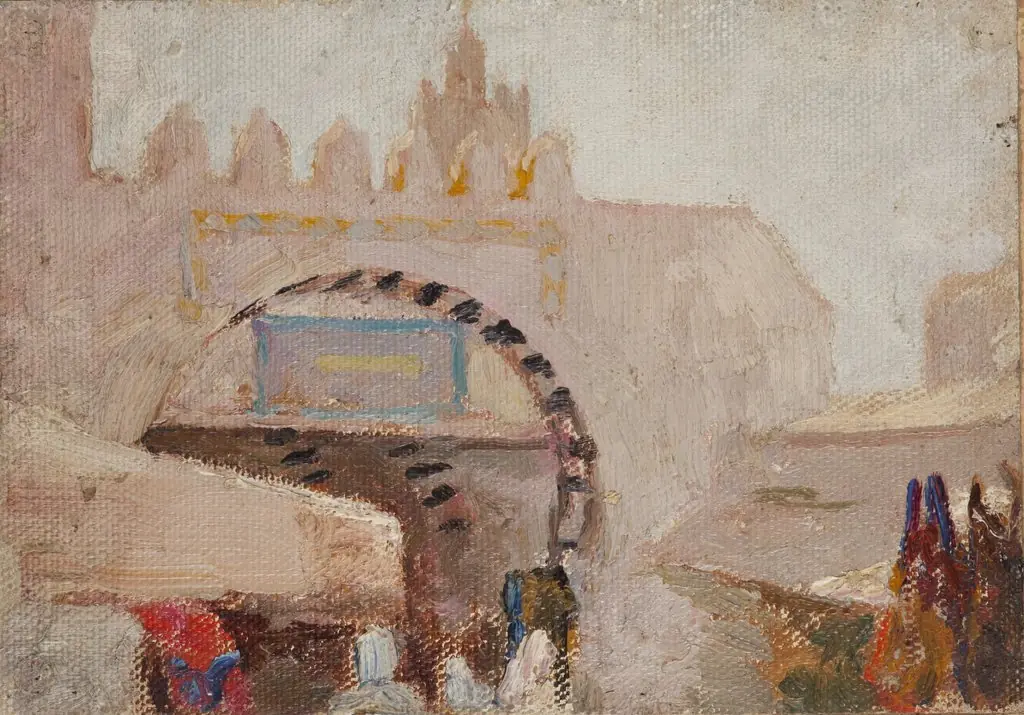
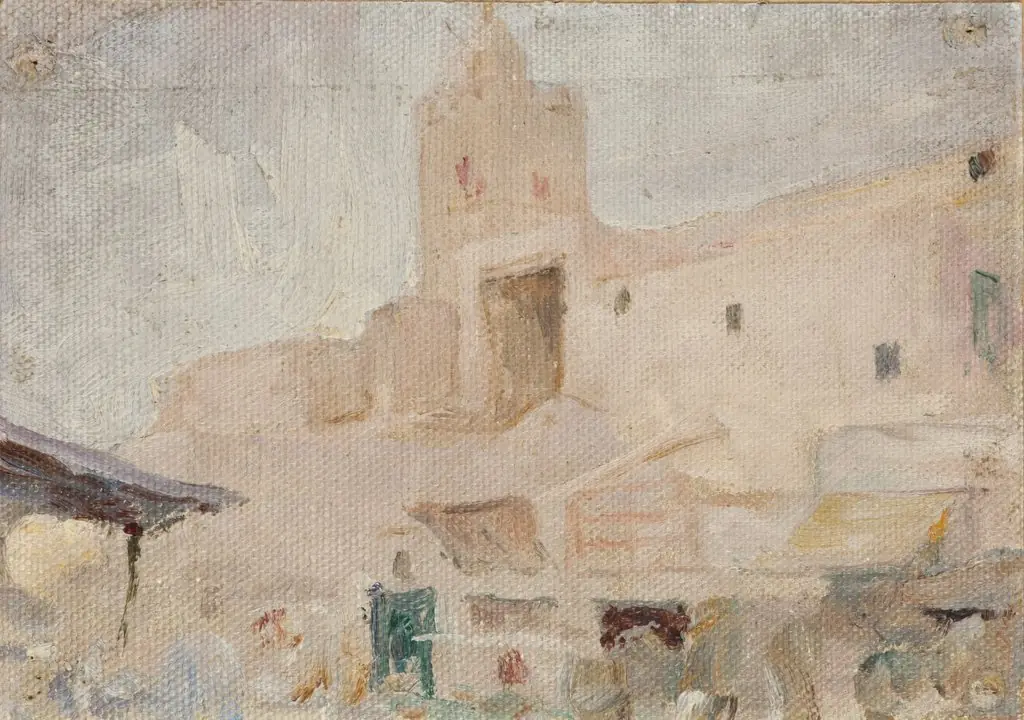
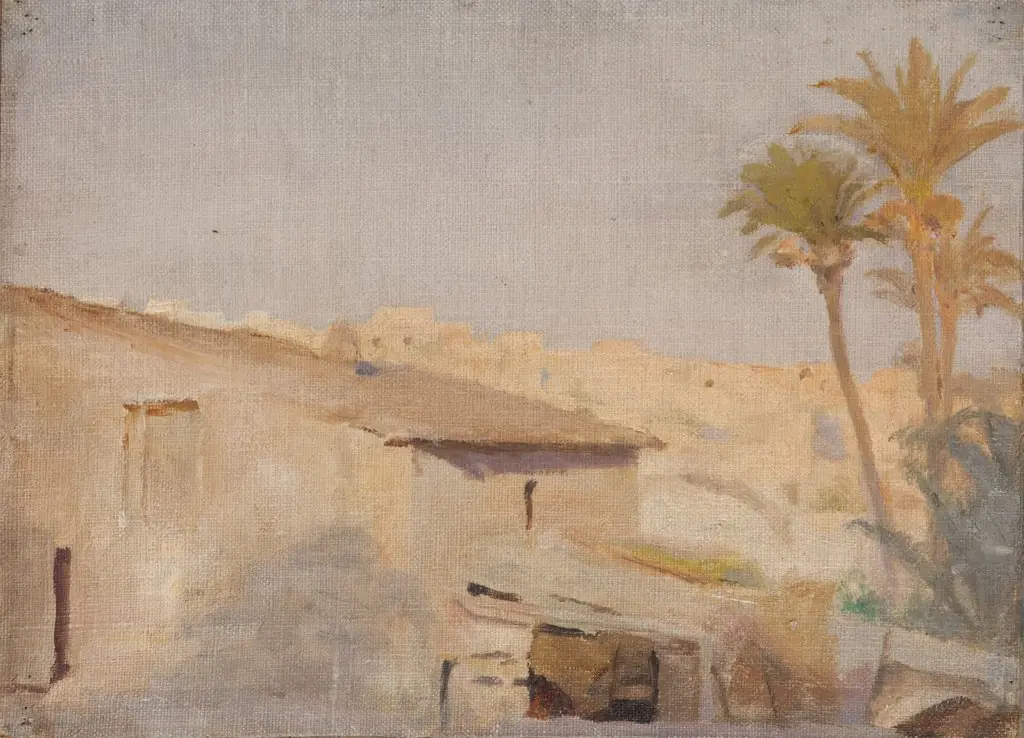
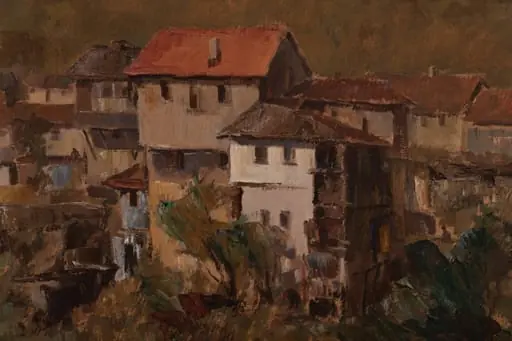
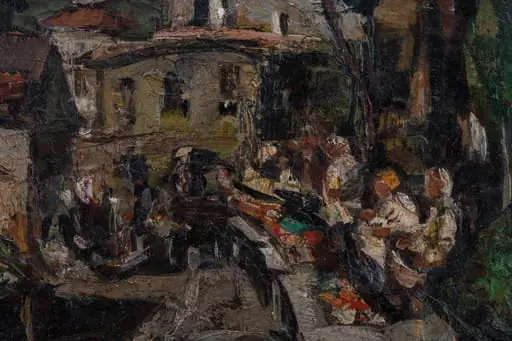
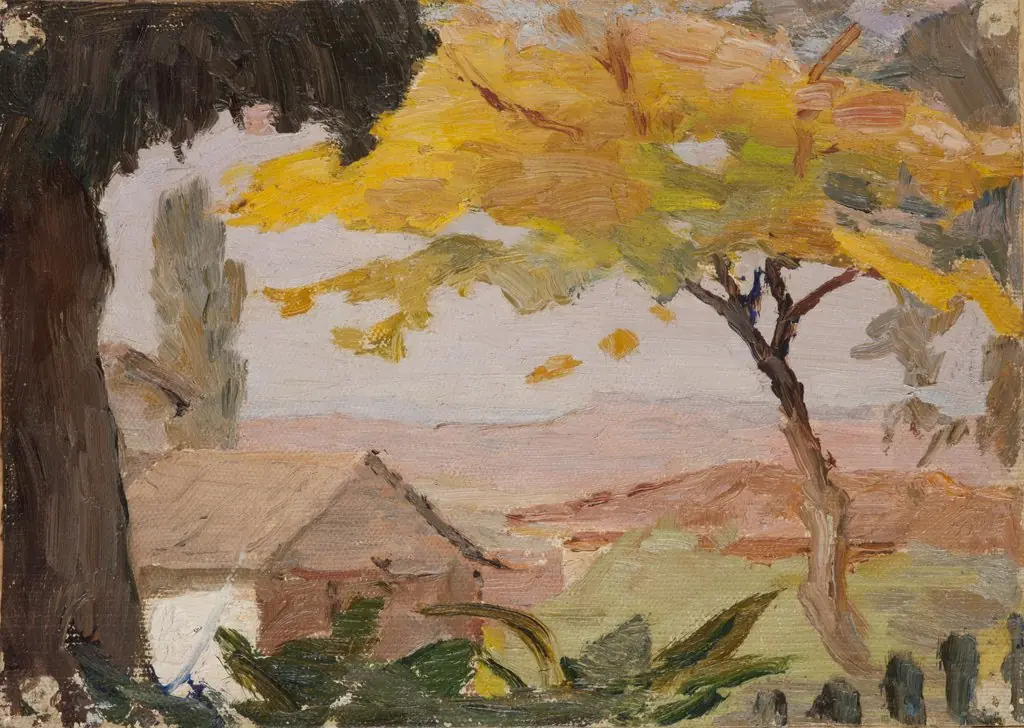
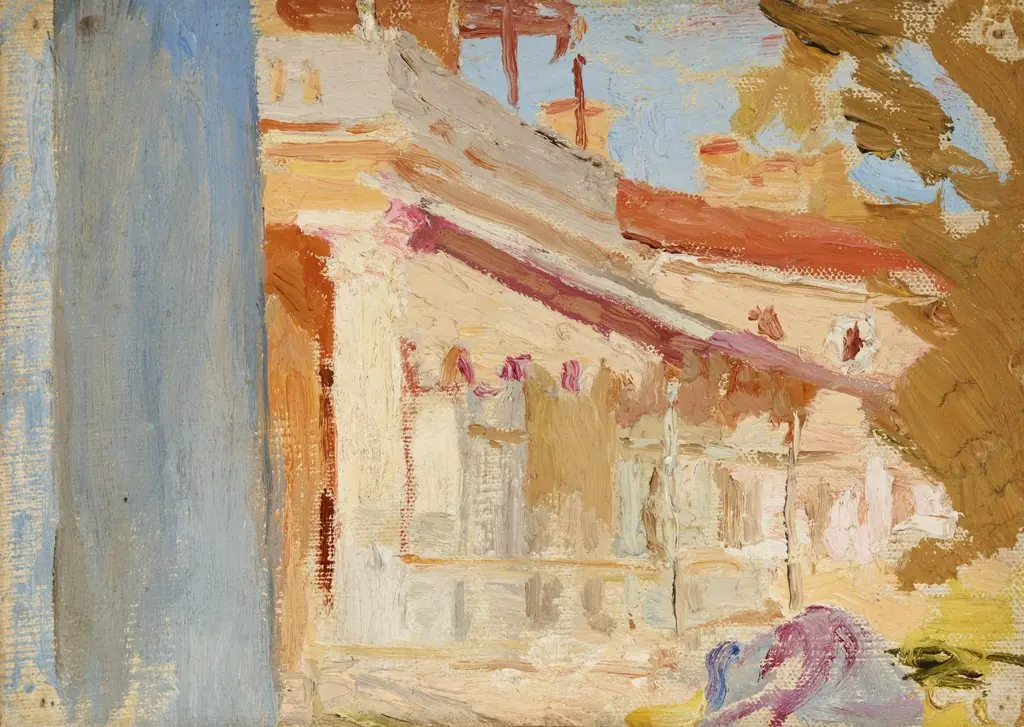
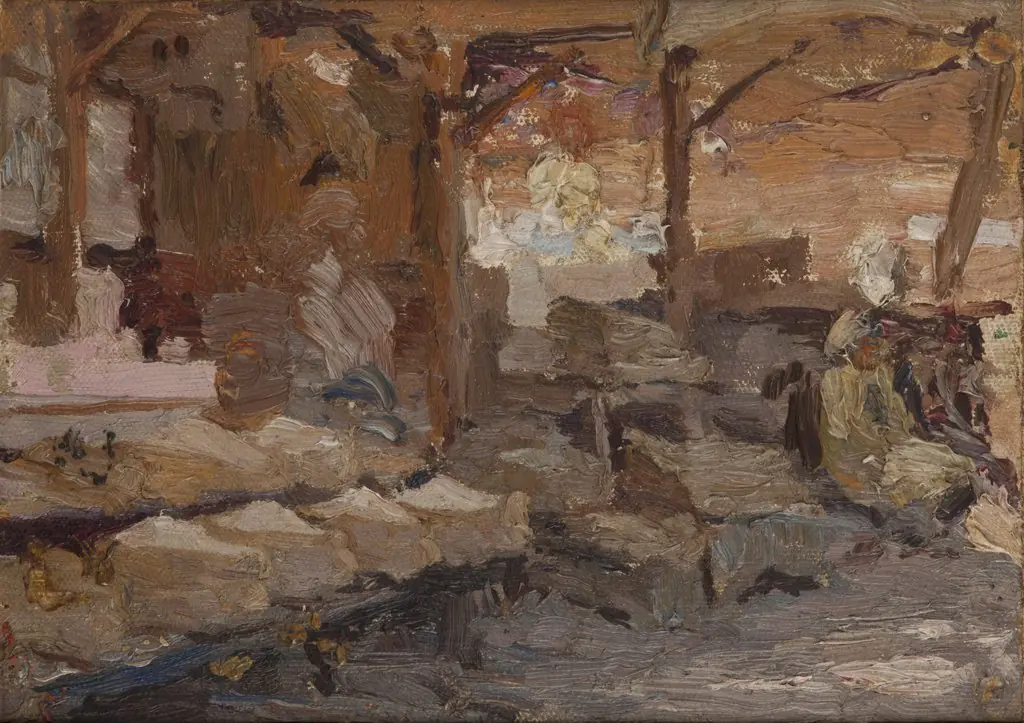
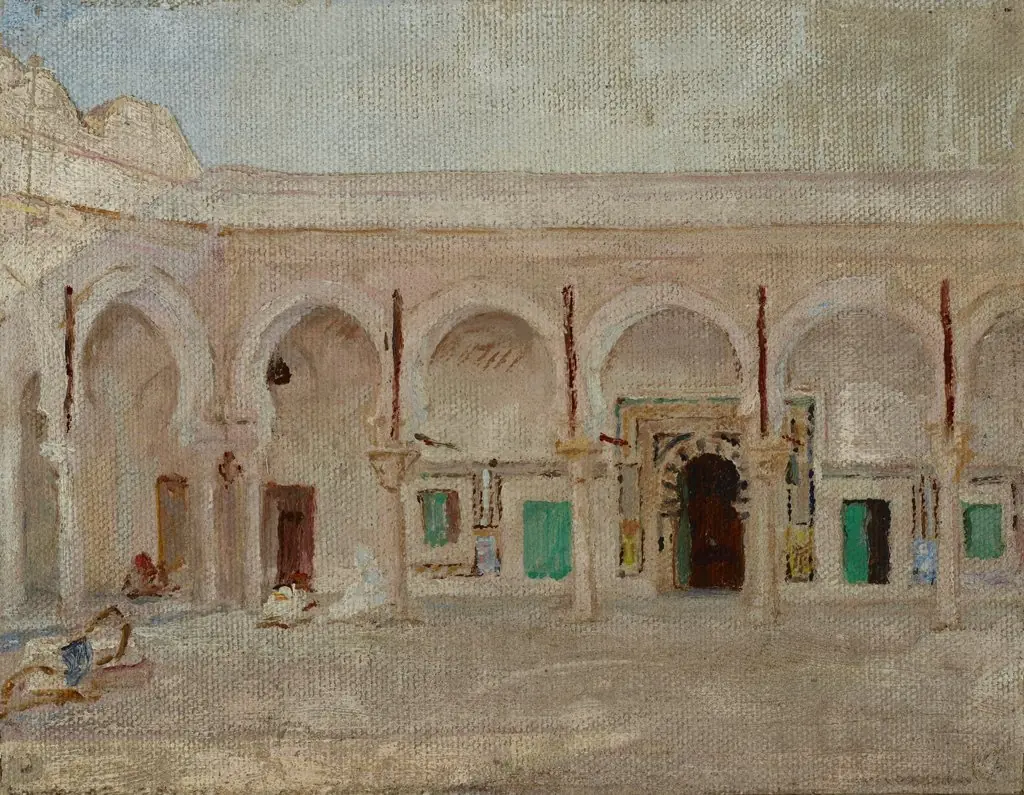
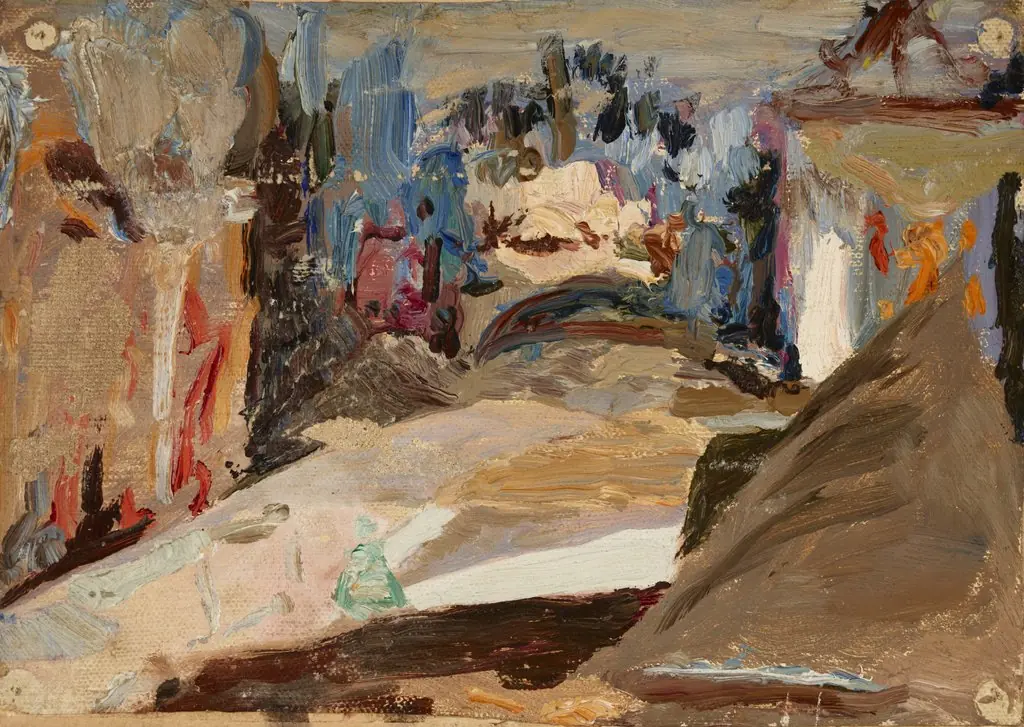
Smyrna (Bazaar) is an unspecified painting by Jan Ciągliński. It dates from 1910 and is held in the collection of the National Museum in Kraków.
About this work
Overview
The painting reflects his engagement with the visual culture of the Eastern Mediterranean and aligns with early Russian Impressionist tendencies.
Jan Ciągliński, a Polish artist working in St. Petersburg during the late Russian Empire, produced Smyrna (Bazaar) in 1910. The painting reflects his engagement with the visual culture of the Eastern Mediterranean and aligns with early Russian Impressionist tendencies. It is now part of the National Museum in Kraków’s collection, representing a rare instance of a Polish painter capturing Ottoman urban life through a distinctly modern European lens.
Subject & Meaning
The painting portrays the lively commerce of İzmir’s bazaar, a multicultural hub under Ottoman rule. Figures move through narrow alleys, their garments and postures suggesting diverse ethnic and social backgrounds. The absence of a central narrative emphasizes daily rhythm over drama, conveying the market as a living organism. Ciągliński’s focus on ordinary activity reflects an interest in authentic urban experience rather than exoticized spectacle.
Technique & Style
Ciągliński employed loose, visible brushwork and a luminous palette to evoke the heat and motion of the marketplace. Colors shift between the cool blues of shaded architecture and the warm ochres and reds of textiles and skin. Light is rendered diffusely, suggesting midday sun filtering through narrow streets. The composition lacks rigid perspective, favoring atmospheric depth through color gradation and overlapping forms, characteristic of Impressionist approaches adapted to non-Western settings.
History & Provenance
Painted during Ciągliński’s mature period, Smyrna (Bazaar) was likely created after his travels in the Levant. It entered the National Museum in Kraków’s collection in the early 20th century, possibly through the artist’s own donation or a private acquisition. Its preservation in Poland, rather than Russia, reflects shifting political boundaries and the reassignment of cultural artifacts after the collapse of empires.
Context
In 1910, İzmir was a cosmopolitan port city under Ottoman administration, frequented by European merchants and travelers. Ciągliński’s depiction aligns with broader European artistic interest in Orientalist subjects, yet avoids romanticized stereotypes. His approach resonates with contemporaries like Valentin Serov, who sought to capture modern life with immediacy rather than idealization, situating the work within a transitional moment in Eastern European art.
Legacy
Smyrna (Bazaar) remains a significant example of how Polish artists contributed to the development of Russian Impressionism despite national boundaries. It illustrates the mobility of artistic ideas across empires and the blending of Western techniques with non-European subjects. While Ciągliński is not widely known today, this painting endures as a quiet testament to cross-cultural observation in early modern painting.
Own this work as a print
Artist & collection
Artist
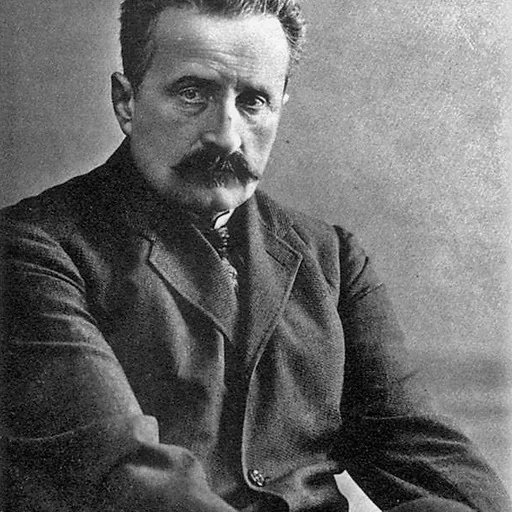
Jan Ciągliński (Polish: ; Russian: Ян/Иван Францевич Ционглинский, romanized: Yan/Ivan Frantsevich Tsionglinskiy; 20 February 1858 – 6 January 1913) was a Polish painter, active in St.