Artwork
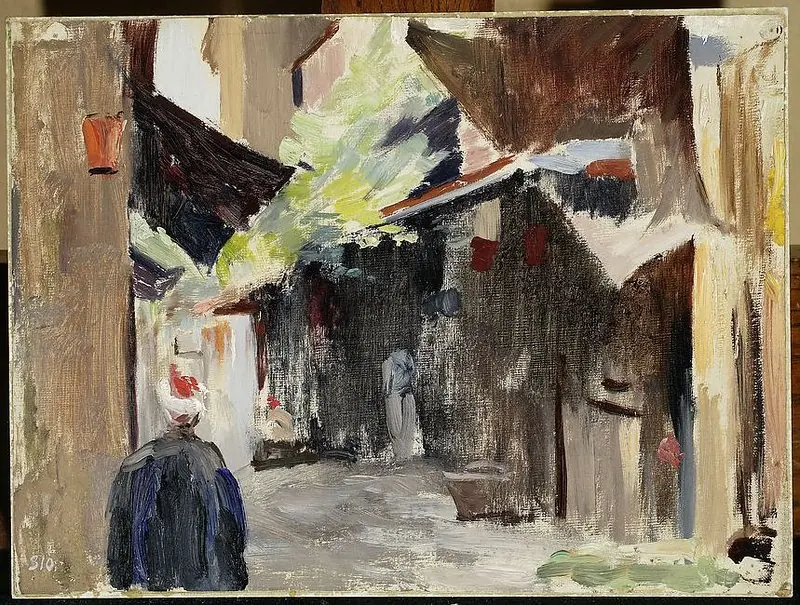
Street – Bakhchisaray. From the journey to Crimea
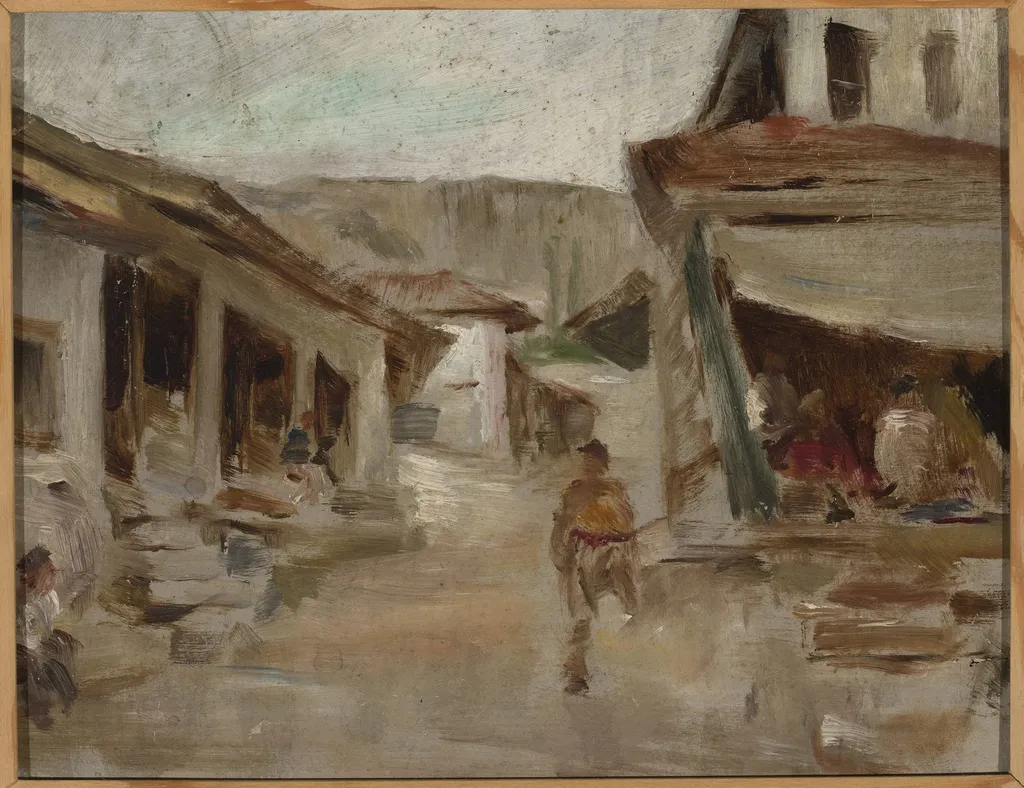
Street – Bakhchisaray. From the journey to Crimea is an unspecified painting by the Impressionist artist Jan Ciągliński. It dates from 1897 and is held in the collection of the National Museum in Warsaw.
About this work
Overview
Executed in a loose, light-sensitive manner, it reflects his engagement with Impressionist techniques while maintaining a personal, observational tone.
Jan Ciągliński, a Polish artist active in late 19th-century St. Petersburg, created Street – Bakhchisaray in 1897 during a trip to Crimea. The work belongs to a series of travel sketches capturing regional life and architecture. Executed in a loose, light-sensitive manner, it reflects his engagement with Impressionist techniques while maintaining a personal, observational tone. The painting is now part of the National Museum in Warsaw’s permanent collection.
Subject & Meaning
The scene portrays a quiet alleyway in Bakhchisaray, a historic town in Crimea, with modest stone buildings lining the path. A solitary figure walks away from the viewer, suggesting movement through an everyday space. The absence of dramatic action or clear narrative emphasizes the ordinary rhythm of life in the region. The painting conveys a sense of stillness, inviting contemplation rather than storytelling.
Technique & Style
Ciągliński employed soft, broken brushwork and a restrained palette of earth tones to capture the atmosphere of the street. Light is rendered diffusely, with subtle shifts in hue suggesting time of day without harsh shadows. Details are suggested rather than defined, particularly in the architecture and distant figures. This approach aligns with Impressionist principles, though the composition retains a measured, almost documentary quality.
History & Provenance
Painted during Ciągliński’s travels in the Crimea, the work was likely completed shortly after his visit in 1897. It entered the collection of the National Museum in Warsaw in the early 20th century, where it has remained since. Its preservation reflects the museum’s interest in Polish artists who documented cultural landscapes beyond the nation’s borders during a period of political fragmentation.
Context
In the 1890s, Polish artists often traveled within the Russian Empire, drawn to its diverse regions and architectural heritage. Crimea, with its layered history of Tatar, Ottoman, and Russian influences, offered rich visual material. Ciągliński’s focus on unadorned street life contrasts with grander imperial narratives, presenting a quieter, more intimate view of the empire’s peripheries.
Legacy
Street – Bakhchisaray exemplifies how Polish painters adapted Impressionist methods to local and foreign subjects without adopting its more radical tendencies. The work contributes to a broader understanding of regional identity in art during the late Russian Empire. Though not widely known outside Poland, it remains a quiet testament to the value of everyday observation in late 19th-century painting.
Artist & collection
Artist
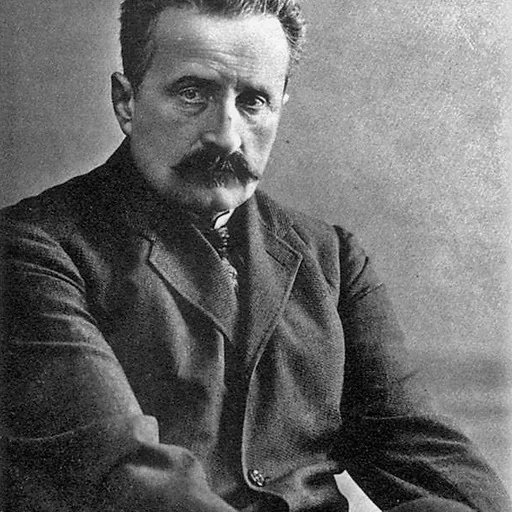
Jan Ciągliński (Polish: ; Russian: Ян/Иван Францевич Ционглинский, romanized: Yan/Ivan Frantsevich Tsionglinskiy; 20 February 1858 – 6 January 1913) was a Polish painter, active in St.

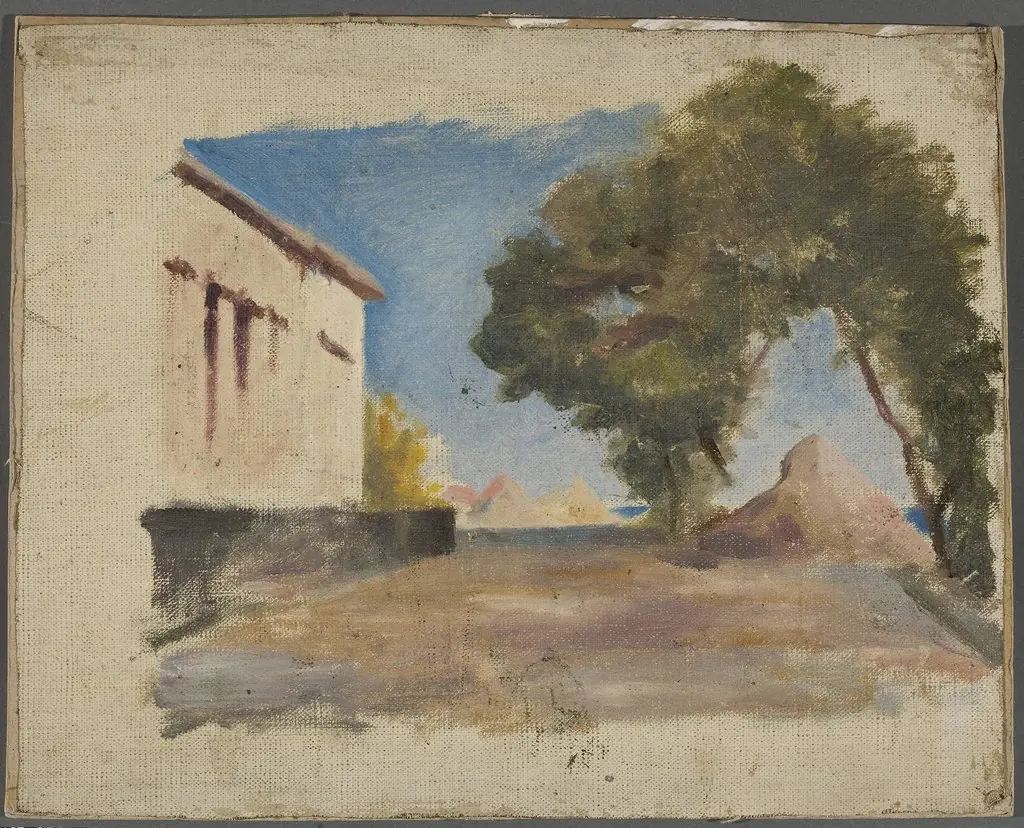 Crimea. From the journey to Crimea
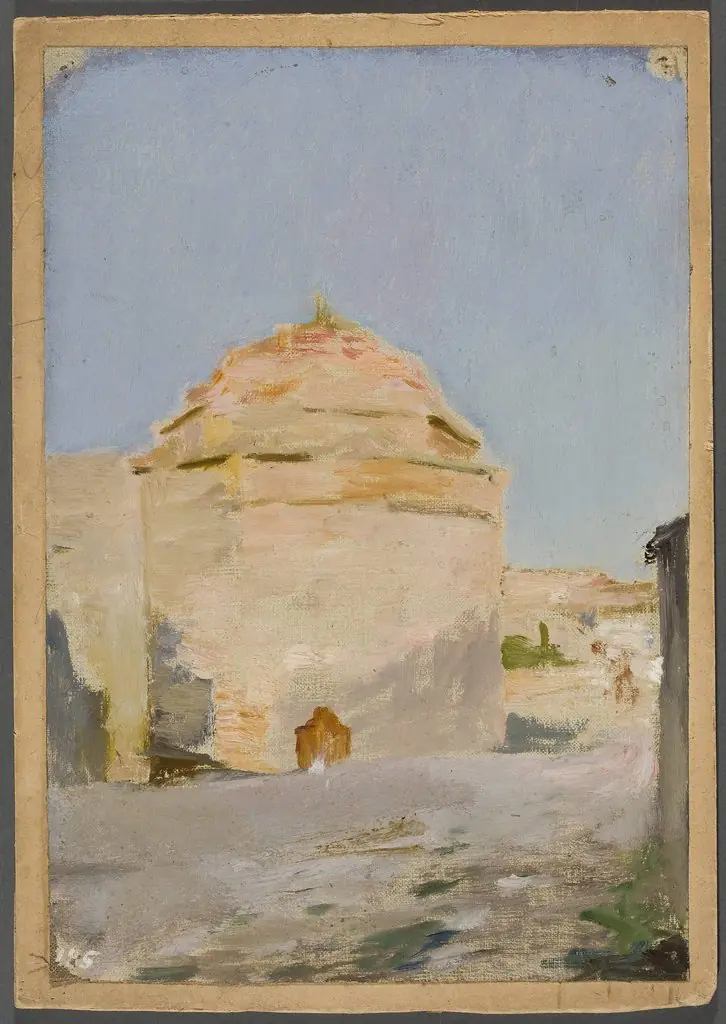 Grave of Maria Potocka in Bakhchisaray. From the journey to Crimea
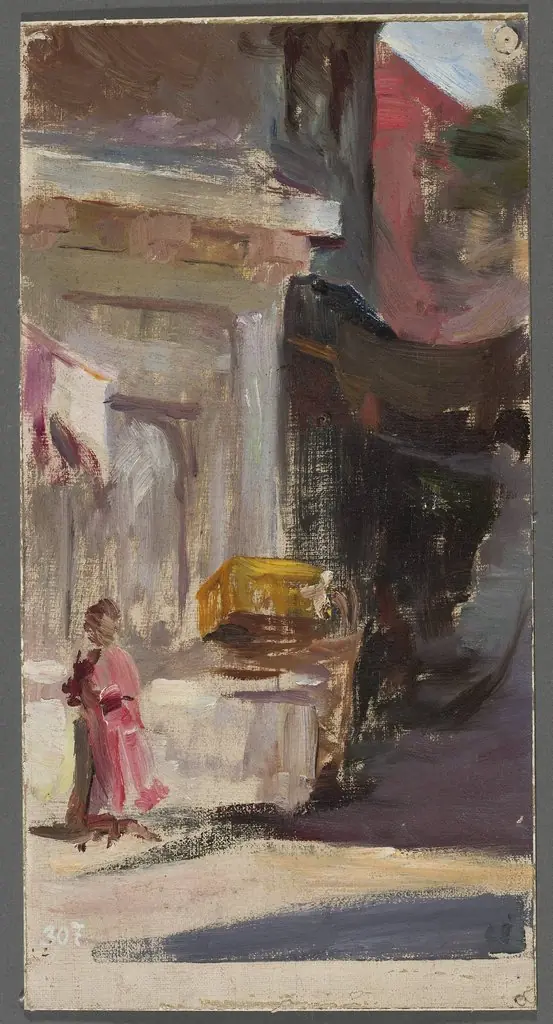 Street fragment. From the journey to Constantinople
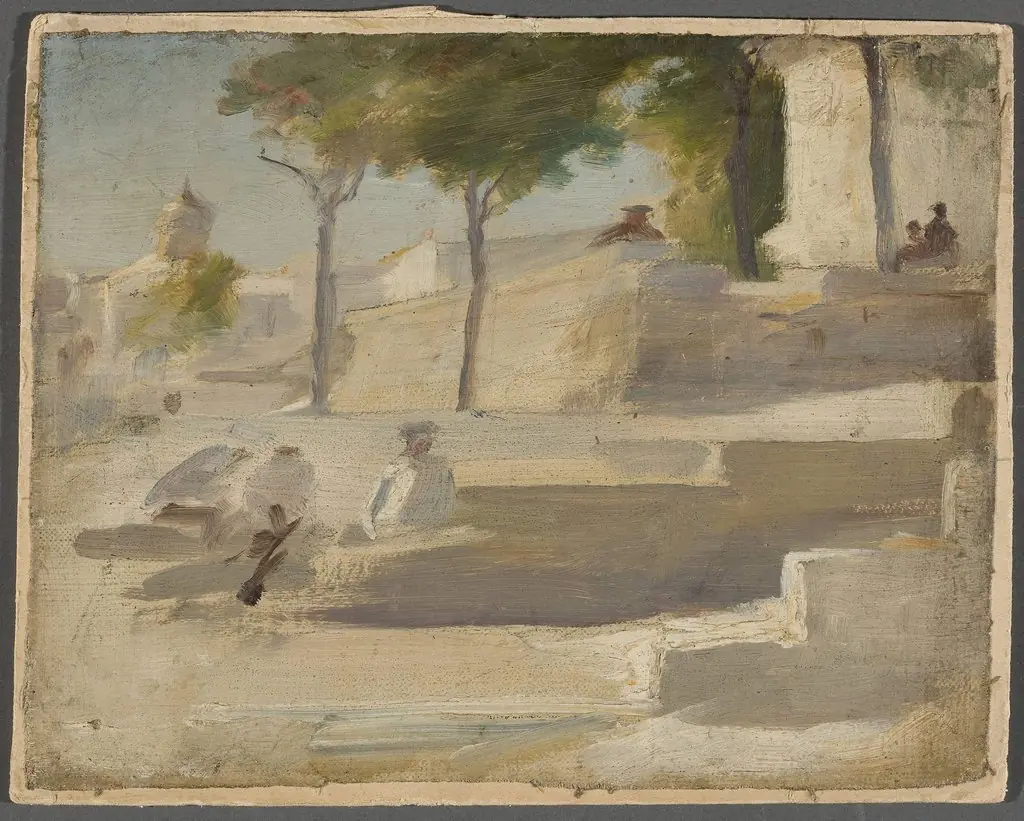 Study. From the journey to Crimea
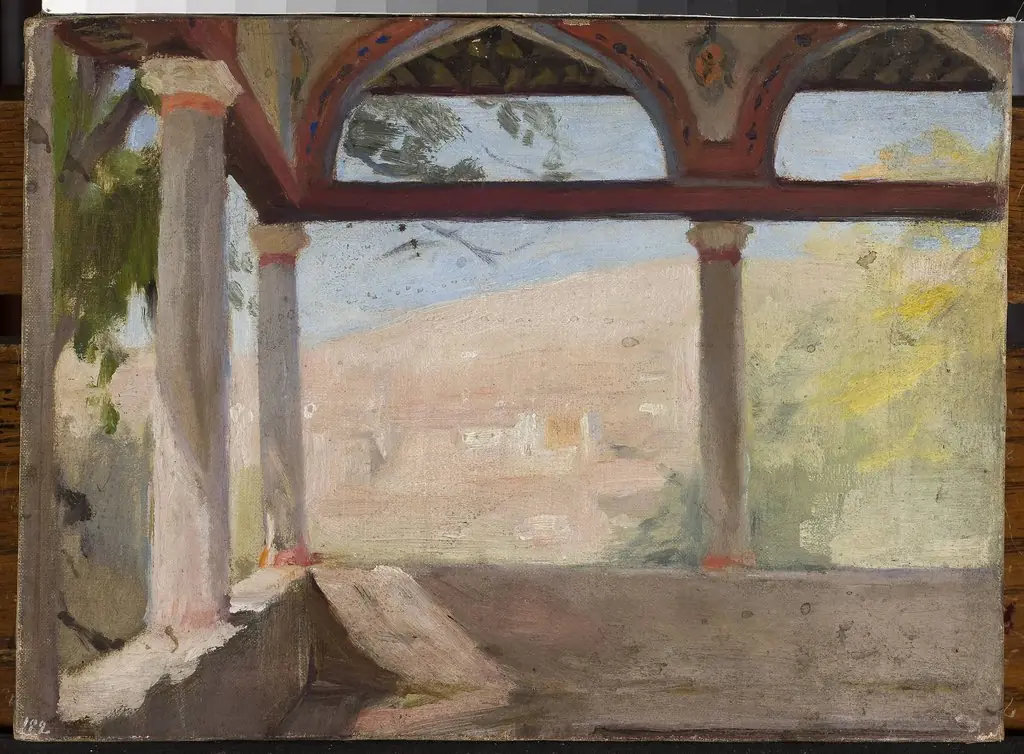 Summer house of Maria Potocka in Bakhchisaray. From the journey to Crimea
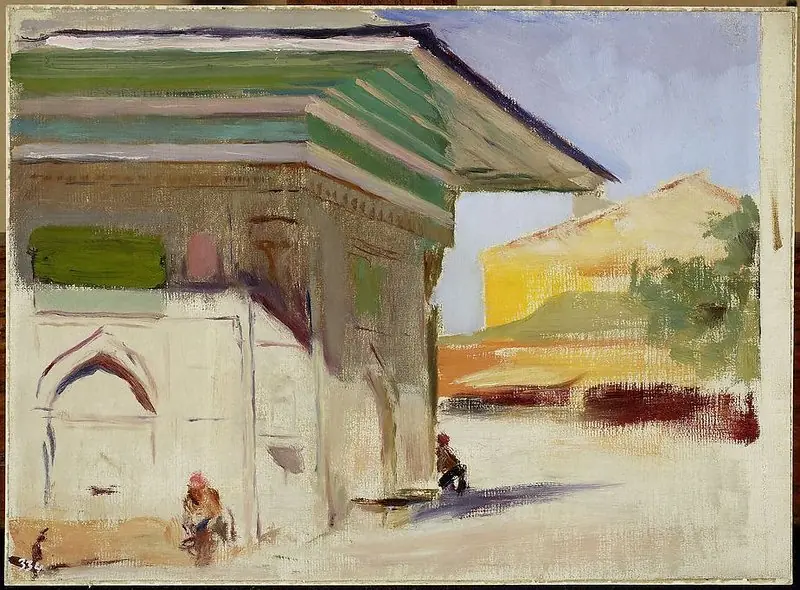 Street in the southern city. From the journey to Constantinople
 Bazaar in Istanbul. From the journey to Constantinople