Artwork
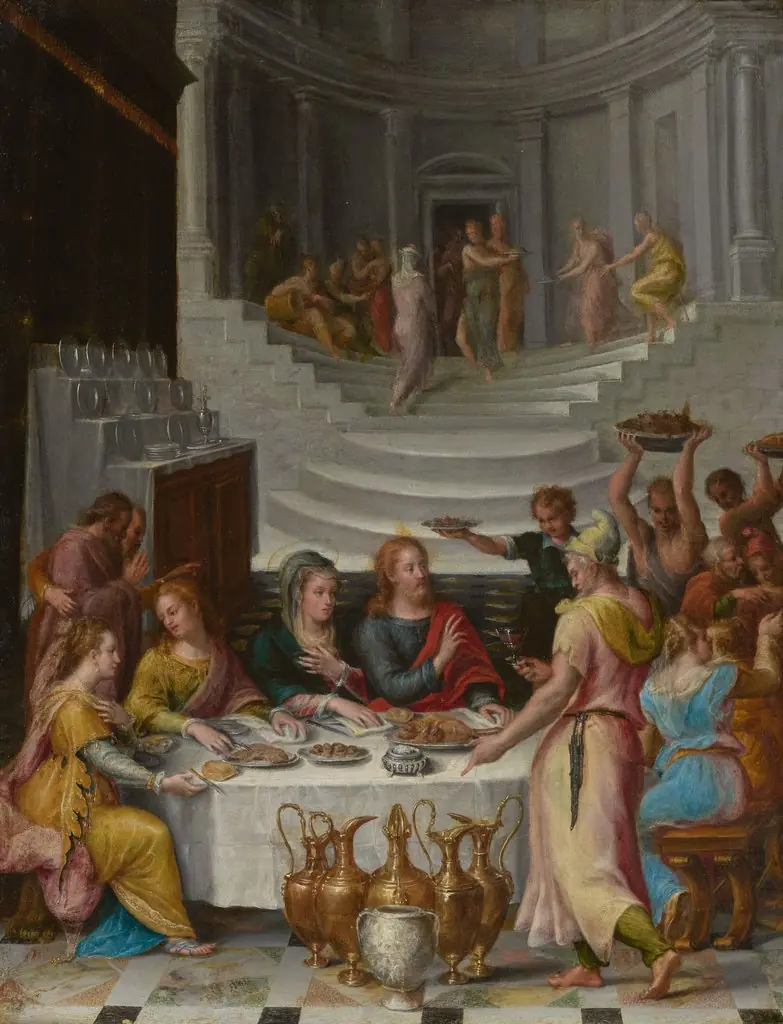
The Marriage at Cana
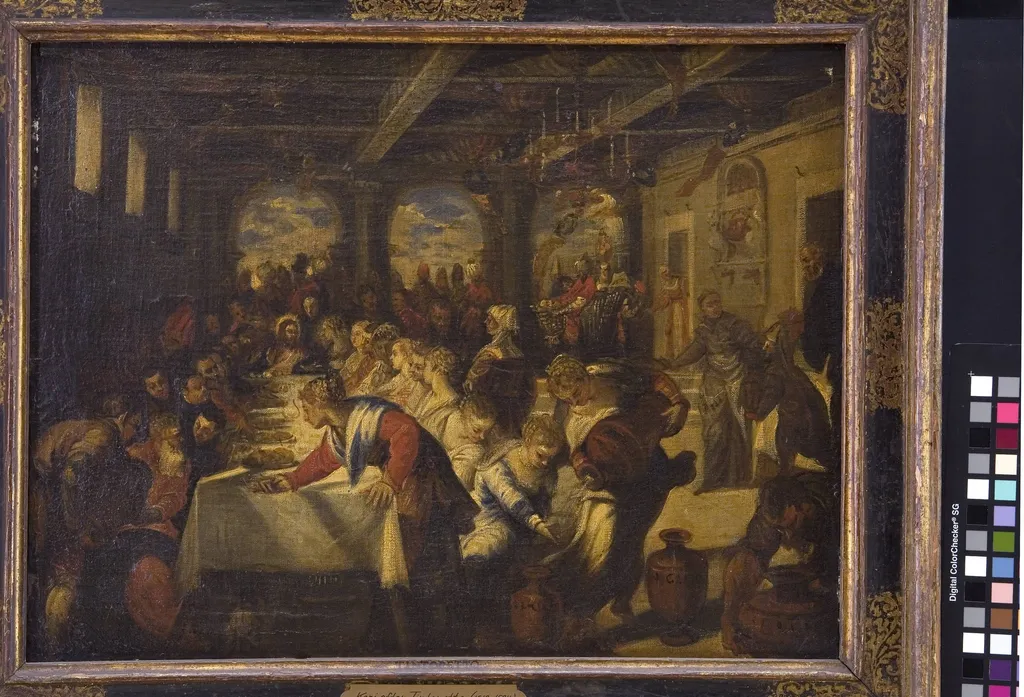
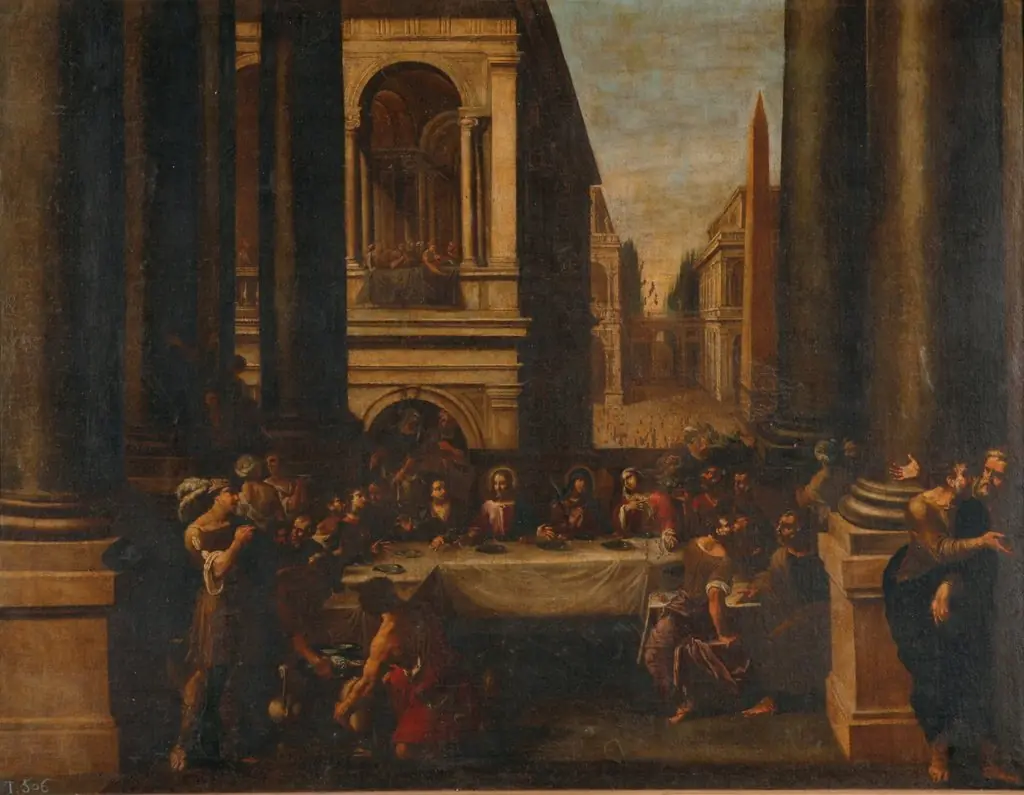
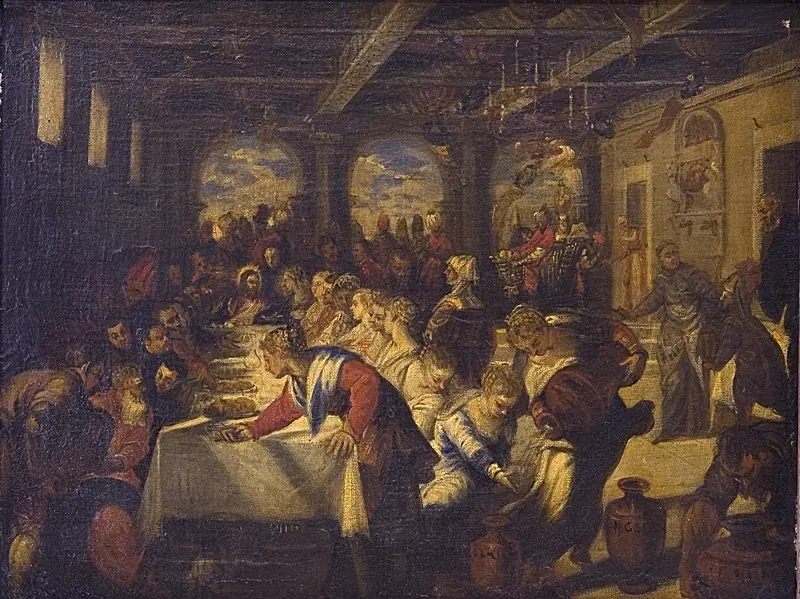
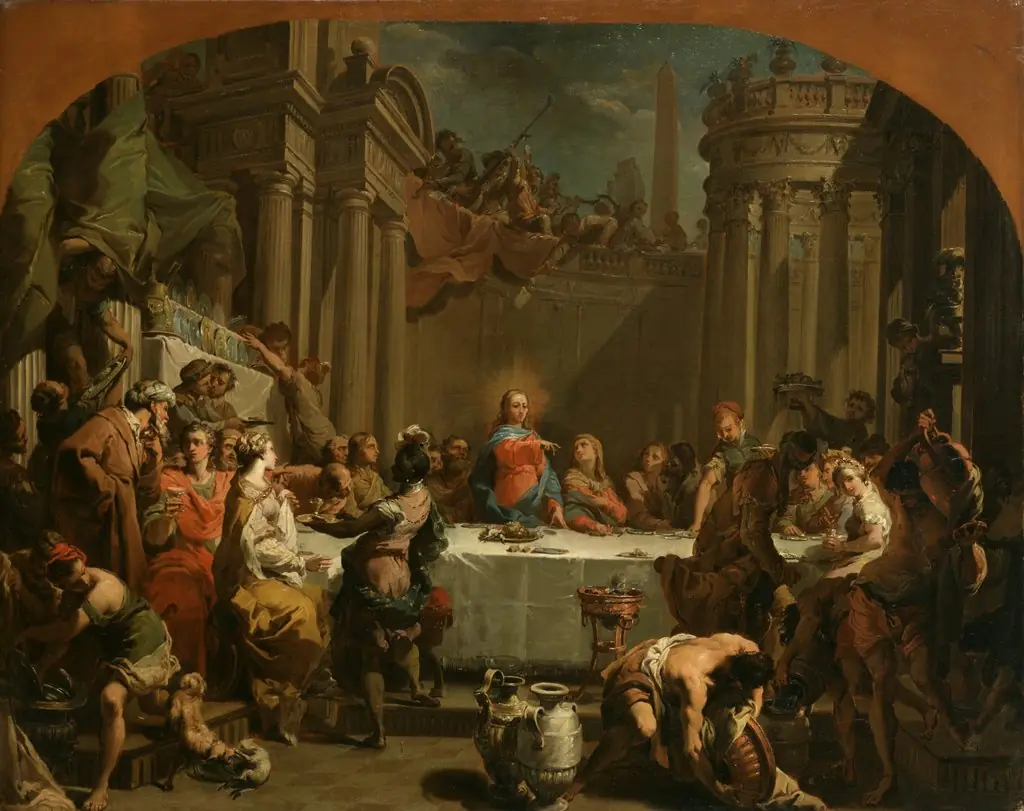
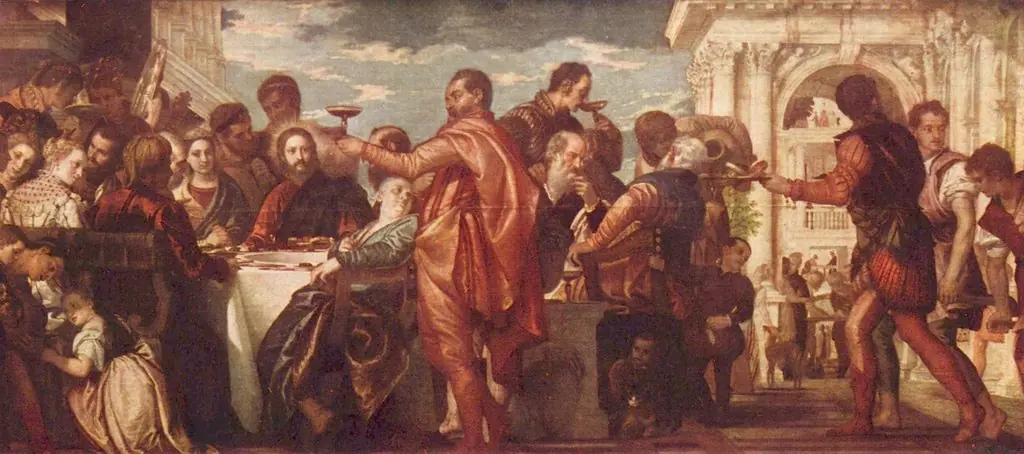
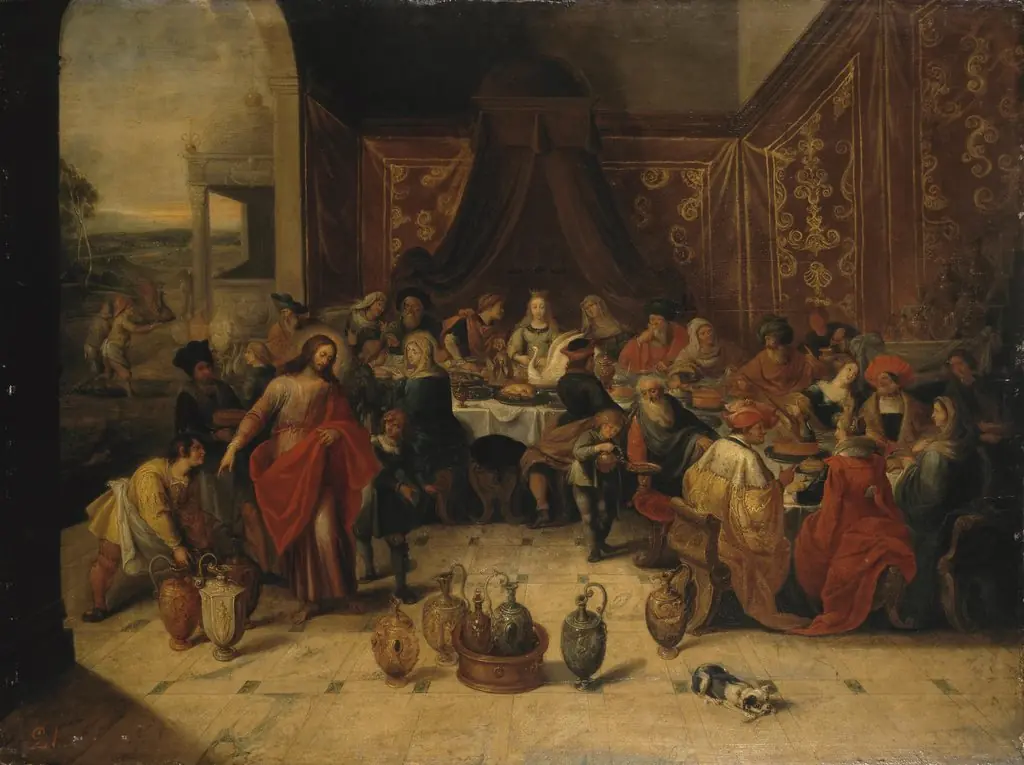
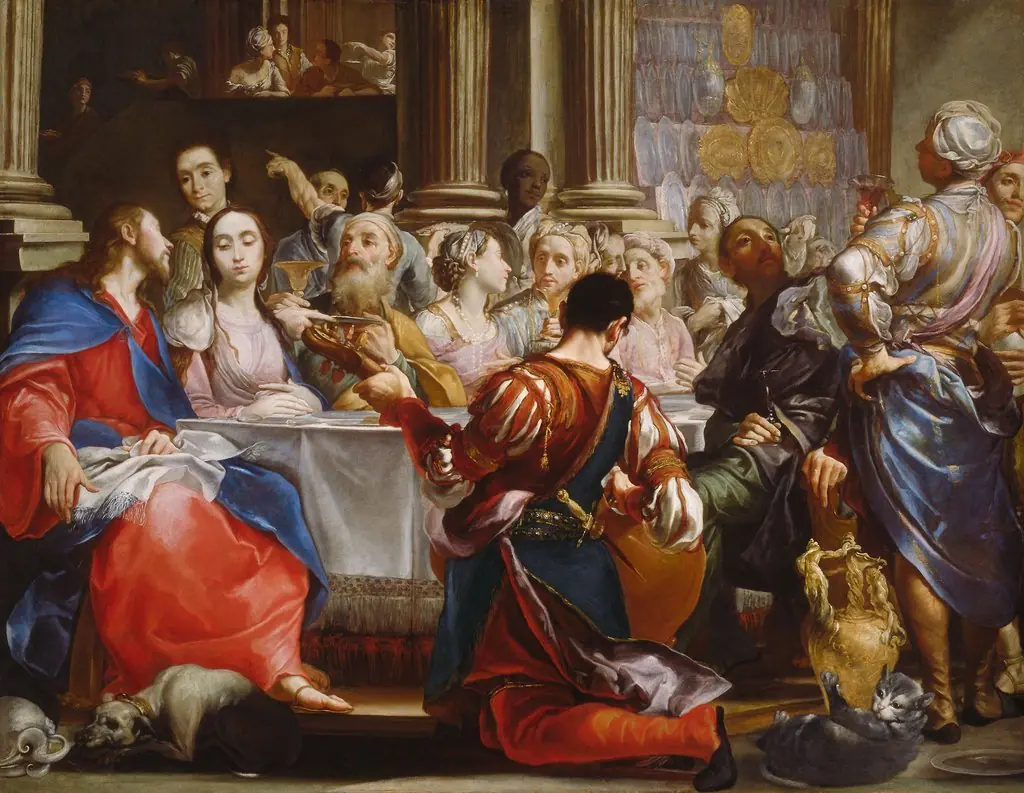
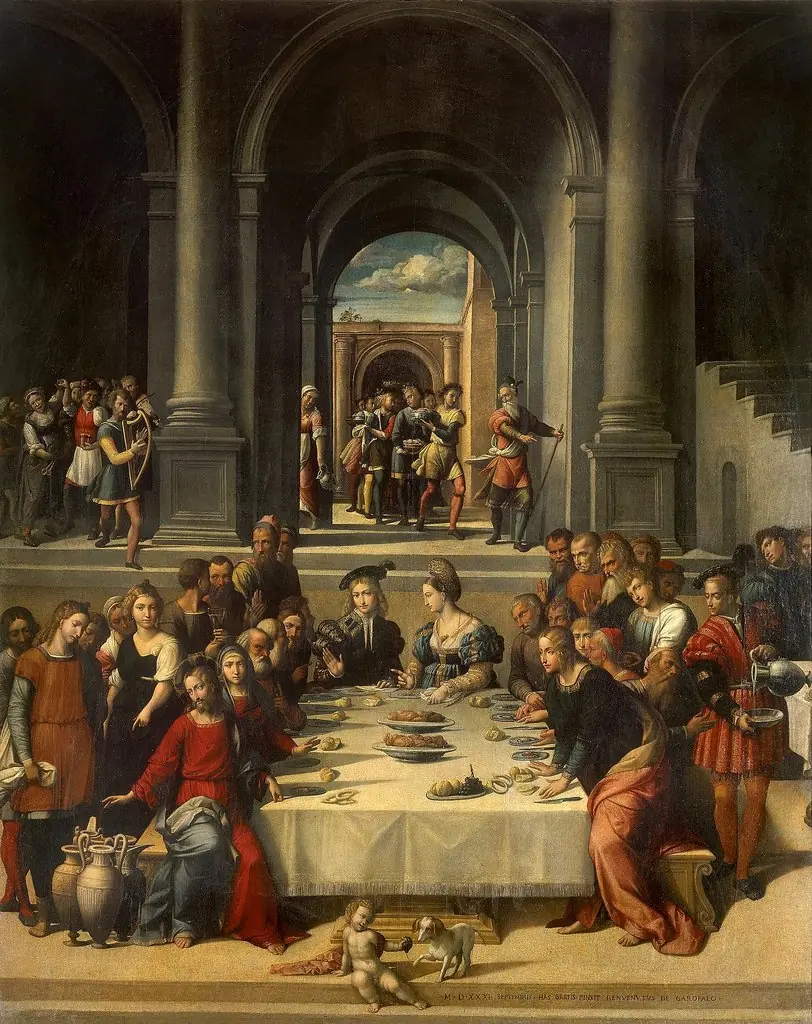
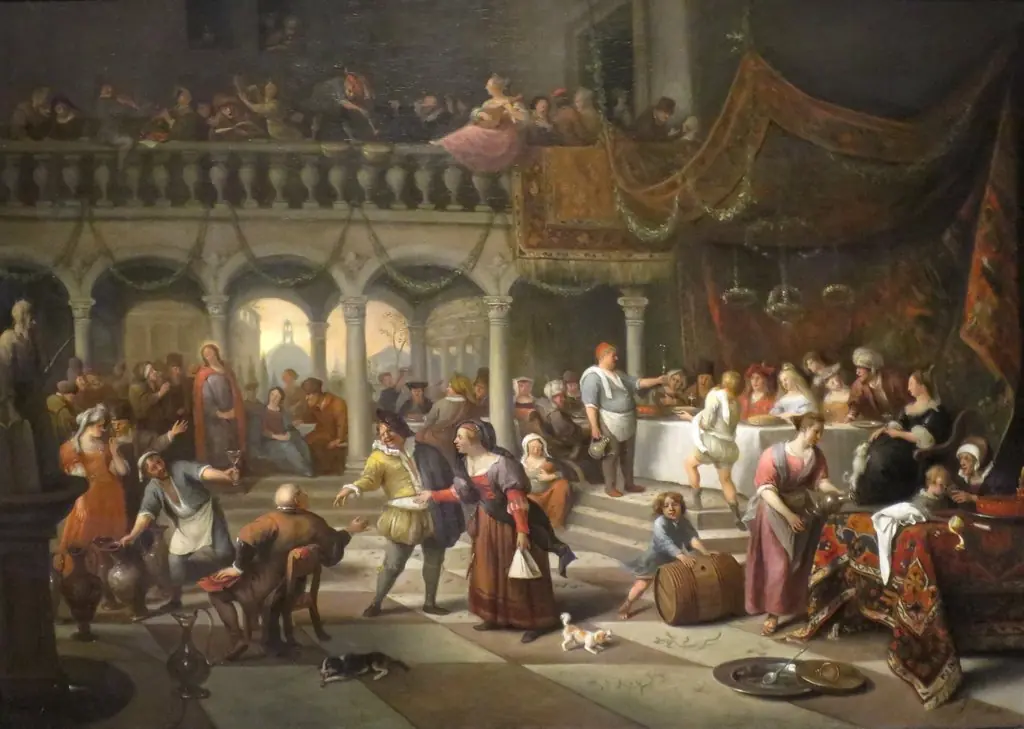
The Marriage at Cana is a photography by Unknown. It dates from 1550 and is held in the collection of the Statens Museum for Kunst. Painted around 1550, this scene depicts the biblical wedding at Cana, where Jesus turned water into wine.
About this work
Overview
Painted around 1550, this scene depicts the biblical wedding at Cana, where Jesus turned water into wine. The work is attributed to an artist active in the mid-16th century, though the specific identity remains unconfirmed. It is currently housed in the Museum of Ethnography, where it is displayed as part of a collection focused on cultural representations of ritual and community life.
Subject & Meaning
The scene captures the moment of transformation at a wedding feast, emphasizing communal celebration and divine intervention.
The scene captures the moment of transformation at a wedding feast, emphasizing communal celebration and divine intervention. Figures are arranged around a long table, engaged in eating, drinking, and gesturing, suggesting a moment of shared joy. The inclusion of servants and guests reflects social hierarchy, while the quiet miracle at the center underscores themes of abundance and grace within a domestic setting.
Technique & Style
The painting employs muted earth tones—gold, brown, and ochre—with selective use of vivid reds and blues in garments to draw attention to key figures. Light filters through high arched windows, casting soft shadows that model forms without dramatic contrast. Details in fabric, tableware, and architecture are rendered with careful observation, suggesting a preference for realism over idealization.
History & Provenance
The painting entered the Museum of Ethnography’s collection in the late 19th century, likely acquired during a period of expanded ethnographic and religious artifact gathering. Its origins prior to this are undocumented, though stylistic elements point to a Northern Italian or Flemish workshop. It has remained in the museum’s care since, with no record of public exhibition prior to the 20th century.
Context
Created during the Counter-Reformation, the work reflects a broader Catholic interest in biblical narratives as moral and communal touchstones. Unlike grand altarpieces, this scene focuses on everyday ritual, aligning with emerging devotional practices that emphasized personal connection to sacred events. The setting’s domestic grandeur mirrors the elevated status of marriage in both religious and social life.
Legacy
Though not widely reproduced or studied in mainstream art history, the painting offers insight into how biblical stories were localized in vernacular settings during the Renaissance. Its presence in an ethnographic museum highlights its role as a cultural artifact, valued more for its depiction of social customs than for its artistic innovation.
Artist & collection

 Domestic Scene
 Giacomo and Cardinal Marco, investing Andrea, Abbot of San Zeno, with his Benefice
 The Nymph of Fontainebleau
 Portrait of a Woman
 Madonna and Child with Saints in the Enclosed Garden
 Venus and Minerva
 Family Group of Four on Sofa
 Wall painting from Room H of the Villa of P. Fannius Synistor at Boscoreale